Support

Big Bear Alpine Zoo

About

The Big Bear Alpine Zoo is not just a zoo in the traditional sense, but a unique sanctuary and rehabilitation center located in the picturesque town of Big Bear Lake, California, USA. Its main mission is the rescue, treatment, and rehabilitation of wild animals that have been injured, orphaned, or have become too habituated to humans to survive in their natural habitat.
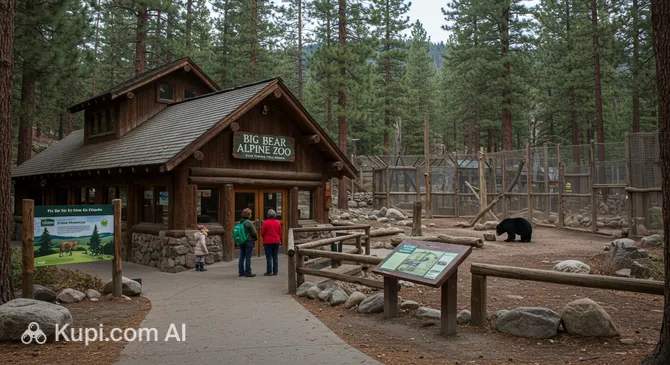
Big Bear Alpine Zoo. Illustration.
Source: Kupi.com AI

Traveler photos:

For many of its residents, the zoo becomes a temporary home on the path to recovery and return to the wild. The center's specialists make every effort to successfully rehabilitate the animals and release them. However, those who cannot survive on their own due to serious injuries or significant imprinting (becoming accustomed to humans) find a permanent refuge and care at the Big Bear Alpine Zoo.

Visitors have a rare opportunity not only to see various representatives of the local fauna but also to learn more about the importance of wildlife conservation and rehabilitation efforts. Since 2020, the zoo has been located in a new, modern complex, providing even better conditions for its inhabitants and guests. It is a place where a love for animals is combined with a scientific approach and a dedication to the cause of their rescue.

Contacts

For the most up-to-date information on operating hours, ticket prices, and special programs at the Big Bear Alpine Zoo, we recommend visiting its official website. Additional details may also be available through the Big Bear Valley Recreation and Park District, which manages the zoo, or at the visitor information center in the city of Big Bear Lake. You can also find useful information about supporting the zoo on the website of the non-profit organization "Friends of the Big Bear Alpine Zoo" (FOBBAZ).

How to contactContact
Address42801 Moonridge Rd, Big Bear Lake, CA 92315, USA
Phone number+1 909-584-1299
Websitewww.bigbearzoo.org

What to Do

At the Big Bear Alpine Zoo, visitors have a unique opportunity to encounter wildlife from the San Bernardino region. Here, you can see impressive animals such as bears and mountain lions (cougars), as well as a variety of birds. The zoo strives to create conditions for its residents that closely mimic their natural environment, allowing visitors to observe their behavior in a comfortable and educational setting.

Beyond animal watching, a visit to the zoo is a chance to learn more about the importance of wildlife conservation and the rehabilitation process. Educational programs are available for guests, covering local fauna and the unique ecosystem of the San Bernardino National Forest. Volunteers from the "Friends of the Big Bear Alpine Zoo" (FOBBAZ) are always ready to share interesting facts and stories about the zoo's residents, explaining their habits and the recovery process.

The new, modern zoo complex, opened in November 2020, ensures excellent conditions for both animals and visitors. This makes the visit even more pleasant and informative, allowing guests to fully enjoy their time with nature and learn a lot about its amazing inhabitants and the vital work the zoo does to rescue and care for them.

Getting There

The Big Bear Alpine Zoo is located at 747 Clubview Drive in the charming mountain town of Big Bear Lake, California. Since 2020, the zoo has been welcoming visitors at this new, more spacious, and modern location. The most convenient way to reach the zoo is by private car. Follow the road signs toward Big Bear Lake and then directly to the zoo — it is quite easy to find.

The town of Big Bear Lake itself is nestled in the San Bernardino Mountains. The drive from major cities like Los Angeles typically takes two to three hours, depending on traffic. This makes a visit to the zoo a wonderful idea for a day trip or a weekend getaway to enjoy a change of scenery and connect with nature.

For those who prefer public transportation, there are options to reach Big Bear Lake, though this may require more careful planning and take longer. We recommend checking the schedules and routes of local buses or shuttles serving the Big Bear Lake area in advance. Confirming this information will help you understand how convenient it will be to reach the zoo by public transport.

Nearest city: Big Bear Lake

History & Facts

The history of the Big Bear Alpine Zoo began quite dramatically. In 1959, a devastating wildfire swept through the San Bernardino National Forest, leaving many local animals without homes or resources. This tragic event served as the catalyst for creating not a traditional zoo, but a safe haven for the rehabilitation of injured wildlife. The primary and original goal was the treatment and eventual return of rescued animals to their natural habitat.

The first residents of this improvised rescue center were a black bear and two bobcats in need of help after the fire. In 1960, the facility received official status and a 50-year land lease, allowing it to develop as a full-fledged zoological institution. Originally known as Moonridge Animal Park, it officially opened its doors to visitors on Goldmine Drive in 1961, laying the foundation for decades of wildlife conservation work.

The non-profit organization "Friends of the Big Bear Alpine Zoo" (FOBBAZ), founded in 1989 to raise funds and provide comprehensive assistance, played a vital role in supporting the zoo. Over time, it became clear that the existing site no longer met growing needs. In 1998, the Big Bear Valley Recreation and Park District was asked to consider relocating the zoo and building a completely new, more modern facility that would meet high standards of animal care.

The journey to a new home was long, but thanks to the joint efforts of many organizations—including the San Bernardino County Board of Supervisors, which began funding the project in 2002, the Big Bear Valley District Park, FOBBAZ, and the U.S. Forest Service—the dream became a reality. Construction of the new Big Bear Alpine Zoo began on July 25, 2016, with the total project cost reaching $18.2 million. Finally, on November 5, 2020, the renovated and significantly improved zoo officially opened to the public, offering its inhabitants superior conditions and visitors an unforgettable experience meeting the amazing world of animals.

Time Needed

To fully enjoy the Big Bear Alpine Zoo, it is recommended to set aside approximately 2-3 hours. This is usually enough time to leisurely walk through the entire grounds, observe the animals, read the informational displays near the enclosures, and perhaps catch any educational events or presentations scheduled for the day of your visit.

While the zoo is not very large in terms of area, it offers a rich program and many interesting inhabitants. If you plan a more in-depth study—for instance, if you want to learn the specific rescue stories of certain animals or attend special lectures—your stay might be longer. However, for a general overview and a great experience, the suggested timeframe is quite sufficient.

Working Hours

The Big Bear Alpine Zoo is typically open to visitors daily from 10:00 AM to 4:00 PM. This allows guests to see the animals during the best daylight hours. The zoo welcomes a significant number of visitors year-round, offering a unique opportunity to see rescued and rehabilitated animals.

Despite the regular schedule, it is highly recommended to check the current schedule on the zoo's official website or contact the administration directly before your planned visit. Operating hours may change during holidays or due to unfavorable weather conditions, which occasionally occur in mountainous areas. Checking in advance will help you avoid surprises and plan your visit in the best possible way. Generally, no special ticket reservation is required for individual visits, but for group tours or special programs, it is better to confirm the terms in advance.

10:00 – 16:00

Nearby

Visiting the Big Bear Alpine Zoo is undoubtedly a highlight, but to make your trip to Big Bear Lake even more fulfilling, it is worth exploring other interesting nearby attractions. Discovering the surrounding area will allow you to dive deeper into the atmosphere of this mountain resort and uncover its many facets.

Near the zoo, you'll find both natural and man-made attractions that can complement your experience and offer a variety of activities—from active adventures to relaxing escapes. Below is a list of some of these sites, including the approximate distance from the Big Bear Alpine Zoo, to help you plan your time.

NameDistance
Big Bear Lake Resort1.8 km
Snow Summit1.9 km
Big Bear Mountain Resort1.9 km
Interlaken Shopping Center2 km
Wyatt's Grill and Saloon2.4 km
Stanfield Marsh Wildlife and Waterfowl Preserve2.4 km
Ski Beach Park3.1 km

Have you reached the end of the page?

So the route has been studied inside and out