Support

Big Spring

About

Big Spring is a charming city in Texas, often called the "Crossroads of West Texas." It attracts travelers with its hospitality, a unique blend of natural beauty, and the preserved spirit of the American heartland. Here, among rocky hills and wide plains, about 26,000 people live, creating a cozy and peaceful atmosphere.

Geographically, the city is located in a region where steppe landscapes meet highlands, providing picturesque views, especially at sunset. The climate here is semi-arid, with hot summers and mild winters comfortable for walking. When planning a big trip to the USA, it’s worth including Big Spring in your itinerary to see the real life of a Texas town away from noisy metropolises.
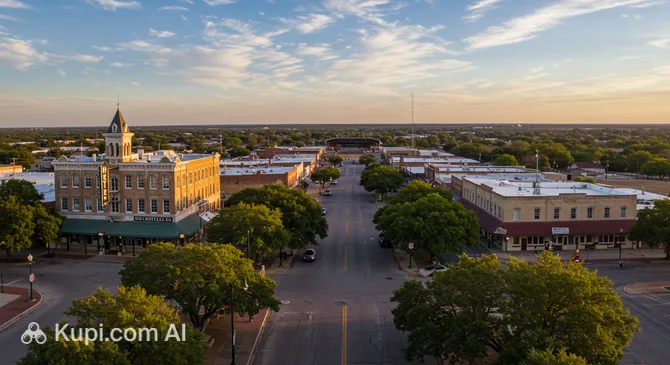
Big Spring. Illustration.
Source: Kupi.com AI

The settlement got its name from the only large natural spring within a radius of many miles, which for centuries served as a resting place for travelers and animals. The fascinating history of Big Spring is inextricably linked with the era of the Wild West exploration, the construction of railroads, and the oil boom, which is reflected in the local architecture and monuments.

Among the city's main attractions is Big Spring State Park. After climbing to the top of a scenic cliff, tourists can enjoy a breathtaking panorama of the city and the endless expanses of Texas. History and technology buffs will find the Hangar 25 Air Museum interesting, located in a fully restored World War II-era hangar. Another symbol of the city is the majestic historic Hotel Settles, which has been carefully restored and returned to its former glory.

Big Spring is a great place to stop, where you can take a leisurely stroll through the parks, explore local heritage, and experience authentic Texan flair. The city awaits guests ready to discover its hidden treasures and enjoy a warm Southern welcome.

Weather Overview

The climate in this region can be described as semi-arid, which is typical for West Texas. Seasons are distinct here, but extreme cold is very rare. To choose the perfect time for your trip and pack accordingly, we recommend checking the current weather in Big Spring for your visit dates.

Summers in the city are truly hot and sunny. The highest temperatures are recorded in July and August, when average figures reach 29.7°C, and daytime highs often exceed 35°C. Precipitation during this period is low, so the heat is easier to bear thanks to the dry air.

Winter here is mild and comfortable for walking. The coldest month is January, with an average temperature of 8.4°C, though nights can be cool, dropping to 1.6°C. Snow and prolonged rain in winter are rare; for example, there is practically no precipitation in January.

Spring and autumn are considered the most pleasant times of year for tourism. In April and October, the air warms up to a comfortable 20°C. However, keep in mind that May is the "wettest" month of the year: there are up to 10 days with precipitation recorded, although the total volume remains moderate.

Expect hot summers with minimal rain and mild, dry winters that are perfect for exploring local attractions.

Average monthly temperature

Average monthly precipitation

Interesting Facts

Beyond its well-known locations, this Texas city hides curious details that turn a walk through it into a real exploration. Here are a few facts that will help you see Big Spring from a new perspective:

  • Cinematic Fame. The city served as the setting for the beginning of the cult Oscar-winning film "Midnight Cowboy" (1969). Scenes were filmed here showing Jon Voight's character working as a dishwasher in a local cafe and boarding a bus to leave Texas.

  • An Oasis in the Desert. The spring that gave the city its name was historically the only large source of fresh water within a 60-mile radius. It served as a vital stop for Comanche tribes and later for early motorists crossing the USA on the transcontinental Bankhead Highway.

  • A Skyscraper on the Plains. The famous Hotel Settles, opened in 1930, held the title of the tallest building between El Paso and Fort Worth for decades. Its 15-story silhouette, rising above the plains, was visible for miles and served as a landmark for travelers.

  • Gold Reserves. Legend has it that Spanish conquistador gold or the loot of late 19th-century train robbers is hidden in one of the caves near Big Spring. Although no treasure has ever been found, these stories still capture the imagination of local treasure hunters.

How to Get There

When planning a trip through Texas, it’s important to think about logistics in advance, as distances in this state can be substantial. To choose the best route and mode of transport, we recommend studying all the ways to get to the city and preparing for your trip.

Big Spring itself does not have its own passenger airport with regular commercial flights. The closest and most convenient hub is Midland International Air & Space Port (MAF), located in the neighboring city of Midland. The distance is about 77 km. This is a modern regional airport, and the journey from here by taxi or rental car via the highway will take only 45–50 minutes.

An alternative option is Lubbock Preston Smith International Airport (LBB), located approximately 160 km from Big Spring. This is a larger transportation hub with a busier schedule. The road by land from Lubbock to your destination will take about 1 hour 45 minutes. This option is worth considering if you plan to rent a car and drive through the region's scenic plains.

For clarity, here is a summary of the main airports within range:

AirportPassenger trafficDistance
Midland International Airport767 73477 km
San Angelo Regional Airport120 000135 km
Lubbock Preston Smith International Airport979 000160 km
Abilene Regional Airport150 000170 km
Lea County Airport47 000171 km

Unlike major metropolises, Big Spring does not have access to passenger rail service. It can be reached exclusively by motor vehicle. The city is conveniently located at the intersection of major highways, including I-20, making it easily accessible for those traveling by private or rental car. Intercity buses (such as Greyhound) also make regular trips, connecting Big Spring with other towns in the state.

Main Attractions

Despite its modest size, Big Spring offers travelers a rich cultural and natural program. Here you can touch the history of aviation, enjoy panoramic views of Texas, and see the place that gave the city its name. Here is a list of the main attractions worth including in your itinerary.

Big Spring State Park
This place is a true natural oasis rising above the surrounding plains. The park is located on a high limestone cliff, offering breathtaking views of the city and the endless expanses of West Texas, which are especially impressive at sunset. Tourists come here for the scenic loop road, hiking trails, and the opportunity to have a picnic surrounded by nature. Additionally, structures built by the Civilian Conservation Corps (CCC) in the 1930s have been preserved here, adding historical value to the park.

Comanche Trail Park
An extensive green zone covering more than 160 hectares, home to the very famous spring the city is named after. It is an ideal place for family recreation, featuring shaded alleys, golf courses, playgrounds, and a fishing lake. Of particular note is the majestic natural limestone amphitheater, designed for 6,500 spectators, which is an architectural landmark in its own right.

Hangar 25 Air Museum
Fans of technology and military history will appreciate this museum, located in a fully restored WWII hangar on the grounds of a former Air Force base. The exhibition tells the story of the region's glorious aviation past and includes real aircraft, such as the impressive B-52 Stratofortress bomber. Visitors can not only see the equipment up close but also learn about the daily lives of pilots and crew training across different eras.

Heritage Museum of Big Spring
To gain a deeper understanding of the spirit of this region, it’s worth stopping by the local history museum. It houses a rich collection of artifacts telling the story of the first settlers, the development of cattle ranching, and the oil boom. Among the exhibits, you can find the world's largest collection of longhorn horns, antique dolls, and rare photographs. The museum allows you to travel back in time and see how a small stop by a spring turned into a modern city.

Local Cuisine

The culinary scene in Big Spring is a vibrant reflection of West Texas traditions, where hearty food and large portions are considered a sign of hospitality. The foundation of the local menu is, of course, Texas barbecue. Travelers should try the tender smoked beef brisket, slow-cooked for many hours, as well as pork ribs and spicy sausages. This isn't just food; it's a true cultural ritual that brings locals together.

It’s impossible to imagine the cuisine of this region without the influence of Mexican traditions. Tex-Mex style dishes are prepared everywhere, from small snack bars to family restaurants. Be sure to order an "enchilada plate" covered in thick chili sauce or sizzling fajitas. Another hallmark of local cooking is Chicken Fried Steak—a beef cutlet breaded and fried like chicken, then generously smothered in white cream gravy. This dish is the epitome of home comfort for many Texans.

Among drinks, Sweet Iced Tea remains the king of the table in Big Spring. In the hot Texas climate, it’s drunk at any time of day and perfectly complements the rich flavors of local food. Beer lovers can appreciate the products of Texas breweries, including popular lager and bock varieties often served in bars and steakhouses. Classic American sodas are also popular, especially Dr Pepper, which originated in this state.

The dining culture in the city is democratic and unpretentious. Locals and tourists prefer dining in classic American diners, atmospheric BBQ joints with wooden tables, or restaurants in historic hotels. People here like to eat slowly and enjoy conversation, and street food is often represented by food trucks offering tacos and burgers in the fresh air.

Travel Tips

A trip to Big Spring promises to be comfortable and memorable if you take the peculiarities of the Texas climate and local way of life into account beforehand. To ensure your trip goes smoothly, we have prepared a list of practical recommendations to help you feel confident in this hospitable city.

  1. Clothing and Seasonality. Given the semi-arid climate, in summer, prefer light clothing made of natural fabrics (cotton, linen) in light colors, and be sure to bring sunglasses and a hat. In winter, the weather is changeable, so layering is the best solution: a light jacket or windbreaker will be useful for cool evenings. For walks in the state park and on stony trails, comfortable closed shoes with non-slip soles are necessary.

  2. Transport. Big Spring is a city made for motorists. Public transport is limited and doesn't cover all interesting locations, so renting a car is the most reliable way to get around. Taxi apps (Uber, Lyft) work, but wait times can be longer than in large metropolises. Having your own car will give you the freedom to explore the surroundings.

  3. Finance and Tipping. The official currency is the US Dollar. Credit cards are accepted almost everywhere: in hotels, restaurants, and supermarkets, but having some cash ($20–50) is useful for small purchases or tips. If this is your first time in the USA, remember the tipping culture: it is customary to leave 15–20% of the check amount in restaurants, as service is usually not included in the bill.

  4. Health and Safety. The city is quiet and safe, but standard precautions should be taken: don't leave valuables in plain sight in your car. The main natural danger is the sun—always carry water with you to avoid dehydration. Major pharmacy chains (like CVS or Walgreens) are open late, where you can buy basic over-the-counter medications.

  5. Communication and Internet. The primary language is English, but many locals understand Spanish due to the proximity to the border. Free Wi-Fi is available in most hotels, cafes, and fast-food restaurants. For constant connectivity, it is recommended to purchase a local SIM card (T-Mobile, AT&T) at mobile shops or large supermarkets, as roaming can be expensive.

  6. Local Etiquette. Texans are known for their friendliness. It is customary to greet strangers on the street, shopkeepers, and staff using a short "Hi" or "Howdy." Politeness is highly valued: "thank you" and "please" will open many doors. In conversation, locals are open and direct but value personal space.

  7. What to Avoid. Never enter areas enclosed by a fence or marked with "Private Property" or "No Trespassing" signs. Property rights are taken very seriously in Texas, and entering private land without an invitation is considered a gross violation of both the law and etiquette.

  8. Advice for Drivers. In West Texas, distances between towns and gas stations can be significant. Make it a rule not to let your fuel level drop below a quarter of a tank, especially if you are heading out of town to explore natural attractions.

Big Spring is a place where you can slow down and enjoy the simple joys of life. By following these simple tips, you can avoid minor troubles and focus entirely on exploring the unique nature and history of this corner of Texas.

Entertainment & Nightlife

Nightlife in Big Spring is characterized by a calm rhythm and a lack of the pretentiousness found in large metropolises. You won't find noisy dance floors or clubs open until dawn here; instead, the city offers cozy lounges and bars where you can spend an excellent evening with a drink, listen to local music, and immerse yourself in the slow-paced atmosphere of West Texas.

The center of attraction for those seeking high-quality and stylish recreation is the historic district and, in particular, the famous Hotel Settles. Inside is the Pharmacy Bar & Parlor—an elegant establishment recreating the spirit of the 1930s. It’s an ideal place to start the evening: they serve classic and signature cocktails, and the interior is conducive to leisurely conversations. Another unique location is The Train Car—an atmospheric cigar bar set inside an actual railroad car. This venue has become one of the city's hallmarks, offering guests a chance to relax in plush chairs and feel a connection to the region's railroad history.

The atmosphere in local establishments is very democratic. There is practically no dress code: casual style (jeans, T-shirt, or shirt) is appropriate everywhere, even in hotel bars. The crowd here is open and friendly, and you'll often meet both locals and travelers crossing the state. Prices for entertainment and drinks are significantly lower than in Austin or Dallas, making evening relaxation affordable. Most bars are open until midnight or until 2:00 AM on weekends.

As darkness falls, the city quiets down and the streets empty. Big Spring is considered quite safe for tourists, but walking long distances at night is not recommended due to poor lighting in some areas. The best way to get to your hotel after dinner is to call a taxi or use ridesharing apps (Uber, Lyft), though the wait time for a car can be 15–20 minutes.

If you're looking for daytime leisure options, the city offers a family-friendly cinema, bowling, or cultural sites such as museums and galleries that stay open until the evening. The daytime program here harmoniously complements the quiet Texan evenings.

Parks & Museums

Big Spring pleasantly surprises travelers with a variety of leisure opportunities, from walking along rocky cliffs to diving into aviation history. The city carefully preserves its heritage, offering guests unique museums and well-maintained park areas that are true oases in the West Texas landscape.

Big Spring State Park
This park is the city's main natural gem, located on a high limestone headland. Tourists come here for the breathtaking panoramic views: from the top of the cliff, you can see the endless plains, making it an ideal spot for watching sunrises and sunsets. The park is equipped with hiking trails and a scenic loop road, and the historic stone buildings erected in the 1930s by the Civilian Conservation Corps add an atmospheric touch to the walk.

Comanche Trail Park
A vast recreation area spanning over 160 hectares, it is home to the "Big Spring" that gave the city its name. This place is great for family vacations, featuring shaded paths, a fishing lake, golf courses, and playgrounds. Of particular note is the impressive 6,500-seat natural stone amphitheater, harmoniously integrated into the natural landscape and serving as a venue for city events.

Hangar 25 Air Museum
This museum is a must-visit for anyone interested in technology and military history. It is located in an authentic WWII hangar on the site of a former Air Force base. The exhibition includes actual aircraft, including the legendary B-52 bomber, as well as many artifacts detailing pilot training and the region's contribution to USA aviation. Visitors note the special atmosphere of the place, where history literally comes to life.

Heritage Museum of Big Spring
To understand how this region has lived over the last hundred years, it’s worth stopping by the city's history museum. It houses unique collections reflecting the lives of the first settlers, the oil boom era, and the development of cattle ranching. Among the exhibits, you can see the world's largest collection of Texas longhorn horns, antique dolls, rare photographs, and household items that allow you to travel back in time.

Among the architectural monuments, Potton House stands out. This early 20th-century Victorian-style mansion provides an insight into the lives of wealthy citizens of that era. Also impossible to miss is the majestic silhouette of Hotel Settles—an Art Deco masterpiece that, while still a functioning hotel, is rightfully considered a historical symbol of the city.

For those looking for unusual experiences, we recommend finding the historic spring site in Comanche Trail Park. Although it doesn't flow with its former strength today, the realization that this very water drew people and animals here for centuries in the middle of arid lands makes a strong impression.

Getting Around

The public transport system in Big Spring is quite modest, which is typical for small Texas towns. There are no subways, trams, or trolleybuses here. The city is designed for motorists, so public transport serves a more social function and is not the primary way for tourists to get around.

The only form of public transport is the buses of the Permian Basin Rural Transit District (PBRTD), which connect various areas of the city and its surroundings. A feature of the local system is that buses often don't run on a fixed schedule with frequent intervals but operate as demand-response routes. This means that for a guaranteed ride, you need to contact the dispatcher in advance to coordinate the time and place of pickup.

Paying for the bus is as simple as it gets. Usually, only cash is accepted, which must be dropped into a special box next to the driver upon boarding. It's important to remember that drivers do not give change, so tourists need to prepare exact change or small bills beforehand. The fare is affordable, usually just a few dollars. Transit cards or mobile payment apps are practically non-existent in the local bus network.

The most convenient alternative for guests is taxis and ridesharing services like Uber and Lyft. The apps work reliably, but consider the specifics of a small town: the number of drivers on the line can be limited. We recommend allowing 15–20 minutes to wait for a car, especially in the evening or on weekends. This is the most reliable way to get to a restaurant or back to your hotel after a walk if you are not driving.

The most practical solution for a tourist remains renting a car. This gives you complete independence and allows you to comfortably visit remote attractions, such as the state park on the highlands, which is difficult to reach on foot or by bus. There are no traffic problems in the city, and parking is spacious and free almost everywhere. Walking is comfortable only within the historic center or park areas; sidewalks are not provided everywhere for moving between city districts.

Accommodation

Accommodation in Big Spring caters to practical travelers, offering a balance between comfort and affordability. The city's hotel industry is primarily represented by reliable mid-range chain hotels and budget motels, typical of Texas roadside infrastructure. However, there are unique offerings for those seeking historic atmosphere and luxury.

Geographically, the most convenient area for tourists is the strip along Interstate 20 (I-20). Most modern hotels are concentrated here. Staying in this part of town provides quick access to the highway and proximity to 24-hour shops and restaurants. Another popular location is the historic center, which is ideal for those who want to be closer to cultural attractions and parks.

Special mention goes to the famous Hotel Settles, often called the "Jewel of West Texas." This Art Deco high-rise, built in the 1930s, has been fully restored and today offers guests a chance to immerse themselves in the elegance of the last century. In addition to it, well-known hotel brands are widely represented in the city, guaranteeing familiar quality standards, breakfasts, and swimming pools—which are particularly welcome during the hot Texas summer.

Booking Tips:

The pricing policy in Big Spring is very democratic: the cost of living here is generally lower than in the state's major tourist centers. The main segment is the mid-price level. It is best to book rooms through popular online platforms or official chain websites. It is important to note that on weekdays, hotels may be filled with oil industry professionals working in the region. Therefore, to guarantee the best room at a favorable price, it is recommended to book in advance, especially if you plan to visit during the holiday season.

Nearby Cities

For those looking to explore the surrounding area, Big Spring serves as an excellent starting point for day trips to several interesting nearby locations. The city's location allows for easy access to the key cultural and economic centers of West Texas.

Just an hour's drive away is Midland—the nearest major neighbor and the region's business hub. It’s worth coming here to visit the impressive Permian Basin Petroleum Museum, which tells the story of "black gold" extraction, and to see the childhood home of former President George W. Bush.

Fans of scenic walks and historical architecture will enjoy San Angelo. The city is known for its beautiful riverfront along the Concho River, adorned with parks and gardens, as well as the well-preserved Fort Concho, which allows you to immerse yourself in the atmosphere of the 19th-century American frontier.

If you're interested in musical history, head to Lubbock. It is the birthplace of rock and roll legend Buddy Holly, and there is a center dedicated to his life and work. Additionally, the city is famous for its wineries and the ranching museum, where you can learn about the development of agriculture in the state.

CityPopulationDistance
Five Mile57 km
Midland130 76563 km
Lamesa8 68570 km
Snyder11 36673 km
Odessa134 79396 km

These nearby destinations provide a complete picture of the diverse culture, history, and landscapes of this unique region of the USA.

Shopping & Souvenirs

Shopping in Big Spring is an opportunity to acquire authentic items that reflect the spirit of West Texas, rather than a chase for global fashion brands. There are no huge malls in the city; however, travelers will find cozy local shops, antique stores, and boutiques with a unique assortment.

The main goal for many tourists is purchasing genuine cowboy gear. Specialized stores in the city offer a wide selection of cowboy boots, hats, jeans, and belts with massive buckles. These are not just souvenirs, but high-quality clothing and footwear that locals wear in everyday life. Buying such an item will be a great reminder of the trip and a practical investment.

The historic city center attracts lovers of antiquity. There are antique shops and family-run stores where you can find rare interior items, vintage jewelry, old books, and collectible coins. A walk through these places is like a treasure hunt, where each object holds a piece of the region's history.

For high-quality gifts and souvenirs, it's worth checking out the shop at the famous Hotel Settles. They offer products by local artisans, stylish accessories, and branded items with city symbols. Don't forget gastronomic souvenirs: local hot sauces, BBQ spice sets, jerky, or pecan sweets (pecans are very popular in this state) make excellent gifts.

Reached the end of the page?

That means the route is fully explored