Support

Museum of the Rockies

About

The Museum of the Rockies is one of the world's premier centers for paleontology and natural history, located in the picturesque city of Bozeman. Part of Montana State University, the museum draws thousands of travelers eager to witness the legacy of our planet's ancient inhabitants within the USA.
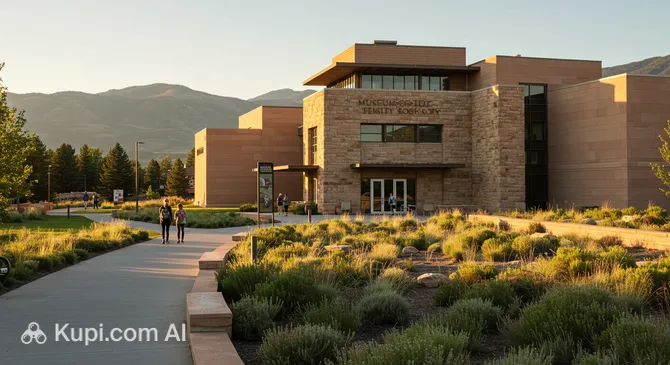
Museum of the Rockies. Source: Kupi.com AI

The crown jewel of this location is the Siebel Dinosaur Complex, which houses one of the most significant fossil collections in the world. Here, you can come face-to-face with the famous "Big Mike"—an incredibly complete Tyrannosaurus rex skeleton—and view unique Triceratops remains. The museum covers a vast area and offers guests an interactive immersion into the geology, paleontology, and culture of the Rocky Mountain indigenous tribes.

What sets the museum apart is that it is not just a static display, but a working research center. Visitors can watch scientists through glass in the laboratory, where they are currently cleaning and assembling dinosaur bones found in Montana’s fossil-rich deposits.

Contacts

To plan your visit and check for current information, you can use the official communication channels. The museum is active on social media, sharing news about the latest paleontological finds and special exhibitions.

Address 600 W Kagy Blvd, Bozeman, MT 59717, USA
Phone +1 406-994-2251
Official Website museumoftherockies.org
Social Media Facebook (@museumoftherockies), Instagram (@museumoftherockies), Twitter (@MORdinos)

What to Do

First and foremost, head to the Siebel Dinosaur Complex, where you can spend hours examining the skeletons of Tyrannosaurs, Apatosaurs, and Triceratops. For those seeking a hands-on experience, there are touch-zones where you can feel real fossils. Children will love the chance to feel like archeologists, "excavating" fossils in the interactive sandbox or assembling complex 3D skeleton puzzles.

Don't miss a show at the Miller Planetarium, which features breathtaking presentations about Montana's night sky and the mysteries of deep space. Another essential part of the visit is exploring Native American culture: the museum houses unique artifacts from the Blackfeet and Shoshone tribes, including authentic clothing and tipis. In the summer, be sure to stroll through the Living History Museum—a reconstructed 1880s ranch with live horses and cows, recreating the daily life of early settlers.

For those who want to take a piece of the museum home, there is an excellent gift shop. You can find everything from fossil replicas and popular science books to fun toys. The entire museum is a fantastic spot for photography: the dioramas are so realistic they feel like windows into the distant past.

Getting There

The easiest way to reach the museum, located at 600 W Kagy Blvd, is by car. If you are flying into Bozeman Yellowstone International Airport (BZN), the drive will take about 15 minutes. Ample free parking is available on-site for visitors.

For those who prefer public transportation, the Streamline Bus service operates in Bozeman, with stops within walking distance of the university campus. You can also use taxi services or ride-sharing apps like Uber and Lyft—a trip from the city center takes about 10 minutes and costs approximately $15.

If you are traveling by rental car, the museum is easily accessible from neighboring states and cities via I-90 W (from the Billings direction) or US-191 if you are heading north from Yellowstone National Park. Montana roads are known for their excellent surfaces and stunning mountain views.

History & Facts

The history of the Museum of the Rockies began in 1957. It was originally established as a small collection of geological specimens at Montana State University. The real breakthrough came in the 1970s when paleontologist Jack Horner began active excavations in the state, discovering unique evidence of dinosaur life, including the first-ever T. rex skeleton with soft tissue evidence.

In the 1980s, the museum received significant support from the Siebel family, which allowed for the creation of one of the world's finest dinosaur halls. The Siebel Dinosaur Complex opened in 1998, covering an area of 5,000 square meters. Interestingly, it was Horner's work at this museum that served as the inspiration for Michael Crichton when he wrote the novel "Jurassic Park."

The museum continues to evolve, implementing modern technologies for education and research. The high-tech Miller Planetarium opened in 2013, and in the 2020s, the exhibits were enhanced with interactive VR zones. Today, it is more than just an archive of the past; it is a living scientific center that organizes annual expeditions to search for new species of prehistoric creatures.

Time Needed

To fully explore the Museum of the Rockies, it is recommended to set aside 3 to 5 hours. This is enough time to view the dinosaur collection without rushing, catch a show at the planetarium, and explore the exhibits dedicated to the history of indigenous peoples.

Families with children should plan for at least 5-6 hours, as the interactive zones and the walk through the outdoor "Living History Museum" usually evoke great excitement in young visitors. If your primary goal is just the dinosaur skeletons, an express tour of the main complex will take at least 2 hours.

Working Hours

The Museum of the Rockies is open to guests daily, making it easy to fit into any travel itinerary. The schedule remains consistent throughout the week:

  • Monday – Sunday: 9:00 AM – 5:00 PM

Please note that the last entry to the museum is allowed no later than 30 minutes before closing. During holidays, operating hours may change, so it is recommended to check the official website in advance.

Nearby

Exploring the area around the Museum of the Rockies will help you learn more about the history and culture of Montana. Nearby, you'll find historical landmarks as well as cozy spots to relax after a busy tour.

Name Category Distance (km)
Heating Plant Landmark 0.7
MSU Duck Pond Spring Natural Site 1
The Story Mansion and Story Park Historical Building / Park 1.4
Rialto Theater / Venue 2.3
Revelry Restaurant 2.5
Montana Ale Works Restaurant / Bar 2.7
Bozeman Northern Pacific Station-1909 Historical Station 3.6
Bozeman Cannery Historical Site 3.8
Sidewinders American Grill Restaurant 4.6
Fort Ellis Historical Marker Historical Site 5.5

Reached the end of the page?

That means the route is fully explored