Support

Millennium Park

About

Millennium Park is not just a public park, but one of the key modern attractions of Chicago, located in the USA. It is part of the larger Grant Park and sits on the scenic shores of Lake Michigan, serving as a striking showcase of postmodern architecture and landscape design.
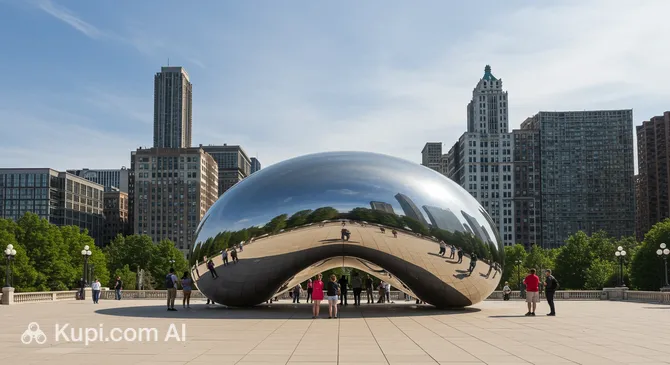
Millennium Park. Illustration.
Source: Kupi.com AI

Traveler photos:

The uniqueness of this site lies in its construction: Millennium Park is one of the world's largest rooftop parks. It was built over a former railroad yard and parking garages, making it a true marvel of modern engineering. This feature has turned it into one of the most ambitious and celebrated urban projects.

Spanning approximately 10 hectares (about 25 acres), the park has become a major hub for both locals and tourists. Due to its location adjacent to famous skyscrapers and the waterfront, it offers visitors not only a nature retreat but also spectacular views and access to iconic art installations and cultural events, making it a must-visit destination in the city.

Contacts

You can contact the Millennium Park administration or find up-to-date information on opening hours and upcoming events through official channels. All essential visitor information is available on the city's official website and by phone.

How to contactContact
AddressChicago, IL 60602, USA
Phone number+1 312-742-1168
Websitewww.chicago.gov

What to Do

A visit to Millennium Park is an immersion into the world of contemporary art and architecture right under the open sky. The main draw for tourists is the famous Cloud Gate sculpture, which locals and visitors affectionately call The Bean for its recognizable seamless shape. Created by British artist Anish Kapoor, this massive mirrored drop reflects a distorted panorama of the Chicago skyline and sky, providing endless opportunities for unique photos. This is a place where every shot becomes a work of art, and the play of reflections fascinates both children and adults.

Beyond "The Bean," the park offers other impressive landmarks. It is home to the Jay Pritzker Pavilion, a futuristic concert venue designed by legendary architect Frank Gehry. Free concerts and festivals are frequently held here during the summer. Nearby is the interactive Crown Fountain, consisting of two glass-brick towers that display video images of Chicago residents' faces. For those seeking tranquility, the Lurie Garden is the perfect spot—a quiet and beautiful natural corner where you can escape the city's hustle and bustle.

Millennium Park is more than just a collection of sights; it is a true oasis in the heart of the metropolis. Thanks to its location along the shores of Lake Michigan, it offers visitors magnificent views of the water and the cityscape. You can have a picnic on the grass, stroll through picturesque pathways, or simply sit on a bench and enjoy the atmosphere of creativity and harmony. It is the perfect place to see the modern face of Chicago and feel its energy.

Getting There

Millennium Park is located in the heart of Chicago, in the vibrant Loop district, making it extremely convenient to visit. Thanks to its central location, it is perfectly integrated into the city's infrastructure and is within walking distance of many of the city's other famous landmarks.

The most convenient way to reach the park is by public transport. Numerous bus routes and Chicago "L" train lines have stops in the immediate vicinity. This allows you to arrive quickly and hassle-free, avoiding traffic jams and the search for parking in the city center.

For those who prefer the comfort of private transport, taxi or rideshare services are always available to take you right to the park. If you are traveling by your own or a rental car, several paid parking garages are located near Millennium Park, where you can safely leave your vehicle during your visit.

Nearest city: Chicago

History & Facts

The history of Millennium Park is steeped in an interesting local legend. According to one version, the idea was born when Chicago Mayor Richard M. Daley was looking out of his dentist's office window at a bleak landscape of parking lots and railroad tracks. He reportedly said, "Let's cover it with a park." While the reality was likely more complex, this ambitious thought launched a major project that began in October 1997.

Construction of the park lasted six years, from October 1998 to July 2004. The grand opening took place on July 16, 2004, and was a massive event attended by approximately 300,000 people. The project's success was overwhelming: since its completion, the park has received more than 30 prestigious awards for its architecture, design, and contribution to the urban environment.

Millennium Park has fundamentally transformed the city's image, becoming one of its primary icons. It attracts over 4 million visitors annually, serving as a vital part of Chicago's cultural life. Among the park's many unique features is the BP Bridge. This 285-meter pedestrian bridge was named after British Petroleum, which donated $5 million toward its construction. An interesting detail is that the bridge is closed to visitors during the winter months.

Time Needed

To fully enjoy your visit to Millennium Park, it is recommended to set aside 2 to 4 hours. This will be enough time to explore all the key art installations at a leisurely pace, take memorable photos by the famous Cloud Gate sculpture, and relax in the Lurie Garden while soaking in the atmosphere of this unique urban space.

Of course, the length of your visit depends on your plans. If you are short on time, a quick walk to see the main highlights, such as "The Bean" (Cloud Gate) and the interactive Crown Fountain, will take about an hour. However, to get a fuller impression, it is worth planning for more time. This allows you not only to see the iconic landmarks but also to take a peaceful stroll across the scenic BP Bridge or relax on the lawn by the Jay Pritzker Pavilion.

The duration of your visit may also vary depending on the season. In the summer, when the park hosts free concerts, movie screenings, and festivals, you could easily spend half a day or even an entire evening here. At the same time, a couple of hours is enough for a brief introduction to the park and its main masterpieces at any time of year.

Working Hours

Millennium Park is open to visitors year-round and operates daily from 6:00 AM to 11:00 PM. Admission to the park is free, so no advance ticket booking is required for a regular visit. This makes it one of the most accessible and popular leisure spots in Chicago.

While general admission is free, it is important to remember that certain specific sites and venues within the park may have their own schedules or be open only during events. For example, the Jay Pritzker Pavilion is typically accessible only during concerts, and the Lurie Garden may have its own visiting hours. Special events, festivals, or exhibitions may require a separate ticket or prior registration. Therefore, it is recommended to check the official park website before your visit for the latest information to best plan your time.

6:00 – 23:00

Nearby

Visiting Millennium Park is just the beginning of your journey into Chicago's cultural heart. Thanks to its central location, you are in the epicenter of iconic sites that are easily accessible on foot. Exploring the surrounding area will allow you to dive deeper into the city's atmosphere and see how the park's contemporary art harmoniously coexists with historic architecture and other major landmarks.

A walk through the nearby blocks will enrich your experience and help you form a more complete picture of Chicago's many facets. Just steps away from the park, you will find world-famous museums, legendary skyscrapers, and picturesque waterfronts, making it an ideal starting point for exploring the city.

NameDistance
The Art Institute of Chicago0.3 km
The Chicago Theatre0.5 km
Medieval Torture Museum0.5 km
Shedd Aquarium1.8 km
Navy Pier1.8 km
360 Chicago1.8 km
Field Museum1.9 km

Have you reached the end of the page?

So the route has been studied inside and out