Support

Decorah

About

Decorah is a true emerald on the map of Iowa, nestled among the rolling expanses of the northeastern USA. Here, you won't find the hustle and bustle of major metropolises—only tranquility, harmony with nature, and the feeling of having stepped into a living postcard of the American heartland.

Despite its modest size, with a population of about 8,000, the city serves as the administrative center of Winneshiek County. It stretches along the banks of the picturesque Upper Iowa River, surrounded by dense forests and fertile farmlands that create a unique landscape.

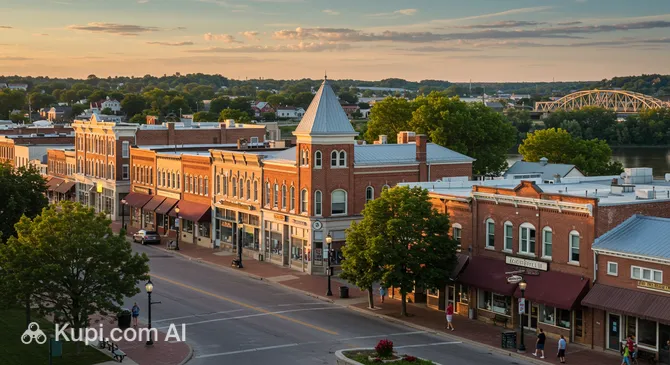
Decorah. Illustration.
Source: Kupi.com AI

A friendly community and unique character create a special atmosphere. The local culture is closely intertwined with its Scandinavian roots, as evidenced by the rich history of Decorah and its carefully preserved traditions. On the city streets, modernity neighbors historic buildings, cozy cafes, and interesting art objects.

Decorah attracts travelers with opportunities for outdoor activities: from kayaking and fishing to walking scenic trails and attending open-air festivals. If you are looking for a place for a leisurely vacation and inspiration, this hospitable city will be an excellent choice for your trip.

Weather Overview

The climate in Decorah is typical of the Midwest: all four seasons are distinct, each giving the city a special character. When planning your trip, you should account for significant seasonal contrasts.

Summer is usually warm and comfortable for outdoor activities. The hottest month is July, with an average temperature of about 22.8°C (73°F), while daytime temperatures often reach 27.6°C (81.7°F). This is an ideal time for walking, though June and May can be quite wet, with up to 12–13 rainy days per month.

Winters here are true to form—frosty and bracing. In January, the average temperature drops to -6.9°C (19.6°F), and night frosts often reach -10.7°C (12.7°F). Precipitation in the winter months is low, but low temperatures require warm gear. If you need the current weather in Decorah for specific dates, we recommend checking the forecast before your departure.

Overall, expect a warm summer with occasional rain and cold, dry winters. Spring and autumn serve as pleasant transitional periods when the region's nature reveals its full beauty.

Average monthly temperature

Average monthly precipitation

Interesting Facts

Beyond the main tourist routes, Decorah holds many fascinating features and cultural treasures that make this city a truly unique spot on the map of the Midwest.

  • Little Norway in the Heart of America. Decorah is considered one of the primary centers of Norwegian culture in the USA. The heritage of 19th-century immigrants is carefully preserved here: from the architecture of the buildings to the annual Nordic Fest, during which the city is filled with dancing, folk costumes, and the aromas of traditional pastries.

  • Musical Traditions of Luther College. Founded in 1861, Luther College is not just the region's oldest educational institution, but a true musical pride of the area. The local Nordic Choir is known far beyond the country and regularly performs on prestigious international stages.

  • Famous Eagles. The city gained unexpected worldwide fame thanks to its bald eagles. A webcam installed at an eagle's nest near Decorah became an internet phenomenon, garnering hundreds of millions of views from nature lovers around the world.

  • The Loop of Adventure. The city is encircled by the famous Trout Run Trail, which is approximately 11 miles (18 kilometers) long. This route is unique because it passes through diverse landscapes: from dense forests and riverbanks to picturesque farm fields and famous trout streams, attracting cyclists and runners alike.

How to Get There

When planning a trip to this picturesque corner of the Midwest, it's worth noting that Decorah is located away from busy highways. There is no direct air service to the city itself, so the route is usually planned through nearby larger population centers. We have gathered the essential information to help you plan your trip, and you can read more about how to get to Decorah on a dedicated page.

One of the most convenient options is La Crosse Regional Airport (LSE). Please note that it is located in the city of La Crosse, about 77 km away. The drive from there by taxi or rental car takes approximately 1 hour and 15 minutes. This is the closest airport to the city that handles regular flights.

Another popular choice is Rochester International Airport (RST), located in the city of Rochester. The distance to the center of Decorah is about 88.5 km. Travel time by car is roughly 1 hour and 30 minutes. This airport is often chosen for its convenient schedule and international transportation hub status.

For those looking for more flight options, The Eastern Iowa Airport (CID) in Cedar Rapids is suitable. This is the largest hub in the region with high passenger traffic. Although it is further away—157 km from Decorah—the car trip takes about 2 hours and 15 minutes, but the number of available flights here is significantly higher.

For convenience, here is summary information on the main airports in the region:

AirportPassenger trafficDistance
La Crosse Regional Airport180 00077 km
Rochester International Airport189 03889 km
Waterloo Airport45 00097 km
Mason City Airport15 787127 km
Dubuque Municipal Airport38 000133 km

Since there are no direct train services to Decorah, travelers usually complete the final leg of the journey by car. Renting a car at the arrival airport is the most common and convenient way to reach the city. The drive along Iowa's scenic roads will allow you to enjoy views of rolling plains and farmlands even before you arrive at your destination.

Main Attractions

The city of Decorah, despite its small size, offers travelers a surprising variety of experiences: from immersing yourself in Scandinavian history to exploring unique natural phenomena. Everyone will find something to their liking here, whether they are a museum lover or an ecotourism enthusiast.

Vesterheim Norwegian-American Museum. This is the city's cultural jewel and one of the most prestigious ethnic museums in the USA. The complex includes a main building with a vast collection of 33,000 artifacts and an open-air museum with 12 historic structures. For tourists, this place is fascinating for the chance to see the lifestyle of early settlers firsthand, view traditional "rosemaling" decorative painting, and understand how the unique character of this region was formed.

Dunning's Spring Park. Located just minutes from the central streets, this park is famous for its magnificent 200-foot (60-meter) waterfall. The stream of water cascading down the limestone cliffs creates an incredibly picturesque scene. This spot attracts guests with its accessibility and beauty: here you can have a picnic, walk along forest paths, and take great photos without traveling far from civilization.

Seed Savers Exchange. This world-renowned organization dedicated to preserving rare heirloom seeds is headquartered at the scenic 890-acre Heritage Farm. Travelers come here to wander through colorful display gardens, see an ancient apple orchard, and rare heritage livestock. Additionally, miles of hiking trails crisscross the property, allowing visitors to enjoy the peace and beauty of rural Iowa.

Decorah Ice Cave. A unique geological feature, this is one of the largest ice caves in the Midwest. Its peculiarity is that ice begins to form on the walls in the spring and persists through most of the summer, creating a natural "refrigerator." A visit to the cave is an exciting and refreshing adventure, especially on a hot summer day when the temperature contrast is most striking.

Local Cuisine

Decorah's gastronomic scene is a wonderful blend of American farm freshness and deep Scandinavian traditions. The city's signature is undoubtedly its cuisine with a Norwegian accent. Travelers should definitely try lefse—traditional soft potato flatbreads—and lutefisk—a dried whitefish dish with a distinctive flavor. Local bakeries and cozy cafes are famous for their freshly baked buns and homemade pies, with recipes carefully passed down through generations.

Special attention in the region is paid to the quality and origin of ingredients. Thanks to the developed agriculture in Winneshiek County, many establishments adhere to the "farm-to-table" concept. At local markets and on restaurant menus, you will find excellent craft cheeses, homemade sausages, seasonal vegetables, and aromatic honey. Those with a sweet tooth should certainly try the artisanal ice cream and locally produced jams, which make a great addition to any meal.

Drink lovers will also find something to enjoy here, as Decorah's craft brewing culture is actively developing. Local pubs and bars invite guests to taste original beers brewed according to unique signature recipes, as well as refreshing ciders and natural fruit drinks. It's a wonderful opportunity to relax in a friendly atmosphere and chat with city residents.

The food culture here is not limited to dining at restaurants. Throughout the year, Decorah hosts colorful gastronomic festivals that turn food into a true celebration. At such events, you can discover the best delicacies from professional chefs and home cooks alike, as well as participate in masterclasses, immersing yourself in the authentic atmosphere of the Midwest.

Travel Tips

Decorah is an incredibly hospitable and peaceful city, but even in such a cozy place, it's helpful to know a few nuances in advance. We have gathered practical tips for you that will help you feel at home, avoid minor inconveniences, and get the most out of your trip.

  1. Clothing and Gear. Iowa's weather is changeable and depends on the season. In winter, there are heavy snowfalls and frosts, so a warm parka, hat, and non-slip shoes are mandatory. In summer, light breathable clothing is useful, but bring a windbreaker or raincoat in case of thunderstorms. Since Decorah is famous for its trails and parks, comfortable sneakers or trekking boots are the main item in your suitcase.

  2. Transport. Public transport in the city is limited; there is no subway or trams. The historic center is compact and pleasant to explore on foot, but for trips to waterfalls or farms, it's better to rent a car. Rideshare apps (Uber, Lyft) work, but wait times can be longer than in large metropolises, especially early in the morning or late in the evening.

  3. Finance. The official currency is the US dollar. Credit cards are accepted almost everywhere, from restaurants to museums. However, carrying a little cash ($1, $5, $10 bills) is worthwhile for visiting farmers markets or leaving tips. The standard tip in cafes and taxis is 15–20% of the total bill.

  4. Health and Safety. Decorah is a very safe city with a low crime rate; it is peaceful to walk here even after dark. Pharmacies can be found at large supermarkets (like Walmart), but keep in mind that there may not be 24-hour pharmacies in a city of 8,000 people. When heading into the woods or to the river, be sure to use insect repellent—ticks can be found in high grass.

  5. Communication. The primary language is English. Locals speak clearly and are very friendly. Free Wi-Fi is available in many cafes, the library, and hotels. If you need a constant connection, it's better to purchase a SIM card in advance at a major airport upon arrival in the country or at local mobile stores, as the choice of providers in the city itself may be limited.

  6. Local Etiquette. Midwesterners are famous for the "Iowa Nice" phenomenon. It is customary to greet shopkeepers, smile at passersby, and hold doors open for those following you. Don't be surprised if a stranger talks to you about the weather or asks where you're from—it's a sign of politeness and genuine interest.

  7. What to Avoid. Do not enter private property or farm fields without permission, even if they aren't fenced off—private property is strictly respected here. Also, avoid joking about Scandinavian accents or traditions; locals are very proud of their heritage, and respecting their culture will open any door for you.

  8. Business Hours ("Sunday Quiet"). Keep in mind that the rhythm of life in Decorah is measured. Many downtown shops close as early as 5:00 PM, and they may not open at all on Sundays or may only open for a short window. Plan your shopping and important errands for weekdays or Saturdays.

We hope these recommendations help you plan the perfect trip. Decorah has a way of charming you with its simplicity and soulfulness, so relax, breathe in the fresh air, and enjoy every minute of your stay in this picturesque corner of Iowa.

Entertainment & Nightlife

Nightlife in Decorah has its own unique, inimitable rhythm. You won't find noisy metropolitan nightclubs with laser shows or 24-hour raves here. Evening leisure in this city is primarily about coziness, live music, friendly conversations, and, of course, a world-class craft brewing culture. Most activity is concentrated in the historic center along the city's main artery—Water Street.

It is Water Street that becomes the center of attraction after sunset. This is where the main bars and restaurants are located, where locals and Luther College students gather. The atmosphere in these establishments is highly democratic and relaxed: there is no dress code, the crowd is friendly, and the attire is casual. Most places close by 2:00 AM, but kitchens may stop serving much earlier, around 9:00 PM or 10:00 PM, so it's better to head out for dinner early.

When talking about Decorah's evening entertainment, it's impossible not to mention its status as the beer capital of Iowa. A mandatory stop for any tourist is Toppling Goliath Brewing Co. This brewery is known far beyond the state for its award-winning stouts and IPAs. It’s not just a bar, but a massive space with excellent food where events and gatherings are often held. Another iconic spot is Pulpit Rock Brewing Co., located closer to the river. It offers a more intimate, "garage" atmosphere, perfect for tasting experimental beers with friends.

If you're looking for a classic American bar, check out T-Bock's Sports Bar & Grill on Water Street. It’s the heart of the city's social life: people come here to watch sports, play pool, and enjoy simple but hearty snacks. For those seeking a more refined setting, the lobby bar at the historic Hotel Winneshiek is ideal for a glass of wine in elegant early 20th-century interiors.

As for cultural leisure that transitions into the evening, Decorah offers several interesting options. During the day and early evening, you can visit local art galleries or check out events on the college campus, which often hosts concerts and theatrical productions open to the public. In the summer, life bustles at outdoor venues, such as during music nights in the parks.

Practical tips for night walks:

  • Safety. Decorah is an exceptionally safe city. You can comfortably walk through the center and return to your hotel on foot even late at night. The crime rate here is minimal.
  • Transport. Rideshare services like Uber or Lyft operate here, but there may be few cars available, especially late at night. If you live far from the center, it's better to arrange a ride in advance or count on walking.
  • Prices. The cost of leisure will pleasantly surprise you. The average price for a pint of craft beer is $6–$8, and dinner at a bar will cost around $15–$25 per person.
  • Seasonality. Keep in mind that the city becomes noticeably quieter during college breaks, while during festivals or graduation days, bars can be overcrowded.

Parks & Museums

Decorah harmoniously combines the natural beauty of the Upper Iowa River valley with a deep respect for cultural heritage. The city offers travelers not only scenic green spaces for rejuvenation but also unique museum collections that tell the story of the region's life.

Phelps Park. This is one of the city's oldest and most beloved parks, perched atop a scenic bluff. Tourists come here for the stunning panoramic views of the river and the city's surroundings. The park is crisscrossed by a network of well-maintained walking trails that pass by historic gazebos and stone structures created back in the 1930s. It’s an ideal spot for a family picnic or a quiet afternoon reading under the shade of ancient trees.

Palisades Park. If you are looking for wilder landscapes and breathtaking vistas, head to this park on the eastern edge of the city. It is famous for its limestone cliffs and overlooks that provide a magnificent view of the valley. The dirt trails here are suitable for both hiking and mountain biking enthusiasts looking to challenge themselves on varied terrain.

Porter House Museum. This museum is a hidden gem of Decorah, located in an elegant Victorian-era mansion built in 1867. The house belonged to naturalist Adelbert Field Porter, and today visitors can see not only the preserved historic interiors but also his unique collections. The exhibition includes rare butterflies from around the world, exotic insects, and an impressive collection of minerals, making the tour interesting for both history buffs and natural history fans.

ArtHaus. To experience the city's modern cultural life, step into this creative space. ArtHaus serves as the primary venue for local artists and artisans. It regularly hosts visual art exhibitions, theatrical performances, and creative workshops. This place is full of energy and allows you to see Decorah through the eyes of its talented residents.

Insider Tip: Be sure to visit the grounds of the Decorah Fish Hatchery near Siewers Spring. It’s not just a utility facility, but a popular recreation area where you can feed trout in the ponds (feed dispensers are located right on the bank) and see the famous bald eagle nest that the whole world watches. The scenic Trout Run Trail, which loops around the stream, begins nearby.

Getting Around

The public transport system in Decorah is significantly different from what residents of major metropolises are used to. Since this is a small city with a population of about 8,000, there is no subway, tram, or trolleybus system. The city's infrastructure is compact, and most tourist locations in the center are within walking distance of each other, making walking the most pleasant way to get around.

The only form of public transport serving the city and surrounding areas is the regional bus service, EARL Public Transit. However, this is not a classic city bus with fixed stops and schedules. The system operates on a "dial-a-ride" basis. It is important for tourists to know that this transport must be booked in advance, preferably 24 hours before the trip. This is a convenient option for moving between distant points, but it is not suitable for spontaneous sightseeing.

Fares for EARL transport are usually paid in cash to the driver upon boarding. The cost of a trip within the city is very affordable, around $2–$3 one way. No complex transit cards or mobile payment apps are used here, so we strongly recommend having small bills with you, as the driver may not have change.

Regarding modern rideshare services like Uber or Lyft, they do operate in Decorah, but with limitations. The number of active drivers is small, so wait times for a car can range from 15 to 30 minutes, and it can be difficult to call a car early in the morning or late at night. Local taxi services also exist; it is best to ask for their numbers at your hotel reception in advance.

A very popular alternative to motors in the summer season is the bicycle. Thanks to the famous Trout Run Trail that encircles the city, two-wheeled transport is highly regarded here. There are rental points in the city, for example, at specialized bike shops. This is not just a way to get from point A to point B, but also an opportunity to enjoy the scenic views without extra expense.

For those planning to visit remote natural sites, such as the Seed Savers farm or distant sections of the river, renting a car is the most rational solution. This will give you full freedom of movement and independence from local service schedules. Parking in the city center is mostly free, although there may be time limits on main streets (usually 2–4 hours), which you should monitor via road signs.

Accommodation

The choice of accommodation in Decorah, despite the city's modest size, will pleasantly surprise you with its diversity and warmth. Travelers have options for every taste: from atmospheric historic buildings and cozy Bed & Breakfasts (B&Bs) to familiar hotel chains and picturesque camping areas. The city's hospitality sector caters to tourists who value both home comfort and proximity to nature.

The most prestigious and convenient area to stay is the historic center along Water Street. By staying here, you will be within walking distance of the main restaurants, famous breweries, the Vesterheim Museum, and souvenir shops. This is an ideal choice for those who want to feel the pulse of the city and not depend on a car in the evenings. The jewel of this area is Hotel Winneshiek—a luxurious historic hotel that is a landmark in its own right, thanks to its early 20th-century interiors.

For travelers who prefer standardized comfort and easy access to transport links, the area along Highway 9 is a great fit. Popular mid-range hotels from well-known American chains are concentrated here. These options often offer spacious rooms, swimming pools, and included breakfasts, making them convenient for families with children and road trippers who value guaranteed parking and predictable service.

Since Decorah is famous for its ecotourism, campgrounds are extremely popular during the warmer months. Sites for tents and RVs, such as those in the Pulpit Rock area, allow you to live in close proximity to the Upper Iowa River and hiking trails. This is the most budget-friendly and romantic way to immerse yourself in the atmosphere of the region, waking up to the sounds of nature.

Booking Tip: While finding a room on typical days is easy, the situation changes drastically during major events. If your trip coincides with Nordic Fest (late July), the autumn "golden leaf" season, or events at Luther College (graduation, homecoming), you must book your accommodation several months in advance, as hotels reach 100% occupancy.

Overall, the price range in Decorah varies from budget to mid-range. There are no ultra-expensive luxury resorts here, but the quality of service is high across the board. Booking is available through all major international online aggregators; however, for small private guesthouses and campgrounds, it is often more reliable and cost-effective to contact them directly through their official websites.

Nearby Cities

For those who want to explore the surrounding area, Decorah serves as an excellent starting point for day trips to several interesting nearby locations. The Tri-State region (where Iowa, Minnesota, and Wisconsin meet) is rich in natural beauty and cultural attractions.

La Crosse. Located just 71 km away, this city sits on the banks of the Mississippi River in neighboring Wisconsin. It is famous for its breathtaking views from Grandad Bluff, which offers a panorama of three states. It is an ideal place for fans of river cruises and the historic architecture of its downtown main street.

Dubuque. One of Iowa's oldest cities, it attracts tourists with a unique blend of history and entertainment. Here, you can ride the shortest and steepest funicular in the world—the Fenelon Place Elevator—or visit the National Mississippi River Museum & Aquarium with its massive tanks. The trip here takes a little under two hours and promises plenty of impressions.

Waterloo. Known for its industrial heritage, this city is home to the Grout Museum District, where you can learn about the region's history and science. Additionally, it features the large Lost Island Waterpark, making Waterloo an excellent choice for a family trip on a hot summer day.

CityPopulationDistance
Waukon3 70025 km
Prairie du Chien5 70059 km
La Crosse99 22771 km
Onalaska18 76078 km
Winona26 19984 km

These nearby destinations provide a glimpse into the diverse culture and landscapes of the region, making your trip to Iowa even more fulfilling.

Shopping & Souvenirs

General Overview. Shopping in Decorah is a pleasant and relaxing activity, far removed from the hustle of giant shopping malls. The city focuses on supporting small businesses, offering tourists unique handmade goods and atmospheric private shops. Shops reflecting the region's rich Scandinavian heritage hold a special place here, as do specialized departments with gear for outdoor activities—not surprising given the scenic nature nearby.

Main Shopping Streets. The main artery of the city's commerce is historic Water Street. A stroll along it provides genuine aesthetic pleasure: shop windows are nestled in beautiful restored 19th-century brick buildings. Here you will find everything you need: from stylish clothing boutiques and an independent bookstore to cozy shops with home decor, gifts, and art galleries featuring local craftsmen.

Shopping Centers. Due to the city's small size, there are no classic giant malls with food courts and cinemas here. For large-scale brand-name shopping, locals usually head to nearby larger cities. However, for everyday needs, large chain stores like Walmart Supercenter operate on the outskirts of town near Highway 9, where travelers can stock up on essentials.

Markets. During the warmer months, typically from May to October, the Decorah Farmers Market becomes a true center of attraction. It takes place near the county courthouse and runs on Wednesdays (afternoons) and Saturdays (mornings). This is the best place to buy the freshest seasonal produce, homemade pastries, jams, honey, and original items from local artisans.

Souvenirs. You should definitely bring back something with a Norwegian flair from Decorah: warm knitted sweaters, troll figurines, kitchenware, or books on Scandinavian culture. The Vesterheim museum shop is an excellent place to find such gifts. Also popular are rare plant seeds and garden accessories from the famous Seed Savers Exchange farm shop. Art lovers will appreciate the local pottery, as there are many talented potters working in the region.

Hours and Payment. Most downtown shops open around 10:00 AM and stay open until 5:00 PM or 6:00 PM. On Thursdays, many boutiques extend their hours until 8:00 PM so residents can shop after work. It’s important to remember that many private shops are closed on Sundays or operate on a reduced schedule (e.g., 12:00 PM to 4:00 PM). Major credit cards are accepted everywhere, but it's preferable to have cash in dollars at the farmers market.

Tax Free. Tourists should keep in mind that the USA does not have a federal Value Added Tax (VAT) refund system for foreign guests, which is common in many European countries. In the state of Iowa, Sales Tax is added to the price at the register and is generally not refundable upon departure.
Reached the end of the page?

That means the route is fully explored