Support

Fairbanks

About

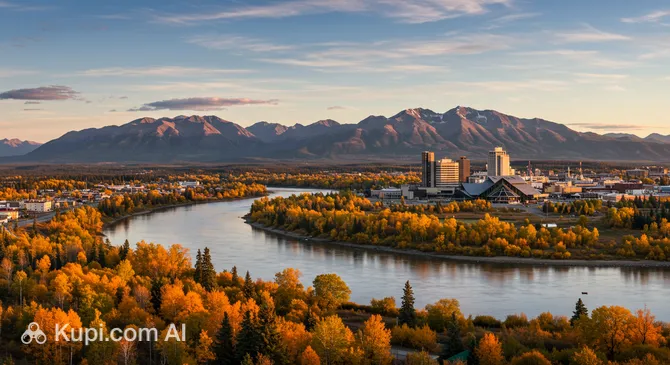
Fairbanks is often referred to as the "Golden Heart City," a nickname that reflects both its gold rush roots and the welcoming spirit of its residents. As the largest city in the Interior region of Alaska, it serves as a vital hub for transportation, culture, and commerce, offering a unique blend of modern amenities and rugged frontier atmosphere. Located just 196 miles south of the Arctic Circle within the Tanana Valley, Fairbanks is a destination where the forces of nature are on full display, from the shimmering Aurora Borealis in winter to the relentless Midnight Sun in summer.

Geographically, the city is situated in a landscape of rolling hills and boreal forests, defined by a subarctic climate that brings dramatic seasonal changes. While winters can be crisp and snowy, summers are surprisingly warm and vibrant. As a distinct destination in the United States, Fairbanks offers travelers a chance to experience life at the edge of the wilderness without sacrificing comfort.
Fairbanks. Source: Kupi.Binoculars

The city was founded at the beginning of the 20th century, sparked by the discovery of gold in the nearby hills. You can explore the fascinating history of Fairbanks at local museums and heritage sites, which recount tales of hardy prospectors and the development of the Alaskan pipeline. Today, that pioneering legacy lives on in the community's resilience and distinct culture.

Tourists are drawn to Fairbanks for its exceptional natural phenomena and cultural attractions. It is widely considered one of the best places on Earth to view the Northern Lights, with the season typically running from late August to April. For those interested in local heritage and natural sciences, the University of Alaska Museum of the North is a must-visit, featuring award-winning architecture and extensive exhibits on Alaskan wildlife and indigenous cultures. Whether you are looking to soak in the Chena Hot Springs or take a scenic cruise on the Chena River, Fairbanks promises an unforgettable adventure in the Far North.
Weather Overview

The climate in this region is defined by dramatic contrasts, offering a true subarctic experience. To help plan your trip effectively, it is useful to check the detailed weather in Fairbanks, as conditions shift significantly between seasons. The city is known for its extreme temperature variations, transitioning from deep freezes in winter to pleasant warmth under the summer sun.

Winters are long and intensely cold, requiring serious cold-weather gear. January is typically the coldest month, with average temperatures around -19.4°C and minimums dropping to -22.4°C. While the air is frigid, precipitation amounts are generally low during this time, although you can still expect about 5 to 8 days with some form of precipitation per month.

Summer brings a remarkable transformation. By July, the average temperature rises to 17.5°C, with daily highs reaching a comfortable 22.2°C. This season also sees an increase in wet weather; August is notably the dampest month in terms of frequency, with approximately 18 wet days. Overall, visitors should expect warm summers with occasional rain and cold, dry winters.

Interesting Facts

Beyond the main attractions, Fairbanks holds many fascinating secrets and local quirks that define its character. This subarctic city is full of surprises, from historic relocations to sporting events played purely by the light of the midnight sun.

  • One of the city's most enduring traditions is the Midnight Sun Game, a baseball match played every year on the summer solstice. The game begins late at night and continues into the early morning hours without the use of artificial lights, celebrating the phenomenon of 24-hour daylight.

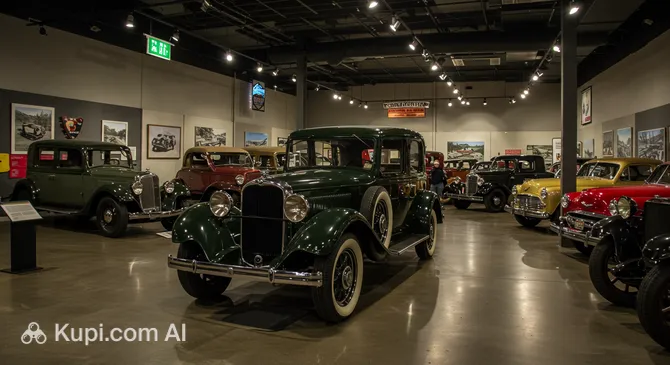
  • The city is home to the Fountainhead Antique Auto Museum, which houses a world-class collection of vintage cars. Surprisingly, many of these rare vehicles were actually driven in Alaska during the territory's early days, long before there was a connected road system.

  • Fairbanks experiences some of the most drastic temperature changes of any populated place on Earth. The city has a recorded temperature range of over 160 degrees Fahrenheit, swinging from deep winter lows of -66°F (-54°C) to summer highs reaching 99°F (37°C).

  • To preserve the region's heritage, many original log cabins from the gold rush era were physically moved from downtown to Pioneer Park. This created a dedicated "Gold Rush Town" within the park, allowing visitors to walk amongst the actual buildings that housed the city's founders.

  • What started as a dairy farm in the early 1900s is now Creamer's Field Migratory Waterfowl Refuge. It is a unique urban sanctuary where thousands of Sandhill Cranes and Canada Geese land during their migration, creating a spectacular natural show right within the city limits.

Fountainhead Antique Auto Museum. Source: Kupi.Binoculars

How to Get There

Reaching the Golden Heart City is the first step of your Alaskan adventure, and for most visitors, the journey begins by air. To explore all the options and plan your trip effectively, you can read more about how to get to Fairbanks. The region is served by a major transport hub that connects this northern destination with the rest of the world.

The primary entry point is Fairbanks International Airport (FAI), located conveniently within the city limits. Situated just 7.3 km from the center, the airport allows for a quick and easy transfer to your accommodation. A taxi or shuttle ride to downtown typically takes around 10 to 15 minutes, depending on traffic and weather conditions. With an annual passenger traffic of over 570,000 people, the airport operates as a medium-sized regional hub, offering a comfortable and uncrowded arrival experience.

For clarity, here is a summary of the main airport:

Airport Name City Passenger Traffic Km from City
Fairbanks International Airport Fairbanks 576,249 7.3

Main Attractions

Fairbanks offers a diverse range of attractions that celebrate its gold rush history, indigenous culture, and stunning natural surroundings. From immersive museums to expansive nature reserves, the city provides visitors with unique opportunities to understand life in the Far North.

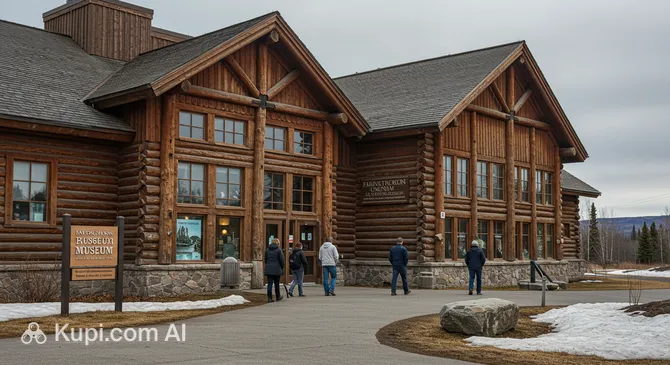
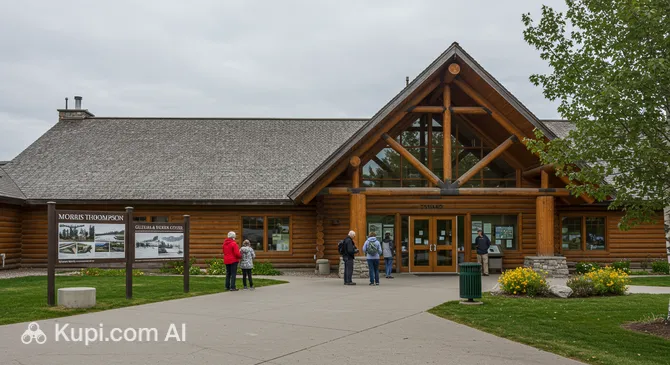
The Morris Thompson Cultural & Visitors Center is the perfect starting point for any trip to the region. Located in downtown on the banks of the Chena River, this facility features world-class exhibits that guide you through the seasons of the Interior. It is particularly interesting for its life-sized dioramas and in-depth displays on Athabascan culture, offering a comprehensive introduction to the people and land of Alaska before you head out to explore further.

Morris Thompson Cultural & Visitors Center. Source: Kupi.Binoculars

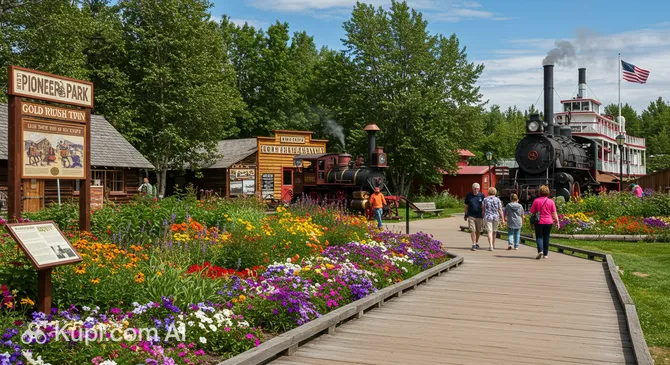
For a hands-on journey through history, Pioneer Park is a must-visit destination. This 44-acre theme park is dedicated to preserving Alaska's heritage and features a "Gold Rush Town" made up of original historic cabins moved from downtown Fairbanks. Tourists love the variety of activities available here, from exploring the SS Nenana sternwheeler and visiting multiple small museums to riding the narrow-gauge train that circles the park.

Pioneer Park. Source: Kupi.Binoculars

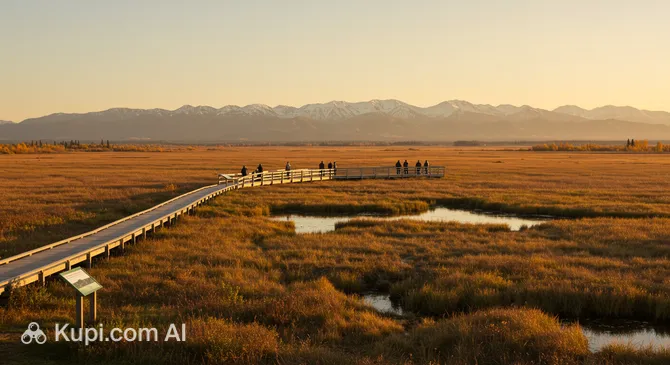
Nature enthusiasts will find a peaceful escape at Creamer's Field Migratory Waterfowl Refuge. Once a historic dairy farm, this area was transformed into a sanctuary that attracts thousands of sandhill cranes, geese, and ducks during their spring and fall migrations. Even outside of migration seasons, the refuge is a favorite spot for its network of nature trails that wind through forests and wetlands, providing excellent opportunities for photography and wildlife viewing just minutes from the city center.

Creamer's Field Migratory Waterfowl Refuge. Source: Kupi.Binoculars

Another highlight of the city is the Fountainhead Antique Auto Museum. This attraction is consistently ranked among the best in the region and showcases a stunning collection of pre-World War II automobiles paired with vintage fashion from the same eras. It is fascinating not only for car lovers but for history buffs as well, as it tells the incredible story of how these vehicles were brought to and driven in the rugged Alaskan territory long before modern roads existed.

Local Cuisine

The culinary scene in Fairbanks is a hearty reflection of its rugged environment and diverse community. While you might expect simple survival fare in the Far North, the city offers a surprisingly rich gastronomic landscape. The foundation of local cuisine is undoubtedly the abundance of fresh, wild-caught seafood. Alaskan Salmon—whether King, Sockeye, or Coho—is a staple found on nearly every menu, often grilled on a cedar plank or smoked to perfection. Another must-try is fresh Halibut, known for its firm texture and delicate flavor, typically served as fish and chips or in upscale preparations.

For meat lovers, the signature taste of the Interior is Reindeer Sausage. You will find this savory, slightly spicy meat served everywhere from breakfast diners to street food carts, where it is often paired with caramelized onions. Fairbanks also takes pride in its gold rush heritage through the tradition of Sourdough. Many local establishments serve sourdough pancakes and waffles using starters that, in some cases, have been kept alive for decades, offering a tangy taste of history.

One of the most unexpected features of the local food culture is the incredible popularity of Thai cuisine. Fairbanks boasts an unusually high density of authentic Thai restaurants per capita, a quirk often attributed to the city's welcoming nature and family connections. Locals frequent these spots for spicy curries and noodle dishes that provide a warming contrast to the subarctic chill. The dining atmosphere across the city is generally casual and unpretentious, ranging from cozy log-cabin diners to lively food trucks.

When it comes to beverages, the city has a thriving craft beverage culture. Alaska has a strong tradition of microbrewing, and Fairbanks is home to several breweries producing excellent ales and stouts that incorporate local ingredients like spruce tips or berries. For non-alcoholic options, the coffee culture is immense; you will see small drive-thru coffee huts on almost every corner, fueling residents through the long winter nights and endless summer days.

If you are looking for a charming spot to enjoy a meal in the city center, you might visit The Crepery. This restaurant is a popular choice for both sweet and savory crepes, offering a comforting dining experience that fits perfectly with the city's cozy vibe.

The Crepery. Source: Kupi.Binoculars

Travel Tips

Traveling to Fairbanks is an adventure into the heart of Alaska, where proper preparation is key to enjoying the region's extreme beauty and unique environment. To help you navigate the "Golden Heart City" with ease and make the most of your journey, here are some essential practical tips.

  1. Clothing and Gear: Dressing in layers is the golden rule for any season. In winter, you will need heavy-duty gear, including thermal base layers, a subzero-rated parka, insulated boots, and hand warmers. Summer visitors should pack lighter layers for fluctuating temperatures and, crucially, high-strength insect repellent to ward off the notorious Alaskan mosquitoes. A good sleep mask is also a must-have to help you rest during the endless daylight of the Midnight Sun.
  2. Transportation: While the local MACS bus system serves the city area, renting a car is highly recommended for the freedom to explore remote attractions and chase the Northern Lights. If visiting in winter, ensure your rental vehicle is equipped with winter tires and that you are comfortable driving on ice; a 4WD or AWD vehicle is strongly advised.
  3. Finances: The local currency is the US Dollar (USD). Credit and debit cards are widely accepted throughout the city, but carrying some cash is useful for small vendors, tips, or remote stops. ATMs are easily found in banks and supermarkets. Tipping follows standard American customs, with 15-20% being the norm for restaurant service and taxi rides.
  4. Health and Safety: Fairbanks Memorial Hospital offers medical services, and pharmacies can be found in major stores like Fred Meyer and Walmart. The primary safety concerns are environmental: never underestimate the cold (cover all exposed skin in winter to prevent frostbite) and be extremely vigilant of moose on the roads, especially when driving in the dark.
  5. Communication: English is the primary language spoken. Major US mobile carriers like AT&T and Verizon generally offer the best coverage, but signals can drop quickly once you leave the main city limits. It is smart to download offline maps before heading out on excursions, and keep your phone warm, as cold temperatures can drain batteries in minutes.
  6. Local Etiquette: Alaskans are famous for their warm and helpful nature, known locally as "Alaska nice." The vibe is very laid-back, and the dress code is almost universally casual—wearing practical, warm clothing (like snow pants or heavy boots) is perfectly acceptable in restaurants and public venues.
  7. What to Avoid: Do not approach wildlife for the sake of a photo; moose and bears are wild animals and can be dangerous if they feel threatened. Also, avoid stopping your vehicle in the middle of the road to view the Aurora or wildlife; always pull over completely into a safe turnout to prevent accidents.
  8. Additional Tip: If you visit during the winter, you will see electrical outlets at many parking spots. These are for plugging in your car's engine block heater to prevent it from freezing. Most rental cars come equipped with the necessary plug—make sure to use it if you are parking outside for an extended period when temperatures drop below -20°F (-29°C).

With these tips in hand, you are well-prepared to embrace the unique challenges and rewards of visiting the Far North. Whether you are basking in the summer sun at midnight or watching the green lights dance across a winter sky, a little preparation ensures your Fairbanks adventure will be safe and unforgettable.

Entertainment & Nightlife

Nightlife in Fairbanks is as unique as the city itself, shaped by the extreme seasons and a rugged, welcoming spirit. You won’t find high-end nightclubs with strict velvet ropes here; instead, the evening scene is defined by cozy pubs, lively dive bars, and taprooms where the dress code is almost exclusively "Alaska casual." Whether you are looking to unwind after a day of exploration or catch a live band, the atmosphere is unpretentious and friendly, with locals and visitors mingling easily over locally brewed pints.

The heart of the action is primarily found in Downtown Fairbanks, particularly along 2nd Avenue and Cushman Street. This walkable district hosts a concentration of bars and lounges that come alive in the evening. During the summer months, the energy stays high late into the night thanks to the Midnight Sun, while winter evenings offer a warm refuge from the cold, often accompanied by the chance to step outside and spot the aurora borealis. Another hub of activity can be found near the university area, which tends to attract a younger crowd.

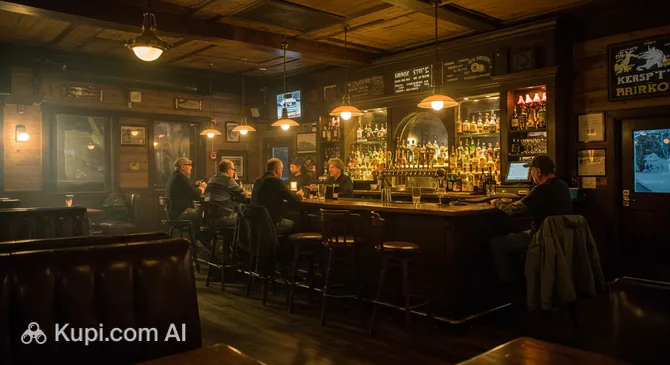
For a taste of the local social scene, you can visit Friar Tuck's Hoagie House. While known for its hearty food, it also serves as a popular gathering spot with a relaxed bar atmosphere, perfect for spending a low-key evening with friends. The vibe in such places is typically laid-back, and you will fit right in wearing jeans and flannel. Most bars stay open until around 2:00 AM or 3:00 AM on weekends, though things can wind down earlier on weekdays.

Friar Tuck's Hoagie House. Source: Kupi.Binoculars

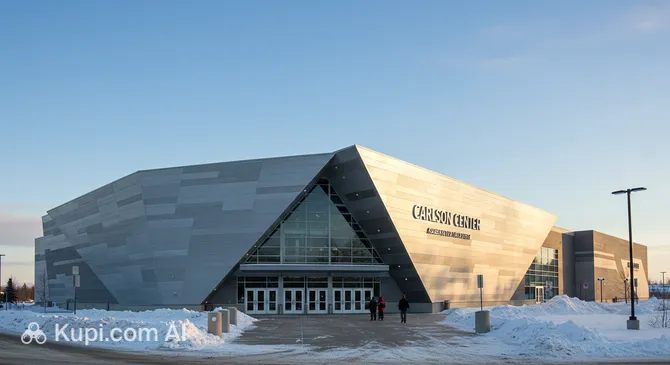
If you are looking for larger entertainment events, the Carlson Center is the city's premier venue. Situated on the banks of the Chena River, this arena hosts major concerts, sports games, and community events throughout the year. Checking their schedule in advance is a great way to see if your visit coincides with a performance by a touring artist or a local hockey game, which is always a spirited experience in this northern city.

Carlson Center. Source: Kupi.Binoculars

Practical Advice and Safety: Getting around at night is relatively easy, with rideshare services like Uber and Lyft operating in the city, alongside traditional taxi companies. It is highly recommended to book a ride rather than walking long distances at night, especially in winter when temperatures drop dangerously low. While Fairbanks is generally safe, it is wise to stay in well-lit, populated areas downtown and avoid unlit shortcuts. Prices for drinks and cover charges are moderate, though like everything in Alaska, they can be slightly higher than the national average.

Beyond the nightlife, Fairbanks offers plenty of daytime entertainment to fill your schedule. A notable stop for those seeking a mix of history and nature is the Wedgewood Resort Museum. Located within the scenic Wedgewood Resort grounds, this destination is distinct from the bustling downtown. It is best known for housing the Fountainhead Antique Auto Museum and providing access to the Wedgewood Wildlife Sanctuary. Visitors can enjoy a peaceful afternoon exploring the resort's trails, which wind through the boreal forest and offer excellent opportunities for birdwatching and spotting local wildlife in a serene environment.

Wedgewood Resort Museum. Source: Kupi.Binoculars

Parks & Museums

Fairbanks offers a fascinating blend of rugged wilderness and rich cultural heritage, evident in its diverse array of parks and museums. The city's green spaces provide a front-row seat to the subarctic environment, while its galleries and historical centers preserve the stories of the Gold Rush, Indigenous peoples, and the unique challenges of life in the Far North.

One of the most beloved outdoor spaces in the city is the Georgeson Botanical Garden, located on the University of Alaska Fairbanks campus. This research facility and public garden is famous for showcasing the incredible growing potential of the Midnight Sun. Visitors can walk through vibrant displays of gigantic cabbages, hardy perennials, and colorful annuals that thrive despite the short growing season. It is a peaceful retreat that demonstrates the scientific ingenuity required to cultivate land near the Arctic Circle.

For a mix of recreation and history, Pioneer Park serves as the city's premier playground. While it is known for its museums, the 44-acre grounds are also a fantastic public park featuring grassy picnic areas, playgrounds, and walking paths. It is a popular spot for locals to enjoy sunny summer afternoons, offering a relaxed environment where you can stroll among historic cabins and enjoy the open air right in the heart of the city.

When it comes to understanding the region's heritage, the University of Alaska Museum of the North is the crown jewel of Fairbanks. Housed in an architecturally stunning building designed to resemble glaciers and alpine ridges, the museum holds millions of artifacts. Exhibits range from Alaska Native art and culture to paleontology, including the famous 36,000-year-old mummified steppe bison, "Blue Babe." It provides a deep dive into the natural and cultural history of the entire state.

Another essential cultural stop is the Morris Thompson Cultural & Visitors Center. This facility is more than just an information hub; it features immersive, museum-quality exhibits that depict the seasonal lifestyle of the Interior's people. Detailed dioramas and soundscapes transport visitors through winter, spring, summer, and fall, explaining how traditional subsistence living adapts to the extreme climate changes of the region.

For a quieter, niche experience, you might visit the Wedgewood Resort Museum. Tucked away within a resort setting, this hidden gem focuses on the natural history of the Fairbanks area and the era of the Gold Rush. It is often less crowded than the larger institutions, allowing for a more intimate look at the tools, clothing, and stories of the early pioneers who shaped the city.

Insider Tip: If you are exploring downtown, take a moment to visit Golden Heart Plaza along the Chena River. It is a beautifully landscaped public square featuring the "Unknown First Family" statue and a clock tower playing music. In the winter, the plaza is often decorated with dazzling ice sculptures, making it a magical spot for a quick photo.

Getting Around

Public transport in Fairbanks is primarily served by the Metropolitan Area Commuter System, known locally as MACS. Unlike larger metropolises with extensive subway or tram networks, the city relies exclusively on a bus network to connect its scattered neighborhoods. The buses are a reliable and budget-friendly option for getting around, linking key locations such as the downtown transit center, the University of Alaska Fairbanks campus, major shopping districts, and even the nearby community of North Pole.

The payment system for MACS is straightforward and designed with convenience in mind. You can pay your fare in cash directly to the driver upon boarding, but it is essential to have the exact change as drivers cannot provide it. For visitors planning to use the bus frequently, a Day Pass is an excellent value, allowing unlimited rides for a 24-hour period. Modern travelers will appreciate that the system also supports mobile ticketing through the Token Transit app, which allows you to purchase passes on your smartphone and simply show the screen to the driver.

For tourists relying on the bus, practical planning is key. The main transfer hub is the Transit Center located downtown, where you can pick up physical route maps and get assistance. It is important to note that the buses generally do not run late into the night, and service is significantly limited on weekends, with no operation on Sundays on most routes. Always check the current schedule online or via the app before heading out, and remember to dress warmly if you are waiting at a bus stop during the winter months.

Given the city's sprawling layout and the limitations of the bus schedule, many visitors find that renting a car is the most efficient way to explore, especially if you plan to chase the Northern Lights or visit attractions on the outskirts. However, taxis and rideshare services like Uber and Lyft are readily available and are particularly useful for evening outings when the buses have stopped running. In the summer, bike rentals are a popular and scenic alternative, taking advantage of the city's flat terrain and extensive network of paved multi-use paths along the Chena River.

While there is no historic metro or cable car system, Fairbanks serves as the northern terminus for the famous Alaska Railroad. The depot itself is a significant transport landmark. Although the train is primarily used for intercity travel to destinations like Denali rather than local commuting, the arrival or departure of the train is a celebrated daily event in the summer, adding a touch of old-world rail charm to the city's transportation landscape.

Accommodation

Accommodation in Fairbanks caters to a wide variety of travelers, ranging from those seeking rugged adventure to those looking for modern comfort. While you will not find an abundance of ultra-luxury five-star resorts, the city offers a solid selection of reliable chain hotels, charming bed and breakfasts, and rustic cabins. The lodging landscape is designed to support the seasonal influx of visitors, with options that emphasize warmth and practicality against the backdrop of the subarctic climate. For a more authentic Alaskan experience, many tourists opt for vacation rentals or lodges located slightly outside the city limits, which offer better opportunities for viewing the night sky.

When choosing where to stay, location plays a key role in your experience. Downtown Fairbanks is the most convenient area for travelers who want to be within walking distance of museums, restaurants, and the Chena River waterfront. It is the heart of the city's activity and offers easy access to public transport. Alternatively, the area surrounding the airport is populated with numerous well-known hotel chains; this district is practical for quick stopovers or for those who have rented a car and prefer easy access to the highway. For visitors specifically chasing the Northern Lights, staying in a lodge or cabin on the outskirts of town—away from the light pollution of the city center—is often the best choice.

Booking Tip: Fairbanks is a seasonal destination with two distinct peaks: the warm summer months (June to August) and the prime Aurora viewing season (late August to April). During these times, accommodation can sell out months in advance. It is highly recommended to book your room as soon as your travel dates are confirmed, rather than hoping to find a vacancy upon arrival.

In terms of pricing, visitors should be prepared for rates that are generally higher than the national average, particularly during the high seasons. Budget options like hostels and simple motels are available but limited, while mid-range hotels make up the bulk of the inventory. Booking is best done through major online platforms or directly with the property, which can sometimes offer better cancellation policies. Regardless of your budget, securing a place with good heating and blackout curtains (for the Midnight Sun) will ensure a comfortable stay in the Golden Heart City.

Nearby Cities

Fairbanks serves as the logistical and cultural heart of the Interior, making it the perfect basecamp for exploring the wider region. Beyond the city limits, the landscape opens up into a vast wilderness dotted with small, resilient communities. Traveling to these nearby towns offers a deeper understanding of life in Alaska, where distances are measured in hours and the journey is often as spectacular as the destination.

Whether you are planning a road trip along the Richardson or Parks Highways, or catching a bush plane to a more remote village, these settlements provide unique stopovers. From the historic river banks of Fort Yukon to the mountaineering spirit of Talkeetna, each location adds a different flavor to an Alaskan adventure. Below is a table of nearby cities to help you plan your itinerary.

City Population Distance (km)
Tok 1,279 285
Delta Junction 945 131
Talkeetna 876 305
Big Delta 593 118
Fort Yukon 500 223

Shopping & Souvenirs

Shopping in Fairbanks offers a delightful mix of rugged practicality and artistic flair, reflecting the city's unique position in the Alaskan Interior. While you will find standard modern conveniences and large retail chains, the real treasure lies in the local boutiques and specialty stores. The city is an excellent place to find authentic Alaskan goods, from winter gear designed for extreme cold to handcrafted items that tell the story of the region's indigenous heritage and gold rush history.

The downtown district is one of the primary areas for visitors to explore. Walking along Cushman Street and the surrounding avenues, you will discover a variety of independent shops, art galleries, and gift stores. This area is particularly good for finding unique jewelry, local artwork, and books about Alaska. For a more concentrated shopping experience, the College Road corridor is home to larger stores and the Bentley Mall, which is the northernmost enclosed shopping mall in the United States. It provides a warm refuge during winter and features a range of apparel and department stores.

One of the most atmospheric places to hunt for gifts is Pioneer Park. Within the park's "Gold Rush Town," many of the historic log cabins have been converted into charming small boutiques. Here, you can browse for handmade crafts, local foods, and souvenirs in a setting that feels like stepping back into the early 1900s. It is a distinct experience where the act of shopping is combined with a tour of the city's architectural history.

If you are visiting during the summer months (typically May through September), the Tanana Valley Farmers Market is a must-visit destination. Located near the College Road area, this market showcases the incredible productivity of the Midnight Sun. Apart from giant vegetables and fresh flowers, it is a hub for local artisans selling pottery, knitted goods, and "Made in Alaska" products. It is a vibrant community gathering spot where you can buy directly from the makers.

When it comes to souvenirs, Fairbanks is famous for its gold. You can find beautiful gold nugget jewelry and gold-in-quartz pieces at various jewelers across the city, paying homage to the resource that founded the town. Another highly prized item is Native Alaskan art, including beadwork, baskets, and carvings. When purchasing these items, look for the "Silver Hand" emblem, which certifies that the piece was created by an Alaska Native artist. For a trusted selection of cultural books and gifts, the store at the Morris Thompson Cultural & Visitors Center is highly recommended. Additionally, culinary souvenirs like birch syrup—a local specialty similar to maple syrup but with a distinct savory-sweet flavor—and ulu knives are popular choices to take home.

Most shops in Fairbanks operate on standard American business hours, typically opening around 10:00 AM and closing by 6:00 PM or 9:00 PM, with shorter hours on Sundays. Major grocery stores and some retailers may stay open later. Credit and debit cards are universally accepted, even at most market stalls, though carrying a small amount of cash is always useful for smaller purchases.

Regarding taxes, visitors will find a significant financial benefit when shopping in the Golden Heart City. Alaska is one of the few states with no state sales tax, and notably, the City of Fairbanks does not impose a general local sales tax either. This 0% tax rate means that the price you see on the tag is exactly what you pay at the register. This makes Fairbanks an exceptionally attractive place to purchase high-value items, such as gold jewelry, furs, and electronics, as you avoid the additional costs often found in other destinations.

Reached the end of the page?

That means the route is fully explored