Support

Delta Junction

About

Welcome to Delta Junction, a friendly community located in the heart of the majestic Alaskan interior. This town serves as a vital crossroads and is famously known as the official end of the Alaska Highway, making it a significant milestone for many travelers exploring the northern reaches of the United States.

Situated at the confluence of the Delta and Tanana rivers, the town offers breathtaking views of the Alaska Range to the south. Despite its modest size, with a population of approximately 945 residents, Delta Junction boasts a welcoming spirit and a landscape uniquely defined by fertile farmlands set against a backdrop of rugged wilderness. The climate here is typical of the interior, with warm, long summer days and crisp, snowy winters that transform the scenery into a winter wonderland.
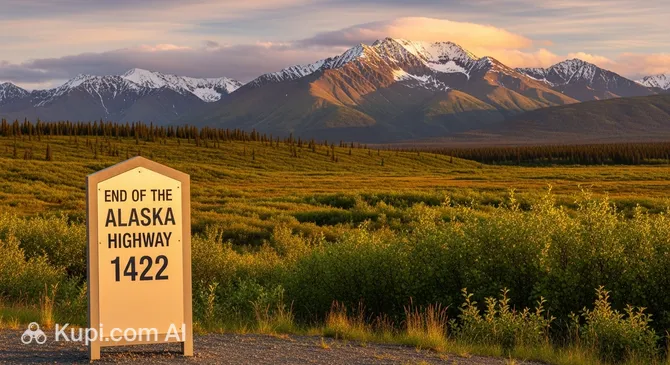
Delta Junction. Source: Kupi.Binoculars

The town is rich in heritage, particularly linked to the gold rush era and the monumental effort to connect Alaska to the lower 48 states. Visitors interested in the history of Delta Junction should not miss the Sullivan Roadhouse, a beautifully preserved log structure that serves as a museum showcasing early 20th-century life. Another key attraction is the Big Delta State Historical Park, home to Rika's Roadhouse and Landing, where you can walk through historic buildings and learn about the pioneers who shaped the region.

Nature lovers will also appreciate the chance to spot the free-ranging Delta Bison Herd, which was introduced to the area in the 1920s and can often be seen grazing in local fields. Whether you are concluding a long drive up the Alaska Highway or starting a new adventure into the wild, Delta Junction provides a perfect blend of history, hospitality, and stunning natural beauty.

Weather Overview

Travelers planning a visit should be prepared for a climate defined by distinct seasonal contrasts, typical of the Alaskan interior. The weather in Delta Junction ranges from freezing winters to pleasantly warm summers, requiring a versatile wardrobe depending on when you choose to arrive.

Winter months are long and intensely cold, with January being the chilliest time of year, featuring an average temperature of -18.2°C and lows dipping to -21.4°C. Despite the freezing conditions, precipitation during this season is minimal, often resulting in crisp, dry days. As spring approaches, temperatures slowly climb, transitioning from freezing averages in March to a milder 8.6°C by May.

Summer brings a welcome transformation, offering the most comfortable conditions for outdoor activities. July is typically the warmest month, with average temperatures around 16.4°C and daily highs reaching up to 21.2°C. However, this season also brings more frequent moisture; expect warm summers with occasional rain, as August can see up to 17 wet days. September marks the beginning of autumn, with temperatures cooling rapidly before the cycle returns to winter.

Interesting Facts

Beyond the historic roadhouses and the famous highway terminus, Delta Junction holds several intriguing details that often escape the casual observer. This unique community is defined not just by its location, but by its distinct role in Alaskan industry and culture.

  • The Barley Capital: Unlike much of the rugged Alaskan terrain, Delta Junction is an agricultural oasis. It is widely recognized as the state's premier agricultural hub, particularly for growing barley and potatoes, a result of the ambitious Delta Agricultural Project launched in the late 1970s to promote farming in the interior.

  • Testing Ground for the Extreme: The brutal winter temperatures are considered an asset here. The nearby Fort Greely is home to the Cold Regions Test Center, where the military rigorously tests vehicles, weapons, and equipment to ensure they can function in the harshest sub-zero environments on the planet.

  • The Unofficial State Bird: Embracing local humor, the town features oversized sculptures of mosquitoes at the visitor center. These giant metal insects serve as a tongue-in-cheek tribute to the notorious summer pests, which locals jokingly refer to as the real "state bird" of Alaska.

How to Get There

Reaching Delta Junction is often the culmination of a classic Alaskan road trip, as the town famously sits at the northern terminus of the Alaska Highway. While the journey by road offers spectacular scenery, visitors coming from further afield typically rely on air travel to the nearest major city before continuing their journey by car or shuttle. For detailed planning, you can read more about how to get to Delta Junction on our dedicated page.

The city of Delta Junction does not have its own commercial airport suitable for large passenger flights. Instead, most travelers fly into Fairbanks International Airport (FAI) in the city of Fairbanks, which is located approximately 134 km from Delta Junction. From the airport, the drive south along the Richardson Highway is scenic and straightforward, typically taking about 1 hour and 45 minutes to 2 hours by rental car or taxi. This airport serves as the primary regional hub, welcoming a significant number of visitors annually.

For clarity, here is a summary of the main airport:

Airport Name City Passenger Traffic Km from City
Fairbanks International Airport Fairbanks Medium 133.9

There is no direct railway station in Delta Junction. The Alaska Railroad terminates in Fairbanks, meaning that even if you arrive in the interior by train, you will need to transfer to road transport to cover the remaining distance to Delta Junction. Renting a car or arranging a shuttle transfer from Fairbanks are the most common and convenient ways to complete the trip.

Main Attractions

Delta Junction offers a compelling mix of historical landmarks and natural wonders, making it a rewarding stop for travelers exploring the Alaskan interior. The city's attractions largely celebrate its role as a transportation hub and its proximity to pristine wilderness.

One of the most significant sites is the Big Delta State Historical Park, located just north of town. This park is home to Rika's Roadhouse and Landing, a beautifully preserved historic site that dates back to the early 1900s. Visitors can explore the roadhouse, which served as a vital stop for travelers, miners, and military personnel on the Valdez-to-Fairbanks Trail. The park also features a museum, a barn, and a sod-roofed cabin, offering a vivid glimpse into the lives of early pioneers who settled in this rugged region.

For those interested in local heritage, the Sullivan Roadhouse Historical Museum is a must-visit. Built in 1905, it is the oldest original roadhouse in the interior of Alaska. Originally located on a winter trail, the log structure was moved to its current location in the heart of Delta Junction. Inside, you will find a collection of artifacts, photographs, and interpretive displays that tell the story of the grueling journeys undertaken by travelers in the gold rush era.

No trip to Delta Junction is complete without visiting the End of the Alaska Highway Monument. Located at the visitor center, this iconic marker signifies the official terminus of the famous 1,422-mile highway that connects the contiguous United States to Alaska. It serves as a popular photo opportunity for those who have completed the long drive, and the adjacent visitor center offers certificates and souvenirs to commemorate the achievement.

Nature enthusiasts will appreciate the Quartz Lake State Recreation Area, situated a short drive from the city. Known for its excellent fishing, particularly for rainbow trout and Arctic char, the lake is a favorite spot for both locals and tourists. In addition to fishing, the area offers hiking trails and camping facilities, providing a peaceful escape into the Alaskan wilderness with stunning views of the surrounding mountains.

Local Cuisine

The culinary scene in Delta Junction is a reflection of its unique identity as both an agricultural hub and a frontier town. Unlike the coastal seafood focus found elsewhere in Alaska, the local cuisine here is grounded in hearty, farm-to-table comfort food. Visitors can expect generous portions designed to fuel outdoor adventures, with a strong emphasis on locally raised meats and crops harvested from the fertile soils of the Tanana Valley.

The absolute must-try dish in this region is bison meat. Thanks to the free-ranging Delta Bison Herd and local ranching efforts, bison is a staple on local menus. You will frequently find it served as lean, flavorful bison burgers, savory steaks, or in rich chilies. It offers a sweeter and more tender alternative to beef and is a true gastronomic signature of the area. Another local favorite is reindeer sausage, often served alongside eggs for a robust breakfast or as a spicy addition to lunch dishes.

Vegetables also play a starring role, particularly the locally grown potatoes and grains. As the "Barley Capital" of Alaska, the region produces high-quality barley that often finds its way into soups, breads, and even flour blends used in local bakeries. The short but intense growing season produces root vegetables with exceptional sweetness and flavor, which are often highlighted in homemade stews and side dishes at local eateries.

When it comes to drinks, the town embraces the wider Alaskan enthusiasm for craft beer. While Delta Junction is a small community, local establishments proudly serve brews from nearby Fairbanks and other Alaskan breweries, many of which utilize the very barley grown in Delta’s fields. For non-alcoholic options, the coffee culture is strong, with drive-through huts and cozy diners serving hot, strong coffee to combat the crisp morning air.

The dining atmosphere in Delta Junction is distinctly casual and welcoming. You won't find high-end fine dining; instead, the town offers charming roadhouses, family-run diners, and drive-ins that serve as community gathering spots. These places provide a warm respite for travelers on the Alaska Highway, offering homemade pies, sourdough pancakes, and a friendly environment where locals are happy to share stories over a meal.

Travel Tips

Preparing for a trip to Delta Junction requires a bit of foresight, as this charming community in the Alaskan interior offers a rugged and authentic experience distinct from major urban centers. To ensure your adventure at the end of the Alaska Highway is safe and enjoyable, here are some practical tips to help you pack and plan effectively.

  1. Clothing and Gear: The golden rule here is layering. In winter, thermal base layers, a heavy parka, and insulated boots are non-negotiable for surviving temperatures that can drop well below freezing. Summer visitors should pack light, breathable clothing but must also bring a high-quality rain jacket and, most importantly, strong insect repellent or a head net; the mosquitoes in the interior can be intense during June and July.

  2. Transportation: Public transport is virtually non-existent in this rural area, so renting a car is essential for getting around. While there are no metro systems or trams, having your own vehicle allows you to explore the scenic Richardson Highway at your own pace. If you are visiting in winter, ensure your rental is equipped with winter tires and an engine block heater, and always carry an emergency kit.

  3. Finances: The local currency is the US Dollar (USD). While major credit cards are accepted at hotels, gas stations, and larger restaurants, it is wise to carry some cash for small purchases at local diners or roadside stands. ATMs are available but can be scarce compared to big cities, so withdraw sufficient funds when you are in larger hubs like Fairbanks. Tipping follows standard American customs, with 15-20% being expected for good service in restaurants.

  4. Health and Safety: Medical facilities in Delta Junction are limited to basic clinics, and the nearest full-service hospital is in Fairbanks, nearly two hours away. Pharmacies may have limited operating hours and are not open 24/7, so bring an adequate supply of any prescription medications. Always be "bear aware" and keep a safe distance from moose and bison; wildlife encounters are common and can be dangerous if you are not cautious.

  5. Communication: English is the primary language spoken throughout the region. Cell phone coverage can be spotty or non-existent once you leave the main town area or venture onto hiking trails, so it is highly recommended to download offline maps and travel apps beforehand. Wi-Fi is generally available in hotels and some cafes, but speeds may be slower than what you are used to in the lower 48 states.

  6. Local Etiquette: The community is small, friendly, and informal. It is polite to greet shop owners and locals; a simple wave or "hello" goes a long way. Alaskans value self-reliance and privacy, so while people are helpful, it is important to respect private property markers and not wander onto farmland or restricted military areas near Fort Greely without permission.

  7. What to Avoid: Never stop your vehicle in the middle of the highway to take photographs of wildlife, as this creates a significant traffic hazard on high-speed roads. Instead, pull over completely into a designated turnout or safe shoulder area. Additionally, avoid underestimating the weather; conditions can change rapidly, and being unprepared for a sudden temperature drop can be risky.

  8. Additional Tip: If you have driven the Alaska Highway, stop by the local visitor center to pick up an official certificate proving you reached the end of the journey. It is a fun, free souvenir that marks your achievement, and the staff there can offer up-to-the-minute advice on road conditions and local events.

By keeping these practicalities in mind, you will be well-equipped to embrace the wild beauty and warm hospitality of Delta Junction. Whether you are here to fish in pristine lakes or marvel at the northern lights, a little preparation ensures that your focus remains on creating unforgettable memories in the Last Frontier.

Entertainment & Nightlife

Nightlife in Delta Junction is a distinct departure from the bustling club scenes of major metropolises. Instead of neon-lit dance floors and exclusive VIP areas, the evening entertainment here is defined by warm hospitality, rustic charm, and a strong sense of community. The "nightlife" experience revolves around cozy lodges, local watering holes, and the spectacular natural light show in the sky, offering a relaxed atmosphere where travelers can unwind after a day of exploration.

The social scene is concentrated primarily along the Richardson Highway and the Alaska Highway, which serve as the town's main arteries. You won't find a dedicated entertainment district; rather, venues are standalone establishments often attached to hotels or roadhouses. The vibe is incredibly casual and unpretentious—jeans, flannel shirts, and sturdy boots are the standard dress code. It is the kind of place where locals and visitors mingle freely, swapping stories about life on the frontier over a cold drink.

For those looking to enjoy a locally crafted beverage, Big Delta Brewing is a popular gathering spot. As a family-owned establishment, it offers a friendly environment to sample beers brewed right in the heart of the Alaskan interior. It is a great place to experience the local flavor, quite literally, and engage in conversation with residents. Another well-known venue is The Cave, a bar and lounge that provides a classic Alaskan dive bar experience with pool tables and a laid-back crowd, perfect for a low-key night out.

If you are visiting during the darker months, the most spectacular "nightclub" is the sky itself. Delta Junction is an excellent location for viewing the Aurora Borealis (Northern Lights). Many visitors choose to spend their evenings driving to secluded spots away from the town's minimal light pollution to watch the dancing green and purple lights. This natural phenomenon provides a form of nightlife that is unique to the north and entirely free of charge.

Practicality is key when planning a night out in this rural community. Rideshare services like Uber or Lyft are generally non-existent, and taxi availability can be extremely limited or sporadic. It is highly recommended to have a designated driver or to choose accommodation that has a bar on-site, such as the Trophy Lodge, to avoid the need for transportation. In terms of safety, the town is very secure, but the primary danger at night comes from the environment: extreme cold in winter and wildlife, such as moose, which may wander into parking lots or cross roads unexpectedly.

Before the evening sets in, daytime entertainment in Delta Junction offers a mix of history and outdoor fun. Visitors can explore the rich heritage of the gold rush at the Sullivan Roadhouse Historical Museum or enjoy a picnic at the Big Delta State Historical Park. For a bit of local shopping and culture, the town's gift shops and the visitor center provide interesting diversions before you settle in for a relaxing Alaskan evening.

Parks & Museums

Delta Junction serves as a magnificent gateway to the Alaskan interior, offering a blend of pristine wilderness areas and cultural repositories that celebrate the region's pioneer spirit. While the town is small, its green spaces provide immediate access to the untamed beauty of the north, and its museums preserve the legacy of the gold rush and the monumental construction of the Alaska Highway.

For those seeking tranquility and exceptional natural beauty, the Clearwater State Recreation Site is a standout destination located just a short drive northeast of the town center. True to its name, this park features crystal-clear waters that rarely freeze completely, making it a prime spot for viewing migrating waterfowl in the shoulder seasons. It is also renowned among anglers for offering some of the best Arctic Grayling fishing in the state. The area includes a boardwalk that provides excellent vantage points of the river, perfect for photography or a peaceful evening stroll surrounded by the sounds of nature.

Another accessible outdoor gem is the Delta State Recreation Site, conveniently situated near the highway. This park is a favorite for travelers looking for a scenic place to picnic or camp without venturing too far into the backcountry. It offers stunning panoramic views of the Alaska Range, including the towering Mount Hayes. The park is equipped with a campground and trails, making it an ideal base for families or those wanting to enjoy the midnight sun in a safe, well-maintained environment.

Delving into the local history, the Sullivan Roadhouse Historical Museum stands as a testament to the resilience of early travelers. While it is a primary landmark, the museum's interior deserves special attention for its immersive collection. Visitors can walk through rooms furnished with authentic period pieces, furs, and mining tools that recreate the atmosphere of the early 1900s. The museum also displays heavy machinery and equipment used in the construction of the highway, offering a tangible connection to the engineering feats that opened up Alaska to the world.

Rika’s Roadhouse and Landing, located within the Big Delta State Historical Park, operates as an open-air museum complex that transports visitors back to the days of the Valdez-to-Fairbanks Trail. Beyond the main roadhouse, the grounds feature a historic barn, a blacksmith shop, and a telegraph station. Each building is curated to tell a specific part of the story, from the daily chores of homesteading to the vital communication lines that connected this remote outpost. The site effectively functions as a living history village, allowing guests to wander through the structures and imagine life on the frontier.

For a truly authentic experience, take a moment to visit the Trans-Alaska Pipeline Viewpoint just outside of town. While not a traditional museum, this site offers an up-close look at one of the most significant industrial achievements in the state's history. Informational displays explain the engineering challenges of building the pipeline across permafrost and earthquake zones, providing fascinating context to the massive structure that snakes through the landscape.

Getting Around

Navigating Delta Junction requires a shift in expectations for travelers accustomed to the extensive transit networks of major cities. It is important to know immediately that there is no municipal public transport system operating within the town. You will not find subways, trams, trolleybuses, or a scheduled city bus service here. The community is small and spread out, meaning that personal vehicles are the primary and most practical mode of transportation for residents and visitors alike.

Because there is no local transit infrastructure, there are no travel passes, transport cards, or mobile ticketing apps to worry about. The standard concept of validating tickets or checking zone prices does not apply. Instead, your travel budget should be allocated primarily towards fuel and vehicle rental costs. If you are planning to explore the surrounding wilderness or visit attractions located outside the immediate town center, having reliable private transportation is not just a convenience; it is a necessity.

The most critical advice for tourists is to rent a vehicle before arriving. Since rental agencies within the town itself are extremely limited or non-existent, most travelers secure a car in nearby Fairbanks or Anchorage before driving to Delta Junction. A sturdy vehicle, preferably an SUV or a truck, is recommended, especially if you plan to visit during the winter months or explore unpaved access roads. Always ensure your vehicle is equipped with a spare tire and emergency supplies, as assistance can be far away on remote stretches of highway.

Alternatives to driving yourself are scarce. Taxi services are not a standard feature of the town; while there may be independent operators or seasonal shuttles, they are not reliable enough for spontaneous travel. Rideshare apps like Uber or Lyft generally do not operate in this remote area, so you cannot depend on them for getting back to your hotel after dinner. If you do find a local taxi service, be prepared to pay in cash, as card machines may not always be available.

For those staying in the heart of the community near the visitor center, walking is a pleasant option during the warm summer months. The "Triangle" area, where the Richardson and Alaska Highways meet, is relatively compact, allowing you to walk between the visitor center, the supermarket, and a few local eateries. However, distances to major sights like the Big Delta State Historical Park or the bison viewing areas are too great to cover on foot, reinforcing the need for a vehicle to truly experience the region.

Accommodation

Accommodation in Delta Junction reflects the town's character as a frontier community and a major stop on the Alaska Highway. Visitors will not find sprawling luxury resorts or high-rise international hotel chains here. Instead, the lodging landscape is dominated by cozy, family-owned motels, rustic lodges, and charming bed-and-breakfasts. These establishments typically focus on providing warm, comfortable, and functional shelter for travelers passing through or exploring the interior.

Most accommodation options are conveniently located along the Richardson Highway and the Alaska Highway, particularly near the town center where the two roads intersect. This area, often referred to as the "Triangle," puts guests within easy reach of the visitor center, local dining spots, and grocery stores. Staying near the highway is practical for road-trippers, offering quick access to the route for an early start the next morning.

For those traveling with recreational vehicles, Delta Junction is a welcoming hub. The area features several well-equipped RV parks and campgrounds, some of which offer full hookups and amenities like laundry and showers. State recreation sites nearby also provide more primitive camping options for those who prefer a closer connection to nature, often with stunning views of the Alaska Range.

Booking Tip: While the town is small, it sees a high volume of traffic during the summer tourist season (June to August). It is highly recommended to book your accommodation well in advance, as the limited number of rooms can fill up quickly. Conversely, if you are visiting in winter, availability may be better, but some seasonal establishments might be closed, so always confirm your reservation before arrival.

Prices in Delta Junction are generally mid-range, reflecting the higher costs of operating in remote Alaska. You can expect to pay standard rates for a clean, comfortable room with essential amenities like Wi-Fi and heating. Booking methods vary; while some larger motels appear on major online travel platforms, many smaller lodges and B&Bs rely on direct bookings via phone or their own websites.

Nearby Cities

For those looking to explore the surroundings, Delta Junction serves as an excellent base for day trips to several interesting nearby locations:

Located just under two hours to the northwest, Fairbanks is the largest nearby city and a popular destination for a full day of exploration. Known as the "Golden Heart City," it offers a wealth of cultural attractions, including the Museum of the North and Pioneer Park. Visitors can enjoy a wider variety of dining options, shopping, and riverboat tours on the Chena River, providing a lively contrast to the quieter atmosphere of Delta Junction.

Traveling southeast along the Alaska Highway brings you to Tok, a community often referred to as the "Sled Dog Capital of Alaska." This town is a major trade center and serves as the gateway for travelers entering Alaska from Canada. It is an excellent spot to learn about the history of dog mushing and experience the friendly, small-town hospitality that characterizes the region.

For a very short excursion, Big Delta lies just a few minutes north. While small, it is historically significant due to its location at the confluence of the Delta and Tanana rivers. It offers a quick glimpse into the area's past and provides stunning river views without requiring a long drive.

City Population Distance (km)
Fairbanks 64160 131
Valdez 4000 326
Tok 1279 157
Talkeetna 876 292
Big Delta 593 14

These nearby destinations offer a glimpse into the diverse culture and landscapes of the region, ranging from bustling urban hubs to historic river crossings.

Shopping & Souvenirs

Shopping in Delta Junction is a reflection of its character: practical, welcoming, and deeply connected to the local lifestyle. As a small community at the end of the Alaska Highway, you will not find high-end fashion boutiques or sprawling department stores here. Instead, the shopping scene is focused on essential supplies for travelers, unique local crafts, and agricultural products that celebrate the town's status as a farming hub. It is the perfect place to stock up on road trip necessities or find a one-of-a-kind memento that tells the story of your Alaskan adventure.

The primary commercial activity is concentrated around the intersection of the Richardson Highway and the Alaska Highway, an area locally referred to as the "Triangle." This central district serves as the town's heartbeat, housing the main grocery store, gas stations, and several independent shops. Visitors can easily walk between a few of these establishments, making it a convenient stop to stretch your legs and browse for gifts while refueling your vehicle.

Travelers accustomed to urban retail therapy should note that there are no shopping malls in Delta Junction. The retail landscape is defined by standalone family-owned businesses rather than chain complexes. The closest experience to a "center" is the local supermarket plaza, which provides general merchandise and food, but the charm of shopping here lies in visiting small, specialized gift shops and trading posts scattered along the main roads.

Given the town's reputation as the "Barley Capital" of Alaska, local markets and farm stands are a highlight during the summer months. While there isn't a permanent daily market hall, seasonal farmers markets and roadside stands pop up to sell fresh produce grown in the fertile Tanana Valley. This is an excellent opportunity to buy locally grown potatoes, vegetables, and homemade jams directly from the people who harvested them.

When it comes to souvenirs, Delta Junction offers items you simply cannot find anywhere else. The most iconic keepsake is the official "End of the Alaska Highway" certificate, available at the Visitor Center. Beyond that, look for goods that highlight the local agriculture, such as barley flour or pancake mixes made from local grains. Delta meat products, particularly bison and reindeer sausage, are also popular edible souvenirs that travel well. Additionally, local artisans craft beautiful items from fur, antlers, and beads, providing authentic Alaskan gifts.

Opening hours in Delta Junction are generally standard, with most shops operating from around 9:00 AM to 6:00 PM. However, being a small town, some family-run businesses may have shorter hours on weekends or close earlier in the winter season. Payment methods are modern, with credit and debit cards widely accepted at gas stations, the supermarket, and the visitor center. However, it is always wise to carry some cash (USD) for smaller transactions at roadside farm stands or craft fairs where card machines might not be available.

One of the financial perks of shopping here is the tax benefit. The state of Alaska has no state sales tax, and Delta Junction does not impose a local sales tax on goods. This makes the price you see on the tag the final price you pay at the register, offering a small but welcome saving for tourists purchasing gifts, gear, or groceries.

Reached the end of the page?

That means the route is fully explored