Support

Kalakaket

About

Welcome to Kalakaket, a serene and remote destination tucked away in the vast wilderness of Alaska. Far from the bustling crowds of major tourist hubs, this hidden gem offers an authentic glimpse into the rugged beauty of the United States. It is a place where the silence is broken only by the whispering winds and the sounds of nature, making it an ideal retreat for travelers seeking solitude and a deep connection with the pristine environment of the North.
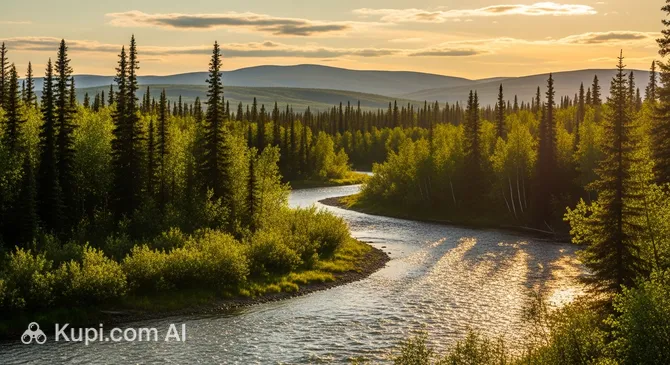
Kalakaket. Source: Kupi.Binoculars

Geographically, Kalakaket is situated in the interior region of Alaska, an area characterized by its sprawling forests, winding rivers, and dramatic landscapes. The climate here is subarctic, featuring long, snowy winters that transform the land into a white wonderland, and short, mild summers where the midnight sun allows for endless exploration. While the population is small, the sense of community and resilience defines the spirit of the area. Visitors interested in the past can explore the unique history of Kalakaket to understand how people have thrived in this challenging yet majestic environment for generations.

For nature enthusiasts, Kalakaket is a gateway to unparalleled outdoor adventures. One of the most spectacular attractions is the Northern Lights (Aurora Borealis); the lack of light pollution in this remote location provides one of the best front-row seats to this dazzling celestial display during the winter months. During the warmer seasons, the surrounding wilderness invites intrepid travelers to engage in hiking, wildlife viewing, and fishing in crystal-clear waters, offering a chance to spot iconic Alaskan wildlife such as moose and bears in their natural habitat.

If you are looking to escape the ordinary and immerse yourself in the raw, untouched beauty of the Last Frontier, Kalakaket awaits. Whether you come for the magical winter skies or the peaceful solitude of the summer wilderness, a visit to this unique corner of Alaska promises an unforgettable journey into the heart of the wild.

Weather Overview

The climate in this region is defined by distinct seasonal changes, shifting from deeply freezing winters to pleasantly mild summers. January is typically the coldest month, with average temperatures plunging to -20.1°C, while July marks the peak of summer warmth, boasting average highs of 22.2°C. Travelers should generally expect warm summers with occasional rain and cold, dry winters.

Although the total rainfall volume is quite low year-round, barely exceeding 3mm even in the wettest months, the frequency of precipitation varies significantly. August, for instance, records around 17 wet days, contrasting sharply with the drier winter months which see minimal precipitation. For precise forecasts and to help you pack the right gear for these conditions, be sure to check the current weather in Kalakaket before your journey.

Interesting Facts

While Kalakaket appears on maps of the Alaskan interior, it is distinct from the tourist destinations found elsewhere in the United States. It is primarily a geographical feature and the site of a specialized facility rather than a residential community. Understanding its true nature is essential for anyone interested in the complex geography of this remote region.

  • A Geographical Feature, Not a Town: Contrary to what map markers might suggest, Kalakaket is not a municipality with a town center, hotels, or tourism services. It is strictly a location defined by the creek and the installation situated there, lacking any public infrastructure for visitors.
  • Restricted Air Access: The location is identified by the Kalakaket Creek Air Station, which is a private military facility. Access to this airstrip is restricted to authorized personnel supporting the site's operations. It is not open to the public, and there are no commercial flights or facilities for leisure travelers.
  • Athabascan Origins: The name "Kalakaket" is derived from the Koyukon Athabascan language. The suffix "-kaket" translates to "mouth of the river," a descriptive naming convention used by Indigenous peoples to mark the confluence of the creek with the larger river system, serving as a traditional geographic waypoint.
  • Yukon-Koyukuk Wilderness: Located deep within the Yukon-Koyukuk Census Area, the terrain surrounding Kalakaket is part of a vast, roadless wilderness. The area exemplifies the extreme isolation of the Alaskan interior, characterized by dense boreal forests and untouched waterways far removed from human settlement.

How to Get There

Reaching this remote location requires careful planning and an understanding of its unique geography. Unlike standard tourist destinations, Kalakaket is situated in a roadless wilderness area of the Alaskan interior, making accessibility a challenge that typically involves specialized travel arrangements. For those looking to understand the logistics of the region, you can read more about how to get to Kalakaket and the surrounding territories.

The primary gateway for any journey into this part of the United States is Fairbanks International Airport (FAI). Located in the city of Fairbanks, this major regional hub serves as the essential staging point for travel into the Alaskan bush. While commercial flights bring you to Fairbanks, traveling onward to the specific coordinates of Kalakaket is not a standard commute. There are no direct road connections or commercial shuttle services; access is generally limited to authorized chartered bush flights or specialized transport, reflecting the restricted and isolated nature of the site.

Below is the main aviation hub serving the broader region:

Airport Name City Passenger Traffic
Fairbanks International Airport Fairbanks Medium

There is no railway service connecting to Kalakaket, and the area is not integrated into the state's road network. Travelers arriving in Fairbanks by train or car will find that the infrastructure ends there. Navigating beyond the hub into the Yukon-Koyukuk wilderness requires expertise in backcountry travel or specific authorization, as the terrain is rugged and devoid of public transit options.

Main Attractions

Because Kalakaket is a remote outpost rather than a developed tourist town, you will not find museums, shopping malls, or amusement parks here. Instead, the attractions are the raw, powerful elements of the Alaskan wilderness itself. The area serves as a pristine playground for those who seek to disconnect from the modern world and immerse themselves in a landscape that has remained largely unchanged for centuries.

The most spectacular natural phenomenon in this region is undoubtedly the Aurora Borealis, or Northern Lights. Situated far from the light pollution of major cities, the skies over Kalakaket offer some of the clearest and most vibrant views of this celestial dance. During the long, dark winter nights, visitors who have ventured into the surrounding wilderness are often treated to curtains of green, purple, and pink light swirling overhead, an experience that defines the magic of the Arctic North.

The Koyukuk River is another defining feature of the region and a primary draw for outdoor adventurers. As a major tributary of the Yukon River, it winds through the landscape, offering opportunities for remote fishing and river floating. Anglers can test their skills against northern pike, sheefish, and grayling in waters that are crystal clear and teeming with life. For those with the right equipment and experience, drifting down the river provides a silent, moving vantage point to observe the dense forests and hills.

Finally, the Wilderness Itself is the ultimate attraction. The land surrounding Kalakaket is home to an impressive array of wildlife, including moose, black bears, grizzly bears, and wolves. Unlike a zoo or a national park with designated viewing platforms, this is true backcountry where animals roam freely in their natural habitat. For photographers and naturalists, the chance to track and observe these majestic creatures in such a solitary setting is a rare and profound privilege.

Local Cuisine

Because Kalakaket is a remote geographical location and military outpost rather than a residential town, there is no commercial culinary scene here. You will not find restaurants, cafes, street food vendors, or grocery stores. For the few authorized visitors or wilderness explorers venturing into the surrounding Yukon-Koyukuk region, dining is strictly a matter of self-reliance. The "local cuisine" is defined by what you carry in your pack or what can be harvested from the pristine land and waters around you.

The diet of the Alaskan interior is centered on the abundant natural resources of the wilderness. The rivers here, particularly the tributaries of the Yukon, are famous for their fish. Alaskan Salmon, including King (Chinook) and Silver (Coho) varieties, is the prized catch. For those traveling through the bush, a fresh fillet of salmon or Arctic Grayling, caught in a clear stream and grilled over an open campfire, represents the ultimate authentic dining experience. In the local subsistence culture, fish is also traditionally smoked or dried to preserve it for the long, harsh winters.

Game meat plays a significant role in the regional diet. Moose is the primary source of red meat in this part of Alaska, favored for its lean, organic protein. It is often prepared in hearty stews or roasted, providing the high-calorie fuel needed to navigate the rugged terrain. During the brief summer months, the tundra comes alive with wild berries. Blueberries, cranberries, and cloudberries grow in abundance and are traditionally gathered to add flavor to meals or to be mixed with fat and sugar in a high-energy indigenous dish known as agutak (Eskimo ice cream), though this is more of a cultural staple than a menu item.

Regarding drinks, the options are as simple and rugged as the landscape. There are no bars or pubs in Kalakaket. The most popular beverage is undoubtedly hot, strong coffee, an essential comfort for warming up during the cold mornings. Travelers often bring their own supplies, perhaps including craft beers from breweries in Fairbanks or Anchorage, to enjoy after a day of exploration. However, the most defining drink of the area is the water itself—sourced from glacial streams and purified, it offers a crisp, cold taste of the untouched wilderness.

Travel Tips

Planning a trip to the wilderness surrounding Kalakaket is unlike organizing a typical vacation; it requires the mindset of an expedition leader rather than a casual tourist. Because this location is remote, isolated, and lacks standard infrastructure, these practical tips are essential for ensuring a safe and successful adventure in the Alaskan bush.

  1. Clothing and Gear: Preparation is your lifeline here. In winter, you must have arctic-grade gear, including thermal base layers, heavy wool insulation, and a windproof, waterproof parka, as temperatures drop severely. In summer, while days are mild, the insect population is intense; a high-quality mosquito head net and strong repellent are mandatory. Always break in your hiking boots before arrival to handle the rugged, uneven tundra.
  2. Transportation: Forget about public transit or ride-hailing apps; they do not exist here. Access to the region is almost exclusively by chartered bush plane from Fairbanks. You must arrange your flights well in advance with a reputable air charter service. Once on the ground in the surrounding wilderness, travel is entirely by foot or, in winter, by snowshoe or ski.
  3. Finances: There is no local economy in Kalakaket—no banks, ATMs, or card terminals. You should handle all major financial transactions, such as paying for charters and supplies, in Fairbanks before you depart. While you won't need money in the wilderness, it is wise to carry some emergency cash (USD) in case you are diverted to a village or town with limited facilities on your return leg.
  4. Health and Safety: You are your own first responder. There are no pharmacies or hospitals nearby. Bring a comprehensive first aid kit and know how to use it. Wildlife encounters are a real possibility; carry bear spray and keep it accessible, not buried in your pack. It is highly recommended to purchase medical evacuation insurance that covers remote wilderness rescue.
  5. Communication: Do not expect cellular service. The only reliable way to communicate with the outside world is via a satellite phone or a satellite messenger device (like a Garmin inReach). These are crucial for coordinating pick-ups with your pilot or signaling for help in an emergency.
  6. Local Etiquette: In the Alaskan backcountry, the primary rule is "Leave No Trace." Pack out everything you pack in, including trash and food waste. Respect the silence of the wilderness and the land, which has been used by Indigenous peoples for millennia. If you encounter subsistence hunters or trappers, give them space and do not disturb their equipment.
  7. What to Avoid: Strictly avoid trespassing on the Kalakaket Creek Air Station or any associated military infrastructure. As noted, this is a restricted facility, and unauthorized entry is prohibited. Also, never underestimate the weather; avoiding "get-there-itis" (taking risks to stay on schedule) is vital when a sudden storm rolls in.
  8. Light Conditions: Be mindful of the extreme daylight hours. If you visit in June or July, the Midnight Sun means 24 hours of daylight, which can disrupt sleep patterns; bring an eye mask. Conversely, winter trips require comfort with almost perpetual darkness and navigating by headlamp.

Visiting the territory around Kalakaket is a true test of self-reliance, rewarding prepared travelers with solitude and untouched natural beauty. By packing the right gear and respecting the harsh realities of the Alaskan interior, you set the stage for an unforgettable and safe experience in the wild.

Entertainment & Nightlife

If you are searching for bustling nightclubs, neon-lit bars, or crowded dance floors, Kalakaket is not the destination for you. As a remote outpost deep in the Alaskan interior, this location is completely devoid of the commercial nightlife found in cities. There are no entertainment districts, pubs, or concert venues here. Instead, the "nightlife" is defined by the profound silence of the wilderness and the raw beauty of the natural world, offering a different kind of evening excitement for those willing to venture off the grid.

The primary evening entertainment in this region, particularly during the winter months, is the spectacular display of the Aurora Borealis. Far from the light pollution of urban centers, the skies over Kalakaket transform into a living canvas of green and violet lights. The "venues" here are simply the banks of the Koyukuk River or a clearing in the boreal forest, where the only admission fee is enduring the cold. In the summer, the concept of nightlife practically disappears under the Midnight Sun, where daylight persists for 24 hours, allowing for hiking and fishing well into the early morning hours.

The atmosphere is one of absolute solitude and self-reliance. Without restaurants or lounges, social gatherings are limited to the warmth of a campfire shared with fellow expedition members. The dress code is strictly functional: thermal layers, heavy parkas, and insulated boots are essential. There are no opening hours; the wilderness is always open, but the environment dictates the schedule. Travelers must bring their own entertainment, whether it be a book, a deck of cards, or simply the willingness to sit quietly and observe the stars.

Safety in this environment is a serious matter that replaces the typical concerns of urban nightlife. You do not need to worry about pickpockets or safe neighborhoods, but you must be vigilant about wildlife. Bears and wolves are active in the area, so carrying bear spray and keeping a clean camp is mandatory. There are no taxis or ride-share services to take you home; you must rely entirely on your own navigation skills and prepared transport arrangements. It is advisable to stay close to your camp after dark, as the rugged terrain can be treacherous to navigate without visibility.

Regarding daytime entertainment, the situation is similar. Kalakaket does not have theaters, museums, amusement parks, or shopping centers. The "attractions" are the river, the forests, and the wildlife. Visitors come here to disconnect from modern distractions, not to seek them out. If you crave cultural institutions or indoor leisure activities, you would be better suited visiting a major hub like Fairbanks before traveling to this remote wilderness area.

Parks & Museums

Unlike traditional tourist destinations, Kalakaket does not feature manicured city parks, botanical gardens, or brick-and-mortar museums. Instead, the entire region serves as a vast, open-air sanctuary of untouched wilderness. For visitors, the "parks" are the sprawling wildlife refuges that surround this remote outpost, and the "museums" are the living landscapes that hold the history of the Athabascan people and the natural world.

The most significant natural area in the vicinity is the Kanuti National Wildlife Refuge. Located just to the east and south of the Kalakaket area, this massive preserve spans over a million acres of wetlands, boreal forest, and tundra. It is a critical habitat for migratory birds, making it a spectacular destination for ornithologists and nature lovers. Rather than paved paths and benches, you will find game trails and riverbanks, offering a raw and immersive experience with the Alaskan ecosystem.

The Koyukuk River corridor itself functions as the region's primary "green space." As a lifeline of the interior, the river and its banks provide the main thoroughfare for travel and recreation. During the summer, the lush vegetation along the water creates a vibrant green belt teeming with life, from moose grazing on willows to eagles nesting in the high branches. It is a dynamic, ever-changing landscape that offers the solitude and scenic beauty typically sought in national parks, but without the crowds or infrastructure.

Regarding cultural institutions, there are no museums or galleries located in Kalakaket. The area is a remote geographical site rather than a settlement with cultural facilities. Travelers interested in the rich history of the region—including the heritage of the Koyukon Athabascan people and the history of Alaskan aviation—should visit the museums in Fairbanks before departing for the bush. Institutions there serve as the repository for the artifacts and stories that define the interior.

In place of traditional history museums, the land itself acts as a living exhibit of the past. The Athabascan Heritage is etched into the geography, with place names and landmarks telling stories of survival, hunting, and travel that go back thousands of years. For the observant visitor, the remains of old trapping cabins or the specific ways the land is utilized by subsistence hunters provide a genuine, uncurated glimpse into the culture of the Last Frontier.

For a truly authentic experience, treat the night sky as the region's premier art gallery. In the absence of artificial lights, the Aurora Borealis paints the heavens with swirling colors that rival any masterpiece found in a city museum. Viewing this natural phenomenon from the silence of the Kalakaket wilderness is a profound experience that connects you to the ancient and mystical side of the Arctic.

Getting Around

It is important for visitors to understand that Kalakaket is a remote geographical location in the wilderness, not a developed city. Consequently, there is absolutely no public transport system here. You will not find metros, buses, trams, or trolleybuses operating in this area. The infrastructure associated with urban centers is entirely absent, and the region is not connected to any road network or state highway system.

Because there are no public transit routes, there is no system of travel passes, ticket machines, or transport apps. The concept of a "fare" applies only to the substantial costs associated with arranging private travel to the site. Visitors typically rely on chartered bush planes from regional hubs like Fairbanks. Payment for these services is not done via a transit card but through upfront commercial transactions with aviation charter companies, often requiring booking and payment weeks or months in advance.

For those planning an expedition here, practical advice centers on self-reliance rather than navigating a transit map. Do not expect to find taxi stands, car rental agencies, or ride-sharing services upon arrival. Once the bush plane departs, your primary mode of "transport" becomes your own two feet. In the summer, travel is conducted by hiking across the tundra or using packrafts on the river. In the winter, movement requires snowshoes or cross-country skis to navigate the deep snow.

The only "alternative" to hiking is the use of specialized backcountry equipment, such as snowmobiles or riverboats, but these must be arranged and transported by the visitors themselves or their guides. There are no rental kiosks for bikes or vehicles on-site. Travelers must be fully self-sufficient, ensuring they have the physical fitness and equipment necessary to move through the rugged landscape without mechanical assistance.

Accommodation

Finding a place to stay in Kalakaket is not about browsing hotel listings or comparing resort prices. As a remote geographical location deep in the Alaskan interior rather than a developed municipality, there are no hotels, hostels, bed and breakfasts, or vacation rentals available here. The infrastructure is strictly functional for military or authorized personnel, with no facilities designated for leisure travelers. Consequently, the only "suite" available is the one you carry on your back.

For the intrepid travelers who venture to this part of the Yukon-Koyukuk region, accommodation implies wilderness camping. You will need to pitch a tent on the rugged tundra or along the banks of the river. This style of lodging requires high-quality, four-season camping gear, as you must be completely self-sufficient. There are no designated campgrounds with amenities like showers, electricity, or fire rings; you are simply choosing your own site in the vast, open wild.

Because of this lack of infrastructure, most visitors base themselves in Fairbanks before and after their expedition. Fairbanks serves as the logistical hub where you can find a full range of accommodation options, from budget-friendly hostels to comfortable hotels. It is the ideal place to enjoy a warm bed and a hot shower before departing on a bush plane or to recover after days spent in the backcountry.

Regarding costs and booking for Kalakaket itself, there is no nightly rate to pay. The "price" of your stay is determined by the investment in your gear and the cost of the charter flight required to reach the area. Since there are no lodges to book, your planning should focus entirely on logistics and safety rather than reservations. Ensure you have a sturdy tent, a sleeping bag rated for extreme sub-zero temperatures, and bear-proof containers for your food supplies.

Nearby Cities

Kalakaket is located in the state of Alaska, with Fairbanks serving as the nearest major urban center. Fairbanks acts as the primary logistical hub for the interior region, housing the main airport and essential services. The broader territory encompasses various communities distributed across the Alaskan landscape.

The table below lists the closest cities and towns to the location, providing details on their population and distance:

City Population Distance (km)
Fairbanks 64,160 4
Big Delta 593 121
Delta Junction 945 134
Tok 1,279 288
Talkeetna 876 303

Shopping & Souvenirs

Because Kalakaket is a remote outpost in the Alaskan wilderness, visitors will find absolutely no shopping infrastructure here. There are no shopping malls, boutiques, grocery stores, or even basic convenience shops. The area is defined by its isolation, and the only structures are those supporting the private air station and wilderness operations, none of which offer goods for sale to the public.

Self-reliance is the rule for any expedition to this part of the United States. All provisions must be purchased and packed before you board your charter flight. The city of Fairbanks serves as the last point of civilization where you can stock up on essential supplies. Travelers should ensure they have ample food, fuel, batteries, and emergency gear, as there is no opportunity to replenish stocks once you arrive in the bush.

Regarding souvenirs, do not expect to find gift shops selling postcards or keychains. The memories of the Northern Lights and the pristine silence are the only mementos you will take with you. If you wish to purchase authentic Alaskan crafts, such as Athabascan beadwork or carved ivory, you should explore the galleries and markets in Fairbanks or Anchorage before or after your trip to the interior.

Reached the end of the page?

That means the route is fully explored