Support

Japanese Garden

About

The Japanese Garden in Fort Worth, USA, is a true immersion into a world of Eastern harmony and tranquility. This traditional Japanese landscape garden is not just a beautiful place, but an important cultural landmark reflecting refined Japanese aesthetics and a deep philosophy of unity with nature. It invites visitors to escape the city's hustle and bustle and enjoy a peaceful atmosphere.
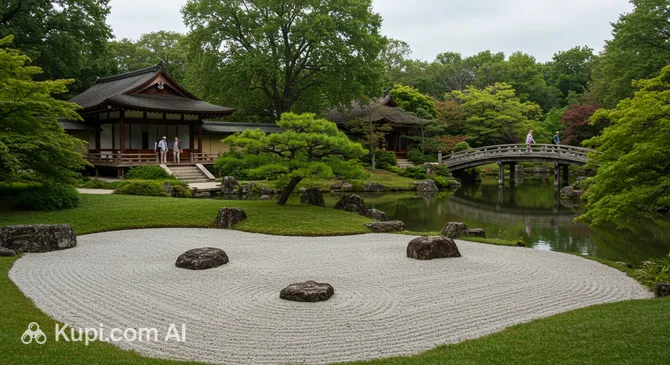
Japanese Garden. Illustration.
Source: Kupi.com AI

Traveler photos:

Strolling through the Japanese Garden, you will discover all the characteristic elements inherent in this type of art. The carefully thought-out landscape design includes picturesque water features such as koi ponds, elegant bridges, symbolically placed stones and lanterns, as well as a rich collection of ornamental plants, including maples, azaleas, and bamboo. It is also common to find architectural structures in the traditional Japanese style that complete the overall scene.

The Japanese Garden in Fort Worth was created as an ideal place for contemplation, meditation, and quiet enjoyment of natural beauty in its most exquisite form. Every corner of the garden is designed to the smallest detail to give visitors a sense of peace and inspiration. It is a wonderful opportunity to experience a piece of Japanese culture and find inner balance.

Contacts

To find up-to-date information on opening hours, ticket prices, and potential events at the Japanese Garden, we recommend visiting the attraction's official website or contacting local tourist information centers in Fort Worth.

There, you can typically find details on the most convenient ways to reach the garden and clarify any other organizational aspects of your visit.

How to contactContact
Address3220 Botanic Garden Blvd, Fort Worth, TX 76107, USA
Phone number+1 817-463-4160
Websitefwbg.org

What to Do

In the Japanese Garden, visitors can enjoy a peaceful atmosphere and picturesque views. It is an ideal place for leisurely walks along winding paths, allowing you to fully appreciate the beauty of the landscape. You can admire the koi ponds, observe the local flora and fauna, and simply find spiritual refreshment in a calming environment, far from the city noise.

Beyond contemplative relaxation, the Japanese Garden often serves as a venue for various cultural events. Traditional tea ceremonies, festivals, and exhibitions dedicated to Japanese culture may be held here. This is a wonderful opportunity to get a deeper look at the traditions of the Land of the Rising Sun. Don't forget to bring a camera, as every corner of the garden is a perfect frame for picturesque shots.

Art and design enthusiasts will appreciate the chance to study the traditional elements of Japanese garden art in detail. Closely examine the arrangement of stones, the shapes of the lanterns, the curves of the bridges, and the selection of plants—all of which carry deep meaning and create a unique harmony. The Japanese Garden in Fort Worth offers a unique experience of immersion into a world of beauty and calm.

Getting There

There are several ways to get to the Japanese Garden in Fort Worth, depending on your preferences and starting point. One of the most accessible options is public transport. Check for current bus routes that pass near the garden or have stops within walking distance. Information on schedules and routes can usually be found on the official website of the Fort Worth transportation company or through popular navigation apps.

If you prefer more comfort or are traveling in a group, a taxi or ridesharing services (such as Uber or Lyft) are convenient solutions. A trip from downtown Fort Worth to the Japanese Garden typically doesn't take long, though the cost will depend on the distance and traffic conditions. For those traveling by private or rental car, using a GPS navigator is recommended. Parking areas are usually provided near such popular tourist sites, but it's best to check their availability and terms in advance.

Before planning your visit to the Japanese Garden, it is recommended to check the attraction's official website or Fort Worth tourism portals. They often publish the latest information on the best ways to reach the site, including any changes to public transport schedules, parking tips, or information about special tourist shuttles if available. This will help you save time and make your trip as comfortable as possible.

Nearest city: Fort Worth

History & Facts

While the exact founding date and detailed creation history of the Japanese Garden in Fort Worth may not be widely known in every detail, its existence is part of a beautiful tradition of creating Japanese gardens around the world, including the USA. Such gardens often emerge as symbols of friendship and cultural exchange between nations, aiming to bring a piece of Japanese aesthetics and philosophy into a different cultural space.

Often, the initiative for creating such gardens comes from Japanese-American friendship societies, as part of sister-city programs, or as a gift from Japanese organizations or individuals. The goal of such projects is not just to create a beautiful landscape, but rather to build a living bridge between cultures—a place where visitors can experience traditional Japanese gardening art and feel its calming influence.

For example, some famous Japanese gardens in the USA have a rich history linked to significant events. The Japanese Tea Garden in San Francisco, one of the oldest in the country, was originally created as part of the Japanese exhibit for the 1894 California Midwinter International Exposition. This example illustrates how Japanese gardens can become important historical and cultural landmarks, maintaining their significance for decades.

Thus, the Japanese Garden in Fort Worth, even if its specific founding history isn't as extensively documented as others, undoubtedly fulfills an important mission. It serves as a place to connect with Japanese culture, a space for contemplation and relaxation, and importantly, a symbol of harmony and mutual respect between different cultures, which is characteristic of many Japanese gardens on American soil.

Time Needed

To fully enjoy the beauty and tranquility of the Japanese Garden in Fort Worth, it is worth setting aside approximately 1-2 hours. This time is usually enough for a leisurely stroll along the main paths, viewing the picturesque koi ponds, elegant bridges, and arrangements of stones and plants. You will be able to take beautiful photos and soak in the peaceful atmosphere of the site.

Of course, the duration of your visit may vary depending on your interests. If you plan not only to see the garden but also to spend time in quiet contemplation, find a secluded spot to rest, or study every element of the landscape design in detail, you might need more time—perhaps up to 3 hours or even half a day. Additionally, if any cultural events, such as tea ceremonies or festivals, are taking place during your visit, this may also affect your total stay in the garden.

Working Hours

The Japanese Garden in Fort Worth is generally open to visitors for most of the year, though exact working hours may vary depending on the season and the day of the week. Typically, such gardens are open during daylight hours. To get the most up-to-date information regarding opening times, ticket prices, and whether advance booking is required, it is strongly recommended to visit the official Fort Worth Japanese Garden website or contact the city's tourist information centers.

Sometimes, special events or peak seasons may require advance ticket purchases or registration. Checking official sources will help you plan your visit effectively and avoid any surprises. You can also find out there whether the garden is open year-round or has seasonal operating characteristics.

8:00 – 18:00

Nearby

Visiting the Japanese Garden in Fort Worth is undoubtedly a wonderful experience, but exploring its surroundings can make your trip even more fulfilling and diverse. By discovering nearby attractions, you will gain a more complete understanding of the cultural life and leisure opportunities that this vibrant USA city has to offer.

There are several interesting spots near the Japanese Garden that can complement your itinerary. From museums and parks to entertainment venues, everyone will find something to their taste. When planning your route, you can easily include a visit to one or more of these attractions, optimizing your time and broadening your horizons.

NameDistance
Trinity Park1.3 km
Amon Carter Museum of American Art1.4 km
Rodeo Goat1.7 km
Fort Worth Zoo1.7 km
Eddie V's1.8 km
Petting Barn2.2 km
Schollmaier Arena3 km

Have you reached the end of the page?

So the route has been studied inside and out