Support

Fort Worth Zoo

About

The Fort Worth Zoo is one of the main attractions of Fort Worth and one of the oldest and most famous zoos in the USA. Founded in 1909 and located in Texas, it is managed by the Fort Worth Zoological Association. The zoo covers approximately 64-77 acres (26-31 hectares), housing numerous themed exhibits.

This zoo is home to over 7,000 animals representing more than 500 different species, making it one of the largest and most diverse in the country. Here you can find inhabitants from all corners of the planet, from penguins and primates to the predators of Asia and Africa. Popular zones include the "African Savanna," "Texas Wild!" and the "Museum of Living Art," which features an impressive collection of reptiles and amphibians.
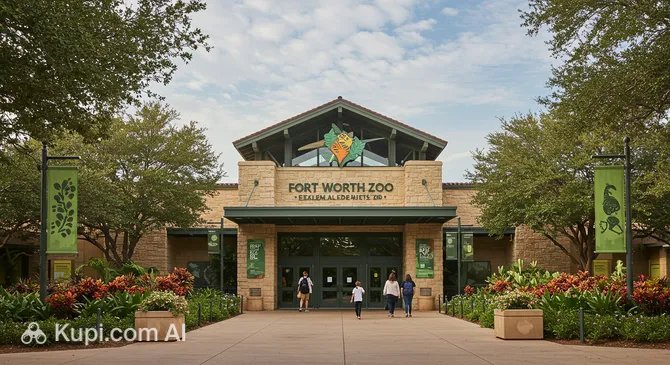
Fort Worth Zoo. Illustration.
Source: Kupi.com AI

Traveler photos:

The Fort Worth Zoo places a special emphasis on the conservation of rare and endangered species. Unique environments have been created for the animals, closely mimicking their natural habitats. As a result, many exhibits, such as "World of Primates" and the new "Elephant Springs" area, have received high acclaim from both experts and numerous visitors. A visit here will be both an exciting and educational experience for the whole family.

Contacts

To confirm up-to-date information on operating hours, ticket prices, and special events, it is recommended to contact the zoo directly. All necessary details can be found on the official website or by calling.

How to contactContact
Address1989 Colonial Pkwy, Fort Worth, TX 76110, USA
Phone number+1 817-759-7555
Websitewww.fortworthzoo.org

What to Do

Visiting the Fort Worth Zoo is a chance to embark on a round-the-world journey through the wild. You can spend hours watching animals in spacious enclosures that imitate their natural environments. Guests can see koalas, cheetahs, tigers, rhinos, and meerkats. Of particular interest are the interactive zones; for example, in the "African Savanna" exhibit, you can feed giraffes from up close. In the new Elephant Springs area, visitors can not only observe Asian elephants but even help bathe them using special water cannons on a hot day.

One of the zoo's main gems is the Museum of Living Art (MOLA), which houses an impressive collection of thousands of rare and endangered reptiles and amphibians. Here you can see Komodo dragons and Indian gharials—the rarest crocodiles, which were first successfully bred in this very zoo. This exhibit makes a strong impression thanks to its unique species composition and modern design, which allows for a detailed look at the exotic residents.

Besides animal watching, the zoo offers many other activities. For the youngest visitors, there is the Toyota Children's Ranch petting farm, where they can pet and feed domestic animals. The Yellow Rose Express train runs through the territory, offering a sightseeing tour. Also popular is the Stingray Cove interactive exhibit, where visitors are allowed to touch and feed stingrays. Throughout the day, educational programs and demonstration feedings are held, making a visit to the zoo both fun and informative for guests of all ages.

Getting There

Fort Worth Zoo is conveniently located within the city limits, making it easily accessible for visitors. Whether you prefer to travel by private car or use public transportation, reaching this amazing place is easy.

The simplest way to get to the zoo is by car. The drive from downtown Fort Worth takes only 10–15 minutes via major city highways. For those arriving by car, spacious parking lots are provided near the main entrance. Additionally, the zoo can be reached by city buses or taxi services, which are also convenient options for tourists.

The zoo is located at 1989 Colonial Parkway, Fort Worth, TX 76110. It is worth noting that the entrance area is well-equipped for the comfort of families with children and people with disabilities, making the visit as convenient as possible for all categories of guests.

Nearest city: Fort Worth

History & Facts

The history of the Fort Worth Zoo began in 1909 with a very modest collection of animals. Its first residents were a lion, two bear cubs, an alligator, a peacock, a coyote, and several rabbits left behind in the city by a traveling circus. This small menagerie, originally owned by the city, quickly won the hearts of local residents and marked the beginning of one of the oldest continuously operating zoos in Texas.

Over time, the zoo expanded significantly, but a key moment in its history occurred after a devastating flood. This event led to the relocation of the zoo to its current site on the other side of the Trinity River. It is important to note that the Fort Worth Zoo was one of the first in the USA to begin systematic work on the conservation and breeding of endangered species, establishing its reputation as an important conservation center.

Another notable fact from the zoo's history is the 1954 opening of the James R. Record Aquarium. It delighted visitors for nearly half a century until a modern herpetarium was created in its place in 2002. Today, this is the famous "Museum of Living Art" (MOLA), considered one of the best in the world, showcasing the zoo's commitment to continuous development and modernization.

Time Needed

To fully enjoy your visit to the Fort Worth Zoo and see all the highlights, you should plan to spend a significant part of the day here. For a thorough tour, it is recommended to set aside at least 3–5 hours to visit the main exhibits, participate in interactive programs, and enjoy a walk through the spacious grounds. This time is enough to explore the key areas without rushing and observe the animals at a comfortable pace.

The duration of your visit will, of course, depend on your personal interests and the size of your group. Families with young children might need more time, considering stops at playgrounds and the petting zoo. If you want to do more than just walk around—such as attending demonstration feedings or educational lectures—feel free to add another hour or two. For those short on time, a quicker visit is possible, but in that case, it’s better to study the map in advance and choose 2-3 of the most interesting exhibits, such as the African Savanna or the unique Museum of Living Art (MOLA) herpetarium.

Working Hours

The Fort Worth Zoo is open to visitors year-round, including most holidays. Standard operating hours are 10:00 AM to 5:00 PM on weekdays and until 6:00 PM on Saturdays and Sundays. However, the schedule may vary depending on the season, weather conditions, or special events, so checking the official zoo website for the latest information before your visit is highly recommended.

While tickets can be purchased on-site, to save time and avoid queues, especially on weekends, it is recommended to buy them in advance online. The official website also provides information about special offers, such as discounted admission days.

DayOpening hours
Monday10:00 – 17:00
Tuesday10:00 – 17:00
Wednesday10:00 – 17:00
Thursday10:00 – 17:00
Friday10:00 – 17:00
Saturday10:00 – 18:00
Sunday10:00 – 18:00

Nearby

Visiting the Fort Worth Zoo is a great way to start exploring the city, but to make your day truly fulfilling, it’s worth checking out the surrounding area. There are many other interesting spots near the zoo that will help you better understand the culture and atmosphere of Fort Worth. A stroll through nearby parks, museums, and entertainment venues will enrich your experience and provide a more complete picture of this corner of Texas.

When planning your itinerary, you can easily combine a trip to the zoo with visits to other iconic landmarks. Just a few kilometers away, you'll find both natural and cultural attractions that are quickly accessible on foot or by transport. This is a wonderful opportunity to diversify your vacation and discover something new.

NameDistance
Petting Barn0.6 km
Japanese Garden1.7 km
Schollmaier Arena1.9 km
Cider Arcade Fort Worth2 km
Trinity Park2.3 km
Rodeo Goat2.8 km
Amon Carter Museum of American Art3 km

Have you reached the end of the page?

So the route has been studied inside and out