Support

Waverly Hills Sanatorium

About

Waverly Hills Sanatorium is an iconic historical building located in the Waverly Hills neighborhood of Louisville, Kentucky, USA. Originally, this imposing structure was built in the early 20th century as a specialized tuberculosis sanatorium. Its mission was to combat the devastating tuberculosis epidemic, known at the time as the "white death" or "white plague," which claimed many lives.
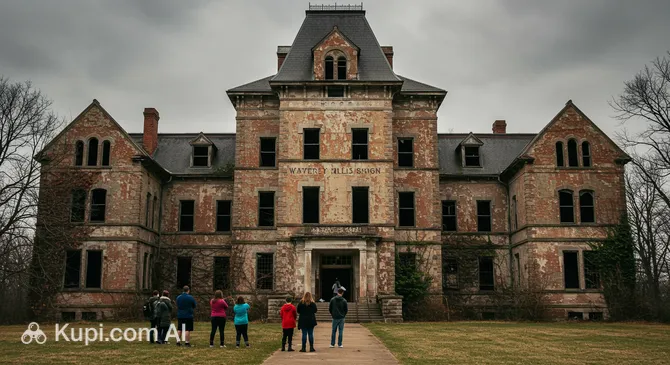
Waverly Hills Sanatorium. Illustration.
Source: Kupi.com AI

Traveler photos:

Today, Waverly Hills Sanatorium is a largely abandoned building shrouded in an atmosphere of mystery and legend. It has gained worldwide fame not only for its rich and sometimes tragic history but also for numerous reports of paranormal phenomena that eyewitnesses claim occur within its walls. This has made the sanatorium a popular destination for researchers of the unexplained and thrill-seekers.

Despite its somber reputation, Waverly Hills Sanatorium has official recognition of its significance. The building is listed on the National Register of Historic Places in the USA, highlighting its architectural and historical value. For many visitors, it is not just a haunted house, but an opportunity to connect with an important chapter of medical history and social life from the last century, as well as to appreciate the unique architecture of the early 20th century.

Contacts

To get the most up-to-date information regarding opening hours, tours, and ways to contact the management of Waverly Hills Sanatorium, it is recommended to visit the attraction's official website or reach out to local tourist information centers in Louisville. There, you can find details on available tours, including popular night excursions for paranormal enthusiasts, and clarify contact details for bookings or further information.

How to contactContact
Address4400 Paralee Dr, Louisville, KY 40272, USA
Phone number+1 502-690-7880
Websitewww.therealwaverlyhills.com

What to Do

Visitors to Waverly Hills Sanatorium can immerse themselves in its rich and sometimes tragic history through specialized tours. These tours cover the building's past in detail, its vital role in fighting the tuberculosis epidemic, and introduce the architectural features of the structure designed by architects James J. Gaffney and Dennis Xavier Murphy. One of the most memorable and chilling features on the grounds is the so-called "body chute" (or death tunnel)—a 500-foot underground tunnel once used to discreetly transport the bodies of deceased patients to avoid demoralizing other patients.

For those interested in the mystical and paranormal, Waverly Hills Sanatorium offers special night tours. This place has earned a reputation as one of the most "haunted" sites in the USA, and it is this reputation that attracts many thrill-seekers. During the night tours, guides share stories of unexplained events and alleged encounters with spirits that are rumored to still inhabit the walls of the former hospital, creating a spine-chilling atmosphere of mystery.

Getting There

Waverly Hills Sanatorium is located at 4400 Paralee Dr., Louisville, Kentucky, USA. The most convenient way to reach it is by car. If you are driving from downtown Louisville, follow the road signs toward the Waverly Hills area. Traveling by car allows for more flexibility in your schedule.

Please note that public transportation options leading directly to Waverly Hills Sanatorium may be limited. Therefore, if you don't have your own or a rental car, it is recommended to consider taking a taxi. This will ensure a direct and comfortable route to the destination.

Another option is to use the services of tour companies. Some of them organize group excursions to Waverly Hills Sanatorium, which often include a transfer from central Louisville. This can be a convenient solution, especially if you prefer organized trips and want to receive additional information from a guide along the way.

Nearest city: Louisville

History & Facts

The history of Waverly Hills Sanatorium is inextricably linked to a tragic period in US history—the tuberculosis epidemic that swept the country at the turn of the 20th century. The original hospital building was erected on this hill in southern Jefferson County in 1910. The choice of location to combat the "white plague" was no accident: the city of Louisville, situated in a swampy lowland, suffered from dampness that created ideal conditions for the spread of this dangerous infection.

By 1924, it became clear that the existing hospital could no longer cope with the ever-growing number of patients. This led to the decision to build a new, much larger and more modern sanatorium complex. The imposing new Waverly Hills Sanatorium building that we see today (albeit in a derelict state) officially opened its doors on October 17, 1926. The sanatorium was rightfully considered a cutting-edge medical facility of its time: it was equipped with the latest technology, renowned for its highly qualified staff, and employed progressive tuberculosis treatment methods for that era.

However, the era of Waverly Hills Sanatorium as a tuberculosis hospital came to an end with medical advancements. The invention of streptomycin in 1943 was a real breakthrough in the fight against tuberculosis, and the need for large specialized sanatoriums began to decline rapidly. In 1961, Waverly Hills Sanatorium was officially closed. Over the decades of its operation, it is estimated that about six thousand people passed away within its walls, leaving an indelible mark on its history and contributing to the many legends surrounding the site.

Time Needed

To fully explore Waverly Hills Sanatorium, most visitors are recommended to set aside 2 to 4 hours. This time is usually sufficient for a standard tour of the building and its grounds, providing a general overview of the history and architecture of this iconic Louisville landmark.

Standard daytime tours typically take about 2 hours. However, if you plan to participate in more in-depth or specialized tours, such as the popular nighttime paranormal investigations, your visit could extend to 4–5 hours or even longer. The total time you spend at the sanatorium will also depend on the type of tour chosen and your personal interest in its rich history, architectural details, and, of course, the numerous legends and supernatural tales.

Working Hours

Waverly Hills Sanatorium in Louisville operates primarily as a tour site, and visits are generally only possible through organized tours. Specific operating hours and tour schedules can vary depending on the season and the type of tour (daytime, nighttime, paranormal). As exact information on operating hours is not fixed, it is highly recommended to check the official Waverly Hills Sanatorium website or contact them directly before planning your visit to get the most current information on available tours, their duration, and costs.

Given the site's popularity, especially for themed and night tours, booking tickets in advance is strongly recommended. Many tours have limited capacity and can sell out quickly. Seasonal operation information should also be confirmed via official resources, as some special events or tours may only be held at certain times of the year.

Nearby

A visit to Waverly Hills Sanatorium certainly leaves a lasting impression, but Louisville is a city that has much more to offer than just one, albeit famous, attraction. Exploring the surrounding area will allow you to dive deeper into the atmosphere of this unique American city, discover its culture, history, and other interesting spots.

By expanding your itinerary, you can gain a more complete picture of Louisville and take home even more vivid memories. Near Waverly Hills Sanatorium, there are sites that can interest all kinds of travelers—from sports and entertainment fans to art and history lovers. Here are some of them:

NameDistance
Trampoline Park Louisville6.2 km
Churchill Downs10.1 km
Kentucky Derby Museum10.4 km
Kentucky Kingdom Theme & Water Park11.3 km
Freedom Hall11.6 km
Speed Art Museum12 km
St. James Court Fountain12.8 km

Have you reached the end of the page?

So the route has been studied inside and out