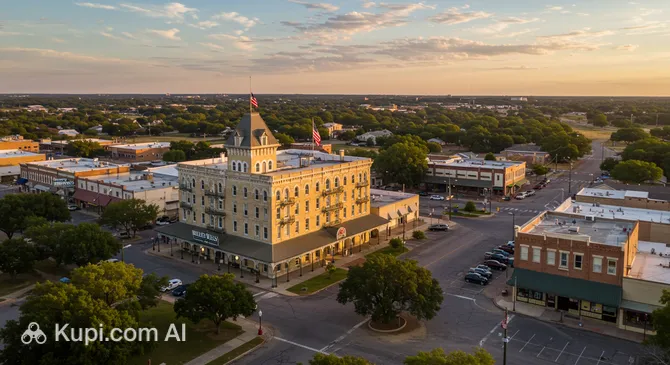
Mineral Wells offers travelers a harmonious blend of active outdoor recreation and immersion in the region's rich historical heritage. While the city became famous for its healing water, its parks and museums deserve separate attention, revealing the unique nature and culture of this part of Texas.
For lovers of unusual natural phenomena, the Mineral Wells Fossil Park will be a real discovery. This place is unique because it is permitted not only to search for ancient artifacts but also to take them with you. The park's territory is the bed of an ancient sea that existed here about 300 million years ago. Tourists can find perfectly preserved remains of sea lilies (crinoids), trilobites, and brachiopods, turning a visit into a real archaeological expedition.
Another important green zone is Clark Gardens. Unlike the wild trails of the state park, this is a manicured space created for leisurely strolls and contemplation. Thousands of species of irises, roses, and other flowers are planted here, and shady alleys are decorated with fountains and ponds. The garden is known for its collection of miniature trains running on toy tracks among the plants, which invariably delights visitors of all ages.
The cultural landscape of the city is unimaginable without the National Vietnam War Museum. Located east of the city, this museum is closely linked to the history of the Fort Wolters base, where helicopter pilots were trained. The exhibition includes memorial gardens, memory walls, and a display of military equipment, including helicopters of that era. This place is designed for quiet reflection and respect for history, offering a neutral and profound look at the events of the past through the lens of human stories.
You can immerse yourself in the Wild West atmosphere by visiting the Old Jail Museum Complex in the neighboring town of Palo Pinto. Although it is just a few minutes' drive from Mineral Wells, it is a key site for understanding the county's history. The 19th-century jail building, log cabins of the first settlers, and a collection of frontier artifacts allow you to vividly imagine the life and hardships faced by the founders of these lands.
The historical center of the city itself remains the area around the famous Baker Hotel. A walk through downtown is like a visit to an open-air museum: old brick buildings, early 20th-century signs, and architectural details create a unique ambiance. Here, you can see how the city developed from a tent camp at the springs to a prosperous resort.
Insider Tip: When heading to the Fossil Park, be sure to bring a small bucket, knee pads, and, if you plan a summer trip, plenty of water and sunscreen. The best finds often lie right on the surface after a rain, so you won't have to dig deep, and the thrill of the hunt captivates even those who have never been interested in paleontology.