Support

Opelousas

About

Opelousas is an atmospheric city in the heart of Cajun country, where time seems to slow down. Located on the picturesque plains of southern Louisiana, this cozy corner of the USA greets travelers with views of endless sugarcane fields and shady oak groves. Situated just 35 kilometers north of Lafayette, the city successfully combines provincial tranquility with a rich cultural life.

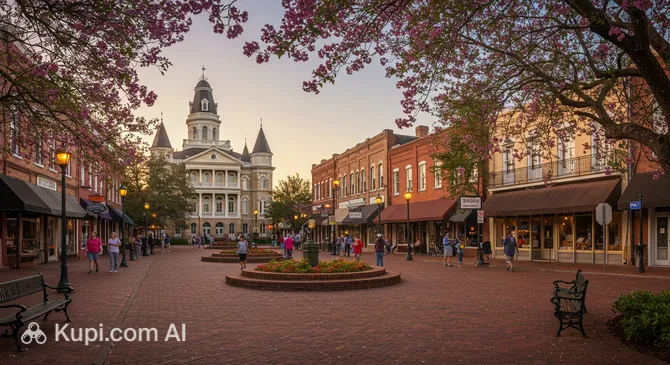
Opelousas. Illustration.
Source: Kupi.com AI

Despite its relatively small population of about 16,000, the city plays an important role as the administrative center of St. Landry Parish. The multifaceted history of Opelousas is woven from a blend of French, Spanish, African, and Native American traditions. This cultural diversity is clearly reflected in the unique architecture of the buildings and the special local way of life.

Travelers come here to immerse themselves in the authentic atmosphere of the South: enjoy the sounds of live music and appreciate the richness of local gastronomy. Opelousas is a great discovery for those who want to feel true southern hospitality and take home warm memories of colorful Louisiana.

Weather Overview

The climate in this region of Louisiana is conducive to travel almost year-round, although each season has its own characteristics. Summer here is truly hot: in July and August, daytime temperatures often exceed 32°C. This is also a fairly humid period — for example, in July, precipitation can be observed up to 20 days a month.

Winter, on the other hand, is mild. The average temperature in January is around 11.5°C, and severe cold is extremely rare, as the nightly minimum usually stays around 6-9°C. To find out what weather in Opelousas is expected for your travel dates, we recommend checking the forecast in advance.

Expect a warm summer with occasional rain and comfortable, not too cold winters. The shoulder seasons, especially April and October, often delight tourists with the most pleasant conditions: in October, for example, the fewest rainy days are recorded (only about 8), and the air warms up to a pleasant 22-27°C.

Average monthly temperature

Average monthly precipitation

Interesting Facts

In addition to its main attractions, Opelousas holds many fascinating secrets rooted deep in the past. This city can surprise even seasoned travelers with its unique titles and unexpected historical turns.
  • One of the oldest in the state. The city was founded in 1720, making it one of Louisiana's oldest settlements. It owes its melodic name to the indigenous population — the Opelousas Indian tribe, who lived on these lands long before the arrival of Europeans.

  • Spice Capital of the World. Opelousas officially bears this prestigious and "flavorful" title. The city is famous for its culinary traditions, and every year it hosts the famous Spice & Music Festival, which attracts lovers of spicy food and good music from all over the country.

  • Temporary Capital. In the 19th century, Opelousas played such an important role in the life of the region that it briefly became the capital of all Louisiana. This highlights its historical significance as a major trading and administrative center of that time.

  • Birthplace of Blues and Zydeco. The city is closely linked to musical history: the famous blues musician Clifford Gibson was born here. Additionally, Opelousas has become home to many talented performers of the Zydeco genre and traditional Cajun music.

  • Mystical Atmosphere. Mystery lovers will find much of interest here: Opelousas is known for its urban legends. Locals are happy to tell stories about ghosts inhabiting old mansions and mysterious events from the colonial era.

How to Get There

When planning a trip to this colorful region of Louisiana, it is worth thinking about the logistics in advance, as there is no major passenger air hub in the city itself. However, the state's well-developed transport network makes it easy to reach your destination. You can find out more about how to get to Opelousas by studying all available routes and choosing the one that best suits your budget and time.

The most convenient option for domestic flights is Lafayette Regional Airport (IATA: LFT). It is located in the neighboring city of Lafayette, just 37.5 km from Opelousas. This is the nearest transport hub receiving regular flights. A taxi or rental car trip from here will take about 40–50 minutes, making it an ideal choice for those who value their time.

For international travelers, the main gateway is Louis Armstrong New Orleans International Airport (IATA: MSY). It is located in New Orleans, at a distance of approximately 186 km from Opelousas. This is the largest airport in the region with a huge passenger flow, receiving flights from all over the world. The drive from New Orleans will take about 2–2.5 hours, but this route often turns out to be the most cost-effective in terms of flight prices.

Alternatively, you can consider Baton Rouge Metropolitan Airport (IATA: BTR), located in the state capital, Baton Rouge. It is about 90 km from Opelousas. A transfer or car trip from here will take about 1 hour and 20 minutes. This is a good compromise between travel distance and flight availability.

For convenience, here is a summary of the main airports through which you can reach the city:

AirportPassenger trafficDistance
Lafayette Regional Airport457 05437 km
Baton Rouge Metropolitan Airport844 02589 km
Lake Charles Regional Airport400 000119 km
Louis Armstrong New Orleans International Airport11.9 mln186 km
Jefferson County Airport35 000198 km

Since there is no direct rail service to the city, the main way to get around the region remains by car. Opelousas is conveniently located at the intersection of important highways, including Interstate I-49 and US Highway 190. Renting a car at one of the nearby airports is the most popular way to reach the city and explore the Louisiana countryside at your own pace.

Main Attractions

Opelousas carefully preserves its heritage, and a tour of the city is best started with its historical treasures. Here, you can literally touch the past by strolling among old buildings and studying unique museum collections that tell of Louisiana's multifaceted culture.

One of the most picturesque and visited places is Le Vieux Village Heritage Park. It is a real open-air museum located at the eastern entrance to the city. Historic buildings from all over St. Landry Parish, dating from the 1700s to the mid-20th century, including an old school, a shop, and a church, were carefully moved here. It is here, in the Tourist Center building, that visitors can see an exhibit dedicated to Jim Bowie — the legendary pioneer and hero of the Texas Revolution who once lived in Opelousas.

Right on the grounds of this park, in an old freight depot building, is the unique Louisiana Orphan Train Museum. This place is dedicated to a touching and important page of American history: the fates of thousands of orphans who, in the 19th and early 20th centuries, were sent by train from overcrowded New York orphanages to foster families in the rural South. The museum's exhibition tells the personal stories of these children through photographs, original documents, clothing, and memorabilia, evoking a vivid emotional response from visitors.

For those who want to dive deeper into the local color, the Opelousas Museum & Interpretive Center is a must-visit. It houses exhibits covering various aspects of city life: from indigenous artifacts and historical events to agricultural development. A special place in the collection is occupied by materials dedicated to Zydeco musical traditions, which are an integral part of this region's cultural code.

Architecture and peace-seekers should pay attention to the majestic St. Landry Catholic Church. The current building, designed in the Neo-Gothic style with impressive stained-glass windows, is the city's architectural landmark. Although the structure itself dates back to the early 20th century, the parish has existed on this site since the 1770s. The adjacent historic cemetery serves as the final resting place for many prominent residents of the region, making it an important monument to the past.

Local Cuisine

Opelousas cuisine is a true gastronomic adventure where rich flavors and aromas of Cajun and Creole traditions reign supreme. The city officially holds the title of "Spice Capital of the World," and this title is fully justified: the local seasonings produced here and shipped throughout America turn even simple ingredients into culinary masterpieces.

A meeting with local food should start with the classics. Be sure to try gumbo — a thick, hearty stew made here with special love, and jambalaya, which impresses with its richness of ingredients. A special place on the menu is occupied by spicy andouille sausages and, of course, fried catfish served with signature Cajun potatoes. Seafood lovers will be offered the freshest dishes, generously seasoned with unique local blends.

For dessert in Opelousas, it's customary to order hearty and sweet treats. Don't miss the chance to try the famous Louisiana bread pudding or aromatic sweet potato pies. For drinks, locals prefer classic Southern sweet tea, which is perfectly refreshing in the heat and balances the spiciness of the dishes. In the evening, you can enjoy local craft beer or cocktails popular throughout the state.

Food culture here is not limited to restaurants. The most vivid impressions can be gained at farmers' markets and street festivals. The annual Spice & Music Festival brings together the region's best chefs, offering tourists a chance to try street food in the open air. Additionally, it's a great idea to visit local shops to buy Opelousas' famous spices and take a piece of Louisiana's flavor home with you.

Travel Tips

Preparing for a trip to Opelousas doesn't require complex maneuvers, but knowing the local specifics will make your visit much more pleasant. This small city in Louisiana lives at its own pace, and to fit in easily, we've put together a list of practical recommendations for travelers.

  1. Clothing and climate protection. Louisiana has high humidity, so prefer clothes made of natural, breathable fabrics (cotton, linen). In summer, a hat and sunglasses are mandatory. Since rain can start suddenly here, a light raincoat or umbrella should always be at hand. For visiting churches and historic sites, choose a modest clothing style (shoulders covered).
  2. Car rental is the best choice. Public transport in Opelousas is poorly developed and primarily geared toward locals rather than tourists. To freely see the sights and surroundings, it is strongly recommended to rent a car. Taxi services (Uber, Lyft) operate, but wait times can be long, especially in the evening or in remote areas.
  3. Financial nuances. The currency is the US dollar. Bank cards are accepted almost everywhere, from restaurants to museums. However, having a small amount of cash ($20–$50) is useful for small tips or purchases at farmers' markets. Remember the tipping culture: in cafes and restaurants, it's customary to leave 15–20% of the bill, as service is rarely included.
  4. Health and pharmacies. The city has major chain pharmacies (e.g., CVS or Walgreens) where you can buy necessary over-the-counter medications, but 24-hour locations are rare — check opening hours in advance. In summer, be sure to use repellents: the humid climate promotes mosquito and gnat activity, especially near water and in parks.
  5. Language barrier and connectivity. The main language of communication is English. Despite the region's French roots, don't expect everyone to speak French fluently, though you will hear a specific accent and some Cajun words. For stable connectivity, it's better to purchase a local SIM card (T-Mobile, AT&T) in a large city upon arrival, as open Wi-Fi is not available in all establishments.
  6. Southern etiquette. Opelousas is famous for its hospitality. It's customary to greet shopkeepers, waiters, and even passersby, making eye contact. Polite addresses like "sir" and "ma'am" are widely used and perceived as a sign of respect. Don't hesitate to engage in small talk about the weather or food — it's part of the local culture.
  7. What to avoid. Don't criticize the local cuisine, even if it seems too spicy or greasy to you. Food is the pride of the region, and negative comments can be taken as a personal insult. Also, avoid rushing: the pace of life here is leisurely, and showing impatience in lines is considered bad form.
  8. Gastronomic hack. Since you're in the "Spice Capital," don't rush to buy souvenir sets in tourist shops. Go to a regular local supermarket: there you will find a huge selection of authentic seasonings (for example, the famous Tony Chachere's brand) at prices two to three times lower than in souvenir stores.

Opelousas is a place where the warmth of the locals can be felt literally in the air. By following these simple tips, you can avoid minor inconveniences and focus entirely on exploring the rich history and unique flavors of this corner of Louisiana.

Entertainment & Nightlife

Nightlife in Opelousas is fundamentally different from the noisy parties of New Orleans. Here, you won't find neon signs for huge night clubs at every turn, but you can immerse yourself in the authentic atmosphere of the "Zydeco Capital." Evening entertainment in the city is built around live music, dancing, and gambling, offering tourists a relaxed and friendly southern-style experience.

The main center of attraction after dark is the Evangeline Downs Racetrack & Casino entertainment complex. This is a place where life buzzes until morning. Here, you can not only try your luck at slot machines but also attend concerts by local and guest stars at The Event Center, located within the complex. During the racing season (usually spring and summer), evenings here begin with exciting races at the track, after which the crowd moves to the bars and gaming halls.

If you are looking for a place where locals gather to listen to music and dance, Arpeggios Lounge is worth checking out. This is a popular spot with a relaxed atmosphere where R&B, soul, and, of course, Zydeco are often played. Another spot on the nightlife map could be The Brass Rail — a classic local bar where you can have a beer, play pool, and chat with the regulars. The main activity in such places occurs on Friday and Saturday; on weekdays, the city falls asleep quite early.

The atmosphere in Opelousas establishments is very casual. There is no strict dress code: jeans, a shirt, or a T-shirt will be appropriate almost everywhere. The crowd is generally over 25, set on socializing and dancing. If you decide to attend a Zydeco dance night, be prepared to be invited onto the dance floor — it's not customary to refuse, and even if you don't know the moves, they will gladly show you.

Regarding safety and logistics, Opelousas is a typical American town where a car is a necessity. The areas around the casino and large shopping centers (for example, along I-49) are well-lit and safe. However, walking at night through remote residential neighborhoods or the city center (Downtown) is not recommended, as the streets become deserted and lighting may be insufficient. The best way to get to your hotel is to call a taxi or use ridesharing services, but keep in mind that at night the wait time for a car can increase to 15–20 minutes.

During the daytime, while night venues are closed, the city offers more peaceful leisure activities. You can stroll through the picturesque South City Park, which has tennis courts and picnic areas, or go shopping in antique shops downtown to find unique souvenirs with a history.

Parks & Museums

Opelousas offers tourists a harmonious combination of a relaxing nature break and deep immersion in the region's cultural traditions. Despite the city's small size, green areas are carefully maintained, and local museums house unique evidence of Louisiana's complex and fascinating history, from the life of early settlers to musical heritage.

For those who find solitude or seek active recreation, the city offers several well-kept park areas. South City Park is a popular spot among locals, ideal for family leisure. It features spacious picnic areas, playgrounds, and paths for leisurely strolls. The park is famous for its sprawling live oaks, which provide welcome shade on hot Louisiana days. North City Park is more geared toward sports enthusiasts, with tennis courts and baseball fields, but also offers plenty of space for quiet nature contemplation.

The city's museum scene, in addition to the previously mentioned Heritage Park, offers several more gems. The Creole Heritage Folklife Center deserves special attention. This place is a real portal to the past, telling of the life, traditions, and culture of the region's African American and Creole population. The exhibition includes household items, traditional clothing, and tools, and the center's staff often conduct educational programs revealing the secrets of local cuisine and language.

History buffs will find it interesting to visit the Michel Prudhomme Home. Built around 1790, this building is considered one of the oldest surviving houses in the Mississippi Valley. The structure is a fine example of early French colonial architecture. A tour here allows you to see how wealthy settlers lived at the end of the 18th century and appreciate unique construction technologies of the time that used a mixture of mud and moss (bousillage) for the walls.

The historic center of Opelousas itself resembles an open-air museum. Strolling through the central streets, note the St. Landry Parish Courthouse. This Art Deco architectural landmark, built in 1939, stands out for its austere grandeur against the backdrop of more traditional buildings and serves as an important landmark in the city.

For those who want to see the city through a local's eyes, we suggest paying attention to the street art. In recent years, several impressive murals dedicated to the city's musical legends, including the King of Zydeco, Clifton Chenier, have appeared in Opelousas. Searching for these vibrant wall paintings can be a great quest and a wonderful excuse for original photos.

Getting Around

Getting around Opelousas has its own peculiarities typical of the American heartland. It is important to note right away that the city lacks a classic public transport system with fixed routes and familiar stops that would be convenient for tourists. Travelers should not rely on buses as a way to move between attractions.

The St. Landry Public Transit service operates in the region, but it is a specific on-demand service. It is primarily geared toward the social needs of local residents — trips to the doctor, shops, or government offices. Transport only runs on weekdays, and a trip must be booked at least 24 hours in advance. Due to complex logistics and a limited operating schedule, this option is completely unsuitable for tourist purposes.

The most accessible alternative for those who do not plan to drive is taxi services and ridesharing apps such as Uber and Lyft. They operate in the city, but you should be prepared for the fact that there are few cars on the line. The wait time for a car is often 15 to 30 minutes. In the evening, as well as on weekends and holidays, calling a car can be problematic, so we recommend planning your trips in advance.

The most reliable and comfortable way to get around Opelousas and its surroundings remains renting a car. Personal transport will give you independence from schedules and allow you to easily reach remote locations that are difficult to get to by taxi. Walking is only comfortable within the compact historic center and park areas; the city's infrastructure is poorly adapted for traveling between districts, and sidewalks are not available everywhere.

Accommodation

Opelousas offers travelers a choice of accommodation that perfectly matches its status as a small but welcoming southern city. You are unlikely to find pretentious skyscrapers with presidential suites here, but the city has an excellent range of functional and cozy lodging options. The hotel stock consists primarily of reliable mid-range chain hotels, motels for budget travelers, and a few colorful places offering expanded service.

The geography of accommodation in the city is simple and dictated by the convenience of logistics. Most hotels are strategically grouped along the region's main transportation artery — Interstate I-49, as well as in the US 190 highway area. Choosing a hotel in this zone (areas east of the historic center) provides travelers with an easy highway exit for trips to neighboring Lafayette and quick access to most local restaurants and shops.

For those who want to combine accommodation with entertainment and immersion in the local gambling culture, Evangeline Downs Racetrack & Casino is the ideal choice. It is the first "racino" (a combination of racetrack and casino) in the country built from scratch. The hotel complex here offers more than just a place to sleep, but a full resort experience: spacious rooms, proximity to the racetrack, and the opportunity to spend the evening gaming or dining without leaving the hotel grounds.

If you prefer proven quality standards and a peaceful atmosphere, consider options such as the Holiday Inn Express & Suites Opelousas. These hotels are geared toward the comfort of couples and business travelers, offering modern amenities, swimming pools, and included breakfasts, allowing you to start the day in a good mood before sightseeing.

The pricing policy in Opelousas is affordable: the cost of living here is generally significantly lower than in touristy New Orleans. The main segment is the mid-price range, accessible to most travelers. Booking rooms is easiest through major online platforms that allow you to compare prices and read recent reviews.

Although availability is usually not an issue on ordinary days, we recommend booking accommodation in advance if your trip coincides with major events, such as the Spice Festival or the height of the racing season. During these periods, the best options in the city and surrounding areas fill up very quickly.

Nearby Cities

For those who want to explore the surrounding area, Opelousas serves as an excellent starting point for day trips to several interesting nearby locations. The city's convenient location allows for easy access to the region's key cultural centers.

Just a few dozen kilometers to the south is Lafayette — the lively heart of French Louisiana. This is an ideal destination for a short visit to enjoy authentic cuisine, visit the historic Vermilionville folk village, and feel the true rhythm of life in the Acadiana region.

A bit further east is Baton Rouge, the state capital. A trip here will allow you to see the majestic State Capitol building, stroll along the picturesque Mississippi River waterfront, and visit various museums telling of the rich political and cultural heritage of the American South.

Also worth noting is New Iberia, a city with unique historic charm. Tourists go there to see magnificently preserved antebellum mansions, such as Shadows-on-the-Teche, and visit nearby Avery Island — the birthplace of the world-famous Tabasco sauce and beautiful botanical gardens.

CityPopulationDistance
Sunset14 41514 km
Carencro9 53124 km
Eunice9 58933 km
Lafayette254 28635 km
Melville18 56137 km

These nearby destinations provide a complete picture of the diverse culture, history, and natural landscapes of southern Louisiana.

Shopping & Souvenirs

Shopping in Opelousas is more of a cozy exploration of local culture than a pursuit of high fashion. In this small city in the USA, you won't find huge multi-story malls with luxury brands, but you can enjoy the atmosphere of a "treasure hunt." The city is famous for its antique shops, southern-style clothing boutiques, and, of course, gourmet shops that confirm its status as the "Spice Capital."

The heart of independent trade is the historic city center (Downtown). A walk along Main Street and the adjacent Landry Street will offer encounters with unique little shops housed in old buildings. Here you can find vintage items, rare books, and home decor that preserve the spirit of old Louisiana. For more pragmatic purchases and visits to well-known American chain stores, head to the I-49 interchange area, where the city's modern commercial life is concentrated.

Since Opelousas is a small city, there are no classic giant indoor shopping malls. Trade is organized in the form of "strip malls" and individual plazas. One of the popular places for shopping is the Vista Village area, where you can find clothes, shoes, and home goods. This is a convenient location for those who want to make all necessary purchases in one place without spending time on long drives.

The Opelousas Farmers Market deserves special attention. This is a place where you can buy the freshest seasonal fruits and vegetables grown on local farms. The market serves as an important hub for the community, selling not only food but also homemade jams, jellies, honey, and products by local artisans. Visiting the market is a great chance to chat with locals and learn the secrets of preparing Creole dishes firsthand.

The choice of souvenirs in Opelousas is inextricably linked to its culinary and musical heritage. The main gift that tourists take from here is the famous Cajun spices and seasonings, especially the Tony Chachere's brand, which is headquartered right here. Also worth noting are:

  • Zydeco and swamp pop music recordings (CD or vinyl), which are hard to find outside the state.
  • Cajun cookbooks.
  • Handmade items made from cypress or Spanish moss.
  • Traditionally produced local sauces and marinades.

Shops in the city usually operate from Monday to Saturday, opening around 9:00–10:00 AM and closing at 5:00–6:00 PM. Large chain supermarkets and roadside stores may stay open later, until 9:00 PM. On Sunday, many private shops downtown are closed or operate on a reduced schedule. Credit cards (Visa, MasterCard) are accepted everywhere, but at markets or when buying small souvenirs, cash dollars will come in handy.

Louisiana is one of the few states that offer international tourists a sales tax refund (Tax Free Shopping). When shopping at stores participating in the Louisiana Tax Free Shopping (LTFS) program, be sure to keep your receipts and ask for a special tax refund voucher. The tax refund can be processed at special centers (usually at the New Orleans airport or large state outlets) before flying home, by presenting your passport and purchased goods.
Reached the end of the page?

That means the route is fully explored