Support

New Iberia

About

New Iberia is a true gem of the South, nestled along the banks of the picturesque Bayou Teche in the state of Louisiana. When traveling through the USA, many tourists flock here for its unique atmosphere, where centuries-old oaks draped in Spanish moss stand alongside colorful historic architecture. The city is located just 30 kilometers southeast of Lafayette, making it a convenient stop during a trip through the region.
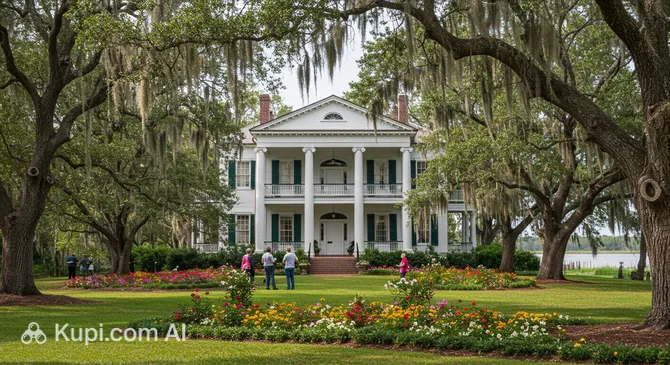
New Iberia. Illustration.
Source: Kupi.com AI

With a population of around 29,000, New Iberia maintains the charm of a small but lively town. The atmosphere here is wonderfully friendly and laid-back, perfect for strolling through shaded alleys and discovering local traditions. Main Street literally breathes the spirit of the Old South, while its well-developed tourist infrastructure ensures guests feel right at home.

The city's cultural landscape is incredibly diverse. The history of New Iberia is a vibrant kaleidoscope where French, Spanish, African-American, and Cajun roots are intertwined. This heritage is reflected in everything from the architecture of historic mansions to the local cuisine.

Among the main points of attraction is the famous Avery Island, located just a few miles from the city. This is the birthplace of the legendary Tabasco sauce, where tourists can tour the factory or wander through magnificent botanical gardens. New Iberia is ideal for those seeking an authentic experience filled with music, flavors, and Southern hospitality.

Weather Overview

The climate in this corner of Louisiana can be described as humid subtropical, promising travelers plenty of sun and lush greenery year-round. If you are interested in a detailed weather in New Iberia for specific dates, it's worth checking a forecast, but general seasonal trends here are quite consistent.

Summers in the city are typically hot and humid. In July and August, average daytime temperatures reach 32°C, and nights remain warm at around 25°C. This is also a period of frequent rainfall: in July, up to 21 rainy days are recorded, so a light raincoat or umbrella will be useful. Winters, by contrast, are very mild and comfortable for walking: in January, the thermometer rarely drops below 7.6°C at night, while daytime air warms up to a pleasant 16.9°C.

Many tourists prefer visiting the region during the shoulder seasons. October, for instance, is one of the "driest" months, when the number of rainy days drops to eight and the heat subsides to a comfortable 22-27°C. Overall, expect hot summers with occasional rain and mild, snow-free winters, allowing you to explore local attractions in any season.

Average monthly temperature

Average monthly precipitation

Interesting Facts

Beyond the well-known tourist routes, New Iberia holds many fascinating stories and unique features that reveal the soul of this Southern corner. Here are a few facts to help you see the city from a new perspective:

  • New Iberia is the only city in the USA with this name. Its unique name and architectural style are a direct legacy of the Spanish settlers who arrived here in the late 18th century and laid the foundations of the city's traditions.

  • The city served as the primary source of inspiration for author James Lee Burke. The plots of his famous Dave Robicheaux mystery novels unfold on these very streets, leading literary fans to visit often to see the locations from their favorite books.

  • It is home to the oldest operating rice mill in the country—the Conrad Rice Mill, which opened in 1912. This site is a living monument to industrial history, where you can still see the rice processing method exactly as it was over a century ago.

  • On the shores of Lake Peigneur lie the picturesque Rip Van Winkle Gardens. They surround the historic mansion of actor Joseph Jefferson, famous for his role as Rip Van Winkle; today, you can find peacocks wandering the grounds and enjoy views of rare plants.

  • Local residents carefully preserve Cajun and Creole traditions, which is clearly seen during holidays. The annual rice festival and festivities on the Bayou Teche are the quintessence of local culture, featuring unique music and cuisine.

How to Get There

When planning a trip to the heart of Cajun country, it's important to think through the logistics in advance. New Iberia does not have its own airport, so travelers usually fly into nearby major cities in the state and then continue their journey by land. You can find out more about how to get to New Iberia to choose the best route, but most tourists combine a flight with a rental car or taxi ride.

The most convenient and closest option for domestic flights is Lafayette Airport (LFT). It is located just 27.7 km from the city. Thanks to this proximity, the drive by car takes very little time—about 30 minutes. This is an ideal choice for those looking to save time on transfers.

For international travelers or those flying from afar, the main gateway to the region is Louis Armstrong New Orleans International Airport (MSY). This is a major hub receiving flights from all over the world. It is located 150.7 km away, and the car trip from there to New Iberia takes approximately 2 hours.

Alternatively, you could consider Baton Rouge Metropolitan Airport (BTR), located in the state capital (87.1 km from New Iberia). This is a great option for those who want to combine their trip with a visit to Louisiana's capital. The travel time by car is about 1 hour 15 minutes.

Below is summary information on the nearest airports for planning your route:

AirportPassenger trafficDistance
Lafayette Regional Airport457 05428 km
Baton Rouge Metropolitan Airport844 02587 km
Lake Charles Regional Airport400 000136 km
Louis Armstrong New Orleans International Airport11.9 mln151 km
Jefferson County Airport35 000213 km

Since public transport between cities can be irregular, renting a car is considered the most comfortable way to get around the region. This gives you the freedom not only to reach your hotel quickly but also to explore the scenic surroundings at your own pace.

Main Attractions

New Iberia offers travelers a unique blend of history, culture, and natural beauty. The city and its surroundings are rich with sites that provide a deep dive into the atmosphere of Southern Louisiana. Here is a list of top attractions to include in your itinerary.

Shadows-on-the-Teche

This magnificent Greek Revival mansion, built in 1834, is located right on the city's Main Street on the banks of the Bayou Teche. The house museum offers visitors more than just a look at the interiors; it tells the true story of life on a 19th-century sugar plantation. Tours here cover the lives of both the estate owners—the Weeks family—and the enslaved people who lived and worked here. The surrounding gardens, with ancient oaks draped in Spanish moss, create an incredibly picturesque and tranquil atmosphere.

Avery Island and the Tabasco Factory

Just a few minutes' drive from the city is a world-famous spot—the home of Tabasco hot sauce. Visitors can take a fascinating factory tour, see the process of aging pepper mash in oak barrels, and visit the brand museum. But Avery Island is more than just sauce. It is home to Jungle Gardens, a vast nature preserve where you can see alligators, herons, and even a centuries-old Buddha statue standing in a bamboo grove. It’s a perfect place for nature lovers and culinary explorers alike.

Rip Van Winkle Gardens

Located on Jefferson Island, these gardens surround the historic mansion of Joseph Jefferson, a famous 19th-century actor known for his portrayal of Rip Van Winkle. The house's architecture blends Victorian and Moorish styles, and the veranda offers stunning views of Lake Peigneur. Strolling through the grounds, tourists often encounter free-roaming peacocks. The site is also known for its dramatic history involving a 1980 industrial disaster where a drilling rig pierced the lake bed, but today it is a place of peace and beauty.

Bayou Teche Museum

To better understand the soul of this region, it's worth visiting this modern museum in the city center. Interactive exhibits tell the story of key aspects of local life, from sugar cane farming and salt mining to legendary music and festivals. Special attention is given to the work of the famous artist George Rodrigue (creator of the "Blue Dog" series), whose studio is recreated within the museum walls, as well as the literary legacy of James Lee Burke.

Conrad Rice Mill

Fans of industrial history will find it interesting to visit the oldest operating rice mill in America. Tours are available showing the rice processing methods, which have changed little over the past century. At the Konriko Company Store, you can purchase unique local rice varieties and spices that make excellent Louisiana souvenirs.

Local Cuisine

The gastronomic scene in New Iberia is a vibrant reflection of Louisiana's soul, where French, Spanish, African, and Caribbean culinary traditions intertwine. For tourists, this city is a true paradise, as authentic Cajun and Creole cuisine reigns supreme. Food here isn't just about satisfying hunger; it's a vital part of the culture and a reason for socializing, so portions are always generous and flavors are rich and spicy.

The signature dish that every guest must try is gumbo. This thick, hearty soup is made with a dark "roux" base, the "holy trinity" of local vegetables (onion, celery, pepper), along with seafood, chicken, or savory andouille sausage. Equally popular is jambalaya—a filling rice dish with meat, vegetables, and spices, reminiscent of Spanish paella but with a unique Southern accent.

A particular pride of the region is the fresh bounty from the water. Locals love boiled crawfish, the season for which turns into a true celebration. They are boiled in large pots with corn, potatoes, and plenty of spicy seasonings, then eaten by hand in boisterous company. For a quick snack, a po’boy is perfect—a traditional Louisiana sandwich on a crusty French baguette, piled high with fried shrimp, oysters, or fish.

The food culture in New Iberia is inextricably linked to local products. Rice is the staple here, thanks in large part to the proximity of the famous Conrad Rice Mill. Almost no dish is complete without rice or the famous Tabasco hot sauce, produced on nearby Avery Island. As for drinks, spicy food is often paired with sweet iced tea or local beer, which is perfectly refreshing on a hot day. Tomato juice-based cocktails, similar to a Bloody Mary but with a local spicy kick, are also popular.

The city has many cozy family-owned establishments where they cook "just like home." For instance, in places like Bon Creole Seafood or Cafe Jefferson, you can enjoy classic Cajun snacks in a relaxed setting. The best way to immerse yourself in New Iberia's gastronomic life is to visit one of the many culinary festivals where, to the sounds of live music, local chefs demonstrate their skills, turning food into art.

Travel Tips

Welcome to the heart of Cajun country! To ensure your trip to New Iberia is as comfortable and safe as possible, leaving you only with warm memories of Southern hospitality, we've prepared several important practical recommendations for you.

  1. Clothing and Gear: Given the humid subtropical climate, opt for light, breathable clothing made from natural fabrics (cotton, linen). Be sure to bring comfortable shoes, as you'll be doing a lot of walking through gardens and historic estates. Don't forget insect repellent—near the water and in parks, it will be indispensable, especially in the evening.
  2. Transport: Public transport in the city is limited and not very suitable for tourism. The best way to get around is by renting a car. This will give you the freedom to visit outlying plantations, Avery Island, and neighboring cities at your own pace. Rideshare services (Uber, Lyft) are available, but wait times can be longer than in large metropolises.
  3. Finances: The official currency is the USA dollar. Bank cards are accepted almost everywhere, from museums to small cafes, and ATMs are easy to find. However, for small purchases at markets or for tipping, it's useful to have some cash. Remember the tipping culture: in the US, it's customary to leave 15–20% of the bill in restaurants, as this forms the basis of the waiters' income.
  4. Health and Safety: New Iberia is a quiet and friendly city, but follow standard precautions: do not leave valuables in plain sight in your car. The main health threat in summer is the heat and humidity. Drink plenty of water and use sunscreen. Major pharmacy chains (like CVS or Walgreens) are easy to find, but check their hours as not all are open 24/7.
  5. Communication: The primary language is English. Despite the region's French heritage, don't expect all locals to speak French fluently, though you will hear specific accents and certain phrases. Free Wi-Fi is available in most hotels and cafes. If you need constant connectivity, it's best to purchase a SIM card from major providers (AT&T, T-Mobile).
  6. Local Etiquette: Southerners are famous for their politeness. It is customary to greet shopkeepers, drivers, and even passersby. Using "sir" and "ma'am" is considered a sign of good manners and respect. Don't hesitate to engage in small talk—locals love to chat and will happily suggest interesting places.
  7. What to Avoid: Under no circumstances should you feed alligators if you see them in the wild or in parks (such as Jungle Gardens)—this is dangerous and illegal. Also, respect private property: many beautiful historic mansions are private homes, so do not cross fences or photograph people in windows without permission.
  8. Schedule Peculiarities: Keep in mind that the pace of life here is relaxed and "provincial." Many shops and restaurants may close fairly early (around 8:00 PM–9:00 PM), and some establishments do not open at all on Sundays. Plan your dinners in advance so you don't go hungry.

We hope these tips help you easily ease into the rhythm of New Iberia life and avoid any minor troubles. Enjoy the unique Louisiana flavor, amazing cuisine, and the sincere hospitality of the local residents!

Entertainment & Nightlife

Entertainment and nightlife in New Iberia have their own unique, purely Louisianan flavor. You won't find massive nightclubs with world-class DJs or multi-story entertainment complexes here. Instead, the city offers a cozy, almost home-like atmosphere where evening leisure revolves around live music, delicious food, and socializing. It's a place where time slows down and strangers quickly become friends at the bar.

The epicenter of evening activity is the historic city center, especially the East Main Street area. This is where most establishments are concentrated, where locals come to relax after a work week. The old town architecture, illuminated by street lamps, provides a wonderful backdrop for an evening promenade. The crowd here is diverse but always friendly; the dress code in most places is casual—jeans and t-shirts are perfectly acceptable everywhere.

Music is the heart of the region's nightlife. Many bars and restaurants feature local bands playing lively zydeco, swamp pop, or country on weekends. If you want to feel the true spirit of the city, check out Preservation Bar & Grill. Located in a historic building downtown, it is famous for its outdoor patio and regular live music performances that create that quintessential Southern festive atmosphere.

For those who prefer a more modern setting and cocktails, Bojangles Sushi & Oyster Bar is a popular meeting spot. Despite the focus on the kitchen, in the evenings this place transforms into a lively bar where young people and groups of friends gather. Here you can not only grab a drink but also enjoy fresh seafood in a relaxed environment. Also worth mentioning is The Spot—a classic American bar where you can play pool and chat with locals without any unnecessary pretense.

When planning a night out, keep a few practical points in mind. Most establishments close earlier than in major metropolises—usually around midnight or 2:00 AM on weekends. Prices for drinks and entry are significantly lower than in neighboring New Orleans. Regarding transport, rideshare services (Uber or Lyft) are available, but cars may be scarce at night, increasing wait times. The most reliable option is to arrange a transfer in advance or have a designated driver, as public transport does not run at night.

In terms of safety, downtown New Iberia and the Main Street area are considered quiet and comfortable for evening strolls. However, as in any city, it is recommended to stick to well-lit streets and avoid wandering into remote residential areas alone after dark.

As for daytime entertainment, besides historic tours, the city offers opportunities for quiet relaxation. Movie buffs can visit the local NCG Cinema (formerly known as Grand 10), which screens the latest releases. Walks in City Park are also popular, where you can have a picnic or simply relax in the shade of ancient trees before a busy evening.

Parks & Museums

The nature and culture of New Iberia are not limited to the famous tourist sites. For those who want to see the city through the eyes of locals and find solitude away from the beaten path, this corner of the USA has prepared several special locations. Here you can find both wild, almost primitive landscapes and cozy urban spaces filled with history.

Hidden Natural Treasures

While the famous gardens on Avery and Jefferson Islands are striking for their manicured beauty, Spanish Lake offers an encounter with wild, untamed Louisiana. This body of water, located northwest of the city, is a paradise for birdwatchers and nature photographers. Here, among the cypress trees and still waters, you can spot roseate spoonbills, herons, and ibises in their natural habitat. A scenic road surrounds the lake, perfect for a slow car ride or a bike trip. This is one of the best places in the area to guarantee seeing alligators sunning themselves, without fences or enclosures.

The center of active city life is New Iberia City Park. This is a vast 45-acre green zone stretching along the winding banks of the Bayou Teche. Unlike the quiet botanical gardens, life is buzzing here: locals come to play tennis, have a picnic by the water, or launch a boat. The park is famous for its ancient oaks and river views, which are particularly beautiful during the golden hours before sunset. It's a great spot to feel the rhythm of everyday city life and relax after tours.

The Historic District as an Open-Air Museum

While New Iberia has excellent classic museums, the East Main Street Historic District itself deserves special attention as a "living" exhibition. A walk down this street, which has won national awards for heritage preservation, is like visiting an architectural gallery. Dozens of buildings built between 1890 and 1930 have been preserved here, each telling the story of the city's prosperity during the sugar boom era. Look for the antique commercial signs and wrought-iron balconies reminiscent of New Orleans' influence.

An important cultural landmark is St. Peter’s Catholic Church. Even if you don't plan to attend a service, this majestic building is worth seeing for its architecture. Built of red brick in the mid-20th century on the site of earlier churches, the church is surrounded by beautiful grounds and an old cemetery where many famous residents of the region are buried. It is a place of silence and peace that complements the historic look of the center.

Music fans should visit Bunk Johnson Plaza—a small square on Hopkins Street dedicated to the legendary jazz trumpeter Bunk Johnson. This is not just a park but a memorial space where musical events and festivals are held, preserving New Iberia's jazz heritage. Here you can see a monument to the musician and learn more about the city's contribution to the history of American jazz.

Getting Around

The public transport system in New Iberia has its own characteristics, dictated by the size and lifestyle of this small Southern city. It's important for tourists to realize right away that the usual variety found in metropolises, such as subways, trams, or a frequent bus network, is not present here. The city and its surroundings are a territory where the private car reigns supreme.

The main form of public transport is the local bus service Iberia Public Transit. However, keep in mind that it is primarily oriented toward the social needs of local residents rather than tourist routes. Buses run on a limited schedule and cover only the main areas of the city. For a traveler wishing to visit outlying attractions like Avery Island or Rip Van Winkle Gardens, this option will be extremely inconvenient and time-consuming.

If you do decide to use the city bus, be prepared for a cash-only payment system. Tickets are usually purchased directly from the driver upon boarding. It's important to have small bills and coins for exact change, as drivers generally do not provide change. Fares are symbolic, but service intervals can be an hour or more, and service may be unavailable or limited on weekends.

The most popular and convenient alternative for tourists is taxi and rideshare services. The Uber and Lyft apps work in the city, but car arrival times can be significantly longer than in major centers, especially early in the morning or late at night. There are also local taxi services, whose numbers are best obtained in advance at your hotel reception. Payment in taxis is possible with both cash and card (with local services, it's better to confirm terminal availability when ordering).

For a complete exploration of the region, the most practical solution is renting a car. This will give you the necessary freedom of movement, as many iconic sites are beyond walking distance. Rental agencies are located both in the city itself and at the nearby major Lafayette airport. Parking in New Iberia is generally not a problem: there are plenty of free or inexpensive parking spots downtown and at major attractions.

The historic city center, especially around Main Street, is quite compact and ideal for walking. It's pleasant to stroll on foot, enjoying the architecture and visiting shops or cafes. Cycling infrastructure is poorly developed: there are few dedicated bike lanes, so cyclists should be cautious and ride on shared roads, following traffic rules.

An interesting transport feature of the city is the presence of an Amtrak station. The famous Sunset Limited train, running between New Orleans and Los Angeles, makes a stop here. While not intra-city transport, the station is an important point on the city map, and the station building itself, designed in a historic style, adds character to New Iberia's transport system.

Accommodation

The choice of accommodation in New Iberia, while not on a metropolitan scale, is capable of meeting the needs of most travelers looking for Southern comfort and hospitality. The hotel sector here is primarily represented by two categories: reliable mid-range chain hotels and charming Bed & Breakfasts (B&Bs) located in historic mansions. While there are no luxury five-star world-class resorts in the city itself, the level of comfort in the available accommodations is quite high.

In terms of location, the city can be roughly divided into two zones convenient for tourists. The first is the area near the intersection of major highways (specifically Highways 90 and 14). This is where modern chain hotels are concentrated, ideal for those traveling by car who value predictable quality standards, parking availability, and quick access to the road. This is a practical choice for transit tourists or those planning active trips around the area.

The second, more picturesque zone is the Historic District, especially around East Main Street. Staying here means immersing yourself in the atmosphere of the Old South. Local B&Bs are often located in restored 19th-century homes with high ceilings and antique furniture. Staying in this area allows you to walk to major attractions, such as the Shadows-on-the-Teche mansion, and enjoy evening strolls along the Bayou Teche and dinners at local restaurants without needing to drive.

The price range in New Iberia can be described as moderate, especially compared to popular New Orleans. Most options fall into the budget and mid-range categories. Nightly rates typically vary from affordable motels to more expensive historic guesthouses, but even these rarely reach the prices of luxury hotels in big cities. Booking is easily done through popular international online platforms, allowing you to compare prices and read reviews in advance.

Booking Tip: Although availability isn't usually an issue, it is highly recommended to book accommodation in advance if your trip coincides with major events, such as the Sugar Cane Festival in September or the Mardi Gras period. During these days, the city fills with guests, and the best options in the historic center are often booked months in advance. Seasonality is also worth considering: spring and autumn are the most popular times to visit, so planning your trip 2–3 weeks ahead is a wise move.

Nearby Cities

For those looking to explore the surrounding area, New Iberia serves as an excellent starting point for day trips to several interesting nearby locations:

Just a half-hour drive away is Lafayette—the unofficial capital of French Louisiana. It is a vibrant and colorful city considered the heart of Cajun culture. It's worth visiting to see the Vermilionville historic village museum, sample the best local cuisine, and listen to traditional live music.

A bit further, about an hour away, is Baton Rouge—the state capital. The city offers a rich cultural program: tourists can tour the majestic State Capitol building, stroll along the Mississippi River levee, or visit the famous USS Kidd destroyer museum. This is a great option for those interested in history and urban architecture.

CityPopulationDistance
Youngsville15 16720 km
Broussard12 96021 km
Lafayette254 28631 km
Carencro9 53141 km
Sunset14 41551 km

These nearby destinations provide a great overview of the region's diverse culture and landscapes.

Shopping & Souvenirs

Shopping in New Iberia is less about chasing global brands and more about a fun search for unique local treasures and gastronomic souvenirs. The city doesn't boast huge shopping malls, but this is more than compensated for by the charm of small family-run shops, antique stores, and boutiques selling goods infused with the spirit of Louisiana. Here you'll find things you can't buy anywhere else in the world, from rare book editions to spices produced just down the street.

The heart of shopping for tourists is historic Main Street. A walk along this picturesque, oak-lined street allows you to combine sightseeing with shop visits. Antique shops, art galleries, and souvenir stores are concentrated here. It's the perfect place to find vintage jewelry, Southern-style home decor, or paintings by local artists. The atmosphere here is calm and conducive to unhurried browsing.

While there are no giant malls in the usual format, the factory stores are true meccas for shoppers. Be sure to visit the Konriko Company Store, located at America's oldest rice mill. This atmospheric spot, styled after an old-fashioned store, has shelves overflowing with various types of local rice, Creole seasonings, sauces, and kitchenware. Another key point is the gift shop on Avery Island (a few minutes' drive away), which features the world's widest range of Tabasco brand products, including clothing and accessories with the famous logo.

For those who love fresh produce and an authentic atmosphere, the Teche Area Farmers Market is worth a visit. It operates on Tuesday and Saturday mornings at Bouligny Plaza. Here, local farmers and artisans offer seasonal vegetables, homemade jams, pastries, and handmade crafts. It's a great place to chat with residents and buy delicious gifts.

The choice of souvenirs in New Iberia is closely linked to the region's culture and history. Here’s what’s worth bringing home:

  • Hot Sauces and Spices: Tabasco products and local Cajun seasoning blends are undisputed bestsellers.
  • Books: At Books Along the Teche, you can purchase novels by the famous author James Lee Burke, set right on these streets, often with the author's autograph.
  • Konriko Rice: Unique rice varieties grown and processed in Louisiana.
  • Art: Reproductions of paintings by George Rodrigue featuring his famous "Blue Dog," who was originally from this area.

Most shops in the city center open around 10:00 AM and operate until 5:00 PM or 6:00 PM. Large supermarkets and chain stores located along the highway are open later, often until 9:00 PM or 10:00 PM. On Sundays, many small boutiques and antique shops may be closed or operate on a reduced schedule. Credit cards are accepted almost everywhere, but at the farmers market, it's better to have some cash in USA dollars.

The state of Louisiana is one of the few in the USA to offer a Tax Free program (sales tax refund) for international tourists. When purchasing items at participating stores (look for the "Louisiana Tax Free Shopping" sticker), be sure to present your passport and ask for a special tax refund voucher. You can get your money at refund centers located in the New Orleans airport or at major shopping outlets in nearby Lafayette, so keep your receipts until the end of your trip.

Reached the end of the page?

That means the route is fully explored