Pittsfield is a city where urban culture harmoniously intertwines with the untouched nature of the Berkshires. For travelers, this means the opportunity to start the day with a walk on a forest trail and end it by contemplating canvases by great masters or immersing themselves in the region's history.
Parks and Natural Areas
One of the main natural attractions is Pittsfield State Forest. This is an expansive area of over 4,000 hectares, famous for its picturesque trails. The route to Berry Pond—the highest natural body of water in the state—is particularly popular. Here, you can not only have a picnic with a panoramic view but also admire the blooming of 65 acres of wild azaleas in the spring, which is an unforgettable sight.
For those who love relaxing by the water, Burbank Park, located on the shores of Lake Onota, is the ideal spot. This is a favorite recreation zone for locals, offering excellent conditions for fishing, kayaking, and swimming. The park's spacious lawns are perfect for family games and barbecues, and the shore offers stunning views of the surrounding hills, especially beautiful in the light of the setting sun.
In the very heart of the city lies the historic park The Common (First Street). This is the green heart of Pittsfield, where many city festivals and outdoor concerts are held. The park was recently renovated and now offers cozy areas for relaxation, a modern stage, and playgrounds, while remaining an important historical monument for the city.
Museums and Cultural Heritage
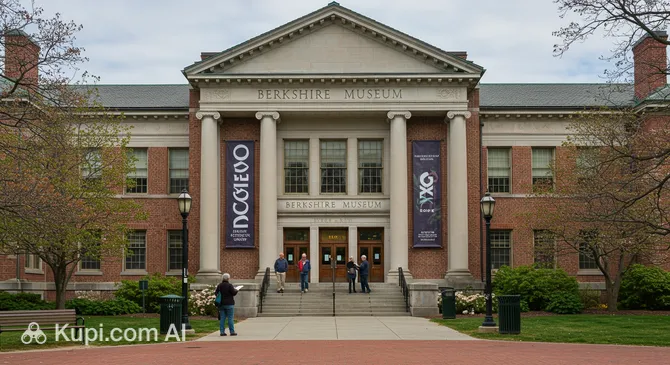
The Berkshire Museum occupies a central place in the city's cultural life. Founded over a century ago, it is unique for its eclectic approach: halls of fine art, historical artifacts, and natural science exhibitions coexist under one roof. Tourists are attracted by the opportunity to see everything at once: from ancient fossils and an aquarium with live inhabitants to works by American Hudson River School artists.
It is impossible to talk about Pittsfield without mentioning its literary history. The Arrowhead estate is the house where Herman Melville lived and worked. It was here that the novel "Moby-Dick" was written. The house-museum has preserved the atmosphere of the 19th century, and visitors can see the very fireplace described in the writer's stories, as well as the family's personal belongings. Guides tell fascinating stories about the author's challenging fate and his friendship with Nathaniel Hawthorne.
Another iconic site is Hancock Shaker Village, located on the edge of the city. This is a living open-air museum consisting of 20 historic buildings. It provides a full understanding of the life, crafts, and philosophy of the utopian Shaker community. The famous Round Stone Barn of 1826 is considered a masterpiece of functional architecture and attracts thousands of tourists with its unusual shape and engineering solutions.
Insider Tip
If you are looking for seclusion and want to do some birdwatching, head to the Canoe Meadows Wildlife Sanctuary. This spot is often overlooked by typical tourists. There are flat and easy trails through flood meadows and forests along the river, where you can encounter beavers, turtles, and many species of birds in their natural habitat—an ideal place for a quiet, meditative walk.