Support

Troy

About

Troy is a picturesque and atmospheric city located on the eastern bank of the Hudson River in New York State. Part of the Capital District, it attracts travelers with its unique blend of rich industrial heritage and modern cultural life. Due to its location, the city serves as an excellent starting point for exploring the Northeast.

Situated in the USA, Troy experiences a humid continental climate, offering locals and tourists a vibrant change of seasons, from golden autumns to snowy winters. With a population of about 87,000, the city maintains a cozy atmosphere while possessing the developed infrastructure typical of major centers.
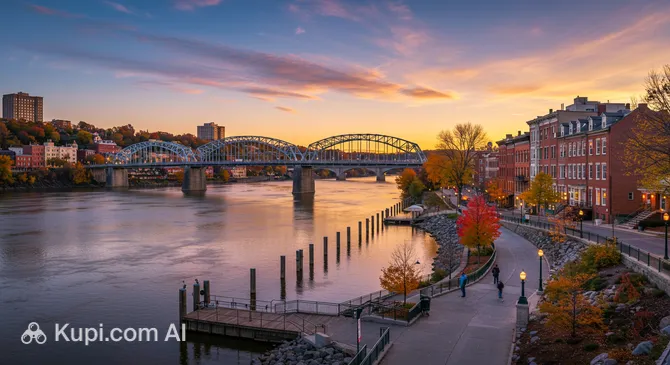
Troy. Illustration.
Source: Kupi.com AI

The city is often called the "Home of Uncle Sam," as it was the residence of Samuel Wilson, the progenitor of America's national symbol. The fascinating history of Troy is closely intertwined with the Industrial Revolution when the city was known as the "Collar City" due to its thriving textile production. Today, this past is reflected in the beautifully preserved architecture of the downtown area.

One of the main highlights is the stunning Victorian architecture. A walk through the historic center allows you to see buildings that often serve as sets for Hollywood films set in the 19th century. Art lovers should visit the famous Troy Savings Bank Music Hall, renowned for having one of the best acoustics in the world. The lively waterfront, which regularly hosts farmers' markets and festivals, is also very popular.

Troy is a city that knows how to surprise. The combination of historical monuments, trendy boutiques, antique shops, and cozy cafes makes it a wonderful place to visit. Be sure to include this city in your itinerary to experience the true spirit of old New York.

Weather Overview

The climate in Troy is characterized by a distinct change of seasons, offering tourists diverse experiences depending on the month of their visit. Summers here are usually warm and pleasant: in July, the hottest month, the average temperature is about 23.1°C, and during the day, the air often warms up to a comfortable 27.8°C.

Winters in the region are frosty and require warm gear. In January, average figures stay below freezing, dropping to -3°C, and nighttime frosts can reach -6.7°C. Transitional seasons, spring and autumn, can be cool, but May and September delight with moderate warmth, with average values ranging from 15°C to 19°C.

A characteristic feature of the local climate is stable humidity. Expect warm summers and cold winters, accompanied by frequent but generally light precipitation throughout the year (about 10–14 wet days per month). To choose the perfect time for your trip and pack your suitcase correctly, we recommend checking what the weather in Troy is expected to be for your travel dates in advance.

Average monthly temperature

Average monthly precipitation

Interesting Facts

Помимо основных достопримечательностей, Трой хранит множество увлекательных секретов, которые удивят даже знатоков американской истории. Этот город был местом рождения важных изобретений и культурных феноменов, повлиявших на весь мир.
  • The Birthplace of Santa Claus: It was here, in the Troy Sentinel newspaper on December 23, 1823, that the famous poem "A Visit from St. Nicholas" (better known as "The Night Before Christmas") was first published anonymously. This text essentially shaped the modern image of Santa Claus, giving him a sleigh, reindeer, and a bag of toys.

  • The Oldest Technical University: The city is home to Rensselaer Polytechnic Institute (RPI), founded in 1824. It is the oldest technological research university in the English-speaking world. Its teaching methods became a model for many prestigious engineering schools in the USA and beyond.

  • The Invention of the Detachable Collar: The nickname "Collar City" didn't appear out of nowhere. It is believed that in 1827, local resident Hannah Montague, tired of washing her husband's shirts in their entirety, cut off the collar to wash it separately. This simple idea led to the creation of a massive industry that made the city prosperous.

  • An Industrial Giant: In the 19th century, the local Burden Iron Works was a marvel of technology. It housed the largest water wheel in the world (the "Niagara of Water Wheels"), and a machine invented by Henry Burden could produce 60 horseshoes per minute. At its peak, the plant produced nearly a million horseshoes a week.

  • A Pioneer in Women's Education: The city played a key role in the fight for women's right to education. Founded here in 1814, the Emma Willard School became the first higher education institution in the country to officially open its doors to women, offering them an academic program as rigorous as those at men's colleges.

How to Get There

When planning a trip to this historical corner of New York State, it is worth thinking through the logistics in advance. The city is conveniently located relative to major transportation hubs in the Northeast US. You can find more details on how to get to Troy by studying various routes, but the primary method for tourists from distant regions remains air travel followed by a short car ride.

The closest and most convenient option is Albany International Airport (ALB). It is important to note that there is no airport in the city of Troy itself; this aviation hub is located in the neighboring town of Latham, just 9.3 km from the destination. This is a modern terminal that handles many flights. The drive from here to downtown Troy by taxi or rental car is very fast and comfortable.

An alternative option, especially if you are looking for a wider selection of international flights, is Bradley International Airport (BDL). It is located in Hartford, approximately 120.6 km from Troy. This is a large airport with high passenger traffic. The journey from Hartford will take more time: a transfer or car trip will take over an hour and a half.

For convenience, here is a summary of the main airports in the region:

AirportPassenger trafficDistance
Albany International Airport3.0 mln9 km
Rutland Airport11 000107 km
Bradley International Airport6.7 mln121 km
Lebanon Regional Airport20 000150 km
Worcester Regional Airport229 374158 km

Rail travel is also a popular way to reach the region, especially for those traveling from New York City or other major cities on the East Coast. There is no active passenger rail station in Troy itself, but a major transportation hub is located nearby.

The most convenient station is Albany–Rensselaer Station. It is located in the city of Rensselaer, on the opposite bank of the Hudson, just 10.5 km from downtown Troy. This is one of the busiest stations in the state, serving numerous trains. The trip from the station to your hotel in Troy by taxi or bus will take very little time.

Below is a list of the closest and most significant railway stations:

StationPassenger trafficDistance
Albany–Rensselaer Station909 77210 km
New Haven Union Station907 758171 km
Stamford Railway Station8.8 mln187 km
Syracuse Railway Station160 301203 km
Providence Railway Station1.4 mln217 km

Main Attractions

Troy offers travelers a rich cultural program where historical heritage and modern trends harmoniously intertwine. Walking through the city, you will find many places that reveal the unique character of this corner of New York State.

One of the most vibrant and beloved attractions is the Troy Waterfront Farmers Market. This is not just a marketplace, but a true city festival that gathers locals and tourists every Saturday. Visitors come here for the unique atmosphere, the chance to taste the freshest farm products, craft cheeses, and homemade pastries, and to listen to live music from street performers.

For a deep dive into the region's past, a visit to the Hart Cluett Museum is a must. Located in a magnificent historic mansion, the museum offers fascinating exhibits telling the rich history of Rensselaer County. Here you can learn about the city's industrial peak, see 19th-century interiors, and understand how people lived during the era when Troy was one of the wealthiest cities in America.

Nature lovers and fans of beautiful landscapes should definitely stop by Prospect Park. This spacious park, located on an elevation, is famous for its breathtaking panoramic views of the Hudson River Valley and the city itself. It is the perfect place for a quiet walk, a picnic, or simply relaxing outdoors surrounded by greenery.

Connoisseurs of modern architecture and art will find the Experimental Media and Performing Arts Center (EMPAC), located on the Rensselaer Polytechnic Institute campus, of great interest. The center's futuristic building creates an impressive contrast with the city's classic Victorian architecture. It is a world-class venue where technology meets art, offering audiences unique audiovisual performances.

Local Cuisine

Troy's cuisine is a true find for travelers wishing to taste authentic American flavors with a unique local twist. The city's gastronomic scene successfully combines old traditions rooted in its industrial past with modern trends based on the use of fresh products from the fertile Hudson Valley.

The most famous culinary symbol of the city, which every tourist must try, is the legendary mini hot dogs. These small, literally two-bite sausages in a soft bun are traditionally served with mustard, finely chopped onions, and a signature meat sauce, the recipe for which is kept secret by many establishments. Locals usually order them in batches of 4–6. This is not just fast food, but a part of the city's history that has been preserved since the early 20th century.

As for drinks, Troy holds a worthy place on the craft brewing map of New York State. Excellent breweries are located in the city and its surroundings, often occupying renovated historic warehouses and factory buildings. It’s worth ordering a tasting flight of local ales, stouts, or lagers. For those who prefer non-alcoholic drinks, local coffee shops offer signature coffee and homemade seasonal berry lemonades.

The food culture in Troy is democratic and diverse. The city center, especially the area around River Street, is filled with cozy bistros, Italian restaurants, and bakeries where students and families alike love to have breakfast and lunch. Establishments with river views create a special atmosphere where you can enjoy dinner at sunset. On weekends, the market becomes the epicenter of gastronomic life, where you can buy ready-made food directly from the stalls and have a picnic on the waterfront.

Travel Tips

Welcome to Troy! To ensure your journey through this colorful city on the banks of the Hudson goes smoothly and leaves only pleasant impressions, we have prepared a selection of useful recommendations. These practical tips will help you plan your trip wisely, avoid common mistakes, and adapt more quickly to the local pace of life.

  1. Clothing and Essentials. The weather in New York State is changeable, so the best wardrobe principle here is layering. In summer, light natural fabrics will be comfortable, while in winter, a windproof down jacket, hat, and gloves are essential. The main tip: bring the most comfortable shoes possible. Troy is a hilly city with many historic sidewalks, so heels or stiff boots are not suitable for long walks. An adapter for Type A or B plugs (US standard) is mandatory.
  2. Transport. The historic city center is very compact and most pleasant to explore on foot. For trips to the surroundings or neighboring Albany, it is convenient to use the CDTA bus network—they run on a schedule that is easy to track in Google Maps. Taxis and rideshare apps (Uber, Lyft) work perfectly. Renting a car only makes sense if you plan to travel through the Hudson Valley or head to the Adirondack Mountains.
  3. Finances. The currency is the US Dollar (USD). Bank cards are accepted almost everywhere, from restaurants to souvenir shops. However, having a little cash (1, 5, 10 dollar bills) is useful for tipping or purchases at the famous Farmers Market, where not all vendors have terminals. Remember the tipping culture: in cafes and bars, it is customary to leave 15–20% of the bill, as service is usually not included.
  4. Health and Safety. Troy is a relatively safe city, especially in the busy center and college campus areas. Nevertheless, as everywhere, basic precautions should be observed: do not leave valuables in plain sight in your car and avoid unlit alleys on the outskirts at night. The emergency number for police or ambulance is 911. Large chain pharmacies (CVS, Walgreens) are easy to find, where you can buy basic over-the-counter medications.
  5. Communication. The primary language is English. Locals are friendly and will gladly help if you know at least basic phrases. Free Wi-Fi is available in many cafes, libraries, and downtown public spaces (Troy Innovation Garage, for example). For constant connectivity, it is easiest to buy a prepaid SIM card (T-Mobile, AT&T) at mobile shops or large supermarkets.
  6. Local Etiquette. In the US, it is customary to greet service staff and even strangers in an elevator. The phrase "How are you?" is a form of greeting and usually does not require a detailed answer about your life—a simple "Good, thanks" and a smile are sufficient. Respect personal space in lines and public places; do not stand too close to others.
  7. What to Avoid. Don't forget that prices on store tags are listed without sales tax. Don't be surprised if the total at the register is higher—this is the norm for the US, and it is not worth arguing with clerks about it. Smoking is also strictly prohibited in restaurants, bars, and most public parks; violations may result in a fine.
  8. Insider Tip. If your visit falls on the last Friday of the month, be sure to attend Troy Night Out. On this evening, shops, galleries, and cafes downtown stay open late, music plays in the streets, and the whole city turns into one big party. This is the best way to feel the true spirit of the Troy community.

Troy is a city with character that reveals itself to those ready to walk its streets and talk to its people. By following these simple tips, you can focus on the main thing—enjoying the architecture, delicious food, and the unique atmosphere of the "Home of Uncle Sam."

Entertainment & Nightlife

Nightlife in Troy is a surprising blend of historical charm and youthful energy. Unlike large metropolises with their massive nightclubs, this city focuses on atmospheric gastropubs, craft breweries, and cozy bars with live music. In the evening, the historic center is transformed: Victorian brick buildings are illuminated, and the sounds of jazz, rock, and indie music drift from open doors.

The main artery for evening entertainment is the Downtown district, especially River Street and Broadway. Everything here is within walking distance, making it easy to move from one venue to another for a bit of bar-hopping. The crowd in Troy is very diverse, ranging from local college students and the creative intelligentsia to tourists who have come to enjoy the architecture. The dress code in most places is very relaxed—casual style is appropriate everywhere.

Among the specific establishments that define the city's nighttime face, the legendary Brown’s Brewing Company stands out. Located in a renovated 19th-century warehouse building right by the river, this brewery offers not only excellent house-made drinks but also a stunning view of the Hudson. For those seeking more active leisure, Franklin Alley Social Club is a hidden gem tucked away in an alley where you can play shuffleboard, bocce, or classic arcade games while enjoying signature cocktails. Beer enthusiasts should also check out The Ruck, known for its impressive selection of craft beers and, according to many locals, the best wings in town.

When planning your evening, keep in mind that the most active life happens from Thursday to Saturday. The average cost of a cocktail or a pint of beer ranges from $6 to $12. Regarding safety, downtown Troy is well-lit and patrolled; however, as in any city, it is better to stick to busy streets for nighttime travel. If you stay out late, hailing a taxi through popular apps (Uber or Lyft) is easy—cars arrive quickly.

While the emphasis in Troy is on evening leisure, daytime entertainment also deserves attention. Before dark, you can visit local art galleries, stroll through the picturesque Prospect Park, or browse unique antique shops. The city is also famous for its cultural events, so it’s worth checking the local theater and concert hall schedules before your trip.

Parks & Museums

Troy harmoniously combines industrial heritage and natural beauty, offering visitors both tranquil green zones and rich cultural venues. Here you can start your morning with a walk by a waterfall and spend the day studying exhibits that tell the story of how this city forged American history.

Among the green spaces, Prospect Park holds a special place. Situated atop a hill, it is one of the city's largest and most popular recreational areas. The main reason to visit is the breathtaking panorama: on a clear day, you can see the Hudson River Valley for a radius of nearly 130 kilometers. It is the perfect space for picnics, tennis, or leisurely strolls along shaded alleys away from the city noise.

For lovers of wilder nature and dramatic landscapes, Poestenkill Gorge Park will be a true discovery. This is a hidden gem of Troy, where the Poestenkill creek carves its way through a rocky gorge, forming picturesque waterfalls right within the city limits. The park attracts photographers and history buffs, as ruins of old mills and factories remain here, serving as reminders of the location's industrial past.

The city's cultural landscape is unimaginable without the Burden Iron Works Museum. Housed in the historic office building of the famous plant, the exhibition immerses visitors in the era when Troy was a center of metallurgy. Here you can see unique artifacts, including examples of equipment that produced millions of horseshoes for the Union Army during the Civil War, and learn about the scale of the Industrial Revolution in the region.

Connoisseurs of modern creativity should visit The Arts Center of the Capital Region. This dynamic space located downtown serves as the primary exhibition venue for local and visiting artists. The gallery regularly updates its exhibits, offering everything from avant-garde painting to interactive installations, and also hosts workshops open to tourists.

If you are looking for a place for quiet contemplation, take note of the Russell Sage College Garden. This small but cozy corner, hidden behind wrought-iron gates, is often called Troy's "secret garden." Here, among neat flowerbeds and ancient statues, you can relax with a book or coffee, enjoying the silence in the very heart of the historic district.

Insider Tip: For active recreation and the best river views, head to the Uncle Sam Bike Trail. This scenic route is built on a former railroad bed and is excellent for both cyclists and pedestrians wishing to see the non-touristic, quieter side of the city.

Getting Around

The public transport system in Troy is integrated into the general network of the Capital District and is managed by CDTA (Capital District Transportation Authority). The primary and only form of mass transit here is the bus. There are no subways, trams, or trolleybuses in the city, but the bus network is excellently developed, covering both the historic center and residential areas.

Tourists should pay special attention to the BusPlus rapid transit routes, specifically the "Blue Line". These buses are easily recognizable by their signature design; they run along the river, reliably connecting Troy with neighboring Albany and other cities along the Hudson coast. Due to fewer stops and high frequency, this is the fastest and most budget-friendly way to travel between cities in the metropolitan area.

The payment system is modern and convenient. The easiest option is to use the Navigator mobile app. You can buy single tickets or Day Passes, which allow unlimited trips within 24 hours. To pay, simply scan the QR code from your phone screen on the validator when boarding the bus. There are also plastic Navigator smart cards sold in large supermarkets.

If you do not want to install the app, you can pay cash directly to the driver upon entry. It is important to remember that bus machines do not provide change, so you must prepare the exact amount in advance (the base fare is about $1.50). Paper transfers (tickets for switching buses) are no longer issued for cash payments, so for complex routes, it is more profitable to use electronic payment methods.

As an alternative to public transport, taxi and rideshare services such as Uber and Lyft are widely available in Troy. Cars are available 24/7, and wait times downtown usually do not exceed 5–10 minutes. This is the preferred option for evening and nighttime travel when bus frequency decreases.

During the warm season (usually from spring to late autumn), the CDPHP Cycle! bike-share system becomes a great way to get around. Stations with bicycles are located near key attractions and parks. You can rent a bike through the app, paying a per-minute rate or purchasing a membership. Given the compactness of the historic center and the presence of scenic waterfronts, a bicycle is often the most pleasant mode of transport for exploring the city.

Accommodation

The choice of accommodation in Troy, while not reaching the scale of major metropolises, is capable of satisfying the needs of most travelers. The city's hotel stock harmoniously combines historical charm with modern comfort. Here you will find cozy boutique hotels located in renovated Victorian-era buildings, classic mid-range chain hotels, and bed and breakfast (B&B) guest houses that allow you to immerse yourself in the authentic atmosphere of old America.

In terms of logistics and experience, the best area to stay is Downtown (the historic center). By staying here, you will be at the epicenter of cultural life: the Hudson River waterfront, the farmers' market, numerous cafes, and antique shops will be within walking distance. Staying downtown eliminates the need for constant transport. For those traveling by car and looking for more budget-friendly options, motels and hotels located along the main highways at the city entrance or in neighboring Latham are suitable.

Booking Tip: Troy is a vibrant university town, home to Rensselaer Polytechnic Institute (RPI). During graduation ceremonies, open house days, or the beginning of semesters, finding a vacant room can be extremely difficult. High demand is also observed during popular city festivals. Therefore, it is strongly recommended to book your accommodation in advance, especially if your trip falls in May or early autumn.

The price range in the city varies from budget to mid-range; luxury five-star resorts are absent here. The cost of living is generally lower than in New York City or Boston, but can increase during peak seasons. For finding accommodation, it is most convenient to use major international online aggregator platforms; however, when choosing small private hotels, it is worth checking their official websites—sometimes they offer special rates for direct bookings.

Nearby Cities

For those looking to explore the surroundings, Troy serves as an excellent starting point for day trips to several interesting nearby locations. Just a few minutes' drive away is Albany, the capital of New York State, known for its monumental architecture, museums, and rich history. Schenectady is also worth a visit, where you can stroll through the country's oldest residential neighborhood and enjoy performances at the famous Proctors Theatre.

CityPopulationDistance
Watervliet10 3631 km
Cohoes17 9315 km
Latham14 0766 km
North Greenbush13 2186 km
Waterford19 5587 km

These nearby destinations provide a fuller picture of the diverse culture and landscapes of the Capital District, offering entertainment for every taste—from shopping and gastronomy to park strolls.

Shopping & Souvenirs

Shopping in Troy is a fascinating journey back in time, where instead of faceless shopping corridors, you will find charming boutiques housed in historic 19th-century buildings. The city is famous for its support of small businesses, so you will find many unique shops offering handmade goods, vintage items, and antiques. It is the perfect place for those seeking something special and who appreciate the atmosphere of old New York.

The heart of the city's commercial life is Downtown, which is often called a "walker's paradise." The main shopping artery is considered to be River Street. This street, running along the waterfront, is known for its concentration of antique shops, bookstores, and home decor salons. Running parallel to it is Broadway, which also hosts many clothing stores, jewelry boutiques, and souvenir shops. Strolling here, you can easily spend several hours browsing window displays and entering cozy spaces with high ceilings.

In Troy itself, there are no giant shopping centers in the traditional format; the city focuses on street retail. However, it is worth mentioning the Uncle Sam Atrium—an indoor public space downtown where various events are held and small shops are located. If you are interested in major chain brands and large-scale shopping, a 15-20 minute drive away in the neighboring town of Colonie is the large Colonie Center mall, offering a wide selection of mass-market and luxury brands.

The true crown jewel of the city is the Troy Waterfront Farmers Market. It operates year-round on Saturdays (outdoors in summer, indoors in winter) and is considered one of the best in the region. It’s not just a place to buy fresh produce, but a massive artisan fair. Here you can find natural cosmetics, designer jewelry, textiles, and art from local makers. Visiting the market is a mandatory part of the itinerary for any tourist.

For souvenirs from Troy, it’s worth bringing back something related to the city's history. Since Troy is officially recognized as the home of Uncle Sam, figures, posters, and memorabilia featuring this national symbol are popular. Unique antique finds from River Street or items from local artisans bought at the farmers' market, such as craft honey, handmade candles, or ceramics, also make excellent gifts.

Most shops in the city center open around 10:00 or 11:00 AM and operate until 6:00 PM. On Sundays, many small shops may be closed or have reduced hours. Exceptions are days of special events, such as Troy Night Out (the last Friday of the month), when shops are open late. Bank cards (Visa, MasterCard, AmEx) and contactless payments are accepted almost everywhere, but at markets and small kiosks, having cash in US dollars will be an advantage.

Tourists should remember that in the US, prices on tags are listed without sales tax. In New York State and Rensselaer County, the total tax is about 8%, which is added to the total at the register. The Tax Free system for foreign tourists in the US, unlike in Europe, is virtually non-existent, so you should not count on a VAT refund upon departure.

Reached the end of the page?

That means the route is fully explored