Support

Santa Paula

About

Santa Paula is a scenic and cozy city located in the fertile Santa Clara River Valley in California. Often called the "Citrus Capital of the World," this corner of the state attracts travelers with its authentic atmosphere, which stands in stark contrast to the bustle of major metropolises. Situated in the southwest of the USA, the city is surrounded by magnificent fruit orchards and mountain landscapes that create a unique backdrop for relaxation.

The climate here is mild and Mediterranean, with warm summers and comfortable winters, making trips here pleasant almost year-round. With a population of about 30,000, Santa Paula retains the charm of a small community where traditions are carefully preserved.
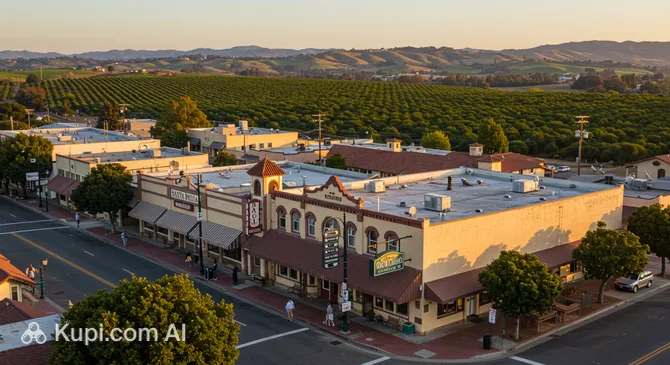
Santa Paula. Illustration.
Source: Kupi.com AI

The region's past is inextricably linked to the development of the oil industry and agriculture. The fascinating history of Santa Paula is reflected in the beautifully preserved architecture of the downtown area. Strolling along the main street, tourists can admire historic buildings, many of which are adorned with impressive murals telling the stories of life and culture from years past.

Among the key attractions, the California Oil Museum stands out, located in the building where the Union Oil Company was founded. The city is also famous for its Art Museum and vintage airport, which is often called an "open-air aviation museum." If you are looking for a place to enjoy genuine Californian flavor, art, and tranquility, Santa Paula is an excellent choice for your itinerary.

Weather Overview

The climate of Santa Paula can be described as mild and favorable for tourism, with many sunny days throughout the year. Summers here are truly warm and dry: in July and August, the average temperature is about 23.6°C, with daytime highs often reaching 28.9°C. Precipitation is practically non-existent in the summer, making it an ideal time for long walks and attending festivals.

Winter months bring a pleasant coolness but without severe frosts. In January and February, the average temperature stays around 11-11.5°C, while nighttime lows rarely drop below 5°C. Spring arrives gradually, and March can be the cloudiest month, with up to 9 days of precipitation. Expect a hot, dry summer and a mild winter with occasional rain.

For more accurate wardrobe planning and choosing travel dates, we recommend checking the detailed weather in Santa Paula by month.

Average monthly temperature

Average monthly precipitation

Interesting Facts

Beyond the main attractions, Santa Paula holds many fascinating secrets that turn an ordinary walk into a true exploration. This city is not just a point on the map, but a living backdrop for Hollywood movies and a place where aviation history intertwines with heroic deeds of the past.

  • Hidden Capital of Silent Film. Long before Hollywood became the world's film industry center, Santa Paula held the title of "Queen of the Silver Screen." In 1911, Gaston Méliès (brother of the famous Georges Méliès) moved his Star Film Company studio here. Thanks to its preserved architecture, the city still "plays roles" as the 1950s American heartland in movies; scenes for "Rain Man," "Carrie," and even episodes of "The West Wing"—where Santa Paula was the hometown of Senator Arnold Vinick—were filmed here.

  • Steve McQueen's Sanctuary. The local airport is called an "open-air aviation museum," and it became the final home for legendary actor Steve McQueen. Tired of Hollywood's hustle, the "King of Cool" lived his last year and a half right in an airport hangar with his wife, enjoying flights in his yellow Stearman biplane. The airport is unique because it has no control tower, and pilots communicate the old-fashioned way, creating a special atmosphere of brotherhood.

  • The Feat of the "Paul Revere of the West." There is a dramatic page in the city's history related to the St. Francis Dam failure in 1928. The hero of that night was police officer Thornton Edwards. Learning of the approaching wall of water, he jumped on his Indian motorcycle and raced through the darkness, warning residents of the danger. His frantic ride saved hundreds of lives, and Edwards himself went down in history as the motorcyclist who outran a flood.

  • Lemon Empire. Santa Paula is considered the citrus capital for a reason: the Limoneira Company was founded here in 1893. For a long time, it owned the world's largest continuous lemon orchard. Interestingly, the company's old headquarters building still stands in the city, a reminder of the times when California's "golden fruit" was worth its weight in gold.

How to Get There

When planning a trip to this picturesque corner of California, it's worth thinking through the logistics in advance. You can find out more about how to get to Santa Paula to choose the most convenient route. Since there is no commercial airport in the city itself that accepts regular passenger flights, travelers visiting the USA usually fly into major hubs in neighboring cities and then continue their journey by ground transport.

One of the most popular options is Los Angeles International Airport (IATA: LAX). It is located in the city of Los Angeles, about 75 km from Santa Paula. This is one of the largest airports in the world, accepting flights from almost anywhere on the planet. A trip from here by taxi or rental car will take approximately 2 hours, depending on traffic.

A quieter alternative could be Hollywood Burbank Airport (IATA: BUR), located in Burbank, about 67 km from the destination. This airport is often chosen for domestic flights to avoid the crowds typical of major hubs. The drive to Santa Paula from here usually takes less time.

It is also worth considering Santa Barbara Municipal Airport (IATA: SBA). It is located 72 km from Santa Paula and is convenient for those arriving on regional flights along the coast.

For clarity, here is a summary of the nearest airports:

AirportPassenger trafficDistance
Hollywood Burbank Airport6.6 mln67 km
Santa Barbara Municipal Airport1.4 mln72 km
Los Angeles International Airport75.1 mln75 km
Hawthorne50 00082 km
Long Beach Airport4.1 mln103 km

In addition to air travel, many tourists arrive in Santa Paula by car. The city is conveniently located along Highway 126, which connects it to the coast and the state's main I-5 freeway, offering scenic views of the Santa Clara Valley along the way.

Main Attractions

Santa Paula offers tourists a unique blend of history, art, and California flavor. The city carefully preserves its heritage, and the best way to get acquainted with it is by visiting local museums and strolling through the historic center.

The Santa Paula Art Museum is a true gem of the city, located in the historic Limoneira Company building, constructed in the 1920s. The museum is famous for its magnificent collection of paintings dedicated to the "Golden Age" of California art, as well as works by contemporary artists. It regularly hosts exhibitions showcasing the region's landscapes and plein-air works that perfectly capture the atmosphere and light of Southern California.

Equally interesting is the Agriculture Museum, housed in an 1888 mill building near the train station. The exhibit immerses visitors in the region's agrarian history, justifying Santa Paula's title as the "Citrus Capital." Inside, you can see an impressive collection of vintage tractors, old farming tools, and even observe bee life in a special hive. This place is especially educational for families with children thanks to its interactive displays.

Aviation enthusiasts should check out the Santa Paula Aviation Museum. It is unique because it doesn't have a single exhibition hall in the traditional sense: the exhibits—rare and antique aircraft—are stored in private hangars at the local airport. "First Sundays" of the month are particularly popular when owners open their hangars to the public, allowing visitors to see legendary machines up close and talk to the pilots. The airport itself is known for its authentic 1930s atmosphere.

Strolling through the city center, it is impossible to miss the famous Murals of Santa Paula. This is a series of nine large-scale wall paintings decorating buildings in the business district. Each mural is an artistic chronicle telling the story of different stages of the city's life: from the Chumash Indian culture and the discovery of oil to the flourishing of citrus orchards and the Golden Age of Hollywood. A self-guided tour of these sites turns an ordinary walk into a fascinating open-air history lesson.

Local Cuisine

Santa Paula's cuisine is a bright reflection of its agrarian history and rich cultural mix. Located in the heart of a fertile valley, the city offers travelers dishes made from the freshest farm products. The main gastronomic dominant here is authentic Mexican cuisine. Thanks to the strong traditions of the local community, they prepare tacos, burritos, and enchiladas here that are considered some of the best in Ventura County. Be sure to try chile verde (pork stewed in green sauce) or traditional handmade tamales.

Don't forget that you are in the "Citrus Capital of the World." Local chefs and cooks actively use the bounty of the surrounding orchards. You will often find salads with sweet orange slices, delicate lemon pies, and desserts with citrus zest on the menu. Additionally, the region is famous for its avocados, so guacamole is served almost everywhere here, and it is known for its incredible freshness and rich flavor.

Among beverages, the king of the table is undoubtedly fresh-squeezed orange juice—sweet, aromatic, and available everywhere. On a hot day, traditional horchata (a refreshing rice-based drink with cinnamon) or "aguas frescas" made from seasonal fruits are perfectly refreshing. Those who prefer stronger drinks can appreciate the products of the Central Coast wineries or try craft beer in local gastropubs, which have been gaining popularity in recent years.

The dining culture in Santa Paula is characterized by a lack of pretense and a special homey coziness. The epicenter of gastronomic life is the historic Main Street, where family restaurants, many of which have been operating for decades, are concentrated. It is customary here to eat slowly, enjoying the conversation. For a quick bite, numerous taquerias and food trucks offer delicious street food loved by both locals and tourists.

Travel Tips

Welcome to sunny Santa Paula! To ensure your journey to this cozy corner of California is as comfortable and carefree as possible, we have prepared a list of useful recommendations to help you plan the perfect trip.

  1. Clothing and Essentials. The region has a mild climate, but the principle of layering is popular. It can be hot during the day, but evenings in the valley often bring a chill, so be sure to bring a light jacket or hoodie even in summer. Choose comfortable flat shoes for walking through the historic center and museums. Don't forget sunglasses and an adapter for American outlets (Type A or B) if your devices have European plugs.

  2. Transport. The city center is compact enough for walking, but for a full exploration of the surroundings, trips to the ocean, or the mountains, it's better to rent a car. Public transport consists of buses, but they don't run very often. Taxi apps like Uber and Lyft work reliably here and are a good alternative to a personal car if you don't plan on long trips.

  3. Finances. The official currency is the US Dollar. Bank cards are accepted almost everywhere: in museums, restaurants, and shops. However, it is recommended to have some cash (small bills of 1, 5, 10 dollars) for farmers market purchases or tips. In the USA, it is customary to leave a tip of 15–20% of the bill, as this is an important part of a server's income.

  4. Health and Safety. Santa Paula is a quiet city, but general precautions should be observed: do not leave valuables in plain sight in your car. The main health concern is the active California sun. Be sure to use SPF cream and drink plenty of water. The emergency number is 911. Large pharmacy chains (like CVS) stay open late, but there may not be 24-hour locations in the city itself.

  5. Communication. The primary language is English, but due to the cultural characteristics of the region, Spanish is very widely spoken. Locals will be pleasantly surprised if you know a few basic phrases in Spanish, though English is quite sufficient for comfortable communication. Free Wi-Fi is available in many cafes and hotels. Google Maps is convenient for navigation, so take care of a local SIM card or roaming in advance.

  6. Local Etiquette. Residents are proud of their community and known for their friendliness ("small town vibe"). It is customary to greet staff in shops, hold doors, and smile when making eye contact. The pace of life is more measured than in big cities, so don't rush the service in family restaurants—politeness and calmness are valued here.

  7. What to Avoid. It is strictly not recommended to pick fruit (oranges, lemons, avocados) in the orchards you see along the roads. Even if the area isn't fenced off, it is private property and a source of income for local farmers. Picking fruit without permission is considered theft and bad form. It's better to buy fresh fruit from official roadside stands.

  8. Planning Your Visit. Keep in mind that many museums and attractions in Santa Paula have specific operating hours. For example, some museums are only open Wednesday through Sunday or close quite early (around 4:00 PM). Check hours in advance on official websites or maps so you don't end up at closed doors.

We hope these tips help you feel at home in Santa Paula and avoid small inconveniences. Enjoy the scent of citrus orchards, the unique history, and the sincere hospitality of this wonderful California city!

Entertainment & Nightlife

Santa Paula's nightlife has the special charm of the American heartland: here you won't find noisy mega-clubs with neon lights, but you can enjoy coziness, live music, and conversation in a relaxed atmosphere. The city goes to sleep quite early, so evening leisure here is more about a delicious dinner, a glass of wine in a historic setting, or attending local events rather than dancing until dawn.

The heart of evening activity is Main Street. A walk through this area transports tourists into the atmosphere of the 1950s thanks to the preserved architecture. Nightlife flares up particularly brightly here during the famous Cruise Nights season. Take note of the schedule: this celebration of vintage cars takes place on the first Friday of the month (usually from April to October). On these evenings, the center is closed to traffic, and the streets fill with collectible cars, live music, and the aromas of street food. This is the best time to see the locals, have fun, and feel the true spirit of the community.

Among the establishments worth visiting in the evening, the historic Glen Tavern Inn stands out. Its restaurant and lobby bar attract guests not only with excellent Italian cuisine but also with legends of ghosts and Prohibition-era gangsters. This is a place with character where you can spend an evening in an elegant yet unpretentious setting. Another popular spot is Rabalais' Bistro, known for its unique New Orleans atmosphere. Here you can enjoy a glass of wine or a cup of excellent coffee surrounded by vintage decor, experiencing true Southern hospitality.

For fans of cultural leisure, the Santa Paula Theater Center is worth noting. Located in a historic mansion, this theater offers high-quality dramatic and comedic productions. A performance evening is a wonderful excuse to dress up and immerse yourself in the world of art in an intimate setting.

Practical tips: Keep in mind that most restaurant kitchens close around 9:00 PM, and bars may stay open until midnight, but rarely later. Santa Paula is a safe city, and evening walks through the well-lit center are comfortable. However, public transport practically doesn't run at night, so if you are staying far from the center, download taxi apps (Uber or Lyft) in advance or use a rental car. The dress code in most places is casual.

Parks & Museums

Santa Paula offers travelers a harmonious blend of industrial history and magnificent natural landscapes. The city and its surroundings are rich in places where you can learn about the region's past, enjoy peace in the shade of ancient oaks, or go on an active hike to waterfalls.

The centerpiece of the city's museum map is the California Oil Museum. It is housed in a luxurious Queen Anne-style building constructed in 1890, which is an architectural gem in itself. Originally, it served as the headquarters of the Union Oil Company. The museum's exhibit goes far beyond boring technical data: here you can see working models of drilling rigs, vintage equipment, and interactive stands explaining the region's geology. This place allows you to understand how "black gold" transformed California into an economic center of the USA.

For outdoor enthusiasts, Steckel Park, located a few minutes' drive north of the city, will be a real discovery. This is a popular recreation area founded in the early 20th century. The park's main attraction is an old stone aviary where peacocks and other birds live, which invariably delights children. The park is equipped with barbecue and camping areas, and the nearby Santa Paula Creek provides pleasant coolness even on hot days.

Adventure seekers and those looking for scenic views should head to Santa Paula Canyon. The trail leading deep into the canyon is considered one of the most beautiful in Ventura County. The path goes through thickets of trees and crosses streams, leading tourists to the famous natural pools and waterfalls known as the Punch Bowls. This is an ideal place for hiking, where you can escape civilization and take stunning photos of the wilderness.

If you prefer more relaxed recreation within the city limits, stop by Veterans Memorial Park. This is a cozy green space in the center of Santa Paula, perfect for leisurely strolls or a picnic on the grass. City events are often held here, and the view of the surrounding mountains reminds you that you are in the heart of a picturesque valley.

Insider Tip: When visiting Steckel Park, try to find the stone cabin built in the 1930s by the Civilian Conservation Corps (CCC). This structure is a living witness to the Great Depression era, harmoniously integrated into the landscape and often overlooked by regular tourists.

Getting Around

Public transport in Santa Paula is rather modest, which is typical for small Californian cities. The main and practically only type of municipal transport here is buses. There are no subways, trams, or trolleys in the city. The primary operator is the Valley Express service, which serves local routes and connects the city with neighboring communities in the valley, such as Fillmore and Piru. For trips to the coast, like Ventura or Oxnard, VCTC Intercity routes running along Highway 126 are used.

The fare payment system is simple but requires attention to detail. The most convenient way for tourists is to use the VCbuspass mobile app. It allows you to buy tickets contactlessly right from your smartphone, saving you from looking for change. If you prefer to pay cash when boarding, remember the "golden rule" of local buses: drivers do not give change. You must prepare the exact amount in advance (usually the cost of a single trip is around $1.50–$1.75).

For comfortable travel, tourists should keep in mind that buses do not run very frequently—intervals can range from 45 minutes to an hour, and there are even fewer trips on weekends. It is strongly recommended to plan your route in advance using Google Maps or the GOVCbus app for real-time tracking. Boarding the bus is only through the front door, and to get off at your stop, you must signal the driver in advance by pulling the cord along the windows or pressing the "Stop" button.

Given the limitations of the bus network, the best alternative for travelers remains renting a car or using taxis. Uber and Lyft services operate reliably in the city and are a dependable way to reach distant attractions or restaurants in the evening when buses stop running. Bike rentals do not have a wide centralized network in the city, but the historic center is compact enough and convenient for walking.

It is important to note a feature of the local railway. In the city center, there is the beautiful historic Santa Paula Depot building, which often appears in films. However, tourists should not count on it as a transport hub: regular passenger trains (like Amtrak or Metrolink) do not stop here. The railway is used primarily for freight or special excursion vintage trains, which are more for entertainment than transportation.

Accommodation

The choice of accommodation in Santa Paula, while not on the massive scale typical of large metropolises, offers tourists comfort and variety. The city's hotel sector is an interesting mix: here you can find unique historic hotels with a vintage atmosphere, reliable mid-range chain motels, and apartment rental options for those who prefer home comfort.

In terms of neighborhoods, the most attractive for immersing yourself in the city's atmosphere is the Historic Center (Downtown) near Main Street. Staying here puts you within walking distance of museums, restaurants, and the famous murals. For travelers by car seeking practicality and quick freeway access, the area along Harvard Boulevard and Highway 126 is an excellent fit. Here, classic American motels with parking lots are concentrated, making them convenient for transit stops.

The historic accommodation segment deserves special attention. The city has hotels located in early 20th-century buildings that have preserved the architectural style of that time—from grand Neoclassicism to cozy Craftsman style. Staying in such places allows you to feel like a character in an old Hollywood film, as interiors are often decorated with antiques and the walls hold legends from the "Golden Age" of the film industry.

Booking Tip: Since the number of rooms in the city is limited, we strongly recommend booking accommodation in advance. This is especially relevant if your trip falls during the summer months or the dates of major city events, such as the Citrus Capital Festival or the famous Cruise Nights. On such days, hotels fill up very quickly.

The price range in Santa Paula can be described as moderate (average). It is hard to find ultra-luxury resorts with sky-high prices here, but there are also practically no budget hostels. Most options offer excellent value for money. Booking is most convenient through popular online aggregator platforms where you can read reviews, or directly through hotel websites, which sometimes allows you to get a better rate or a better room.

Nearby Cities

For those who want to explore the surrounding area, Santa Paula serves as an excellent starting point for day trips to several interesting nearby locations:

Just an hour's drive away is the famous Santa Barbara, often called the "American Riviera." This city charms with its Spanish Colonial style architecture, scenic waterfront, and historic mission. It is an ideal place for those who want to combine a beach holiday with a cultural program and shopping on State Street.

Very close by is the coastal Oxnard, which attracts travelers with its wide sandy beaches and harbor. This is where excursion boats depart for the unique Channel Islands National Park, making the city an important point for nature lovers and marine adventure enthusiasts.

Thrill-seekers should head to the city of Santa Clarita. It is known worldwide for the Six Flags Magic Mountain amusement park, which holds the unofficial title of the "roller coaster capital of the world." This is a great option for a full-day family trip full of adrenaline and fun.

CityPopulationDistance
Fillmore16 37314 km
Camarillo77 79515 km
Moorpark36 20118 km
Oxnard366 33020 km
Ventura110 57223 km

These nearby destinations provide a sense of the diverse culture and landscapes of the region, from ocean coasts to mountain valleys.

Shopping & Souvenirs

Shopping in Santa Paula offers a completely different experience than visiting the giant shopping complexes of large metropolises. Here, the process of buying resembles a leisurely stroll or a treasure hunt, where the main focus is the uniqueness of the goods and personal communication with shop owners. The city isn't known for high fashion or luxury brands, but it is famous as a great location for finding rare antiques, vintage items, and, of course, the fresh farm produce that California is so rich in.

The epicenter of shopping life is the historic Main Street. A walk along it provides aesthetic pleasure thanks to the preserved early 20th-century architecture. This is where most independent boutiques, bookstores, and gift shops are concentrated. Special attention should be paid to the antique stores this area is famous for: collectors often come here in search of vintage furniture, rare vinyl records, and decor items from the "Golden Age" of Hollywood.

If you are interested in classic shopping centers with mass-market clothing and electronics, the selection in Santa Paula itself is limited to small strip malls with supermarkets and essentials, such as the Santa Paula Center. For large-scale shopping, locals and tourists usually head to the neighboring cities of Ventura or Oxnard (just a 15–20 minute drive away), where large malls like The Collection at RiverPark or Pacific View Mall are located.

An integral part of local shopping is the markets. As an agricultural center, the city offers great opportunities for buying food. Be sure to visit roadside fruit stands and farmers markets that sell seasonal vegetables and fruits straight from the fields. Here you can find the best avocados, citrus fruits, and nuts in the region. This is not just about buying food, but an opportunity to taste the true flavor of sunny California.

For souvenirs from Santa Paula, it's worth bringing something that reflects the spirit of the "Citrus Capital." Jars of local orange jam, avocado honey, or lemon marmalade make excellent gifts. Also popular are items by local artisans, paintings by artists exhibiting in city museums, and goods with vintage aviation or oil history symbols.

Most small shops in the city center are open from 10:00 AM to 5:00 PM or 6:00 PM, and schedules may be shorter on Sundays. Large chain supermarkets stay open longer, often until 9:00–10:00 PM. Credit cards (Visa, MasterCard, American Express) and contactless payments are accepted almost everywhere, but having cash in dollars will be an advantage at farmers markets or in small shops.

It is important for tourists visiting the USA to remember that sales tax is not included in the price tags. It is added to the total at the checkout. In California, the tax rate is one of the highest in the country. A Tax Free (VAT refund) system, common in European countries, does not exist here, so you will not be able to get a refund of spent funds when leaving the country.

Reached the end of the page?

That means the route is fully explored