Support

Thousand Oaks

About

Thousand Oaks is a true gem of Southern California, nestled comfortably in the picturesque Conejo Valley. The city, whose name translates as "Thousand Oaks," fully lives up to its title: majestic trees are everywhere here, creating a unique atmosphere of natural harmony and comfort. Located just an hour's drive from bustling Los Angeles, this corner offers travelers the perfect balance between developed urban infrastructure and the tranquility of suburban life.

Geographically, the city covers an area of about 143 km², most of which consists of well-maintained green zones and parks. With a population of approximately 211,000 people, Thousand Oaks is one of the largest and most attractive communities in Ventura County. When planning a trip to the USA, many tourists choose this location due to its reputation as one of the safest cities in the country, making it an excellent destination for family vacations.

Thousand Oaks. Illustration.
Source: Kupi.com AI

The city's unique character was shaped by a careful attitude towards nature and the past. The fascinating history of Thousand Oaks is closely intertwined with the preservation of the natural landscape, and local residents proudly protect the centuries-old oaks that have become a symbol of the region. The climate here is mild and sunny, allowing for strolls and outdoor activities all year round.

Tourists are drawn here not only by the beautiful scenery but also by a wide range of leisure opportunities. The city is famous for its picturesque hiking trails, cultural venues, and culinary diversity. It is an ideal place for those who want to take a break from the hustle and bustle of the metropolis, breathe in the fresh air, and discover new, peaceful facets of Californian life. Welcome to Thousand Oaks!

Weather Overview

The climate of Thousand Oaks can be described as typically Mediterranean, making the city attractive to visit almost all year round. Summers here are sunny and dry: in July and August, the average temperature is about 23°C, with daytime temperatures often reaching 28°C. During this period, rain is an exceptional rarity, so nothing will interfere with your outdoor plans.

Winters in the region are mild and quite comfortable; there is no severe cold here. The average temperature in January and February stays around 12–13°C, with night indicators rarely falling below 7°C. The winter months and March account for the majority of rainy days (up to 9 days in March), but the rainfall is usually short-lived.

Expect a warm summer without precipitation and cool but mild winters with occasional rain. Spring and autumn are pleasantly warm: as early as May and October, average temperatures reach 17–20°C. To choose the perfect time for your trip, be sure to check the detailed weather in Thousand Oaks before you depart.

Average monthly temperature

Average monthly precipitation

Interesting Facts

In addition to its main attractions, Thousand Oaks holds many fascinating secrets that make it a special place on the California map. This city can surprise travelers with its harmony with nature and unexpected celebrity encounters.

  • The city's name, "Thousand Oaks," is not just a pretty metaphor. Ancient trees are truly the main symbol and hallmark of Thousand Oaks. They adorn even the central plazas, and local residents treat their protection with great care, guarding every tree as a piece of history.

  • The city is home to a unique space for inspiration—the Gardens of the World. This botanical garden is a living encyclopedia of landscape design: here, you can be transported from the refined atmosphere of Japan to the romance of France or the classics of Italy just by crossing a path. This place is especially popular among artists and wedding photographers.

  • Nature lovers can discover a "paradise" in Wildwood Regional Park. Here, among the hills and oak groves, lies the picturesque Paradise Falls. This spot attracts those seeking solitude, wanting to have a picnic by the water, or practice yoga in the fresh air.

  • Due to its close proximity to Los Angeles, Thousand Oaks has become home to many Hollywood celebrities. It is quite possible to run into movie stars at breakfast in local restaurants and cafes, and the city's scenic streets often serve as backdrops for filming movies and TV series.

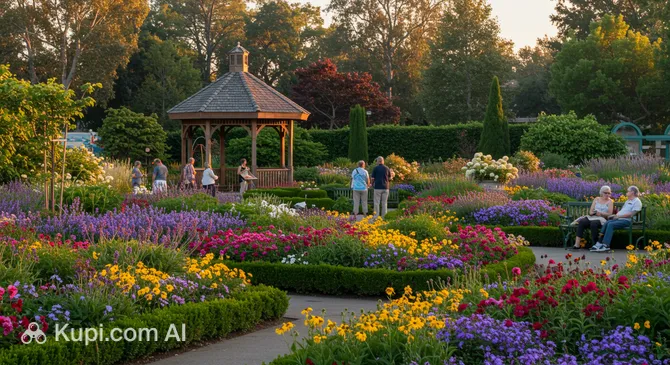
Gardens of the World. Illustration.
Source: Kupi.com AI

Traveler photos:

How to Get There

When planning a trip to Thousand Oaks, it is important to consider that the city is located in Southern California, a region with a developed road infrastructure but without its own major airport. Its proximity to large cities allows travelers to choose from several convenient arrival options. You can find out more about how to get to Thousand Oaks by reading the information below.

The main air gateway for visitors to the city is Los Angeles International Airport (IATA: LAX). There is no airport in Thousand Oaks itself, so most tourists fly into Los Angeles, which is located about 48 km from the city. This is one of the world's largest transport hubs, receiving flights from all continents. The trip by taxi or rental car to Thousand Oaks will take about 1 hour and 35 minutes, though the time can vary significantly depending on Los Angeles' famous traffic jams.

A convenient alternative for domestic flights is Hollywood Burbank Airport (IATA: BUR). It is located in the city of Burbank, about 45 km from Thousand Oaks. This airport is less crowded than LAX, allowing for faster passport control and baggage claim. The car trip from here also takes about 1 hour and 30 minutes. Due to its location, it is often more convenient for those who want to avoid the hustle and bustle of the main international hub.

For convenience, here is a summary of the region's main airports:

AirportPassenger trafficDistance
Hollywood Burbank Airport6.6 mln45 km
Los Angeles International Airport75.1 mln48 km
Hawthorne50 00055 km
Long Beach Airport4.1 mln76 km
Santa Barbara Municipal Airport1.4 mln95 km

Since Thousand Oaks does not have its own major train station, the primary ground method to reach the city remains the car. The city is crossed by the major US-101 highway (Ventura Freeway), connecting it with Los Angeles to the east and Santa Barbara to the west. Intercity bus services are also available, linking the city with the transport centers of neighboring metropolises.

Main Attractions

Thousand Oaks offers travelers a harmonious blend of natural beauty, cultural sites, and recreational areas. The city is famous for its well-kept green zones and developed infrastructure, making it attractive for tourists seeking tranquility and new experiences in California.

One of the most famous and picturesque locations in the city is the Gardens of the World. This unique botanical complex treats landscape design as a form of art. Visitors can take a kind of "round-the-world trip" by walking through themed zones: from a refined Japanese garden to classic French and Italian styles. It is a perfect spot for leisurely walks and beautiful photography.

For family outings and outdoor picnics, Conejo Creek North Park is an excellent choice. This is one of the city's most popular recreational areas, spanning a vast territory. It offers everything for comfortable leisure: shady alleys, children's playgrounds, and a scenic creek. The park is also known for its "Healing Garden," which creates an atmosphere of peace and serenity.

Conejo Creek North Park. Illustration.
Source: Kupi.com AI

Traveler photos:

Those who enjoy an urban atmosphere and shopping should visit Westlake Plaza and Center. This is not just a shopping complex but a true hub of community life, featuring shops, boutiques, and cozy open-air cafes. Here, you can spend time pleasantly, enjoying the California sun and observing the local rhythm of life.

Among the gastronomic highlights, Brent's Delicatessen & Restaurant holds a special place. This establishment is considered legendary in the region and attracts guests with its famous sandwiches and traditional American cuisine. A visit to the restaurant is a great way to end a day of exploring the city's sights.

Local Cuisine

The culinary map of Thousand Oaks delights with its variety and quality. Thanks to its proximity to the ocean and California's fertile agricultural regions, local cuisine is built around the "farm-to-table" concept. Many menus are dominated by fresh seafood dishes and famous California salads rich in seasonal vegetables, avocado, and greens. It is easy to find both cozy family cafes and fine dining restaurants here.

Classic American delicacies hold a special place in the food culture. If you want to try gold-standard pastrami sandwiches or traditional soups, a visit to the legendary Brent's Delicatessen & Restaurant is a must. This is a great example of how the city honors gastronomic traditions by offering guests hearty and delicious dishes that have stood the test of time. Fans of international cuisine also have plenty to choose from: from Italian trattorias to authentic Asian spots like Namaste Spiceland, which serves spicy Indian dishes.

Brent's Delicatessen & Restaurant. Illustration.
Source: Kupi.com AI

Traveler photos:

On weekends, local farmers' markets become true centers of attraction. These are standalone gastronomic sights where you can sample craft cheeses and homemade pies and buy organic fruit. Locals often shop here for freshly baked bread and delicacies for a picnic in one of the city's many parks. The atmosphere at these markets is always festive and friendly.

The city regularly hosts food festivals, with street food events being particularly popular. Here, accompanied by live music, you can discover new flavors and chat with local chefs. Those with a sweet tooth and coffee lovers should visit local bakery-cafes offering signature desserts inspired by California fruits and nuts. As for drinks, it's worth paying attention to products from small local wineries and craft beer, which is highly respected in the region.

Travel Tips

Welcome to Thousand Oaks! To make your stay in this green and cozy corner of Southern California as comfortable as possible, we have prepared a list of useful recommendations. These practical tips will help you easily navigate local features and avoid common tourist mistakes.

  1. Clothing and Essentials: The climate in the city is mild and Mediterranean, but it has its own characteristics. Even if it's hot during the day, evenings can be cool, so layering is your best choice: be sure to bring a sweatshirt or a light jacket. Since Thousand Oaks is famous for its natural parks, you will definitely need comfortable closed-toe shoes for hiking. Don't forget sunglasses and a high-SPF sunscreen—the sun is active here all year round.
  2. Transport: While the city has a bus network, schedules can be infrequent and end early in the evening. The most convenient way to get around is renting a car, which gives you complete freedom. For one-off trips, Uber and Lyft apps work perfectly. If you decide to use public transport, download the VCbusPass app to pay for fares and track routes.
  3. Finances: The official currency is the US Dollar. Bank cards (Visa, Mastercard) are accepted everywhere, from large restaurants to small shops. A minimal amount of cash may be needed, for example, for tipping valets or for purchases at farmers' markets. In restaurants, it is customary to leave a tip of 15–20% of the bill, as service charges are rarely included automatically.
  4. Health and Safety: Thousand Oaks consistently ranks among the safest cities in the USA, so you can walk around safely even in the evening. However, do not let your guard down: always lock your rental car and do not leave valuables in plain sight. Major pharmacy chains like CVS or Walgreens are often open late or 24/7, where you can buy basic over-the-counter medications.
  5. Communication: The primary language is English, but due to the region's demographics, you will often hear Spanish. Free Wi-Fi is available in almost all cafes, hotels, and shopping centers. For stable connectivity and navigation, we recommend purchasing a local SIM card (T-Mobile, AT&T) or activating an e-SIM in advance—this will significantly simplify calling a taxi and finding attractions.
  6. Local Etiquette: Residents are friendly and open. It is customary to smile at strangers when making eye contact and greet them with "Hi, how are you?". Remember that this is more of a courtesy than a literal question, so respond briefly and positively. Also, personal space is highly valued in California: try not to stand too close to people in lines.
  7. What to Avoid: Strictly avoid any damage to oak trees—these trees are protected by law, and even a broken branch can lead to a serious fine. Additionally, never smoke in parks or on natural trails: due to the high risk of wildfires, there is zero tolerance for this violation.
  8. Extra Tip: If you plan to walk on natural trails (for example, to Paradise Falls), try not to stray from marked paths. In the undergrowth, you might encounter poison oak, which causes severe allergies, or disturb local wildlife. The best time for such walks is in the morning before it gets too hot.

By following these simple rules, you will be able to feel at home in Thousand Oaks. Enjoy the city's calm pace, its magnificent nature, and the hospitality of the locals—may your journey leave only the warmest memories!

Entertainment & Nightlife

Nightlife in Thousand Oaks differs from that of noisy metropolises: you won't find massive dance clubs operating until dawn here. Instead, the city offers a sophisticated atmosphere of cozy lounges, gastropubs, and wine bars. Most evening activity is concentrated along the city's main artery—Thousand Oaks Boulevard. It is the perfect place for those who appreciate quality drinks, live music, and the opportunity to chat quietly in pleasant company.

The style of local venues can be described as "relaxed chic." The crowd here is respectable, so the dress code usually implies smart casual. One popular spot for evening relaxation is the bar and restaurant Nonna. This establishment is famous for its cozy setting and excellent wine and cocktail list, making it a wonderful choice for a romantic date or a post-sunset meeting with friends.

Nonna. Illustration.
Source: Kupi.com AI

Traveler photos:

Many venues where evening life thrives are located in large shopping and entertainment centers. For example, the area around Oakbrook Plaza offers several options for a dinner that transitions into an evening hangout. Here, you can find restaurants with outdoor terraces where it's pleasant to spend a warm California evening. It is important to note that the city's nightlife winds down quite early: most bars close around midnight or 1:00 AM, and restaurant kitchens may stop serving as early as 9:00 PM – 10:00 PM.

In terms of safety, Thousand Oaks is one of the calmest cities in the region, and night walks here are not a cause for concern. Nevertheless, public transport is rare at night, so using taxis or ridesharing services (Uber, Lyft) is highly recommended for moving between venues or returning to your hotel. The average check in evening establishments is above average, reflecting the high standard of living in the area.

If you are looking for cultural entertainment during the day or early evening, the city also has much to offer. The Bank of America Performing Arts Center is a major hub where theatrical productions, concerts, and Broadway shows take place regularly. History and art enthusiasts can visit local museums and galleries, which often host evening exhibitions.

Parks & Museums

Thousand Oaks is renowned for its careful preservation of nature and rich cultural heritage, offering travelers a harmonious blend of well-kept urban oases and educational venues. You can spend the morning walking along picturesque trails among ancient oaks and dedicate the afternoon to studying the history of indigenous peoples or contemporary art.

Among the city's green zones, the Gardens of the World is a true gem. This botanical garden is more than just a place for a stroll; it is a cultural attraction showcasing the landscape traditions of different countries—from Japanese Zen to French symmetry. Tourists come here for tranquility and magnificent photos against the backdrop of authentic pagodas and fountains.

For more active outdoor recreation, Conejo Creek North Park is an excellent choice. This is one of the city's most popular recreational areas, featuring a library, sports fields, and a beautiful creek. Wildwood Regional Park also deserves special attention, attracting hikers with its scenic canyons and Paradise Falls—a rare sight in arid Southern California.

You can immerse yourself in the region's history at the Chumash Indian Museum. Located on the site of an ancient settlement, it tells the story of the life and culture of the indigenous people long before the arrival of Europeans. Visitors can see reconstructed dwellings, cave paintings, and ethnographic artifacts, making the visit particularly educational for families with children.

Another important historical site is the Stagecoach Inn Museum. The building, constructed in 1876, originally served as a hotel for travelers. Today, it is an open-air museum complex where the atmosphere of the Victorian era is recreated: here, you can see an old schoolhouse, a blacksmith shop, and a carriage house, as if stepping back into the days of the Wild West.

Art lovers should visit the California Museum of Art Thousand Oaks (CMATO). This is a dynamic space for contemporary art, regularly hosting exhibitions, lectures, and installations that bring together local and international artists. The museum strives to be a place for dialogue and inspiration, offering a fresh perspective on culture.

If you are looking for a non-touristy spot with the best view of the city, climb Tarantula Hill. This is the highest point within the city limits, offering a breathtaking panorama of the Conejo Valley, especially impressive at sunset.

Getting Around

The public transport system in Thousand Oaks is primarily geared towards local residents and is significantly different from that of large metropolises. The city is designed for motorists, so there are no subways, trams, or trolleys here. The main form of public transport is the bus, operated by the municipal service Thousand Oaks Transit (TOT). The route network covers key points in the city: shopping centers, the library, public parks, and medical facilities.

For trips outside the city, buses from the regional operator VCTC (Ventura County Transportation Commission) are used. They connect Thousand Oaks with neighboring communities such as Ventura, Oxnard, and Simi Valley. It is important to note that there is no train station in the city itself; the nearest Amtrak and Metrolink platforms are in the neighboring cities of Moorpark and Simi Valley, which can be reached by bus or taxi.

Paying for fares on local buses is made very simple. You can pay with cash when entering through the front door (drivers do not give change, so you must have the exact amount) or use modern technology. The most convenient way for tourists is to use a mobile app, such as VCbusPass, which allows you to buy electronic tickets and passes directly from your phone. Fares are very affordable, and discounts are often available for certain categories of passengers.

Travelers should keep a few important nuances in mind. Buses in Thousand Oaks run strictly according to schedule, but intervals can be long—from 45 minutes to an hour. Most routes stop running quite early, around 7:00 PM – 8:00 PM, and the number of trips is reduced on weekends. To plan your trip, it is highly recommended to use Google Maps or the official transport service app to track bus arrivals in real time.

Given the nature of California's layout and long distances, the most popular alternative to public transport is renting a car or using taxi and rideshare services (Uber, Lyft). This gives you freedom of movement and allows you to not depend on a schedule. The city also has a developed bicycle infrastructure: the presence of bike lanes makes bike rental a great option for short rides, although a bicycle may not always be convenient for traveling across the entire city due to the hilly terrain.

Accommodation

Thousand Oaks offers travelers a choice of accommodation that perfectly reflects the city's calm and respectable character. It is difficult to find noisy youth hostels or ultra-budget guest houses here. The hotel stock primarily consists of reliable middle- and high-class chain hotels, as well as extended-stay apart-hotels catering to long-term stays and business travelers. For those who prefer home comforts, private home and apartment rentals are available through popular online services.

Geographically, most hotels are conveniently located along the region's main transport artery—the US-101 highway (Ventura Freeway). This is a strategically advantageous choice for tourists: from here, it is easy to reach both the beaches of Malibu and the attractions of Los Angeles. Areas adjacent to major shopping and community centers are particularly popular. For example, staying near Westlake Plaza and Center will put you within walking distance of restaurants, boutiques, and walking areas, which is especially convenient for travelers without a car.

The price range for accommodation in Thousand Oaks varies from mid-range to high, which is typical for prosperous Southern California suburbs. Room rates can increase significantly during the summer season, as well as during major local events or weddings, as the city's scenic surroundings are a popular venue for celebrations.

Booking Tip: It is recommended to book your accommodation in advance, at least 3–4 weeks before your trip, especially if you plan to visit in summer or early autumn. Using major international booking aggregators will allow you to compare prices and find special offers, though contacting the hotel directly can sometimes provide access to better cancellation terms.

Nearby Cities

For those looking to explore the surrounding area, Thousand Oaks serves as an excellent starting point for day trips to several interesting nearby locations:

Just 12 km from the city is Simi Valley. This place is particularly attractive to history buffs, as it is home to the Ronald Reagan Presidential Library. Visitors can tour the actual Air Force One aircraft and learn much about US political history while enjoying panoramic views of the valley.

Ocean breeze lovers should head to the city of Ventura. This coastal city is famous for its relaxed atmosphere, historic pier, and the beautifully preserved Mission San Buenaventura. Here, you can stroll through the cozy downtown with its antique shops or try your hand at surfing on the local beaches.

For those seeking a more vibrant resort atmosphere, Santa Monica is an ideal choice. The famous pier with its amusement park, wide sandy beaches, and the popular pedestrian zone on Third Street Promenade with street performers and shops make this city a classic destination for a California vacation.

CityPopulationDistance
Agoura Hills20 3628 km
Simi Valley127 15812 km
Moorpark36 20113 km
Camarillo77 79518 km
Calabasas23 41019 km

These nearby destinations offer a glimpse into the region's diverse culture and landscapes.

Shopping & Souvenirs

General Overview: Shopping in Thousand Oaks differs from the bustle of large metropolises with its relaxed and comfortable atmosphere. The city is famous for its open-air shopping centers, where you can combine shopping with a stroll among well-kept flower beds and fountains. A wide range of stores is represented here: from well-known global brands and luxury department stores to cozy private boutiques offering unique home goods and designer clothing.

Main Shopping Areas: The city's primary shopping artery is Thousand Oaks Boulevard. Numerous commercial zones, restaurants, and specialty shops are concentrated along this long street. A walk or drive along the boulevard will allow you to find everything you need—from sports equipment to exquisite interior items.

Shopping Centers: There are several notable shopping complexes in the city. One of the most popular places for shopping and leisure is Westlake Plaza and Center. This picturesque open-air space brings together high-end shops, grocery markets, and cafes, creating ideal conditions for a leisurely time. It is also worth visiting Oakbrook Plaza—a convenient shopping complex where you can find various daily goods and services.

Markets: An important part of the local culture is the Farmers Markets. The most famous one usually takes place on Thursdays at The Oaks mall. Tourists come here to sample and buy fresh California fruits, vegetables, local honey, nuts, as well as products from local artisans and flowers.

Souvenirs: From Thousand Oaks, it's worth bringing back products from local wineries located in the Conejo Valley and the Santa Monica Mountains. Items for an active lifestyle reflecting the California style are also popular: quality clothing for yoga, surfing, or hiking. Organic cosmetics or locally produced craft chocolate also make good gifts.

Opening Hours and Payment: Major shopping centers and stores are usually open from 10:00 AM to 9:00 PM Monday through Saturday, with reduced hours on Sundays (often until 6:00 PM or 7:00 PM). Bank cards (Visa, Mastercard, American Express) and contactless payments via smartphones are widely accepted. Cash might only be needed for small purchases at markets.

Taxes: Tourists should remember that in the USA, sales tax is not included in the price shown on the tag. In California, it is around 7.25% or higher depending on the specific area. This amount is added to the bill at the checkout. Tax Free systems for foreign tourists in the USA are generally not available.

Reached the end of the page?

That means the route is fully explored