Support

Sonoma

About

Sonoma is a charming town nestled in the heart of the famous Sonoma Valley in Northern California, USA. It is located about an hour's drive from San Francisco, surrounded by sunny hills and endless vineyards. This place seems designed for leisurely walks and enjoying life: quiet streets, historic buildings, and well-maintained parks await you here.
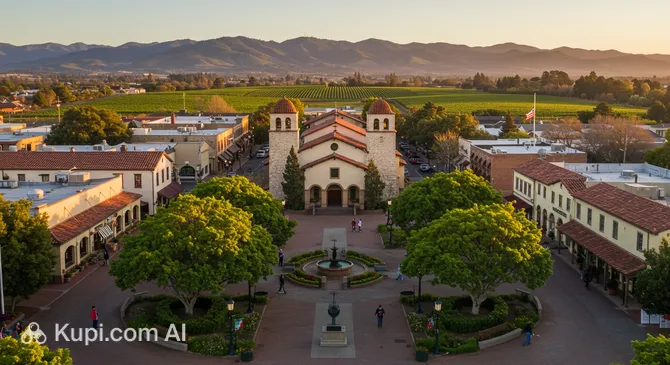
Sonoma. Illustration.
Source: Kupi.com AI

Despite being the administrative center of the county of the same name, by California standards, it is a very small town – home to about 10,800 people. Thanks to its size, Sonoma has preserved an atmosphere of intimacy and coziness that is rare for America. The center of city life and attraction is the famous historic plaza, around which life revolves.

People come here to experience the authentic atmosphere of old California, enjoy the leisurely pace of life, and, of course, taste the magnificent local wines. The town and its surroundings are famous for numerous wineries offering tastings and tours. Sonoma attracts with a unique combination of history and modern comfort, offering guests not only gastronomic delights but also opportunities for outdoor activities and boutique shopping.

Sonoma is famous for its hospitality and special charm. The town seems to invite you to slow down, breathe in the aromas of vineyards and olive groves, taste local delicacies, and simply enjoy life in one of the most beautiful corners of California. It is an ideal place for a romantic weekend, a family vacation, or an exciting gastronomic journey.

You can find more interesting facts on the Sonoma city history page.
Weather Overview

In Sonoma, you can expect a climate with characteristically warm, almost dry summers and mild, wetter winters. Summer months such as July and August delight with average temperatures around 22.7-22.8°C, while the thermometer often rises to 30°C and above during the day, and rain is extremely rare during this period, with precipitation levels tending toward zero. In winter, for example in January or December, the average temperature stays around 10°C, with possible precipitation up to 4 mm and about 10-11 rainy days per month. Spring and autumn offer pleasant transitional weather with gradual changes in temperature and precipitation. To find out more, visit the Sonoma weather page.

Average monthly temperature

Average monthly precipitation

Interesting Facts

Beyond its picturesque vineyards and historic buildings, Sonoma holds many amazing stories and facts that make this town truly unique. Ready to learn some of them?

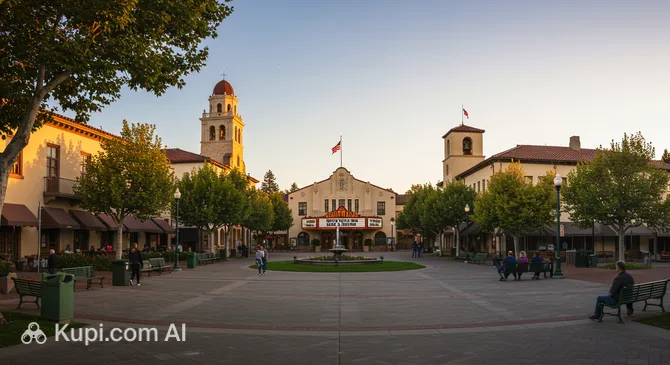
Sonoma Plaza. Illustration.
Source: Kupi.com AI

Traveler photos:

  • Sonoma is considered the cradle of California winemaking. It was here in the 19th century that the first commercial vineyards were planted and wineries such as the historic Buena Vista Winery were established, marking the beginning of the region's fame as one of the world's best wine producers.

  • The surroundings of Sonoma are unexpectedly connected to Russian culture. Events unfolding nearby, in the area of the Russian fortress Fort Ross, inspired the creators of the famous rock opera "Juno and Avos." The memory of the Russian presence is still preserved in some of the region's toponyms, such as the name of the Russian River.

  • The center of the town is Sonoma Plaza, one of the largest historic plazas in all of California. It covers about eight acres and is surrounded by historic buildings, including the last Spanish mission founded. Today, it is a popular venue for city festivals, farmers' markets, and wine tastings.

  • The legendary landscape with a bright green hill and blue sky, known worldwide as the default Windows XP wallpaper named "Bliss," was photographed right in the Sonoma Valley. Photographer Charles O'Rear took this shot in 1996 while driving through the region.

How to Get There

When planning a trip to the wine valley, it is important to think through your route in advance. The town of Sonoma does not have its own airport, but it is conveniently located relative to several major California transport hubs. You can find out more details on how to get to Sonoma on our dedicated page, and here we will cover the main arrival methods.

The closest to the city is Charles M. Schulz–Sonoma County Airport (STS). It is located not in Sonoma itself, but in the neighboring city of Santa Rosa, about 39 km from your destination. It is a small regional airport that mainly handles domestic flights. The journey from here by taxi or rental car takes about 1 hour and 20 minutes.

For international travelers, the most popular option remains San Francisco International Airport (SFO). This major hub is located in the city of San Francisco, 75 km from Sonoma. The airport offers a huge selection of flights from all over the world. The journey to Sonoma by car from here takes approximately 2 hours and 15 minutes, which should be considered when planning your time.

An alternative option could be Oakland International Airport (OAK), located in the city of San Leandro, about 66 km from Sonoma. It is often less crowded than the San Francisco airport and offers convenient connections. Travel time by taxi or transfer is about 2 hours.

For clarity, here is a summary of the main airports:

AirportPassenger trafficDistance
Sonoma County Airport772 55839 km
Metropolitan Oakland International Airport10.8 mln66 km
San Francisco International Airport52.3 mln75 km
Sacramento International Airport13.6 mln88 km
Norman Y. Mineta San Jose International Airport11.8 mln113 km

Main Attractions

Sonoma, nestled in the heart of California's wine region, offers its guests not only magnificent wines but also a rich history reflected in its attractions. A walk through this charming town will provide plenty of impressions and introduce you to key moments in Californian history.

The center of the town's social and cultural life is undoubtedly Sonoma Plaza. It is the largest plaza in California, surrounded by historic buildings, cozy shops, restaurants, and, of course, wine cellars where you can sample local beverages. The plaza serves as a venue for various events and farmers' markets, being the true heart of Sonoma and a wonderful place to start your exploration of the town.

Sonoma Plaza. Illustration.
Source: Kupi.com AI

Traveler photos:

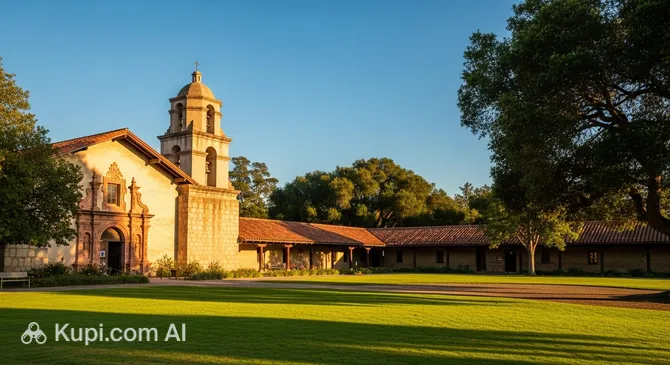
For those interested in history, the Sonoma State Historic Park is a must-visit. This park brings together several key historical sites, including the last and northernmost of the California missions – Mission San Francisco Solano, the Sonoma Barracks, which housed Mexican soldiers, and the home of General Mariano Vallejo. Visiting the park allows you to immerse yourself in the atmosphere of early California and learn about its transition from Mexican to American rule.

Sonoma State Historic Park. Illustration.
Source: Kupi.com AI

Traveler photos:

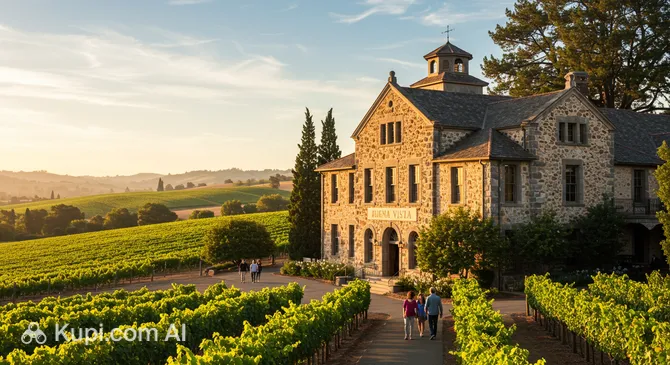
Wine and winemaking history enthusiasts should head to the Buena Vista Winery. Founded in 1857, it is considered one of the oldest commercial wineries in California. Here, you can not only enjoy a tasting of excellent wines but also walk through historic cellars and picturesque grounds, learning many interesting things about "Count" Agoston Haraszthy and his contribution to the development of Californian winemaking.

Buena Vista Winery. Illustration.
Source: Kupi.com AI

Traveler photos:

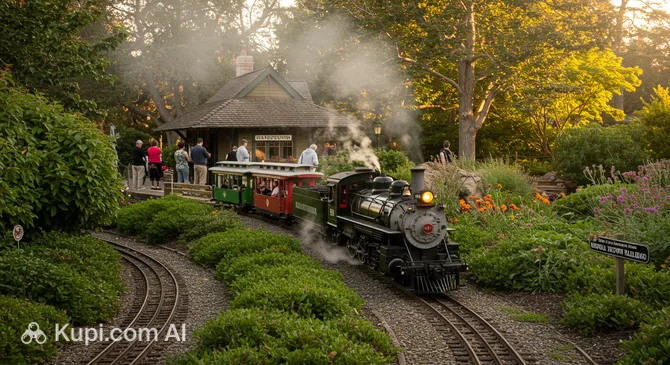
If you are traveling with children or simply love trains, Sonoma TrainTown Railroad is a great place to relax. This charming amusement park offers a ride on a miniature train through a scenic area with tunnels, bridges, and even a small petting zoo. Besides the train, there are other attractions that will delight both young and adult visitors.

Sonoma TrainTown Railroad. Illustration.
Source: Kupi.com AI

Traveler photos:

Local Cuisine

Sonoma is a true gastronomic paradise where everything is based on the "farm-to-table" philosophy. Local chefs and restaurateurs take pride in using the freshest seasonal products grown on the fertile lands of California. Vegetables, fruits, artisan cheeses, and high-quality meats arrive on your plate straight from nearby farms, ensuring unsurpassed taste and freshness.

Sonoma's cuisine is a vibrant mix of Californian traditions with noticeable Italian, French, and Mexican influences. Be sure to try pasta with ripe tomato sauces, aromatic risotto with wild mushrooms, or tender fish tacos. Don't miss the chance to enjoy famous California burgers, juicy roast beef sandwiches, or pies with fresh seasonal berries. It’s also worth noting local delicacies: cold-pressed olive oil, various artisan cheeses, and aromatic honey.

The main pride of Sonoma, of course, is its magnificent wines. The region is famous for its Chardonnay, Pinot Noir, and Cabernet Sauvignon. Tasting local wines at one of the many wineries is a mandatory part of the program for any gourmet. Besides wine, you can enjoy refreshing drinks made from local fruits, such as freshly squeezed juices or homemade lemonades, as well as aromatic coffee, which is often served in local establishments.

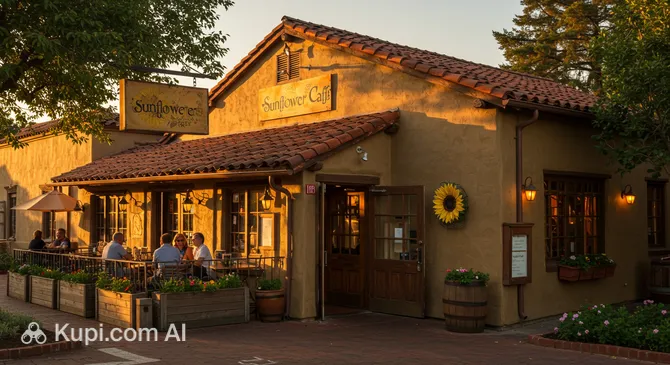
The food culture in Sonoma is diverse and focused on product freshness. Locals and tourists love to visit cozy restaurants that serve dishes made from local ingredients, such as Sunflower Caffe. Farmers' markets are another popular spot where you can not only buy fresh vegetables, fruits, cheeses, and pastries but also try street food, such as fresh salads or pies. In summer and fall, the town comes alive with numerous wine and food festivals, turning every meal into a true celebration.

Sunflower Caffé. Illustration.
Source: Kupi.com AI

Traveler photos:

Travel Tips

Planning a trip to the charming town of Sonoma, the jewel of California's wine region? These practical tips will help you better prepare for your journey and enjoy every minute spent in this sunny corner of the USA.

  1. Clothing and Essentials: The climate in Sonoma is Mediterranean, with warm, sunny days and cool evenings, especially in spring and autumn. We recommend dressing in layers. Light clothes will be useful during the day, and you should bring a sweater or jacket for the evening. Be sure to bring comfortable shoes for walking through the vineyards and the historic town center. Don't forget sunscreen, a hat, and sunglasses. For electrical appliances, you will need an adapter for American outlets (Type A and B).
  2. Transport: The historic center of Sonoma is quite compact and pleasant to explore on foot. However, to explore the numerous wineries scattered throughout the Sonoma Valley, it is highly recommended to rent a car. Public transport in the region is limited. Taxi services and ridesharing apps (like Uber or Lyft) are available, but wait times may be longer than in large cities.
  3. Finances: The official currency is the US Dollar (USD). Credit and debit cards (Visa, MasterCard, American Express) are accepted almost everywhere. ATMs are easy to find in the city center and at gas stations. Tipping culture is very common: it is customary to leave 15-20% of the bill in restaurants and bars if service is not included. A rough daily budget will depend on your plans, but factor in costs for wine tastings, meals, and potential tours.
  4. Health and Safety: Pharmacies are available in the city, but not all of them are open 24/7. In case of an emergency, call 911. Sonoma is considered a very safe city with a low crime rate. Nevertheless, always observe standard precautions: do not leave valuables unattended in your car and keep an eye on your personal belongings in crowded places.
  5. Communication: The primary language is English. Staff in the tourism sector generally speak it well. Free Wi-Fi is available in most hotels, cafes, and many wineries. For mobile communication, you can purchase a local SIM card upon arrival at the airport or at mobile phone stores, or use roaming (check rates with your provider in advance).
  6. Local Etiquette: Residents of California, and Sonoma in particular, are usually friendly, relaxed, and open to communication. Standard greetings are "Hello" or "Hi." Politeness and respect for others are valued in public places. When visiting wineries, don't hesitate to ask questions – the staff is usually happy to talk about their products.
  7. What to Avoid: Do not drive under any circumstances after wine tasting. Laws against drunk driving in California are very strict, and the consequences can be serious. Also, try not to visit popular wineries without a prior reservation, especially on weekends or during peak tourist season, to avoid disappointment and queues.
  8. Wine Adventures and More: Sonoma is the heart of one of the world's best wine regions. Research wineries in advance and book tours or tastings that interest you. Many offer unique experiences. Besides wine, be sure to walk through the historic Sonoma Plaza – the largest in California – and visit Mission San Francisco Solano and the Sonoma Barracks.

We hope these tips make your stay in Sonoma as comfortable and full of pleasant impressions as possible. Enjoy the magnificent wines, picturesque landscapes, and hospitality of this amazing California town!

Entertainment & Nightlife

Sonoma, the heart of California's famous wine region, offers its guests a cozy and sophisticated atmosphere for evening relaxation. The nightlife here is not like that of bustling metropolises; it is more conducive to leisurely conversations over a glass of excellent local wine or a signature cocktail. The main center of attraction in the evening is the charming Sonoma Plaza and its adjacent streets, where the best bars, restaurants, and tasting rooms are concentrated.

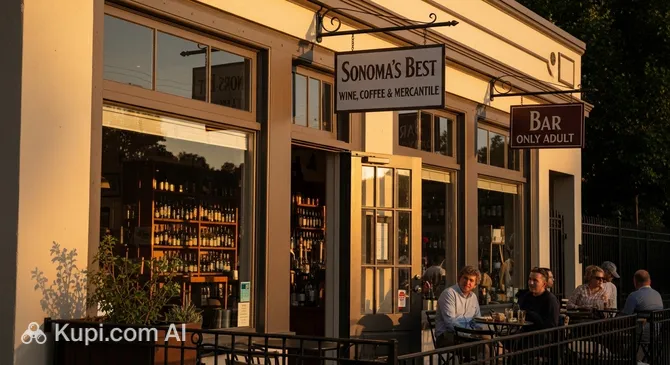
In the evening, the town comes alive with a special energy. Instead of loud nightclubs, Sonoma offers stylish wine bars, gastropubs with craft beer, and restaurants that transform into pleasant social spots after sunset. For example, stop by Sonoma’s Best Wine, Coffee & Mercantile to enjoy a wide selection of local wines in a casual setting, or visit B&V Whiskey Bar & Grille, known for its whiskey collection and lively atmosphere. Many establishments offer live music on weekends, adding a special charm to the evening.

Sonoma’s Best Wine, Coffee & Mercantile. Illustration.
Source: Kupi.com AI

Traveler photos:

The atmosphere in evening Sonoma is predominantly relaxed and friendly. The crowd here is a mix of locals and tourists who appreciate quality drinks, delicious food, and good company. Most establishments stay open until late evening, especially on Friday and Saturday, around 10:00 PM – 11:00 PM, though some bars may stay open later. There is usually no specific dress code; smart-casual is popular, but elegant attire will also be appropriate, especially in fine dining restaurants.

B&V Whiskey Bar & Grille. Illustration.
Source: Kupi.com AI

Traveler photos:

When planning your evening leisure, keep in mind that the best time to visit bars and restaurants is from Thursday evening through Saturday, when the town is most lively. Prices in Sonoma can be higher than average, which is typical for a popular tourist destination in a wine region. Walking around the town center near the plaza is convenient. For trips to more distant wineries or hotels, you can use taxi services or ridesharing apps available in the city. Sonoma is considered a safe city, especially its tourist areas, though standard precautions, as everywhere, are never out of place.

During the day, Sonoma also offers many interesting activities. You can explore Sonoma State Historic Park, visit famous wineries like Buena Vista Winery, or spend time with the family at Sonoma TrainTown Railroad. There aren't many classical museums or theaters here, as the main focus is on winemaking and gastronomy, but cultural events and festivals take place regularly, especially during the warmer months.

Parks & Museums

Sonoma is not only the heart of the wine region but also a city that carefully preserves its history and offers charming green corners for relaxation. Here you will find a unique combination of natural beauty and cultural heritage that makes it attractive to any traveler.

The center of social life and the green jewel of the city is Sonoma Plaza. This is the largest plaza in California, surrounded by historic buildings, shops, and restaurants. It is ideal for leisurely walks, picnics under centuries-old trees, or simply soaking up the city's atmosphere. Farmers' markets and festivals are often held here.

Sonoma Plaza. Illustration.
Source: Kupi.com AI

Traveler photos:

For a deeper dive into history and nature, head to Sonoma State Historic Park. This unique park brings together several key historical sites, including the last Spanish mission in California – Mission San Francisco Solano, the Sonoma Barracks, and General Vallejo's home. A walk through the park is a journey back in time, revealing the multifaceted history of the region.

Sonoma State Historic Park. Illustration.
Source: Kupi.com AI

Traveler photos:

If you are traveling with children, Sonoma TrainTown Railroad will be a real discovery. This charming amusement park offers a ride on a miniature train through scenic grounds, a visit to a small petting zoo, and classic attractions. It is a place where fun meets outdoor relaxation.

Sonoma TrainTown Railroad. Illustration.
Source: Kupi.com AI

Traveler photos:

Many of Sonoma's key "museum" exhibits are concentrated within the Sonoma State Historic Park. A visit to Mission San Francisco Solano will introduce you to the era of Spanish colonization, the Sonoma Barracks will tell you about the Mexican and early American periods, and Lachryma Montis (General Vallejo's Home) will offer a look into the life of one of the most influential figures in California's history. Each of these sites offers a unique perspective on the city's past.

Another iconic site combining culture and winemaking history is the Buena Vista Winery. Founded in 1857, it is considered the oldest commercial winery in California and is a historic monument. Tours of the winery not only introduce you to the winemaking process but also tell the fascinating story of its founder and the development of winemaking in the region. It is a wonderful opportunity to combine wine tasting with an immersion in history.

Buena Vista Winery. Illustration.
Source: Kupi.com AI

Traveler photos:

In addition to the already mentioned sites of the Historic Park, Sonoma Plaza itself is surrounded by buildings, many of which have historical and architectural value, reflecting different periods of the city's development. A walk around the plaza allows you to appreciate this heritage.

For an authentic experience, check out the lesser-known corners of Sonoma Plaza early in the morning when the city is just waking up – it’s the perfect time for quiet contemplation. And when exploring Sonoma State Historic Park, don't limit yourself to the main buildings; stroll through the surrounding grounds to better feel the atmosphere of the past.

Getting Around

When planning your travel around Sonoma, it's worth noting that the city offers several convenient options for tourists. The backbone of public transport here consists of bus routes that connect key points of the city and its surroundings. The main operator is likely Sonoma County Transit (SCT), which offers regular services. There may also be local shuttles focused on tourist zones or specific neighborhoods.

The fare payment system for buses in Sonoma is generally quite simple. You can usually pay the fare in cash directly to the driver upon boarding; it is recommended to have the exact amount, as change may not be given. Sometimes daily or multi-use passes are available for purchase, which can be advantageous for frequent trips. It is best to check information about fares and ticket types on the transport company's official website or at stops. In some regions of California, a unified transport card is used, but its applicability specifically in Sonoma should be verified in advance.

Tourists using buses in Sonoma are advised to check schedules in advance, as the frequency of trips can vary, especially in the evening and on weekends. Schedules are usually available online on the carriers' websites or through mobile apps. Stops are clearly marked but not always equipped with electronic displays. Ticket validation happens upon boarding if it's a single ticket bought from the driver, or by tapping a pass against a reading device, if available.

In addition to public transport, other modes of travel are available in Sonoma. Taxis can be ordered by phone or found at designated stands. Ridesharing services such as Uber or Lyft are widespread and offer a convenient alternative to traditional taxis. Given the picturesque surroundings and pleasant climate, bicycle rental is also a popular option, especially for leisurely rides around town and nearby wineries. For short distances in the center of Sonoma, it is quite comfortable to get around on foot.

There are no unique historical forms of transport, such as cable cars or vintage trams, in Sonoma. The city's transport system is functional and focused on meeting the basic needs of residents and guests. For exploring the city itself and the immediate surroundings, buses and alternative modes of transport are sufficient; however, for a deeper exploration of the wine region, many tourists prefer to rent a car.

Accommodation

In Sonoma, a charming town in the heart of California’s wine region, travelers will find a variety of accommodation options for every taste and budget. The range of offerings includes cozy bed and breakfasts (B&Bs), stylish boutique hotels, comfortable mid-range hotels, and luxury resorts. For those who prefer more independence or plan a long stay, apartments and vacation homes are also available for rent.

A particularly popular area for tourists to stay is the city center, in the immediate vicinity of the historic Sonoma Plaza. Staying here provides easy access to the main attractions, numerous restaurants, wine bars, and shops. Options located a bit further out among the vineyards are also in demand, offering a more secluded and tranquil atmosphere.

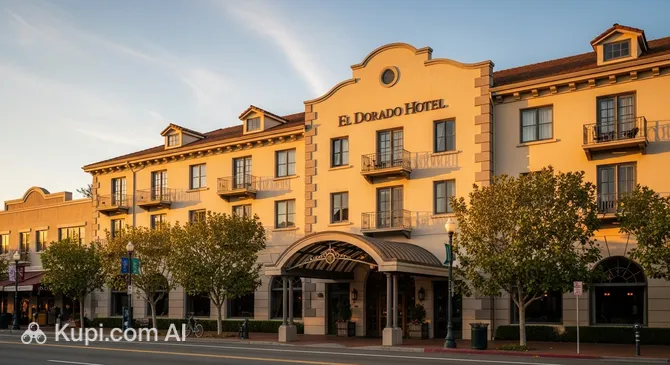
El Dorado Hotel. Illustration.
Source: Kupi.com AI

Traveler photos:

Among the notable hotels in Sonoma is, for example, the El Dorado Hotel, which offers guests exquisite rooms and a high level of service. In general, the price range for accommodation in Sonoma varies from moderate to high, corresponding to the quality of services provided and the location. You can book accommodation through popular international online platforms, directly on hotel websites, or via local agencies.

It is highly recommended to book accommodation in advance, especially if your trip coincides with the peak tourist season (usually the summer months and the grape harvest period in the fall), as well as holidays or weekends. Early booking will allow you to choose from more options and get better prices.

Nearby Cities

For those who want to explore the surrounding area, Sonoma serves as an excellent starting point for day trips to several interesting nearby places:

CityPopulationDistance
Napa86 13015 km
Petaluma66 60917 km
Rohnert Park44 42022 km
American Canyon21 73522 km
Novato53 21423 km

These nearby destinations provide a glimpse into the diverse culture and landscapes of the region. For example, a trip to Napa, located just 15 km away, will delight wine connoisseurs as it is the heart of the famous wine region. Meanwhile, Santa Rosa, situated 28 km away, is a larger city with various cultural sites, museums, and parks, offering more leisure and shopping options.

Shopping & Souvenirs

Shopping in Sonoma is a charming immersion into a world of local boutiques, art galleries, and shops offering unique products. The town is famous for its wines, artisan crafts, and locally produced goods, so you can find many interesting souvenirs and delicacies here. Instead of giant shopping malls, Sonoma offers a more intimate and personalized shopping experience.

The main center of attraction for shopping enthusiasts is the historic Sonoma Plaza. It is one of the largest plazas in California, surrounded by numerous shops, wine stores, clothing boutiques, art galleries, and antique stores. A walk around the perimeter of the plaza and adjacent streets will allow you to discover unique items, from handmade jewelry to exquisite cheeses and chocolates. You can also find shops offering home and garden goods in the California style.

Sonoma Plaza. Illustration.
Source: Kupi.com AI

Traveler photos:

In Sonoma, you won't find large shopping centers in the traditional sense. The city focuses on independent shops and boutiques that reflect its unique character and connection to the wine region. This allows shoppers to find exclusive items not found in chain stores.

While specialized large markets may not be permanent in the very center, it is worth paying attention to the seasonal farmers' markets often held in Sonoma and the surrounding area. Here you can buy fresh local produce, flowers, homemade pastries, and handmade crafts. This is an excellent opportunity to feel the local flavor and interact with the producers.

As souvenirs from Sonoma, local wine is, of course, a must-buy. Numerous wineries and specialty stores, such as Sonoma’s Best Wine, Coffee & Mercantile, offer a wide selection. Also popular are locally produced olive oil, artisan cheeses, jams, honey, and items from local artists and craftsmen – ceramics, textiles, paintings. At Sonoma’s Best Wine, Coffee & Mercantile, you can find not only wine and coffee but also various delicacies and souvenirs.

Sonoma’s Best Wine, Coffee & Mercantile. Illustration.
Source: Kupi.com AI

Traveler photos:

Most shops in Sonoma are usually open from 10:00–11:00 AM to 5:00–6:00 PM. Some boutiques and galleries may have shortened hours on Sunday or Monday. Restaurants and wine bars, naturally, work longer. Credit and debit cards are widely accepted. Cash may be useful at farmers' markets or for small purchases.

The Tax-Free refund system familiar to tourists in Europe is not applied to sales tax at the federal level in the USA and, accordingly, in Sonoma for foreign tourists. Sales tax is added to the price of the item at the register, and its amount varies by state and sometimes by city. The possibility of a refund for this tax for tourists is usually absent, with the exception of some specific cases or programs in individual states, but California generally does not belong to them.

Reached the end of the page?

That means the route is fully explored