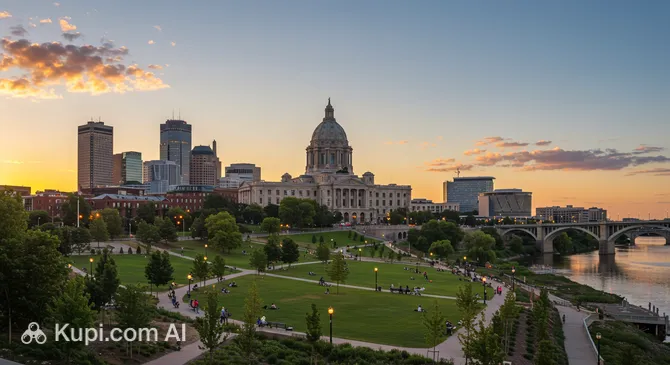
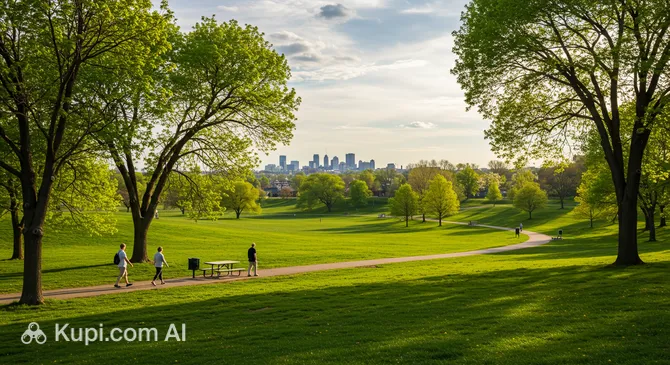
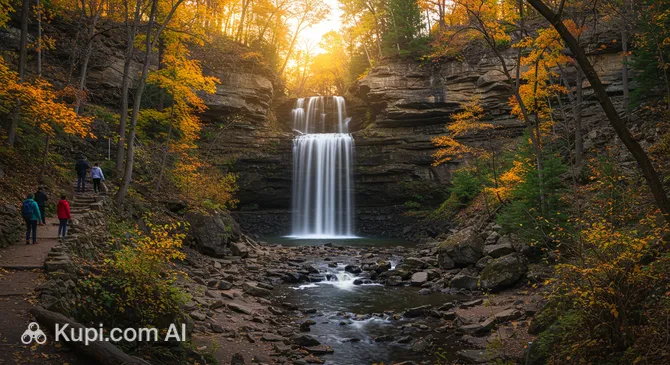
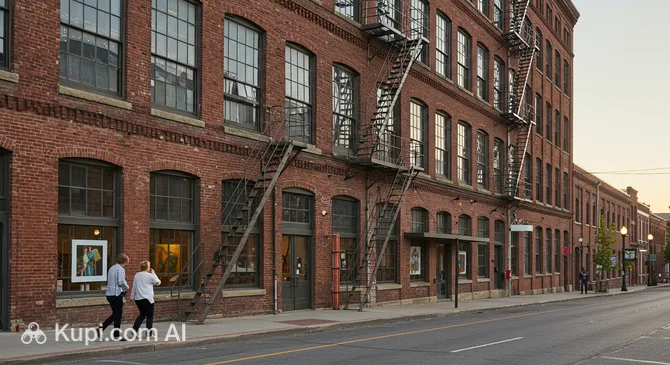
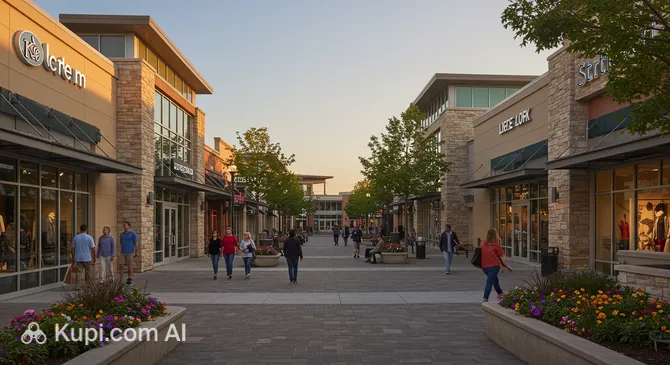
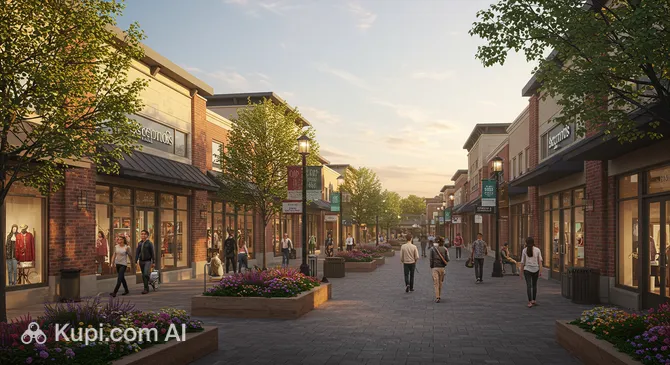
Saint Paul, the charming capital of Minnesota, welcomes travelers with its unique atmosphere where history harmoniously blends with modernity. Located on the east bank of the mighty Mississippi River, this city, along with its "twin," Minneapolis, forms a vibrant metropolitan area known as the "Twin Cities." Saint Paul is located in the USA and serves as an important cultural and economic hub for the region.
St. Paul. Illustration.
Source: Kupi.com AI
The climate in Saint Paul is continental, with warm, humid summers and cold, snowy winters, offering diverse experiences depending on the season of your visit. The city's population is about 310,000, creating the feeling of both a major metropolis and a cozy community. The city is famous for its well-preserved Victorian architecture, especially along the famous Summit Avenue.
Among the key attractions that are a must-visit, the majestic Cathedral of Saint Paul stands out, with its domes dominating the skyline, alongside the impressive Minnesota State Capitol building, designed by the renowned architect Cass Gilbert. For nature lovers and families, Como Park and Conservatory is an excellent choice, offering a zoo, gardens, and recreational areas.
Saint Paul is a city that surprises with its diversity: from quiet historic neighborhoods to lively cultural venues and picturesque waterfronts. Discover its hospitality and unique character, and your trip is sure to leave you with vivid memories.
The climate in Saint Paul is characterized by distinct seasonal changes, which is important to consider when planning your trip. Prepare for warm summers with occasional rain and cold, snowy winters. The spring and autumn months offer more moderate but often changeable weather.
The summer months, especially July, are the warmest: the average temperature is about 23.6°C, and daytime highs can reach 28.4°C. June and August also offer warmth, with average temperatures of 22.0°C and 22.1°C respectively. In summer, precipitation falls on average 11-13 days per month, bringing refreshment.
Winter in Saint Paul is cold and snowy. January is the coldest month, with an average temperature of -7.9°C; minimum temperatures can drop to -11.7°C, and maximums rarely rise above -4.0°C. December and February are also characterized by negative average temperatures (-4.3°C and -7.5°C respectively). Winter precipitation is usually low (1-2 mm per month) and falls mainly as snow, with about 6-7 days of precipitation per month.
For a more detailed look at weather conditions and to plan your trip according to the season, you can find detailed information on the Saint Paul climate page.
Average monthly temperature
Average monthly precipitation
Interesting Facts
In addition to its famous landmarks and rich history, Saint Paul holds many surprising and sometimes unexpected facts that make it an even more intriguing place to explore. Here are just a few that might surprise even an experienced traveler:
Wabasha Street Caves. Illustration.
Source: Kupi.com AI
Traveler photos:
Saint Paul didn't always have its current pleasant name. Originally, the settlement was known as "Pig's Eye" in honor of Pierre "Pig's Eye" Parrant, a colorful whiskey trader and tavern owner who was one of the first European settlers in the area in 1838. The name was changed to Saint Paul in honor of the Chapel of Saint Paul, built in 1841.
During the Prohibition era of the 1920s and 1930s, Saint Paul had a reputation as a "safe haven" for gangsters. Thanks to an unofficial agreement known as the "O'Connor System" (named after then-police chief John O'Connor), notorious criminals like John Dillinger, Alvin "Creepy" Karpis, and members of the Barker gang could live relatively peacefully in the city, provided they committed no crimes within its limits. Some legends associate this era with the Wabasha Street Caves, which are said to have served as both a gambling den and a secret meeting place.
Famous American author F. Scott Fitzgerald, the author of the iconic novel "The Great Gatsby," was born in Saint Paul on September 24, 1896. Although he traveled extensively and lived in various places, including New York and Europe, the city of his childhood left a noticeable mark on his life and work. Several buildings associated with his family and early years are still preserved in the city and attract fans of his talent.
The creator of the world-famous "Peanuts" comic strip, featuring the adventures of Charlie Brown, his dog Snoopy, and their friends, Charles M. Schulz, grew up in Saint Paul. Although he was born in Minneapolis, his childhood and youth were spent in Saint Paul. In tribute to his legacy, several charming bronze statues of "Peanuts" characters can be found throughout the city and its surroundings as part of the "Peanuts on Parade" project.
How to Get There
When planning a trip to the Twin Cities, it's important to think about your route in advance. Saint Paul boasts excellent transport accessibility, and you can find more details on the dedicated how to get to Saint Paul page. The city is served by one of the best airports in the country and has direct rail connections.
The primary hub for most tourists is Minneapolis–Saint Paul International Airport (IATA: MSP). While technically listed in the city of Minneapolis, the airport is located just 12.3 km from downtown Saint Paul, making it incredibly convenient. It is a very large international hub with massive passenger traffic, receiving flights from all over the world. A taxi or rental car ride to the city center takes about 20 minutes, and convenient public transport (light rail) is also available.
If the main airport is congested or if you are traveling from other regions, you might consider Rochester International Airport (IATA: RST). It is located in Rochester, approximately 125 km from Saint Paul. This is a regional airport with lighter passenger traffic, so security checks may be faster, though the transfer to Saint Paul by car takes about 1.5–2 hours.
For clarity, here is a summary of the region's main airports:
In addition to air travel, Saint Paul is an important rail hub in the Midwest. In the heart of the city, in the Lowertown district, you'll find the historic and recently renovated Union Depot. The famous Amtrak Empire Builder train, which runs between Chicago and the Pacific Northwest (Seattle and Portland), arrives here daily. Traveling by train is a scenic and relaxing way to reach the city while enjoying views of the Mississippi River.
Saint Paul is also easily accessible by car or bus. Major interstates I-94 and I-35E pass through the city, connecting it to neighboring states. Intercity bus carriers, such as Greyhound and Jefferson Lines, also use Union Depot as their main terminal, providing convenient connections to city transport.
Main Attractions
Saint Paul offers its guests many interesting places to satisfy various tastes. From scenic parks to unique museums and historic locations, everyone will find something for themselves here. Here are just a few attractions to include in your itinerary:
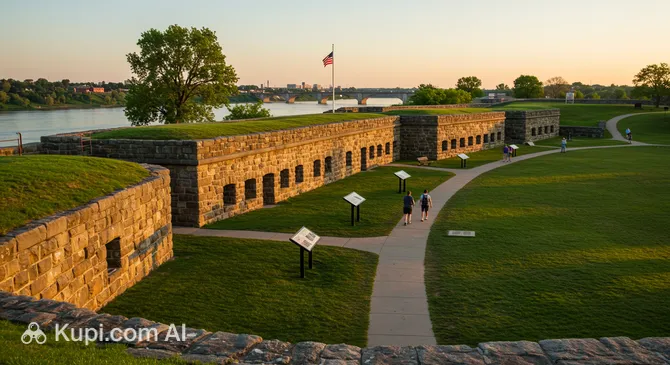
One of the iconic spots is Fort Snelling State Park. This expansive park, located at the confluence of the Mississippi and Minnesota Rivers, offers not only magnificent views and outdoor activities but also an immersion into history. It houses a historic fort that played a crucial role in the region's development. Visitors can explore restored buildings, learn about the lives of soldiers and early settlers, and enjoy hiking and biking along numerous trails.
Fort Snelling State Park. Illustration.
Source: Kupi.com AI
Traveler photos:
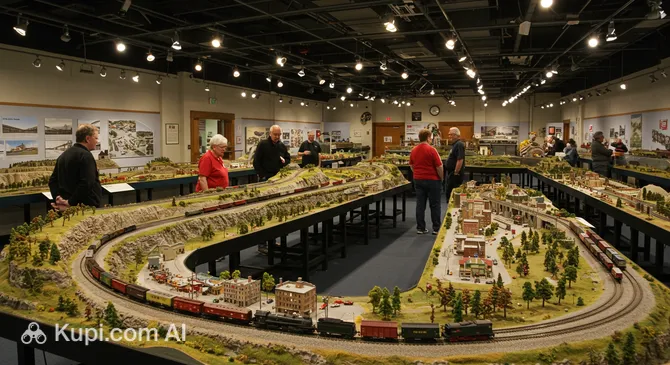
For fans of miniatures and railroad themes, the Twin City Model Railroad Museum is a must-see. This charming museum features impressive model railroads recreating different eras and landscapes. The level of detail is staggering, making it interesting for both children and adults fascinated by engineering and transportation history.
Twin City Model Railroad Museum. Illustration.
Source: Kupi.com AI
Traveler photos:
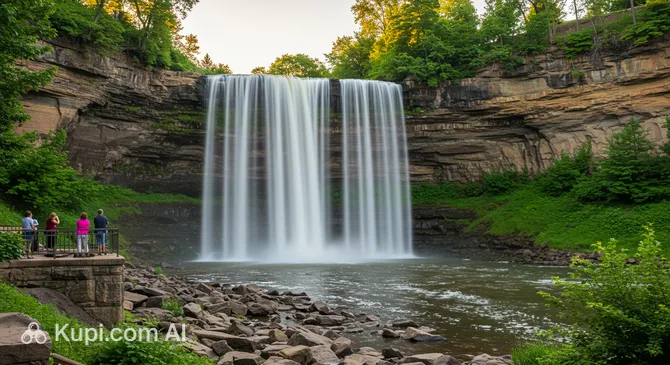
One cannot overlook a natural gem — Minnehaha Falls. This picturesque waterfall, immortalized by Henry Longfellow in "The Song of Hiawatha," is a popular recreation spot for locals and tourists alike. Surrounded by a beautiful park, it offers excellent opportunities for walking, picnicking, and photography, especially during the warmer months. In winter, the frozen waterfall is an equally impressive sight.
Minnehaha Falls. Illustration.
Source: Kupi.com AI
Traveler photos:
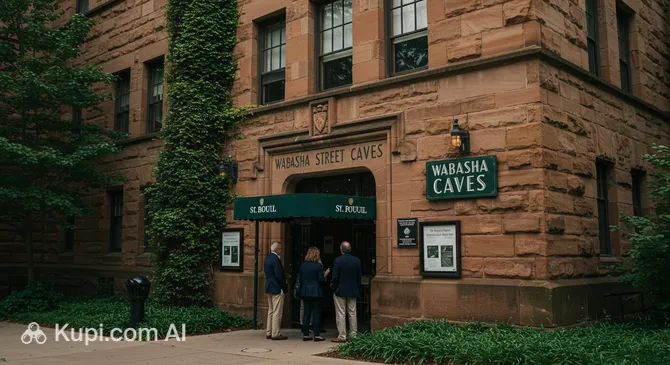
A mysterious and intriguing location is the Wabasha Street Caves. These man-made sandstone caves have a rich history: they were once used for growing mushrooms, later as a nightclub, and rumor has it, even as a gangster hideout during the Prohibition era. Today, tours are held here detailing the fascinating past of this underground world, along with various events.
Wabasha Street Caves. Illustration.
Source: Kupi.com AI
Traveler photos:
In addition to these sites, Saint Paul is rich in other parks, such as Hidden Falls Regional Park with its secluded waterfalls and trails, or Battle Creek Regional Park, offering a variety of outdoor activities. Each of these places is unique in its own way and deserves the attention of any traveler wishing to get to know the multifaceted Saint Paul.
Local Cuisine
The gastronomic scene in Saint Paul will delight fans of hearty and diverse food. The city's cuisine reflects its rich heritage, combining American Midwest traditions with influences from European immigrants, particularly from Germany and Scandinavia. Quality local products and substantial portions, perfect for satisfying hunger after a long day of exploring, are highly valued here.
Be sure to try the famous "Juicy Lucy" (or "Jucy Lucy") — a cheeseburger where the cheese is melted inside the meat patty rather than placed on top. This is a true Minnesota culinary invention, and several establishments in Saint Paul claim to create the best version. Another iconic dish is walleye, a local freshwater fish often served fried or baked. Don't miss the chance to try wild rice soup — creamy and aromatic, it is a hallmark of the region.
As for drinks, Saint Paul, like the entire Twin Cities region, boasts a thriving craft beer scene. Numerous local breweries offer a wide selection of styles for every taste. For those who prefer non-alcoholic options, there are always interesting local lemonades and ciders. Hot apple cider is popular during the colder months.
The Nook. Illustration.
Source: Kupi.com AI
Traveler photos:
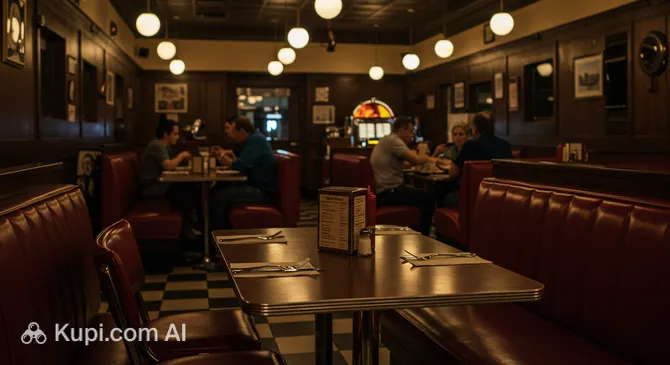
The food culture in Saint Paul is diverse. Locals and tourists can find establishments for every taste and budget: from cozy family cafes and traditional diners to fine dining restaurants. Farmers' markets are popular, where you can buy fresh local products. To experience the true spirit of the city, stop by one of the classic pubs or restaurants, such as The Nook, which is famous for its "Juicy Lucy." Food halls and restaurants offering international cuisine are also gaining popularity, reflecting Saint Paul's multicultural character.
Overall, culinary Saint Paul is a fascinating blend of traditional American dishes, regional specialties, and modern culinary trends. The welcoming atmosphere of local establishments and the emphasis on quality ingredients make exploring the city's cuisine a pleasant and memorable experience for any tourist.
Travel Tips
Planning a trip to Saint Paul? Great! To ensure your journey through Minnesota's capital goes smoothly and leaves only pleasant impressions, we've prepared some practical tips.
Clothing for the season and useful items: The climate in Saint Paul is continental. In summer (June-August), bring light, breathable clothing and a raincoat in case of precipitation. In winter (December-February), prepare for the cold: layered warm clothing, a hat, gloves, a scarf, and waterproof winter boots are necessary. In spring and autumn, the weather is changeable, so layering is your best friend. Comfortable walking shoes are a must at any time of year. Don't forget a universal power adapter (the USA uses Type A and B sockets). In summer, sunscreen and insect repellent will come in handy, especially if you plan to spend time in parks like Como Park. When visiting the Cathedral of Saint Paul or other religious sites, modest clothing is recommended, though there are usually no strict requirements.
Getting around the city: Saint Paul has a well-developed Metro Transit public transport system, including buses and the light rail (Green Line), which conveniently connects the city with Minneapolis and the Minneapolis–Saint Paul International Airport (MSP). Taxis and popular rideshare apps like Uber and Lyft are widely available. Renting a car can be convenient if you plan to travel outside the city, but keep in mind that parking in downtown Saint Paul can be paid and finding a spot can be difficult. Many central areas, including the historic center and the Mississippi waterfront, are pleasant to explore on foot.
Financial matters: The official currency is the US Dollar (USD, $). Credit and debit cards (Visa, MasterCard, American Express) are accepted almost everywhere. ATMs are easy to find throughout the city. It is recommended to notify your bank of your upcoming travel to avoid card blocks. In the US, it is customary to tip: in restaurants, 15-20% of the bill; taxi drivers, 10-15%; bartenders, $1-2 per drink; and hotel housekeeping, $2-5 per day. An approximate daily budget per person (excluding accommodation) can range from $70 to $150, depending on your dining and entertainment plans.
Health and safety: Pharmacies (e.g., CVS, Walgreens chains) are located throughout the city, some of which are open 24/7. Medical care for tourists in the US is paid and very expensive, so it is highly recommended to get comprehensive travel insurance before your trip. In emergencies, call 911. Saint Paul is generally considered a safe city, especially its tourist areas like downtown, the Capitol area, and popular parks. However, as in any major city, follow standard precautions: watch your belongings and avoid poorly lit and deserted places after dark.
Language and connectivity: The primary and official language is English. Virtually the entire population speaks English, so communication should not be a problem. Standard polite phrases like "Hello," "Thank you," and "Excuse me" are always appropriate. You can purchase a local SIM card for mobile service and internet at the airport, at mobile carrier stores (AT&T, T-Mobile, Verizon), or at large supermarkets. Free Wi-Fi is available in many hotels, cafes, restaurants, and public libraries. For navigation and info, apps like Google Maps, Yelp, and the Metro Transit app for planning routes will be useful.
Local customs and etiquette: Minnesotans, including those in Saint Paul, are known for their politeness and friendliness, which has even coined the term "Minnesota Nice." It is customary to greet clerks, waiters, and others you interact with. In public places, wait your turn in line and do not talk too loudly. Americans generally value personal space. If you need help, don't hesitate to politely ask locals — they will most likely try to help you.
What to avoid:Do not underestimate the severity of a Minnesota winter — if you're traveling during the cold season, be sure to dress very warmly to avoid hypothermia. It is also not recommended to leave valuables in plain sight in a parked car. While locals are friendly, avoid being overbearing in conversation or discussing controversial political topics with strangers.
Special tip for Saint Paul: Be sure to use the Skyway system in downtown Saint Paul. It is an extensive network of enclosed pedestrian bridges connecting buildings at the second-story level. The Skyway spans dozens of blocks and allows for comfortable movement between shops, restaurants, hotels, and office buildings, which is especially relevant during cold winter weather or hot summer days, protecting you from the elements.
We hope these tips help you better prepare for your trip and fully enjoy the hospitality and beauty of Saint Paul. We wish you an unforgettable journey through this charming city on the Mississippi!
Entertainment & Nightlife
When the sun sets over Saint Paul, the city transforms, offering a variety of options for evening and night-time leisure. While Saint Paul might seem quieter compared to its neighbor Minneapolis, it possesses its own unique and lively nightlife scene that caters to all tastes.
The primary nightlife hubs in Saint Paul are the Lowertown and West 7th Street districts. Lowertown, with its historic buildings and artistic vibe, offers many stylish bars, late-night restaurants, and cozy pubs. West 7th Street, especially during sporting events at the Xcel Energy Center, hums with energy, where you can find both traditional sports bars and more modern establishments. The atmosphere in Saint Paul venues ranges from relaxed and friendly to more lively and dance-oriented. The crowd is typically mixed — from locals to students and tourists. Most bars and clubs are open until 1 or 2 AM, especially on weekends. The dress code is usually casual, though you might want to dress up a bit for some of the trendier spots.
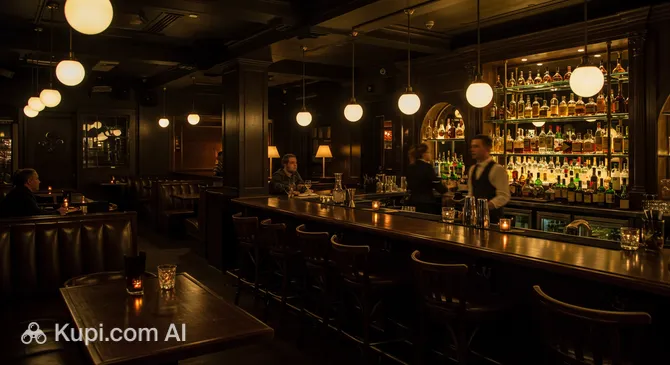
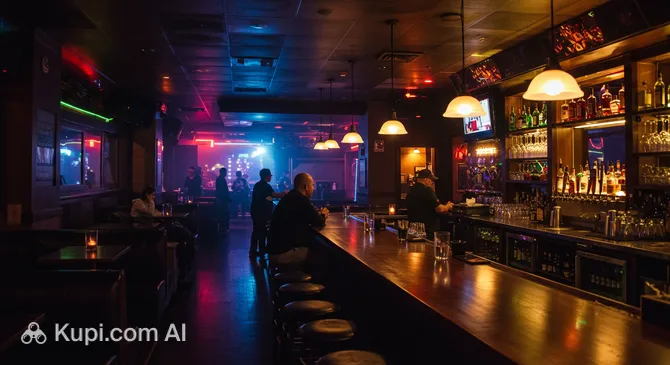
Notable places include, for example, the Baldamar bar, known for its atmosphere and selection of drinks. For those seeking a classic American experience, Mancini’s Char House might be a good fit, combining a restaurant and bar with live music. If you're looking for something more energetic, check out places like Wild Bill's Saloon, which offers dancing and themed parties.
Baldamar. Illustration.
Source: Kupi.com AI
Traveler photos:
Practical tips for night outings: The best time to visit most venues is after 9-10 PM, especially on Fridays and Saturdays. Average drink prices can vary but are generally comparable to other Midwestern cities. You can get around the city at night by taxi or using rideshare services (Uber, Lyft), which are widely available. Public transport operates, but its late-night schedule may be limited. Regarding safety, central districts where the nightlife is concentrated are generally well-lit and patrolled. Nevertheless, always take standard precautions: don't leave drinks unattended and travel in groups, especially late at night. You can call a taxi by phone or through an app.
Wild Bill's Sports Saloon. Illustration.
Source: Kupi.com AI
Traveler photos:
Beyond bars and clubs, evening Saint Paul offers other forms of entertainment. These include concerts at the Xcel Energy Center or the Palace Theatre, theatrical productions at the Ordway Center for the Performing Arts, or more intimate performances in local music clubs. Occasionally, the city hosts night markets or festivals, especially during the summer.
During the day, Saint Paul delights with other leisure opportunities. You can visit numerous museums, such as the Twin City Model Railroad Museum or the Science Museum of Minnesota. Walks through picturesque parks, like Hidden Falls Regional Park or along the Mississippi waterfront, are also great additions to your trip. For a family outing, Como Park with its zoo and conservatory is a perfect choice. Thus, Saint Paul offers a full entertainment program both day and night.
Parks & Museums
Saint Paul is not only an administrative center but also a city with a rich cultural life and many green oases inviting rest and discovery. Here, everyone will find something to do: from walking in picturesque parks to exploring fascinating museum exhibits and learning about historic heritage.
The city takes pride in its park areas, offering recreation for all tastes. One of the most beloved spots is Como Park and the Marjorie McNeely Conservatory. This extensive complex includes a zoo, a charming Japanese Garden, a glass conservatory with exotic plants, and even an amusement park — an ideal place for family recreation. For history and nature enthusiasts, Fort Snelling State Park, located at the confluence of the Mississippi and Minnesota Rivers, is an excellent choice, where you can explore the historic fort and enjoy walks. Also worth visiting is Battle Creek Regional Park, which offers scenic hiking and biking trails across various landscapes, and Hidden Falls Regional Park, known for its secluded trails and beautiful hidden waterfall.
Battle Creek Regional Park. Illustration.
Source: Kupi.com AI
Traveler photos:
Hidden Falls Regional Park. Illustration.
Source: Kupi.com AI
Traveler photos:
The cultural program in Saint Paul is equally rich and educational. Be sure to visit the Minnesota History Center — a modern interactive museum where the state's history comes alive through engaging exhibits interesting for both adults and children. Equally impressive is the Science Museum of Minnesota, located on the scenic banks of the Mississippi. Here, dinosaur skeletons, hands-on science exhibits, and an Omnitheater with a giant dome screen await you. And for fans of miniatures and railroad romance, the Twin City Model Railroad Museum, where entire worlds are lovingly recreated in miniature, will be a real discovery.
Saint Paul carefully preserves its architectural and historical heritage. The skyline is dominated by the majestic Cathedral of Saint Paul, one of the largest cathedrals in the USA, with its famous copper dome. Nearby stands the equally impressive Minnesota State Capitol, an architectural masterpiece open for public tours that allow you to appreciate its rich interior decoration. For those seeking something more mysterious, a visit to the Wabasha Street Caves, shrouded in legends of Prohibition and gangster meetings, will be an interesting experience. Also worth noting is the Northrup King Building — a former industrial complex that is now a major arts center, housing numerous artist studios, galleries, and creative spaces offering a glimpse into the city's modern cultural life.
Northrup King Building. Illustration.
Source: Kupi.com AI
Traveler photos:
For an authentic experience, take a stroll down Summit Avenue — the longest continuous street of Victorian mansions in the country, feeling the spirit of old Saint Paul. And if you're looking for something less known but charming, visit the Cathedral Hill neighborhood with its cozy cafes and independent bookstores, where you can escape the city bustle and enjoy the local atmosphere.
Getting Around
Getting around Saint Paul and its surroundings is quite convenient thanks to a well-developed public transport system managed by Metro Transit. It covers both Saint Paul and neighboring Minneapolis, forming a unified transport network for the Twin Cities. The main modes of transport available to tourists are light rail and buses.
The main light rail artery is the METRO Green Line, which connects downtown Saint Paul with downtown Minneapolis, passing through the University of Minnesota campus. This is a modern and comfortable way to travel between the two cities. To travel to Minneapolis–Saint Paul International Airport (MSP) or the Mall of America, you can transfer from the Green Line to the METRO Blue Line. Additionally, Saint Paul is served by an extensive network of bus routes from Metro Transit, covering most areas of the city and its suburbs. Both regular and express routes are available.
The fare system is quite flexible. The main method is the rechargeable Go-To Card, which offers a discount compared to paying with cash. You can also purchase tickets through the Metro Transit app, which is convenient for trip planning and buying electronic tickets. Single light rail tickets can be purchased at station kiosks (accepting cash and bank cards), while on buses, you can pay with cash (it's best to have the exact amount, as drivers do not provide change) or use a Go-To Card/mobile app. Various passes are available, such as an All-Day Pass or longer-term options. The cost of a standard bus or light rail trip is usually around $2.00-$2.50 during off-peak times and slightly higher during peak hours, with a day pass costing around $4-$5.
Practical tips for tourists: Light rail tickets must be purchased and validated (if using a paper ticket from a kiosk) before boarding the train — a "proof of payment" system is in place, and inspectors may conduct checks. When using a Go-To Card, you must tap it on the validator on the light rail platform or when entering a bus. Transport operating hours vary: light rail typically runs from early morning (about 4-5 AM) until late at night (about 1-2 AM), while buses depend on the specific route. It is always recommended to check the current schedule on the official Metro Transit website or in their app.
Beyond public transport, other modes of travel are available in Saint Paul. Taxis and rideshare companies like Uber and Lyft are widely used. For outdoor enthusiasts and short trips, the Nice Ride Minnesota bike-share system is an excellent option, especially during the warmer months, as the city has a developed network of bike lanes. Also worth mentioning is the famous Skyway system in downtown Saint Paul. While not public transport, the Skyway connects dozens of buildings at the second-story level, allowing for comfortable movement between shops, hotels, and offices, which is particularly valuable during the cold Minnesota winter or hot summer.
Accommodation
In Saint Paul, travelers will find a wide variety of accommodation options to suit different preferences and budgets. The city offers everything from affordable hostels and guesthouses for budget-conscious tourists to comfortable mid-range hotels and more luxurious options, as well as apartments and short-term rental homes that are great for families or large groups.
When choosing a place to stay, consider several key areas. Downtown Saint Paul is convenient for its proximity to many attractions, business centers, and the Skyway system. The Lowertown district, known for its artistic atmosphere and historic architecture, offers many stylish boutique hotels and apartments. Hotels along West 7th Street are also popular, especially for those planning to attend events at the Xcel Energy Center. Staying near Summit Avenue allows you to enjoy the charm of historic mansions and a peaceful atmosphere.
While specific hotels are not listed in the available data, Saint Paul features many well-known international hotel chains as well as unique local boutique hotels. The choice is truly vast, and everyone will be able to find an option to their liking. It is recommended to check reviews and hotel locations on online maps to find the most suitable option.
Regarding booking, as with many popular tourist destinations, it is recommended to book accommodation in advance, especially if your trip falls during peak season (summer months) or coincides with major city events like the Winter Carnival or sports championships. This will not only help guarantee availability but may also help you secure better prices.
The price range for accommodation in Saint Paul varies from budget options to luxury offerings. You can book accommodation through various methods: via popular online booking platforms, directly on hotel websites, or through travel agencies. Comparing prices on multiple resources often helps in finding the best deal.
Nearby Cities
For those looking to explore the surrounding area, Saint Paul serves as an excellent starting point for day trips to several interesting nearby locations:
City
Population
Distance
West St. Paul
20 476
4 km
Little Canada
10 704
8 km
Mendota Heights
11 681
9 km
South St. Paul
20 637
10 km
North St Paul
12 395
10 km
These nearby destinations offer a glimpse into the region's diverse culture and landscapes. Each of these short trips can offer something unique, whether it's exploring the vibrant urban life of Minneapolis, strolling through quieter suburbs, or discovering local nature.
Shopping & Souvenirs
Saint Paul offers a variety of shopping opportunities, from unique local boutiques to large shopping centers. The city isn't famous for one specific type of product, but you can find many interesting items here that reflect local character and Midwestern culture. Shopping in Saint Paul is a pleasant mix of strolling down charming streets and visiting modern shopping complexes.
One of the city's main shopping arteries is Grand Avenue. This scenic street, stretching for several miles, is known for its well-preserved Victorian buildings housing dozens of independent boutiques, antique shops, bookstores, cozy cafes, and restaurants. Here you can find unique clothing, jewelry, home goods, and much more. Another interesting shopping district is Lowertown, which attracts visitors with its creative vibe and the presence of galleries and local artisan shops, becoming especially lively during art fairs.
For those who prefer one-stop shopping, there are several large shopping centers in the Saint Paul area. For example, Woodbury Lakes is a popular open-air outlet center where you can find stores from well-known brands. Also noteworthy is Tamarack Village — another large shopping complex offering a wide range of stores and restaurants.
Woodbury Lakes. Illustration.
Source: Kupi.com AI
Traveler photos:
Fans of fresh produce and local delicacies should visit the St. Paul Farmers' Market. It is one of the oldest and largest farmers' markets in the region, operating in several locations, with the main market in the Lowertown district. Here you can buy fresh fruits and vegetables from local farmers, flowers, honey, maple syrup, pastries, cheeses, and other handcrafted goods. The market is usually open from spring through fall, and is particularly busy on weekends.
Tamarack Village. Illustration.
Source: Kupi.com AI
Traveler photos:
As souvenirs from Saint Paul and Minnesota, you can bring back local artisan crafts, items with state symbols (like the loon — Minnesota's state bird, or a moose), and products featuring "Peanuts" comic characters (their creator Charles Schulz grew up in Saint Paul). Local food specialties such as wild rice, maple syrup, and craft beer are also popular. Don't forget to check out museum gift shops or sports merchandise stores if you're a fan of local teams.
Most shops and shopping centers in Saint Paul are usually open from 10:00 AM to 9:00 PM Monday through Saturday, and from 11:00 AM/12:00 PM to 6:00 PM/7:00 PM on Sundays. Small boutiques may have their own schedules. Credit and debit cards (Visa, MasterCard, American Express) are widely accepted, as are US dollars. ATMs are easy to find throughout the city.
An important feature of shopping in Minnesota, including Saint Paul, is the absence of sales tax on clothing and footwear. This makes purchasing these items especially advantageous. Most other goods are subject to state and local sales tax, which is added to the price at the checkout. In the USA, there is generally no Tax-Free shopping system for tourists similar to the European VAT refund system.