Support

Chahinkapa Zoo

About

Do you know where the very first state zoo in North Dakota appeared in the USA? It is Chahinkapa Zoo, founded in 1933, that holds this honorary title. Spanning a picturesque area of about 12 hectares in the city of Wahpeton, this zoological park has become home to an amazing variety of creatures from all over the world.
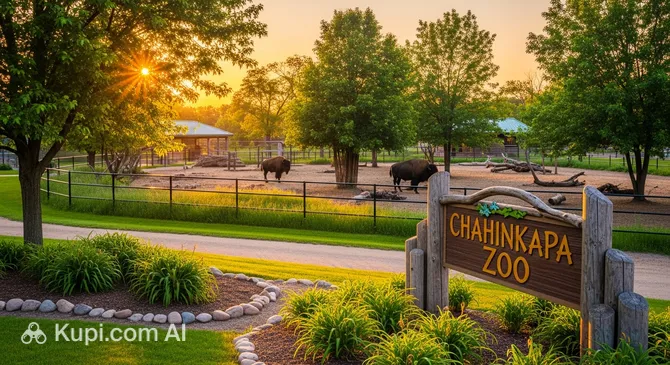
Chahinkapa Zoo. Source: Kupi.com AI

Today, it is home to more than 200 animals, representing nearly 100 different species from six of the world's continents. It is not just a place for a stroll, but a true nature conservation center, where majestic predators and rare primates live in carefully recreated environments. The zoo occupies the northern part of the park of the same name and is a major point of pride for local residents.

Visitors are drawn by the wonderful diversity of fauna: from exotic reptiles to large mammals. Thanks to its rich history and commitment to development, the park has grown from a small enclosure into a modern complex that welcomes thousands of tourists every year who wish to experience the world of wildlife in the heart of America.

Contacts

To find out current information about events or to book special tours, you can use the zoo's official contact details.

Address 1004 Rj Hughes Dr, Wahpeton, ND 58075, USA
Phone +1 701-642-8709
Website https://www.chahinkapazoo.org/

What to Do

The main reason to come to this park is to meet its amazing inhabitants. In the primate section, you can observe graceful orangutans, white-handed gibbons, and playful ring-tailed lemurs. Lovers of large animals can look forward to meeting southern white rhinoceroses, American bison, and majestic elk, while in the predator zone, you can see elusive snow leopards, Bengal tigers, and swift cheetahs.

In addition to observing the enclosures, be sure to stop by the Roger Enstrom Nature Center, which hosts fascinating educational programs. For the youngest guests, there is a petting zoo where you can get up close with domestic animals, alpacas, and llamas. Bird lovers will appreciate the collection, which includes bald eagles and vibrant Indian peacocks.

If you are looking for a truly unique experience, consider the "behind-the-scenes" tours. They offer a glimpse into the inner life of the zoo, allowing you to learn more about species conservation programs and see the animal care process through the eyes of the staff. Also, don't forget to visit the new, modern enclosures for otters and bobcats, which were designed according to the latest animal welfare standards.

Getting There

This cozy zoological park is located at 1004 Rj Hughes Dr, in the northern part of Chahinkapa Park. Its location is unique: the zoo sits right on the border between the dense forests of Minnesota and the endless prairies of North Dakota. If you are traveling by car, it is most convenient to take highways I-29 or ND-13 to the city, and then follow ND-27 heading north.

For those arriving from further away, the nearest major transport hub is Fargo Hector International Airport, located about 50 kilometers (30 miles) to the north. The drive from the airport via I-29 South takes approximately 45 minutes. Free parking is provided for visitors on the park grounds.

Since Wahpeton is a small city, public transport is limited, making a taxi or rental car the most comfortable way to get around. It takes just a few minutes to drive from the city center to the zoo entrance.

History & Facts

The history of this place began back in 1903 when city authorities purchased the land from the federal government. The name of the park itself—"Chahinkapa"—is borrowed from the Lakota language and translates beautifully as "end of the woods." The official opening of the zoo took place in 1933, thanks to the efforts of R.J. Hughes, whose name is now carried by the road leading to the animal enclosures.

Over the decades of its existence, the park has undergone many transformations. In 1995, it received prestigious AZA accreditation, confirming a high level of animal care. A serious challenge was the flood of 1997, when all inhabitants had to be evacuated urgently. However, the zoo not only recovered quickly but also became even better, gaining a protective levee and modern new exhibits.

Today, the zoo continues to develop actively. In 2010, a unique orangutan exhibit was opened here, and in 2018, white rhinoceroses settled in the park as part of an international anti-poaching program. Constant updates to the enclosures for cheetahs, tigers, and rare Madagascar fossas make every visit to the park different from the last.

Time Needed

To take a leisurely stroll through all the paths, watch the feedings, and visit the education center, we recommend planning a visit of 2 to 4 hours. This is plenty of time to see all the main locations, including the petting zoo.

If you plan to participate in interactive programs or book a special "behind-the-scenes" tour, your stay may be longer. Families with children should also set aside a bit more time to relax in the Chahinkapa Park area adjacent to the zoo.

Working Hours

Please note that the zoo's operations are seasonal. The main tourist season runs from May to October, when the park doors are open to everyone. During the winter period, the zoo switches to a special mode, and visits are only possible by prior appointment for organized groups or educational programs.

As exact opening hours may vary depending on the season and weather conditions, we strongly recommend checking the information on the official website before your trip. The park may currently be temporarily closed for off-season maintenance.

Nearby

Exploring the surrounding area after your visit to the animals can significantly enrich your trip. Very close to the zoo, you'll find places for active recreation, cozy spots for lunch, and historical city buildings.

Attraction Distance (km)
Bois de Sioux Golf Course 0.3
Grill Room 0.3
Richland County Courthouse 1.2
City Brew Hall 1.2
Firehouse Pub 1.3
Wahpeton Eagles 1.3
Grumpy's Bar & Grill 1.3
Casey's Bar 1.3
Wilkin Drink & Eatery 1.4
Terrace Lanes 3.0

Reached the end of the page?

That means the route is fully explored