Support

Zachar Bay Seaplane Base

About the Airport

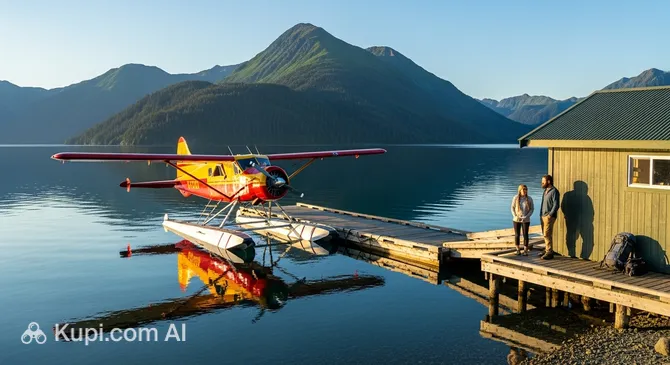
Zachar Bay Seaplane Base. Source: Kupi.com Binoculars

Zachar Bay (Zachar Bay Seaplane Base) is not merely a point on a map, but a true gateway to the wild nature of Alaska, where planes are met by the calm waters of the bay instead of a concrete runway. This seaplane base is located in a secluded cove on Kodiak Island, renowned for its emerald hills and rich wildlife. There are no typical terminals or queues here: the journey begins with a breathtaking water landing surrounded by majestic landscapes, accessible only by air or sea.

IATA Code KZB
ICAO Code None
City Zachar Bay, Alaska
Distance to Centre 0 km (located directly within the settlement)
Status Domestic Seaplane Base
Passengers per Year Less than 100 people (predominantly seasonal charters)
Schedule Flights operated on request

Features and Advantages of the Seaplane Base:

The main feature of Zachar Bay is its water runway. Pilots land seaplanes directly on the surface of the bay, making every arrival and departure a distinct adventure with panoramic coastal views. The airport primarily serves guests of the local lodge (Zachar Bay Lodge), fishermen, and eco-tourism enthusiasts.

The atmosphere here is maximally secluded and tranquil. The absence of complex infrastructure and the noise of large airports allows one to instantly immerse themselves in the world of Alaska's wild nature. However, it is worth remembering that the operation of the seaplane base depends heavily on weather conditions: fog or storms can make adjustments to the flight schedule.

Contact Information

  • Official Website: www.zacharbaylodge.com (website of the main infrastructure operator)
  • Information Service Phone: +1 907-486-4120 (lodge administration providing arrival and departure information)
  • Airport Address: Zachar Bay, Kodiak Island, Alaska 99615, USA
  • Email: info@zacharbaylodge.com
  • Social Media: Zachar Bay Lodge pages on Facebook and Instagram (current news and photos)
  • Lost Luggage Information: It is recommended to contact the air carrier directly (most often Island Air Service or Andrew Airways) operating the flight, or the lodge staff upon arrival.
  • Passenger Support Contacts: +1 907-486-4120 (for accommodation and transfer questions)

How to Get to the Airport

Since Zachar Bay is a secluded seaplane base in the Alaskan wilderness, it is impossible to reach it by conventional land methods. There are no roads connecting the bay to other settlements, so travelers should prepare for a real adventure using small aviation or water transport.

Main Route: Air Taxi (Seaplanes)

The fastest and most popular way to get to Zachar Bay is by seaplane (air taxi). Most tourists first arrive by scheduled flights at the region's main transport hub — Kodiak Benny Benson State Airport. From the city of Kodiak to Zachar Bay, a flight on a small aircraft (such as a DeHavilland Beaver or Cessna) takes approximately 40–50 minutes.

Flights are operated by local carriers such as Island Air Service, Andrew Airways, or Seahawk Air. The cost of the flight depends on the type of aircraft and load, but usually ranges from 200 to 400 USD per passenger one way or is calculated based on charter rates for the entire aircraft.

Water Transport

An alternative to flying is travelling by water. You can reach the bay by private boat or cutter from the port of Kodiak. This is a longer journey, which can take from 4 to 6 hours depending on weather conditions and the vessel's speed. There is no regular ferry service; transfers are usually organised by prior arrangement with the lodge (Zachar Bay Lodge).

Public Transport, Taxis, and Car Rental

Due to the complete isolation of the location, Zachar Bay lacks public transport (buses, trains, metro), taxi services, and car rental agencies. There is no road network here, and all movements are carried out on foot, by boat, or by air.

Parking

There is no parking directly at the seaplane base, as it is impossible to drive there. If you are travelling around Alaska by car, it will have to be left in long-term parking in the city of Kodiak before flying to the bay.

Important Recommendations for Travelers:

When planning your trip, consider that the schedule of small aviation flights depends heavily on the weather. Fog, strong winds, or low cloud cover can delay departure for several hours or even days. It is recommended to allow extra time when connecting with a return flight from major airports, such as King Salmon Airport or Anchorage.

Terminals and Map

Unlike typical international terminals, Zachar Bay (KZB) does not have terminal complexes made of glass and concrete. All the "infrastructure" of this seaplane base is organically integrated into the surrounding landscape and consists of minimalist structures necessary for servicing small aircraft and ensuring guest comfort.

Number of Terminals and Layout

The function of the sole terminal here is performed by a wooden dock and the main building of the Zachar Bay Lodge. There is no division into international or domestic sectors, gates, or business class lounges. The entire complex operates as a single service zone for guests arriving on charter flights.

Departure and Arrival Zones

Arrival and departure processes here are simplified to the maximum and devoid of bureaucracy:

  • Arrival Zone: The seaplane moors directly to the floating pier. Passengers exit the cabin straight onto the wooden deck, where they are met by lodge staff. Luggage collection happens right there: the pilot unloads bags from the aircraft's cargo compartment onto the dock.
  • Departure Zone: Waiting for the return flight takes place in the warmth and comfort of the lodge's main building. When the plane is ready for departure, passengers simply walk down to the water. There are no jet bridges or buses — the walk to the aircraft takes no more than a minute.

Check-in and Screening Features

Zachar Bay lacks standard check-in counters, metal detector frames, and luggage scanners. However, safety procedures and flight preparation have their nuances:

  • Processing Time: All formalities take from 5 to 15 minutes. It is recommended to be ready for departure in advance, but there is no need to arrive 2–3 hours early as in large airports.
  • Weighing: This is the most important stage. Weight balance is critical for small aviation. The pilot may ask to weigh luggage (usually simple floor scales are used) and verify the weight of passengers before boarding.
  • Screening: There is no classic TSA security screening here. The check is carried out visually by the pilot. The transport of hazardous substances is strictly prohibited, of which travelers are warned in advance.

Map and Navigation

It is impossible to get lost in Zachar Bay. The movement scheme is intuitive and linear:

Plane ↔ Dock ↔ Main Lodge Building ↔ Guest Cabins

Transitions between "zones" are made via wooden boardwalks and paths. Signs are absent as they are unnecessary, since all logistics are coordinated by the base staff, who escort guests from the aircraft steps to their accommodation.

Transfers Between Terminals

Since there is only one terminal (dock), the concept of inter-terminal transfer does not exist. If your journey involves a complex route, the transfer will take place not here, but at the hub airport in the city of Kodiak.

Recommendations for Passengers

For a comfortable stay in this open-air "terminal," consider a few tips:

  • Footwear and Clothing: Since disembarkation takes place on a damp pier and the weather in Alaska is changeable, it is recommended to wear waterproof shoes and a windbreaker during the flight.
  • Luggage: Avoid huge rigid plastic suitcases. Soft sports bags or backpacks are better suited for seaplanes and moving along wooden paths.
  • Waiting: In case of flight delay due to fog (which is not uncommon), the "waiting hall" becomes the lodge living room with hot drinks and a view of the bay, making the wait much more pleasant than in a standard airport.

Airport History

The history of Zachar Bay (KZB) is not a chronicle of constructing huge terminals, but a fascinating story of the development of bush flying in the harsh conditions of Alaska. The fate of this seaplane base is inextricably linked with the history of the settlement in Zachar Bay itself and its transformation from an industrial centre into a tourist oasis.

Foundation and the Cannery Era

Although the exact date of the first water landing in this bay is not recorded in official chronicles, active use of aviation here began in the mid-20th century. Initially, the bay developed as a fish processing centre. A large cannery was located here, thriving thanks to the rich salmon catches in the waters around Kodiak Island.

In those days, seaplanes were the only fast link to the "mainland". They delivered mail, medicine, equipment parts, and transported industry managers. The waters of the bay served as a natural and reliable runway, requiring no complex infrastructure construction.

Transformation: From Industry to Tourism

A key stage in the location's history came in the second half of the 20th century, when the fishing industry in the region underwent changes, and old factories began to close. However, the unique infrastructure and picturesque nature were not abandoned. The buildings of the former cannery were carefully reconstructed and turned into the Zachar Bay Lodge.

From that moment, the status of the KZB seaplane base also changed. From a transport hub for workers and cargo, it turned into a tourist gateway. Aviation traffic began to be formed by travelers, recreational fishermen, and wildlife photographers striving to see Kodiak bears in their natural habitat.

Infrastructure Development

Unlike land airports, "modernisation" here concerned coastal structures:

  • Docks and Piers: Old industrial piers were replaced or rebuilt to meet the needs of light aviation and passengers, ensuring safe disembarkation even when the water is choppy.
  • Communication and Navigation: With the development of technology, the seaplane base, while remaining visual (VFR), received improved communication means allowing pilots to receive accurate weather reports, which is critical for flight safety in Alaska's changeable climate.

Interesting Historical Facts

  • Historical Heritage: The buildings that today serve as the waiting lounge and guest accommodation retain the historical appearance of the old cannery, creating a unique atmosphere of the past century for arriving passengers.
  • Seasonality: Historically, the rhythm of the airport's life was always subject to salmon migration seasons. Today, this rhythm remains, but it is now linked to the tourist season (usually from late spring to early autumn).
  • Role in the Ecosystem: Zachar Bay has become an example of how aviation helps preserve nature. Because access here is possible only by air or water (without road construction), the local ecosystem has remained practically untouched by humans, despite the regular flow of tourists.

Services and Amenities

Since Zachar Bay (KZB) is a remote seaplane base in the wilderness, you will not find the usual infrastructure of international airports here. There are no duty-free shops, food courts, bank branches, or business lounges. All services and amenities for passengers are inextricably linked to the infrastructure of the Zachar Bay Lodge, which hosts arriving guests.

Restaurants, Cafes, and Shops

There are no classic catering outlets at the airport. Meals are organised in the main dining hall of the lodge and operate on an "all-inclusive" basis for base guests. The menu usually consists of home-cooked dishes prepared from the freshest local products, including fish and seafood caught in the bay's waters. For casual travelers or pilots waiting for departure, staff can offer hot coffee, tea, and light snacks, but a full-fledged cafe for transit passengers is not provided.

Shopping here is also limited. The main building may have a small souvenir display selling T-shirts, caps, or mugs with the Zachar Bay Lodge logo, as well as items by local craftsmen. It is impossible to buy groceries, electronics, or basic necessities here, so one should stock up on everything needed in the city of Kodiak.

Lounges and VIP Services

The role of the waiting lounge is played by the spacious and cosy living room of the lodge. Instead of plastic chairs, guests are met with soft sofas, a fireplace, and panoramic windows overlooking the bay and seaplanes. This space can confidently be called a VIP lounge accessible to every guest: an atmosphere of privacy and comfort reigns here, unavailable in ordinary crowded terminals.

Communication and Electricity

Zachar Bay is located in an area with limited mobile network coverage. Cellular signal is practically absent here. However, available for guests are:

  • Wi-Fi: The base is equipped with satellite internet (often Starlink is used), allowing you to stay connected, check email, and make calls via messengers. Speed may depend on weather conditions.
  • Charging Stations: There are no special stands for charging gadgets, but guest areas and rooms have standard American sockets (110V). Electricity is generated by generators, so the power supply is stable, but travelers are recommended to carry adapters and power banks.

Banks and Currency Exchange

Zachar Bay completely lacks ATMs, currency exchange points, and bank branches. Payment for additional services at the lodge is usually possible by credit card or US dollars in cash, but it is recommended to settle all main payments for accommodation and transfer online in advance. It is strongly recommended to carry a small supply of cash before flying out of Kodiak.

Medical Services

There is no medical centre or pharmacy at the seaplane base. Lodge staff are trained in first aid and have extended first aid kits for emergency situations. In case of serious injuries or illnesses, medical evacuation by seaplane or helicopter to the nearest hospital in Kodiak is required. Passengers with chronic conditions must bring all necessary medicines with a surplus.

Services for Passengers with Children

There are no specialised mother-and-child rooms or indoor play areas. However, the base territory itself is an excellent place for active recreation with older children: nature observation, walks, and fishing. For very young children, the infrastructure may not be well-adapted, so parents should take care of baby food and hygiene products in advance.

Services for Passengers with Reduced Mobility

Zachar Bay's infrastructure has natural accessibility limitations. Disembarking from a seaplane onto a floating dock, moving along wooden boardwalks, and uneven terrain can create serious difficulties for passengers in wheelchairs or with severe musculoskeletal disorders. There are no special lifts or ramps (meeting urban standards) here. Travelers with special needs must contact the lodge administration in advance to clarify possibilities for assistance with boarding and disembarking.

Hotels at the Airport or Nearby

The concept of this place is such that the airport and the hotel are a single entity. The only accommodation option is:

Zachar Bay Lodge — this is the heart of the location. Guests are offered comfortable heated cabins or rooms in the main building. Accommodation here is usually booked as a package along with activities (fishing, tours) and meals. There are no other hotels, hostels, or campsites within walking distance due to the complete isolation of the bay.

Conference Halls and Business Centres

Zachar Bay is a place for digital detox and rest from work. There are no equipped conference halls or business centres with printers and photocopiers. If it is necessary to hold a small meeting, the lodge's dining area can be used, but the setting here is more conducive to informal communication by the fireplace than business negotiations.
Where to Eat

The gastronomic experience at Zachar Bay Airport (KZB) differs radically from what passengers are used to in major international hubs. Here you will not find chain cafes, fast food, vending machines, or bars with neon signs. The entire dining system is integrated into the operation of the Zachar Bay Lodge, and for arriving or departing guests, this means shifting from "airport food" to a high-quality home-cooking format.

Restaurants and Cafes: A Unified Space

There is no division into terminals at the seaplane base, which means there are no food outlets scattered across zones. The only place to eat is the Main Lodge Dining Hall. It functions as a restaurant for guests and essentially replaces the entire airport food court.

  • Location: Main building (walking distance from the seaplane dock). There is no separation into "airside" (sterile) and "landside" (public) zones — access is free for all base guests.
  • Atmosphere: This is a cosy room with large communal tables, a fireplace, and a view of the bay. Dining is organised family-style, which encourages interaction between travelers and pilots.

Local Cuisine and Specialties

The menu at Zachar Bay is a gastronomic reflection of Alaska's wild nature. The kitchen operates on a "boat-to-table" principle.

  • Seafood: The main pride of the local cuisine is fresh fish and seafood caught in the waters around Kodiak Island. Be sure to try halibut steaks and various preparations of Pacific salmon (sockeye, coho). This is an excellent option for those preferring a pescatarian diet.
  • Home Baking: The lodge is famous for its fresh bread, buns, and pies with local berries (blueberries, raspberries, cloudberries), which are served for dessert.
  • Hearty Breakfasts: Before a flight or fishing trip, guests are offered a substantial American breakfast: eggs, turkey bacon (if available, otherwise standard), pancakes, and hot porridge to charge up with energy for the whole day.

Dietary Requirements and Special Requests

Since the kitchen here is small and prepares a fixed menu for the day, on-the-spot choices are limited. However, the chefs are flexible and attentive to guests:

  • Vegetarian and Vegan: Available, but requires advance notification when booking the tour or accommodation. Chefs will prepare alternative dishes based on vegetables and grains.
  • Gluten-Free: Staff are generally familiar with this need and can offer gluten-free versions of main dishes, though specialised baked goods may not be available without pre-order.
  • Halal and Kosher: Due to the remoteness of the region and specific supply chains, ensuring strict compliance with Halal or Kosher standards regarding meat is extremely difficult. Travelers with strict religious dietary requirements are recommended to discuss the menu with the administration well before arrival or stick to the abundant fish and vegetarian dishes available.

Prices and Payment

The concept of an "average bill" is practically absent at Zachar Bay. Meals are usually included in the cost of accommodation ("all-inclusive" package).

  • If you are at the seaplane base in transit or waiting for a flight without accommodation, refreshments (coffee, tea, cookies) are often provided as a gesture of hospitality for free.
  • A full lunch for guests not staying at the lodge is possible only by prior arrangement and for a separate fee (approximately 30–50 USD per person), but this is the exception rather than the rule.

Opening Hours

The kitchen operates on a strict schedule tied to the daily routine at the base:

  • Breakfast: Usually from 06:30 to 08:00 (before the start of the flight and fishing day).
  • Lunch: Can be organised at the lodge around 12:30 or provided as lunch boxes (sandwiches, fruit, drinks) for those flying out on excursions.
  • Dinner: Served around 18:30–19:00 when all guests return to the base.
  • Coffee and Drinks: Thermoses with hot coffee, tea, and water are available in the living room throughout the day.

Recommendations for Passengers

  • Quick Snack: If you have a connection or a short wait for departure, count on hot coffee and homemade cookies in the lodge living room. This is the ideal way to warm up before boarding the seaplane.
  • Full Lunch: If your flight is delayed due to weather for several hours, you will likely be invited to the communal table for lunch or dinner. Do not refuse — this is a chance to taste real Alaskan home cuisine that is impossible to find in city restaurants.
  • Beverage Policy: Rules may vary. Often, specific beverages are not included in the cost and travelers may need to bring their own (BYOB policy) or purchase on-site if the lodge has a license. Please verify this before flying from Kodiak.

Traveler Tips

Travelling through Zachar Bay seaplane base differs radically from flying with regular airlines. Here there is no bustle, queues, or strict rules characteristic of large hubs, yet the specifics of small aviation in Alaska dictate their own requirements. Here are some useful tips to help make your flight comfortable and safe.

Arrival Time and Readiness for Departure

You do not need to arrive 2–3 hours before departure. Since the airport is a dock next to the lodge, it is sufficient to be ready for boarding 15–20 minutes before the appointed time. It is important to be within sight of the pilot or staff when the seaplane begins maneuvering towards the dock. Air taxi planes operate on a tight schedule, so passenger punctuality is the key to a timely departure.

Check-in and Safety: Weight Matters

The main rule of bush pilots is proper aircraft balancing. Be prepared for the following points:

  • Weighing: You and your luggage will definitely be weighed. This is not a whim, but a flight safety requirement on small vessels. Report your exact weight honestly — passenger distribution in the cabin and fuel calculations depend on this.
  • Screening: There are no metal detector frames here, and you do not need to remove your shoes. The security check is visual. However, the pilot has the right to refuse transport of any items deemed dangerous.

Luggage and Hand Luggage: Soft Bags and Bear Spray

Seaplanes (such as the DeHavilland Beaver or Cessna) have cargo compartments of non-standard shape and limited volume.

  • Packing: It is strongly recommended to use soft sports bags or backpacks. Rigid plastic suitcases on wheels are extremely inconvenient for loading into the narrow hatches of a seaplane, and the pilot may ask to repack items or leave the suitcase in storage in Kodiak.
  • Bear Spray: This is a critically important point. Pepper sprays for protection against bears are strictly prohibited inside the aircraft cabin. Accidental discharge can blind the pilot and lead to an accident. Be sure to inform the pilot about the presence of spray in advance — they will stow it in the float or an external cargo compartment.

Choosing a Seat on the Plane

Unlike large liners, you cannot book seat 1A in advance here. Seating is directed exclusively by the pilot based on weight balance (centre of gravity).

  • Co-pilot Seat: If the balance allows, one passenger may be seated in front, next to the pilot. This is the best seat with a panoramic view and a look at the instrument panel. Do not hesitate to politely ask about this possibility, but be prepared to accept a refusal.
  • View: Do not be upset if you do not get the front seat. In small planes, practically every seat is a window seat, and the flight takes place at a low altitude, guaranteeing excellent views for all passengers.

Connections and Transfers

When planning your return home, never schedule a "tight" connection. Weather in Alaska is unpredictable. Fog in Zachar Bay or strong winds on the pass can delay the seaplane departure for several hours.

  • Golden Rule: If you have a flight scheduled from Kodiak to Anchorage and beyond, allow a buffer of at least 3–4 hours between the arrival of the seaplane and the departure of the large airliner.
  • Insurance: The ideal option is to return to the city of Kodiak a day before your main flight out of Alaska to avoid stress due to bad weather.

Customs Control

Zachar Bay Airport serves exclusively domestic flights. There is no customs or border control here. If you are an international tourist, you go through all migration formalities at the first point of entry into the USA (usually Anchorage, Seattle, or Los Angeles).

Tips for Saving Money

  • Full Load: Air taxis often bill for the entire plane, not per seat. If you are travelling as a large group or can cooperate with other lodge guests, the cost of the flight per person will be significantly lower.
  • Drinks and Snacks: Clarify the rules of your tariff at the lodge. Often beverages are not included in the cost, and delivery prices to the remote bay are high. It is more economical to buy your preferred drinks at a supermarket in Kodiak before departure (respecting luggage weight limits).

What to Do in Case of Flight Delay

Weather delays are common for hydro-aviation. If the pilot says it is impossible to fly, it means it is truly impossible to fly.

  • Do not pressure the pilot or demand departure — they know local conditions best.
  • Take advantage of the lodge's hospitality: waiting in a warm living room with a book and a cup of coffee is much more pleasant than sitting in a standard airport terminal.
  • Keep chargers and a satellite phone handy (or use the lodge's Wi-Fi) to warn the airline in Kodiak about the possible delay.

Reached the end of the page?

That means the route is fully explored