Support

Futuna Island

About

Futuna Island is a captivating and remote destination that offers a truly unique experience for intrepid travelers. As the easternmost island of the archipelago, it stands apart not only geographically but also culturally. This dramatic, high volcanic island is characterized by its steep cliffs, flat-topped plateau, and lush green interior, creating a stunning backdrop for those seeking an off-the-beaten-path adventure.

Located in the Tafea Province, the island is home to a small, tight-knit community of approximately 600 people. While most of Vanuatu is Melanesian, Futuna is known as a "Polynesian outlier," meaning its inhabitants share a cultural and linguistic heritage closer to their Polynesian neighbors. This distinction gives the island a special atmosphere, evident in the local customs, music, and traditional lifestyle that have been preserved over generations.
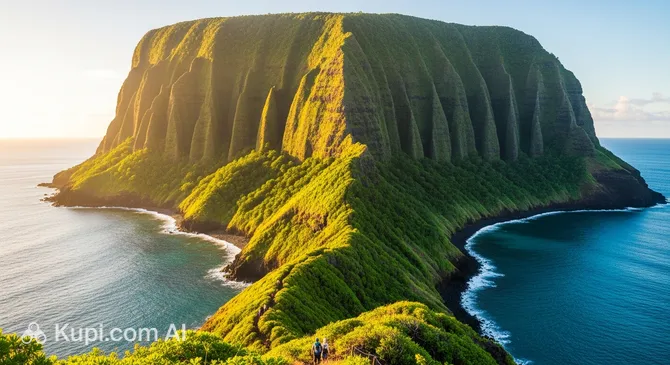
Futuna Island. Source: Kupi.Binoculars

Exploring the history of Futuna Island reveals a fascinating narrative of ancient Polynesian voyagers and the influence of early missionaries. Today, visitors are often drawn to the island's impressive natural beauty, including the trek to the summit of Mount Tata. The climb rewards hikers with breathtaking panoramic views of the surrounding ocean and the island's rugged coastline. Another highlight is the local craftsmanship; the island is renowned for its intricate basket weaving, producing high-quality bags that are considered some of the finest in the Pacific.

If you are looking for a destination that combines dramatic scenery with a rich, distinct culture, Futuna Island is a remarkable choice. Its isolation ensures a peaceful environment where you can disconnect from the modern world and immerse yourself in the authentic rhythm of island life.

Weather Overview

The climate on Futuna Island is generally tropical and inviting, with temperatures that stay moderate throughout the year. Average temperatures fluctuate between 22.8°C in August and 27.1°C in February, ensuring a warm atmosphere regardless of when you visit. The island does not experience extreme heat, making it comfortable for exploring the outdoors in almost any month.

Precipitation patterns define the seasons here more than temperature changes. The early months of the year, particularly from January to April, constitute the wet season, with March experiencing up to 22 wet days. Conversely, the months from June to September are noticeably drier and cooler, with August seeing as few as 7 wet days, providing ideal conditions for hiking Mount Tata.

Travelers should generally expect warm, humid summers with frequent showers and slightly cooler, drier winters. To help schedule your trip and pack accordingly, it is useful to consult the detailed guide on the weather in Futuna Island before you depart.

Interesting Facts

Beyond the stunning vistas and cultural heritage, Futuna Island preserves several unique traits that set it apart from the rest of Vanuatu. From its confusing name to its distinct craftsmanship, here are some intriguing details about this remote Polynesian outlier.

  • A Tale of Two Futunas: The island is often confused with the French territory of Futuna (part of Wallis and Futuna). To distinguish them, this island is frequently called "West Futuna." Interestingly, the local population traces its ancestry back to the eastern Futuna, making the shared name a testament to their ancient Polynesian migration rather than a coincidence.

  • The Famous Kato Bags: While weaving is a common skill across the Pacific, Futuna is renowned for a specific type of basket known as the kato. These bags are woven with incredible precision and fine fibers, creating a finish that is distinctively different from the coarser mats and baskets found on neighboring Melanesian islands.

  • A Natural Fortress: Unlike many tropical paradises surrounded by gentle lagoons, Futuna is an uplifted volcanic plateau with almost no fringing reef. Its coastline consists largely of steep cliffs that drop straight into the deep ocean, a geographical feature that historically made the island a natural fortress, difficult for outsiders to access or raid.

How to Get There

Reaching this remote Polynesian outlier requires a bit of planning, as its isolated location is part of its charm. Most travelers will first need to fly into one of Vanuatu's main hubs before taking a domestic connection to the island's small airstrip or arranging sea transport. For a detailed breakdown of routes and schedules, you can read more about how to get to Futuna Island.

Futuna Island does not have its own major international airport. The primary gateway for international travelers is Bauerfield Airport (IATA: VLI), located in Port Vila, approximately 285 km from Futuna Island. This is the main entry point into the country, handling the majority of overseas arrivals. Given the distance and the ocean separation, travel from Bauerfield Airport requires a subsequent domestic flight, typically via Air Vanuatu, which operates services to the smaller islands.

Another key transit point is Tanna Airport (IATA: TAH), also known as Whitegrass Airport. Located in the city of Tanna, it is significantly closer, sitting about 104 km from Futuna Island. Tanna serves as a regional hub for the southern islands of Tafea Province. Travelers often fly from Port Vila to Tanna Airport and then catch a smaller connecting flight or a boat to reach Futuna. Due to the geography of the archipelago, ground transport like taxis or buses is only relevant for getting to and from these airports within their respective islands, not for the final leg to Futuna.

For clarity, here is a summary of the main airports serving the region:

Airport Name City Passenger Traffic Distance (km)
Bauerfield Airport Port Vila Medium 285.1
Tanna Airport Tanna Small 104.4

Main Attractions

Futuna Island is a destination defined by its raw natural beauty and deep-rooted cultural traditions rather than commercial tourism. Visitors here will not find bustling theme parks or crowded resorts; instead, the island offers a chance to explore dramatic volcanic landscapes and immerse oneself in a unique Polynesian heritage that has thrived in isolation.

One of the primary draws for active travelers is the trek to Mount Tata. As the island's highest point, this flat-topped mountain dominates the landscape and provides a challenging yet rewarding hike. Reaching the summit offers spectacular panoramic views of the vast Pacific Ocean, and on clear days, you can spot the neighboring islands of Tanna and Aniwa. The plateau itself is lush and green, showcasing the island's rich volcanic soil and diverse vegetation.

For those interested in culture, a visit to the local villages is an unforgettable experience. Futuna is famous for its intricate handicrafts, specifically the kato bags. These finely woven baskets are a hallmark of the island's Polynesian identity. Watching the local women skillfully weave these durable and beautiful bags provides insight into a tradition passed down through generations. The hospitality in these communities is warm, offering a genuine glimpse into the daily life of this "Polynesian outlier."

The island's coastline is another major attraction, particularly the dramatic cliffs around Herald Bay. Unlike many other islands in Vanuatu that are ringed by sandy beaches and reefs, Futuna rises abruptly from the sea. This geological formation creates stunning coastal scenery where steep rock faces meet the deep blue ocean. It is a perfect spot for photography and appreciating the rugged, fortress-like nature of the island that historically protected its inhabitants.

Local Cuisine

Dining on Futuna Island is a genuine farm-to-table experience, though not in the way city dwellers might expect. Due to its remoteness and small population, there are no commercial restaurants or cafes. Instead, the local cuisine revolves around what is grown in the fertile volcanic soil and caught fresh from the surrounding ocean. Visitors typically enjoy hearty, home-cooked meals prepared by their hosts, offering an authentic taste of the island's Polynesian heritage.

The staple diet consists largely of root vegetables such as taro, yams, and manioc, often accompanied by fresh seafood. A must-try dish throughout Vanuatu, including Futuna, is laplap. This traditional meal involves grating root crops, mixing them with coconut cream, and baking the mixture in an earth oven filled with hot stones. Another local favorite is fresh lobster or reef fish, often grilled simply over an open fire or simmered in rich coconut milk, highlighting the incredible freshness of the catch.

When it comes to beverages, fresh coconut water is the ultimate thirst quencher, available in abundance directly from the tree. For a deeper cultural experience, one cannot overlook kava. While kava is consumed across the archipelago, the rituals on Futuna can be distinct due to its Polynesian roots. It is a traditional drink made from the root of the pepper plant, known for its relaxing properties. It is typically shared in the evenings, serving as a cornerstone of social life and community bonding.

Since there is no street food scene or restaurant strip, dining is a communal and intimate affair. Tourists usually eat at their guesthouse or homestay, where meals are prepared with care using ingredients harvested that same day. This setting allows travelers to engage with locals, learn about traditional cooking methods, and appreciate the island's sustainable, self-sufficient lifestyle.

Travel Tips

Visiting a remote destination like Futuna Island requires a bit more preparation than your average holiday, but the reward is an untouched paradise few get to see. To help you navigate this isolated "Polynesian outlier" with ease and respect, here are some practical tips to ensure your adventure is smooth and memorable.

  1. Pack for rugged terrain and modesty. Since the island is known for the steep ascent of Mount Tata and its dramatic cliffs, sturdy hiking boots are essential. For exploring the villages, cultural norms are conservative; ensure you bring lightweight clothing that covers your shoulders and knees to show respect to the local community.

  2. Expect to walk everywhere. Unlike the main islands of Vanuatu, there is no public transport system, taxi service, or car rental agency here. The primary way to get around is on foot via walking tracks. For coastal access or moving between distant bays, you may be able to arrange a ride on a local fishing boat, but rely mainly on your own two feet.

  3. Bring all the cash you need. There are no ATMs, banks, or credit card facilities on Futuna Island. You must withdraw sufficient local currency (Vatu) in Port Vila or Tanna before you arrive. It is wise to bring small denominations for purchasing crafts like the famous kato bags or paying for small items, as change may be scarce.

  4. Be medically self-sufficient. Medical facilities on the island are extremely limited, often consisting of just a basic aid post. Bring a comprehensive first-aid kit containing painkillers, antiseptics, bandages, and any personal medication you require. It is also smart to pack seasickness tablets if you plan to travel by small boat.

  5. Prepare for limited connectivity. Mobile phone coverage can be patchy or non-existent depending on your location on the island. View this as a chance to digitally detox. If communication is vital, check with local providers in Port Vila about the current signal status on Futuna, but always have an offline backup for maps and essential information.

  6. Embrace the Polynesian greeting. The locals are incredibly friendly, and greeting people is a significant part of the culture. A smile and a handshake go a long way. If you are staying in a village, it is polite to remove your shoes before entering a private home or a community hall, unless told otherwise.

  7. Avoid wearing swimwear in villages. While the ocean is inviting, walking through the village in bikinis or shirtless is considered disrespectful. Save your swimwear strictly for the water and cover up with a sarong or t-shirt as soon as you are back on land.

  8. Bring gifts for your hosts. Since shops are virtually non-existent and supplies are hard to come by, bringing small, practical gifts is a wonderful gesture. Items like tea, sugar, school supplies for children, or even kava roots are highly appreciated and help build a warm relationship with the families hosting you.

By packing the right gear and adopting a respectful, flexible mindset, you will find that the lack of modern conveniences is exactly what makes Futuna Island so special. Enjoy the rare privilege of experiencing genuine island hospitality and the breathtaking silence of this remote volcanic gem.

Entertainment & Nightlife

Nightlife on Futuna Island is a world away from the neon lights and thumping bass of a typical tourist resort. In this remote community of approximately 600 people, the setting sun marks a shift to a quieter, more intimate rhythm of life. Entertainment here is not about clubs or discos; it is about connection, culture, and the immense beauty of the natural world after dark. The atmosphere is serene, illuminated by the glow of kerosene lamps, bonfires, and one of the most spectacular starry skies you will ever witness.

The "nightlife district" of Futuna is essentially the village square or the communal meeting grounds within the small settlements. There are no commercial bars or pubs. Instead, the social heart of the evening is the Nakamal. These are traditional meeting places, often simple structures or open-air clearings, where men gather to drink kava. Unlike the lively bars in Port Vila, the atmosphere in a Nakamal is hushed and respectful. Locals speak in whispers to maintain the sanctity of the space while the kava takes effect. Visitors are often welcomed, but it is crucial to follow the lead of your host regarding etiquette and dress code.

For dining, there are no late-night restaurants. Your "night out" will likely take place at your homestay or a village community hall if a feast is being prepared. Dinner is a communal affair, often lasting hours as families share stories and food. The dress code is casual but modest—t-shirts and shorts are fine, but always ensure you are covered up enough to be respectful. The "opening hours" are dictated by the energy of the group; evenings might wrap up early around 9:00 PM, or extend later if there is music and storytelling.

Since there are no streetlights, the island plunges into absolute darkness at night. This offers a unique form of entertainment: stargazing. Without light pollution, the Milky Way is visible in stunning clarity. A walk down to Herald Bay on a clear night provides a breathtaking view of the constellations reflecting off the ocean. It is a peaceful, meditative experience that defines the magic of this isolated island.

Practical advice for navigating the evening is simple but vital.

  • Bring a torch (flashlight): This is your most important tool. Navigating village paths and uneven volcanic terrain in the dark is impossible without one.
  • Safety: The island is incredibly safe regarding crime, but the physical environment poses risks. Stick to known paths to avoid tripping or wandering too close to cliff edges.
  • Transport: Walking is the only way to get around at night. There are no taxis to call. Ensure you know the way back to your accommodation before setting out.
  • Alcohol: Alcohol is not widely sold or consumed publicly. If you prefer a beer over kava, you would typically need to bring your own supply, but consuming it discreetly at your accommodation is the norm.

While the nights are for relaxation and kava, daytime entertainment on Futuna Island is for the active traveler. The daylight hours are best spent exploring the rugged outdoors, such as hiking to the summit of Mount Tata for panoramic views or visiting local artisans to see the creation of the famous kato baskets. Whether it is the physical challenge of a trek or the cultural immersion of a village visit, the days here are as enriching as the nights are peaceful.

Parks & Museums

On Futuna Island, the concept of parks and museums is defined not by manicured lawns or glass display cases, but by the raw majesty of the volcanic landscape and the vibrant traditions of its people. As a remote destination with a population of just around 600, the island itself serves as a vast, open-air sanctuary where nature is untouched and culture is lived daily rather than preserved behind ropes. Visitors come here to step into a world where the green plateau is the park and the village squares are the galleries of living history.

Parks and Natural Areas

The most significant natural landmark, functioning as the island's premier "park," is the plateau of Mount Tata. This flat-topped volcanic mountain dominates the island's geography and offers an exceptional trekking experience. The hike to the summit takes you through lush vegetation and steep tracks, rewarding adventurous spirits with panoramic views of the vast Pacific Ocean. Unlike a city park, this is a wild, unmaintained environment where the beauty lies in its rugged isolation and the sweeping vistas of the surrounding Tafea Province.

Another breathtaking natural area is the coastline surrounding Herald Bay. Futuna is known as a "natural fortress" due to its lack of accessible beaches and the prevalence of sheer cliffs dropping into the sea. Exploring the cliff tops offers a dramatic perspective on the island's geology. The crashing waves against the volcanic rock create a mesmerizing spectacle, providing a stark contrast to the calm lagoons found elsewhere in Vanuatu. It is a perfect spot for nature photography and observing the seabirds that nest in the rocky crevices.

Museums and Cultural Heritage

Travelers searching for formal museums will not find them on Futuna Island; instead, the local villages act as "living museums." The island is a Polynesian outlier, and its distinct culture is best observed in the communal areas where daily life unfolds. The most famous cultural exhibit is the creation of kato bags. In the village gathering spots, you can watch local women weave these intricate baskets with skills passed down through generations. These bags are not just souvenirs but artifacts of a unique heritage, renowned across the Pacific for their durability and fine craftsmanship.

The island's religious history also offers a glimpse into the past, centered around the local Mission Churches. The arrival of missionaries in the 19th century profoundly shaped the island's history. The village churches stand as architectural and historical landmarks, often built with coral lime and local timber. Visiting these sites during a Sunday service provides a deep connection to the community's spiritual life and offers insight into how Polynesian traditions have blended with Christian influences over the last century.

Insider Tip

For a truly authentic cultural experience, ask your host if you can visit a weaving circle. Watching the intricate process of preparing the pandanus leaves and weaving a kato bag is far more educational than reading a plaque in a museum. It is a rare opportunity to interact with the artisans and understand the patience and skill required to keep this ancient Polynesian art form alive.

Getting Around

The public transport system on Futuna Island is defined by its absence. Given the island's small population of approximately 600 people and its rugged, volcanic terrain, there are no buses, taxis, metros, or scheduled transit services. The infrastructure here is minimal, with no paved road network suitable for standard vehicles. Consequently, getting around is an active experience that relies almost entirely on physical effort and local hospitality rather than a structured transportation grid.

The primary mode of "transport" for both locals and visitors is walking. A network of footpaths and hiking tracks connects the few villages, the airstrip, and the main points of interest like Mount Tata and Herald Bay. These paths can be steep, uneven, and muddy, particularly after rain. Travelers should view walking not just as a way to get from point A to point B, but as the main activity of the day. There are no ticket barriers or travel zones; the only requirement is a good level of fitness and sturdy footwear.

For journeys along the coastline or to access areas cut off by the island's sheer cliffs, small boats and dinghies serve as the only alternative to hiking. These are not commercial ferries with timetables but rather private vessels owned by local fishermen. If you need to travel by sea, you must arrange this through your accommodation host or by negotiating directly with a boat owner in the village. This service acts as an informal water taxi system, weather permitting.

Regarding payment, there are no travel cards, apps, or passes. All transactions for boat rides are conducted in cash using the local currency. Prices are not fixed and should be agreed upon before departure. It is essential to carry small denominations, as boat operators rarely have change for large notes. Since there are no meters or receipts, the cost often depends on the distance, fuel usage, and the relationship between your host and the boatman.

Tourists should plan their movements carefully around daylight hours. With no street lighting and no 24-hour transport options, travel after dark is virtually impossible and potentially dangerous on the unlit tracks. Always inform your host of your destination and expected return time. In this remote setting, the "transport schedule" is dictated by the rising and setting of the sun and the willingness of locals to assist you.

Accommodation

Accommodation on Futuna Island is a reflection of the island itself: remote, authentic, and unpretentious. Travelers planning a visit here should adjust their expectations away from commercial tourism standards. There are no luxury resorts, high-rise hotels, or even standard motels. Instead, the island offers a genuine immersive experience through community-run guesthouses and homestays. Staying here means living alongside the local families, sharing their food, and experiencing the daily rhythm of village life in a way that few other destinations allow.

The available lodging options are typically simple bungalows constructed from local materials, such as woven bamboo and thatch, or modest concrete structures attached to family homes. Amenities are basic; visitors should expect shared bathroom facilities, often with cold water showers (or bucket showers), and limited electricity, usually provided by solar panels or generators for a few hours in the evening. Mosquito nets and clean bedding are standard, but luxuries like air conditioning and Wi-Fi are virtually non-existent.

Popular Areas to Stay

Since there are no dedicated tourist districts, accommodation is centered within the island's small villages. Most visitors stay near the airstrip or in the settlements close to Herald Bay and Mission Bay. These locations offer the best access to the coast and the start of the hiking trails up to Mount Tata. Staying in the heart of the village ensures you are close to your hosts for meals and near the community square, which serves as the social hub of the island.

Booking and Planning

Booking accommodation on Futuna Island requires advance planning and patience. You will not find these properties listed on major international booking platforms. The most reliable way to secure a room is to contact the Tafea Tourism Office or a travel agent in Port Vila or Tanna before you travel. It is highly recommended to have your accommodation confirmed prior to arrival, as the island has no "walk-in" reception desks, and hosts need time to prepare for your visit.

Price Range and Payment

The cost of staying on Futuna is generally budget-friendly. Prices are usually fixed and often include three home-cooked meals a day, as there are no restaurants on the island. Payment is strictly cash only (Vatu). Since there are no ATMs or credit card facilities, you must bring enough cash from Tanna or Port Vila to cover your entire stay, including accommodation, transport, and any guide fees. This direct payment system supports the local families directly, making your stay a vital contribution to the island's small economy.

Nearby Cities

Due to the remote location of Futuna Island in the southern Tafea Province, visiting neighboring towns requires planning and travel time rather than spontaneous day trips. However, several key cities serve as essential transit hubs or complementary destinations to explore as part of a broader journey through Vanuatu. Understanding the distances to these locations is helpful for structuring your itinerary.

City Population Distance (km)
Port Vila 51,437 282
Luganville 18,062 550
Maewo 3,600 534
Big Bay 1,500 576
Isangel 1,200 98

The closest significant settlement is Isangel, located approximately 98 kilometers away on Tanna Island. As the provincial capital of Tafea, it functions as the administrative and commercial hub for the southern islands, including Futuna. Most travelers will pass through Tanna to reach Futuna, making Isangel a logical stopover. It offers access to basic services, markets, and the renowned Mount Yasur volcano, providing a lively contrast to the quiet isolation of the outer islands.

For international arrivals and major connections, Port Vila is the inevitable starting point. Situated 282 kilometers to the north on Efate Island, it is the capital and the bustling heart of the nation. Since direct transport to Futuna is rare, you will likely spend time here arranging domestic flights or shipping schedules. Port Vila offers a chance to enjoy modern amenities, diverse dining, and cultural museums before venturing into the remote southern archipelago.

Other locations like Luganville and Maewo are significantly further north, situated over 500 kilometers away. These destinations represent entirely different regions of the archipelago and would typically require separate legs of travel rather than being directly accessible from Futuna.

Shopping & Souvenirs

Shopping on Futuna Island is a unique experience that bears little resemblance to the commercial retail therapy found in major cities or tourist hubs. In this remote community, there are no supermarkets, fashion boutiques, or souvenir shops. Instead, "shopping" is an intimate cultural exchange, focused on acquiring essential supplies or purchasing locally made handicrafts directly from the artisans who created them. Visitors should arrive with the understanding that the island operates on a subsistence economy, where goods are often traded or grown rather than bought in a store.

There are no designated shopping districts or high streets on the island. The commercial landscape is limited to a few small, family-run canteens or "stores" scattered within the main villages. These humble establishments typically operate out of a room in a family home and stock only the most basic necessities, such as rice, tinned fish, soap, and matches. For tourists, the "shopping area" is effectively the entire village, where you can ask around to find someone selling fresh produce or crafts from their veranda.

Travelers looking for shopping malls or department stores will not find them here. Futuna Island is completely devoid of modern retail complexes. The nearest shopping centers are located hundreds of kilometers away in Port Vila on Efate Island. Everything you need for your stay, particularly specialized equipment, toiletries, or specific dietary items, must be purchased on the main islands before you board your flight or boat to Futuna.

While there is no bustling central market like those found in Port Vila or Luganville, informal markets do exist. You may find small tables set up in the village square or near the airstrip where locals sell surplus fruits, vegetables, and freshly caught seafood. These interactions are casual; availability depends entirely on the season and the catch of the day. It is a wonderful opportunity to buy organic papayas, bananas, or lobsters directly from the grower or fisherman, ensuring the money goes straight to the local families.

The most prized item to buy on the island is the famous kato bag. Futuna is renowned throughout Vanuatu for its fine basket weaving. Unlike the coarser mats found elsewhere, the kato bags are woven with incredible precision using prepared pandanus leaves, resulting in a soft, durable, and intricate product. These bags are not sold in shops; you must ask your host to introduce you to a weaver. Purchasing a kato bag is the ultimate souvenir, serving as both a beautiful accessory and a way to support the preservation of this unique Polynesian art form.

Business hours are dictated by the sun and the daily rhythm of village life rather than a fixed schedule. The small canteens may open in the morning and close whenever the owner needs to tend to their garden or attend a community event. Regarding payment, cash is the only accepted method. There are no credit card terminals, digital payment systems, or banks on the island. Visitors must bring a sufficient supply of Vatu (the local currency) in small denominations to pay for crafts and fresh food.

Tax-free shopping and VAT refunds are not applicable on Futuna Island. The informal nature of the local economy means that transactions are simple cash exchanges without receipts or tax processing. Any duty-free shopping must be completed at the international airport in Port Vila prior to your departure from the country.

Nearby cities

Reached the end of the page?

That means the route is fully explored