Support

Luganville

About

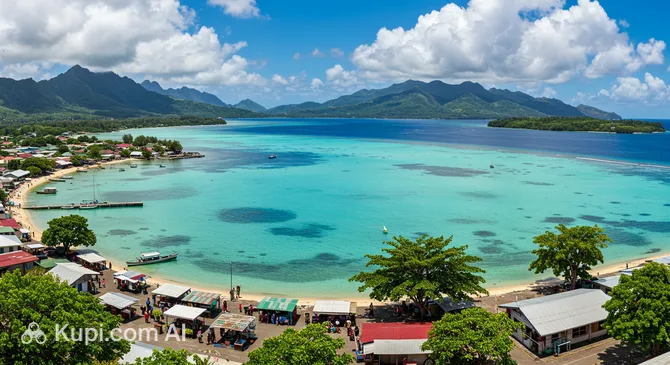
Luganville. Source: Kupi.Binoculars

Welcome to Luganville, the second-largest city in the archipelago and the vibrant capital of Sanma Province. Located on the southeastern coast of Espiritu Santo, the largest island in Vanuatu, this city offers a unique blend of local culture and breathtaking natural beauty. With a population of approximately 18,000 residents, it serves as a bustling hub for travelers exploring the northern islands, providing a slightly more laid-back and spacious atmosphere compared to the capital, Port Vila.

The city is renowned for its unusually wide main street, a feature that hints at the fascinating history of Luganville. During the mid-20th century, the area served as a significant logistics base, and today, remnants of this era have transformed into some of the world's most spectacular diving sites. The famous SS President Coolidge wreck and the intriguing Million Dollar Point attract divers from across the globe, eager to explore the underwater heritage resting just off the shore.

Beyond its historical depths, Luganville is a gateway to stunning natural wonders. Visitors are often captivated by the mesmerizing blue holes located nearby, such as the Riri and Matevulu Blue Holes, where crystal-clear fresh water rises to the surface amidst lush jungle surroundings. Whether you are here to dive into the past or relax by the pristine waters, Luganville promises an unforgettable adventure in the heart of the South Pacific.

Weather Overview

Luganville experiences a consistent tropical climate, offering warm and inviting temperatures year-round. Average monthly temperatures generally range from a comfortable 23.6°C in August to a balmy 26.3°C in February, ensuring that it never gets truly cold. Daily highs often reach between 25°C and 29°C, creating an ideal environment for water-based adventures and exploring the island's lush landscapes.

Rainfall is a regular occurrence, contributing to the region's vibrant greenery. Visitors checking the weather in Luganville will notice that precipitation is frequent throughout the year, with wet days occurring between 22 and 31 days per month. The period from December to March is slightly warmer and sees the highest frequency of rain, while the months from May to September offer slightly cooler temperatures and a marginal dip in rainfall frequency.

Interesting Facts

Beyond the main attractions and diving sites, Luganville holds many fascinating secrets and historical quirks that tell the story of its unique past. Here are some intriguing facts about the city that often surprise visitors:

  • The Four-Truck Width: You might notice that the main street in Luganville is exceptionally wide for a relatively small island town. This is a legacy from World War II, when the American base commander insisted that the road be broad enough to allow four military trucks to be driven side-by-side simultaneously, a layout that remains to this day.

  • The Origin of Million Dollar Point: One of the area's most famous dive sites has a literal meaning behind its name. After the war, when the colonial administration refused to buy surplus US military equipment, the American forces drove millions of dollars' worth of bulldozers, trucks, and jeeps directly into the sea to destroy them, creating an underwater scrapyard that is now a haven for marine life.

  • Living History in Quonset Huts: The city's architecture is distinct within Vanuatu due to the presence of numerous Quonset huts. These semicylindrical, prefabricated steel structures were originally built by the military in the 1940s and are still actively used by residents today as shops, warehouses, and homes, blending history with modern daily life.

  • Literary Inspiration: The famous author James Michener was stationed on the island during his naval service. It is widely believed that his experiences in and around Luganville provided the primary inspiration for his Pulitzer Prize-winning collection "Tales of the South Pacific," which later became the classic Broadway musical.

How to Get There

Reaching this tropical destination is an adventure in itself, primarily involving air travel due to its island location. While there are sea routes for the intrepid traveler, most visitors arrive by plane. For a detailed overview of all transport options, you can read more about how to get to Luganville and plan your journey accordingly.

The most convenient entry point is Santo Pekoa International Airport (IATA: SON), which is located directly in Luganville. It is a regional hub situated just 4.7 km from the city center. This proximity makes the final leg of your trip very quick; a taxi or bus ride to downtown typically takes approximately 5 to 10 minutes. The airport handles both domestic connections and direct international flights from select nearby countries, welcoming approximately 50,000 passengers annually.

Many travelers also enter the country through Bauerfield Airport (IATA: VLI), located in the capital city of Port Vila. Although it is about 270 km away from Luganville, it serves as the main international gateway for Vanuatu, handling around 470,000 passengers per year. From here, visitors typically catch a connecting domestic flight to Espiritu Santo. Another regional option is Norsup Airport (IATA: NUS), situated roughly 67 km away on the neighboring island of Malekula. Travelers should be aware that arriving here requires a subsequent inter-island connection to reach Luganville.

For clarity, here is a summary of the main airports:

Airport Name City Passenger Traffic Km from City
Bauerfield Airport Port Vila Large 270.8
Santo Pekoa International Airport Luganville Medium 4.7
Norsup Airport Norsup Small 67.0

Main Attractions

While Luganville itself is a relaxed port town, it serves as the perfect springboard for some of the South Pacific's most remarkable adventures. The city's surroundings are a treasure trove of natural wonders and historical sites, ranging from pristine freshwater springs to world-class beaches. Here are some of the top attractions you should not miss during your visit.

One of the most accessible and fascinating sites is Million Dollar Point. Located just a short distance from the town center, this area offers a surreal snorkeling and diving experience. As history buffs may know, the US military dumped tons of equipment here after World War II, but seeing it in person is a different experience entirely. In shallow waters, you can swim over encrusted jeeps, bulldozers, and trucks that have become artificial reefs teeming with colorful fish and coral, making it an underwater museum unlike any other.

For a refreshing escape into nature, a visit to the Matevulu Blue Hole is essential. Espiritu Santo is famous for these limestone-filtered freshwater springs, and Matevulu is one of the most spectacular. The water is an intense, luminous sapphire blue, surrounded by dense jungle greenery. A large banyan tree with a rope swing hangs over the water, providing a fun way to splash into the cool, crystal-clear depths. It is a magical spot for swimming and picnicking, easily reached by a short drive or a scenic kayak trip up the river.

Although it requires a drive from Luganville, Champagne Beach is frequently cited as one of the most beautiful beaches in the world and is a popular day trip. The beach gets its name from a unique phenomenon: at low tide, volcanic gas escapes through the rocks on the seabed, causing the water to fizz slightly like champagne. With its powdery white sand, electric blue water, and backdrop of lush rainforest, it is the quintessential tropical paradise perfect for relaxation and photography.

For those seeking a true adrenaline rush, the Millennium Cave tour offers an unforgettable adventure. This is not a simple walk but a full-day expedition that takes you deep into the island's interior. The journey involves trekking through the jungle, navigating through a massive dark cave filled with bats and unique rock formations, and canyoning down a river. It is a physically demanding but incredibly rewarding way to experience the raw, rugged beauty of the island's landscape.

Finally, to get a taste of local life, spend some time at the Luganville Market. Located in the heart of the town, this market operates around the clock on most days and is the social and commercial hub of the community. Here, you can find an abundance of fresh organic fruits, vegetables, and local snacks. It is also a great place to try kava or simply chat with the friendly locals, offering a glimpse into the daily culture of Vanuatu away from the tourist trails.

Local Cuisine

The culinary scene in Luganville is a delightful reflection of Espiritu Santo's abundance, offering visitors a true taste of Vanuatu. The local diet is characterized by fresh, organic ingredients sourced directly from the island's fertile soil and surrounding ocean. The city is famous throughout the archipelago for Santo Beef, which is considered some of the finest in the region. Raised on local coconut plantations, the cattle produce incredibly tender and flavorful meat. Visitors will find this high-quality beef featured prominently on restaurant menus, ranging from hearty steaks to gourmet burgers, making it a must-try for any meat lover.

For a taste of authentic Melanesian culture, you should try the national dish, Laplap. This traditional meal is made by grating root crops like taro, yam, or manioc, mixing them with coconut cream, and baking the mixture in banana leaves, often with pieces of meat or fish on top. Another local favorite, particularly popular as a takeaway snack at markets, is Tuluk. It consists of a manioc dough filled with savory minced pork and steamed in leaves, offering a comforting and filling experience that is perfect for a quick lunch.

When it comes to beverages, the cultural experience revolves around Kava. While it is drunk throughout the Pacific, the variety found in Espiritu Santo is known for being particularly potent. Locals gather in the evenings at "nakamals" (kava bars) to drink this non-alcoholic, sedative root extract from coconut shells. It is a social ritual that offers a relaxing end to the day. For those preferring something more conventional, a cold bottle of Tusker, the local award-winning beer, is the perfect accompaniment to a tropical sunset.

Dining in Luganville ranges from casual to rustic. The heart of the local food culture is the bustling market, where you can buy fresh tropical fruits like papayas, pineapples, and sweet grapefruit, or sit at small stalls serving freshly cooked island meals at very affordable prices. In the town center, you will also find a variety of Chinese restaurants and cafés that blend local produce with Asian cooking styles, reflecting the diverse community that calls this port city home.

Travel Tips

Planning a trip to Luganville means preparing for a laid-back tropical experience where modern conveniences meet traditional island living. To help you navigate the capital of Espiritu Santo with ease and respect for the local culture, we have compiled a list of essential travel advice.

  1. Clothing and Gear: Given the tropical climate, pack lightweight, breathable fabrics like cotton or linen. Since rain is frequent, a light rain jacket or poncho is essential. While swimwear is perfect for the beach, bring modest clothing (covering shoulders and knees) for visiting villages or walking around town. Don't forget reef shoes; they are crucial for protecting your feet from coral and sharp rocks when swimming or exploring the blue holes. Electrical outlets typically use Type I plugs (Australian style), so bring an adapter if needed.

  2. Transportation: Getting around Luganville is simple. Taxis are abundant and can be identified by a "T" on their license plate; they are affordable and often operate on fixed rates for short distances. Public buses are actually minivans with a "B" on the plate; they don't have fixed schedules, so you just flag them down. If you want to explore the farther reaches of Espiritu Santo independently, renting a 4WD vehicle is recommended as some roads can be rough.

  3. Finances: The local currency is the Vatu (VUV). While major resorts and dive shops accept credit cards, cash is king almost everywhere else, including the markets, local transport, and village tours. ATMs are available in Luganville (mainly ANZ and BSP), but they are non-existent outside the town, so withdraw enough cash before heading out on day trips. Tipping is not a Melanesian custom and is generally not expected; a genuine smile and a "thank you" are the best rewards.

  4. Health and Safety: Luganville is generally a very safe destination for tourists. However, mosquito-borne illnesses like dengue fever and malaria can occur, so bringing strong insect repellent is highly advisable. Pharmacies are available in the town center for basic supplies. While tap water in Luganville is often said to be potable, it is safer for short-term visitors to stick to bottled or boiled water to avoid any stomach upsets.

  5. Communication: English is one of the official languages and is widely spoken in Luganville, making communication easy for most travelers. French is also spoken by many. The local lingua franca is Bislama, an English-based creole that is fun to listen to and learn. Wi-Fi is available in hotels but can be slow; for better connectivity, purchase a local SIM card (Vodafone or Digicel) at a shop in town.

  6. Local Etiquette: The people of Vanuatu are known for their friendliness. It is polite to greet passersby with a simple "Halo" (Hello). "Kastom" (traditional culture) is deeply respected; always ask for permission before taking photos of locals or their property. Sundays are strictly observed as a day of rest and worship, so expect a quiet atmosphere and fewer activities.

  7. What to Avoid: Do not walk around the town center or enter shops wearing only swimwear; this is considered disrespectful. Cover up with a sarong, shirt, or shorts when leaving the beach. Also, avoid haggling at the fresh produce markets. Prices are usually fixed and fair, and bargaining is not part of the local trading culture.

  8. Siesta Time: Be aware of the "island time" schedule. Many shops and businesses in Luganville close for a long lunch break, typically between 11:30 AM and 1:30 PM. Plan your shopping or errands around this midday pause to avoid finding closed doors.

With these practical tips in hand, you are fully prepared to embrace the warmth and hospitality of Luganville. Relax into the slower pace of island life and enjoy the incredible natural adventures that await you on Espiritu Santo!

Entertainment & Nightlife

Entertainment in Luganville is defined less by flashy nightclubs and more by world-class adventures and authentic cultural experiences. The city serves as a gateway to some of the most unique activities in the South Pacific, where the primary "nightlife" often involves sharing stories of the day's underwater explorations or immersing oneself in local traditions. Whether you are an adrenaline junkie or a culture enthusiast, the town offers distinct ways to spend your time.

The absolute highlight for active travelers is diving the SS President Coolidge. While mentioned in history books, experiencing it firsthand is the ultimate entertainment for divers. Accessible directly from the shore, this 200-meter-long luxury liner turned troopship is one of the largest accessible wrecks in the world. Divers can spend days exploring its vast holds, swimming through the cargo decks to see military trucks, the famous "Lady" porcelain relief, and the medical supplies that have remained in place since 1942. It is an underwater theme park that draws enthusiasts from every corner of the globe.

For a mesmerizing cultural performance, a visit to the Leweton Cultural Village is a must. Located just a short drive from the town center, this venue hosts the women of the Banks Islands, who perform the enchanting "water music." Standing waist-deep in a pool, the women use their hands to beat the water, creating rhythmic, percussive sounds that accompany traditional singing. It is a rare and hypnotic art form found nowhere else in the world outside of Vanuatu, offering a magical afternoon of entertainment suitable for all ages.

When the sun sets, the social scene shifts to the local nakamals (kava bars). Unlike the boisterous pubs found in other tourist destinations, nakamals are quiet, dimly lit sanctuaries where locals and respectful visitors gather to drink kava. This traditional root beverage has a mild sedative effect, promoting a calm and hushed atmosphere. Visiting a nakamal is the quintessential way to unwind in Luganville, allowing you to engage in quiet conversation with residents and experience the community's relaxed rhythm.

For those seeking a more conventional evening out, several hotels and resorts along the waterfront host weekly Island Nights. These events typically feature Melanesian feasts accompanied by local string bands or fire dancing performances. It is a lively way to enjoy the local hospitality, sample an array of island dishes, and listen to the upbeat, ukulele-driven music that provides the soundtrack to life in Espiritu Santo.

Parks & Museums

While Luganville is not a city of manicured botanical gardens or vast national galleries, it offers a distinct charm where open green spaces and living history intertwine seamlessly. The city’s cultural landscape is defined less by formal institutions and more by its deep connection to World War II history and the lush, untamed nature that surrounds it.

The heart of the city's public life is Unity Park. Located centrally along the waterfront, this grassy expanse serves as the community's living room and a primary gathering spot for locals and visitors alike. With its open views of the Segond Channel and shaded areas provided by large trees, it is the perfect place to relax with a cold drink, watch the ferries cross to Aore Island, or simply observe the laid-back rhythm of island life. The park frequently hosts local events and festivals, making it a vibrant hub of activity.

For a more natural setting on the edge of town, the area around the Sarakata River offers a refreshing escape. As the river flows into the ocean, it creates a lush green zone characterized by mangroves and tropical vegetation. It is a scenic spot for a quiet walk or a picnic, offering a glimpse of the island's rich biodiversity without leaving the city limits. The cool freshwater mixing with the sea here provides a natural respite from the tropical heat.

The city's most significant cultural institution is the South Pacific WWII Museum. This project is dedicated to preserving the incredible history of the American base "Button," which occupied the site during the war. The museum houses a growing collection of artifacts, photographs, and personal stories that illustrate the massive scale of the military operation that transformed the island. It provides tourists with crucial context for understanding why the town looks the way it does today, from the wide roads to the underwater wrecks.

In terms of historical landmarks, the Old French Jail (sometimes referred to as the Japanese Jail) stands as a stark reminder of the colonial and wartime past. Tucked away behind the main street, this concrete structure features small cells and graffiti etched by prisoners decades ago. Although it is a modest site, it offers an atmospheric and tangible connection to the administrative history of the New Hebrides condominium era.

For a unique insider experience, take a walk across the Sarakata Bridge just before sunset. Looking upstream, you can often see local children playing in the water and dugout canoes gliding silently along the river, framed by dense jungle. It is a peaceful, authentic moment that captures the spirit of Luganville far better than any postcard.

Getting Around

Navigating the public transport system in Luganville is refreshingly simple and informal, reflecting the laid-back atmosphere of the island. Unlike major metropolitan cities, you will not find subways, trams, or large municipal buses here. Instead, the local transport network relies almost entirely on a fleet of privately owned minivans and sedans that function as the primary way to move around the town and its surroundings. This system is efficient, affordable, and offers a great opportunity to interact with friendly locals.

The most common form of public transport is the minibus, which locals simply call a "bus." Identifying them is easy: just look at the license plate. Public transport vehicles in Luganville have license plates starting with the letter "B" (for Bus). These minivans do not follow strict timetables or fixed routes with designated stops. Instead, they roam the streets picking up passengers and dropping them off directly at their destinations. It operates much like a shared taxi service, where the driver adjusts the route based on where the passengers need to go.

When it comes to payment, cash is the only accepted method. There are no travel cards, mobile apps, or ticket machines. You pay the driver directly upon reaching your destination. The fares are generally fixed and very affordable; a standard trip within the town limits typically costs around 200 Vatu per person. It is highly recommended to carry small change, as drivers may not always have enough cash to break large notes. Prices for trips further out of town, such as to the blue holes or beaches, increase with distance and should be confirmed with the driver before you hop in.

For tourists, catching a bus is an easy process: simply stand by the side of the road and wave when you see a vehicle with a "B" license plate approaching. If the bus has seats available, the driver will stop. Operating hours are generally from early morning until early evening. Transport becomes scarce after dark, so if you plan to be out late for dinner, it is wise to arrange a ride in advance or have a taxi number handy.

Taxis are the primary alternative to buses and are identified by license plates starting with the letter "T". They are widely available and offer a private, more direct service. While slightly more expensive than buses, taxis are still reasonably priced by international standards. They are particularly useful for day trips to specific attractions where you might want the driver to wait for you, or for traveling with heavy luggage to and from the airport.

A unique feature of transport in Luganville is the water taxi service. Small boats ferry passengers across the Segond Channel to Aore Island and other nearby islets. These depart from various points along the waterfront and are essential for visiting the resorts or dining on the neighboring islands. Additionally, car rentals are available for those who prefer the freedom to explore Espiritu Santo at their own pace, though visitors should be prepared for varying road conditions outside the main city center.

Accommodation

Accommodation in Luganville is generally unpretentious, comfortable, and designed to cater to the practical needs of travelers, particularly divers and adventurers. Unlike the sprawling luxury resorts found in some parts of the Pacific, the options here tend to be smaller, family-run establishments, motels, and boutique lodges. The atmosphere is relaxed and welcoming, with a focus on providing a convenient base for exploring Espiritu Santo’s natural wonders rather than offering high-end, all-inclusive isolation.

When choosing where to stay, location plays a key role in the experience. The most convenient area for many visitors is the Main Street and the immediate town center. Staying here places you within walking distance of dive shops, supermarkets, the vibrant local market, and cafes. It is the ideal choice for those who want easy access to transport and amenities without needing a rental car. Alternatively, travelers seeking a quieter atmosphere often choose the hillside areas overlooking the town. These locations offer cooler breezes and stunning panoramic views of the Segond Channel, providing a peaceful retreat after a busy day of activities.

For those looking for a resort-style experience, there are several properties located on the waterfront or on the nearby Aore Island, which is just a short water taxi ride across the channel. These establishments often feature bungalows, swimming pools, and on-site restaurants, offering a blend of tropical relaxation and accessibility to Luganville. Many hotels in the area are specifically equipped for divers, offering secure gear storage and wash-down facilities, reflecting the city’s status as a world-class diving destination.

Prices in Luganville are generally reasonable compared to other major tourist hubs. Budget travelers can find affordable guesthouses and backpacker-style lodgings, while the mid-range category offers air-conditioned rooms with modern amenities. True luxury is less common within the town limits, but high-quality comfort is certainly available. A helpful booking tip is to secure your accommodation well in advance if you plan to visit during the peak dry season (May to October) or around Australian school holidays, as the best rooms—especially those catering to dive groups—can fill up quickly. While many larger hotels accept online bookings and credit cards, smaller guesthouses may prefer cash payments in Vatu.

Nearby Cities

For those looking to explore the surroundings, Luganville serves as an excellent base for day trips to several interesting nearby locations:

City Population Distance (km)
Port Vila 51437 275
Maewo 3600 109
Big Bay 1500 28
Isangel 1200 499
Sola 1000 186

Located on the northern side of Espiritu Santo, Big Bay is a top choice for a day trip, offering a blend of ecological wonder and historical significance. It is home to the Vatthe Conservation Area, a protected zone featuring one of the Pacific's last remaining alluvial rainforests, making it a paradise for birdwatchers and trekkers. History enthusiasts will also appreciate that this was the landing site of Spanish explorer Pedro Fernández de Quirós in 1606, marking the first European contact with the island.

Although it requires a short flight, the capital city of Port Vila is worth a visit for those wanting to experience the country's urban center. In contrast to the laid-back atmosphere of Luganville, Port Vila offers a bustling waterfront, a wider variety of international dining options, and vibrant markets. It serves as the commercial hub of the archipelago and provides a different perspective on local life, with attractions like the National Museum and the Mele Cascades.

For travelers seeking an off-the-beaten-path adventure, the island of Maewo is a unique destination known as the "Island of Water." Famous for its high rainfall and spectacular waterfalls, it offers a pristine natural environment that feels worlds away from modern development. A visit here provides a deep dive into traditional village culture and the opportunity to witness some of the most beautiful untouched landscapes in the region.

These nearby destinations offer a glimpse into the diverse culture and landscapes of the region.

Shopping & Souvenirs

General Overview: Luganville serves as the essential commercial hub for Espiritu Santo and the northern islands, offering a shopping experience that is functional, relaxed, and delightfully retro. Visitors will not find high-end fashion boutiques or sprawling retail complexes here. Instead, the city is defined by well-stocked general stores and local outlets that cater to both residents and travelers stocking up for adventures. It is the perfect place to buy tropical necessities, provisioning for yacht trips, or simple local handicrafts before heading out to explore the blue holes and beaches.

Main Shopping Areas/Streets: The retail heart of the city is located almost entirely along the Main Street (Boulevard Higginson). This unusually wide avenue, a legacy of World War II, is lined with covered walkways and shaded by large trees. A stroll down this street reveals a series of "general stores," many of which have been operating for decades. These shops offer an eclectic mix of goods under one roof, ranging from snorkeling gear and camping supplies to colorful island clothing and electronics. It is a convenient strip where you can arrange almost anything you need for your stay.

Shopping Malls: Travelers should adjust their expectations regarding "malls," as Luganville does not have Western-style shopping centers with food courts and cinemas. The closest equivalent is the LCM (Le Centre Commercial), a large supermarket and department store complex located centrally. It offers a comprehensive selection of groceries, household items, and basic clothing. Another key spot is the Unity Shell building, which houses a supermarket and hardware supplies, serving as a primary provisioning stop for divers and sailors.

Markets: The most vibrant shopping experience is undoubtedly the Luganville Market. Located near the center of town, this open-air market is the community's beating heart. While it is primarily a destination for fresh organic produce—featuring mounds of taro, sweet potatoes, and exotic fruits—it is also a place to find locally made items. In the surrounding stalls, you can often find vendors selling woven baskets, mats, and fresh flowers. The market operates 24 hours a day from Monday morning to Saturday noon, making it a flexible stop for early risers or late-night snackers.

Souvenirs: For authentic keepsakes, look for handicrafts made from pandanus leaves, such as intricately woven bags, mats, and fans, which are specialties of the northern islands. Wood carvings depicting marine life or cultural totems are also popular and can often be found in small dedicated shops or at the market. Locally produced coconut oil and soaps make for excellent, practical gifts that capture the scent of the islands. Additionally, you can pick up bags of Vanuatu coffee or Tanna coffee beans in the local supermarkets to bring a taste of the archipelago home.

Opening Hours and Payment: Business hours in Luganville follow a distinct "island time" rhythm. Most shops open around 7:30 AM or 8:00 AM and close by 5:00 PM on weekdays. A crucial detail for visitors to remember is the siesta: many smaller shops and businesses close for a long lunch break, typically between 11:30 AM and 1:30 PM. On Saturdays, shops usually close at 12:00 PM, and almost everything is closed on Sundays. Cash is king in Luganville. While major supermarkets and some hotels accept credit cards, the market, small shops, and transport require Vatu. ATMs are available along the main street.

Tax-Free: While Vanuatu offers duty-free shopping for international travelers, the options in Luganville are more limited compared to the capital. There are designated duty-free stores in town where you can purchase alcohol and cigarettes at reduced prices, provided you show your passport and a valid international flight ticket. However, a general sales tax refund scheme for ordinary goods is not a standard feature for tourists shopping in the city.
Nearby cities

Reached the end of the page?

That means the route is fully explored