Support

Port Vila

About

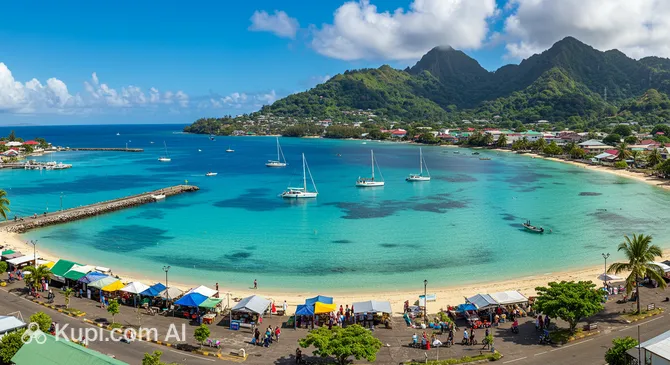
Welcome to Port Vila, the vibrant capital and main hub of Vanuatu. Located on the southern coast of Efate Island in the Shefa Province, this energetic city sits around a magnificent natural harbor, offering breathtaking views and a warm, welcoming atmosphere. As the commercial and economic center of the nation, it seamlessly blends authentic Melanesian culture with modern conveniences.

Port Vila. Source: Kupi.Binoculars

The city is home to approximately 51,000 residents and enjoys a tropical climate that keeps the surroundings lush and green throughout the year. Visitors interested in the past can delve into the rich history of Port Vila, discovering how it has evolved from a small settlement into a bustling Pacific gateway. The unique fusion of French, British, and Ni-Vanuatu influences is often reflected in the local architecture and diverse culinary scene.

Travelers will find plenty to do, from exploring the colorful Port Vila Market filled with fresh tropical fruits and handicrafts to taking a short trip to the stunning Mele Cascades for a refreshing dip in crystal-clear pools. The waterfront area comes alive in the evenings, offering a variety of dining options where you can enjoy fresh seafood by the sea. Whether you are seeking adventure or relaxation, Port Vila is an inviting destination that promises an unforgettable island experience.

Weather Overview

Travelers planning a trip to this island capital can look forward to a warm tropical climate throughout the year. The city generally experiences stable temperatures, ensuring a comfortable atmosphere regardless of the season. The warmest weather typically arrives in February, with average temperatures hovering around 26.8°C, while August is usually the coolest month, dipping slightly to an average of 23.5°C.

Rainfall patterns vary significantly, creating distinct wet and drier periods. The beginning of the year is characterized by frequent showers; for instance, March often sees up to 25 wet days. Conversely, the period from June to September is noticeably drier, with September averaging just 11 wet days. For those wanting to plan their activities around the forecast, checking the detailed weather in Port Vila is highly recommended.

Interesting Facts

Beyond the bustling markets and scenic harbor views, Port Vila holds several fascinating secrets that surprise many visitors. This capital city is not just a tropical gateway but a place with a quirky history and unique cultural traditions that set it apart from other Pacific destinations.

Iririki Island Resort. Source: Kupi.Binoculars
  • The picturesque Iririki Island Resort, sitting right in the middle of the harbor, has a prestigious past as the former official residence of the British Resident Commissioner. In earlier times, locals wishing to cross the water to the island would summon a boat by striking a metal bar against an empty gas cylinder, a rustic method long replaced by modern ferries.

  • Port Vila was once the center of a unique colonial experiment known as the "Condominium," where the New Hebrides was governed jointly by both Britain and France. This resulted in a city with two police forces, two prison systems, two currencies, and two languages, creating a fascinating duality that still influences the city's character today.

  • While kava is a ceremonial drink across the Pacific, Port Vila is famous for its "nakamals," or kava bars, which serve as daily social hubs rather than just ritual sites. You can spot an open nakamal in the evening by looking for a lit lantern or a colored light at the entrance, signaling that fresh kava is ready to be served.

  • Just a short distance from the city shores lies the world's only underwater post office. Located within a marine sanctuary, this official postal outlet allows snorkelers and divers to mail special waterproof postcards, which are collected daily by postal staff wearing scuba gear.

How to Get There

Reaching the vibrant capital of Vanuatu is a straightforward experience for international travelers, with air travel being the primary method of arrival. For those planning their journey, you can find all ways to reach the city and detailed logistics to ensure a smooth trip. The city is well-connected to the region, serving as the main gateway for visitors exploring the archipelago.

The most significant entry point is Bauerfield Airport (IATA: VLI), located just 4.8 km from the heart of Port Vila. As the country's main international hub, it welcomes a large volume of passenger traffic annually. Upon arrival, getting to the city center is quick and convenient; a trip by taxi or bus typically takes approximately 10 to 15 minutes. This airport handles the majority of international flights, making it the most likely first stop for visitors.

While Port Vila is the main destination, travelers exploring the wider archipelago might also transit through other significant hubs. Santo Pekoa International Airport (IATA: SON) is another key facility, situated in the city of Luganville, about 274 km from Port Vila. Similarly, Tanna Airport (IATA: TAH) serves the island of Tanna, located roughly 212 km away. Since these airports are on different islands, travel between them and Port Vila typically involves a short domestic flight rather than ground transport.

For clarity, here is a summary of the main airports:

Airport Name City Passenger Traffic Km from City
Bauerfield Airport Port Vila High 4.8
Tanna Airport Tanna Medium 212.3
Santo Pekoa International Airport Luganville Medium 273.9
Norsup Airport Norsup Small 208.4

Main Attractions

Port Vila offers a delightful mix of natural beauty, island luxury, and culinary experiences. While the city is the gateway to exploring Efate's rugged landscapes, the town itself features several standout locations where visitors can relax, dine, and soak up the tropical atmosphere. From private island escapes to vibrant waterfront dining, here are some of the main highlights to include in your itinerary.

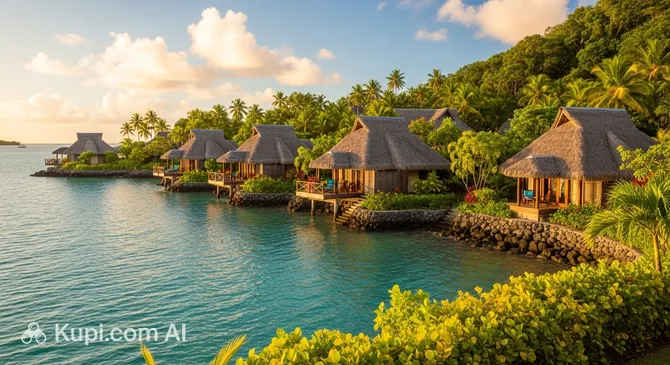
One of the most recognizable landmarks is the Iririki Island Resort, situated on a private island right in the middle of the harbor. Accessible by a complimentary 24-hour ferry that takes just a few minutes from the mainland, this resort is not only a place to stay but a destination in itself. Visitors can enjoy snorkeling in the surrounding turquoise waters, walk up to the viewpoint for panoramic vistas of the city, or simply relax by the pool. Its central location makes it a focal point of the bay, illuminating the harbor at night.

Iririki Island Resort. Source: Kupi.Binoculars

For those looking to experience the local dining scene with a view, the Waterfront Bar & Grill is a legendary spot. Located directly on the water's edge, it captures the essence of the South Pacific with its relaxed, open-air atmosphere and yacht club vibe. It is a favorite among both locals and tourists for enjoying fresh seafood, juicy steaks, and cold drinks while watching the sunset over the bay. The lively ambiance and live music often make it a hub of social activity in the evenings.

Waterfront Bar & Grill. Source: Kupi.Binoculars

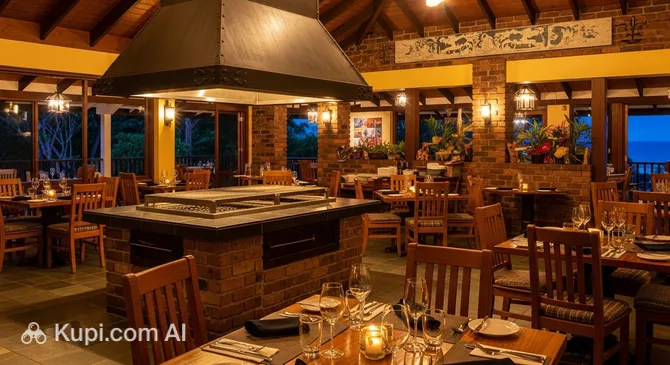
Another unique culinary attraction is The Stonegrill Restaurant, known for its interactive dining experience. Here, diners are served their choice of prime meats or fresh local seafood on super-heated volcanic stones, allowing them to cook their meal exactly to their liking right at the table. Set against the backdrop of the harbor, it offers a memorable evening where the method of cooking is as much a part of the allure as the delicious food and scenic setting.

The Stonegrill Restaurant. Source: Kupi.Binoculars

Beyond the dining and resort scene, travelers should not miss the famous Mele Cascades, located just a short drive from the city center. These stunning waterfalls tumble into a series of clear, aquamarine pools perfect for swimming. A guided walk through the lush rainforest leads to the top of the falls, rewarding visitors with breathtaking views and a refreshing dip in the cool waters, making it one of the most popular day trips from Port Vila.

Local Cuisine

The culinary landscape of Port Vila is a delightful reflection of its multicultural heritage, blending traditional Melanesian flavors with strong French and Asian influences. Food here is defined by its freshness, with most ingredients sourced directly from the island's rich volcanic soil or the surrounding ocean. Visitors can expect a farm-to-table experience where organic produce and locally caught seafood take center stage in almost every meal.

No trip to the city is complete without trying the national dish, Laplap. This hearty meal is made by grating root vegetables like taro, yam, or manioc into a paste, which is then soaked in coconut cream, topped with meat or spinach, and baked in an earth oven using hot stones. Another popular local snack is Tuluk, often described as a Vanuatu meat pie. It consists of minced pork encased in a cassava dough and steamed in banana leaves, offering a savory and filling treat that is perfect for lunch.

Beyond traditional fare, Port Vila is famous for its high-quality Santo Beef. Regarded as some of the best in the region, this organic, grass-fed beef is a staple in many local steakhouses and is renowned for its tenderness and flavor. Seafood lovers will also be spoiled for choice, with menus featuring freshly caught tuna, mahi-mahi, and the unique deep-water snapper known locally as Poulet Fish, celebrated for its chicken-like texture.

To accompany these meals, locals often enjoy fresh tropical juices made from papaya, mango, or pineapple. For something stronger, Tusker Beer is the iconic local lager found in almost every bar and restaurant. While Kava is the traditional ceremonial drink of the islands, consumed in the evenings for its relaxing effects, fresh coconut water remains the ultimate thirst quencher during the warm sunny days.

The heart of the local food culture beats strongest at the vibrant markets. Here, "Mamas" sell precooked meals and an array of colorful fruits and vegetables 24 hours a day, except on Sundays. It is the best place to mingle with residents and sample authentic island cooking at an affordable price. For a more formal dining experience, the city's waterfront offers a variety of restaurants where French gastronomy and island vibes combine, allowing diners to enjoy exquisite meals with a view of the harbor.

Travel Tips

Visiting Port Vila is a delightful experience, but knowing a few local insights can make your tropical getaway to Vanuatu even smoother and more enjoyable. To help you navigate the capital with ease, here are some practical tips covering everything from getting around to respecting local customs.

  1. Clothing and Gear: The climate is tropical and humid, so pack light, breathable fabrics like cotton or linen. While swimwear is perfect for the beach or your resort pool, it is considered disrespectful to wear it in town or villages; always cover up with a sarong, shorts, or a t-shirt when exploring public areas. A light rain jacket is essential as tropical showers can occur suddenly, and sturdy reef shoes are recommended if you plan on exploring coral reefs or waterfalls.

  2. Transportation: The most popular and affordable way to get around Port Vila is by minibus. You can easily identify them by the letter "B" on their license plates. There are no fixed stops; simply wave one down and tell the driver your destination. Taxis are also available (marked with a "T" on the license plate), but they are unmetered, so be sure to agree on the fare before starting your journey.

  3. Finances: The local currency is the Vanuatu Vatu (VUV). While major hotels, resorts, and supermarkets in Port Vila accept credit cards, cash is king for markets, small shops, and public transport. ATMs are widely available in the city center. Notably, tipping is not customary here and goes against traditional Melanesian customs; a warm smile and a verbal "thank you" are the best ways to show appreciation.

  4. Health and Safety: The city is generally safe, but standard precautions against petty theft should be taken. Mosquito-borne viruses like dengue can occur, so carrying and using strong insect repellent is highly advisable. While tap water in the capital is treated, short-term visitors often stick to bottled water to avoid any stomach upsets. Pharmacies are available in the downtown area, known as "Drugstores," but they typically close in the early evening and are closed on Sundays.

  5. Communication: English and French are official languages and are widely spoken in Port Vila, making communication easy for most travelers. The local lingua franca is Bislama, a pidgin language that is fun to learn. Buying a local SIM card (Digicel or Vodafone) at the airport or in town is the best way to stay connected, as Wi-Fi can be slow or intermittent outside of major resorts.

  6. Local Etiquette: The locals are known for their friendliness. It is polite to greet passersby with a smile or a simple "Hello." Sunday is a day of rest and church for many, so the city will be much quieter, and it is respectful to keep noise levels down. Always ask for permission before taking photos of people, especially in villages.

  7. What to Avoid: Do not bargain at the markets or in shops. Unlike in many other developing nations, haggling is considered rude and poor etiquette here. The price displayed or quoted is the fixed price. Also, avoid walking around town shirtless or in bikinis, as this is offensive to local conservative standards.

  8. Additional Tip: Visit the main Port Vila Market for food and supplies. It is open 24 hours a day from Monday morning until Saturday noon. It’s the perfect place to grab a cheap, authentic meal or stock up on fresh organic fruit, but remember to bring small change.

By keeping these simple tips in mind, you will be well-prepared to embrace the relaxed "island time" pace of Port Vila. Enjoy the warm hospitality, the vibrant culture, and the stunning natural beauty of this Pacific gem!

Entertainment & Nightlife

Entertainment in Port Vila transitions seamlessly from sun-drenched island adventures to a relaxed and welcoming nightlife scene. Unlike the high-energy clubbing capitals of the world, the evening atmosphere here is defined by "island time"—laid-back, friendly, and centered around socializing by the water. The main hub for nightlife is the Kumul Highway and the waterfront promenade, where the cool sea breeze complements open-air dining and drinking.

For a lively start to the evening, the Waterfront Bar & Grill is a staple of the city's social life. Famous for its yacht club atmosphere, it is an excellent spot to enjoy live music, which often features local string bands or acoustic covers. The venue attracts a mix of expatriates, tourists, and locals, creating a vibrant setting for sipping a cold Tusker beer while watching the harbor lights reflect on the water.

Those looking for a more sophisticated evening or a touch of excitement should head to the Iririki Island Resort. Accessible via a quick 24-hour ferry ride, the resort is home to the Jewel Casino, one of the premier gaming venues in Vanuatu. Even if you don't gamble, the resort's bars offer delicious cocktails and a dressier ambiance, making it perfect for a special night out. For a unique dining experience before hitting the town, The Stonegrill Restaurant offers a memorable meal where you cook your own prime cuts on hot volcanic stones, setting the stage for a leisurely evening.

A truly authentic Ni-Vanuatu night out involves visiting a Nakamal, or Kava bar. These are quiet, dimly lit venues marked by a colored lantern outside. Here, locals gather to drink shells of kava and speak in hushed tones. It is a cultural experience distinct from western bars; the atmosphere is serene and respectful. If you prefer dancing, there are a few nightclubs in town that stay open late, typically playing a mix of reggae, reggaeton, and top 40 hits, with the crowd picking up after 10:00 PM.

When planning a night out, safety and transport are straightforward. The city is generally safe, but it is advisable to take a taxi rather than walking long distances in the dark. Public minibuses (marked with a "B") usually stop running shortly after sunset, so look for taxis (marked with a "T") which are plentiful. Always agree on the fare before getting in, as they are unmetered. Dress codes are casual—shorts and flip-flops are acceptable in most bars, though resorts and casinos may require "tropical smart casual" attire.

While nights are for relaxing, daytime entertainment in Port Vila offers a wealth of cultural and recreational activities. Visitors can explore the National Museum of Vanuatu to see ancient artifacts and learn about the archipelago's history. For a thrill, jet boat rides and parasailing are available in the harbor, while those seeking culture can visit nearby cultural villages to experience traditional music, dance, and fire-walking demonstrations.

Parks & Museums

While Port Vila is often celebrated for its stunning harbor and nearby beaches, the city also boasts a rich tapestry of cultural heritage and lush green spaces. Visitors looking to look beyond the resort pools will find well-curated museums and scenic public parks that offer a deeper insight into the history, art, and daily life of Vanuatu.

For a comprehensive look at the nation's heritage, the National Museum of Vanuatu is an essential stop. Located within the Vanuatu Cultural Centre, towering traditional slit gongs (tamtams) welcome visitors at the entrance. Inside, the museum houses a remarkable collection of artifacts, including ancient pottery, ceremonial headdresses, and outrigger canoes. It plays a pivotal role in preserving oral traditions and the unique art of sand drawing, which is recognized by UNESCO as a Masterpiece of the Oral and Intangible Heritage of Humanity.

Art enthusiasts will find inspiration at the Michoutouchkine & Pilioko Foundation Art Gallery. Situated a short distance from the city center, this gallery was established by two renowned artists who spent decades in the Pacific. The collection is an eclectic mix of colorful paintings, carvings, and sculptures that fuse modern artistic styles with traditional Melanesian motifs. The surrounding garden is an artwork in itself, filled with sculptures and tropical plants, making it a vibrant cultural oasis.

In the heart of the city lies Independence Park, a significant green space that serves as a reminder of the country's colonial past. Historically the center of the British district, this expansive cricket ground remains a popular spot for local sports matches and public gatherings. It offers a peaceful, open environment where tourists can watch a game of cricket or simply enjoy a walk under the shade of mature trees, observing the relaxed pace of island life.

For a scenic waterfront experience, Feiawa Park is a favorite among locals and visitors alike. stretching along the harbor, this park features paved walkways, sculptures, and plenty of benches facing the ocean. It is the perfect location for a late afternoon stroll to catch the sea breeze and watch the sunset paint the sky over the bay. The park also hosts small markets and local events, adding to its community atmosphere.

Just outside the immediate city limits, The Summit Gardens offers the largest tropical garden experience in the South Pacific. Perched high on a hill, these gardens provide breathtaking panoramic views over Mele Bay. The meticulously landscaped grounds are divided into various themes, showcasing exotic orchids, palms, and other native flora. It is a magnificent spot for nature lovers to explore the diverse plant life that thrives in Vanuatu's volcanic soil.

Architecturally, the city reflects its dual colonial history through buildings like the Supreme Court and the old French Residency. For a lesser-known cultural experience, keep an eye out for the small handicraft centers often found near the parks. These spots allow you to watch local women weaving intricate baskets and mats from pandanus leaves, offering a genuine connection to the island's living culture.

Getting Around

Navigating Port Vila is a refreshingly simple and authentic island experience. Unlike large metropolitan capitals, the city does not have a complex network of subways, trams, or trains. Instead, the public transport system relies almost entirely on road vehicles, specifically minibuses and taxis, which are abundant, affordable, and easy to use. The system is informal but efficient, operating without strict timetables or designated route maps, allowing for a flexible way to explore the area.

The backbone of local transport is the minibus fleet. These are typically 10-12 seater vans that function as shared taxis rather than traditional buses with fixed stops. You can easily identify them by the red letter "B" on their license plates. They roam the streets constantly, and to catch one, you simply wave at the driver from the roadside. If the bus has space, it will stop. There are no fixed routes; passengers tell the driver their destination upon boarding, and the driver calculates the most efficient order to drop everyone off. It is a communal and friendly way to travel, often accompanied by island music playing on the radio.

Payment for public transport is strictly a cash-only affair. There are no travel cards, mobile apps, or pre-purchased tickets. For minibuses, you pay the driver directly when you reach your destination. Fares are generally fixed for trips within the greater city area and are very inexpensive. It is highly recommended to carry small change or coins, as drivers may not always have change for large denomination notes. Prices increase for longer distances outside the city limits, so it is wise to confirm the price with the driver before embarking on a long journey.

Operating hours for minibuses are not official, but they are most plentiful during daylight business hours. Service tends to wind down significantly after sunset, and by late evening, finding a bus can be difficult. If you are planning a night out or need to travel late, it is better to rely on taxis. Taxis are ubiquitous and can be identified by the red letter "T" on their license plates. Unlike the buses, taxis offer private, direct service to your destination.

A crucial tip for using taxis in Port Vila is to be aware that they are unmetered. You must agree on the fare with the driver before you get into the car to avoid any misunderstandings upon arrival. Most drivers are honest and adhere to standard rates, but clarifying the cost upfront is standard practice. Taxis can be flagged down on the street or found at designated ranks outside major hotels, the market, and the airport.

Given the city's location around a harbor, water transport is also a unique feature. Small ferries and water taxis operate regularly to transport passengers between the mainland and the resort islands situated within the bay, such as Iririki and Erakor. These boat services often run 24 hours a day for resort guests and visitors, providing a scenic short commute across the water.

For those who prefer more independence, car rentals are available from international and local agencies, mostly located at the airport or in the city center. Driving is on the right-hand side of the road. However, due to the compact nature of the downtown area, many visitors find that walking is a pleasant option for short distances, while the readily available buses and taxis cover any longer trips with ease.

Accommodation

Finding the perfect place to stay in Port Vila is relatively easy, as the city offers a diverse array of accommodation options to suit various travel styles and budgets. The selection ranges from budget-friendly backpacker hostels and simple guesthouses to self-contained apartments and high-end luxury resorts. Whether you are looking for a family-friendly hotel with a pool or a romantic private bungalow over the water, the capital has something to offer.

The most popular area for tourists is the city center and the immediate waterfront along the harbor. Staying here places you within walking distance of the main markets, restaurants, and tour operators, making it incredibly convenient for those without a rental car. For a more secluded island experience that is still close to town, the resorts located on the small islets within the harbor are highly sought after. Additionally, the Pango Peninsula, just a short drive from downtown, offers a quieter atmosphere with access to surf beaches.

Among the well-known establishments, the Iririki Island Resort is a premier choice for many visitors. Located on its own private island in the middle of the harbor, it offers a blend of exclusivity and accessibility, with a 24-hour ferry connecting guests to the mainland in just minutes. It is particularly noted for its traditional "fare" style bungalows and extensive facilities, making it a landmark accommodation option in the city.

When planning your trip, it is important to consider the seasonality of the destination. During the peak dry season (typically June to September) and major holidays, the most popular hotels and resorts can fill up quickly. Therefore, a general booking tip is to secure your accommodation well in advance if you plan to travel during these busy periods to ensure you get your preferred choice and the best rates.

In terms of pricing, Port Vila covers the full spectrum. Budget travelers can find dormitory beds or basic rooms at affordable rates, while mid-range options often include comfortable motels and serviced apartments. The luxury segment features world-class resorts with premium price tags. Most properties can be booked easily via major online travel platforms, though some smaller guesthouses may prefer direct contact or booking upon arrival in the off-season.

Nearby Cities

For those looking to explore the surroundings, Port Vila serves as an excellent base for island getaways to several interesting nearby locations:

One of the most popular destinations for a short excursion is Luganville, located on the island of Espiritu Santo. As the second-largest city in the archipelago, it offers a distinct change of pace with its rich World War II history and world-class diving spots, such as the famous SS President Coolidge wreck. Visitors are also drawn to the pristine white sands of Champagne Beach and the stunning Blue Holes, making it a rewarding trip for nature lovers and history buffs alike.

Another captivating option is Isangel on the island of Tanna. This town serves as the gateway to one of Vanuatu's most iconic attractions, Mount Yasur, an accessible active volcano that puts on a spectacular fiery display. Beyond the volcano, the area is known for its deep cultural roots, offering travelers the chance to visit traditional "kustom" villages and experience the authentic lifestyle of the local people.

City Population Distance (km)
Luganville 18062 275
Maewo 3600 288
Big Bay 1500 299
Isangel 1200 224
Craig Cove 1000 170

These nearby destinations offer a glimpse into the diverse culture and landscapes of the region.

Shopping & Souvenirs

Shopping in Port Vila offers a delightful contrast between modern duty-free bargains and the vibrant, authentic culture of the South Pacific. As the commercial hub of the nation, the city is the best place in the archipelago to stock up on both international luxury goods and unique local handicrafts. The experience is generally relaxed and friendly, with shopkeepers often happy to chat, though the bustling markets provide a more energetic atmosphere where the colors and scents of the islands come alive.

The primary destination for retail therapy is the Lini Highway, also known as Kumul Highway or simply "Main Street." This thoroughfare runs parallel to the waterfront and is lined with a variety of boutiques, souvenir shops, and banks. It is the heart of the city's duty-free zone, where visitors can browse for perfume, jewelry, designer clothing, and alcohol at competitive prices. Walking along this strip allows tourists to soak in the harbor views while moving between stores.

While Port Vila does not feature the massive mega-malls found in larger global cities, it does have several modern shopping complexes that cater to all needs. Tana Russet Plaza is one of the more prominent centers, housing a collection of clothing stores, a cinema, and cafes. Another landmark establishment is Fung Kuei, a large store famous among visitors for its extensive range of electronics, cameras, and duty-free liquor, often cited as offering some of the best deals in the Pacific.

For a truly local experience, the Port Vila Market (often called the Mama’s Market) is an unmissable stop. Located in the town center, this open-air market is open 24 hours a day from Monday morning until Saturday noon. It is a kaleidoscope of fresh tropical fruits, vegetables, and flowers. Just next door or in dedicated nearby structures like the Hebrida Market Place, you will find artisans selling woven baskets, mats, and wood carvings. These markets are the best places to support the local economy directly.

When it comes to souvenirs, visitors are spoiled for choice with high-quality local products. Tanna Coffee is a popular purchase for coffee lovers, grown in the rich volcanic soil of a neighboring island. Aelan Chocolate, made from locally sourced cocoa beans, is another delicious treat to bring home. For non-edible gifts, look for intricate wood carvings, hand-painted sarongs (pareos), and woven pandanus bags, which showcase the exceptional craftsmanship of the Ni-Vanuatu people.

Store opening hours in Port Vila generally follow a "tropical" schedule. Most shops open around 8:00 AM and close by 5:00 PM or 5:30 PM on weekdays. It is important to note that many smaller businesses close for "siesta" lunch breaks between 11:30 AM and 1:30 PM. On Saturdays, shops typically close at noon, and almost everything, except for some supermarkets and resorts, is closed on Sundays. In terms of payment, cash (Vatu) is essential for markets and smaller stalls, while credit cards are widely accepted in duty-free stores, hotels, and larger supermarkets.

Vanuatu is well-known for its tax-free shopping opportunities. International travelers can purchase duty-free goods such as spirits, tobacco, and perfumes at designated stores in town. To make these purchases, you will typically need to present your passport and a valid flight ticket. In some cases, the goods are packaged and delivered directly to the airport for you to collect upon departure, ensuring a hassle-free process for tourists looking to take advantage of the savings.
Reached the end of the page?

That means the route is fully explored