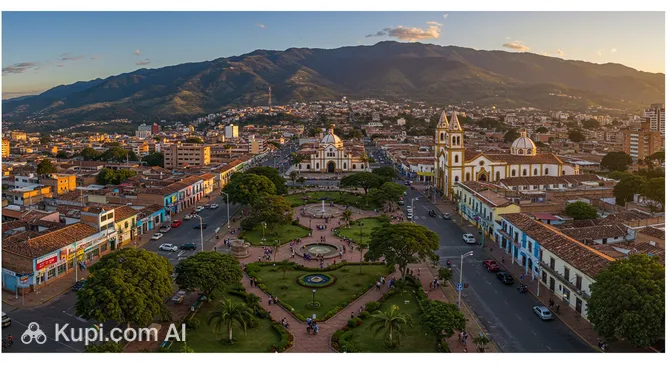
Barinas is a city often called the "capital of the Llanos," the vast plains in western Venezuela. Located at the foot of the Cordillera de Mérida mountain range, it serves as a unique gateway between the rugged Andes and the picturesque savannas. Founded in 1577, the city is steeped in the traditions of the llaneros—Venezuelan "cowboys" whose cattle-ranching culture and love for freedom have defined the character of this region.
Barinas. Illustration.
Source: Kupi.com AI
The city's geographic location makes it an important agricultural hub. Home to about 816,000 people, the atmosphere of Barinas is far from the hustle and bustle of a metropolis. It is a place where a measured pace of life is valued, and its rich colonial heritage is harmoniously interwoven with the daily life of a modern regional commercial center.
For tourists, Barinas is primarily interesting as a base for wilderness expeditions. It is the starting point for routes to massive ranch estates (hatos), where you can see hundreds of bird species and exotic animals. Within the city itself, the Cathedral and historical buildings that retain the charm of old Spain are worth your attention. If you are looking for authentic Venezuela in its natural state, Barinas will be a true discovery for you.
Weather Overview
The climate of Barinas is typical of tropical plains: it is always warm, and the seasons are distinguished not by temperature, but by rainfall. The average annual temperature fluctuates between 25–30°C. During the day, the air can heat up to a hot 35°C, while the night brings pleasant coolness, dropping to 20–22°C. Its location at the foot of the Andes provides the city with good ventilation, making the heat more bearable.
There are two distinct seasons in the region. The rainy season lasts from May to October, peaking in June and July. During this time, the Llanos savanna blooms, but humidity increases significantly, and heavy downpours can affect road travel. The dry season begins in November and lasts until April, providing ideal conditions for observing animals as they gather around the few remaining water sources. To find out more about current conditions, check the detailed weather forecast for Barinas.
January and February are considered the driest months, when the probability of precipitation is minimal and the sky is a clear blue. If you plan a trip during this time, expect hot days and perfect conditions for wildlife photography in the savanna. Regardless of the month, it is always recommended to carry a hat and light clothing to protect against the sun.
Average monthly temperature
Average monthly precipitation
Interesting Facts
Barinas changed its location several times after its founding in 1577 due to terrain and climate conditions before finally settling in its current spot on the banks of the Santo Domingo River.
The city is a recognized entry point to the Llanos ecosystem, which is home to over 320 bird species and about 50 mammal species, making it a paradise for birdwatchers and wildlife photographers.
In the Barinas region, a unique activity has developed—piranha fishing, which is offered at many surrounding ranches for those seeking something exotic.
The local university, founded in 1975, has turned the city into an important educational hub, attracting young people from across the western part of the country.
Not far from the city is the famous Hato Piñero ranch, spanning an impressive 56,000 hectares—it is one of the largest privately-owned wildlife conservation zones.
How to Get There
The accessibility of Barinas is largely determined by its status as a regional center. The fastest and most comfortable way to reach the city is by air. The main gateway is Barinas Airport (IATA: BNS), which receives regular flights from Caracas. The flight takes about one hour, though potential delays and transfer time to the hotel should be considered. The airport is located in close proximity to the city, and a taxi ride to the center takes no more than 15–30 minutes.
If you prefer ground transport, you can reach Barinas from the Venezuelan capital by bus or car. The 550-kilometer distance is covered in approximately 7–10 hours. The road passes through scenic plains but can be tiring due to traffic and road conditions during the rainy season. There are also bus connections with cities like Maracaibo and San Cristóbal, which take about 4–6 hours.
Currently, rail service in the region is practically non-existent, so buses and private carriers remain the primary ways to travel between states. For the most up-to-date information, it is worth checking detailed Barinas transport information before your trip.
Station
Passenger traffic
Distance
Altos de la Vanega
3
271 km
Main Attractions
Although Barinas is primarily an administrative center, it has several iconic sites worth visiting for history and architecture enthusiasts. In the heart of the city lies the Cathedral of Our Lady of the Pillar (Catedral de Nuestra Señora del Pilar), a majestic colonial-era building considered the spiritual heart of the region. Its austere yet elegant facade is a reminder of the era of Spanish rule.
Located near the central square is the Palacio del Marquez del Pumar. This historical government building is a magnificent example of 18th-century civil architecture. Walking past it, one can feel the grandeur of the past when Barinas played a key role in managing the surrounding lands. Also of interest is La Casa de la Cultura Napoleon Sebastian Arteaga—a cultural center that frequently hosts exhibitions by local artists and craftsmen.
To dive deeper into the local identity, the Casa Museo Alberto Arvelo Torrealba is a must-visit. This museum is dedicated to the life and work of the famous poet who celebrated the life of the llaneros. The exhibition helps visitors understand the soul of the plains dwellers and their inseparable connection to nature.
For those seeking active recreation, Barinas offers adventures beyond the city limits. Approximately 40 kilometers from the city flows the Acequia River, known for its rapids. It is a popular spot for white-water rafting, where you can experience an adrenaline rush while admiring the wild landscapes of the Venezuelan foothills.
Local Cuisine
The cuisine of Barinas is a true feast for meat lovers. Beef is the staple of the local diet, which is no surprise for a cattle-ranching region. Be sure to try asado (grilled meat) or cabrito—tender roast kid goat. Another unique dish is mamon, a thick corn porridge with shredded meat that provides an energy boost for the whole day.
No meal in Barinas is complete without traditional arepas. These corn patties are served here with a wide variety of fillings, from local soft cheese to stewed meat with beans. If you are looking for an authentic lunch spot, visit Posada Don Marcos or Posada Dona Barbara, where chefs specialize in classic recipes from the state of Barinas.
Among drinks, chicha is particularly popular—a thick, fermented corn-based beverage that is excellent for quenching thirst on a hot afternoon. The region is also famous for its aromatic coffee grown in the Andean foothills. At local markets, you can try fresh empanadas—crispy pastries with juicy fillings that are perfect for a quick snack.
Travel Tips
A trip to Barinas promises to be a vivid adventure if you prepare in advance for the characteristics of this hospitable but unique region. Here are some practical tips to help you feel confident.
Clothing and Essentials: Choose light clothing made of natural fabrics, as it is often hot and humid in the Llanos. Be sure to bring a reliable insect repellent and sunscreen. For nature excursions, you will need closed-toe shoes and a raincoat in case of sudden downpours.
Transport: Within the city, taxis are the most convenient way to get around, but always agree on the price before the trip begins. For long trips to ranches, it is better to rent a car or book an organized tour with a transfer.
Finance: Venezuela has a complex currency situation, so always carry a supply of cash in small denominations (US dollars are best). International cards are not accepted everywhere, and finding a working ATM can be a challenge.
Health and Safety: Drink only bottled water. During the day, the city center is safe, but after sunset, try to avoid walking in unlit outlying areas and always use official transport services.
Communication: The primary language is Spanish. English is not widely spoken in Barinas, so learn basic phrases or install an offline translator. Locals are very friendly and will always try to help if you are polite.
Local Etiquette: Greet people when entering shops or cafes. Llaneros are proud of their culture, so showing interest in their traditions and joropo music will be received with great warmth.
What to Avoid: Do not photograph government buildings or military personnel without permission. Also, refrain from discussing political topics and do not display expensive equipment or jewelry in crowded places.
Connectivity: Wi-Fi is available in most hotels, but its quality can be unstable. For constant network access, it is better to purchase a local SIM card (for example, from operators like Movistar or Digitel).
May your journey to Barinas be filled only with positive emotions and amazing discoveries in the heart of the Venezuelan plains!
Entertainment & Nightlife
Entertainment in Barinas is calm and provincial, reflecting the slow pace of life in an agricultural center. The nightlife here does not feature the vibrancy of major metropolises: most establishments close after 10:00 PM, and the city settles into quietness. Most evening activity is concentrated in the central squares, where locals gather to socialize, stroll, and taste street food.
For those looking for a place to spend the evening in a pleasant setting, CAFE LOUNGE RESTAURANT 1.3D is a good choice. This establishment stands out from traditional diners with its modern approach and wide selection of dishes. Often, the city's cultural life centers around local community centers, where you can catch performances of musicians playing traditional Llanos melodies on the harp—the joropo music.
The main entertainment for visitors remains daytime excursions into the savanna. Jeep tours or horseback rides across the endless plains of the Llanos allow you to see unique fauna: capybaras, caimans, and rare birds. These adventures, often concluding with a traditional dinner at one of the ranches, serve as the local alternative to city clubs and discos.
Parks & Museums
The cultural space of Barinas is small, but it is filled with deep meaning and respect for local traditions. The city's main museum is rightfully considered the Casa Museo Alberto Arvelo Torrealba. The building itself is a historical monument, and inside is a collection dedicated to the life of the great poet and llanero culture. Visiting the museum is the best way to understand what life is like for people in these endless plains.
Another important site is La Casa de la Cultura. This is not just a gallery but a living center of creativity where you can see the work of local artisans, listen to folk music, or catch a theatrical production. The city parks in the center of Barinas, while not enormous in size, serve as cozy oases for relaxing in the shade of trees, which is especially valuable during the hot midday hours.
However, the true "park" for visitors is the city's surroundings. The vast territories of protected ranches, such as Hato Piñero, offer immersion into pristine nature. Here, the savanna replaces city alleys, and wild birds and animals become the main "exhibits" to be observed in their natural habitat.
Getting Around
The transport system in Barinas is simple and functional, though it may require some adaptation from a tourist. The main way to get around the city is by buses and minibuses, affectionately called busetas. They connect the center with the outskirts and neighboring villages. Routes cover all key points of the city, but be prepared for transport to be crowded with workers and students during peak hours.
For more comfortable trips, visitors often choose taxis. It is important to remember that cars here are not equipped with meters, so the fare must be negotiated with the driver in advance. Taxis are a great option for trips to the airport or to remote ranches. Mototaxis are also extremely popular among locals, allowing for quick maneuvering through traffic to reach a destination in the shortest possible time.
Public transport fares are paid in cash to the driver. Traffic jams in Barinas are rare, but traffic may slow down at city exits due to agricultural machinery and trucks. If you plan to travel a lot outside the central area, renting a car is a sensible decision, as it will give you complete freedom to explore the vast plains of the Llanos.
Accommodation
Accommodation in Barinas is primarily geared toward transit travelers and those visiting to explore the wildlife of the Llanos. While you won't find massive five-star chain complexes here, the city and its surroundings offer an excellent selection of authentic posadas and guesthouses providing homey comfort and hospitality.
In the very heart of the city, Posada Don Marcos is popular, known for its traditional decor and attentive staff. For those who prefer a classic hotel format, Hotel Sabana Doral is a suitable option. If your goal is total immersion in the region's culture, consider Posada Dona Barbara, which often serves as a starting point for savanna excursions.
Of particular interest to tourists are the so-called "hatos"—working ranches, such as Hato Cristero. Here, you can not only spend the night but also get acquainted with the llanero lifestyle, see wild animals right from your room window, and enjoy the silence of the Venezuelan countryside. It is recommended to book accommodation in advance, especially during holidays or the dry season, as the number of quality lodging options is limited.
Nearby Cities
Barinas serves as an excellent starting point for those who want to see the different facets of Venezuela—from revolutionary history to religious shrines. Very close to the city are interesting settlements, each possessing its own unique character.
Just 36 kilometers away is Sabaneta—a small town that entered history as the birthplace of Hugo Chavez. Tourists stop here to see sites associated with his life and to feel the atmosphere of a typical Venezuelan province. Another significant destination is the city of Guanare, which is considered the spiritual capital of the country. It is home to the majestic Temple of Our Lady of Coromoto, attracting thousands of pilgrims from all over the world.
City
Population
Distance
Sabaneta
27 850
36 km
Guanare
192 644
72 km
Socopo
110 512
78 km
Trujillo
38 110
84 km
Valera
191 167
87 km
For those seeking cooler temperatures and mountain landscapes, trips toward the cities of Trujillo or Valera are ideal. The route to them lies through the picturesque foothills of the Andes, offering a sharp change of scenery after the Llanos plains. Exploring these surroundings will allow you to form a more complete picture of the diversity and hospitality of this region.
Shopping & Souvenirs
Shopping in Barinas is primarily about discovering local crafts and purchasing authentic handmade goods. You won't find giant shopping malls with global brands here; instead, the central part of the city is home to many shops selling items made by craftsmen from the state of Barinas. First and foremost, look for leather goods: high-quality belts, saddles, and the famous wide-brimmed hats that are an essential part of the locals' wardrobe.
The heart of Barinas' commercial life is its city markets. There is a lively atmosphere here, and the stalls are bursting with fresh produce, spices, and local delicacies. This is the best place to buy aromatic Venezuelan coffee grown in the foothills or traditional sweets as souvenirs. Woven items and textiles with regional patterns can also frequently be found at the markets.
Shops usually operate with a siesta break during the hottest hours, opening early in the morning and continuing until evening. Payment is most often made in cash, although larger stores accept cards. If you are looking for something more modern, take a walk along the main shopping streets in the center, where small boutiques with clothing and accessories are concentrated. Remember that the best souvenir from Barinas is something made by the hands of a person who loves their land.