Support

Bulawayo Railway Museum of Zimbabwe

About

The Bulawayo Railway Museum is a fascinating place where time literally stands still. Located in an old district of Bulawayo, the museum is a real treasure trove for anyone interested in transport history. Opened in 1972, it features one of the most impressive collections of railway equipment in Zimbabwe and across all of Southern Africa.
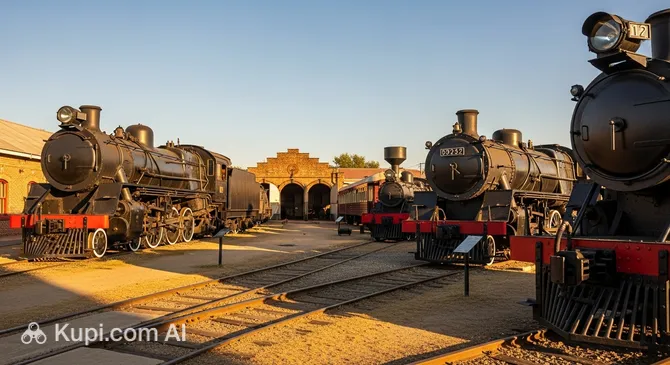
Bulawayo Railway Museum
Bulawayo Railway Museum. Иллюстрация. Источник: Kupi.com AI

The exhibition occupies the territory of former workshops and an old station, creating a unique atmosphere of the industrial past. Here, both in the halls and under the open sky, exhibits dating back to the late 19th century are gathered: from mighty Beyer-Garratt steam locomotives to elegant passenger carriages. The museum allows you to trace the entire development of the region's railways, which played a key role in the exploration of these lands.

The crown jewel of the collection is the personal coach of the famous Cecil Rhodes, which has preserved its luxurious Victorian-era interior. Walking among these giant steel machines, visitors can feel the spirit of the great journeys and see the technology that once connected the remote corners of the African continent.

Contacts

For more information about visiting, you can use the following contact details for the museum:

How to contactContact
AddressNB, RHQH+72P, Fourteenth Ave, Bulawayo, Зимбабве
Websitewww.facebook.com

What to Do

The main feature of this museum is its interactivity. Unlike many other exhibits, here visitors are allowed not only to look at the trains from the side but also to climb into the driver's cabs, step inside the carriages, and pull the levers. Be sure to look into Cecil Rhodes' coach: there you can see silver-plated tableware, a cozy bedroom, and a kitchen, all preserved in excellent condition.

Active travelers should try their hand at operating a handcar (a track maintenance trolley) — it's a great way to feel how railway workers of the past worked. In the museum's Main Hall, you can explore a collection of vintage telephones, ticket machines, signal lamps, and even examine detailed models of locomotives.

For both children and adults, it is a true "heavenly paradise": in the open areas, you can climb on the giant steam locomotives and imagine yourself as a pioneer. Don't forget to use the services of local guides — they are former railway employees whose stories about working on Beyer-Garratt steam engines and the construction of the Zambezi bridge will make your visit unforgettable.

Getting There

Getting to the museum is quite easy, as it is located in the Raylton district, almost in the very heart of the city. It is situated behind the National Railways of Zimbabwe (NRZ) yard at Fourteenth Ave. From central Bulawayo, you can walk there in 15–20 minutes or take a taxi, which is the most comfortable option for tourists.

If you prefer public transport, look for buses or shuttle taxis heading to the Bulawayo Railway Station. Once at the station, you need to cross a special pedestrian footbridge that leads directly to the museum grounds. For those traveling by private or rental car, there is a small parking area at the entrance.

A modest sign on the main road serves as a landmark, indicating the entrance through a historic 1930s station building. A taxi ride from the main city center hotels will take no more than 5–10 minutes.

Ближайший город: Bulawayo

History & Facts

The history of this amazing place began on November 4, 1972. The museum was founded to commemorate the 75th anniversary of the opening of the railway line connecting Vryburg and Bulawayo. It was established by Rhodesia Railways (now known as NRZ) to preserve the memory of the technical progress that began here as early as 1896.

One of the most valuable exhibits is Cecil Rhodes' personal coach, built in the USA in 1896. Interestingly, the carriage was delivered to Africa in pieces. It was in this very coach that Rhodes' body was transported to his burial site in the Matopos Hills in 1902. The interior of the carriage has been preserved in its original form, offering a glimpse into the luxury of colonial elite travel.

Another legend of the collection is the Jack Tar locomotive. Built at the end of the 19th century, this locomotive was the first to cross the famous bridge over Victoria Falls during the construction of the northern railway line toward Congo. Also noteworthy is the Shamva station building, which was completely dismantled and moved to the museum in 1972 to serve as an example of early 20th-century architecture.

The museum continues to exist largely thanks to the enthusiasm of dedicated individuals. For a long time, it was managed by Gordon Murray, a former railway employee whose knowledge and passion helped save many locomotives from being scrapped during periods of rolling stock shortages.

Time Needed

To leisurely inspect all the locomotives, look inside the carriages, and study the collection of archival photographs, a typical tourist will need between 1.5 and 2.5 hours. This is quite enough for an introductory walk and a short chat with a guide who can share the most fascinating facts about the machinery.

If you are a true railway enthusiast or a fan of industrial history, plan to spend at least 3 hours here. The opportunity to study the design of steam engines in detail and examine every artifact in the Main Hall is more engrossing than it might seem at first glance.

Working Hours

The museum hospitably opens its doors to visitors daily. The standard working schedule is from 09:00 to 16:00, seven days a week. This provides an excellent opportunity to include a visit on any day of your city itinerary.

Please note that the museum may be closed during major holidays such as Christmas and New Year's Day. It is recommended to arrive in the first half of the day so that you have enough time to view the exhibits in natural light. Before your visit, it is worth checking the official Facebook page for any potential schedule changes.

09:00–16:00

Nearby

A visit to the railway museum can be complemented by a walk around the neighborhood, where interesting monuments and places for relaxation are located. The city center is very close, making it easy to combine your technical exploration with a tour of city attractions.

NameDistance
Joshua Mqabuko Nkomo Statue1.3 km
Zarah Lounge1.4 km
Zonkizizwe Shopping Centre2.1 km
Natural History Museum of Zimbabwe2.4 km
The Boundary2.5 km
Bulawayo Fried Chicken Restaurant2.6 km
Mozambik Restaurant3.1 km

Reached the end of the page?

That means the route is fully explored