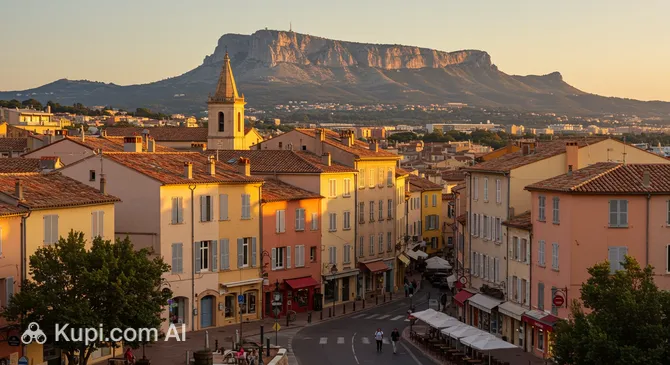
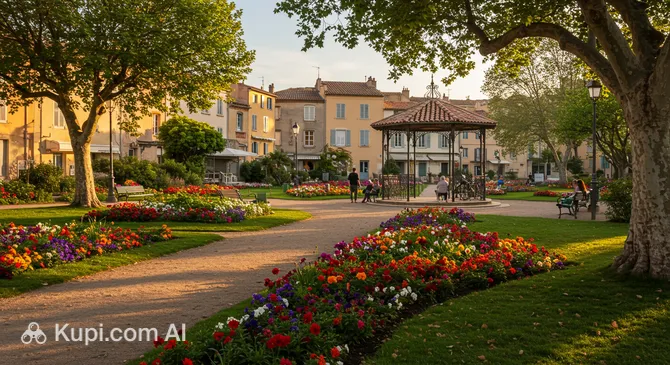
Aubagne is a cozy corner often called the “Provençal diamond.” The city is located in a picturesque valley surrounded by hills, just 20 kilometers from bustling Marseille and the azure waters of the Mediterranean Sea. It is here that France reveals its most soulful side, offering travelers an ideal balance between natural beauty, authentic atmosphere, and urban comfort.
Aubagne. Illustration.
Source: Kupi.com AI
Despite a population of about 47,500 people, the city maintains a small-town feel while remaining an important center of the Provence-Alpes-Côte d'Azur region. Thanks to its convenient location, it is easy to get to Aix-en-Provence, Toulon, or the famous Verdon Gorges from here. The Old Town charms guests with its narrow streets, stone fountains in shaded squares, and traditional markets where you can buy fresh local products.
Strolling through the center, it is impossible not to notice how the rich history of Aubagne is intertwined with modernity. It is not just a satellite city of a metropolis, but a place with its own character, where traditions and crafts are honored. A slow joy of life reigns here, and the hustle and bustle gives way to leisurely walks and tastings.
Aubagne is a destination you want to return to for inspiration. Come here to feel the true taste of summer, breathe in the scent of Provençal herbs, and enjoy the warmth of local hospitality.
Weather Overview
The climate in Aubagne is typical for the Provence region — mild, sunny, and conducive to travel almost all year round. Summer here is truly hot and dry: in July and August, the average temperature stays around 24°C, and daytime maximums often reach 30°C. This is an ideal time for those who love the sun, as rain during this period is very rare, especially in July.
Winter passes peacefully, without severe frosts. In January, the coldest month, the temperature at night rarely drops below 3°C, and during the day the air warms up to 10–11°C. Spring and autumn bring pleasant freshness, but it is during the transitional seasons, especially May and November, that the greatest number of rainy days occurs — up to 11 per month.
Expect a hot summer with clear days and mild winters, when the cool air does not interfere with walks. To choose the ideal dates for your visit and plan your wardrobe correctly, we recommend checking the current weather in Aubagne in advance before your trip.
Average monthly temperature
Average monthly precipitation
Interesting Facts
Aubagne is not just a point on the map of Provence, but a place with a rich cultural code and unexpected traditions. In addition to the main attractions, the city keeps many fascinating stories that make it truly unique for the thoughtful traveler.
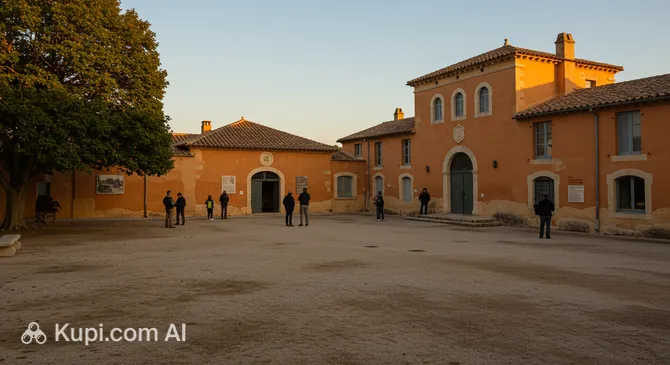
Did you know that the heart of the legendary French military brotherhood beats right here? The headquarters of the famous unit is located in the city, and the Museum of the Foreign Legion is open to the public, storing unique relics and telling the history of the formation from the 19th century to the present day.
Aubagne is often called the "city of clay," and this nickname did not arise by chance. Pottery traditions here have been continuous since Gallo-Roman times thanks to the special quality of the local soil, which is ideal for creating durable and beautiful ceramics.
The city is considered the world capital of "santons" — miniature painted terracotta figurines that decorate Christmas crèches. This craft has become a true symbol of Aubagne, and local masters create not just figurines of saints, but also figures of ordinary residents of Provence in traditional costumes.
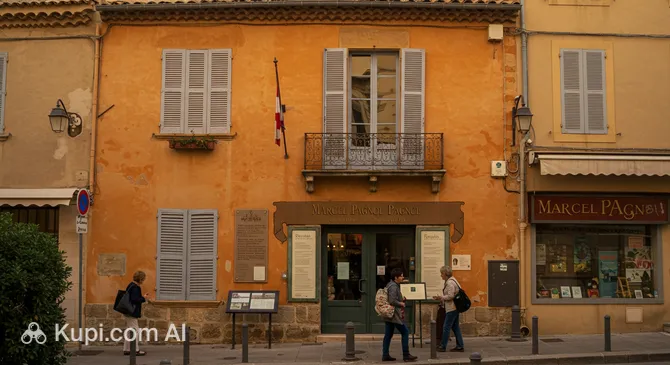
The surroundings of the city served as natural backdrops for many classic French films. Writer and director Marcel Pagnol was born here and drew inspiration from the local landscapes; today, tourists can look into the Marcel Pagnol House-Museum to learn more about the childhood of the great author.
Museum of the Foreign Legion. Illustration.
Source: Kupi.com AI
Traveller photos:
How to Get There
When planning a trip to Provence, it is important to think about logistics in advance, as the city is located near major transport hubs but does not have its own international airport. You can find out more details about how to get to Aubagne to choose the optimal route based on your budget and time.
The most convenient way for most tourists to get to the city is to fly through Marseille Provence Airport (MRS). This is a large international hub located not in Aubagne itself, but near the city of Marseille, about 33 km away. A trip by car or taxi from the terminal to the center of Aubagne will take about 40–50 minutes, depending on traffic.
Alternatively, you could consider Hyères Airport (TLN), located near the city of Toulon. It is about 52 km from Aubagne. This is a less crowded regional airport from which you can reach your destination by transfer or rented car in about an hour.
For clarity, here is a summary of the main airports in the region:
Traveling by train is also an excellent option, allowing you to enjoy the views of southern France. There is no TGV high-speed train station in Aubagne itself, so tourists often choose Saint-Charles Station (Marseille). This station is located in the center of Marseille, just 15 km from Aubagne. From here, you can quickly reach your destination by suburban train or taxi in about 20–30 minutes.
Another convenient hub is Aix-en-Provence TGV Station. It is located in the city of Aix-en-Provence, about 29 km from Aubagne. Many high-speed trains from Paris and other major cities arrive here. The journey from the station to a hotel in Aubagne will take about 45 minutes by car.
Information about the nearest railway stations is presented below:
Aubagne carefully preserves its cultural heritage, offering guests the chance to immerse themselves in the history of Provence and the lives of its outstanding residents. A walk through the city will introduce you to unique museums and cozy green areas that reveal the character of this southern corner.
For fans of French cinema and literature, the Marcel Pagnol House-Museum is a mandatory stop. It was in this building in 1895 that the famous writer and director was born, who glorified his native land in his works. The apartment's interiors have been carefully restored to convey the details of family life at the end of the 19th century. Tourists come here to see personal belongings, photographs, and manuscripts, immersing themselves in the atmosphere of the childhood of the author of "My Father's Glory."
Marcel Pagnol Birthplace. Illustration.
Source: Kupi.com AI
Traveller photos:
A completely different, heroic side of history is revealed by the Museum of the Foreign Legion. The exhibition, located at the headquarters of this elite unit, covers the period from its creation in 1831 to the present day. It houses impressive collections of uniforms, weapons, awards, and trophies brought by legionnaires from different parts of the world. This place will be of interest to everyone who is fond of military history and wants to learn about the traditions and code of honor of the legendary brotherhood.
If you want to take a break from excursions and enjoy the silence, head to Jean Moulin Park. This is a green oasis within the city, ideal for leisurely walks, morning jogs, or family picnics. Well-kept alleys and shady trees create an atmosphere of peace, allowing you to catch your breath and enjoy the mild climate of Provence away from the city bustle.
Local Cuisine
The culinary life of Aubagne is a true feast for gourmets, where classic Provençal cuisine reigns. Most local recipes are based on "sunny" ingredients: fragrant olive oil, fresh vegetables, spicy herbs, and garlic. Travelers should definitely try the famous ratatouille — a vegetable stew prepared here with special love, as well as the rich bouillabaisse fish soup, the taste of which transports you directly to the seacoast.
A gastronomic walk through the city would be incomplete without tasting traditional snacks. Look for tapenade — a thick paste of olives and anchovies, usually spread on a crispy baguette, and aioli — a delicate garlic sauce that perfectly complements vegetables or fish. Those with a sweet tooth will enjoy calissons — exquisite almond gingerbreads with candied fruits, which have become one of the symbols of the region.
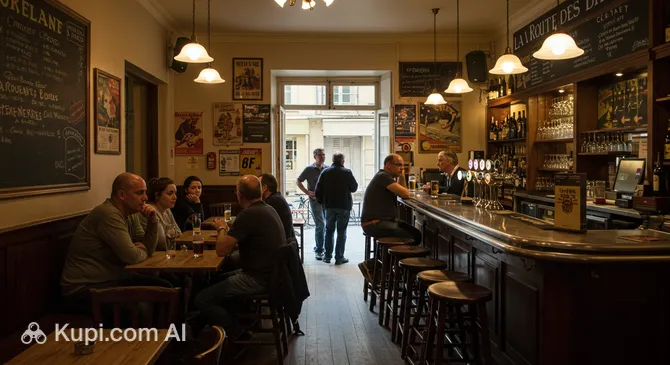
The food culture here is inextricably linked with the slow enjoyment of life. Locals and tourists prefer to dine on the outdoor terraces of restaurants or visit farmers' markets, which abound with fresh cheeses, sausages, and honey. It is customary to accompany a meal with a glass of cold rosé wine from local vineyards or a sweet muscat. And for those looking for variety or wanting to spend an evening in a relaxed atmosphere, La Route des Bières bar is a great place to relax after a busy day.
La Route des Bières. Illustration.
Source: Kupi.com AI
Traveller photos:
Travel Tips
Preparing for a trip to Aubagne is the key to ensuring that you can fully immerse yourself in the atmosphere of Provence without being distracted by everyday trifles. We have compiled a list of practical tips to help you plan the perfect holiday in this hospitable southern city, avoiding typical tourist mistakes.
Clothing and gear: It can be very hot in Provence in summer, so bring clothes made of natural breathable fabrics (linen, cotton), sunglasses, and a hat. However, due to the famous mistral wind, even in the warm season, evenings can be cool — a light windbreaker or cardigan is mandatory. For walks along hilly streets and trips to the Garlaban massif, choose the most comfortable flat shoes or sneakers.
Transport: A unique feature of Aubagne is completely free public transport (buses and trams of the Lignes de l'Agglo network). You do not need to buy tickets to move around the city and its surroundings; just get on and go. For trips to Marseille, it is most convenient to use TER regional trains (about 20 minutes in transit). A car rental is only necessary if you plan to explore distant lavender fields or canyons.
Finances: The official currency is the Euro (€; 1 EUR is approximately $1.08). Bank cards (Visa, Mastercard) are accepted in most restaurants and supermarkets, but for purchases at local markets, in small bakeries, or souvenir shops with santons, be sure to have cash with you. Tips in France are often already included in the bill (service compris), but it is considered good form to leave 1–2 euros (about $1–2) or round up the amount when paying in cash.
Health and safety: Aubagne is a peaceful city, but as everywhere, you should watch your belongings in crowded places. Pharmacies are easy to recognize by a flashing green cross; there are many of them in the center, and pharmacists can often provide initial advice. The main threat to health in summer is the active sun, so always carry water with you and use a high SPF cream. Tap water is drinkable and safe.
Communication: The main language is French. English is understood in tourist offices and large hotels, but in small bistros, there may be difficulties with this. Download an offline translator to your phone. A SIM card (Orange, SFR, Bouygues) can be bought at tobacco kiosks (Tabac) or mobile stores; there is free Wi-Fi in the city center and many cafes.
Local etiquette: Politeness is the basis of communication in France. When entering any shop, cafe, or even a bus, be sure to say loudly “Bonjour” (Good day) or “Bonsoir” (Good evening). Ignoring this rule is perceived as rudeness. Life here flows slowly, so don't rush the waiters — service can be leisurely; it's part of the local culture.
What to avoid: Do not try to make purchases or solve important matters during lunch time (usually from 12:30 to 14:30 or even 15:00). Many shops, banks, and institutions close for a long break. Also, do not touch fragile clay figurines (santons) in workshops without a craftsman's permission — they are delicate handmade works.
Additional tip: Be sure to look into the local market, which usually takes place on Tuesday and Saturday mornings. This is not just a place for shopping, but a real theater of Provençal life. Here you can buy the best olives, cheeses, and fresh fruits cheaper than in supermarkets, and find out the latest city news from the vendors.
Aubagne opens up to those who are ready to slow down and enjoy the moment. By following these simple recommendations, you will be able to feel not just like a tourist, but like a welcome guest to whom the city gladly confides its secrets.
Entertainment & Nightlife
Entertainment in Aubagne is of a leisurely, contemplative nature, perfectly complementing the atmosphere of Provençal comfort. Here you will not find noisy world-class nightclubs, but you will discover many opportunities for cultural leisure and relaxation.
The main impression for guests of the city is often a visit to the workshops of santon-makers. Watching a piece of clay turn into a painted figurine is a fascinating process available in numerous ateliers in the historical center. Many masters are happy to share the secrets of their craft, turning a visit to the shop into an educational mini-tour.
Active recreation enthusiasts should take a walk to the Garlaban massif. These hills, celebrated in literature, offer picturesque hiking routes of varying difficulty. Climbing to the peaks will provide breathtaking panoramic views and allow you to feel like a character from old French novels, walking among wild herbs and rocks.
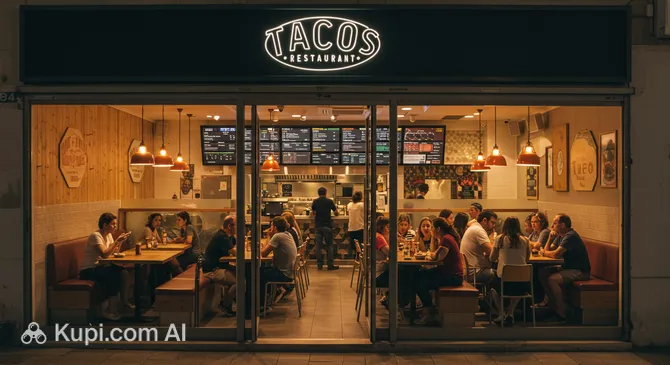
The city's evening life is largely centered around gastronomy. If you want to change the scenery and try something different from traditional local cuisine, stop by the taco restaurant in Aubagne. This establishment offers a casual atmosphere and popular Mexican dishes, which is a great option for dinner with friends after a busy day.
Tacos Restaurant Aubagne. Illustration.
Source: Kupi.com AI
Traveller photos:
For those who prefer light and healthy snacks, Eat Salad is a good choice. Here you can assemble a dish yourself from fresh ingredients, which is especially appreciated by travelers watching their diet. It is a convenient place to grab a quick bite before an evening promenade through the city's ancient streets.
Parks & Museums
The cultural and natural landscape of Aubagne is harmoniously intertwined, offering tourists routes where history comes alive among green hills and shady alleys. The city carefully preserves its traditions, whether military glory, literary heritage, or the art of creating ceramics, and invites guests to get to know them in its museums and parks.
For those who want to feel the breath of Provençal nature without leaving the city limits, Jean Moulin Park is an ideal place. This is a true green oasis where century-old trees create pleasant coolness even on the hottest summer days. The park is perfect for family holidays: it is equipped with walking paths, picnic areas, and playgrounds. Locals value it for its tranquility and well-kept appearance, making it an excellent spot for a break between excursions.
Jean Moulin Park. Illustration.
Source: Kupi.com AI
Traveller photos:
If you are ready for more large-scale natural discoveries, you should head to the foot of the Garlaban massif, to the Domaine de la Font de Mai. This territory of about 100 hectares is the gateway to the famous hills celebrated by Marcel Pagnol. An ancient bastide is preserved here, surrounded by gardens and agricultural lands demonstrating the traditional way of life in Provence. Many hiking trails start from here, leading to picturesque peaks and filming locations of famous movies.
The city's museum life is rich and diverse. A unique world-class institution is the Museum of the Foreign Legion. This is the only place where the history of the elite military unit is presented so fully and in such detail. The exhibition tells about the combat path of the legionnaires, their traditions, and code of honor. Visitors can see rare artifacts, documents, and personal belongings of soldiers, which allows for an unusual look at the military history of France.
The literary heart of the city beats in the Marcel Pagnol House-Museum. The apartment where the famous writer and filmmaker was born recreates the atmosphere of the late 19th century. This is not just a memorial space, but an opportunity to immerse yourself in the everyday life of a Provençal family of that era. The exhibition helps to better understand the origins of the work of Pagnol, whose works are permeated with love for his native land.
Special attention deserves the gallery "The Little World of Marcel Pagnol" (Le Petit Monde de Marcel Pagnol). A stunning collection of more than 200 santons — traditional clay figurines — is exhibited here. Masters have recreated scenes from the writer's books and films in miniature, demonstrating the incredible craftsmanship and attention to detail for which Aubagne is famous as the capital of ceramics.
The historical center of the city itself resembles an open-air museum. Strolling through the narrow streets, be sure to note the Clock Tower (Tour de l'Horloge), rising above the old roofs, and the Church of Saint-Sauveur (Église Saint-Sauveur) with its strict but attractive architecture. These monuments serve as silent witnesses to the city's centuries-old history.
Insider tip: To see the true soul of Aubagne, stop by one of the many pottery workshops in the center. Many of them are open to visitors, and you can watch the work of craftsmen creating the famous santon figurines. This is living art that is passed down from generation to generation and is the pride of the region.
Getting Around
Getting around Aubagne is a pleasant surprise for any traveler and a real gift for the budget. The city became a pioneer in France by implementing completely free public transport. This means you won't have to worry about buying passes, studying tariff zones, or looking for change for a machine. The system is created for the maximum convenience of residents and guests, as well as to relieve the streets from private cars.
The core of the transport network is made up of buses and a modern tram line, united under the Lignes de l'Agglo brand. Bright trams with futuristic designs run between the railway station and the eastern districts of the city, providing fast and comfortable connection to the center. The bus network is very extensive: it covers not only city blocks but also neighboring communes, which is especially convenient for tourists planning to reach the start of hiking trails at the Garlaban massif.
The practical side of the matter is extremely simple: for travel within the agglomeration, no tickets are needed. You just get on any bus or tram and take a free seat — nothing needs to be validated. Transport runs regularly, usually from early morning until 20:00–21:00, but on weekends and holidays, headways may increase. Current schedules can always be found on information boards at stops or in popular mobile maps.
Despite excellent transport links, the historical center of Aubagne is best explored on foot. The main attractions, museums, and markets are within walking distance of each other. If you need to get to a place late in the evening when the buses no longer run, you can use a taxi. For trips outside the free transport zone, for example, to Marseille, regional TER trains departing from the local station are suitable (a ticket will already be required for them).
Accommodation
Accommodation options in Aubagne perfectly reflect the character of the city itself: there is less pretension here than on the French Riviera, but much more home comfort and authenticity. A wide range of housing is available to tourists — from inexpensive chain hotels to charming guesthouses, which are called chambres d'hôtes in France.
When choosing a place to stay, you should be guided by your travel plans. If you are traveling without a car, the historical center is the best choice. Here you will be within walking distance of shops, markets, and main attractions, such as the Marcel Pagnol House-Museum. In addition, staying in the center gives quick access to the main stops of free public transport and the railway station, from where it is easy to get to Marseille.
For those traveling by car and looking for silence, the city's surroundings at the foot of the Garlaban hills are an ideal option. In this area, you will often find restored Provençal estates (bastides) converted into mini-hotels or apartments. This is an opportunity to wake up to the song of cicadas and enjoy views of nature while staying just a 10–15 minute drive from urban infrastructure.
Price range and booking:
The cost of living in Aubagne is generally lower than in neighboring Marseille or Cassis, making the city a great "base" for exploring the region. Housing can be classified as mid-range, although budget options are also available.
However, seasonality should be considered. Summer in Provence is the peak period, so the best options in terms of value for money are booked up very quickly. We recommend booking accommodation at least 2–3 months before your trip, especially if your visit falls in July or August. You can do this through popular international online platforms or by contacting the owners of guesthouses directly, which sometimes allows you to get a better deal.
Nearby Cities
For those who want to explore the surrounding area, Aubagne serves as an excellent starting point for day trips to several interesting nearby places.
Just 16 km away is Marseille — the oldest city in France and its main port. This is a place of contrasts, where you can walk along the famous Old Port, climb to the Notre-Dame de la Garde basilica for a panoramic view, or visit the ultra-modern MuCEM museum. Marseille will provide vivid emotions and allow you to feel the true Mediterranean rhythm of life.
Connoisseurs of elegant architecture and art should head to Aix-en-Provence, located about 28 km away. The city is famous for its many fountains, the shady Cours Mirabeau, and its historical connection to the artist Paul Cézanne. It is an ideal place for leisurely strolls along cobblestone streets and visits to cozy cafes.
Those looking for a seaside holiday will like La Ciotat, located just 14 km from Aubagne. This coastal town is known for its picturesque coves (calanques) and sandy beaches. In addition, La Ciotat holds an important place in the history of cinema, as it was here that the Lumière brothers filmed one of their first movies.
These nearby destinations offer an insight into the diverse culture and landscapes of the region.
Shopping & Souvenirs
Shopping in Aubagne is an exciting immersion into the world of Provençal crafts and authentic traditions. Unlike large metropolises with their endless rows of brand boutiques, this city is famous for its unique handmade products. Aubagne proudly bears the title of the capital of pottery art, so the main goal for most tourists is local ceramic workshops and shops selling the famous clay figurines — santons.
The heart of commercial life is, of course, the historical center of the city. Strolling through the narrow streets around Cours Foch and Rue de la République, you will find many cozy shops and ateliers. Here you can not only buy finished products but also often watch the masters at work. It is an ideal place to find interior items, dishes, and original gifts that keep the warmth of the artisans' hands.
If you are interested in a more familiar and large-scale shopping experience, you should head to the Les Paluds commercial zone, located on the outskirts of the city. Here is one of the largest shopping complexes in the region — Centre Commercial Auchan Barnéoud. Under its roof are dozens of clothing, shoe, electronics, and cosmetics stores of popular European brands. This is a great place to update your wardrobe or buy everything you need for your trip in one place.
An integral part of local culture is the markets. The most colorful food market takes place in the city center (usually on Cours Voltaire) on Tuesday and Saturday mornings. A unique atmosphere of Provence reigns here: stalls are overflowing with fresh cheeses, olives, fruits, honey, and flowers. For lovers of antiquities, flea markets (brocante) are periodically held where you can find vintage trinkets and rare books.
Speaking of souvenirs, you simply cannot leave Aubagne without a "santon" — a painted clay figurine for a Christmas crèche. Also pay attention to local ceramics in bright colors, Provençal textiles, and cosmetics based on lavender or olive oil. If you are looking for something truly unique connected with the city's history, check out the souvenir shop at the Museum of the Foreign Legion. There you can buy wine from the legionnaires' vineyards or themed accessories. Fans of Marcel Pagnol should visit the shop in the Marcel Pagnol House-Museum, which sells books, films, and memorabilia related to the writer.
When planning your purchases, remember the operating hours. Small shops in the center often close for a lunch break (siesta) from about 12:30 to 14:30 or 15:00, and on Sundays, most of them do not work at all. Large shopping centers are usually open all day without breaks from Monday to Saturday. Cards are accepted almost everywhere, but for purchases at the market or in small souvenir shops, it is better to have cash euros on hand.
Tourists who are permanent residents outside the European Union can use the Tax Free (Détaxe) system for a one-time purchase of over 100 euros (approximately $108) in a single store. Be sure to check the availability of this service with the seller and ask for a special form for a tax refund before leaving the country.
We use cookies and services to collect user information. This is essential for the functioning of the site and for marketing purposes. You can find out more in .