Located just 35 kilometers northwest of the bustling center of the federal capital, José C. Paz is a classic example of a residential suburb in Greater Buenos Aires. In this part of Argentina, life flows at the measured pace of the typical pampa, transformed into a cozy commuter town. The city, named after the prominent Argentine journalist and diplomat José Clemente Paz, maintains the atmosphere of a traditional municipality, where the daily lives of local residents take precedence over tourist glitz.
Geographically, the city stretches across a flat plain, covering an area of about 50 square kilometers. With a population of over 216,000, José C. Paz is an important administrative and residential hub in the province of Buenos Aires. Despite the high density of buildings, you can still feel the vastness of the Argentine plains here, and the history of its founding in the early 20th century is closely intertwined with the development of the region's transport network.
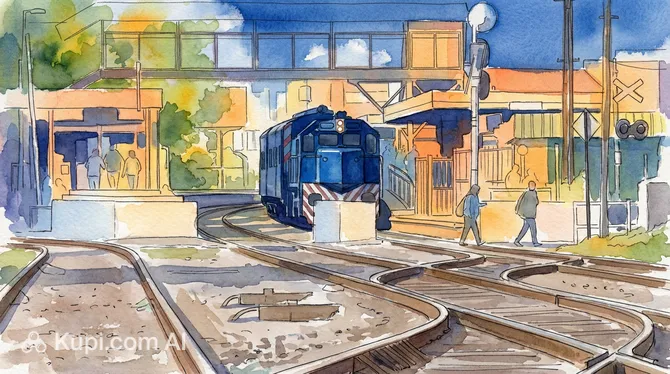
Jose C Paz. Illustration.
Source: Kupi.com AI
Although the city is not positioned as a world-class tourist destination, it attracts visitors with its authenticity. Here, you can see the real, unvarnished life of middle-class Argentines, visit lively shopping streets, or relax in the central squares. Visiting this city is an excellent opportunity to look "behind the scenes" of the metropolitan area and feel the spirit of true provincial life in close proximity to the metropolis.
Weather Overview
The climate in José C. Paz is typical of the Pampa region and is characterized as temperate warm. The hottest month is January, when average daytime temperatures hover around +25°C, often reaching +30°C. Winter in the city, which falls in July, is quite mild: daytime temperatures are around +15°C, but it can cool down to +6...+7°C at night. Precipitation is distributed relatively evenly throughout the year, although March is considered the wettest period.
Travelers should expect warm summers with occasional refreshing rains and cool, predominantly dry winters. Due to the lack of natural barriers for air masses, a pleasant breeze is often felt in the city. To ensure your trip is as comfortable as possible, we recommend studying the detailed city's climate in advance, which will help you choose the right wardrobe for your trip depending on the season.
Average monthly temperature
Average monthly precipitation
Interesting Facts
A Name in History: The city was named in honor of José Clemente Paz—a famous Argentine diplomat and founder of the influential newspaper La Prensa, whose contribution to the country's culture is still highly valued today.
High Density: Despite its relatively small area of 50 square kilometers, José C. Paz features an impressive population concentration of over 5,300 people per square kilometer, making it one of the liveliest suburbs of the capital.
Aviation Hub: The Dr. Mariano Moreno Heliport is located within the municipality, playing an important role in the region's air cargo transport system.
Administrative Status: The municipality officially gained its independence and was formed in 1913, growing from a small railway station into a large residential area.
Postal Identification: To send a postcard or package from this cozy corner of Argentina, you will need to remember the postal code 1665, which is assigned to the central part of the city.
How to Get There
Due to its location within the Greater Buenos Aires metropolitan area, José C. Paz boasts excellent transport accessibility. Most travelers arrive here from the capital's center using the extensive public transport network. Convenient transport connections make it easy to reach the city by both bus and electric train, making the suburb accessible for day trips or daily commutes.
For those planning to arrive in the region by air, the nearest major hubs are Ministro Pistarini International Airport (EZE) and Jorge Newbery Airport (AEP), located in Buenos Aires. From there, José C. Paz can be reached by taxi, ride-sharing services, or transfer. The journey by car typically takes about an hour, though it's worth allowing extra time during peak hours due to potential traffic on major highways.
The railway connection is one of the most popular ways to get around. Electric trains run regularly between the capital's center and stations in José C. Paz, providing a fast and budget-friendly link to the metropolis. Numerous bus routes (colectivos) also pass through the city, connecting it with neighboring districts. A bus journey from central Buenos Aires can take anywhere from 45 to 90 minutes, depending on traffic conditions.
Station
Passenger traffic
Distance
Morón train station
4
20 km
Ciudad Universitaria train station
5
29 km
Federico Lacroze train station
10
30 km
Once train station
13
34 km
Once train station
13
34 km
Main Attractions
Since José C. Paz is primarily a residential and functional area of the metropolitan region, it is difficult to find classic architectural masterpieces or world-class museums here. However, for the traveler seeking authentic local flavor, the city offers interesting locations concentrated around its central commercial axis. This is where life bustles: modern shopping complexes sit alongside traditional shops, creating the unique rhythm of an Argentine suburb.
The heart of the city's social life is its central squares and walking areas. These are ideal places to observe the daily rituals of local residents—from morning coffee in small cafes to evening family strolls. The absence of tourist crowds allows guests to feel like part of the local community and enjoy a peaceful, hospitable atmosphere.
For those who appreciate modern infrastructure, the city's large shopping centers and supermarkets will be of interest. They are not only shopping hubs but also serve as primary leisure spots, offering rest areas and cinemas. If your goal is deep cultural immersion into the country's history, the proximity to the center of José C. Paz allows you to easily combine a quiet stay in the suburbs with trips to the iconic landmarks of the Argentine capital.
Local Cuisine
The gastronomic character of José C. Paz is steeped in the traditions of classic Argentine cuisine, where meat invariably plays the leading role. Walking through the city streets, you are sure to catch the enticing aroma of asado—the famous Argentine barbecue, which is prepared here with great skill. Local restaurants and grill bars (parrillas) will offer you succulent steaks and a variety of meat delicacies cooked over charcoal.
Be sure to try traditional empanadas—small pastries with various fillings, ranging from spicy beef to delicate cheese and corn. The influence of Italian immigration is clearly seen in the vast number of pizzerias and pasta shops serving excellent pasta and desserts. On cool days, locals prefer locro—a thick, hearty stew made of meat, corn, and beans, which is considered a national treasure.
The food culture in the city centers around family lunches and meetings in small cafes. Drinks here are also traditional: it is impossible to imagine a day without mate, which Argentines drink everywhere. For fans of stronger drinks, local establishments offer superb Argentine wines, especially the Malbec variety, while aromatic coffee in José C. Paz is a mandatory companion for any breakfast or business meeting.
Travel Tips
Welcome to José C. Paz! These practical tips will help you feel confident in this Argentine suburb and get the most out of immersing yourself in local life.
Clothing and Essentials: Choose casual clothing and comfortable shoes for walking. The climate here is temperate: in summer (December–February) it can be quite hot, so don't forget sunscreen, while in winter (June–August) a light jacket or sweater may be needed. Don't forget a universal power adapter (Argentina uses types I and C).
Transport: To get around the city and travel to the capital, be sure to purchase a SUBE card—it is the only way to pay for fares on buses and trains. After dark, it is better to use official taxis or Uber/Cabify apps.
Finance: The main currency is the Argentine peso. While cards are accepted in supermarkets and large stores, always have cash on hand for payments in small cafes, shops, and markets. Take into account the specifics of the local exchange rate when planning your budget.
Health and Safety: Exercise standard urban vigilance: don't flaunt expensive jewelry and gadgets, and keep an eye on your belongings in public transport. Pharmacies are easy to find on the main streets; for serious medical help, it is better to go to clinics in Buenos Aires.
Communication: The primary language is Spanish. English is less common than in the capital's center, so learn a few basic phrases or use an offline translator. A SIM card can be bought at any kiosk with a "Claro," "Personal," or "Movistar" sign.
Local Etiquette: Argentines are very sociable. A common greeting, even between casual acquaintances, is a kiss on the cheek. Be polite and don't be surprised if a random passerby decides to strike up a brief conversation with you.
What to Avoid: Don't plan trips to the capital's center during rush hours (7–9 AM and 5–7 PM) unless you want to spend an extra hour in traffic or a crowded train car. Also, avoid walking down deserted alleys at night.
Extra Tip: Be sure to visit a local panadería (bakery) in the morning for fresh facturas (sweet pastries)—it's the best way to start your day Argentine-style!
May your introduction to José C. Paz be filled with only pleasant discoveries and kind encounters. Enjoy your trip!
Entertainment & Nightlife
Entertainment in José C. Paz is primarily quiet and family-oriented, reflecting the city's status as a residential suburb. The main centers of attraction for residents and visitors during the day and evening are the modern shopping malls. These house multi-screen cinemas showing the latest global and Argentine releases, as well as play areas for children and food courts that become popular meeting spots on weekends.
Nightlife within the municipality itself is low-key. Instead of noisy nightclubs, cozy local bars and restaurants predominate, where people gather for relaxed conversation over a glass of wine or a cup of coffee. The atmosphere in these establishments is friendly and laid-back, and most activity usually winds down by midnight. For those craving major parties and dancing until dawn, the best solution is a trip to the center of Buenos Aires, which is a relatively short journey away.
Football holds a special place in the leisure time of the townspeople. Sports matches of local teams generate genuine interest and gather many fans, creating the passionate atmosphere for which Argentina is famous. If you are lucky enough to attend a game during a local tournament, you will get an unforgettable impression of the energy in the stands and the sincere emotions of the local residents.
Parks & Museums
Green spaces in José C. Paz are represented by small parks and public squares, which serve as important centers of social attraction. Despite the dense urban environment, these "islands of nature" allow residents to escape the hustle and bustle. On weekends, the local plazas (squares) fill with families who come here to socialize, drink mate, and enjoy the fresh air under the shade of traditional pampa trees.
The museum scene in the city itself is modestly developed, which is typical for functional residential suburbs. However, this does not mean a lack of interest in culture. José C. Paz often hosts local exhibitions, craft fairs, and street performances that reflect the spirit of the local community. Such events are a great chance to get acquainted with the work of local artists and craftsmen without the academic pretension of large galleries.
For those seeking major cultural sites and classic museums, the proximity to the center of Buenos Aires becomes a major advantage. Just a single trip separates you from the National Museum of Fine Arts or the magnificent parks of the Palermo district. Thus, José C. Paz offers a comfortable combination of relaxed rest in local squares with easy access to the rich cultural heritage of the Argentine capital.
Getting Around
The backbone of the transport system in José C. Paz is the colectivo—the famous Argentine buses, whose route network covers the entire municipality and connects it with neighboring districts and the capital's center. Buses run frequently, but travelers should keep in mind that they can be overcrowded during morning and evening rush hours. To pay for travel, a SUBE card is required, which can be purchased and topped up at kiosks throughout the city.
The railway is the fastest way to reach central Buenos Aires. Electric train lines pass through key points of the city, allowing travelers to avoid traffic congestion on the highways. Stations are usually located in busy areas with developed infrastructure, where you can find taxis or transfer to the necessary bus route. Traveling by train provides an excellent opportunity to see the panorama of the suburbs and feel the scale of the metropolitan area.
Alternatives to public transport include taxis and popular ride-hailing apps such as Uber or Cabify. These are convenient options for getting around in the evening or if you are traveling with luggage. While ride prices on the apps can fluctuate based on demand, they remain quite affordable. For those who prefer complete freedom of movement, car rentals are available in the region, though one should keep in mind the heavy traffic on major highways on weekdays.
Accommodation
The housing market in José C. Paz is primarily geared toward local residents and those coming to the capital for a long-term stay. Here, you will find almost none of the grand five-star hotels typical of the tourist districts in Buenos Aires. Instead, the city offers a decent selection of apartments and private flats that can be rented through international booking services.
Staying in this area can be an excellent cost-effective solution for travelers who want to save on accommodation without moving too far from the capital. Most available accommodation options are modern apartments in residential buildings with all the necessary amenities. By choosing to stay in José C. Paz, you get the opportunity to live in a typical Argentine environment, away from the noise of tourist enclaves.
When planning your trip, it is recommended to book accommodation in advance, as the selection of quality apartments in this area is limited compared to the city center. The price range here is significantly lower than in the capital, making the city attractive for budget travelers and expats. The main booking methods are online platforms where you can find options for both short-term and long-term stays.
Nearby Cities
José C. Paz serves as a convenient starting point for exploring the northern and western outskirts of the capital's metropolitan area, offering travelers a chance to see the diverse life of Argentine suburbs. Just a few kilometers away are other lively municipalities, each with its own unique character and pace of life.
Only 6 kilometers away is the city of San Miguel, which is an important commercial and educational center for the region. Here you can find a broader infrastructure for shopping and entertainment. It is also worth visiting neighboring Grand Bourg, located just 5 kilometers away, to experience the atmosphere of a cozy and dynamically developing suburb.
City
Population
Distance
Grand Bourg
85 189
5 km
San Miguel
157 532
6 km
Los Polvorines
60 867
7 km
Ingeniero Pablo Nogués
38 470
7 km
Muñiz
26 221
7 km
Don't miss the chance to visit places like Los Polvorines or Muñiz, which are also in close proximity. These towns allow for a deeper understanding of the structure of Greater Buenos Aires and show how seamlessly one district flows into another, creating a single living space. Traveling around the surrounding areas will help you fully appreciate the scale and flavor of Argentina's capital region.
Shopping & Souvenirs
Shopping in José C. Paz is primarily a practical and lively process, focused on daily needs. The main commercial activities are concentrated along the central streets, lined with shops selling clothes, shoes, and household appliances. There are no high-end boutiques here, but you can find quality goods at very attractive prices, making a stroll through the local shops a useful and interesting activity.
The city has large supermarket chains, such as Carrefour, and local shopping centers that provide everything you need under one roof—from fresh produce to modern gadgets. Street markets that periodically appear in the squares offer guests the freshest products from local farmers, homemade bread, and traditional sweets, creating an atmosphere of good old Argentina.
If you are looking for souvenirs, pay attention to traditional Argentine goods: leather belts and wallets, mate sets (calabashes and bombillas), as well as local wine and alfajores. Shops in the city usually operate with a siesta break (roughly from 1:00 PM to 4:00 PM) and accept both cards and cash pesos. For a larger brand-name shopping spree, tourists can always head to the malls in central Buenos Aires, which are easily accessible by transport.