Support

Rio Grande

About

Rio Grande is a captivating destination located in the northern part of the Tierra del Fuego province, offering a unique blend of industrial vitality and raw natural beauty. Known for its sweeping horizons and resilient spirit, this city serves as a crucial gateway to the "End of the World." It provides travelers with an authentic glimpse into life in the deep south, characterized by its windy climate and the vast steppe that surrounds the urban area.

Situated on the Atlantic coast of Argentina, the city sits at the mouth of the river that shares its name. With a population of approximately 67,000 people, it is an important economic hub for the region. The climate here is typically subpolar oceanic, often featuring strong winds that have shaped the landscape and the lifestyle of its inhabitants, making it a fascinating spot for those who appreciate rugged environments.
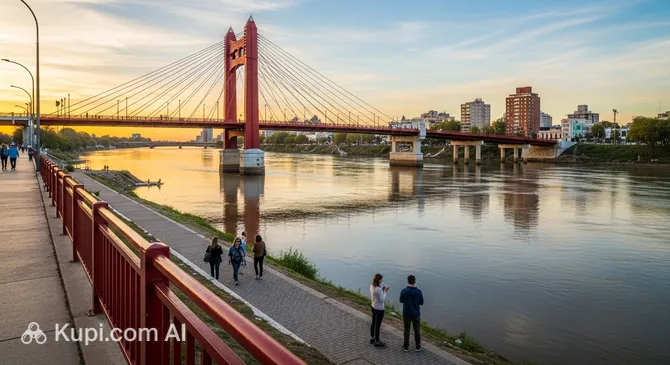
Rio Grande. Source: Kupi.Binoculars

The cultural heritage of the area is rich and varied, tracing back to the indigenous Selk'nam people and the arrival of Salesian missionaries and sheep farmers. Visitors interested in the past can delve into the history of Rio Grande by visiting local museums and preserved historical sites. These locations offer valuable insights into how the city transformed from a pastoral settlement into a modern industrial center.

For outdoor enthusiasts, Rio Grande is internationally renowned as the "Trout Capital of the World." Anglers from across the globe flock here to fish in the Rio Grande river, famous for its massive sea-run brown trout. Beyond fishing, the surrounding area offers opportunities for birdwatching at the Punta Popper nature reserve or exploring the hauntingly beautiful shipwreck of the Desdemona at nearby Cabo San Pablo.

Whether you are drawn by the thrill of sport fishing or simply wish to experience the unique atmosphere of the Patagonian steppe, Rio Grande welcomes you. It is an ideal destination for those seeking to explore the less-traveled paths of the southern hemisphere and discover the quiet majesty of the Atlantic coastline.

Weather Overview

The climate in this region is subpolar oceanic, characterized by cool temperatures throughout the year and distinct seasonal variations. To get a detailed forecast for your trip, you can check the current weather in Rio Grande, but generally, travelers should be prepared for chilly conditions regardless of the season.

The warmest months are typically January and February, where average temperatures hover around 11°C, with daytime highs reaching up to 14.2°C. This period offers the most comfortable conditions for exploring the outdoors. In contrast, the winter season from June to August is cold, with average temperatures dropping to between 1.8°C and 3.0°C, and minimums frequently dipping near or below freezing.

Precipitation patterns here are quite specific; while the actual volume of rain is very low—averaging just 1mm to 2mm per month—the frequency of wet days is notable, ranging from 7 to 13 days monthly. Expect cool, breezy summers and cold winters with frequent but light precipitation, often manifesting as drizzle or light snow in the colder months.

Interesting Facts

Beyond the main attractions, Rio Grande holds many fascinating secrets that reveal its gritty history and resilience. From tales of gold hunters to the surprising industrial pulse of the region, this city offers stories that go far deeper than its windswept facade.
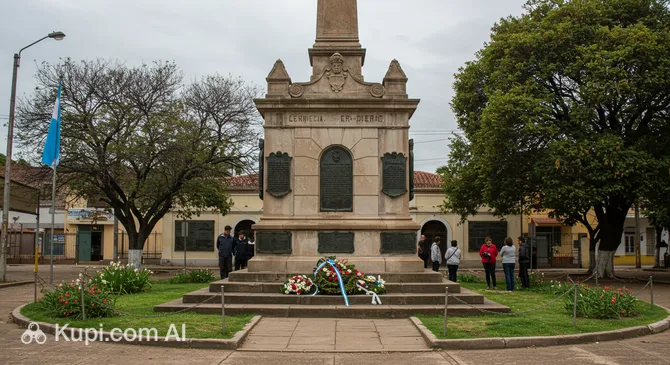
Malvinas Heroes Monument. Source: Kupi.Binoculars
  • Rio Grande is deeply connected to the memory of the 1982 conflict in the South Atlantic, hosting a unique event known as "The Vigil." Every year on the night of April 1st, thousands of residents gather at the Malvinas Heroes Monument to spend the night in a solemn ceremony honoring the veterans, making it the most significant commemoration of its kind in the country.

  • In the late 19th century, the region was the stage for a frantic gold rush led by the enigmatic Julius Popper. This Romanian engineer and adventurer established such dominance over the area that he minted his own gold coins and issued private postage stamps, effectively operating a personal fiefdom on the shores of Tierra del Fuego.

  • The city serves as the unexpected technological heart of the nation due to a special industrial promotion regime. Despite its remote location at the "End of the World," Rio Grande is home to major manufacturing plants that produce a vast majority of the televisions, air conditioners, and smartphones used throughout Argentina.

  • The relentless winds of the region have given rise to a natural phenomenon known as "flag trees." These trees are permanently bent by the strong gusts, with their branches growing entirely in one direction, creating living sculptures that serve as a testament to the harsh climate of the Patagonian steppe.

How to Get There

Reaching this remote city in Tierra del Fuego is an adventure that typically begins by air, as the island's isolation makes flying the most practical option for most travelers. For a comprehensive guide on all available transport methods, including overland routes, you can read more about how to get to Rio Grande.

The most convenient entry point is the local Rio Grande Airport (IATA: RGA), situated just 3.4 km from the city center. While it is a smaller hub compared to others in the region, it receives regular domestic flights. A taxi ride from the terminal to downtown is very quick, taking approximately 5 to 10 minutes. This airport is the best choice for those who want to arrive directly at their destination without additional overland travel.

Another popular option is to fly into Malvinas Argentinas International Airport (IATA: USH) in the neighboring city of Ushuaia. Located about 124 km south of Rio Grande, this airport handles a significantly larger volume of passengers and offers more frequent connections. The journey from Ushuaia to Rio Grande takes around 3.5 hours by bus or shuttle, offering travelers a chance to see the stunning landscapes of the island's southern region.

Travelers coming from the Chilean side might consider the Presidente Ibáñez Airport (IATA: PUQ) in Punta Arenas. It is located approximately 227 km from Rio Grande. However, the transfer involves crossing the international border and taking a ferry across the Strait of Magellan, which can make the total travel time significantly longer, often exceeding 6 hours.

For clarity, here is a summary of the main airports:

Airport Name City Passenger Traffic Km from City
Presidente Ibáñez AirportPunta ArenasLarge227.2
Malvinas Argentinas International AirportUshuaiaLarge123.9
Rio Gallegos International AirportRio GallegosMedium265.7
Rio Grande AirportRio GrandeSmall3.4

Rio Grande does not have a railway station, and there are no passenger train services connecting the city to the rest of the continent or other cities on the island. The primary means of ground transportation are long-distance buses and private vehicles, which navigate the scenic but sometimes rugged roads of Tierra del Fuego.

Main Attractions

Rio Grande presents a variety of points of interest that reflect its deep connection to national history and local culture. While the city is often seen as an industrial hub, its streets and public spaces offer meaningful stops for visitors who wish to understand the identity of this southern community.

One of the most striking landmarks is the Naval Aviation Monument. Situated prominently within the city, this site serves as a tribute to the naval aviation pilots and their role in South Atlantic history. It is particularly interesting for tourists due to the display of preserved aircraft, which provides a tangible connection to the region's military past and offers a unique photo opportunity against the backdrop of the Patagonian sky.

Naval Aviation Monument. Source: Kupi.Binoculars

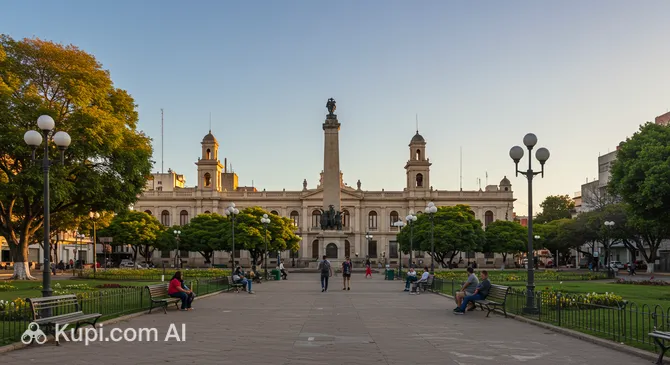
For those looking to experience the daily rhythm of the city, Almirante Brown Square is a central gathering spot. It functions as a key recreational space where locals meet, and it often hosts civic events. Visitors will appreciate the well-maintained surroundings and the chance to observe local life in a relaxed atmosphere, making it a pleasant stop during a walking tour of the downtown area.

Almirante Brown Square. Source: Kupi.Binoculars

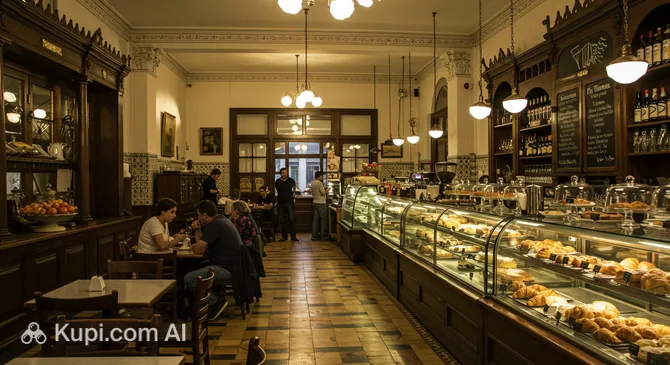
Another site of significant cultural value is the historic Confitería Roca. This establishment is more than just a place to eat; it is a landmark of Rio Grande's social history. Tourists are drawn here not only for the dining experience but for the nostalgic ambiance that recalls the earlier days of the settlement. It stands as a testament to the community's endurance and offers a cozy refuge from the frequent winds.

Confitería Roca. Source: Kupi.Binoculars

Finally, no visit to Rio Grande is complete without stopping at the Malvinas Heroes Monument. As the site of the annual "Vigil," it holds profound emotional weight for the country. The monument is located along the coast and provides a solemn space for reflection, allowing visitors to pay their respects while gazing out over the Atlantic Ocean.

Local Cuisine

The culinary scene in Rio Grande is deeply influenced by the rugged geography of Tierra del Fuego. Here, the cuisine is hearty and warming, designed to provide comfort against the strong winds and cool temperatures of the South Atlantic. The food culture combines traditional Patagonian flavors with the freshness of local produce, creating a gastronomic experience that is both rustic and sophisticated.

The undisputed star of the local table is the Fuegian Lamb (Cordero Fueguino). This meat is renowned worldwide for its unique flavor, attributed to the animals grazing on the saline pastures of the steppe. It is traditionally prepared al asador, roasted slowly on a vertical iron cross over an open wood fire until the skin is perfectly crisp and the meat is tender enough to fall off the bone. Visiting a local parrilla (steakhouse) to try this dish is an essential part of any trip to the region.

Given the city's reputation as a premier fishing destination, freshwater fish also plays a significant role in the local diet. Sea-run brown trout is a favorite delicacy, often served grilled with lemon or accompanied by creamy sauces made with local mushrooms. In addition to river fish, the proximity to the ocean ensures a steady supply of seafood, including mussels and crab, which are staples in many households and restaurants.

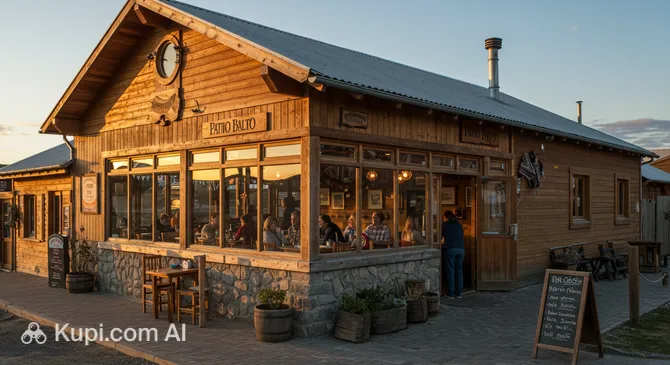
Patio Balto. Source: Kupi.Binoculars

When it comes to dining out, the atmosphere is typically cozy and welcoming. Locals enjoy gathering in places that offer a refuge from the weather, such as Patio Balto, a popular restaurant where visitors can sample a variety of dishes in a relaxed setting. The dining culture here is unhurried, encouraging long conversations over good food.

For drinks, the region has embraced the craft beer movement that has swept through Patagonia. Local breweries produce excellent ales and stouts using pure glacial water and regional hops. For a taste of the local nightlife and beverage scene, travelers can visit Sonora, a well-known bar that offers a selection of drinks and a vibrant atmosphere. Non-alcoholic options often include the classic Submarino, a bar of chocolate melted into hot milk, perfect for warming up after a day of exploring.

Travel Tips

Welcome to Rio Grande, a city where the wind shapes the landscape and the warmth of the locals defies the cold climate. To ensure your visit to this unique corner of Tierra del Fuego is as smooth and enjoyable as possible, we have compiled a set of essential practical tips to help you navigate daily life at the "End of the World."

  1. Clothing and Gear: The weather here is unpredictable and notoriously windy. It is essential to dress in layers, starting with thermal underwear and finishing with a high-quality windproof and waterproof jacket. Even in summer, temperatures can be cool, so bring a warm sweater and a beanie. If you plan to explore the coast or go fishing, sturdy waterproof boots are a must to keep your feet dry and comfortable.

  2. Transportation: While there is a public bus system, it is often more convenient for tourists to use taxis or remises (private hire cars), which are reliable and relatively inexpensive. If you plan to visit the surrounding nature reserves or fishing spots, renting a car is highly recommended. Be aware that strong winds can make driving challenging, so maintain a firm grip on the steering wheel, especially on open roads.

  3. Finances: The local currency is the Argentine Peso (ARS). While credit cards are accepted in hotels and larger restaurants, cash is still king in smaller shops and kiosks. It is advisable to carry some cash for daily expenses. You can exchange money at official exchange houses (casas de cambio) or banks. Tipping around 10% in restaurants is customary if you are satisfied with the service.

  4. Health and Safety: Rio Grande is generally a safe city for travelers. Pharmacies are widely available; look for the sign "Farmacia de Turno" to find one that is open outside of regular business hours. For medical emergencies, the public hospital provides coverage, but having travel insurance is always recommended. Tap water is generally safe to drink in Patagonia, but if you have a sensitive stomach, stick to bottled water.

  5. Communication: The official language is Spanish. While staff at major hotels may speak English, it is not widely spoken in local shops or by taxi drivers. Learning a few basic phrases like "Hola" (Hello) and "Gracias" (Thank you) will go a long way. Free Wi-Fi is available in many public places and cafes, but buying a local prepaid SIM card is a good idea for reliable connectivity.

  6. Local Etiquette: Argentines are warm and social people. The standard greeting, even among casual acquaintances, is a single kiss on the right cheek. When entering a shop or interacting with locals, it is polite to say "Buen día" or "Buenas tardes." Dinner typically starts late, often after 9:00 PM, so plan your evening meals accordingly.

  7. What to Avoid: Do not enter private lands or estancias without explicit permission. Much of the land surrounding the city, especially the prime fishing spots along the river, is private property. Always ask locally or hire a guide to ensure you are accessing the river through authorized entry points to avoid legal issues or offending landowners.

  8. Shopping Hours: Keep in mind that many businesses in Rio Grande observe a midday break, locally known as the siesta. Shops typically close around 12:30 PM or 1:00 PM and reopen at 4:00 PM or 5:00 PM. Supermarkets and shopping malls usually stay open all day, but for smaller boutiques and services, it is best to plan your shopping for the morning or late afternoon.

By keeping these practical tips in mind, you will be well-prepared to embrace the rugged charm of Rio Grande. Whether you are battling a giant trout on the river or enjoying a cozy dinner in town, knowing the local ways will help you connect more deeply with this fascinating Patagonian community.

Entertainment & Nightlife

Rio Grande offers a nightlife scene that is authentic and driven by the local community rather than tourism. While it may not have the frenetic pace of a large metropolis, the city comes alive after dark, fueled by a young population and the industrial workforce unwinding after long shifts. The atmosphere is generally laid-back and welcoming, with a focus on socializing in warm, enclosed spaces that provide a stark contrast to the chilly winds outside.

The heart of the evening entertainment can be found in the downtown area, particularly along and around San Martín Avenue. This central district is where you will find a concentration of pubs, bars, and restaurants that stay open late. The nightlife here typically starts late; locals often go out for dinner around 10:00 PM, and bars begin to fill up closer to midnight. If you plan to visit a dance club (boliche), do not expect the real party to start before 2:00 AM.

For those looking to enjoy a drink in a vibrant setting, Sonora is a standout choice. This bar is well-regarded for its energetic vibe and good selection of beverages, making it a popular meeting point for friends. It captures the modern spirit of the city and is a great place to experience the local social culture firsthand.

Sonora. Source: Kupi.Binoculars

If you prefer a spot that combines a hearty meal with a pub-like atmosphere, Patio Balto is an excellent option. It serves as a bridge between a restaurant and a night hangout, where you can enjoy local craft beers and substantial dishes in a relaxed environment. For a more traditional start to the evening, the historic Confitería Roca offers a classic setting to enjoy a coffee or a late dinner before heading out to livelier venues.

When heading out, practical attire is key. The dress code is generally smart casual. While locals like to look good, the harsh climate dictates that warmth comes first; a nice coat and sturdy shoes are perfectly acceptable and necessary. Prices in Rio Grande are moderate, though imported spirits can be more expensive due to the logistics of transport to the island.

In terms of safety, the city is quite secure for night walks in the central areas. However, due to the low temperatures and strong winds, walking long distances is not recommended. The best way to get around at night is by using taxis or remises (private hire cars). They are affordable, plentiful, and can be easily hailed or called by phone, ensuring you get from door to door comfortably.

During the day, entertainment options shift towards cultural and recreational activities. You can catch a movie at the local cinemas or explore the city's heritage at the Virginia Choquintel Museum. For shopping enthusiasts, the city features several commercial galleries and shopping centers that offer a warm refuge and a variety of stores to browse during the afternoon.

Parks & Museums

Rio Grande offers a compelling mix of cultural heritage and natural landscapes, inviting visitors to explore its history and the unique ecosystem of the Tierra del Fuego steppe. From windswept reserves teeming with birdlife to museums that preserve the memory of the region's indigenous people and pioneers, the city provides diverse spaces for education and reflection.

For nature enthusiasts, the Punta Popper Urban Natural Reserve is a must-visit destination. Located at the mouth of the river, this protected area features a trail that extends into the estuary, offering excellent opportunities for birdwatching. Visitors can often spot flamingos, black-necked swans, and other migratory birds against the backdrop of the Atlantic Ocean. Another significant natural landmark is Cabo Domingo, a towering cliff located just north of the city. It serves as a natural viewpoint providing panoramic views of the coast and the vast plains, making it an ideal spot for a scenic walk.

In the heart of the city, Almirante Brown Square stands as a central green space where the community gathers. It is a well-maintained urban park that offers a break from the bustling streets and serves as a venue for local events. Nearby, the Malvinas Heroes Monument creates a solemn open-air memorial park along the coast. This expansive area is not only a place of historical remembrance but also a space where visitors can walk along the waterfront and experience the raw power of the South Atlantic winds.

To understand the rich cultural tapestry of the region, a visit to the Virginia Choquintel Municipal Museum is essential. This institution focuses on the history of the indigenous Selk'nam people, displaying artifacts and information about their way of life before colonization. It also features exhibits on local flora and fauna, providing a comprehensive overview of the island's natural history. Another key cultural site is the Misión Salesiana, established in the late 19th century. The complex includes a museum housed in the original mission buildings, offering a glimpse into the era of European settlement and the interaction with native communities.

For a truly authentic experience, take a drive to the outskirts to visit the historic shearing sheds of a local estancia if open to the public. These sites often serve as living museums of the wool industry that built the city. An insider tip for nature lovers is to visit the Laguna de los Patos urban reserve during sunset, where the changing light over the steppe creates a photographer's paradise.

Getting Around

The public transport system in Rio Grande is straightforward and designed primarily to serve the needs of local residents moving between the city center and the residential neighborhoods. Given the city's compact size and population, there is no metro, tram, or trolleybus network. The main form of collective public transportation is the bus service, locally known as colectivos, which provides a reliable and budget-friendly way to navigate the urban area.

The bus network consists of several lines that crisscross the city, connecting the industrial parks and outlying districts with the downtown commercial area and the coast. The buses are modern and generally comfortable, operating with a frequency that typically ranges from 15 to 20 minutes during peak hours, though this may decrease during weekends or holidays. Operating hours usually span from early morning, around 5:30 AM, until approximately midnight.

To pay for bus fares, you must use the SUBE card (Sistema Único de Boleto Electrónico), which is the same contactless smart card used in the capital and many other cities across the nation. It is important to note that bus drivers do not accept cash. You can purchase a SUBE card and load credit onto it at various "kioscos" (convenience stores), lottery agencies, and authorized shops throughout the city, usually identified by a blue SUBE logo in the window.

For tourists, the most practical advice is to acquire a card immediately upon arrival if you plan to use buses, as you cannot board without one. The fare is very affordable, making it an economical choice for getting around. There are mobile apps available, such as the official SUBE app or local transit tracking apps, which can help you check your balance and see real-time arrival schedules for the buses, saving you from waiting unnecessarily in the cold wind.

While buses are efficient, many visitors and locals prefer taxis and remises due to the frequent strong winds and low temperatures. Taxis can be hailed on the street, but "remises" are private hire cars that must be booked by phone or at a dedicated agency office. They are extremely popular, safe, and relatively inexpensive. Using a remis is often the most comfortable way to travel, especially at night or when carrying luggage, as it offers door-to-door service sheltered from the harsh weather.

Car rentals are another viable alternative and are highly recommended if you intend to explore the surrounding nature reserves or fishing spots outside the city limits. Having your own vehicle provides the freedom to travel at your own pace. Cycling is less common for commuting due to the intense wind gusts that characterize the region, although you may see some hardy cyclists using mountain bikes for sport rather than transport.

Accommodation

Where to Stay:

Accommodation in Rio Grande reflects its dual identity as a busy industrial hub and a world-class fishing destination. The options available to tourists are generally practical and comfortable, designed to offer a warm refuge from the Patagonian climate. While the city does not typically feature ultra-luxury international resorts, visitors will find a solid selection of mid-range hotels, apart-hotels, and an increasing number of temporary apartment rentals and cabins (cabañas). These latter options are particularly popular among families and anglers who prefer a more independent stay with kitchen facilities.

The most convenient area to establish your base is the city center (Downtown), specifically the blocks surrounding San Martín Avenue. Staying in this zone places you within walking distance of the main restaurants, banks, and shops, which is a significant advantage given the region's frequent strong winds. Being central also ensures easy access to taxis and remises for your excursions. While there are some specialized fishing lodges located on the outskirts near the river, the downtown core remains the most practical choice for general tourism and business travelers.

Booking Tip: If you plan to visit during the prime fishing season (January to March) or during the first week of April for the Malvinas commemorations, it is highly recommended to book your accommodation well in advance. These periods see a significant influx of visitors, and the most desirable rooms in the city center tend to fill up quickly.

In terms of pricing, Rio Grande is generally more affordable than the tourist-heavy city of Ushuaia to the south. Prices typically fall into the moderate range, offering good value for money. While major hotels can be booked via standard online travel platforms, many local cabins and smaller apartments operate through direct bookings or local listings. Regardless of where you choose to stay, you can expect well-heated interiors and reliable Wi-Fi, essential for staying comfortable at the "End of the World."

Nearby Cities

For those looking to explore the surroundings, Rio Grande serves as an excellent base for day trips to several interesting nearby locations. While the distances in Patagonia can be vast, there are key destinations within reach that showcase the stunning diversity of Tierra del Fuego.

The most popular excursion is undoubtedly to Ushuaia, located approximately 120 kilometers to the south. Known as the "End of the World," this city sits nestled between the Martial Mountains and the Beagle Channel. A day trip here allows travelers to experience a dramatic change in scenery, moving from the northern steppe to lush subantarctic forests and jagged peaks. Visitors can enjoy the famous End of the World Train, explore the national park, or simply wander through the picturesque streets of the city center.

Another charming stop, situated roughly halfway between Rio Grande and Ushuaia, is the town of Tolhuin. Resting on the eastern shore of Lake Fagnano (Kami), it is considered the "Heart of the Island." Tolhuin is famous for its relaxing atmosphere and the legendary Panadería La Unión, a bakery that has become a mandatory stop for anyone traversing the island. It is an ideal spot for a shorter visit to enjoy nature, go for a lakeside walk, or indulge in local pastries before returning to the city.

City Population Distance (km)
Comodoro Rivadavia 730266 881
Rio Gallegos 100000 262
Trelew 97915 1185
Ushuaia 56956 120
Caleta Olivia 51733 817

These nearby destinations offer a glimpse into the diverse culture and landscapes of the region, ranging from industrial hubs to scenic tourist favorites.

Shopping & Souvenirs

Shopping:

Shopping in Rio Grande offers a unique experience driven by the city's status as part of a Special Customs Area. While it may not feature the massive luxury malls found in larger capitals, the city provides a variety of commercial opportunities ranging from modern electronics—manufactured locally—to authentic artisanal crafts. The retail scene here is practical and centered around the needs of the community, but visitors will find plenty of interesting items to browse, particularly those looking for outdoor gear or regional souvenirs.

The commercial heartbeat of the city is undoubtedly Avenida San Martín. This bustling main avenue runs through the downtown area and is lined with a diverse array of shops, including clothing boutiques, sporting goods stores, and perfumeries. Walking along this street and the intersecting Avenida Belgrano allows tourists to access the majority of the city's retail offerings. It is a walkable district where you can easily move between stores while soaking in the local atmosphere near the central Almirante Brown Square.

Unlike major tourist hubs, Rio Grande does not have expansive shopping malls. Instead, the city features smaller commercial galleries and shopping arcades (galerías) scattered throughout the center. These indoor spaces offer a refuge from the wind and typically house a mix of fashion outlets, toy stores, and coffee shops. Large supermarkets also play a significant role in the local shopping culture, often stocking a wide range of general merchandise, electronics, and imported goods under one roof.

For those interested in local culture and craftsmanship, the Paseo Canto del Viento is a highlight. This dedicated space for artisans is the perfect place to find handmade goods that reflect the identity of Tierra del Fuego. Here, local creators display their work, which often includes ceramics, woodwork, and textiles. It is an excellent spot to connect with the community and purchase items that are truly one-of-a-kind rather than mass-produced.

When looking for souvenirs to take home, products made from sheep wool are a top choice, reflecting the region's rich history of sheep farming. You can find high-quality ponchos, scarves, and sweaters that are perfect for the cold climate. Additionally, local chocolates and fruit preserves made from calafate berries are popular edible gifts. Given the city's reputation as a fishing capital, anglers might also find excellent deals on high-quality fishing gear and locally tied flies.

Store opening hours in Rio Grande typically follow a split schedule to accommodate the midday break. Most shops open from 9:30 AM to 12:30 PM, close for the afternoon, and reopen from 4:00 PM to 8:30 PM. However, large supermarkets and some chain stores may stay open throughout the day. Regarding payment, cash (Argentine Pesos) is preferred for small purchases and in artisanal markets, while credit and debit cards are widely accepted in established retail stores and hotels.

A significant advantage for visitors is the tax regime of Tierra del Fuego. The province is exempt from the national Value Added Tax (IVA), which means that prices for many goods and services are effectively tax-free for everyone at the point of sale. This can make certain items, particularly electronics, perfumes, and imported spirits, more affordable compared to the mainland. There is no need for a complex refund paperwork process at the airport, as the exemption is applied directly to the price tag.

Reached the end of the page?

That means the route is fully explored