Support

Rio Gallegos

About

Welcome to Rio Gallegos, the capital of the Santa Cruz Province and a vital urban hub in the far south of Argentina. Situated on the estuary of the Gallegos River, this city serves as a strategic gateway to the southern reaches of Patagonia and Tierra del Fuego. With a population of approximately 100,000 inhabitants, it stands as a bustling commercial and administrative center amidst the vast, windswept steppes that define the region's dramatic landscape.

Rio Gallegos. Source: Kupi.Binoculars

The city is known for its authentic Patagonian atmosphere, characterized by wide avenues and a climate shaped by strong coastal winds. Visitors interested in the past can explore the history of Rio Gallegos at local cultural institutions. Museums such as the Museo de los Pioneros offer a glimpse into the lives of the early settlers who established this community in the late 19th century, showcasing preserved architecture and artifacts from that era.

Beyond its urban streets, Rio Gallegos offers unique natural attractions. A short drive from the city leads to the Laguna Azul (Blue Lagoon), a stunning geological formation located within a dormant volcanic crater. The river estuary itself is a prime spot for fishing enthusiasts, particularly those seeking sea trout, and provides excellent opportunities for birdwatching. Whether you are embarking on a journey to the "End of the World" or exploring the Atlantic coast, Rio Gallegos invites you to experience the rugged charm of the south.

Weather Overview

The climate in this southern city is distinctively Patagonian, generally cool and dry throughout the year. To help you prepare for the conditions during your visit, it is helpful to review the detailed weather in Rio Gallegos before you travel. The region is known for its coastal location, so windproof layers are often essential regardless of the season.

Summer, spanning from December to February, offers the most comfortable temperatures for outdoor exploration. During this period, average temperatures range between 13.4°C and 14.2°C, with daily highs occasionally reaching nearly 19.4°C. Although precipitation accumulation is minimal, usually around 1mm to 2mm, you may still experience about 7 to 11 wet days per month, often in the form of light drizzle.

In contrast, the winter months of June through August are significantly colder. Average temperatures drop to approximately 1.8°C, and nights frequently see lows dipping below freezing to -1.2°C. Expect cool summers with occasional light rain and cold winters that require warm clothing.

Interesting Facts

Beyond its reputation as a transit hub, Rio Gallegos holds fascinating secrets and historical footnotes that surprise many visitors. From aviation legends to extreme natural phenomena, the city offers unique stories for those who take the time to look closer.
Laguna Ortiz. Source: Kupi.Binoculars
  • The city is situated on an estuary that experiences some of the most dramatic tidal changes in the world. The water level in the Gallegos River can fluctuate by over 10 meters (33 feet) in a single day, dramatically altering the landscape from a full river to vast exposed mudflats within hours.

  • Literary history has a strong connection here through the famous author Antoine de Saint-Exupéry. Before writing The Little Prince, he flew to Rio Gallegos frequently as a pilot and director for Aeroposta Argentina, helping to establish air routes across Patagonia in the 1920s and 30s.

  • Despite the urban environment, the city maintains thriving natural spaces like Laguna Ortiz. This municipal reserve serves as a vital sanctuary within the city limits, offering shelter to various bird species including flamingos and black-necked swans.

  • Rio Gallegos is the nearest major city to the official start of Argentina's legendary Route 40 (Ruta 40). The iconic highway begins at Cabo Vírgenes, just a short drive southeast, marking "Km 0" of one of the longest and most famous scenic drives in the world.

How to Get There

Reaching this southern capital is an adventure in itself, serving as a primary entry point to the vast landscapes of Patagonia. For detailed information on all transport options and routes, you can read more about how to get to Rio Gallegos.

The most convenient way to arrive is via Rio Gallegos International Airport (IATA: RGL), which is located directly in the city, just 6.8 km from the center. A trip by taxi or bus from the terminal typically takes around 30 minutes. For travelers planning a broader Patagonian itinerary, you might also consider flying into El Calafate Airport (IATA: FTE) in the city of El Calafate. It is situated approximately 249 km away, with a travel time of about 6.5 hours by road. Another option, particularly for those crossing from Chile, is Presidente Ibáñez Airport (IATA: PUQ) in Punta Arenas. Located 189.8 km away, the journey to Rio Gallegos involves a border crossing and takes roughly 5 hours.

For clarity, here is a summary of the main airports:

Airport Name City Passenger Traffic Km from City
Presidente Ibáñez Airport Punta Arenas High 189.8
El Calafate Airport El Calafate Medium 249.0
Rio Gallegos International Airport Rio Gallegos Moderate 6.8
Teniente J. Gallardo Puerto Natales Small 229.3
Rio Grande Airport Rio Grande Small 259.5

Main Attractions

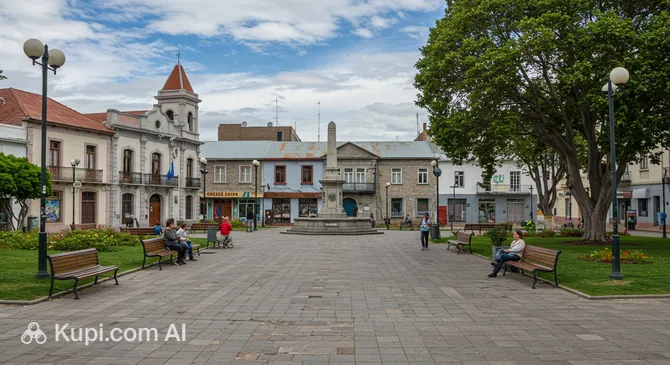
Exploring Rio Gallegos offers a mix of urban culture and accessible nature, providing visitors with a genuine taste of life in southern Patagonia. The city center is anchored by General San Martín Square, the main plaza that serves as the heartbeat of the community. Surrounded by important administrative buildings and the cathedral, this square is not only a tribute to the national hero José de San Martín but also a popular gathering spot for locals. It features well-maintained pathways and monuments, making it a perfect starting point for a walking tour of the city's historic district.

General San Martín Square. Source: Kupi.Binoculars

For those seeking a break from the urban environment without leaving the city limits, Laguna Ortiz is a must-visit destination. This urban nature reserve provides a serene escape where visitors can enjoy walking trails and observe the unique Patagonian flora. While it acts as a sanctuary for local wildlife, for tourists, it is primarily a recreational space that showcases how the rugged natural landscape integrates with the developing city, offering wide horizons and fresh air just minutes from downtown.

No trip to Patagonia is complete without indulging in the region's famous sweet treats. Franoi is a celebrated stop for visitors with a sweet tooth. Known for its artisanal chocolates, ice creams, and pastries, this establishment highlights the strong European influence on Patagonian gastronomy. It is an excellent place to warm up with a hot chocolate or pick up a box of local delicacies as a souvenir, reflecting the high quality of craftsmanship found in this part of the country.

Franoi. Source: Kupi.Binoculars

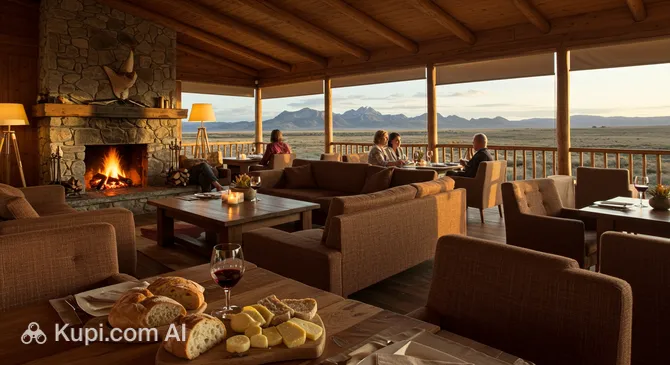
To experience the local social scene and nightlife, travelers often head to Patagonia Refuge Rio Gallegos. This venue offers a lively atmosphere where you can sample craft beers and hearty dishes typical of the region. It serves as a great location to unwind after a day of sightseeing, allowing tourists to mingle with residents and enjoy the vibrant culinary culture that defines modern Rio Gallegos.

Patagonia Refuge Rio Gallegos. Source: Kupi.Binoculars

Local Cuisine

The culinary scene in Rio Gallegos is a reflection of its rugged Patagonian environment, offering hearty meals designed to provide warmth and energy against the cold southern winds. The undisputed star of the local table is Patagonian lamb (cordero patagónico). Traditionally roasted whole on an iron cross over an open fire, the meat is renowned for its tenderness and lean flavor, a result of the animals grazing on the tough steppe grasses. Visitors will find this dish serving as the centerpiece of many traditional steakhouses (parrillas) throughout the city.

Given its location on the estuary near the Atlantic Ocean, Rio Gallegos also boasts excellent seafood. Fresh catches such as sea trout, hake, and various shellfish are staples on local menus. Fishermen often flock to the river for sport, but for the culinary traveler, the reward is finding restaurants that serve these fresh ingredients simply prepared, often grilled or in rich stews. For a taste of the region's famous sweet side, specifically its artisanal chocolates and fruit preserves, a visit to Franoi offers a perfect example of the high-quality confectionery that characterizes southern Argentina.

When it comes to beverages, the craft beer culture has taken a strong hold in the city, mirroring a trend seen across Patagonia. Microbreweries and brewpubs are popular gathering spots where locals socialize over pints of amber ales and stouts. Places like the Patagonia Refuge Rio Gallegos provide a vibrant atmosphere to sample these local brews alongside casual bar food. For non-alcoholic options, the traditional mate is ubiquitous among residents, but tourists might prefer a submarino—a bar of chocolate melted into hot milk—which serves as a comforting treat during the chilly winter months.

The food culture here is casual and welcoming, with a focus on high-quality raw materials rather than elaborate pretension. Dining out is a social affair, often lasting late into the evening. Whether you are enjoying a quick snack at a cafe or a long dinner at a grill house, you will find that the cuisine of Rio Gallegos is deeply connected to the land and sea that surround it.

Travel Tips

To help you make the most of your journey to the heart of Santa Cruz, we have compiled a list of essential recommendations for a smooth and enjoyable visit. Rio Gallegos is a city with a unique character shaped by its geography, and a little preparation goes a long way in ensuring a comfortable stay.

  1. Clothing and Gear: The most critical item in your suitcase should be a high-quality windbreaker. The wind here is constant and can be powerful, so windproof layers are more important than heavy wool alone. Dress in layers (the "onion style") to adapt to fluctuating temperatures, and bring comfortable, sturdy shoes for walking on uneven terrain or gravel. If you plan to visit the cathedral or museums, casual attire is acceptable, but modesty is appreciated.
  2. Transportation: Within the city center, walking is often the best way to get around. For longer distances, taxis and remises (private cars booked by phone or app) are the most reliable and convenient options. Public buses exist but schedules can be irregular for tourists. If you plan to explore the surrounding province or drive to Cabo Vírgenes, renting a car is essential; just be prepared for gravel roads.
  3. Finances: The local currency is the Argentine Peso (ARS). While major hotels and some restaurants accept credit cards, cash is king in smaller shops and kiosks. It is advisable to carry small bills for tips and minor purchases. ATMs are available in the city center near Avenue San Martín, but they may occasionally run out of cash on weekends, so withdraw what you need in advance.
  4. Health and Safety: Rio Gallegos is generally a safe city for tourists, but standard precautions like keeping an eye on your belongings apply. Pharmacies (farmacias) are widely available; look for the one designated as "de turno" (on duty) for 24-hour service, as they rotate shifts. The regional hospital provides medical assistance if needed.
  5. Communication: Spanish is the primary language. While staff at major hotels may speak English, it is not widely spoken in local shops or by taxi drivers. Learning basic phrases like "Hola" (Hello) and "Gracias" (Thank you) will be warmly received. For mobile data, you can buy a prepaid SIM card from providers like Personal, Movistar, or Claro at local kioscos (convenience stores).
  6. Local Etiquette: Argentines are warm and social people. The standard greeting, even among casual acquaintances, is a single kiss on the right cheek. Dining happens late here; restaurants often do not fill up until after 9:00 PM, and dinner is a leisurely affair meant to be enjoyed with conversation.
  7. What to Avoid: Do not underestimate the wind when opening your car door. A common mistake for visitors is to open the door without holding it firmly, allowing a gust to slam it against the vehicle or hyperextend the hinges. Also, avoid planning shopping trips during the siesta hours (roughly 1:00 PM to 4:00 PM), as many local businesses close for a mid-day break.
  8. Additional Tip: Take advantage of the Zona Franca (Free Trade Zone). Located just outside the city, this retail area offers duty-free shopping on a variety of goods, from electronics to perfumes, and is a popular spot for both locals and visitors to find deals.

By keeping these practical tips in mind, you will be well-equipped to navigate the windswept charm of Rio Gallegos with confidence. Embrace the local pace, respect the elements, and enjoy the authentic Patagonian hospitality that awaits you.

Entertainment & Nightlife

The nightlife in Rio Gallegos reflects the warm and social nature of its residents, offering a welcoming atmosphere that balances relaxation with lively entertainment. While it may not feature the massive nightclubs found in Buenos Aires, the city boasts a vibrant scene of restobars, pubs, and late-night dining spots. The action typically centers around the downtown area, particularly along Avenida San Martín and its intersecting streets, where locals gather to unwind after a long day in the Patagonian wind.

For those looking to experience the local craft beer culture, Patagonia Refuge Rio Gallegos is a standout venue. It serves as a popular meeting point for friends to enjoy artisanal brews and hearty food in a rustic, convivial setting. The vibe here is casual and friendly, making it an excellent place for tourists to strike up a conversation with residents. If you prefer a sweeter start or end to your evening, Franoi remains a favorite for its high-quality chocolates and desserts, often bustling with people enjoying coffee and pastries well into the evening.

The rhythm of the night here follows the traditional Argentine schedule. Dinner is a late affair, often starting after 9:30 PM or 10:00 PM, and bars tend to fill up around midnight. The dress code is generally casual and practical; jeans and a nice sweater or shirt are perfectly acceptable everywhere. Prices are reasonable compared to larger tourist hubs, allowing for an affordable night out. Before heading to a bar, a walk around General San Martín Square provides a pleasant view of the city lights and the local evening activity.

Regarding safety and transportation, Rio Gallegos is generally safe for evening strolls in the main commercial areas. However, as the night progresses, it is advisable to use taxis or remises (private hire cars) to get back to your accommodation, especially if you are venturing away from the illuminated center. You can easily hail a taxi on the street or ask your venue to call one for you. This is the most convenient and secure way to navigate the city at night.

During the daylight hours, the city offers a different kind of entertainment. Visitors can explore local history at the Museo de los Pioneros, which preserves one of the oldest houses in the city, or enjoy a show at the municipal theater. The waterfront area is also a popular spot for daytime recreation, offering expansive views of the estuary that contrast sharply with the cozy, enclosed atmosphere of the city's evening venues.

Parks & Museums

Rio Gallegos offers a compelling mix of windswept natural beauty and rich cultural heritage. While the city is often viewed as a transit point, those who linger will find well-maintained green spaces that provide shelter from the Patagonian elements, alongside museums that diligently preserve the stories of the pioneers who tamed this rugged land.

The heart of the city's outdoor life is General San Martín Square. As the central plaza, it is more than just a meeting point; it is a landscaped refuge featuring mature trees and manicured gardens that offer a stark contrast to the surrounding steppe. Monuments dedicated to national history dot the park, making it a pleasant spot for a leisurely walk or to simply observe local life unfolding in the shadow of the nearby cathedral.

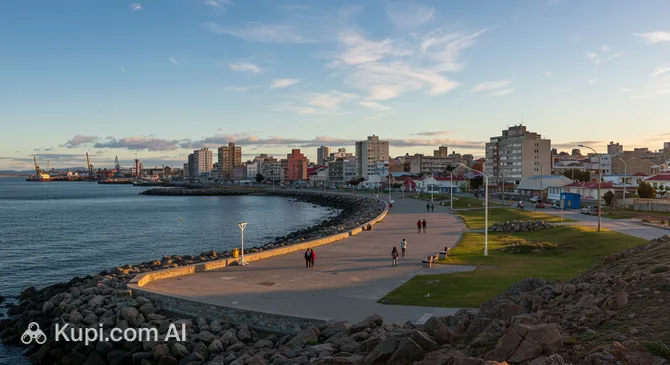
For a deeper connection with nature, Laguna Ortiz serves as a vital urban reserve. This protected body of water is a favorite among birdwatchers and nature enthusiasts, providing a habitat for local species such as black-necked swans and flamingos right within the city limits. Another essential outdoor area is the Costanera (waterfront) along the Gallegos River estuary. It offers expansive views of the water and the distant horizon, perfect for walking or cycling while experiencing the dramatic tidal changes that characterize the coast.

The cultural landscape of Rio Gallegos is anchored by institutions that celebrate its unique history. The Museo de los Pioneros is a must-visit for history buffs. Housed in the historic Parisi House, one of the oldest structures in the city, the museum recreates the domestic life of the late 19th and early 20th centuries. Through furniture, clothing, and photographs, it tells the story of the hardy European immigrants who established the community in this remote corner of the world.

Another key cultural venue is the Museo Regional Provincial Padre Manuel Jesús Molina. This comprehensive museum covers a broad spectrum of disciplines, including paleontology, anthropology, and geology. Visitors can explore exhibits featuring dinosaur fossils found in the Santa Cruz province, as well as artifacts from the indigenous Tehuelche people, offering a scientific and historical context to the region's vast landscapes.

For art lovers, the Museo de Arte Eduardo Minnicelli provides a space dedicated to visual arts, focusing on education and the promotion of local and regional artists. Architecturally, the city center itself is interesting to explore, with several houses retaining the corrugated iron facades and English-style construction typical of the early settlement period.

Insider Tip: When visiting the waterfront, check the tide tables locally. The difference between high and low tide is immense; visiting at low tide reveals a vast, moon-like landscape of mudflats, while high tide brings the Atlantic waters right up to the promenade walls.

Getting Around

The public transport system in Rio Gallegos is straightforward and primarily relies on a network of municipal buses. As a city of moderate size, it does not have a metro, tram, or trolleybus system. For most visitors, the bus network is sufficient for reaching neighborhoods outside the downtown core, although the city center itself is quite compact and often best explored on foot.

The local bus service connects the residential areas with the commercial center and key locations like the university and the bus terminal. The frequency of the buses varies; on weekdays, they generally run every 20 to 30 minutes, but service can be significantly less frequent on weekends and public holidays. It is important to note that bus stops are not always clearly marked with shelters, so looking for signage or asking locals for the nearest "parada" is often necessary.

To use the public transport system, you must have a SUBE card. This is the same contactless smart card used in Buenos Aires and many other cities across Argentina. You cannot pay the driver with cash. If you do not already have a SUBE card from a previous stop in your travels, you can purchase one at "kioscos" (convenience stores) or lottery agencies that display the SUBE logo. You will need to load credit onto the card at these same locations or via digital wallets before boarding.

For tourists, taxis and remises are often the most practical and popular alternative to buses, especially given the strong Patagonian winds. Taxis are clearly marked, typically white with illuminated roof lights, and can be hailed on the street or found at designated ranks in the city center. Remises are private cars that function similarly to taxis but must be booked by phone or at a booking agency ("remisería"). They do not have meters; instead, the price is usually fixed based on distance, and they are generally considered very safe and reliable.

Car rentals are highly recommended if you plan to explore beyond the city limits, such as visiting the Blue Lagoon or driving to Cabo Vírgenes. Several international and local rental agencies operate in the city and at the airport. Having your own vehicle provides the freedom to travel at your own pace, which is particularly valuable in this region where public transport to natural attractions can be non-existent.

A practical tip for visitors is to purchase and load your SUBE card immediately upon arrival if you plan to use buses, as shops may close during the "siesta" hours in the afternoon. Additionally, while there are no historic trams or cable cars, the simplicity of the transport network means you won't get lost easily. For short distances within the downtown area, walking is the best option, provided you are dressed warmly to handle the ever-present breeze.

Accommodation

Where to Stay:

Accommodation in Rio Gallegos caters largely to its role as a commercial hub and a transit point for travelers heading further south to Tierra del Fuego or west to the Andes. The city offers a practical range of lodging options, from simple backpacker hostels and family-run guesthouses (often called hospedajes) to comfortable mid-range hotels designed for business travelers and tourists alike. While you may not find ultra-luxury resorts here, there are plenty of clean, modern establishments that provide a restful stopover with essential amenities like Wi-Fi and breakfast.

The most convenient area to stay is undoubtedly the city center (Centro). choosing a hotel near the main thoroughfare, Avenida San Martín, places you within walking distance of key services, including banks, pharmacies, and a variety of dining options. Staying in this central district also offers easy access to the local bus lines and makes it simple to catch a taxi to the airport or bus terminal. For those arriving by car, many downtown hotels offer parking, which is a crucial feature to check for given the city's layout.

Apartment rentals have also become increasingly popular, offering a "home away from home" experience that is ideal for families or groups traveling together. These furnished units are often located in residential neighborhoods slightly removed from the commercial noise but still close enough to the center to be convenient. They provide greater independence, often featuring kitchen facilities which can be helpful for those wanting to prepare their own meals or early breakfasts before a long drive.

Booking Tips: Since Rio Gallegos is a strategic stopover on the route to Ushuaia and El Calafate, accommodation can fill up quickly during the peak summer season (December to February). It is highly recommended to book your room in advance, especially if you are arriving late in the evening. Prices are generally moderate compared to the major tourist destinations in Patagonia, making it an affordable place to rest and recharge. Most established hotels accept credit cards and can be booked via major online platforms, though smaller guesthouses may prefer cash payments in Argentine Pesos.

Nearby Cities

For those looking to explore the surroundings, Rio Gallegos serves as an excellent base for day trips to several interesting nearby locations:

Although the vast distances of Patagonia often turn excursions into multi-day adventures, Rio Grande is one of the most accessible cities from Rio Gallegos. Located across the Strait of Magellan on the island of Tierra del Fuego, it is known as the "International Capital of Trout" and offers a unique insight into the region's industrial and ranching history. The journey itself, involving a ferry crossing, provides a chance to spot Commerson's dolphins and other marine wildlife.

Further south lies the iconic city of Ushuaia, famously known as the "End of the World." Nestled between the Martial Mountains and the Beagle Channel, it is a premier destination for travelers seeking dramatic landscapes and outdoor activities. While a bit further away, it is a common next stop for those passing through Rio Gallegos, offering attractions like the Tierra del Fuego National Park and the historic Les Eclaireurs Lighthouse.

Heading north along the Atlantic coast, travelers can reach Caleta Olivia. This city serves as the northern gateway to the Santa Cruz province and is famous for "El Gorosito," a massive monument dedicated to the oil workers of the region. It also offers coastal views and proximity to colonies of South American sea lions.

City Population Distance (km)
Comodoro Rivadavia 730266 653
Trelew 97915 976
Rio Grande 67038 262
Ushuaia 56956 359
Caleta Olivia 51733 589

These nearby destinations offer a glimpse into the diverse culture and landscapes of the region, ranging from the rugged Atlantic coast to the mountainous terrain of Tierra del Fuego.

Shopping & Souvenirs

Shopping in Rio Gallegos is a practical and authentic experience, reflecting its status as a working administrative capital rather than a purely tourist-focused destination. While you will not find the sprawling luxury malls of Buenos Aires, the city offers a robust commercial center where visitors can find everything from outdoor gear suitable for the Patagonian climate to high-quality regional artisanal products. The shopping scene is a mix of modern retail stores and traditional shops that have served the community for decades.

The commercial heartbeat of the city is centered along Avenida Presidente Néstor Kirchner. This bustling avenue serves as the main high street and is lined with a wide variety of businesses. Here, tourists can browse through clothing boutiques, sporting goods stores selling trekking equipment, and electronics shops. It is the perfect place to take a walk, window shop, and observe the daily life of the locals. The intersecting streets also host numerous smaller businesses, pharmacies, and banks, making this downtown area a convenient one-stop destination for most traveler needs.

A unique feature of shopping in Rio Gallegos is the presence of the Zona Franca (Free Trade Zone). Located just outside the city center, this retail complex allows visitors to purchase imported goods without certain taxes. It is a popular spot for electronics, perfumes, luggage, and clothing. For tourists, it offers an opportunity to buy international brands at competitive prices, and it is a significant draw for shoppers from across the province and neighboring Chile.

For those seeking authentic local culture, the Mercado Artesanal (Artisan Market) is the place to visit. Often run by provincial or municipal cultural bodies, these markets showcase the work of skilled local craftspeople. You can find beautiful items made from native materials, such as woven textiles using Patagonian sheep wool, leather goods, and intricate silver jewelry. These markets are not just places to buy; they are venues to appreciate the heritage and artistic traditions of Santa Cruz.

When it comes to souvenirs, edible treats are among the most cherished gifts to bring home from this region. The city is famous for its fruit preserves, particularly those made from the calafate berry, a symbol of Patagonia. Tradition says that those who eat the berry will return to the region. High-quality chocolate is another staple; a visit to Franoi allows you to purchase exquisite artisanal chocolates and alfajores that are beautifully packaged for travel. Other popular souvenirs include handmade mate gourds and wool ponchos or scarves to ward off the southern cold.

Store opening hours in Rio Gallegos typically follow the traditional split shift found in many Argentine provinces. Shops generally open around 9:00 AM or 10:00 AM, close for a midday break (siesta) from approximately 1:00 PM to 4:00 PM, and then reopen until 8:00 PM or 9:00 PM. However, larger supermarkets and the Zona Franca may operate with continuous hours. It is always best to plan your shopping trips for the morning or late afternoon to avoid finding closed doors.

Payment methods are fairly standard, with Argentine Pesos (ARS) being the primary currency. While major credit and debit cards are widely accepted in hotels, the Zona Franca, and larger stores on the main avenue, smaller boutiques and artisan stalls often prefer or require cash. In Argentina, foreign tourists may be eligible for a VAT (IVA) refund on locally manufactured goods purchased at participating stores that display the "Tax Free" logo, so be sure to ask for the necessary forms if you plan on making significant purchases.

Reached the end of the page?

That means the route is fully explored