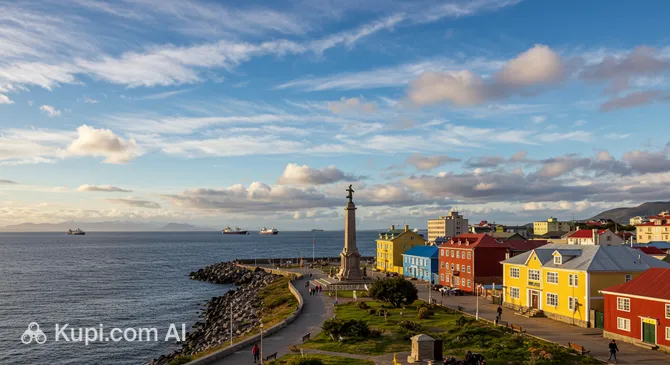
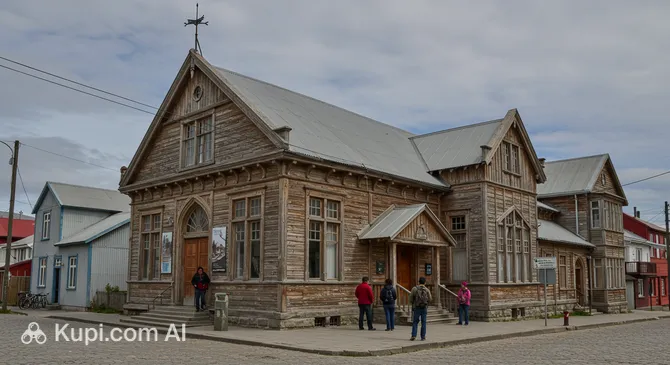
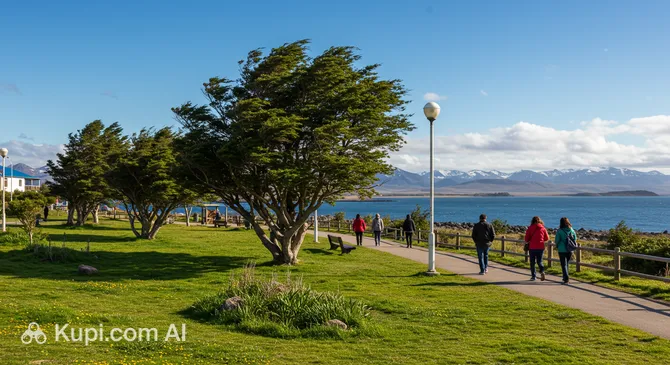
Punta Arenas is a captivating destination located in the far south of Chile, often celebrated as a gateway to Antarctica and the heart of Chilean Patagonia. Situated on the Brunswick Peninsula overlooking the legendary Strait of Magellan, this city serves as the capital of the Magallanes Region. With a population of approximately 123,000 inhabitants, it stands as a bustling urban center amidst the rugged wilderness, offering a unique blend of remote charm, vibrant culture, and modern amenities.
Punta Arenas. Illustration.
Source: Kupi.com AI
The city is renowned for its distinct architecture and rich heritage, shaped by waves of European immigration and maritime trade. Delving into the history of Punta Arenas reveals a fascinating narrative of explorers, sheep farming barons, and the hardy settlers who built this metropolis in a challenging subpolar climate. The city center features the beautiful Plaza Muñoz Gamero, where visitors can admire a prominent memorial to Ferdinand Magellan and explore the surrounding opulent mansions.
Beyond its urban streets, Punta Arenas offers incredible opportunities for adventure and wildlife observation. A favorite excursion for many is a boat trip to Isla Magdalena, which hosts a massive colony of Magellanic penguins. For those interested in navigation, the Nao Victoria Museum displays impressive full-size replicas of historic ships. Whether you are preparing for a trek in the nearby mountains or simply soaking in the atmosphere at the "end of the world," Punta Arenas invites you to experience its unforgettable southern hospitality.
Weather Overview
The climate in this southern region is defined by its subpolar oceanic nature, characterized by cool temperatures and persistent winds throughout the year. To help you pack appropriately for these changeable conditions, it is best to consult the detailed guide on the weather in Punta Arenas before your trip.
The summer months of December through February offer the mildest conditions, with average temperatures hovering around 10°C and daily highs reaching up to 13.3°C in February. Conversely, the winter season from June to August is quite cold, with average temperatures dropping to between 1.3°C and 2.5°C, and minimums frequently dipping just below freezing.
Precipitation is a constant feature, though it typically manifests as light showers or drizzle rather than heavy rain. While the monthly accumulation is low at roughly 2-3mm, the frequency of precipitation is significant, with January experiencing up to 21 wet days. Expect cool, breezy summers with frequent light rain and cold winters where temperatures hover near the freezing point.
Average monthly temperature
Average monthly precipitation
Interesting Facts
Beyond the well-trodden paths, Punta Arenas holds fascinating secrets and legends that define its identity as a sentinel of the south. This city, shaped by extreme weather and daring explorers, offers curious travelers more than just a stopover on the way to Antarctica.
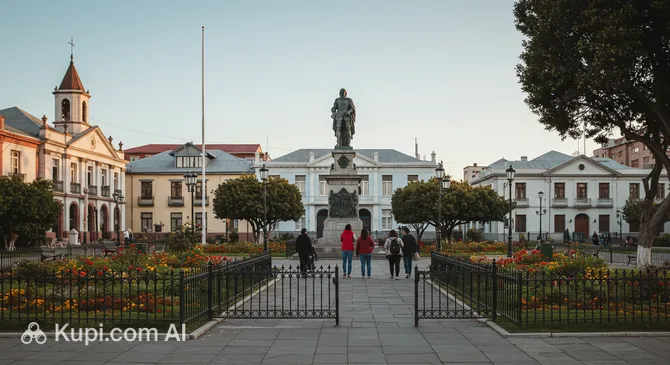
Plaza de Armas Punta Arenas. Illustration.
Source: Kupi.com AI
Traveler photos:
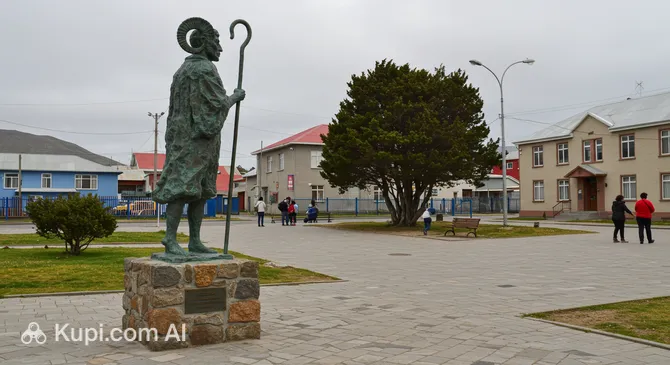
One of the most enduring local traditions is found in the heart of the city at Plaza de Armas Punta Arenas. According to urban legend, kissing or rubbing the shiny bronze foot of the Aonikenk Indian figure on the Magellan Monument guarantees that you will return to Patagonia one day.
The winds in this region are notorious, often reaching speeds of over 100 kilometers per hour. Historically, the gusts were so fierce that authorities would string ropes along the sidewalks in the downtown area to help pedestrians hold on and walk safely without being blown over.
Punta Arenas and the surrounding Magallanes Region operate on a unique time schedule compared to the rest of the country. To maximize the limited daylight during the dark winter months, the region typically remains on "summer time" year-round, meaning it is often one hour ahead of Santiago during the winter.
The city has a deep connection to the heroic age of exploration, serving as the base for Sir Ernest Shackleton during his desperate mission to save his crew. After the legendary rescue of the men stranded on Elephant Island, Shackleton brought them here, where they were greeted as heroes by the local community.
How to Get There
Reaching this remote destination is an adventure in itself, with air travel being the most practical method for the vast majority of visitors. Situated at the southern tip of the continent, the city is well-connected to the rest of the country, though distances are significant. For a comprehensive guide on logistics and routes, you can read more about how to get to Punta Arenas to help plan your journey.
The primary gateway to the region is Presidente Ibáñez Airport (IATA: PUQ), located just 18.2 km from the city center. It is the main hub for the area, receiving regular flights from Santiago and Puerto Montt. Upon arrival, the journey to downtown Punta Arenas is straightforward, taking approximately 45 to 50 minutes by taxi or shuttle bus. This airport handles a significant volume of passengers annually, ensuring reliable services and connections.
Another option for travelers, particularly those combining their trip with a visit to Torres del Paine, is to fly into Teniente J. Gallardo (IATA: PNT) in the city of Puerto Natales. While this airport is located about 199 km from Punta Arenas, it is a key entry point for Chilean Patagonia. The overland transfer from Puerto Natales to Punta Arenas can take several hours by bus or car, but it offers a scenic drive through the steppe.
For clarity, here is a summary of the main airports in the wider region:
Punta Arenas does not have a railway station, and there are no passenger train services connecting it to the rest of Chile or Argentina. The region's rugged terrain and remote location make rail transport impractical. Instead, an extensive network of long-distance buses serves the area, providing reliable overland connections from nearby cities like Puerto Natales and cross-border routes from Rio Gallegos in Argentina.
Main Attractions
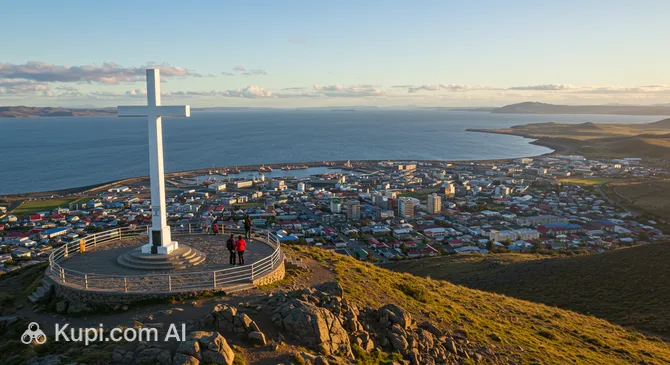
Punta Arenas is a city where history and nature converge, offering visitors a variety of fascinating sites that reflect its heritage as a pioneering outpost. To get the best orientation of the city, a visit to Cerro de la Cruz is essential. This viewpoint provides a stunning panoramic view of the colorful tin roofs stretching down to the Strait of Magellan, with the distant landmass of Tierra del Fuego visible on the horizon. It is the perfect spot for photography and to truly appreciate the scale of this southern metropolis.
Cerro de la Cruz. Illustration.
Source: Kupi.com AI
Traveler photos:
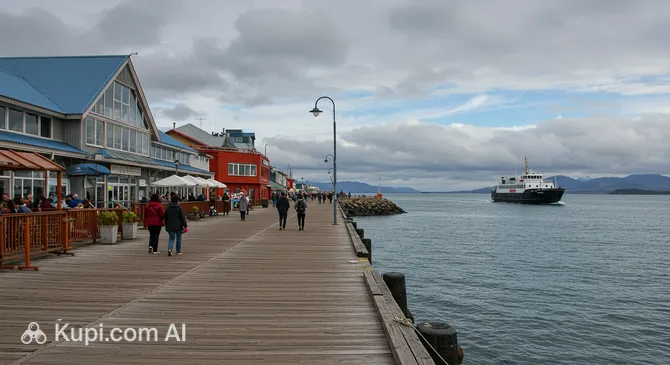
For those who enjoy scenic walks, the Costanera Waterfront is a highlight that runs parallel to the legendary strait. This well-maintained boardwalk is ideal for a leisurely stroll while breathing in the fresh sea air and watching seabirds dive into the chilly waters. Along the path, you will encounter various monuments and statues that pay tribute to the region's maritime history and the diverse immigrants who settled here.
Costanera Waterfront. Illustration.
Source: Kupi.com AI
Traveler photos:
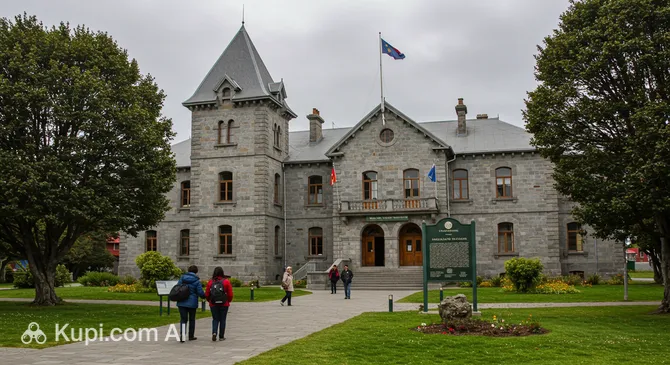
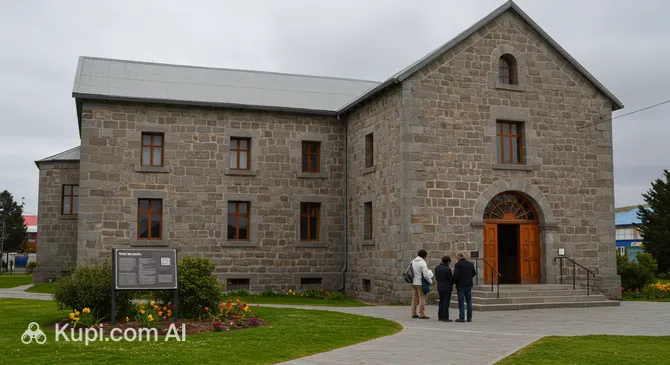
Delving into the cultural past, the Magallanes Regional Museum offers a glimpse into the opulent lives of the wool barons who once drove the local economy. Housed in the magnificent Braun Menéndez Palace, the museum displays preserved period furniture, luxurious decor, and historical artifacts that narrate the social history of the territory. It stands as a testament to the golden age of Punta Arenas and is a National Monument of Chile.
Magallanes Regional Museum. Illustration.
Source: Kupi.com AI
Traveler photos:
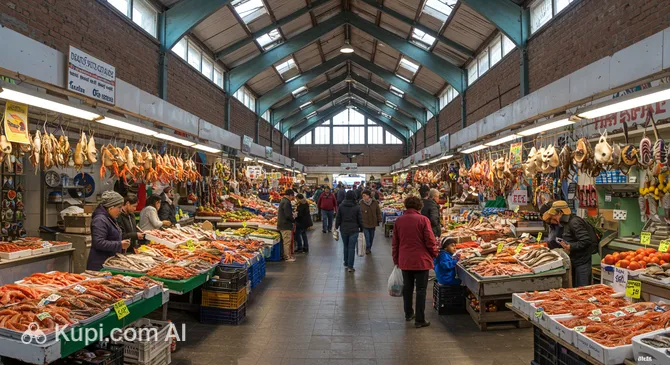
To experience the local flavors and daily life, make sure to stop by the Municipal Market. This bustling hub is the best place to sample fresh regional seafood, such as the famous Magellanic king crab or "centolla." Beyond the food, the market features stalls selling local handicrafts and souvenirs, making it a warm and inviting place to interact with locals and pick up a memento of your trip.
Municipal Market. Illustration.
Source: Kupi.com AI
Traveler photos:
Local Cuisine
The gastronomy of Punta Arenas is a delicious reflection of its rugged geography, blending the bounty of the cold South Pacific with the traditions of the Patagonian steppe. Visitors can expect hearty, warming dishes designed to combat the chill, with a strong emphasis on premium seafood and high-quality meats. The local food scene is unpretentious yet world-class, often centered around fresh ingredients sourced directly from the surrounding wilderness.
Undoubtedly, the crown jewel of the local table is the Magellanic King Crab, known locally as centolla. This delicacy is prized for its sweet, tender meat and can be enjoyed in various forms, from fresh salads to a rich, creamy stew known as chupe de centolla. For an authentic experience, many travelers head to the Municipal Market, where numerous small kitchens serve the catch of the day straight from the icy waters of the strait.
On the carnivorous side, Magellanic lamb (cordero magallánico) is legendary. Raised on the vast, windswept pampas with natural pastures, the meat is uniquely lean and flavorful. The traditional way to eat it is al palo—spit-roasted vertically over an open wood fire—which creates a crispy skin and succulent interior. This dish is a staple at family gatherings and specialized steakhouses throughout the city, often accompanied by boiled potatoes and pebre sauce.
When it comes to beverages, you cannot leave without trying a Calafate Sour. This is a regional twist on Chile's national cocktail, the Pisco Sour, made with the dark purple calafate berry native to Patagonia. It is sweet, refreshing, and deeply tied to local folklore. For a taste of history with your drink, a visit to La Perla del Estrecho is highly recommended. As one of the oldest bars in the city, it offers a nostalgic atmosphere that transports you back to the days of sailors and pioneers.
La Perla del Estrecho. Illustration.
Source: Kupi.com AI
Traveler photos:
Beyond the signature plates, the city has a diverse culinary scene that ranges from cozy cafés to fusion dining. You might find places like Luan's Restaurant offering distinct flavors, or spot locals enjoying "once" (afternoon tea), a tradition influenced by early British settlers. Whether you are craving a hot coffee after a windy walk or a substantial feast, Punta Arenas offers a warm welcome through its food.
Travel Tips
Visiting the southernmost city on the continent is a thrilling experience, but the unique location and extreme elements require a bit of extra preparation. To help you navigate Punta Arenas with confidence and ease, here are some practical tips designed to make your journey to the end of the world as smooth as possible.
Master the Art of Layering. The weather in Patagonia is notoriously unpredictable, often cycling through four seasons in a single day. Bring thermal underwear, a warm fleece, and most importantly, a high-quality windproof and waterproof jacket. Comfortable, sturdy walking shoes are essential for navigating the city streets and nearby nature trails.
Getting Around. The city center is compact and easily explorable on foot. For longer distances, taxis and colectivos (shared taxis with fixed routes) are affordable and abundant. If you plan to explore the surrounding Magallanes region on your own schedule, renting a car is highly recommended, but ensure you book a vehicle capable of handling gravel roads and strong winds.
Currency and Payments. The official currency is the Chilean Peso (CLP). While credit cards are widely accepted in hotels, restaurants, and larger shops, it is crucial to carry cash for small purchases, public transport, and souvenir stalls. ATMs are readily available in the downtown area, and you should not rely on using US dollars for daily transactions.
Health and Sun Protection. Punta Arenas is generally a very safe city for tourists, with pharmacies (farmacias) easily found downtown; look for the one marked "de turno" for 24-hour service. A critical health tip is to wear sunscreen and sunglasses, even on cloudy days, as the UV radiation in this southern latitude can be surprisingly intense due to the thinner ozone layer.
Communication. The primary language is Spanish. While staff in the tourism industry often speak English, it is not universally spoken by taxi drivers or shopkeepers. Downloading an offline translation app and learning a few basic phrases like hola (hello) and gracias (thank you) will be greatly appreciated by the locals.
Local Etiquette. "Magallánicos" are known for their warmth and regional pride. When greeting someone, a firm handshake is standard, though locals often greet friends with a kiss on the right cheek. It is polite to say "buenos días" or "buenas tardes" when entering a shop or boarding a bus. Tipping around 10% in restaurants is customary if it is not already included in the bill.
What to Avoid. Do not underestimate the wind; sudden gusts can be powerful enough to knock you off balance or rip a car door out of your hand, so always park into the wind and hold the door firmly when opening it. Additionally, avoid assuming that schedules are rigid; life here moves at a slightly more relaxed pace, especially during the long winter nights.
Shopping Advantage. Take advantage of the Zona Franca (Free Trade Zone). This large commercial area located on the outskirts of the city offers tax-free prices on a wide range of goods, including outdoor gear, electronics, and imported foods, making it a perfect spot to pick up any supplies you might have forgotten.
By keeping these practicalities in mind, you will be well-equipped to handle the windswept charm of Punta Arenas. Whether you are stocking up on gear in the tax-free zone or chatting with a friendly local in a cozy café, these tips will help you embrace the spirit of Patagonia like a true explorer.
Entertainment & Nightlife
Entertainment and Nightlife:
While Punta Arenas may not have the frenetic energy of a massive metropolis, its nightlife offers a warm and welcoming refuge from the Patagonian chill. The evening scene here is characterized by cozy "restobars," traditional pubs, and a relaxed atmosphere where locals and travelers mingle over craft beers and regional cocktails. The nightlife is concentrated primarily in the downtown area (El Centro), particularly along Calle Bories and the streets surrounding the main plaza, making it easy to hop between venues on foot.
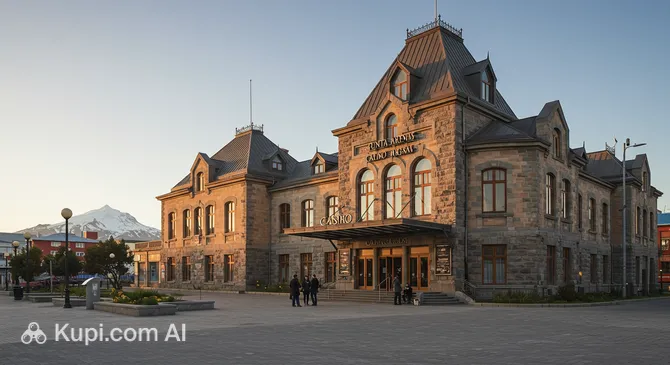
For those seeking a more vibrant and varied night out, the Punta Arenas Casino is the undisputed center of entertainment in the city. Located near the waterfront, this modern venue offers much more than just gaming tables and slot machines. It frequently hosts live music performances, cultural shows, and events that draw a lively crowd. With its onsite hotel and bar, it provides a sophisticated environment for visitors looking to dress up slightly and enjoy a complete evening of leisure.
Punta Arenas Casino. Illustration.
Source: Kupi.com AI
Traveler photos:
The bar culture in Punta Arenas is steeped in history. Many venues pride themselves on their heritage, offering a rustic aesthetic with wood-paneled interiors that recall the city's maritime past. The crowd is generally a mix of trekkers returning from the mountains and locals unwinding after work. The dress code is almost universally casual; practical, warm clothing is the norm, even in the evening. Prices are reasonable, with a pint of local beer or a Pisco Sour costing significantly less than in Santiago or tourist-heavy Torres del Paine.
In terms of safety, Punta Arenas is considered one of the safest cities in Chile. Walking around the well-lit downtown areas at night is generally secure, but standard precautions should always be taken. For returning to your accommodation late at night, especially if it is outside the immediate center, it is best to use "radio taxis." These can be called by phone or found at designated ranks; they are reliable, metered, and widely used by residents to avoid the strong nocturnal winds.
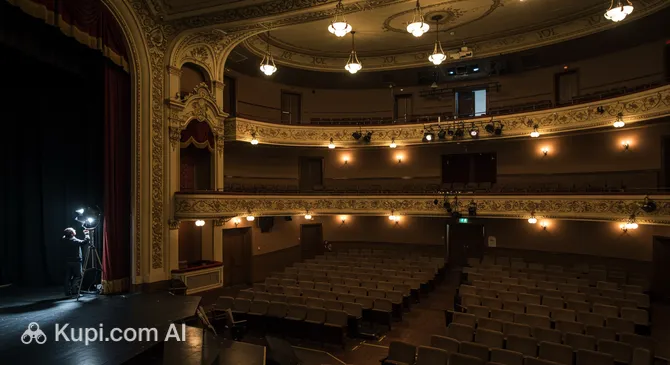
During the day, the city offers a different kind of entertainment focused on culture and relaxation. History buffs should not miss the History Coffee Museum, a charming spot that combines the region's love for coffee with a journey through its past. It is an excellent place to spend a leisurely afternoon exploring exhibits before enjoying a hot beverage.
History Coffee Museum. Illustration.
Source: Kupi.com AI
Traveler photos:
For a more modern diversion or a family-friendly outing, the Espacio Urbano Pionero Mall offers a comprehensive range of activities. As the main shopping center in the region, it features a cinema showing the latest international films, a food court, and various retail stores. It serves as a popular social hub for locals, particularly on weekends or when the weather makes outdoor activities difficult.
Parks & Museums
Punta Arenas is not only a hub of maritime history but also a city that values its green spaces and cultural heritage. Visitors will find a compelling mix of well-maintained urban parks, fascinating museums, and monuments that tell the story of the region's rugged past and the diverse communities that settled at the end of the world.
One of the most significant natural areas in the city is María Behety Park. Located in the southern sector of Punta Arenas, this expansive green lung is a favorite among locals for family outings and picnics. It features a large wetland area that attracts various bird species, making it a quiet spot for nature observation within the city limits. The park is also known for its "Prehistoric Park" section, where children can marvel at life-size replicas of the megafauna that once roamed Patagonia, adding an educational twist to a relaxing walk.
María Behety Park. Illustration.
Source: Kupi.com AI
Traveler photos:
In the heart of the downtown area, Plaza de Armas Punta Arenas serves as the city's principal urban garden. Surrounded by magnificent mansions from the golden age of wool, the square is filled with mature cypress and birch trees that offer shelter from the wind. It is a lively meeting point where history and daily life converge, anchored by the iconic monument to Ferdinand Magellan. It functions not just as a plaza, but as a central park where artisans sell their crafts and visitors can soak in the local atmosphere.
For those looking to delve deeper into the region's history, the Maggiorino Borgatello Museum is an essential stop. Founded by Salesian missionaries, this institution houses one of the most complete collections of ethnological artifacts related to the indigenous peoples of Patagonia, including the Selk'nam and Kawésqar. Beyond its cultural exhibits, the museum features extensive displays on the local flora, fauna, and the economic history of the region, providing a comprehensive overview of life in Magallanes.
Maggiorino Borgatello Museum. Illustration.
Source: Kupi.com AI
Traveler photos:
Another cultural highlight is the Nao Victoria Museum, which offers a tangible connection to the Age of Discovery. This museum is famous for its full-scale, seaworthy replicas of historic ships, including Magellan's Nao Victoria and the James Caird used by Shackleton. Visitors can climb aboard, explore the decks, and descend into the holds to experience the cramped conditions early explorers endured while navigating these treacherous waters.
Scattered throughout the city are monuments that pay tribute to the working-class heroes of Patagonia. The most beloved of these is the Shepherd Monument (Monumento al Ovejero). Spanning an entire city block median, this bronze sculpture depicts a shepherd struggling against the wind with his horse and faithful dogs. It is a powerful symbol of the rural traditions that built the region's economy and a popular photo opportunity for those wanting to capture the spirit of the pampas.
Shepherd Monument. Illustration.
Source: Kupi.com AI
Traveler photos:
Near the waterfront, the Prat Pier stands as a historical landmark of the city's maritime activity. While access to the operational areas is restricted, the entrance area serves as a gateway for many tours and offers excellent views of the ships in the strait. It is a reminder of the strategic importance of Punta Arenas before the opening of the Panama Canal.
For a truly unique experience, consider visiting the Municipal Cemetery of Punta Arenas. While it is a burial ground, it is widely regarded as an open-air museum and one of the most beautiful cemeteries in South America. Its manicured avenues of shaped cypress trees and opulent mausoleums reflect the wealth and diversity of the immigrant families who founded the city, making it a peaceful and visually striking place to explore.
Getting Around
Navigating Punta Arenas is straightforward and relatively inexpensive, as the city is compact and lacks the complex infrastructure of larger metropolises. There is no metro, tram, or train system within the urban area. Instead, the public transport network relies entirely on road vehicles, specifically a combination of standard public buses and the uniquely Chilean shared taxis known as colectivos. For most tourists, the city center is small enough to explore comfortably on foot, but for reaching specific attractions on the outskirts or the Free Trade Zone (Zona Franca), motorized transport is necessary.
The most popular and efficient mode of transport for locals is the colectivo. These are black sedans that function as shared taxis with fixed routes, distinguishable by the illuminated signs on their roofs indicating their destination and line number. They operate similarly to buses but offer the speed and comfort of a car. You can hail them from the street corner; simply wave your hand, and if there is a seat available (they carry up to four passengers), the driver will stop. They are faster than buses and run more frequently, making them an excellent option for getting around quickly.
Public buses, often referred to locally as micros, cover the entire city and are the most economical way to travel. In recent years, the fleet has been modernized to include newer, more comfortable units, some of which are distinctively colored (often red and white or yellow). These buses run on designated routes that connect residential neighborhoods with the downtown area and major points of interest like shopping malls and the hospital. Stops are marked, but in practice, drivers will often stop if you signal them clearly from a safe spot along the route.
regarding payment, the system in Punta Arenas is traditional and relies heavily on cash. Unlike the capital where travel cards are mandatory, here you pay the driver directly upon boarding. It is essential to carry small change or low-denomination bills (1,000 or 2,000 CLP notes), as drivers rarely have change for large bills. Fares are fixed and generally very affordable, with colectivos costing slightly more than buses. Prices may increase slightly during late-night hours or on Sundays and public holidays.
For those who prefer a private service, traditional taxis are widely available. These are black with yellow roofs and can be hailed on the street or found at designated ranks, particularly around the main plaza. However, it is often more reliable to use "Radio Taxis," which you call by phone or book via WhatsApp to pick you up from a specific location. This is especially recommended at night or when the wind is particularly strong. Ride-sharing apps like Uber do operate in the city, but availability can be inconsistent compared to the abundance of official taxis.
A few practical tips will help ensure a smooth journey. Public transport typically operates from early morning until around 9:00 PM or 10:00 PM, after which frequency drops significantly, and private taxis become the best option. If you are using a colectivo, it is polite to greet the driver and fellow passengers upon entering. When you are nearing your destination, simply tell the driver "en la esquina, por favor" (at the corner, please) or "aquí, por favor" (here, please) to request a stop.
Accommodation
Accommodation:
Finding the perfect place to stay in Punta Arenas is relatively easy, as the city offers a diverse range of options to suit various travel styles and budgets. The accommodation landscape reflects the city's role as a transit hub for Patagonia and Antarctica, featuring everything from backpacker-friendly hostels and cozy, family-run guesthouses known as residenciales to comfortable mid-range hotels and upscale lodgings. Many of the higher-end establishments are housed in renovated historic mansions, allowing guests to experience the architectural heritage of the region firsthand.
For most visitors, the most convenient area to stay is the downtown core (El Centro), particularly the blocks surrounding the main square. Staying here places you within walking distance of the major museums, restaurants, and tour operator offices, which is especially practical if you do not have a rental car. Alternatively, the area along the waterfront offers modern accommodations with stunning views of the Strait of Magellan, perfect for those who want to wake up to the sight of the sea, though it may require a short taxi ride to reach the central dining district.
When planning your trip, it is crucial to consider the seasonality of the region. During the peak summer months (December through February), Punta Arenas welcomes a high volume of tourists, and availability can become scarce. It is highly recommended to book your accommodation several months in advance to secure your preferred choice. Conversely, if you are visiting during the shoulder seasons or winter, you will find more availability and often better rates, though some smaller hostels may close for the season.
Prices in Punta Arenas are generally moderate compared to the premium rates found inside Torres del Paine National Park. Budget travelers can find affordable beds in shared dormitories or simple private rooms, while mid-range and luxury options are priced competitively for a major tourist destination. Reservations can easily be made through major online booking platforms, but for smaller residenciales, contacting the property directly is often a good way to confirm availability and arrange specific needs like late check-ins.
Nearby Cities
For those looking to explore the surroundings, Punta Arenas serves as an excellent base for day trips to several interesting nearby locations:
One of the most popular excursions is to Porvenir, the capital of the Chilean Tierra del Fuego province. Located across the Strait of Magellan, it is accessible via a scenic 2-hour ferry ride that offers the chance to spot dolphins and seabirds. The town itself provides a glimpse into the lives of early Croatian immigrants and serves as a jumping-off point for visiting the colony of King Penguins at Bahía Inútil.
Another captivating destination is Puerto Natales, situated approximately 250 kilometers north of Punta Arenas. While often used as a hub for Torres del Paine, it is a worthy destination in its own right for a long day trip. Visitors can enjoy the dramatic views of the Last Hope Sound, explore the Milodon Cave Natural Monument nearby, and enjoy a meal in one of the town's cozy waterfront restaurants.
For those interested in history, Fuerte Bulnes offers a shorter trip just 60 kilometers south. This reconstructed fort marks the site of the first Chilean settlement in the region and offers commanding views of the strait, along with informative trails through the Magellanic forest.
These nearby destinations offer a glimpse into the diverse culture and landscapes of the region.
Shopping & Souvenirs
As the commercial heart of the Magallanes Region, Punta Arenas offers a shopping experience that is as practical as it is culturally interesting. While it may not rival the massive retail metropolises of the north, the city serves as a crucial supply hub for Patagonia. Visitors will find a unique mix of high-quality outdoor gear designed for the harsh climate, charming local handicrafts, and the distinct advantage of a tax-free zone that attracts shoppers from across the country.
The primary artery for retail therapy in the downtown area is Calle Bories. This bustling street runs through the center of the city and is lined with a variety of shops, ranging from well-known Chilean department stores to small, independent boutiques. Walking down Bories, you can find everything from trekking equipment and winter clothing to pharmacies and bookstores. It is the perfect place to soak in the local atmosphere, window shop, and observe the daily life of the "Magallánicos."
For a modern, all-in-one shopping experience, the Espacio Urbano Pionero Mall is the city's largest enclosed commercial center. It provides a warm refuge from the windy weather and features a wide selection of international and national brands, a supermarket, and a food court. It is a convenient stop for travelers needing to restock on supplies, buy electronics, or simply enjoy a coffee in a comfortable, climate-controlled environment.
Espacio Urbano Pionero Mall. Illustration.
Source: Kupi.com AI
Traveler photos:
To discover the authentic flavors and crafts of the region, a visit to the Municipal Market is essential. While famous for its seafood restaurants, the upper levels and surrounding stalls often sell handmade wool items and souvenirs. Here, you can browse through stands offering thick woolen socks, carved wooden figures, and other artisanal products that reflect the heritage of Patagonia. It is a more traditional alternative to the modern malls and supports local craftspeople.
When it comes to souvenirs, Punta Arenas is famous for its high-quality wool products. The region's sheep farming history means you can find exceptional sweaters, scarves, and ponchos made from sheep or alpaca wool. Additionally, look for products made from the calafate berry, such as jams, liqueurs, and teas; according to legend, eating the berry ensures your return to Patagonia. Handcrafted jewelry using lapis lazuli or local stones also makes for a memorable keepsake.
Store opening hours in Punta Arenas can be slightly different from the rest of Chile. Smaller shops in the city center often close for a "siesta" or lunch break between 1:00 PM and 3:00 PM, reopening until around 8:00 PM. However, the large shopping malls and supermarkets typically operate continuously from 10:00 AM to 9:00 PM or 10:00 PM. Credit and debit cards are widely accepted in most established businesses, but it is advisable to carry cash (Chilean Pesos) for small purchases at markets or street kiosks.
A major highlight for many visitors is the Zona Franca (Free Trade Zone), located on the northern outskirts of the city. As a tax-free port, this large commercial precinct offers imported goods without the standard value-added tax (VAT) and customs duties. Shoppers flock here to find competitive prices on electronics, perfumes, liquor, and outdoor clothing. It is an excellent opportunity to purchase high-end items or gifts at significantly lower prices than in Santiago or other parts of Chile.