Support

Puerto Natales

About

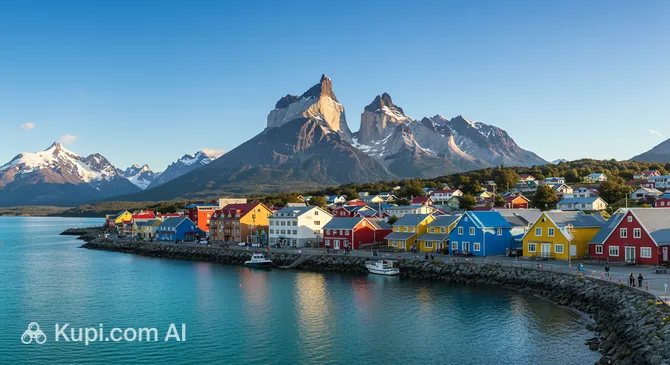
Puerto Natales is a picturesque port city located in the southern tip of Chile, sitting along the shores of the Señoret Channel and the Ultima Esperanza Sound. Often referred to as the gateway to the world-famous Torres del Paine National Park, this charming town serves as a vital hub for adventurers and nature lovers seeking to explore the rugged beauty of Patagonia. With a population of approximately 21,477 inhabitants, it offers a cozy yet vibrant atmosphere where travelers can rest and recharge before embarking on their wilderness expeditions.

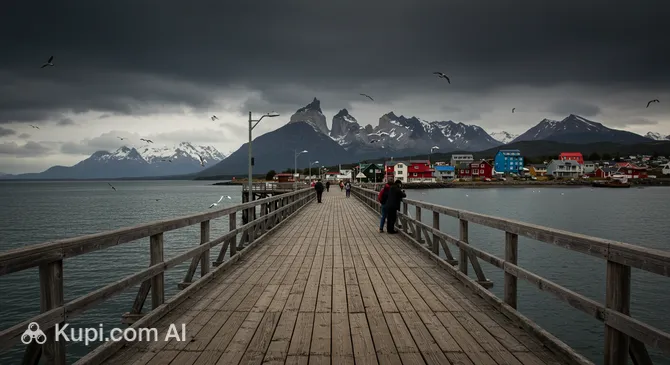
Puerto Natales. Source: Kupi.Binoculars

Geographically, the city is situated in the Magallanes y la Antártica Chilena Region, surrounded by dramatic landscapes of fjords, glaciers, and snow-capped mountains. The climate here is characteristic of the Patagonian steppe—cool, windy, and often unpredictable, adding to the sense of remote adventure. While today it is a bustling tourist center, the history of Puerto Natales is deeply rooted in sheep farming and fishing, industries that shaped its initial development and cultural identity.

Visitors are drawn to the city not only for its proximity to national parks but also for its own unique attractions. The Cueva del Milodón Natural Monument, located just a short drive away, offers a fascinating glimpse into prehistoric life, while the city's waterfront, or Costanera, provides stunning views of the Andes and local wildlife like black-necked swans. Whether you are preparing for a trek or simply enjoying the local gastronomy, Puerto Natales is an essential stop on any Patagonian itinerary.

Weather Overview

The climate in Puerto Natales is typical of the Patagonian region, offering a cool and often unpredictable atmosphere that adds to the area's rugged charm. Travelers should be prepared for cool summers and cold winters, with a high likelihood of overcast skies throughout the year. For a more detailed breakdown of what to expect during your specific travel dates, you can consult the guide to weather in Puerto Natales.

During the summer months of January and February, the weather is at its mildest, with average temperatures around 10°C and daily highs reaching up to 13.8°C. However, even in summer, the city experiences a high number of wet days—up to 24 days in January—so waterproof clothing is a must. Winter, spanning from June to August, brings colder conditions with average temperatures dropping to -1.1°C in July and minimums falling to -3.2°C. Overall, visitors should expect cool to cold temperatures year-round with frequent precipitation days, regardless of the season.

Interesting Facts

Beyond the main attractions, Puerto Natales holds many fascinating secrets and local legends that add depth to its scenic beauty. From prehistoric discoveries to remnants of the industrial era, the city offers curious details for the observant traveler.

  • The name of the local fjord, Seno Última Esperanza (Last Hope Sound), is rooted in a desperate historical quest. It was named in 1557 by the Spanish navigator Juan Ladrillero, who believed this inlet was his absolute final chance to find the western entrance to the Strait of Magellan before his expedition would fail.

  • The region is scientifically famous for the discovery of the Mylodon, a giant prehistoric ground sloth that lived here over 10,000 years ago. Skin and bones of this massive creature were found in a nearby cave in 1895, and you can learn more about this paleontological breakthrough at the Municipal Historical Museum.

  • One of the city's most evocative landmarks is the Historic Pier, or Muelle Histórico. Once a vital dock for the sheep and meat processing industry, it now stands as a skeletal collection of blackened wooden pilings that serve as a favorite resting spot for Imperial Cormorants rather than ships.

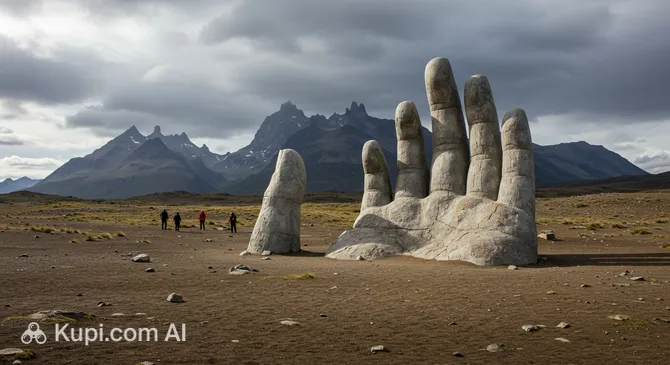
  • While exploring the waterfront, you will encounter a striking sculpture of fingers rising from the ground known as The Hand. This artistic installation is a smaller relative of the famous desert hand in northern Chile and has become a symbolic photo opportunity against the backdrop of the fjords.

  • Local folklore insists that your first visit to Patagonia might not be your last, thanks to the Calafate berry. The legend states that anyone who eats this native dark blue fruit is destined to return to the region one day, a belief held dear by residents.

Historic Pier. Source: Kupi.Binoculars

How to Get There

Reaching this remote and beautiful corner of Patagonia is an adventure in itself, with several routes available depending on your starting point and travel style. You can find more about how to get to Puerto Natales, including detailed itineraries and transport tips, to help plan your arrival.

The most convenient entry point for many travelers is the local Teniente J. Gallardo (IATA: PNT), situated directly in Puerto Natales. It is a small airport located just 6.3 km from the city center, making the transfer very quick; a taxi ride typically takes around 20 to 30 minutes. However, flight frequencies here can be seasonal, often peaking during the summer months to accommodate hikers heading to Torres del Paine.

Alternatively, the city does not have a large international hub of its own, so many visitors fly into Presidente Ibáñez Airport (IATA: PUQ) in the city of Punta Arenas, which is about 181 km away. This is the main regional gateway with higher passenger traffic. From Punta Arenas, you can take a regular bus service or rent a car to reach Puerto Natales, a journey that generally takes approximately 3 to 4 hours through the scenic Patagonian steppe. Another option for those combining Chile and Argentina in one trip is El Calafate Airport (IATA: FTE) in El Calafate, located roughly 164 km away across the border.

For clarity, here is a summary of the main airports:

Airport Name City Passenger Traffic Km from City
Presidente Ibáñez Airport Punta Arenas High 181.1
El Calafate Airport El Calafate Medium 164.1
Rio Gallegos International Airport Rio Gallegos Medium 221.4
Teniente J. Gallardo Puerto Natales Small 6.3

Main Attractions

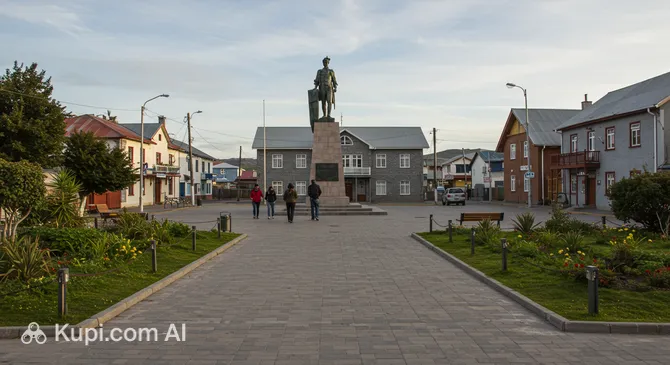
The city center revolves around the Arturo Prat Main Square, a charming and well-kept plaza that serves as the heart of local life. It is an excellent starting point for a walking tour, surrounded by important landmarks and the town's quaint church. Visitors often gather here to enjoy the peaceful atmosphere, observe the daily rhythm of the residents, and admire the wind-shaped trees that characterize the region's landscaping.

Arturo Prat Main Square. Source: Kupi.Binoculars

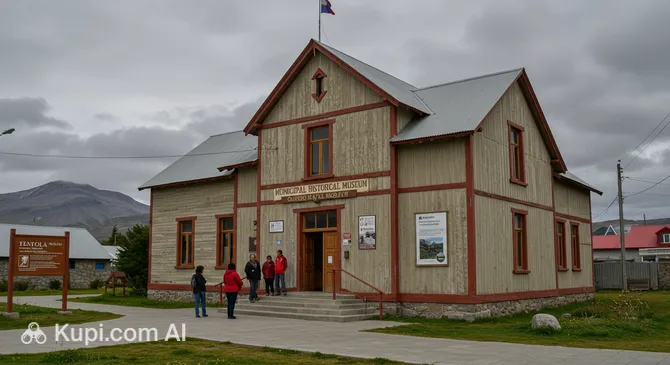
To gain a deeper understanding of the area's cultural and natural roots, a visit to the Municipal Historical Museum is highly recommended. This facility preserves the heritage of the Magallanes region, featuring exhibits on the indigenous Aonikenk and Kawésqar peoples who originally inhabited these lands. The collection also covers the colonization era, driven by the sheep farming industry, and displays fascinating geological specimens that explain the formation of the surrounding fjords and mountains.

Municipal Historical Museum. Source: Kupi.Binoculars

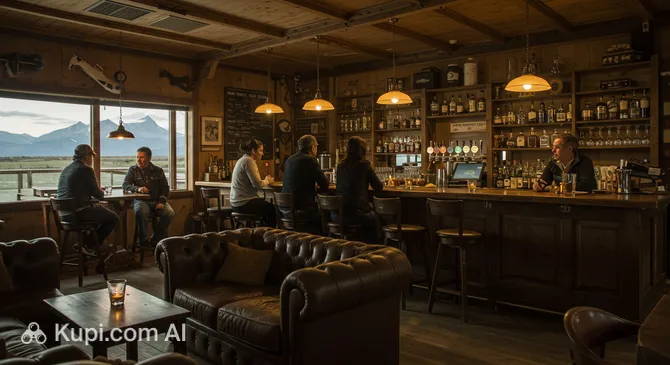
For a taste of modern Patagonian craftsmanship, travelers should not miss the Last Hope Distillery. As the first distillery in Puerto Natales, it has become a popular attraction for its production of premium gin and whiskey using native botanicals. It offers a cozy environment where guests can take guided tours to learn about the distillation process or simply relax with a unique cocktail after a long day of trekking.

Last Hope Distillery. Source: Kupi.Binoculars

Local Cuisine

The culinary scene in Puerto Natales is a delightful reflection of its rugged Patagonian surroundings, offering a mix of hearty comfort foods and fresh delicacies from the sea. The most iconic dish to try is undoubtedly Cordero al Palo (spit-roasted lamb). Cooked slowly over an open fire for hours, the meat becomes incredibly tender and flavorful with a crisp, smoky skin, representing a traditional feast often enjoyed at local parrillas.

Seafood lovers will find themselves in paradise here, as the cold waters of the southern fjords produce some of the world's finest shellfish. The Magellanic King Crab, or Centolla, is a must-try delicacy, served in everything from rich chowders to fresh salads. Another local favorite is Chupe de Centolla, a thick, cheesy crab stew that provides perfect warmth against the chilly Patagonian winds.

When it comes to drinks, the region has a unique signature cocktail: the Calafate Sour. This is a Patagonian twist on the classic Chilean Pisco Sour, made with the native dark blue calafate berry, which gives the drink a vibrant purple hue and a sweet-tart flavor. For beer enthusiasts, the area has a burgeoning craft beer culture, utilizing the pristine local water to brew distinct ales and stouts that pair perfectly with heavy meat dishes.

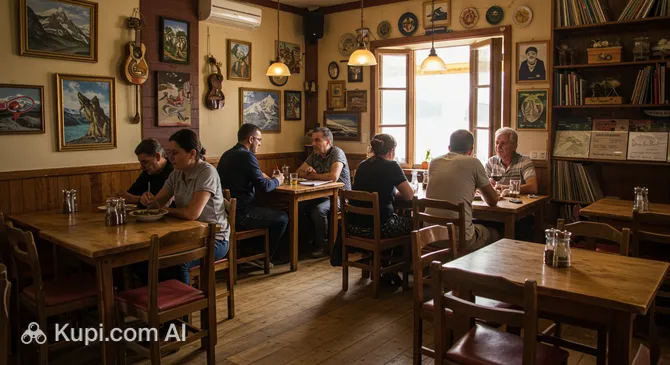
The dining atmosphere in the city ranges from rustic and traditional to quirky and modern. A great example of the city's eclectic vibe is La Disquería Restaurant. This spot is known not just for its creative menu that blends international and Chilean flavors, but also for its unique decor filled with music memorabilia, making it a lively place to enjoy dinner.

La Disquería Restaurant. Source: Kupi.Binoculars

For those returning from a long trek in Torres del Paine, the craving for carbohydrates is often satisfied at Base Camp Pizzeria. It serves as a social hub for hikers and climbers from around the globe, offering hearty pizzas and local brews in a relaxed, communal setting where travelers swap stories of their adventures.

Base Camp Pizzeria. Source: Kupi.Binoculars

Visitors looking for a dining experience accompanied by panoramic views might explore the restaurants within local lodges, such as the Weskar Lodge. These venues often emphasize farm-to-table concepts, using organic ingredients sourced from nearby gardens and ranches to create sophisticated versions of traditional Patagonian dishes.

Weskar Lodge. Source: Kupi.Binoculars

Travel Tips

Welcome to the gateway of Patagonia, where preparation is just as important as your sense of adventure. To help you navigate the unique rhythm and rugged environment of Puerto Natales, here are some essential practical tips that will ensure your trip is smooth, safe, and enjoyable.

  1. Clothing and Gear: The weather in Magallanes is famous for experiencing four seasons in a single day, so the "onion strategy" of layering is non-negotiable. Bring a high-quality windbreaker and waterproof outer shell, as the Patagonian wind can be fierce. Sturdy, waterproof trekking boots are essential even for light walks. Don't forget sunglasses and high-SPF sunscreen; despite the cold, the UV radiation is extremely high in this part of the world due to the thinner ozone layer.

  2. Transportation: The city center is compact and easily navigable on foot. For longer distances within town, black-and-yellow taxis are the most reliable option and are relatively inexpensive; ride-hailing apps are not widely available or reliable here. If you plan to explore the surrounding areas or visit Torres del Paine at your own pace, renting a car is highly recommended, but book it months in advance during the high season.

  3. Finances: The local currency is the Chilean Peso (CLP). While credit cards are accepted in hotels, larger restaurants, and supermarkets, cash is still king in smaller kiosks, souvenir shops, and rural areas. There are several ATMs around the main square (Plaza de Armas), but they can run out of money during peak tourist influxes, so it is wise to withdraw cash when you arrive or carry a reserve.

  4. Health and Safety: Puerto Natales is a very safe city for tourists, with low crime rates. The biggest risks are environmental: exposure to cold and sun. Pharmacies are concentrated along Manuel Bulnes street; look for the "de turno" sign to see which one is open late at night. Always carry a bottle of water to stay hydrated, as the dry wind can be deceiving.

  5. Communication: Spanish is the primary language. While staff in tourism-centric businesses speak English, it is less common in small local shops or with taxi drivers. Learning a few basic phrases like "Hola" (Hello), "Por favor" (Please), and "¿Cuánto cuesta?" (How much?) goes a long way. For mobile data, purchasing a prepaid SIM card from a major provider like Entel usually offers the best coverage in remote southern regions.

  6. Local Etiquette: Patagonians are known for their warm hospitality but also a relaxed pace of life. Greetings are polite and important; a simple "Buenos días" upon entering a shop is expected. In restaurants, a 10% tip (propina) is customary and often suggested on the bill, but it is voluntary. Feel free to accept or adjust it based on service.

  7. What to Avoid: Never underestimate the weather warnings. If authorities or locals advise against a trek due to wind or snow, take it seriously. Additionally, avoid relying strictly on digital maps for travel times outside the city; gravel roads and weather conditions often make journeys take longer than GPS estimates.

  8. Additional Tip: Be mindful of local business hours. Many smaller shops and businesses in Puerto Natales close for a midday break (siesta) roughly between 13:00 and 15:00. Plan your shopping or errands for the morning or late afternoon to avoid finding closed doors.

By keeping these practicalities in mind, you will be well-equipped to handle the wild beauty of the region without any logistical headaches. Embrace the wind, respect the local pace, and enjoy every moment of your journey at the end of the world!

Entertainment & Nightlife

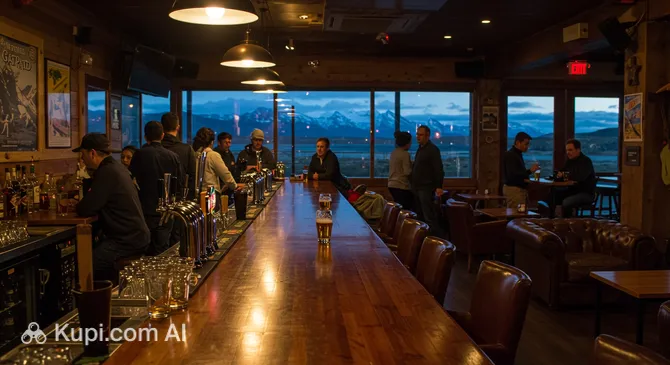
Entertainment in Puerto Natales is defined by its identity as a mountaineering hub, resulting in a nightlife scene that is relaxed, communal, and centered around the "après-trek" experience. Rather than high-energy nightclubs or thumping discos, the city offers a selection of cozy bars, restobars, and lively pubs where travelers from around the world gather to share stories of their adventures in Torres del Paine. The atmosphere is undeniably casual; hiking boots and fleece jackets are the standard dress code, even in the most popular evening spots.

The main area for evening entertainment is concentrated in the downtown district, particularly along Manuel Bulnes, Eberhard, and Arturo Prat streets. Here, you can find venues that stay open late, typically until 1:00 AM or 2:00 AM on weekends. The vibe is friendly and safe, with locals and tourists mingling freely. Since the town is compact, it is easy to "bar hop" on foot between different venues without needing transportation, although the wind can be chilly during the walk.

For those seeking a unique local experience, Last Hope Distillery is a standout venue for the evening. While it functions as a production facility, its attached bar is the perfect place to unwind with high-quality cocktails made from their own gin and whiskey. It creates a sophisticated yet unpretentious environment where you can taste the flavors of Patagonia in a glass. Due to its popularity and limited seating, arriving early in the evening is recommended to secure a spot.

If you prefer a buzzier, more rustic atmosphere, Base Camp Pizzeria transforms into a lively social hub at night. It is widely considered the meeting point for hikers, climbers, and guides. The venue frequently hosts events or slide shows about expeditions, and the communal seating arrangement encourages conversation among strangers. It is an excellent place to find trekking partners or simply enjoy a local craft beer in a warm, wood-paneled setting.

Another venue that bridges the gap between dining and nightlife is La Disquería Restaurant. With its eclectic decor and focus on music, the energy here often remains high well into the evening. It offers a fun backdrop for those who want to enjoy good food followed by drinks without changing locations. Prices in Puerto Natales can be slightly higher than in central Chile due to the remote location, so expect to pay "tourist hub" prices for cocktails and imported beers.

Regarding safety, Puerto Natales is one of the safest cities in Chile for night walks. Violent crime is rare, and the streets in the center are well-lit. However, if you are staying further out or the weather turns harsh, it is best to take a taxi. Taxis are easily identified by their black and yellow color scheme; they do not typically roam for passengers late at night, so it is advisable to have your venue call one for you or to locate a designated taxi stand near the Plaza de Armas.

While the city sleeps relatively early compared to metropolises like Santiago, daytime entertainment offers a quieter pace. Visitors can explore local culture at the Municipal Historical Museum, which provides a fascinating break from outdoor activities. Additionally, the waterfront offers a scenic route for leisurely walks, featuring small artisan markets and coffee shops that are perfect for a relaxing afternoon before the evening sets in.

Parks & Museums

While Puerto Natales is primarily known as the gateway to the wild Patagonian landscapes, the city itself offers several cultural and recreational spaces where visitors can connect with local history and enjoy the outdoors. The urban layout is centered around gathering spots that reflect the community's heritage and its close relationship with the surrounding nature.

The heart of the city is the Arturo Prat Main Square. This lively plaza is more than just a meeting point; it is a green oasis designed to withstand the region's strong winds. Lined with hardy trees and benches, it serves as the perfect spot to observe local life. The square is often the venue for community events and artisan markets, making it a vibrant hub for both residents and tourists.

For those interested in the region's fascinating past, the Municipal Historical Museum is an essential stop. Housed in a building that represents the area's colonial architecture, the museum offers a comprehensive journey through time. Its five halls display artifacts from the indigenous Aonikenk and Kawésqar peoples, as well as tools and photographs from the colonization period driven by the sheep farming industry. It provides crucial context for understanding the cultural identity of Magallanes.

One of the most scenic areas to explore is the waterfront promenade, or Costanera, which functions as a linear park along the Última Esperanza Sound. A highlight of this walk is The Hand, a striking sculpture emerging from the ground. Created by the sculptor Juan Morrison, this installation has become an iconic symbol of the city, offering a unique photo opportunity with the dramatic fjords in the background.

The Hand. Source: Kupi.Binoculars

Continuing along the waterfront, visitors will encounter the Historic Pier. Although it is no longer in use for shipping, this skeletal wooden structure stands as a monument to the city's industrial origins. It is a popular spot for birdwatching, as cormorants and other seabirds often perch on the weathered pilings, adding a touch of wildlife to the historical scenery.

Getting Around

Puerto Natales is a compact and pedestrian-friendly city where the public transport system is significantly different from larger metropolises. There is no metro, tram, or extensive urban bus network operating within the city limits. For most visitors, the town center is small enough to navigate entirely on foot, allowing you to easily walk between hotels, restaurants, and the waterfront in a matter of minutes.

For distances that are too far to walk, or when the Patagonian weather turns harsh, taxis are the primary mode of transport. You will see standard black vehicles with yellow roofs patrolling the streets. These can be hailed directly from the curb, found at designated ranks (especially near the main square), or booked by phone as "Radio Taxis." Calling for a Radio Taxi is often the most reliable method during late hours or periods of heavy rain.

Another local option is the colectivo, a shared taxi service that operates on fixed routes much like a bus. These vehicles look like regular sedans but feature signs on their roofs indicating their route numbers and destinations. They are a cost-effective way to travel if your destination aligns with their specific path, although they are generally used more by residents than by tourists.

Regarding payment, cash is the absolute standard for local transport in Puerto Natales. Unlike in the capital where rechargeable travel cards are used, here you must pay the driver directly in local currency. Taxis generally use a taximeter, but for specific longer trips or airport transfers, it is advisable to agree on a fare in advance. Colectivos have fixed, low fares. It is highly recommended to carry small bills and coins, as drivers often do not have change for large denominations.

Ride-sharing apps are not widely established or reliable in this remote region. While you might occasionally find a car on major apps, availability is sporadic and wait times can be unpredictable. Therefore, tourists should not rely on apps as their main way to get around. Instead, keeping the phone number of a reputable local taxi service is a practical strategy for evening outings.

For those who prefer more independence, bicycle rentals are a popular alternative, allowing you to explore the waterfront and city outskirts at your own pace. Additionally, car rentals are extremely common, not just for city driving, but as the preferred method for visiting the nearby national parks. If you plan to rent a car, be sure to book well in advance during the high season.

Finally, while there are no city buses, the Rodoviario (Bus Terminal) serves as the central hub for intercity transport. This is where you will catch buses to nearby towns or the famous national parks. Tickets for these regional buses can be bought at the terminal counters or sometimes online, but remember that this service connects the city to the outside world rather than serving internal routes.

Accommodation

Puerto Natales has evolved from a quiet fishing town into a sophisticated tourist hub, offering a diverse array of accommodation options to suit every type of traveler. The city's lodging landscape ranges from lively backpacker hostels and cozy family-run guesthouses (often called hostales) to high-end luxury lodges designed for relaxation after a long day of trekking. Whether you are looking for a budget-friendly bed or a room with a panoramic view of the fjords, the city is well-equipped to host visitors before they head into the wild.

The most convenient area to stay is undoubtedly the downtown district, particularly the blocks surrounding the main square and the waterfront promenade. staying in the city center ensures that restaurants, rental gear shops, and the bus terminal are all within walking distance. For those seeking a more scenic and tranquil experience, the accommodations located along the Costanera (waterfront) offer stunning views of the Última Esperanza Sound and the snowy peaks beyond, providing a serene backdrop for your morning coffee.

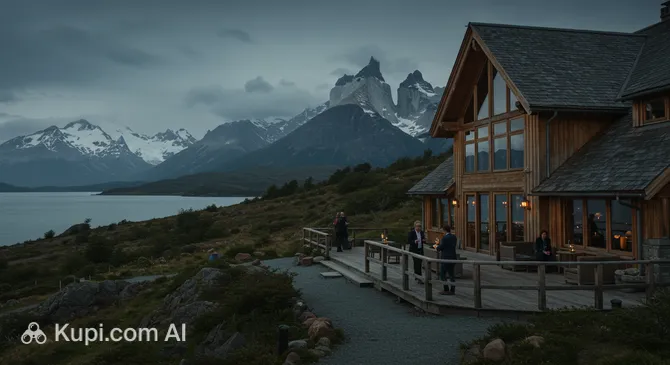
Travelers looking for a blend of comfort and local charm might consider the Weskar Lodge. Situated slightly removed from the bustle of the town center, this property is a prime example of the region's lodge-style accommodation. It emphasizes a connection with the surrounding landscape, often featuring warm wood interiors and large windows that frame the dramatic Patagonian scenery, making it a popular choice for those seeking a peaceful retreat.

Regarding costs, prices in Puerto Natales can be higher than in central Chile due to the remote location and short tourist season. Budget travelers can find affordable hostel beds, while mid-range hotels offer standard amenities at moderate prices. The luxury segment, particularly lodges offering all-inclusive packages with excursions, sits at the higher end of the spectrum. Booking is typically done via major online platforms or directly through hotel websites.

Booking Tip: Puerto Natales experiences a massive influx of tourists during the high season, which runs from October to March. During these months, and especially in December and January, availability can disappear weeks in advance. It is highly recommended to book your accommodation as early as possible to secure your preferred spot and avoid limited, expensive last-minute options.

Nearby Cities

For those looking to explore the surroundings, Puerto Natales serves as an excellent base for day trips to several interesting nearby locations. While the vast distances of Patagonia mean that major urban centers are few and far between, the region offers unique destinations that highlight the area's history and natural beauty.

The most prominent city within reach is Punta Arenas, the regional capital located to the south. Situated on the Strait of Magellan, it offers a fascinating glimpse into the area's maritime past and colonial architecture. Visitors can explore the Nao Victoria Museum, wander through the famous cemetery, or take a boat trip to nearby islands to observe Magellanic penguins. Closer to Puerto Natales, the small village of Villa Cerro Castillo provides a quiet look at the traditional gaucho lifestyle and serves as a key border crossing point, often visited by those heading towards the national parks.

City Population Distance (km)
Punta Arenas 123403 193
Coyhaique 61210 685
Ancud 38991 1101
Castro 33417 1032
Puerto Aysen 32982 703

These nearby destinations offer a glimpse into the diverse culture and landscapes of the region.

Shopping & Souvenirs

Shopping in Puerto Natales is a unique experience that reflects the city's dual identity as a rugged outdoor hub and a center of Patagonian culture. Unlike large metropolises filled with high-fashion chains, the retail scene here is practical, cozy, and artisanal. Visitors will primarily find stores dedicated to high-quality trekking gear, essential for upcoming adventures, alongside charming boutiques selling locally crafted goods. It is the perfect place to pick up warm woolen clothing or specialized equipment before heading into the national parks.

The commercial heart of the city is concentrated along Manuel Bulnes street. This main avenue attracts the most foot traffic and is lined with a variety of shops, pharmacies, and outdoor outfitters. Walking down this street, you can find everything from camping gas and waterproof jackets to souvenir shops displaying postcards and magnets. The area surrounding the Arturo Prat Main Square also hosts several smaller boutiques and gift shops, making it easy to combine sightseeing with a bit of window shopping.

Travelers expecting large, sprawling shopping malls will not find them here. Puerto Natales retains a small-town feel, and instead of multi-story complexes, you are more likely to encounter small commercial galleries or arcades housing a handful of independent stalls. For grocery needs, there are supermarkets like Unimarc, but for leisure shopping, the experience is strictly street-side and intimate.

For a more authentic look at local craftsmanship, the Pueblo Artesanal Ether Aike is a must-visit destination. Located near the main square, this artisan market is a collection of small stalls where local creators sell their handmade products. It is the ideal spot to find genuine Patagonian handicrafts without the mass-produced feel of generic souvenir shops. You can chat with the artisans and learn about the materials and techniques used in their work.

When it comes to souvenirs, wool products are the star of the show. given the region's history of sheep farming, you can find incredibly warm and durable sweaters, hats, and gloves made from local wool. Another popular gift is anything related to the Calafate berry; jams, jellies, and teas made from this native fruit are delicious and easy to transport. For a more spirited memento, you can purchase a bottle of premium Patagonian gin or whiskey from the Last Hope Distillery, which uses local botanicals to create a distinct flavor profile of the region.

Store hours in Puerto Natales often follow a traditional split schedule. Most shops open around 9:30 AM or 10:00 AM, close for a "siesta" break between 1:00 PM and 3:00 PM, and then reopen until roughly 8:00 PM or 9:00 PM. Larger supermarkets and some tourist-oriented outdoor shops may stay open throughout the day. Regarding payment, major credit and debit cards are widely accepted in established businesses, restaurants, and hotels. However, it is highly recommended to carry cash (Chilean Pesos) for smaller purchases at artisan markets, kiosks, or small family-run stores.

Regarding tax-free shopping, it is important to note that Puerto Natales is not a duty-free zone like the nearby city of Punta Arenas (which has the Zona Franca). Tourists generally pay the standard VAT (IVA) on goods purchased in stores here. However, international tourists are exempt from paying the 19% VAT on accommodation if they pay in US dollars or with a foreign credit card, which is a significant saving to keep in mind during your stay.
Reached the end of the page?

That means the route is fully explored