Support

El Calafate

About

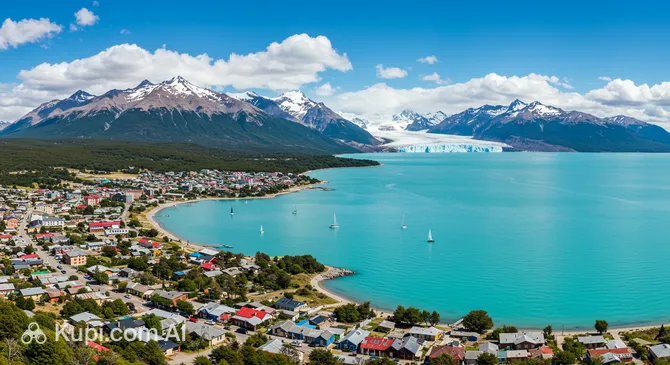
El Calafate. Source: Kupi.Binoculars

Welcome to El Calafate, a charming city that serves as the gateway to the majestic world of glaciers in southern Patagonia. Located on the southern border of Lake Argentino in the Santa Cruz Province of Argentina, this bustling hub has transformed from a quiet shelter for wool traders into one of the most significant tourist destinations in the region. With a population of approximately 25,000 residents, it offers a perfect blend of small-town hospitality and modern amenities for travelers seeking adventure.

The city takes its name from the calafate, a native bush with yellow flowers and dark blue berries that is common in Patagonia. According to local legend, those who eat the fruit will always return. While exploring the history of El Calafate, visitors will discover how it evolved from a strategic stop for wagons transporting wool to a vibrant center for international tourism, officially founded in 1927.

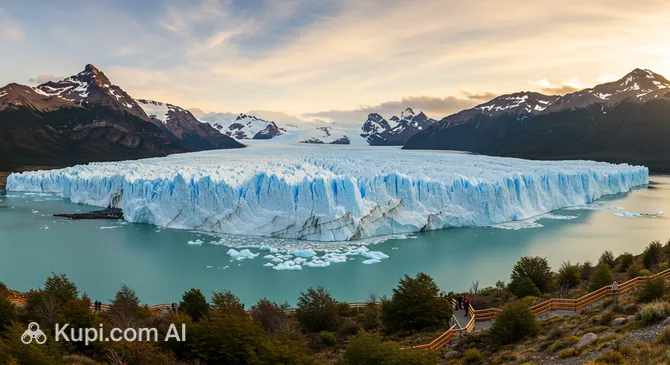
The main draw for visitors is undoubtedly the proximity to the Los Glaciares National Park. Here, the awe-inspiring Perito Moreno Glacier offers an unforgettable spectacle of nature, where massive blocks of ice frequently calve into the water with a thunderous roar. Beyond the ice, the city is home to the Glaciarium, a modern ice museum and interpretation center that provides fascinating insights into the region's geology. Whether you are embarking on a boat tour across the turquoise waters of Lake Argentino or enjoying a traditional Patagonian lamb dinner in town, El Calafate promises a truly unique experience.

Weather Overview

El Calafate experiences a cold semi-arid climate, characterized by cool summers and very cold winters. During the warmest months of January and February, average temperatures hover around 10°C to 11°C, with daily highs peaking near 15.3°C. This season offers the most comfortable conditions for exploring the glaciers, though travelers should always be prepared for the region's famous winds and sudden temperature shifts.

The winter months, particularly June and July, are significantly colder, with average temperatures dropping to around -1°C and minimums reaching as low as -3.4°C. To help you pack appropriately for these conditions, you can consult the detailed guide to the weather in El Calafate.

Interestingly, while precipitation volume is very low—staying consistently around 2mm to 3mm per month—the frequency of precipitation is high. Expect frequent wet or overcast days throughout the year, with up to 16 wet days per month, often manifesting as light rain or snow rather than heavy storms.

Interesting Facts

Beyond the main attractions, El Calafate holds many fascinating secrets and natural curiosities that add depth to any visit. From ancient prehistoric giants to surprising wildlife in the heart of the steppe, the city offers more than just ice for the curious traveler.

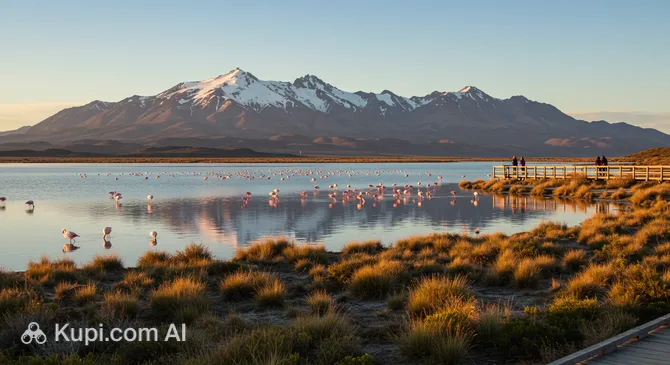
  • While the region is famous for its icy landscapes, it is also a surprising sanctuary for birdlife at the Laguna Nimez Reserve. Visitors are often astonished to find vibrant flocks of Chilean flamingos thriving here, creating a stunning visual contrast with their pink feathers against the cool blue hues of the Patagonian backdrop.

  • The famous Perito Moreno Glacier, located within Los Glaciares National Park, is a scientific anomaly. Unlike the majority of the world's glaciers that are retreating due to climate change, this massive ice field is considered "stable," neither advancing nor receding significantly, and is renowned for its dramatic periodic rupture events where ice bridges collapse into the water.

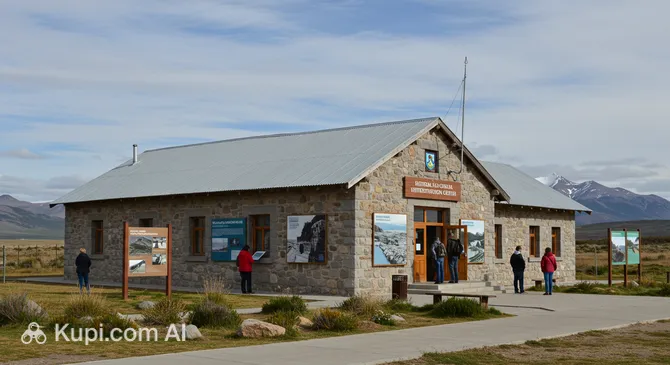
  • The area's history extends far beyond human settlement, as showcased at the Calafate Historical Interpretation Center. This facility reveals that this now-frozen landscape was once a warm habitat for massive dinosaurs and Pleistocene megafauna, offering a perspective on the region that spans over 100 million years.

Laguna Nimez Reserve. Source: Kupi.Binoculars

How to Get There

Reaching this remote corner of Patagonia is an adventure in itself, with most travelers arriving by air to maximize their time exploring the glaciers. For a comprehensive overview of your travel options, including bus routes and driving tips, you can read more about how to get to El Calafate on our detailed page.

The most convenient and popular entry point is El Calafate Airport (IATA: FTE), officially known as Comandante Armando Tola International Airport. Located just 16.4 km from the city center, it serves as a major hub for the region. The transfer to downtown is straightforward, taking approximately 45 minutes by taxi or shuttle bus. With a high volume of annual passengers, this airport offers frequent connections to Buenos Aires and other key Argentine destinations.

Alternatively, visitors can fly into Rio Gallegos International Airport (IATA: RGL). It is important to note that this airport is located in the city of Rio Gallegos, about 250.9 km away from El Calafate. The overland journey from there typically takes around 4 hours by bus or rental car. Another option, particularly for those combining their trip with Chile, is Teniente J. Gallardo (IATA: PNT) in Puerto Natales. This airport is approximately 149.5 km away, but traveling to El Calafate from here requires crossing the international border, so be sure to account for customs processing time.

For clarity, here is a summary of the main airports:

Airport Name City Passenger Traffic Km from City
El Calafate Airport El Calafate Large 16.4
Rio Gallegos International Airport Rio Gallegos Medium 250.9
Teniente J. Gallardo Puerto Natales Small 149.5

Main Attractions

Attractions:

El Calafate is much more than just a stopover; it is a destination filled with natural wonders and cultural gems. While the glaciers are the undisputed stars, the city and its surroundings offer a variety of experiences ranging from wildlife watching to historical journeys. Here are some of the top places you should not miss during your visit.

Undoubtedly the most famous attraction in the region is Los Glaciares National Park. This UNESCO World Heritage site is home to the magnificent Perito Moreno Glacier, one of the few advancing glaciers in the world. Visitors can spend hours walking the extensive network of catwalks to view the ice from different angles or take a boat tour to get up close to the towering blue walls. For the more adventurous, ice trekking excursions offer a chance to walk directly on the glacier's surface, providing a thrilling and unique perspective on this frozen landscape.

Los Glaciares National Park. Source: Kupi.Binoculars

For nature lovers who want to explore local wildlife without leaving the city, the Laguna Nimez Reserve is an ecological paradise located just a short walk from the town center. This protected wetland serves as a sanctuary for over 80 species of birds, including the striking Chilean flamingo. A self-guided trail winds through the reserve, offering excellent opportunities for photography and birdwatching, especially at sunset when the light paints the landscape in golden hues.

Laguna Nimez Reserve. Source: Kupi.Binoculars

To understand the deep roots of the region, a visit to the Calafate Historical Interpretation Center is essential. This museum takes you on a journey through time, covering the last 100 million years of Patagonia's history. From the age of dinosaurs and megafauna to the arrival of the first indigenous peoples and European settlers, the exhibits provide a comprehensive context that enriches your understanding of the area's vast and rugged terrain.

Calafate Historical Interpretation Center. Source: Kupi.Binoculars

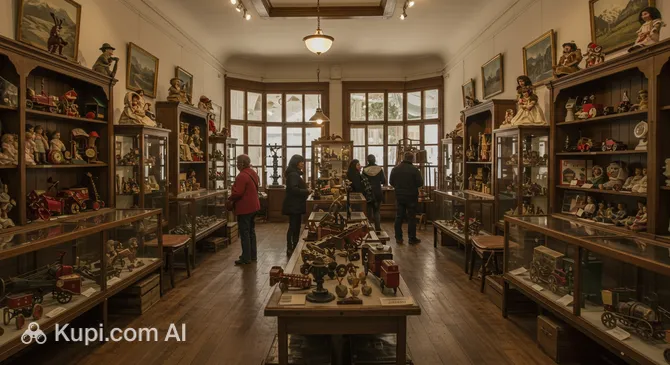
If you are looking for a unique and nostalgic experience, the Argentine Toy Museum offers a delightful break from outdoor adventures. This charming museum showcases a vast collection of toys made in Argentina between 1870 and 1970. It is a fascinating cultural window that reveals how childhood and society have evolved over the decades, making it an entertaining stop for both children and adults interested in social history.

Argentine Toy Museum. Source: Kupi.Binoculars

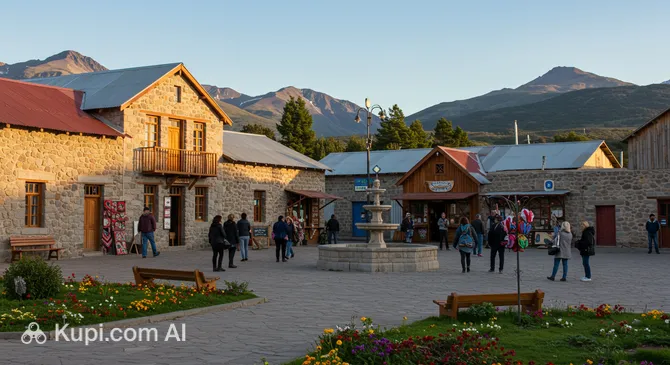
In the heart of the city lies Pioneers' Square, a tribute to the early settlers who established this remote community. It is a pleasant spot to relax after a day of excursions, surrounded by trees and local history. The square often serves as a meeting point and a venue for local events, giving tourists a glimpse into the daily life and community spirit of El Calafate.

Pioneers' Square. Source: Kupi.Binoculars

Local Cuisine

The culinary scene in El Calafate is a reflection of its rugged Patagonian surroundings, offering hearty and warming dishes designed to comfort travelers after a day of exploring glaciers. The undisputed king of the local table is the Patagonian Lamb (Cordero Patagónico). Traditionally cooked al asador—stretched across a metal cross and slow-roasted over an open wood fire—this dish is famous for its crispy skin and tender, flavorful meat. It is a "must-try" experience that defines the region's gastronomy and can be found in almost every traditional parrilla (steakhouse) in town.

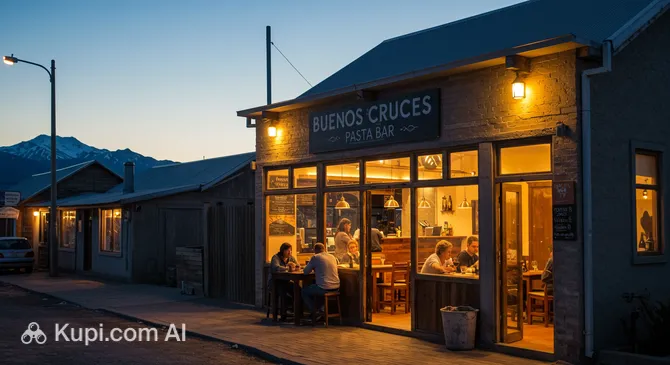
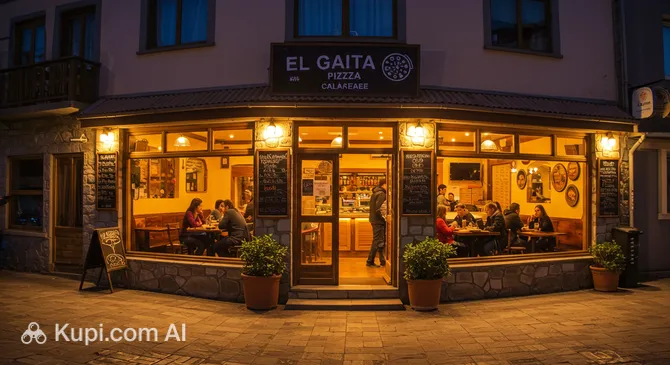
Beyond red meat, the region's pristine lakes and rivers provide excellent Rainbow Trout, often served with lemon butter or creamy sauces. Argentina's strong Italian heritage also plays a significant role in the local diet, making fresh handmade pasta and wood-fired pizza widely available. For a taste of these comforting classics, visitors can head to Buenos Cruces Pasta Bar, known for its homemade noodles, or enjoy a casual meal at El Gaita Pizza Bar, a popular spot for locals and tourists alike.

Buenos Cruces Pasta Bar. Source: Kupi.Binoculars

No culinary journey here is complete without tasting the fruit that gave the city its name: the calafate berry. This small, dark blue berry is transformed into a variety of sweet treats, including jams, jellies, and the town's signature calafate ice cream. Local folklore says that anyone who eats the calafate berry is destined to return to Patagonia, making it a delicious ritual for visitors. You will find it featured in desserts at restaurants and sold in jars at artisan markets throughout the city center.

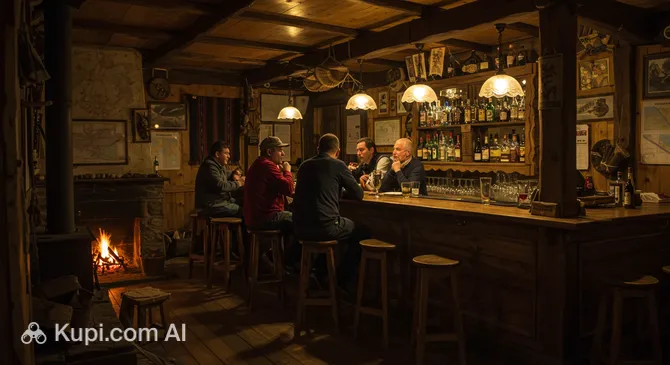
When it comes to drinks, Patagonia has developed a thriving craft beer culture. The pure glacial water and quality hops grown in the region result in distinctive ales and lagers. After dinner, travelers often gather at local pubs to sample these brews. One such venue is Shackleton Solo, a bar named after the famous explorer, where you can unwind with a pint or a glass of rich Argentine Malbec wine while sharing stories of your glacial adventures.

Shackleton Solo. Source: Kupi.Binoculars

Travel Tips

Planning a trip to the edge of the Southern Patagonian Ice Field requires a bit of strategy to ensure your adventure is as smooth as it is spectacular. To help you navigate the unique conditions of El Calafate and make the most of your encounter with the glaciers, we have compiled a list of essential practical tips.

  1. Clothing and Gear: The golden rule in Patagonia is to dress in layers, often called the "onion style." The weather can change from sunny to stormy in minutes. Bring a waterproof and windproof jacket, warm thermal layers, and sturdy trekking boots. Even in summer, gloves and a beanie are recommended for glacier excursions. Do not forget sunglasses and high-SPF sunscreen; the sun is incredibly strong here due to the thin atmosphere and reflection off the ice.

  2. Transportation: The city center of El Calafate is compact and easily walkable, with most shops and restaurants located along the main avenue, Avenida del Libertador. To reach the glaciers or remote estancias, you will need to book shuttle buses, join guided tours, or rent a car. Taxis and remises (private cars) are reliable for short trips around town or to the airport, but it is best to agree on a price or check the meter beforehand.

  3. Finances: The local currency is the Argentine Peso (ARS). While credit cards are widely accepted in hotels, larger restaurants, and tour agencies, cash is king for smaller purchases, souvenir shops, and tips. ATMs are available in the city center, but they can run out of cash during peak tourist weekends or have low withdrawal limits. It is wise to carry a mix of payment methods and have some cash on hand upon arrival.

  4. Health and Safety: El Calafate is generally a very safe destination for tourists, even when walking at night. The main health concerns are environmental: dehydration and sun exposure. Drink plenty of water and protect your skin. Pharmacies (farmacias) are located in the downtown area; look for the one on "turno" (duty) if you need assistance late at night. The local hospital offers medical services if required.

  5. Communication: The official language is Spanish. English is widely spoken in the tourism industry, including hotels, tour agencies, and higher-end restaurants, but learning a few basic phrases like hola (hello) and gracias (thank you) is appreciated. Wi-Fi is standard in most accommodations and cafes, though speeds can vary. For mobile data, you can purchase a prepaid SIM card from providers like Claro or Movistar in the town center.

  6. Local Etiquette: Argentines are warm and welcoming. The standard greeting, even among casual acquaintances, is a single kiss on the right cheek. In restaurants, service is relaxed and unhurried; you usually have to ask for the bill (la cuenta) when you are ready to leave. Tipping around 10% is customary for good service in dining establishments.

  7. What to Avoid: Do not underestimate the wind. Strong gusts can catch you off guard, so be careful when opening car doors (hold them tight!) or hiking near edges. Also, avoid relying solely on withdrawing money from ATMs once you arrive; having backup cash (US Dollars or Euros to exchange) can save you from logistical headaches.

  8. Plan Ahead: If you are visiting during the high season (January and February), it is crucial to book your glacier tours and accommodation well in advance. Popular excursions, such as the "Minitrekking" on the Perito Moreno Glacier, often sell out weeks ahead of time.

By packing the right gear and keeping these local insights in mind, you will be well-prepared to embrace the wild beauty of Patagonia. El Calafate is a place that rewards the adventurous, so bundle up, step out into the crisp air, and enjoy every moment of this breathtaking journey.

Entertainment & Nightlife

While El Calafate is primarily known as a daytime destination for trekking and glacier exploration, the city comes alive in a unique way once the sun sets. The nightlife here is not defined by wild nightclubs or high-energy raves, but rather by a warm, convivial atmosphere centered around relaxation and socializing. After a long day on the ice, hikers and travelers flock to the town center to unwind, making the evenings buzzing with international chatter and shared stories of adventure.

The heart of the action beats along Avenida del Libertador, the city's main thoroughfare. This bustling street is lined with restaurants, gift shops, and bars that stay open late into the night. It is the perfect place for an evening stroll, where you can soak in the vibrant energy without worrying about navigation, as almost everything of interest is concentrated within a few walkable blocks.

The local culture places a strong emphasis on craft beer (cerveza artesanal), and you will find numerous brewpubs offering excellent local varieties. A popular spot to experience this is Shackleton Solo. With its cozy interior and selection of drinks, it captures the essence of a Patagonian pub where travelers from all over the world gather to toast to their journeys. The dress code throughout the city is decidedly casual; hiking boots and fleece jackets are the standard attire, even in the most popular bars, so there is no need to dress up.

Dining is an integral part of the night out, and in true Argentine fashion, dinner starts late. Restaurants often fill up around 9:00 PM or 10:00 PM. For a relaxed evening with friends, El Gaita Pizza Bar offers a welcoming environment where you can enjoy hearty food and drinks in a laid-back setting. Alternatively, if you prefer a comforting meal of handmade noodles to end your day, Buenos Cruces Pasta Bar is a favorite among visitors looking for a quiet yet delightful culinary experience.

El Gaita Pizza Bar. Source: Kupi.Binoculars

Regarding safety, El Calafate is considered one of the safest cities in Argentina for tourists. Walking along the main avenue and its immediate surroundings at night is generally very safe. However, standard travel precautions apply: stick to well-lit areas and keep an eye on your belongings. If your accommodation is on the outskirts of town, reliable taxis and remises are readily available to take you home safely.

For those seeking entertainment during the daylight hours that doesn't involve hiking boots, the city offers several cultural stops. You can spend a pleasant afternoon exploring the Argentine Toy Museum, which provides a nostalgic trip through history, or visit the Calafate Historical Interpretation Center to learn about the region's fascinating past before heading out for your evening meal.

Parks & Museums

While the glaciers are the main protagonists of any trip to this region, the city itself offers a delightful array of green spaces and cultural institutions that allow visitors to deepen their understanding of Patagonia. From protected wetlands teeming with birdlife to museums that narrate the area's geological and social history, there is plenty to explore within the city limits.

For a peaceful encounter with nature just steps from the downtown area, the Laguna Nimez Reserve is an ecological gem. This protected municipal reserve features a well-maintained boardwalk circuit that guides you through the wetland habitat. It is a haven for birdwatchers and photographers, hosting over 80 species of birds, including black-necked swans and the iconic Chilean flamingos. The contrast of the lush vegetation against the arid steppe and the distant blue lake makes it a beautiful spot for a sunset walk.

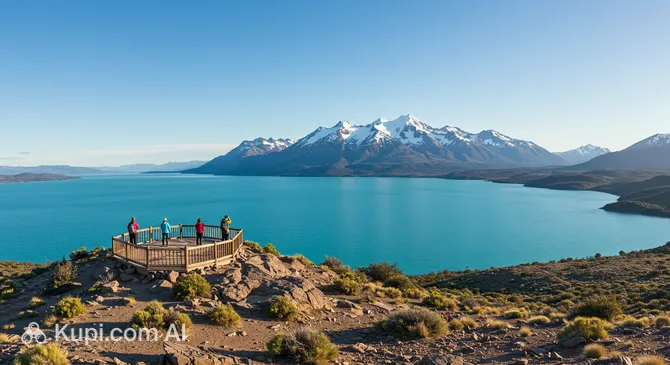
To fully appreciate the scale of the landscape, a visit to the Lago Argentino Viewpoint is highly recommended. Located on the city's waterfront, this spot offers panoramic views of the largest freshwater lake in Argentina. On clear days, the turquoise waters—colored by "glacial milk" or rock flour—stretch out towards the snow-capped Andes, providing a breathtaking backdrop for contemplation or a leisurely stroll along the coast.

Lago Argentino Viewpoint. Source: Kupi.Binoculars

Those interested in the region's fascinating past should not miss the Calafate Historical Interpretation Center. This museum offers a compelling journey through the last 100 million years of Patagonian history. Through engaging exhibits, visitors can learn about the dinosaurs that once roamed these lands, the megafauna of the Pleistocene era, and the culture of the indigenous Tehuelche people. It provides essential context that transforms how you view the rugged terrain around you.

For a lighter, more whimsical cultural experience, the Argentine Toy Museum presents a unique collection that appeals to all ages. Housed in a colorful building, it displays thousands of toys manufactured in Argentina between 1870 and 1970. It serves as a nostalgic time capsule, reflecting the social changes and childhood memories of the nation over a century, and offers a charming break from the outdoor elements.

Of course, no discussion of parks in this area would be complete without acknowledging the proximity of Los Glaciares National Park. While technically outside the city proper, its vast forests and ice fields are the lifeblood of the region's tourism. It acts as a massive natural reserve where the Patagonian steppe transitions into the subantarctic forest, offering endless opportunities for trekking and nature observation.

Insider Tip: If you have a free evening, take a walk along the "Costanera" (coastal road) that borders Lake Argentino. It is a favorite local spot for jogging and mate drinking, offering a quiet atmosphere away from the busy main avenue and a chance to see the landscape change colors as the sun goes down.

Getting Around

Given the relatively small size and compact nature of El Calafate, the public transport system is quite different from what you might find in a large metropolis. There is no metro, tram, or train network within the city. Instead, the town is designed to be easily navigated on foot, with most hotels, restaurants, and shops concentrated along the main street, Avenida del Libertador. For distances that are too far to walk, the system relies primarily on a mix of taxis, private transfer services, and buses that connect the urban center with the surrounding natural attractions.

For getting around the town itself or reaching the outskirts, taxis and remises are the most common and convenient options. Taxis can be hailed on the street or found at designated stands, while remises are private cars that must be booked by phone or at an agency office. Both are reliable and generally operate with meters or fixed price lists for specific destinations. It is important to note that while some drivers may accept cards, cash is still the preferred method of payment for these short trips, so it is advisable to carry small bills in the local currency.

The central hub for public transportation is the Terminal de Ómnibus (Bus Terminal), located on Saint Exupéry Street. This is not just for long-distance travel; it is the vital link for tourists wishing to visit the Perito Moreno Glacier without a guided tour. Several companies, such as Caltur and Taqsa, operate daily regular bus services from here to Los Glaciares National Park. These buses are comfortable coaches rather than city transit buses. You generally cannot use a travel card like the SUBE (common in Buenos Aires) for these specific tourist routes; instead, you must purchase physical tickets at the company counters in the terminal.

Regarding schedules and tickets, practical advice is essential for a smooth trip. During the high season (January and February), buses to the glacier can fill up quickly. It is highly recommended to buy your return tickets at the terminal at least one day in advance to secure your seat. The buses typically depart in the morning around 8:30 AM or 9:00 AM and return in the afternoon around 4:00 PM. Be sure to arrive at the terminal a bit early, as lines can form during peak summer months.

For those who prefer more independence, car rentals are an extremely popular alternative in El Calafate. Having your own vehicle allows you to explore the glaciers, the lakefront, and remote estancias at your own pace, avoiding the rigid schedules of the group buses. Several international and local rental agencies operate in the city center and at the airport. Additionally, bike rentals are a fantastic way to see the town and ride along the coast of Lake Argentino, with many shops offering hourly or daily rates for mountain bikes.

Finally, while there is no historic tram or cable car in the city center, the transport experience itself is often scenic. Whether you are in a shuttle bus winding through the Patagonian steppe or cycling along the windy waterfront, the journey is part of the adventure. Just remember that distances in Patagonia are vast, so planning your transport method—whether it is a rental car for freedom or a bus for relaxation—is key to enjoying your stay.

Accommodation

Finding the perfect place to rest is an essential part of the El Calafate experience, as the city serves as the primary base camp for all glacial adventures. Fortunately, the accommodation infrastructure here is well-developed and diverse, catering to every type of traveler. Whether you are a backpacker looking for a social atmosphere or a couple seeking a luxurious retreat with panoramic views, you will find options ranging from budget-friendly hostels and cozy bed-and-breakfasts to high-end spa resorts and traditional Patagonian estancias.

When choosing where to stay, location is a key factor to consider. The most convenient area for many tourists is the downtown core, particularly near Avenida del Libertador. Staying here places you within walking distance of the best restaurants, souvenir shops, and the bus terminal, which is ideal if you plan to use public transport to visit the glaciers. Alternatively, if you prefer tranquility and scenic vistas, look for properties located along the Costanera (waterfront) or on the hills overlooking Lake Argentino. These areas offer stunning sunrises and a quieter environment, though you may need a taxi or a rental car to reach the city center for dinner.

A unique accommodation style in this region is the Estancia (ranch). Many historic sheep ranches surrounding the town have been converted into guest lodges. Staying at an estancia offers a more immersive cultural experience, often featuring traditional architecture, horseback riding activities, and authentic asado dinners, allowing you to connect with the rural heritage of Santa Cruz.

Booking Tips and Prices: El Calafate is a highly seasonal destination. During the peak summer months (December to February), demand often exceeds supply, and prices for mid-range and luxury hotels can rise significantly. It is strongly recommended to book your accommodation at least three to four months in advance to secure your preferred spot and rate. While budget hostels are available, the general price range in Patagonia can be slightly higher than in other parts of Argentina due to its remote location. Most properties are listed on major online booking platforms, making it easy to compare options and read reviews before you travel.

Nearby Cities

For those looking to explore the surroundings, El Calafate serves as an excellent base for day trips or extended excursions to several interesting nearby locations. While the distances in Patagonia are vast, the journey often rewards travelers with unique landscapes and cultural insights.

City Population Distance (km)
Comodoro Rivadavia 730,266 611
Rio Gallegos 100,000 257
Rio Grande 67,038 495
Ushuaia 56,956 565
Caleta Olivia 51,733 558

While the vast distances of Patagonia mean that major cities are often far apart, there are key destinations worth considering for a visit or a continuation of your journey. One of the most significant nearby hubs is Rio Gallegos. As the capital of the Santa Cruz Province, it sits approximately 4 hours away by car. It offers a different perspective on Patagonian life compared to the tourist-centric El Calafate, featuring historical museums, a busy estuary famous for fishing, and a window into the region's pioneer past.

Although not listed in the table above due to its small size, El Chaltén is widely considered the premier day trip from El Calafate. Located about 215 km away, it is known as the "National Trekking Capital" of Argentina. Visitors flock here to see the iconic Mount Fitz Roy and hike the numerous trails that offer breathtaking views of peaks and lagoons. Buses run daily between the two towns, making it a feasible and highly recommended full-day excursion for nature enthusiasts.

Further afield lies Ushuaia, the southernmost city in the world. While the distance of over 500 km makes it more of a next destination than a simple day trip, it is often paired with El Calafate in travel itineraries. Known as the "End of the World," it offers unique experiences such as navigating the Beagle Channel and exploring Tierra del Fuego National Park, completing the ultimate Southern Patagonian adventure.

These nearby destinations offer a glimpse into the diverse culture and landscapes of the region, allowing travelers to expand their understanding of this remote corner of the world.

Shopping & Souvenirs

Shopping in El Calafate is a delightful experience that focuses less on international fashion chains and more on regional craftsmanship, gourmet treats, and high-quality outdoor gear. The city offers a relaxed commercial atmosphere where visitors can find everything from essential trekking equipment for their glacier adventures to unique Patagonian keepsakes to take home. The rustic, alpine-style architecture of the shops adds to the charm, making a simple shopping trip feel like part of the travel experience.

The commercial heartbeat of the city is undoubtedly Avenida del Libertador General San Martín. This main thoroughfare stretches through the center of town and is lined with the majority of the city's retail establishments. As you stroll along the wide sidewalks, you will encounter a variety of souvenir shops, bookstores, and boutiques selling leather goods and wool clothing. It is the perfect place to walk in the late afternoon, as the street comes alive with tourists returning from their excursions.

Travelers should not expect to find massive, multi-story shopping malls here. Instead, El Calafate features several charming shopping galleries or "paseos" located directly off the main avenue. These smaller arcades are often designed to resemble little villages, complete with wooden facades and courtyards. They provide a sheltered environment to browse through smaller boutiques, art galleries, and craft stalls, offering a cozy refuge from the frequent Patagonian winds.

For those seeking authentic local handicrafts, the Paseo de los Artesanos is a highlight. This artisan market is the best place to connect with local culture and find handmade treasures. Here, independent creators sell goods such as hand-woven ponchos, silver jewelry, carved wood items, and traditional pottery. It is an excellent spot to find a unique gift that directly supports the local community.

When it comes to souvenirs, the most iconic choice is anything made from the calafate berry. According to legend, eating the berry ensures your return to Patagonia, so visitors often buy jars of calafate jam, tea blends, or liqueurs. Patagonian chocolate is another regional specialty, with numerous chocolatiers on the main street offering delicious truffles and bars. Additionally, high-quality sheep wool sweaters and traditional mate gourds make for practical and culturally significant mementos.

Store hours in El Calafate can vary depending on the season. Generally, shops open around 9:30 AM or 10:00 AM. While some larger tourist-oriented stores stay open throughout the day during the peak summer months (December to February), smaller businesses often close for a midday break or "siesta" between 1:00 PM and 4:00 PM, reopening until late in the evening. Credit and debit cards are widely accepted in most established shops on the main avenue, but it is advisable to carry cash (Argentine Pesos) for small purchases at artisan markets or kiosks.

Foreign tourists should also be on the lookout for the Tax-Free logo in shop windows. Argentina has a VAT refund system for non-residents on locally manufactured goods purchased at participating stores. If you spend over a certain amount, remember to ask for the refund form, which you can present at customs at the airport upon your departure from the country to receive a reimbursement.
Reached the end of the page?

That means the route is fully explored