Support

San Isidro

About

San Isidro is a true oasis of tranquility and elegance, stretching along the picturesque banks of the Río de la Plata, just 20 kilometers north of bustling Buenos Aires. The city is immersed in the greenery of its alleys, charming visitors with old mansions and cozy squares, maintaining a unique atmosphere of a prestigious suburb where history harmoniously intertwines with modernity. The fresh river air and proximity to the Tigre Delta make it an excellent starting point for exploring the region's natural beauty.
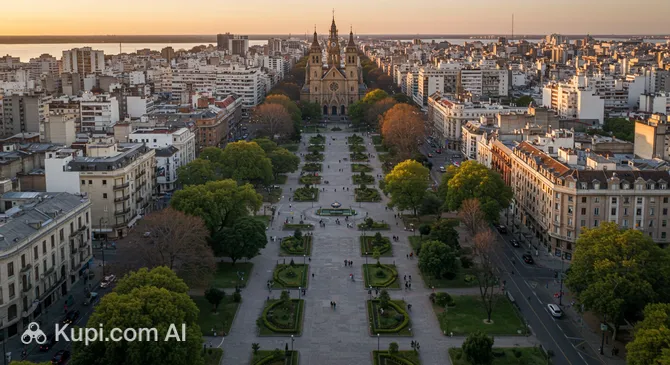
San Isidro. Illustration.
Source: Kupi.com AI

With a population of approximately 43,595 people, San Isidro is considered one of the most prestigious and well-maintained cities in the province of Buenos Aires, Argentina. It is the administrative center of the municipality of the same name, attracting many famous and wealthy Argentines with its high standard of living, safety, and developed infrastructure.

The atmosphere of San Isidro captivates from the first moments: a spirit of antiquity lingers here, the influence of English architecture is felt, and every corner seems to breathe history. The carefully preserved historic center of the city deserves special attention, and strolling through it is a true pleasure. The city is also famous for its magnificent villas and picturesque waterfront, ideal for leisurely promenades.

San Isidro is the perfect place for a relaxed holiday, family walks, cultural discoveries, and gastronomic delights. This city, with its special charm and serenity, will certainly enchant you and leave you wanting to return again.

You can find more interesting facts on the history of San Isidro page.
Weather Overview

The weather in San Isidro is characterized by warm summers and mild winters. The hottest months are January and February, with average temperatures around 25.1°C and 23.7°C respectively, and maximum values reaching 29.8°C. The coolest months are June and July, where the average temperature stays at 12.1°C and 11.0°C, and the minimum can drop to 7-8°C. Expect a warm summer with occasional but not heavy rainfall, and cool, also relatively dry winters. The amount of precipitation throughout the year is low, usually 1-3 mm per month, with the number of rainy days varying from 5 to 9 per month.

To plan your trip in the best possible way, check out the detailed information on the Climate of San Isidro page.

Average monthly temperature

Average monthly precipitation

Interesting Facts

Beyond its picturesque streets and famous landmarks, San Isidro hides many curious details and stories that make it truly unique. Founded in the early 18th century, the city carefully preserves its heritage, surprising guests with unexpected discoveries.

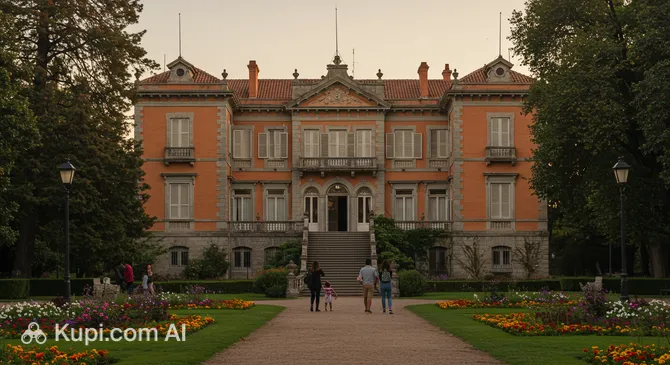
Villa Ocampo. Illustration.
Source: Kupi.com AI

Traveler photos:

  • In the majestic San Isidro Cathedral, one of the city's architectural symbols, you can see unusual crucifixes with a different number of nails. This feature has given rise to many local legends and attracts the attention of researchers and believers alike.

  • San Isidro is home to one of the largest racetracks in South America. Prestigious horse races are regularly held here, gathering equestrian sports fans and high society from all over the country and even from abroad.

  • The famous Villa Ocampo estate, which once belonged to the prominent Argentine writer and patron Victoria Ocampo, was a meeting place for global celebrities. Figures such as Jorge Luis Borges, Rabindranath Tagore, and Albert Camus visited its halls. Today, it is a popular museum and cultural center.

  • On the streets of San Isidro, known for their greenery and luxurious English-style mansions, you can often see vintage cars sparkling in the sun. The city is home to many classic car collectors who proudly display their treasures.

How to Get There

San Isidro, being part of the Greater Buenos Aires metropolitan area, has excellent transportation accessibility. Most travelers arrive here through the main air gateways of the Argentine capital and then continue their journey by land transport. You can find out more about how to get to San Isidro and choose the most convenient route by reviewing the information below.

San Isidro does not have its own airport, so the main flow of tourists passes through the air hubs of neighboring Buenos Aires. The most convenient option is Jorge Newbery Airpark (IATA: AEP). It is located in the city of Buenos Aires, just 14.3 km from San Isidro. This is a major airport serving many domestic and regional flights. A trip from here to San Isidro by taxi or transfer will take approximately 40–45 minutes, depending on traffic.

Another important hub is the international Ezeiza Airport (IATA: EZE), also known as Ministro Pistarini Airport. It is located in the city of Buenos Aires, about 39 km from San Isidro. Most long-haul international flights arrive here. The journey by car from this airport will take about 1 hour and 20 minutes. This is the country's largest hub with a huge passenger flow.

For clarity, here is summary information on the main airports:

AirportPassenger trafficDistance
Jorge Newbery Airport13.5 mln14 km
Ministro Pistarini Airport10.3 mln39 km
Carrasco International Airport1.8 mln233 km
Fisherton Airport530 000272 km

Regarding rail connections, it is important to note that San Isidro is excellently connected to central Buenos Aires by suburban lines (the Mitre line and Tren de la Costa). However, considering the long-distance stations mentioned in regional data, the closest one is Bragada (IATA: QRF). It is located in the city of Bragado, which is quite far away—about 194 km from San Isidro. Given the distance, travel time by car from this station will be over 3 hours, so it is rarely used as an arrival point for visiting San Isidro specifically.

Below is information about the railway station:

StationPassenger trafficDistance
Bragado18 199194 km

Main Attractions

San Isidro, a charming city in the province of Buenos Aires, offers its guests many interesting sites that combine history, culture, and nature. Here, everyone will find something for themselves, from majestic cathedrals to secluded villas and picturesque nature reserves.

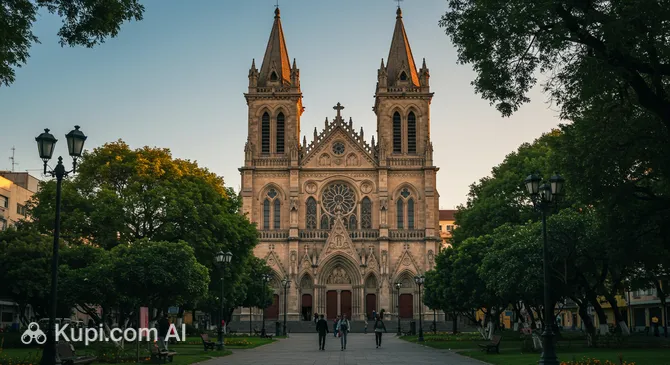
One of the city's main gems is the San Isidro Cathedral. This impressive Neo-Gothic building, constructed in the late 19th century, dominates the historic center. The cathedral is dedicated to Saint Isidore the Laborer, the patron saint of the city. Tourists are attracted by its majestic architecture, beautiful stained-glass windows, and peaceful atmosphere conducive to reflection. It is not only a religious center but also an important architectural monument.

San Isidro Cathedral. Illustration.
Source: Kupi.com AI

Traveler photos:

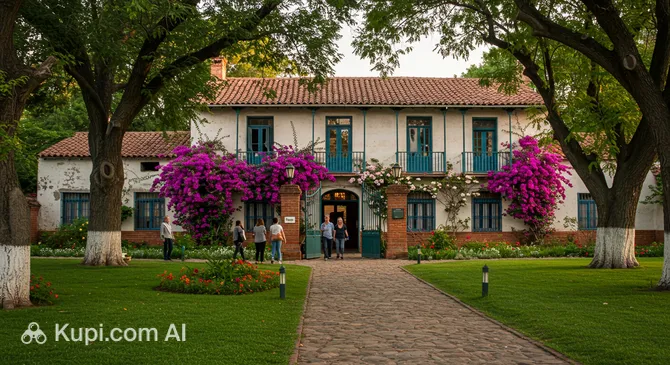
For connoisseurs of history and literature, a visit to Villa Ocampo is a must. This former residence of the famous Argentine writer and publisher Victoria Ocampo is now a museum and cultural center under the auspices of UNESCO. Outstanding 20th-century cultural figures such as Jorge Luis Borges, Albert Camus, and Igor Stravinsky gathered here. Visitors can tour the house, which has preserved the furnishings of those times, walk through the magnificent garden, and learn more about the life of this extraordinary woman and her contribution to culture.

Villa Ocampo. Illustration.
Source: Kupi.com AI

Traveler photos:

Another iconic historical site is Quinta Los Ombúes. This historical house-museum, surrounded by a beautiful park, preserves the memory of important events in Argentine history. It is believed that meetings preceding the May Revolution took place here. Today, this place attracts tourists with its authentic atmosphere, ancient architecture, and the opportunity to touch Argentina's past.

Quinta Los Ombúes. Illustration.
Source: Kupi.com AI

Traveler photos:

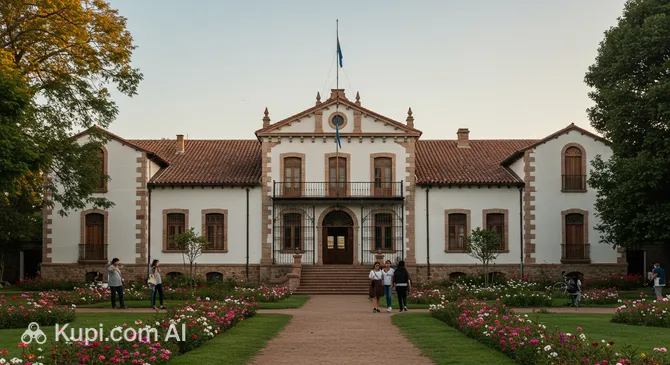
History buffs will also be interested in the Pueyrredón Museum. This national historical monument is located in the house where Juan Martín de Pueyrredón, one of the key figures in the struggle for Argentine independence, lived and died. The museum's exhibition tells about his life and the history of the region. The old house and its surrounding park create a special atmosphere of immersion into the past.

Pueyrredón Museum. Illustration.
Source: Kupi.com AI

Traveler photos:

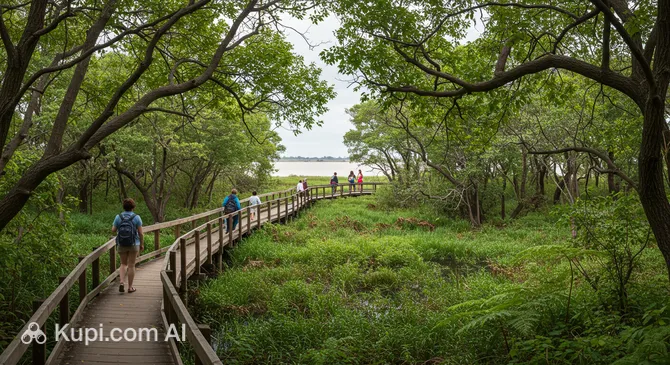
For those who prefer outdoor recreation, the Ribera Norte Municipal Nature Reserve will be a true discovery. This ecological reserve, located on the banks of the Río de la Plata, offers visitors the chance to enjoy the region's unique flora and fauna. Here you can walk along the trails, observe birds, and simply take a break from the city bustle while enjoying the silence and beauty of nature.

Ribera Norte Municipal Nature Reserve. Illustration.
Source: Kupi.com AI

Traveler photos:

Local Cuisine

The gastronomic scene of San Isidro is an exciting journey for any foodie, where Argentine culinary traditions blend harmoniously with European influences. Be sure to try the famous Argentine asado—incredibly juicy meat cooked over an open fire, which is a true symbol of local cuisine. No less popular are empanadas—savory pastries with a variety of fillings, from meat to vegetables. Thanks to its proximity to the Río de la Plata, you can also enjoy the freshest seafood here.

No introduction to the cuisine of San Isidro would be complete without tasting the desserts. The king of sweets here is undoubtedly dulce de leche—caramelized milk used in countless desserts, cakes, and, of course, the famous Argentine ice cream. You can accompany your meal or simply enjoy some time with a cup of aromatic coffee in one of the cozy cafes serving fresh pastries. Wine lovers should pay attention to local varieties such as the robust Malbec and the fragrant Torrontés.

The dining culture in San Isidro is diverse and offers options for every taste and budget. Locals and tourists love to dine in numerous restaurants and cafes offering both traditional dishes and modern gastronomic delights. For example, you can visit the Rosa Negra restaurant to get acquainted with local cuisine. For those who want to feel the authentic (auténtico) spirit of the city, it is worth visiting farmers' markets, where you can find local cheeses, sausages, and fresh fruits and vegetables. Street food also deserves attention: be sure to try hot churros with chocolate and, of course, the legendary Argentine ice cream, famous for its rich flavor and variety of sorts.

Rosa Negra. Illustration.
Source: Kupi.com AI

Traveler photos:

San Isidro often becomes a venue for gastronomic festivals, where you can not only taste dishes from the best chefs but also immerse yourself in the atmosphere of a real Argentine holiday. Overall, the city's culinary scene attracts tourists with its diversity, high-quality products, and the opportunity to discover the authentic flavors of Argentina.

Travel Tips

Welcome to charming San Isidro! To make your journey through this picturesque corner of Argentina as comfortable and pleasant as possible, we have prepared some practical tips for you.

  1. Clothing and Useful Items:

    San Isidro features a temperate climate. In summer (December–February), pack light clothing, a hat, and sunscreen. In winter (June–August), a jacket, sweater, and perhaps a scarf will be useful. In the transitional seasons, it's best to dress in layers. Be sure to bring comfortable shoes for walking along the Río de la Plata waterfront and the historic center. Don't forget a Type I power adapter. When visiting the San Isidro Labrador Cathedral, choose modest clothing that covers shoulders and knees.

  2. Getting Around the City:

    It is convenient to move around San Isidro using public buses ("colectivos"). Special attention should be paid to the Tren de la Costa tourist train, which not only connects the city with Buenos Aires and Tigre but also offers a scenic route along the river. Taxis and services like Uber or Cabify are also available. Renting a car can be useful for exploring the surroundings, but it is not always necessary for the city itself due to potential parking difficulties.

  3. Financial Matters:

    The local currency is the Argentine peso (ARS). You can exchange money at banks or exchange offices ("casas de cambio"). Credit cards (Visa, Mastercard) are accepted in many hotels, restaurants, and large stores, but it is always useful to have some cash on hand, especially for small purchases. ATMs are available, but keep in mind possible fees and withdrawal limits. Tips in restaurants are usually around 10% of the bill if service is not included.

  4. Health and Safety:

    San Isidro is considered a relatively safe area, especially its tourist zones. Nevertheless, follow standard precautions: keep an eye on your belongings, especially in crowded places, and avoid walking on poorly lit streets at night. Pharmacies ("farmacias") are easy to find, and some operate 24 hours a day ("de turno"). Having travel medical insurance is highly recommended.

  5. Language and Connectivity:

    The official language is Spanish. In tourist areas, hotels, and some restaurants, staff may speak English, but knowing a few basic Spanish phrases (e.g., "Hola" – hello, "Gracias" – thank you, "Por favor" – please) will be very helpful and appreciated by locals. You can buy a local SIM card for mobile internet at telecom operator offices. Wi-Fi is available in most hotels and many cafes.

  6. Local Etiquette:

    Argentines, and residents of San Isidro in particular, are usually very friendly and sociable. A handshake is common when meeting. For closer relationships or among friends, kisses on the cheek are common (even between men). In public places, politeness and calm behavior are valued. Don't hesitate to ask for help—people will likely be happy to assist you.

  7. What to Avoid:

    Try not to compare Argentina with other countries in a derogatory way, especially in conversations with locals. Also, be careful with discussing sensitive political topics if you are unsure of your companion's position. Avoid displaying expensive jewelry or large sums of cash in public places.

  8. A Special Tip for San Isidro:

    Don't miss the chance to ride the Tren de la Costa—it's not just a way to get around, but a real little journey with beautiful views. We also recommend visiting the picturesque waterfront, especially on weekends when many locals gather there, and stopping by Plaza Mitre, where craft and antique fairs are often held.

We hope these tips help you better prepare for your trip and get the most enjoyment out of your stay in beautiful San Isidro. We wish you an unforgettable experience!

Entertainment & Nightlife

San Isidro, a charming city in the province of Buenos Aires, offers its guests not only picturesque daytime landscapes but also a diverse evening and nightlife. While it may not compare in scale to the nighttime activity of Argentina's capital, San Isidro possesses its own unique charm, offering a calmer and more sophisticated atmosphere for evening relaxation.

As darkness falls, the city comes alive, especially in areas adjacent to the Río de la Plata and along central avenues such as Avenida del Libertador. This is where the main bars, restaurants, and lounge zones are concentrated. The atmosphere in most establishments is quite relaxed, and the crowd consists mainly of locals and tourists who value comfort and high-quality service. The dress code is usually smart casual, although some trendier spots may have their own preferences. Nightlife here generally starts late—Argentines dine around 9:00-10:00 PM, and bars and clubs fill up closer to midnight and stay open until the early morning, especially on weekends.

Remake Museum. Illustration.
Source: Kupi.com AI

Traveler photos:

Among the popular places for evening leisure, several establishments are worth noting. For example, the Remake Museum bar attracts with its creative concept and cozy setting, offering a wide selection of drinks. Another interesting spot is Temple San Isidro, where you can enjoy signature cocktails in a stylish interior. If you prefer a fine dinner in a pleasant atmosphere, consider the Rosa Negra restaurant, known for its cuisine and service.

When planning a night out in San Isidro, keep in mind that average prices in bars and restaurants may be slightly higher than in less prestigious areas. For transportation at night, a taxi or using popular ride-hailing apps is the most convenient and safe option. Although San Isidro is considered one of the safest suburbs of Buenos Aires, it is always wise to follow standard precautions: avoid poorly lit and deserted streets, and keep an eye on your belongings.

During the day, San Isidro also offers many options for leisure. You can dive into history by visiting Villa Ocampo or the Pueyrredón Museum. Nature lovers will enjoy a walk through the Ribera Norte Municipal Nature Reserve, while architecture enthusiasts can admire the majestic San Isidro Cathedral. Thus, San Isidro is capable of providing a full program for both daytime and evening recreation.

Parks & Museums

San Isidro, a charming city in the province of Buenos Aires, invites travelers to enjoy a harmonious blend of lush green areas and a rich cultural heritage. Here, everyone will find something for themselves: from peaceful walks through nature reserves to immersing themselves in history through unique museums and architectural monuments.

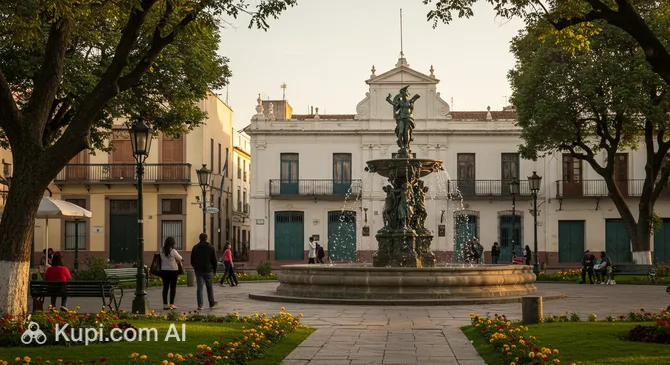
Nature lovers should start their acquaintance with the city at the Ribera Norte Municipal Nature Reserve. This is a true oasis of tranquility on the riverbank, where you can walk along trails while observing the local flora and fauna. Another iconic green spot is Quinta Los Ombúes, a historical estate with a magnificent park where you can not only enjoy nature but also touch the region's history. For leisurely relaxation and observing city life, Plaza Roca, a cozy square in the heart of the city, is perfect.

Roca Square. Illustration.
Source: Kupi.com AI

Traveler photos:

San Isidro carefully preserves its history, and the best place to get acquainted with it is the Pueyrredón Museum. Located in a historical building, it tells about the life and times of Juan Martín de Pueyrredón, an important figure in Argentine history. An equally significant cultural site is Villa Ocampo—the former residence of the famous writer Victoria Ocampo, now a cultural center under the auspices of UNESCO, where exhibitions and events are frequently held. This place attracts with its unique atmosphere and rich intellectual history.

The architectural landmark and symbol of the city is undoubtedly the majestic San Isidro Cathedral. Its Neo-Gothic facade and impressive interiors attract both believers and architecture enthusiasts. Visiting the cathedral is an opportunity not only to see a beautiful building but also to feel the spirit of old San Isidro.

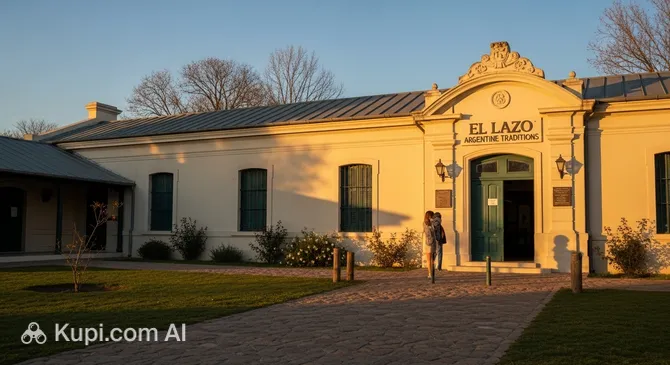
For family recreation or simply for variety, you can visit the Killifish Aquarium, which presents an interesting collection of aquatic inhabitants. And to dive deeper into local culture, check out the Argentine Traditional Association "El Lazo"—it's a chance to see authentic traditions and perhaps even catch a folk performance. Don't miss the opportunity to simply stroll through the city's ancient streets, especially in the historic center district, to fully experience its unique charm.

Killifish Aquarium. Illustration.
Source: Kupi.com AI

Traveler photos:

El Lazo Argentine Traditions Association. Illustration.
Source: Kupi.com AI

Traveler photos:

Getting Around

Public transportation in San Isidro offers several convenient ways to get around the city and its surroundings. The core of the transport system consists of buses (colectivos) and suburban trains. Bus routes connect various districts of San Isidro and provide communication with Buenos Aires and other nearby cities. The Mitre railway line is an important artery for trips to the capital, while the scenic Tren de la Costa offers tourist trips along the Río de la Plata coast, also making a stop in San Isidro.

To pay for travel on buses and trains, the unified SUBE (Sistema Único de Boleto Electrónico) transport card is used. This card must be purchased in advance and topped up with a balance. The SUBE card can be bought at kiosks (kioscos), lottery agencies, and at some stations. You can top up the card at the same locations, as well as through online services and banking apps. Using the SUBE card is not only convenient but often cheaper than buying single tickets, if they are available at all on the route.

When entering a bus or before boarding a train, you must tap the SUBE card against a special validator. The validator will deduct the fare and show the remaining balance. Buses usually run quite frequently, especially during the day, but schedules can vary depending on the route and the day of the week. Information about routes and schedules can be found at stops, and you can also use mobile apps such as "Cuándo SUBO" or Google Maps, which show transport movements in real time. Most types of public transport operate from early morning until late evening, and some routes may have night services.

In addition to public transport, other ways to get around are available in San Isidro. Taxis can be hailed on the street or ordered by phone. Ride-hailing services via mobile apps (such as Uber or Cabify, where available and legal in the region) are also popular. For short distances or walks along the waterfront, you can consider bicycle rentals if available. The city is quite pleasant for walking, especially its historic center and coastal zones.

Accommodation

San Isidro offers travelers a variety of accommodation options to suit different preferences and budgets. In the city, you can find cozy guesthouses and apartments for those who value independence and a homey atmosphere, as well as more traditional hotels. Choices range from budget-friendly options to more comfortable and sophisticated offerings, allowing every guest to find suitable housing.

When choosing a place to stay in San Isidro, many tourists prefer areas located near the historic center. This is convenient because the main attractions, such as the San Isidro Cathedral, are within walking distance. Accommodation options closer to the picturesque Río de la Plata waterfront are also popular, where you can enjoy walks and views. Pay attention to proximity to transportation hubs if you plan to move actively around the city and its surroundings.

The price range for housing in San Isidro is quite wide: from budget hostels and rooms to mid-range hotels and more luxurious options. To guarantee the best choice and prices, it is recommended to book accommodation in advance, especially if your trip is planned for the peak tourist season or during local festivals. The most common booking methods are popular online platforms and travel aggregators. There is also always the possibility of direct booking through official hotel websites or by contacting apartment owners.

Nearby Cities

For those who want to explore the surrounding area, San Isidro serves as an excellent starting point for day trips to several interesting nearby locations:

CityPopulationDistance
Beccar58 8111 km
Martinez65 8593 km
Acassuso12 8423 km
La Lucila15 8445 km
Villa Adelina35 3076 km

Each of these towns offers its own unique experiences for a day trip. For example, Martínez, located just 3 km away, attracts with its cozy atmosphere, green streets, and proximity to the Río de la Plata waterfront, making it a great place for leisurely walks and visiting local cafes. A trip to San Martín (12 km) will allow you to immerse yourself in the life of a larger city with its historic center, San Martín Square, and opportunities for cultural leisure. Caseros, located 16 km away, may interest those who want to see a typical Argentine suburb, its daily life, and perhaps discover local markets or parks. These destinations provide a better understanding of the diversity of the Buenos Aires region.

Shopping & Souvenirs

Shopping in San Isidro offers a pleasant experience for those looking for unique finds and preferring the atmosphere of boutiques and local shops over large shopping malls. The city is not famous for massive shopping centers, but here you can find quality goods, designer clothing, antiques, and handmade items reflecting Argentine flavor.

The main shopping areas in San Isidro are its central streets and districts. Stroll along Avenida del Libertador and its adjacent streets, especially near the San Isidro Cathedral and Plaza Roca. Small shops, fashion boutiques, jewelry salons, and souvenir stores are concentrated here. These are the places where you can find something truly special.

San Isidro Cathedral. Illustration.
Source: Kupi.com AI

Traveler photos:

You most likely won't find large shopping centers in San Isidro comparable to those in Buenos Aires. The city focuses on more intimate and individual shopping. However, many small galleries and arcades offer a good selection of goods from local and national brands.

As for markets, craft fairs (Ferias de Artesanos) may be held periodically in San Isidro, especially on weekends in central squares or parks. This is an excellent opportunity to purchase original handmade souvenirs, chat with artisans, and soak up the local atmosphere. Check the local listings or ask residents for more information.

From San Isidro, as from Argentina as a whole, it's worth bringing back traditional souvenirs. Look for leather goods (bags, belts, shoes), mate sets (calabashes and bombillas), high-quality Argentine wine, textiles with local patterns such as ponchos or alpaca wool scarves, as well as tango-related souvenirs.

Shops in San Isidro usually operate from Monday to Saturday, approximately from 10:00 AM to 8:00 PM. Many small shops may close for siesta in the middle of the day (roughly from 1:00 PM to 4:00 PM). On Sundays, most shops are closed, except for some souvenir spots. Most establishments accept both cash (Argentine pesos) and credit cards (Visa, MasterCard), but it is better to have cash for small purchases and at markets.

Foreign tourists can take advantage of the VAT refund system (in Argentina, this is IVA) for purchases made in shops participating in the Tax Free program. Look for the corresponding logo in windows, keep your receipts and special forms to present at customs at the airport when leaving the country. There is usually a minimum purchase amount required for the tax refund.

Reached the end of the page?

That means the route is fully explored