Support

San Nicolas

About

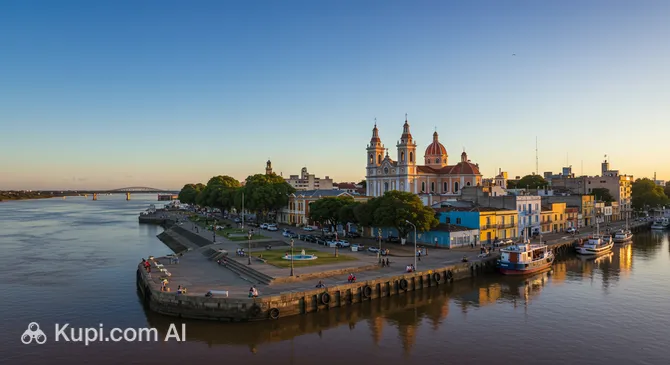
San Nicolás de los Arroyos is a true hidden gem, nestled comfortably on the picturesque banks of the wide Paraná River. Located approximately 240 kilometers northwest of the capital, the city serves as an ideal starting point for exploring the province of Buenos Aires. It is here, in the heart of the fertile pampas, that travelers can experience the life of the real, non-touristy Argentina.

San Nicolas. Illustration.
Source: Kupi.com AI

With a population of around 160,000, San Nicolás successfully combines the rhythm of an important regional center with the tranquility of a cozy town. The climate here is favorable, making walks comfortable at any time of year. The atmosphere itself encourages leisurely relaxation: locals love to spend time in shady squares and hold family picnics by the water, enjoying the greenery and fresh river air.

The city possesses a special charm where modernity harmoniously intertwines with tradition. The fascinating history of San Nicolás has left its mark on the architecture and cultural life. One of the main points of attraction is the famous Sanctuary of Our Lady of the Rosary, which draws pilgrims with its spiritual significance and architecture. It is also worth taking the time for a walk along the scenic promenade (Costanera) and visiting the Rafael de Aguiar Municipal Theater, often called the "little Colón Theater."

Visiting San Nicolás is worthwhile for its sincere hospitality and the opportunity to immerse yourself in authentic local color. This place will give you warm memories and allow you to see the country from a new, surprising perspective.

Weather Overview

The climate in this region is temperate and favorable for travel year-round, although there is a pronounced change of seasons. To plan your travel wardrobe correctly, we recommend checking the current weather in San Nicolás in advance, especially if you plan to spend a lot of time outdoors.

Summer (December to February) is truly hot here. The average temperature in January, the warmest month, is about 25.9°C, and during the daytime, the air often warms up to 31.2°C. This is a great time for relaxing by the water, although you should be prepared for occasional rain: between 5 and 8 days of precipitation are recorded in the summer months.

Winter (June to August), on the other hand, brings a noticeable chill. In July, the average temperature drops to 11.7°C, and at night it can cool down to 7.4°C. Expect a hot summer with occasional rains and cool, mostly dry winters when precipitation is minimal and days are often clear.

Average monthly temperature

Average monthly precipitation

Interesting Facts

San Nicolás de los Arroyos holds unique stories that make it a special place on the country's map, beyond its well-known architectural monuments. From mystical events to decisive political moments, this city knows how to surprise even seasoned travelers.
  • Spiritual Phenomenon: The city became one of the region's main religious centers after the events of 1983. According to tradition, the Virgin Mary appeared to a local resident, and now hundreds of thousands of pilgrims visit the majestic Sanctuary of Our Lady of the Rosary every year, turning San Nicolás into the "City of Mary."

  • Cradle of Statehood: It was here in 1852 that the historic "San Nicolás Agreement" was signed. This document became the foundation for the national constitution, which is why the city is rightfully considered the birthplace of modern Argentine statehood.

  • "Little Colón": The local Rafael de Aguiar Municipal Theater, which opened its doors in 1908, is recognized as one of the architectural masterpieces of the province. Due to its exceptional acoustics and luxurious decor, it is often compared to the famous Colón Theater in the capital.

  • Passion for Speed: San Nicolás proudly carries the unofficial title of the home of Argentine motorsport. Proximity to one of the country's oldest racing tracks has shaped a special culture here, and the city has given the world many talented drivers and mechanics.

How to Get There

San Nicolás boasts a strategically convenient location, situated between two major metropolises — Buenos Aires and Rosario. This makes the city easily accessible for tourists traveling through the country. You can explore all ways to get to the city in more detail on a separate page, while below we look at the main transport hubs travelers usually use to plan their route.

The closest and most convenient option for flying in is Fisherton Airport (ROS). Please note that it is not located in San Nicolás itself, but in the city of Rosario, at a distance of about 72 km. This is an international airport receiving flights from various regions. The journey from there by taxi or bus takes about 2 hours and 10 minutes.

For those arriving on long-haul international flights, the main entry point to the country is often Ezeiza Airport (EZE). It is located in the nation's capital, Buenos Aires, approximately 226 km from San Nicolás. Transferring from this major aviation hub will require more time — expect about 6 hours of travel by ground transport.

Another popular option is the capital's Jorge Newbery Airfield (AEP), which serves many domestic flights. It is also in Buenos Aires, about 215 km from your destination. The trip to San Nicolás from here takes approximately 5 hours and 40 minutes.

For clarity, here is a summary of the main airports:

AirportPassenger trafficDistance
Fisherton Airport530 00072 km
General Justo Jose de Urquiza Airport38 000172 km
Santa Fe Airport95 000188 km
Jorge Newbery Airport13.5 mln215 km
Ministro Pistarini Airport10.3 mln226 km

Regarding rail connections, the specifics of the regional network should be considered. The list of nearby stations includes Bragado. It is important to note: this station is located in the town of Bragado, which is quite far — about 203 km from San Nicolás. A journey from this station by road can take over 5 hours, so this option should only be considered for a specific itinerary.

Below is information about the railway station:

StationPassenger trafficDistance
Bragado18 199203 km

Main Attractions

San Nicolás is a city where history meets faith and nature, offering travelers a rich itinerary. Here you can spend a day studying architectural masterpieces, immersing yourself in the country's past, or enjoying the serenity by the river. Here is a list of places you should definitely include in your walking route.

Santuario de la Virgen del Rosario (Sanctuary of Our Lady of the Rosary) is the city's absolute landmark and a place of incredible energy. This majestic temple with its massive dome is visible from afar and attracts thousands of pilgrims from all over the world every year. Even if you are not religious, it is worth visiting for its monumental architecture and impressive stained-glass windows that create a special play of light inside. A walk through the sanctuary grounds gives a sense of peace and allows you to touch Argentina's modern spiritual culture.

The Rafael de Aguiar Municipal Theater is rightfully considered one of the most beautiful in the Buenos Aires province. Built in the early 20th century, the building delights with its Italian style: marble staircases, luxurious ceiling frescoes, and velvet interior finishes transport guests to the heyday of opera. Tourists will find it interesting not only to attend a performance but also to simply tour the interiors, which have been preserved in perfect condition and resemble famous European theaters in miniature.

Casa del Acuerdo National Museum (Museo Nacional Casa del Acuerdo) is living history within the walls of an old colonial mansion. It was in this house, with its cozy brick-paved courtyard, that the country's destiny was shaped. Today, it houses a museum where you can see original documents, 19th-century furniture, and household items from that era. This atmospheric place allows you to imagine how the founding fathers of Argentine statehood lived and made their decisions.

For nature lovers, the Rafael de Aguiar Eco-Park will be a true discovery. This nature reserve, located very close to the city limits, offers excellent opportunities for hiking, cycling, and bird watching. Here, among the lagoons and islands of the delta, you can escape the city bustle, have a picnic, and admire the scenic views of the Paraná River while enjoying the silence and fresh air.

Local Cuisine

The gastronomy of San Nicolás is a harmonious blend of hearty pampas traditions and fresh gifts from the voluminous river. The basis of the local menu, as in all of Argentina, remains the famous asado. This is not just meat grilled over an open fire, but a true ritual that brings friends and families together. In local restaurants and specialized establishments ("parrillas"), you will be served juicy cuts of choice beef accompanied by crusty bread and tangy homemade chimichurri sauce.

Due to its location on the banks of the Paraná, the city's cuisine is famous for fish delicacies, which sets it apart from many other regions. You should definitely try fried surubí or patí — these are delicious types of local river fish. For a quick snack, empanadas with original fish and herb fillings are ideal, often available at street stalls or the city market, where fresh farm cheeses and sausages are also sold.

For those with a sweet tooth, San Nicolás offers traditional pastelitos — puff pastry pies with fruit filling, which are especially good served hot. Don't overlook desserts featuring the legendary dulce de leche, as well as local honey treats.

The drinking culture here is inextricably linked with mate. You will see locals with thermoses and gourds everywhere: on the promenade, in parks, and on square benches. If you are looking for something for dinner, pay attention to the regional wine varieties and sweet fruit liqueurs. A special paradise for gourmets arrives in spring and autumn when the city hosts gastronomic festivals with live music and tastings of the region's best dishes.

Travel Tips

Welcome to San Nicolás! To ensure your journey to this cozy city on the banks of the Paraná, which combines a spiritual atmosphere with natural beauty, is as comfortable and carefree as possible, we have prepared a list of useful recommendations.

  1. Clothing and Dress Code. The climate here is humid, so opt for light, natural fabrics in summer, and be sure to bring a warm jacket in winter, as it can be windy by the river. Since the city is an important religious center, modest clothing is required to visit the Sanctuary of Our Lady of the Rosary: shoulders and knees must be covered. Also, bring comfortable shoes for walking on cobblestones and the promenade.
  2. Transport. The city center is compact and best explored on foot. For longer distances, locals often use remises (a type of private taxi with a fixed price), which are more reliably ordered by phone or through hotel reception rather than hailed on the street. City buses run regularly, but you will need a SUBE card, which is used nationwide, to pay.
  3. Finance and Payment. The official currency is the Argentine peso. While major hotels and supermarkets accept cards, cash is preferred in small cafes, souvenir shops, and kiosks. ATMs are available in the city center, but there may be queues during mass pilgrimages. It is customary to leave a tip of about 10% in restaurants if you enjoyed the service.
  4. Health and Safety. San Nicolás is a calm city, but basic precautions should be followed: do not leave your belongings unattended in crowded places. An important detail: due to the proximity to the river and abundant greenery, there are many mosquitoes, especially in the evening, so repellent is a must-have in your first aid kit. Pharmacies (farmacias) are easy to find in the center, with on-duty ones operating 24/7.
  5. Communication and Language. The main language of communication is Spanish; English is not understood everywhere, so download an offline translator or learn a few phrases. A SIM card from local operators (Claro, Movistar, Personal) can be bought in official stores or kiosks; a passport is required for activation. Wi-Fi is available in most cafes and hotels, but speeds may vary.
  6. Local Etiquette. Argentines are very friendly and tactile. When meeting, even with acquaintances, it is customary to kiss each other on the cheek (once). If you are invited for mate, remember the main rule: do not stir the straw (bombilla) in the gourd — this is considered poor etiquette and can ruin the drink.
  7. What to Avoid. Do not show disrespect or behave noisily on the grounds of the Sanctuary and surrounding streets, especially during services. This place has sacred meaning for many Argentines. Also, avoid walking alone in remote, unlit areas of the city late at night.
  8. Traveler Tip. Consider the pilgrimage calendar: on the 25th of every month (especially in September), thousands of believers flock to the city. If you want quiet walks and free tables in restaurants, plan your trip for other dates. If your goal is to see the religious phenomenon with your own eyes, book accommodation several months in advance.

San Nicolás de los Arroyos is a place where you can slow down and enjoy the moment. By following these simple tips, you can easily blend into the local rhythm of life and take away only the warmest memories of hospitable Argentina.

Entertainment & Nightlife

Nightlife in San Nicolás has its own unique rhythm, different from the bustle of megacities. A relaxed atmosphere prevails here, with an emphasis on long conversations with friends and gastronomic pleasures. Travelers should keep local habits in mind: in Argentina, people dine late, so establishments only begin to fill up after 10:00 PM, and the main flow of visitors to bars is seen closer to midnight.

The epicenter of evening activity is the central streets of Bartolomé Mitre and De la Nación. Many cafes, restaurants, and pubs are concentrated along them. During the warmer months, tables are set out directly on the sidewalks, creating a lively and friendly environment. These are popular spots for the so-called "previa" — a traditional meeting for drinks before going out dancing.

A major trend in recent years has been craft breweries (cervecerías). If you want to combine tasting local brews with beautiful landscapes, head to the Costanera Alta district. Establishments here often offer open terraces with panoramic views of the river, making them ideal for warm evenings. The dress code in most places is casual; a relaxed style is appropriate almost everywhere.

For dance lovers, there are nightclubs that locals call "boliches." It is important to remember the specific schedule: it is not customary to arrive before 2:00 or 2:30 AM, as the halls will still be empty. The fun, with music ranging from Latin cumbia and reggaeton to global pop hits, usually continues until dawn.

In terms of safety, the city is quite calm, but for returning to your hotel at night, it is highly recommended to use taxi services or remises (private car services with fixed rates). It is safer to order them by phone or through special apps rather than hailing cars on the street. This will ensure a comfortable and safe end to your evening.

Parks & Museums

San Nicolás de los Arroyos offers travelers a wonderful balance between outdoor recreation and deep cultural immersion. The city, built on the high bank of the Paraná River, is proud of its well-kept green areas and museum collections that preserve the memory of key moments in the formation of the Argentine nation.

For nature lovers, the main point of attraction is the Rafael de Aguiar Eco-Park (Eco Parque Rafael de Aguiar). This is a vast protected natural area located in the river delta, where the urban environment smoothly flows into wild nature. The park is ideal for walking, cycling, and bird watching — many species of birds live here. Tourists appreciate this place for its silence, picturesque lagoons, and the opportunity to see the unique flora of the region's wetlands.

Another important green zone is San Martín Park (Parque San Martín), spread out on the high bank (barranca). Due to its location, it serves as a magnificent observation deck, offering breathtaking panoramic views of the Paraná River and the islands. It is a favorite spot for townspeople for evening walks and watching sunsets. The park has an amphitheater and well-kept alleys, creating an atmosphere of peace and comfort.

In the city's cultural landscape, the "Casa del Acuerdo" National Museum (Museo Nacional Casa del Acuerdo) takes center stage. This is not just a museum, but a historical monument of national importance. The exhibition is located in a 19th-century colonial house where a pact was signed in 1852, laying the foundations for the country's constitution. Visitors can see restored interiors of that era, historical documents, furniture, and personal belongings of the signatories, allowing them to literally touch the history honored by all of Argentina.

The Santiago Chierico Municipal Museum (Museo Municipal Santiago Chierico) is also of interest. Its collections cover a wide range of topics: from paleontological finds discovered in the region to historical artifacts and art objects. This place will be interesting for those who want to better understand local history, the life of the first settlers, and the natural features of this area.

Among the architectural landmarks, Plaza Mitre stands out — the heart of the city's social life. Iconic buildings are concentrated around it, including the Cathedral of San Nicolás de Bari. The cathedral, although less famous than the renowned Sanctuary of the Virgin Mary, impresses with its classical architecture and beautiful interior decoration, being an important part of the historic center.

For those looking for authentic experiences, we suggest descending the old stairs from the "Upper Promenade" (Costanera Alta) to the river. Here, away from the main tourist routes, you can find cozy corners by the water where local fishermen spend hours waiting for a catch, and feel the real, unhurried pace of life in a provincial town.

Getting Around

The public transport system in San Nicolás is fairly simple and straightforward even for first-time visitors to the region. Unlike major metropolises, there is no subway or tram system here. The main burden of passenger transport falls on city buses (called "colectivos" here) and a developed network of taxis and remises. The city is compact, so many tourist routes can easily be covered on foot, but for trips to outlying areas or the station, transport will be indispensable.

The bus network covers the entire city and connects the center with major attractions, including the Sanctuary of Our Lady of the Rosary and the promenade. Routes are operated by local companies (the main one being Vercelli Hermanos), and buses run from early morning (around 5:00 AM) until midnight. Intervals vary from 15 to 30 minutes on weekdays, but waiting times can increase on weekends and holidays, which should be considered when planning trips.

The key point for using public transport is the payment system. In San Nicolás buses, as in the rest of the country, the SUBE unified contactless card is used. It is impossible to pay the fare in cash to the driver. The card must be purchased in advance at special sales points or kiosks marked with the SUBE logo. You can also top up your balance there. The fare is fixed and very affordable, and a group of people can use one card by simply tapping it against the validator the required number of times.

A very popular and comfortable alternative to buses are remises. This is a type of private taxi that differs from regular ones in that they have no identifying marks on the roof and cannot be hailed by a hand wave on the street. You need to order the car by phone or at special offices (remiserías). Rates in remises are often fixed or calculated by zone, which eliminates price surprises at the end of the trip. Regular taxis with meters are also available and can be found at stands in the center and at the bus station.

In recent years, San Nicolás has been actively developing infrastructure for eco-friendly transport. The city is becoming increasingly friendly to cyclists: new bike lanes and rental points are appearing. This is a great way to explore the Eco-Park or ride along the Paraná River. If you prefer freedom of movement, renting a bicycle is a wonderful choice for warm days.

For ease of navigation, tourists are recommended to install local apps on their smartphones (for example, the "San Nicolás App" or use Google Maps), which allow you to track bus movements in real-time and build routes. This significantly simplifies planning and helps avoid long waits at stops.

Accommodation

San Nicolás de los Arroyos offers guests a decent choice of accommodation that will satisfy the needs of both pilgrims and travelers exploring the province. The hotel infrastructure here is primarily focused on functionality and home comfort. The main stock consists of mid-range hotels, small family guest houses, and budget hostels. There are no luxury five-star international resorts in the city, but the best local hotels provide a high level of comfort, often offering guests pools, spa areas, and their own restaurants.

When choosing a place to stay, you should be guided by the purpose of your visit. The most convenient and popular area is the historic center (Centro). Staying here, you will be within walking distance of Plaza Mitre, pedestrian streets with shops and cafes, and the Municipal Theater. For those who have come to worship at the shrine, a strategically wise decision would be to find accommodation in the blocks adjacent to the Sanctuary of Our Lady of the Rosary. Accommodation options near the promenade (Costanera) are also attractive, offering peaceful views of the Paraná River and the islands.

Booking Tip: This is a critically important aspect of planning a trip to San Nicolás. Since the city is a center for mass pilgrimage, the demand for housing rises sharply on the 25th of every month. If your trip falls on these dates (and especially on September 25th — the main holiday), you must book a room several months in advance. On regular days and weekdays, finding a free room is much easier, even on the day of arrival.

The price range in the city can be described as affordable and moderate. Budget options and the "standard" segment prevail here. You can book accommodation through major international online aggregators that work well in the region. However, it is worth considering local specifics: many small apart-hotels and private guest houses actively use direct booking via messaging apps (WhatsApp) or by phone, which can sometimes result in a better offer.

Nearby Cities

For those who want to explore the surrounding area, San Nicolás serves as an excellent starting point for day trips to several interesting nearby locations:

CityPopulationDistance
Villa Constitucion47 37416 km
Arroyo Seco20 62034 km
Gobernador Gálvez80 76952 km
Rosario1 276 00061 km
San Pedro69 61664 km

Among the available destinations, the absolute favorite is Rosario — the country's third-largest city. It is only an hour's drive away and offers a rich cultural program. Here, you should see the grand National Flag Memorial, walk along the extensive promenade, and appreciate the architectural heritage of the city, which is also known as the birthplace of Lionel Messi and Che Guevara.

For a more calm and relaxed holiday, San Pedro is ideal. This cozy town attracts tourists with its picturesque steep banks and orange groves. It is a great place to enjoy nature and try the local gastronomic landmark — the Majorcan "ensaimada" pastry, which has become a symbol of the city.

History buffs will enjoy a visit to San Lorenzo. The city is famous for the historic San Carlos Monastery, which preserves the memory of the famous battle for independence under the command of General José de San Martín. Visiting this place allows you to touch the heroic pages of Argentina's past in an authentic atmosphere.

These nearby destinations provide an insight into the diverse culture and landscapes of the region.

Shopping & Souvenirs

Shopping in San Nicolás de los Arroyos is, above all, a pleasant addition to walks around the city, devoid of the bustle of giant megacities. Here you won't find huge shopping complexes with luxury global brands, but you can enjoy the atmosphere of cozy local shops and boutiques. The city is famous for its attention to craft traditions and, of course, a wide range of religious-themed goods, linked to its status as an important pilgrimage center.

The heart of the city's commercial life is its historic center. Main activity is concentrated on Bartolomé Mitre and De la Nación streets. These are the main shopping arteries where life is bustling from morning until late evening (with a break for siesta). There are clothing and shoe stores of famous national brands, sporting goods, bookstores, and perfume boutiques. A walk along these streets allows you to combine shopping with architectural sightseeing and relaxing in numerous cafes.

There are no American-style malls typical for tourists in the city. Instead, small shopping galleries hidden inside buildings in the center are popular. You can often find interesting accessories, jewelry, and gifts in them. For groceries and essentials, there are chain supermarkets and local delis offering fresh regional products.

Local markets and fairs are of particular interest to travelers. On weekends and holidays, craft fairs (Feria de Artesanos) unfold in the main squares, such as Plaza Mitre or in the promenade area. Here, artisans sell handmade items: jewelry, textiles, ceramics, and woodwork. It is the best place to find something truly unique and heartfelt.

When choosing souvenirs, pay attention to the city's specifics. Traditionally, people bring from San Nicolás:

  • Religious paraphernalia: Rosaries, icons, figurines, and water from the holy spring. Around the Sanctuary of Our Lady of the Rosary, there are many specialized shops (santerías) with a huge selection.
  • Leather goods: Argentina is famous for the quality of its leather, and you can buy excellent locally-made belts, wallets, or bags at reasonable prices.
  • Mate sets: Gourds (made of pumpkin or wood) and bombillas (metal straws) make excellent and useful gifts reflecting the country's culture.
  • Local sweets: Be sure to buy locally produced alfajores (traditional cookies) or a jar of farmhouse dulce de leche.

When planning a shopping trip, it is important to remember the local daily routine. San Nicolás strictly observes the tradition of siesta. Most shops open around 8:30–9:00 AM, work until 12:30 or 1:00 PM, and then close for a long break. Business resumes only after 4:30 or 5:00 PM and continues until 8:30–9:00 PM. The only exceptions are large supermarkets, which may operate without a break.

Regarding payment, credit and debit cards (Visa, Mastercard) are accepted without problems in large stores, supermarkets, and restaurants. However, in small souvenir shops, kiosks, and at fairs, preference is given to cash pesos. We recommend always having small bills with you for minor purchases.

The Tax Free system (VAT refund for foreign tourists) operates in the country (operator Global Blue), but in small cities like San Nicolás, it is quite difficult to find shops connected to this system. Usually, the "Tax Free Shopping" logo can only be found in boutiques of major chain brands. If you manage to make such a purchase, do not forget to issue a special check for presentation at customs upon departure.
Nearby cities

Reached the end of the page?

That means the route is fully explored