Support

Coober Pedy

About

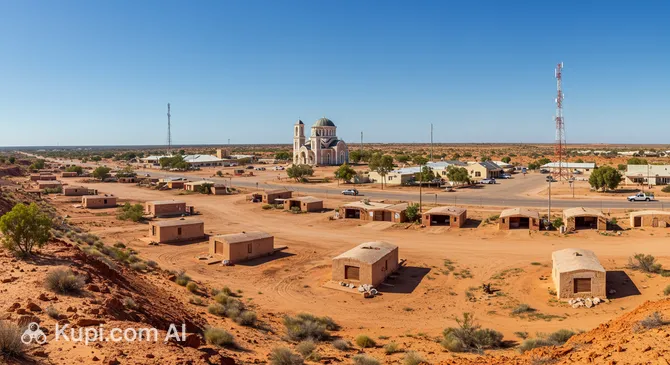
Welcome to Coober Pedy, one of the most distinctive and fascinating towns in Australia. Often referred to as the "Opal Capital of the World," this remote outpost offers a surreal experience that feels almost otherworldly. Located in the northern part of South Australia, roughly 850 kilometers north of Adelaide, it is a place where the vibrant red desert landscape meets a community that thrives largely beneath the earth's surface.

The town is renowned for its unique subterranean lifestyle, which evolved as a clever solution to the region's scorching desert climate. To escape the intense daytime heat, many of the approximately 1,700 residents live in "dugouts"—homes carved directly into the hillsides that remain naturally cool year-round. The history of Coober Pedy is deeply intertwined with the discovery of precious opals in 1915, which sparked a mining boom and attracted fortune seekers from all corners of the globe.

Coober Pedy. Source: Kupi.Binoculars

Beyond its famous gemstones, Coober Pedy offers a variety of incredible attractions. Visitors can explore stunning underground churches, such as the Serbian Orthodox Church, or tour the Umoona Opal Mine & Museum to gain insight into the life of a miner. Just a short drive away lies the Kanku-Breakaways Conservation Park, a majestic landscape of arid mesas and colorful hills that transforms spectacularly at sunset.

Whether you are hoping to try your luck "noodling" for opals or simply wish to experience the novelty of sleeping in an underground hotel, Coober Pedy promises an unforgettable adventure. It is a true testament to human ingenuity and a must-visit destination for anyone traveling through the Australian Outback.

Weather Overview

Coober Pedy experiences a harsh desert climate characterized by extreme heat in the summer and mild days with crisp, cold nights during the winter. The region is incredibly dry, with clear blue skies being the norm throughout the year and rainfall being a rare occurrence.

During the summer months of December through February, the heat can be intense, with average daytime highs peaking at 36.4°C in January. Nights offer little relief, often staying above 20°C. In contrast, the winter season from June to August is much cooler; daytime temperatures average a comfortable 18°C to 21°C, but overnight lows can drop significantly to around 6°C.

Precipitation is minimal year-round, with monthly averages often recording between 0mm and 1mm. To help decide when to visit, you can consult the detailed guide on the weather in Coober Pedy. Overall, expect scorching summers with occasional cloud cover and cold, dry winters perfect for outdoor exploration.

Interesting Facts

Beyond the famous opal mines and subterranean homes, Coober Pedy holds a treasure trove of quirky details and cinematic history that surprises many visitors. This outback town is full of eccentricities that make it truly unique.

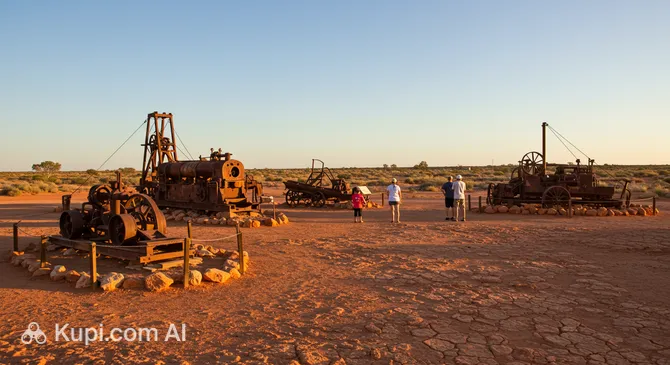
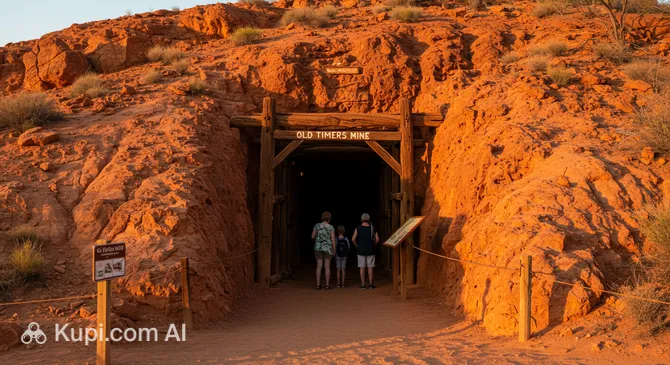
Old Timers Mine. Source: Kupi.Binoculars
  • The town's name comes from the Aboriginal term "kupa piti," which is widely translated as "white man in a hole." This descriptive phrase originated when Indigenous people observed the early prospectors digging into the ground not just to find opals, but to create cool shelters from the blistering desert sun.

  • The local golf course is famous for having absolutely no grass. Players carry a small piece of artificial turf to tee off, and because of the intense daytime heat, games are often played at night using glowing balls. Remarkably, the Coober Pedy Opal Fields Golf Club is the only club in the world with reciprocal rights to the prestigious St Andrews in Scotland.

  • Due to its apocalyptic, lunar-like landscape, the town has been a favorite location for filmmakers. Blockbusters like Mad Max Beyond Thunderdome and Pitch Black were filmed here. You can even spot the original spaceship prop from Pitch Black still parked in the town.

  • For a glimpse into the past, the Old Timers Mine offers a fascinating time capsule. This original 1916 mine was mysteriously filled in and hidden by the miners before they left, remaining lost for decades until it was accidentally rediscovered during a home renovation.

  • The town celebrates its mining heritage with the Big Winch 360, a landmark located on a high point that offers spectacular panoramic views of the vast, rugged terrain and the town's unique dugouts.

How to Get There

Reaching the remote town of Coober Pedy is an adventure in itself, offering a journey through the heart of the South Australian outback. Whether you choose to fly for a quick arrival or drive to witness the changing landscapes, planning your trip is essential. You can find more comprehensive details on how to get to Coober Pedy to help organize your travel itinerary.

For those preferring air travel, the most direct option is the local Coober Pedy Airport (CPD). Located just a stone's throw from the town center, it primarily serves regional flights, connecting the opal fields with Adelaide. The airport is situated only 4.4 km from the main area, making the transfer very quick; a taxi or shuttle ride typically takes approximately 5 to 10 minutes door-to-door. While it is a small facility with an annual passenger traffic of around 9,000 people, it provides a vital link for tourists and residents alike.

Alternatively, travelers might consider flying into Olympic Dam Airport (OLP), although it requires significantly more ground travel to reach your final destination. This airport is located in the city of Roxby Downs, which is about 262 km away from Coober Pedy. It handles a larger volume of passengers, with an annual traffic of over 100,000, catering largely to the mining industry. From here, renting a car would be necessary, and the drive to Coober Pedy takes roughly 3 to 4 hours along the outback roads.

For clarity, here is a summary of the main airports:

Airport Name City Passenger Traffic Km from City
Coober Pedy Airport Coober Pedy Small 4.4
Olympic Dam Airport Roxby Downs Medium 262.2

Beyond air travel, Coober Pedy is a famous stop on the Stuart Highway for those driving between Adelaide and Alice Springs. The road trip offers a classic Australian Outback experience. Additionally, the legendary Ghan train passes through the region. While the train does not stop directly in the town center, it halts at the Manguri Siding, located about 42 kilometers away. Transfers from the siding must be arranged in advance, as it is a remote stop in the desert.

Main Attractions

Coober Pedy’s appeal lies in its extraordinary subterranean architecture and rich mining heritage. The town offers a range of unique sites where visitors can delve into the history of opal mining, explore underground homes, and witness the rugged beauty of the outback landscape.

One of the most comprehensive attractions in town is the Umoona Opal Mine and Museum. Located centrally on the main street, this facility serves as an excellent introduction to the region. It features a detailed museum showcasing Aboriginal history and prehistoric fossils, including those of plesiosaurs that once swam in the ancient inland sea. Visitors can join a guided tour to explore a converted underground home and a historic mine, gaining a deep appreciation for the subterranean lifestyle.

Umoona Opal Mine and Museum. Source: Kupi.Binoculars

For a spectacular perspective of the desert terrain, the Big Winch 360 is a must-visit landmark. Situated atop a hill, it offers unparalleled 360-degree views of the town and the vast, dusty plains beyond. It is arguably the best spot in Coober Pedy to watch the sunset, as the changing light paints the landscape in vibrant hues of orange and red. The site also features an interpretive center and a cafe, making it a perfect place to relax while soaking in the scenery.

Big Winch 360. Source: Kupi.Binoculars

Those interested in a more hands-on experience should head to the Old Timers Mine. This award-winning attraction allows you to walk through a hand-dug mine dating back to 1916 at your own pace. It is particularly interesting because it displays how the early miners lived and worked in harsh conditions. Guests can see authentic underground living quarters and try their luck "noodling" (fossicking) for small pieces of opal in the pit, adding a sense of adventure to the visit.

Local Cuisine

The culinary scene in Coober Pedy is a surprising and delightful mix of rugged Outback tradition and multicultural heritage. Due to the diverse nationalities of miners who settled here in search of opals, the town offers a unique blend of flavors ranging from hearty Australian bush tucker to authentic European comfort food. Dining here is not just about the food; it is an experience often enjoyed in subterranean settings that provide a cool respite from the desert heat.

For adventurous eaters, Coober Pedy is an excellent place to sample native Australian game meats. It is common to find kangaroo, emu, and even camel on the menus of local eateries. These meats are typically served as steaks, sausages, or in burgers, offering a lean and flavorful alternative to beef. If you prefer something more familiar but equally iconic to the town, you must try the local pizza. John's Pizza Bar & Restaurant is a legendary institution in the Outback, famous for its massive, crispy pizzas that have been satisfying hungry locals and travelers for decades.

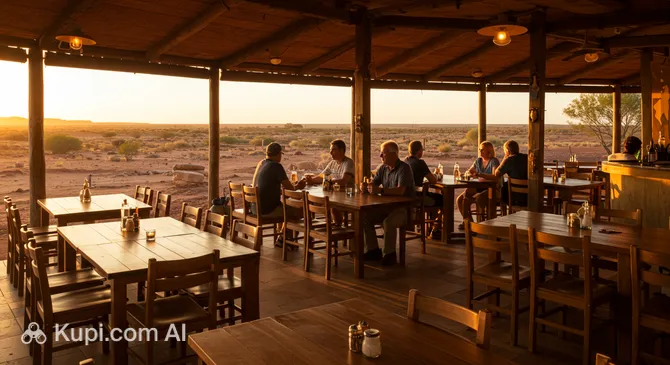
The food culture revolves heavily around relaxed, social dining in pubs and dugouts. A visit to the town is not complete without a meal at the Coober Pedy Outback Bar and Grill. Here, you can enjoy generous portions of classic pub food, such as schnitzels and grilled meats, in a friendly atmosphere that captures the spirit of the community.

Coober Pedy Outback Bar and Grill. Source: Kupi.Binoculars

When it comes to drinks, the beverage of choice is almost universally an ice-cold beer, essential for cooling down after a day in the sun. However, given South Australia's reputation as a premier wine region, you will also find a decent selection of Australian wines available. Whether you are sipping a cold lager at a surface bar or enjoying a glass of red in an underground restaurant, the hospitality in Coober Pedy is as warm as the days are hot.

Travel Tips

Traveling to Coober Pedy requires some specific preparation due to its remote outback location and unique underground lifestyle. Here are some practical tips to ensure your visit to this fascinating town in Australia is safe, comfortable, and truly memorable.

  1. Clothing and Gear: The desert climate dictates your wardrobe. In summer (December to February), temperatures are extreme, so wear lightweight, breathable clothing, a wide-brimmed hat, and high-SPF sunscreen. In winter (June to August), days are mild, but nights can be freezing, so pack warm layers and a good jacket. Pro tip: A fly net to wear over your face is highly recommended, as bush flies can be intense in the outback. Sturdy, closed-toe shoes are essential for navigating rocky terrain and mine sites.

  2. Transportation: While the town center is relatively compact, the best way to explore the wider area, such as the Breakaways or the Dingo Fence, is by rental car. There is no public transport system like buses or trains within the town. A local taxi service operates, and airport shuttles are often available, but having your own vehicle provides the freedom to see the sights at your own pace.

  3. Finances: The local currency is the Australian Dollar (AUD). Credit and debit cards are widely accepted at hotels, restaurants, and larger opal showrooms. However, it is advisable to carry some cash, as smaller shops or private opal sellers might not have card facilities. ATMs are available in the main town area. Tipping is not mandatory but is appreciated for good service.

  4. Health and Safety: The most critical safety rule in Coober Pedy is to watch your step. The landscape is dotted with thousands of deep, uncovered mine shafts. Never walk backwards while taking photos, and strictly stick to marked paths and designated tourist areas. Dehydration is a real risk in the desert; always carry more water than you think you will need. A hospital and pharmacy are available in town for medical needs.

  5. Communication: English is the main language, though the town is multicultural with many residents of European descent. Mobile phone coverage can be spotty in the outback; the Telstra network generally offers the most reliable signal in remote areas. Wi-Fi is standard in most underground hotels and cafes, though connection speeds may be slower than in major cities.

  6. Local Etiquette: The vibe is friendly and laid-back. A simple "G'day" is a common greeting. It is important to remember that the "dugouts" (underground dwellings) are people's private homes. Please respect the residents' privacy by not entering properties or taking close-up photos of homes without explicit permission.

  7. What to Avoid: Do not trespass on private mining leases. "Noodling" (searching for opals) on someone else's claim is illegal and dangerous. Also, avoid driving on outback highways at dawn, dusk, or night, as this is when wildlife, particularly kangaroos, is most active and poses a collision risk.

  8. Additional Tip: If you want to try finding your own gem, ask the local visitor center for the location of the public noodling areas. These are safe, designated spots where you can sift through mounds of waste dirt for overlooked pieces of opal—a fun and free activity unique to the town.

With these practical tips in hand, you are well-prepared to embrace the eccentric charm and rugged beauty of Coober Pedy. Whether you are sleeping underground or hunting for gems, a little preparation ensures your outback adventure will be as smooth as it is unforgettable.

Entertainment & Nightlife

Entertainment and Nightlife:

Nightlife in Coober Pedy is a unique experience that reflects the town's laid-back, outback character. You will not find thumping nightclubs or neon-lit dance floors here. Instead, the evening entertainment revolves around authentic Australian pubs, social dining, and enjoying the incredible desert sky. The atmosphere is incredibly welcoming, with locals, miners, and travelers mingling together to share stories over cold drinks after a hot day.

The main hub of activity is centered along Hutchison Street, the town's primary thoroughfare. Evenings typically begin with a sunset drink. A perfect spot to kick off the night is the Big Winch 360. While it is a major attraction by day, in the late afternoon, its elevated position offers the best vantage point to watch the sun dip below the horizon, painting the Breakaways and the town in stunning shades of ochre and purple. It is a relaxed setting to enjoy a beverage while soaking in the panoramic views.

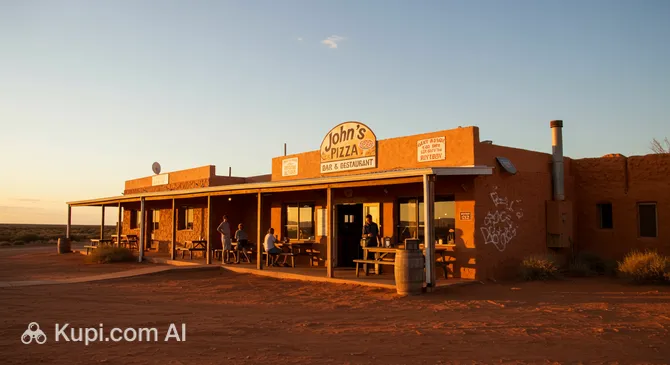
For a lively dinner and drinks scene, John's Pizza Bar & Restaurant is a local institution that stays open later than most other venues. It is famous for its alfresco dining area and a vibrant atmosphere where you can enjoy a cold beer or a glass of wine alongside their renowned pizzas. It is a great place to meet people and experience the friendly hospitality that the outback is known for.

John's Pizza Bar & Restaurant. Source: Kupi.Binoculars

Another staple of the local nightlife is the Coober Pedy Outback Bar and Grill. This venue captures the quintessential spirit of a bush pub. With its rustic decor and hearty food menu, it attracts a steady crowd of residents and tourists. It is the ideal place to experience a "shout" (a round of drinks), play a game of pool, and listen to the occasional live music performance or jukebox tunes. The dress code everywhere is casual; jeans and t-shirts are the norm, so there is no need to dress up.

When planning your night out, keep in mind that venues may close earlier than in major cities, often winding down around midnight. Prices are generally moderate and comparable to other regional Australian towns. Getting around is relatively easy as the center is compact, but if you are staying further afield, it is best to book a taxi in advance, as services can be limited late at night. Safety is generally not a major concern regarding crime, but the physical environment poses risks. The town is dotted with mine shafts, so it is critical to stick to well-lit streets and never walk into unlit, open areas in the dark.

While the nights are for socializing, daytime entertainment in Coober Pedy offers a different kind of excitement. Visitors can explore fascinating cultural sites like the Umoona Opal Mine and Museum or visit the underground churches that define the town's architecture. For those looking for something active, trying your hand at "noodling" for opals or playing a round on the grassless golf course provides plenty of amusement before the sun goes down.

Parks & Museums

Exploring the cultural and natural landscape of Coober Pedy offers a striking contrast between the vast, sun-drenched desert above and the intricate history carved beneath the surface. While the town lacks traditional green gardens due to the arid climate, its "parks" are majestic conservation areas, and its museums serve as time capsules of the opal mining era.

The most spectacular natural area near the town is the Kanku-Breakaways Conservation Park. Located about 32 kilometers north of the town, this reserve covers nearly 15,000 hectares of majestic arid scenery. It is characterized by flat-topped mesas and colorful hills that shift from white to rich ochre and deep red as the sun moves across the sky. The park is of great significance to the local Antakirinja Matu-Yankunytjatjara Aboriginal people and offers breathtaking lookouts that make you feel as though you are standing on the edge of the world.

Another unique natural attraction is the Moon Plain, a vast expanse of rocky ground that stretches to the horizon. Unlike a typical park, this landscape is devoid of vegetation, resembling the surface of the moon. It is a geological wonder littered with gypsum crystals and fossils from millions of years ago when the area was covered by an inland sea. Its stark, otherworldly beauty has made it a popular filming location for science fiction movies.

For those interested in the region's history and geology, the Umoona Opal Mine and Museum is an essential stop. This award-winning attraction delves deep into the story of the land, featuring an impressive collection of fossils, including the skeleton of a plesiosaur. The museum also provides a respectful and detailed look at the Aboriginal history of the area, alongside displays explaining the formation of opals and the techniques used by early miners.

To understand the daily life of the pioneers who built this town, the Old Timers Mine offers a genuine historical experience. Dating back to 1916, this museum allows visitors to wander through original underground workings that were hand-dug by the first prospectors. The exhibits include preserved underground living quarters and mining equipment from the early 20th century, offering a tangible connection to the hardships and hopes of the past.

Art lovers should visit Josephine’s Gallery and Kangaroo Orphanage. This venue combines an art gallery with wildlife conservation. The gallery specializes in high-quality Aboriginal art, showcasing works from Indigenous artists across Central Australia, including dot paintings and artifacts. In the orphanage section, visitors can meet rescued kangaroos and joeys, providing a rare opportunity to interact with Australian wildlife in a caring environment.

Architecturally, the town is famous for its underground churches, which are marvels of engineering. The Serbian Orthodox Church of St Elijah is particularly notable, with its intricate sandstone carvings and vaulted ceilings located 17 meters underground. Similarly, the Catacomb Church is carved directly into the rock, offering a silent, cool, and spiritual atmosphere that reflects the community's adaptation to the desert.

For an authentic local experience, catch a movie at the Coober Pedy Drive-In Cinema. As one of the last operating drive-ins in South Australia, it offers a nostalgic night out under the desert stars. It is a beloved community hub where you can enjoy the latest films from the comfort of your car, surrounded by the quiet vastness of the outback.
Getting Around

Navigating Coober Pedy is a unique experience compared to major metropolitan areas. Visitors should be aware that there is no formal public transport system within the town. You will not find local buses, trams, or a metro network operating here. The town’s infrastructure is designed around private vehicle use, and while the central area is compact, the attractions and underground accommodation are often spread out across the rugged desert landscape.

For those arriving without a car, the local taxi service is the primary means of getting around. Taxis are reliable and can transport you between the airport, your hotel, and the main tourist sites. Unlike in big cities where you might hail a cab on the street, it is highly recommended to book your ride by phone in advance, especially during peak tourist seasons or for early morning airport transfers. Operating hours cover flight arrivals and general daytime movement, but services may be limited late at night.

Regarding payment, the system is straightforward since there are no complex travel zones or ticketing machines. Taxis generally accept both cash and credit cards. There are no travel passes, smart cards, or mobile transport apps to download. A practical tip for tourists is to always carry a small amount of cash, as connection issues can occasionally affect card terminals in remote outback areas.

Car rental is the most popular alternative and is often considered essential for a complete experience. Renting a vehicle gives you the freedom to explore at your own pace, particularly for visiting sites located further afield like the Breakaways. Several rental agencies operate within the town and at the airport. It is important to note that ride-sharing apps like Uber are typically not available in this remote region, so do not rely on them for transport.

Walking is a viable option if you are staying directly on the main strip, Hutchison Street, where supermarkets, opal shops, and some museums are clustered. However, extreme caution is advised due to the climate. During the summer months, the intense heat makes walking long distances dangerous. If you choose to walk, do so in the early morning or late afternoon, and always carry plenty of water. For those who prefer not to drive, joining a guided coach tour is an excellent way to visit the scattered attractions comfortably without needing personal transport.

Accommodation

Finding a place to stay in Coober Pedy is an adventure in itself, offering visitors the rare opportunity to sleep beneath the earth's surface. The town is famous for its "dugout" accommodation—hotels, motels, and bed-and-breakfasts carved directly into the sandstone hillsides. These underground rooms maintain a constant, comfortable temperature of around 23°C to 25°C year-round, providing a natural escape from the desert heat without the need for air conditioning. For those who prefer to stay above ground, there are also standard motels and well-equipped caravan parks catering to the many road trippers passing through on the Stuart Highway.

Most accommodation options are clustered near the town center, particularly around Hutchison Street. Staying in this central area is convenient as it places you within walking distance of supermarkets, restaurants, and opal shops. However, some of the more unique underground lodgings are located slightly further back in the surrounding hills. These spots offer a quieter experience and often feature expansive views of the desert landscape right from the entrance of your dugout.

While there are no luxury 5-star resorts in the traditional sense, the accommodation landscape is dominated by mid-range and budget-friendly options that focus on character rather than opulence. The experience of sleeping in a room with rock walls and absolute silence is the main attraction. Prices are generally moderate, making it an affordable destination for families and backpackers alike. You can easily book most properties through major online travel platforms or by contacting them directly.

Booking Tip: Coober Pedy is a popular stopover for travelers heading to the Red Centre, and the best underground rooms can fill up quickly. This is especially true during the peak tourist season in winter (June to August) when the weather is mildest. It is highly recommended to book your accommodation at least a few weeks in advance to secure a spot in one of the famous dugouts.

Nearby Cities

For those looking to explore the surroundings, Coober Pedy serves as an excellent base for day trips to several interesting nearby locations. While the Australian Outback is defined by its vast distances, making "nearby" a relative term, there are a few notable settlements and towns within reach for those willing to embark on a scenic drive across the desert plains.

The closest major town is Roxby Downs, located approximately 270 kilometers to the south-east. Unlike the historic and quirky dugout style of Coober Pedy, Roxby Downs is a modern purpose-built mining town, constructed to support the massive Olympic Dam mine. It offers a stark contrast with its suburban layout, green lawns, and modern facilities. Visitors often stop here to learn about one of the world's largest deposits of copper, gold, and uranium, or to visit the nearby Arid Recovery reserve, a fenced conservation area dedicated to restoring Australia's native flora and fauna.

Further south lies Port Augusta, often referred to as the "Crossroads of Australia." Although it is a longer journey, it serves as the vital gateway connecting the Outback to the coast. Situated at the head of the Spencer Gulf, it offers stunning views of the Flinders Ranges and attractions like the Australian Arid Lands Botanic Garden. For travelers making their way to or from Adelaide, it provides a perfect opportunity to experience the transition from the red desert to the sparkling sea.

City Population Distance (km)
Whyalla 21501 521
Port Augusta 6562 482
Roxby Downs 3700 269
Ceduna 3505 360
Agnew 2359 426

These nearby destinations offer a glimpse into the diverse culture and landscapes of the region, ranging from modern mining communities to coastal hubs rich in history.

Shopping & Souvenirs

Shopping:

Shopping in Coober Pedy is an experience quite unlike any other in Australia. As the "Opal Capital of the World," the retail scene is almost exclusively focused on these precious gemstones. Instead of high-street fashion or sprawling department stores, visitors will find a treasure trove of underground galleries, family-run jewelry showrooms, and quirky souvenir shops. The experience is often as much about exploring the subterranean architecture as it is about purchasing a memento.

The main hub for shopping is located along Hutchison Street, the town's primary thoroughfare. Here, you can stroll between various opal cutters and direct-from-mine outlets. Many of these businesses are situated underground in "dugouts" to keep the temperature cool, allowing you to browse in comfort even during the heat of the day. This strip is where you will find the highest concentration of reputable dealers who can explain the intricacies of opal quality and value.

Travelers should not expect to find large shopping malls or designer brands in this remote outback town. The retail environment is small-scale and local. for general supplies, groceries, and camping gear, there are well-stocked supermarkets like IGA and Foodland, which cater to both residents and tourists stocking up for their journey along the Stuart Highway.

When it comes to souvenirs, the opal is undeniably the star attraction. You can purchase anything from an affordable, rough "potch" to a high-end, museum-quality gem set in gold. For a trusted shopping experience, the Umoona Opal Mine and Museum offers a large selection of certified jewelry and unset stones, ensuring authenticity. Similarly, the gift shop at the Old Timers Mine is a fantastic place to find unique gifts, including opal specimens and mining memorabilia. Beyond gems, look for authentic Aboriginal art, including dot paintings and carved artifacts, which reflect the rich cultural heritage of the region.

Another spot worth checking out for gifts is the Big Winch 360. Its retail area offers a range of high-quality souvenirs, clothing, and local products, all accompanied by stunning views of the town. Markets in the traditional sense are not a prominent feature of the town, but the direct sales from miners and the "noodling" areas give the town a bustling, trading-post atmosphere.

Most shops in Coober Pedy operate during standard business hours, typically from 9:00 AM to 5:00 PM. However, major tourist attractions with attached shops often stay open seven days a week to accommodate visitors. Major credit cards and EFTPOS are widely accepted, though carrying some cash is always a good idea for smaller purchases or if you are buying directly from a small-scale miner.

International tourists should be aware of the Tourist Refund Scheme (TRS). If you spend AUD 300 or more (including GST) in a single business, you may be eligible to claim a refund of the Goods and Services Tax upon departure from Australia. Be sure to ask the retailer for a valid tax invoice if you plan to make a significant purchase like a piece of opal jewelry.

Nearby cities

Reached the end of the page?

That means the route is fully explored