Support

Darwin

About

Welcome to Darwin, the vibrant and tropical capital of the Northern Territory. Situated on the edge of the Timor Sea, this dynamic city serves as the northern gateway to Australia. Known for its laid-back atmosphere, multicultural community, and stunning natural beauty, Darwin offers a unique blend of modern city life and rugged outback adventure.

The city is home to a population of approximately 136,000 people and is famous for its distinct wet and dry seasons. Its geographical location makes it the closest Australian capital to Asia, heavily influencing its diverse food scene and cultural festivals. Whether you are looking to explore lush national parks or enjoy a relaxed evening by the waterfront, the city's warm climate ensures an inviting outdoor lifestyle year-round.
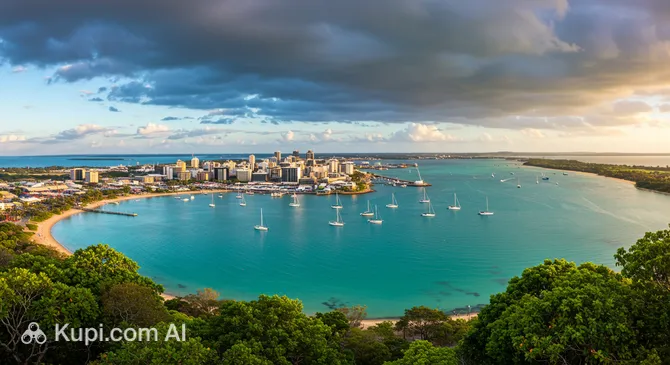
Darwin. Source: Kupi.Binoculars

Despite its modern appearance, the region has a fascinating past characterized by incredible resilience. Exploring the history of Darwin reveals how the community has rebuilt and thrived following major events, from World War II to the devastation of Cyclone Tracy. Today, it stands as a thriving hub where visitors can connect with this heritage while enjoying contemporary comforts.

Travelers are drawn here for a variety of unique experiences. The famous Mindil Beach Sunset Markets are a highlight, offering spectacular views of the sun dipping below the horizon accompanied by delicious local cuisine. The Darwin Waterfront Precinct provides a safe and scenic spot for swimming in the wave lagoon, while thrill-seekers often visit local parks to see the region's famous saltwater crocodiles up close.

Whether you are planning to use the city as a base for exploring the nearby Kakadu and Litchfield National Parks or simply want to soak up the tropical sun, Darwin promises an unforgettable journey. We invite you to visit and discover the warmth and wonder of the Top End for yourself.

Weather Overview

Darwin experiences a tropical climate characterized by consistent warmth and two distinct seasons: the wet and the dry. Temperatures remain high throughout the year, with average daily highs consistently reaching above 30°C. For travelers planning their trip, understanding the weather in Darwin is key to choosing the best time to visit.

The wet season, spanning from November to April, brings high humidity and frequent showers. January is particularly active, with rain occurring on approximately 28 days and average temperatures hovering around 28.3°C. Despite the rain, the days remain hot, with minimum temperatures rarely dropping below 26°C.

In contrast, the dry season from May to September offers clear blue skies and comfortable nights. July is typically the coolest month, with an average temperature of 25.5°C and practically no rainfall, recording 0 wet days. By October, the weather begins to transition, bringing more frequent rain and higher humidity as the region builds up toward the wet season once more.

Interesting Facts

Beyond the main attractions, Darwin holds many fascinating secrets and quirky stories that reveal its resilient spirit and unique character. From unusual local events to historical oddities, the city offers plenty of surprises for the curious traveler.

  • Darwin is often referred to as the lightning capital of Australia. During the wet season, the city experiences some of the most spectacular electrical storms on the planet, attracting photographers and weather enthusiasts from around the world to witness the dramatic light shows over the ocean.

  • The city hosts one of the world's most unusual boat races, the Beer Can Regatta. Held annually, this event sees locals building vessels entirely out of empty aluminum cans and cartons to race them in the water, a humorous testament to the region's love for a cold drink and a good laugh.

  • A massive engineering project from the 1940s, the Darwin WWII Oil Storage Tunnels were built to protect fuel supplies from aerial bombardment. Ironically, the tunnels were never used for their intended purpose because they were prone to leaking water and the war ended before they could be fully utilized.

  • The Museum and Art Gallery of the Northern Territory is the permanent home of "Sweetheart," a legendary 5.1-meter saltwater crocodile. Unlike most fearsome crocs, Sweetheart was famous in the 1970s not for attacking people, but for biting the propellers off fishing boats, eventually becoming a local icon.

Museum and Art Gallery of the Northern Territory. Source: Kupi.Binoculars

How to Get There

Reaching the Top End of Australia is an adventure in itself, with the city serving as a major gateway to the region's incredible natural wonders. Whether you are arriving by air from international or domestic locations, or concluding a legendary rail journey, the transport hubs are modern and welcoming. For a comprehensive guide on planning your arrival, you can read more about how to get to Darwin.

The primary entry point for most visitors is Darwin International Airport (DRW). Conveniently located just 6.5 km from the city center, it operates 24 hours a day and handles flights from major Australian cities as well as international connections from Asia. Due to its close proximity, the journey into town is quick and easy; a taxi or shuttle bus ride typically takes approximately 30 minutes.

Another regional option is Tindal (KTR), although it is important to note that this airport is located in the city of Katherine, about 281.7 km away from Darwin. While it serves the wider region, using it as a gateway to the capital involves a significant ground transfer, taking roughly 3 to 4 hours by road. It is generally much more convenient for tourists to fly directly into Darwin unless their itinerary includes a stopover in the Katherine region.

For clarity, here is a summary of the main airports:

Airport Name City Passenger Traffic Km from City
Darwin International Airport Darwin Large 6.5
Tindal Katherine Small 281.7

For those preferring a scenic rail journey, the city is the northern terminus of one of the world's most famous train rides, The Ghan. Passengers arrive at Darwin Railway Station (XJG), which is situated in the suburb of East Arm, approximately 18.2 km from the city center. The station welcomes thousands of travelers annually who cross the continent from Adelaide. From the station, transfers to downtown hotels are readily available and take about 45 minutes by coach or taxi.

Below is the information for the railway station:

Station City Passenger Traffic Km to Center
Darwin Railway Station Darwin Medium 18.2

Main Attractions

Darwin offers a diverse array of attractions that cater to nature lovers, history buffs, and thrill-seekers alike. From up-close encounters with wildlife to relaxing tropical gardens and historic sites, the city's highlights provide a perfect introduction to the unique lifestyle of the Northern Territory.

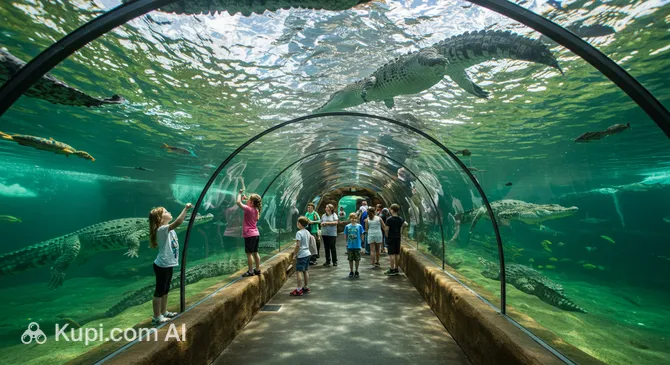
For those seeking an adrenaline rush, Crocosaurus Cove is an absolute must-visit right in the heart of the city. This attraction is famous for housing some of the largest saltwater crocodiles in captivity. Brave visitors can experience the "Cage of Death," a glass cylinder that lowers you into the water with these massive reptiles, while others can enjoy the reptile house and the opportunity to hold a baby crocodile.

Crocosaurus Cove. Source: Kupi.Binoculars

A favorite gathering spot for both locals and tourists is the Darwin Waterfront Precinct. This bustling area features a man-made wave lagoon and a recreation lagoon, offering safe, stinger-free swimming year-round. Surrounded by lush parklands, restaurants, and bars, it is the ideal place to cool off during the day or enjoy a meal while watching the sunset over the harbor.

Nature enthusiasts will find tranquility at the George Brown Darwin Botanic Gardens. These gardens span 42 hectares and showcase a vast collection of northern Australian and other tropical plant species. It is one of the few botanic gardens in the world that has marine and estuarine plants naturally in its grounds, making it a lush oasis perfect for a leisurely walk or a picnic under the shade of ancient trees.

George Brown Darwin Botanic Gardens. Source: Kupi.Binoculars

To understand the history of aviation and healthcare in the outback, a visit to the Royal Flying Doctor Service Darwin Tourist Facility is highly recommended. Located near the water, this facility uses virtual reality and holographic technology to tell the heroic stories of the Flying Doctors and the bombing of Darwin Harbor during World War II, bringing two significant chapters of local history to life.

Finally, for a taste of the local atmosphere, Stokes Hill Wharf offers more than just history. It is a popular dining precinct where you can enjoy fresh local seafood and alfresco dining on the water's edge. It provides panoramic views of the harbor and is a fantastic spot to watch the fish feeding or simply soak up the balmy evening air.

Local Cuisine

Darwin's culinary scene is a delicious reflection of its multicultural heritage and tropical geography. Located closer to many Asian capitals than to other major Australian cities, the local food culture is heavily influenced by Thai, Indonesian, and Malaysian flavors. This unique blend, combined with an abundance of fresh local produce, makes dining here a highlight of any trip to the Top End.

The undisputed king of the local menu is **Barramundi**. This iconic fish, often wild-caught in the pristine waters of the Northern Territory, is renowned for its sweet, buttery flesh and is served everywhere from high-end restaurants to casual fish-and-chip shops. Another signature dish you simply must try is the **Darwin Laksa**. Locals have a serious obsession with this spicy coconut noodle soup, and fierce debates often arise over who serves the best bowl in town. For the adventurous eater, the region also offers the chance to taste unique outback meats, including crocodile, buffalo, and kangaroo.

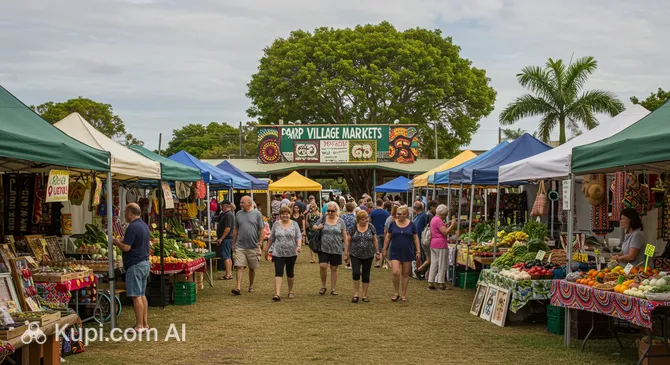
Parap Village Markets. Source: Kupi.Binoculars

The heart and soul of the city's food culture can be found at its vibrant markets. While many tourists flock to the sunset markets, the **Parap Village Markets** are a Saturday morning ritual for locals. Here, you can wander through stalls overflowing with exotic tropical fruits like mangoes and dragon fruit, grab a freshly roasted coffee, or join the queue for a steaming bowl of soup. It is a fantastic place to experience the community vibe and enjoy affordable, authentic street food.

Beyond the markets, the dining atmosphere is relaxed and unpretentious, often taking advantage of the warm weather with open-air seating. You can enjoy Mediterranean-inspired tapas and cocktails at the **Moorish Cafe**, which perfectly captures the city's laid-back yet sophisticated spirit. Alternatively, for a peaceful break surrounded by nature, **Eva's Cafe** offers a charming setting within the historic gardens, perfect for a light lunch or afternoon tea.

To beat the tropical heat, beverages play a crucial role in the local lifestyle. An ice-cold beer is the standard accompaniment to a sunset meal, but there is also a beloved non-alcoholic icon you will see everywhere: Paul's Iced Coffee. This carton drink has a cult following in the Northern Territory and outsells many major soda brands. For something fresher, the abundance of local orchards means you can always find incredible mango smoothies and freshly squeezed tropical juices to keep you cool.

Travel Tips

To make the most of your adventure in the Top End, it helps to be prepared for the unique tropical lifestyle and environment of this northern city. These practical tips are designed to help you navigate the local climate, culture, and logistics so you can focus on enjoying your trip.

  1. Clothing and Gear: Due to the tropical heat, lightweight and breathable fabrics like cotton or linen are essential. Pack a wide-brimmed hat, high-SPF sunscreen, and sunglasses to protect against the intense sun. The dress code in Darwin is generally very casual; shorts and sandals are acceptable almost everywhere, even in many restaurants. If you visit during the wet season, bring a light rain poncho rather than a heavy coat.

  2. Transportation: The city has a public bus network that covers the central business district and suburbs, but services can be infrequent on weekends. For exploring the city center, walking or using electric scooters is convenient. However, to truly experience the surrounding region, such as Litchfield or Kakadu National Parks, renting a car is highly recommended. Ride-sharing apps like Uber and local taxis are also readily available.

  3. Finances: The currency is the Australian Dollar (AUD). Credit and debit cards (Visa and Mastercard) are widely accepted, and "tap and go" payments are standard. However, it is wise to carry some cash if you plan to visit the famous markets, such as Mindil Beach or Parap, as smaller stallholders may prefer it. Tipping is not mandatory in Australia but is appreciated for exceptional service.

  4. Health and Safety: The most critical rule in the Northern Territory is to be "Crocwise." Never swim in rivers, creeks, or the ocean unless it is a designated safe swimming area, as saltwater crocodiles are a real danger. Additionally, be aware of "stinger season" (typically October to May), when box jellyfish are present in coastal waters; stick to the patrolled beaches or the safe Darwin Waterfront Wave Lagoon. Pharmacies are easy to find, and the emergency number for police, ambulance, or fire is 000.

  5. Communication: English is the primary language, often spoken with a unique local slang. Mobile coverage is excellent in the city, but if you plan to travel to remote areas, the Telstra network usually offers the widest coverage. You can purchase a prepaid SIM card at the airport, supermarkets, or convenience stores upon arrival. Free Wi-Fi is often available in the city center and at major tourist spots.

  6. Local Etiquette: The vibe here is incredibly laid-back. It is common to greet people with a friendly "G'day" or "How's it going?" Do not be surprised if service is slower than in major metropolises; rushing is not part of the local culture. When visiting Indigenous cultural sites or communities, always show respect, ask for permission before taking photos of people, and follow any specific guidelines provided by guides.

  7. What to Avoid: Avoid underestimating the heat and humidity. Dehydration can happen quickly, so carry a reusable water bottle and drink frequently, even if you do not feel thirsty. Also, avoid leaving food unattended outdoors, as local birds like ibises and kites can be quite bold.

  8. Alcohol Purchase Rules: A specific tip for the Northern Territory is that strict alcohol laws apply. You will be required to show a valid photo ID (such as a passport or driver's license) to be scanned every time you purchase takeaway alcohol, regardless of your age. This is a standard procedure across the territory, so always have your ID on hand if you plan to buy drinks for a sunset picnic.

By keeping these practicalities in mind, you will settle into the "Darwin time" rhythm effortlessly. Embrace the relaxed pace, stay safe around the water, and enjoy the warm hospitality that makes this tropical capital so special.

Entertainment & Nightlife

Entertainment and Nightlife:

Darwin transforms as the sun goes down, trading its sweltering daytime heat for balmy tropical evenings that invite everyone outdoors. The city's nightlife is distinctively relaxed and unpretentious, reflecting the "Top End" lifestyle where flip-flops are often as acceptable as dress shoes. Whether you are looking for a pulse-pounding nightclub, a quiet cocktail bar, or a scenic dinner by the sea, the city offers a diverse range of nocturnal activities.

The epicenter of the party scene is undoubtedly Mitchell Street. This strip in the city center is lined with backpacker hostels, energetic pubs, and nightclubs that stay open late. It attracts a young, vibrant crowd, particularly travelers and locals looking to dance the night away. The atmosphere here is loud and lively, with venues often featuring live bands or DJs. Just a short walk away, Austin Lane offers a more hipster vibe with small bars and street art, perfect for a more intimate drink.

For a more scenic and slightly more upscale evening, head to the Darwin Waterfront Precinct. This area is beautifully lit at night and offers a safer, more family-oriented environment. Here, you can find a string of high-quality restaurants and bars overlooking the water. It is an excellent spot to enjoy a craft beer or a glass of wine while enjoying the cooling sea breeze, away from the intensity of the main party strip.

Darwin Waterfront Precinct. Source: Kupi.Binoculars

Dining alfresco is a staple of local evening entertainment, and there is no better place for this than Stokes Hill Wharf. Located near the waterfront, this historic jetty is a favorite for sunset dinners. Visitors can grab a meal from one of the many casual eateries and sit at long communal tables under the stars. It is also a prime location to spot fish swimming in the illuminated water below while enjoying the view of the harbor.

If you prefer a unique culinary experience with a side of atmosphere, the Moorish Cafe on Knuckey Street is a long-standing institution. Known for its tapas-style dining and extensive drink list, it captures the sophisticated yet laid-back spirit of the city. For movie buffs, the seasonal Deckchair Cinema offers a truly memorable night out, screening films outdoors under the night sky during the dry season.

Practical Tips for a Night Out:

  • Dress Code: The dress code is generally very casual ("Territory Casual"). Shorts and open shoes are accepted in most bars and outdoor venues. However, some nightclubs on Mitchell Street may require closed shoes and neater attire for men.
  • Safety and Transport: The waterfront and city center are generally safe, but Mitchell Street can get rowdy late at night. It is best to stick to well-lit areas. Taxis and rideshare services are plentiful; look for designated taxi ranks to ensure a safe ride home.
  • ID Scanning: Be aware that many venues in the Northern Territory scan IDs upon entry as a safety measure. Always carry a valid photo ID (passport or driver's license) with you, regardless of your age.

While the nights are vibrant, the city also offers plenty of daytime diversions. Cultural enthusiasts can explore the region's heritage at local museums, while nature lovers might enjoy a daytime visit to Aquascene to hand-feed wild fish at high tide. However, it is the transition from a hot afternoon to a festive evening that truly defines the Darwin experience.

Parks & Museums

Darwin is a city where history and nature are inextricably linked, offering visitors a wealth of green spaces and cultural institutions that tell the story of the Northern Territory. From lush tropical parklands that survive the extremes of the wet season to world-class museums chronicling the region's dramatic past, the city provides ample opportunity to explore its heritage and environment.

While the city center features beautifully manicured gardens like Bicentennial Park, which hugs the esplanade and offers sweeping harbor views, the real wilderness adventure lies just a short drive away. Litchfield National Park is a favorite escape for both locals and tourists. Located about an hour and a half from the city, it is renowned for its stunning waterfalls, crystal-clear swimming holes, and massive magnetic termite mounds. It is the perfect place to experience the raw beauty of the Top End's landscape without the need for a multi-day expedition.

Litchfield National Park. Source: Kupi.Binoculars

Closer to town, Charles Darwin National Park offers a different perspective on the local ecosystem. This area protects significant wetlands and woodlands, serving as a habitat for diverse bird species. It is also historically significant, containing a number of concrete bunkers from World War II that were used to store ammunition, blending the city's military history with its natural surroundings.

For those interested in the cultural and artistic fabric of the region, the city's museums are compelling. The Museum and Art Gallery of the Northern Territory is the premier cultural institution. While it is famous for its natural history exhibits, it also houses an impressive collection of Aboriginal art and the moving "Cyclone Tracy" exhibition, which features a sound booth recording of the storm that devastated the city in 1974, providing a visceral understanding of that pivotal event.

To delve deeper into the wartime experience, a visit to the Darwin WWII Oil Storage Tunnels is essential. Located beneath the cliffs of the city, these tunnels were a massive civil engineering feat designed to protect fuel supplies. Walking through the damp, echoing underground passageways offers a unique atmospheric insight into the vulnerability and resilience of the city during the war years.

Darwin WWII Oil Storage Tunnels. Source: Kupi.Binoculars

Architecturally, the city showcases its status as the seat of government for the Territory. Parliament House is a striking example of tropical architecture, designed to suit the climate while referencing the colonial style of the nearby historic Government House. Visitors can often take guided tours to learn about the political history and admire the building's "State Square" location.

For a true insider experience, head to East Point Reserve in the late afternoon. Not only is it home to the Darwin Military Museum, but as the sun begins to set, the grassy areas fill with wild agile wallabies coming out to feed. It is a magical, quiet spot to watch the wildlife and enjoy a colorful sunset away from the crowds.

Getting Around

Public transport in Darwin is relatively simple and straightforward compared to larger metropolitan areas. The city does not have a metro, tram, or train network for local commuting. Instead, the public transport system relies almost entirely on a comprehensive bus network, supplemented by ferry services that connect the city to nearby coastal communities.

The bus network connects the Central Business District (CBD) with major suburbs, shopping centers like Casuarina, and the satellite city of Palmerston. The buses are modern, clean, and, most importantly, fully air-conditioned—a vital feature in the tropical climate. Routes are generally reliable, with frequent services during peak hours, though the frequency drops significantly on weekends and public holidays. For tourists, the most useful routes are those circulating within the city center and connecting to popular sites like the Museum and Art Gallery of the Northern Territory.

For travel across the harbor, ferries provide a scenic and efficient alternative. SeaLink operates regular services from the Cullen Bay Ferry Terminal to Mandorah and the Tiwi Islands. The ride to Mandorah is particularly popular with visitors for a day trip, offering a quick 20-minute crossing that provides excellent views of the city skyline from the water.

The payment system is designed to be user-friendly. The primary method is the Tap and Ride card. You can purchase these cards at bus interchanges (Darwin, Casuarina, and Palmerston) or at various newsagencies. Alternatively, you can buy single-trip or daily tickets directly from the bus driver using cash, but it is highly recommended to have the exact fare or small notes, as drivers may not have change for large bills.

Fares are exceptionally affordable compared to other major cities. A standard ticket typically allows for unlimited bus travel for three hours, while a daily ticket offers unlimited travel until the last service of the day. Weekly tickets are also available for those planning a longer stay. It is important to keep your paper ticket or validate your card upon boarding to avoid fines.

For short distances within the CBD and waterfront areas, electric scooters and e-bikes have become a very popular mode of transport. Companies like Neuron and Beam operate fleets of these purple and orange vehicles, which can be rented via a smartphone app. They are a fun way to navigate the flat terrain of the city center and enjoy the breeze along the Esplanade.

Taxis and rideshare services such as Uber constitute a reliable alternative, especially late at night when bus services cease. Taxis can be hailed on the street in busy areas or found at designated ranks, particularly on Mitchell Street and Knuckey Street. For those planning to explore further afield, such as Litchfield or Kakadu, renting a car remains the most practical option, as public transport does not extend to these remote national parks.

Accommodation

Darwin offers a diverse range of accommodation options, catering to everyone from budget-conscious backpackers to travelers seeking luxury. The city provides a mix of lively hostels, comfortable mid-range hotels, serviced apartments, and upscale resorts. The most convenient areas to stay are the Central Business District (CBD) and the Darwin Waterfront Precinct. Staying in these neighborhoods places you within walking distance of key attractions, restaurants, and the beautiful harbor esplanade.

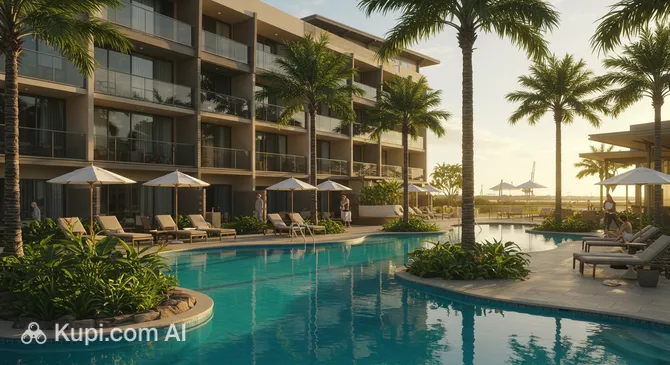
A prime example of the local accommodation style is **Palms City Resort**. Located on the edge of the city center, it offers a tropical resort experience with cabins and villas surrounded by lush gardens, allowing guests to enjoy a holiday atmosphere while remaining close to urban amenities.

Palms City Resort. Source: Kupi.Binoculars

The cost of staying in the city varies significantly depending on the time of year. Prices are generally higher during the dry season (May to September), which is the peak tourist period. During this time, the city is busy, so it is strongly advised to book your room well in advance to secure your preferred location. In the wet season, you can often find better deals and lower rates. Accommodation can be booked easily via online travel platforms or by contacting hotels directly.

Nearby Cities

For those looking to explore the surroundings, Darwin serves as an excellent base for day trips to several interesting nearby locations. While the distances in the Northern Territory can be vast, the journey often rewards travelers with unique landscapes and cultural experiences.

One of the most notable destinations is Jabiru. Situated approximately 217 km away, it is the main township within the World Heritage-listed Kakadu National Park. It serves as the perfect gateway for visitors wanting to explore the park's famous wetlands, ancient rock art galleries, and diverse wildlife. For a closer escape, McMinns Lagoon is just a short drive from the city center. This rural area offers a peaceful retreat with opportunities for birdwatching and enjoying the natural bushland setting without venturing too far into the outback.

Here is a list of nearby cities and towns that are accessible from Darwin:

City Population Distance (km)
Kununurra 6000 431
McMinns Lagoon 5025 27
Maningrida 2300 371
Wadeye 2200 243
Jabiru 1700 217

These nearby destinations offer a glimpse into the diverse culture and landscapes of the region.

Shopping & Souvenirs

Shopping in Darwin is a unique experience that reflects the city's tropical lifestyle and rich cultural heritage. Rather than just standard high-street fashion, the retail scene here is defined by vibrant open-air markets, indigenous art galleries, and boutiques offering luxury local products. Whether you are searching for the perfect souvenir or simply want to browse in air-conditioned comfort, the city offers a diverse range of options.

The heartbeat of the local shopping culture is undoubtedly its markets. The famous Mindil Beach Sunset Markets are a major attraction during the dry season, where you can browse hundreds of stalls selling handmade jewelry, clothing, and crafts while the sun sets over the ocean. For a year-round experience, the Parap Village Markets are an institution. While renowned for their food, they are also an excellent place to find tropical clothing, local pottery, and unique handicrafts that make for memorable gifts.

The city is also a world-class destination for high-end local treasures, particularly South Sea pearls and crocodile leather products. The pristine waters of the Northern Territory produce some of the finest pearls in the world, and visitors can explore elegant showrooms in the city center to find exquisite jewelry. Similarly, specialized boutiques offer premium accessories crafted from saltwater crocodile skin, ranging from belts to handbags, which serve as a luxurious memento of the rugged Top End.

Art lovers will find the Smith Street Mall and the surrounding Central Business District to be a treasure trove of culture. This pedestrian-friendly area is home to numerous galleries showcasing authentic Aboriginal art. From intricate dot paintings and bark art to hand-carved wooden sculptures and didgeridoos, these galleries offer a chance to purchase ethically sourced works directly connected to the stories and traditions of the region's First Nations people.

For more practical needs, Casuarina Square located in the northern suburbs is the largest shopping center in the Northern Territory. It features major department stores, supermarkets, and a wide array of specialty shops in a cool, modern environment. It is the go-to spot for travelers needing to restock on supplies, buy camping gear, or simply enjoy a break from the heat with some window shopping and a movie.

Nearby cities

Reached the end of the page?

That means the route is fully explored