Support

Maningrida

About

Welcome to Maningrida, a vibrant and culturally rich community located in the heart of Arnhem Land. Far from the bustling cities, this unique settlement offers a profound connection to the land and is widely recognized as one of the most significant Aboriginal communities in the Northern Territory. With a population of approximately 2,300 people, it serves as a major service center for the surrounding outstations and is celebrated for its linguistic diversity and artistic heritage.

Geographically, Maningrida is situated at the mouth of the Liverpool River on the north-central coast of Australia, about 500 kilometers east of Darwin. The region is characterized by a tropical monsoon climate, featuring a wet season that transforms the landscape into a lush, vibrant green, and a dry season that makes travel easier. The town is surrounded by a stunning mix of open woodlands, river systems, and rugged coastlines, providing a breathtaking backdrop for visitors.

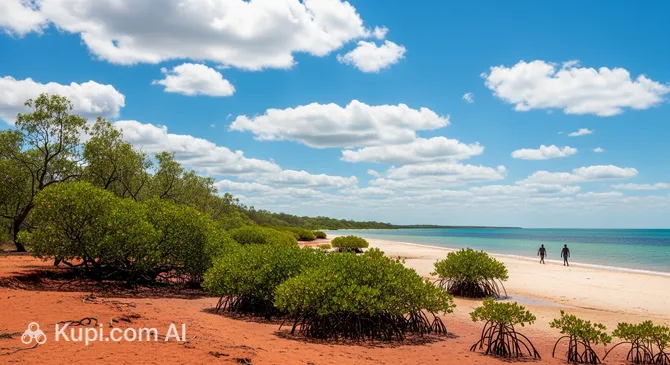
Maningrida. Source: Kupi.Binoculars

The cultural heartbeat of the town is strong, with residents speaking more than 10 different languages. To fully appreciate the depth of local traditions and the community's evolution, delving into the history of Maningrida provides fascinating insights into how ancient customs blend with modern life. This deep respect for heritage is evident in every aspect of daily life here.

Travelers are often drawn to the world-renowned Maningrida Arts & Culture center, which showcases incredible bark paintings, woven sculptures, and timber carvings created by local artists. Additionally, the area is a paradise for anglers, offering some of the best barramundi fishing in the country along the pristine Liverpool and Tomkinson rivers. Whether you are an art enthusiast or an adventurer seeking an authentic experience off the beaten track, Maningrida invites you to witness a truly special side of the Top End.

Weather Overview

Maningrida experiences a tropical climate characterized by consistent warmth and two distinct seasons: the wet and the dry. Throughout the year, average temperatures generally hover between 25°C and 29°C, ensuring a warm atmosphere regardless of when you visit. The transition between these periods dramatically shapes the landscape and the travel experience.

The wet season, spanning from late in the year through April, brings the highest temperatures and frequent precipitation. November and December see average highs reaching over 32°C, while January stands out with rain occurring on roughly 26 days of the month. For a more in-depth breakdown of these seasonal patterns, you can check the weather in Maningrida to help plan your activities.

In contrast, the dry season from May to September offers clear skies and slightly cooler conditions. During months like June and July, the rain virtually disappears with 0 wet days typically recorded, and minimum temperatures can dip to a comfortable 20.5°C. This period is often considered the most comfortable time for outdoor exploration and fishing.

Interesting Facts

Beyond the lush landscapes and river systems, Maningrida holds fascinating details that showcase its unique position in the Northern Territory. From linguistic marvels to ancient legends, the town offers surprises for every visitor that go far beyond the standard travel guide highlights.

  • A Linguistic Phenomenon: Maningrida is frequently cited as one of the most linguistically diverse communities per capita in the world. Despite its small population, residents speak over 12 distinct Indigenous languages, with many locals being multilingual and switching effortlessly between dialects such as Ndjébbana, Kuninyku, and Burarra in daily conversation.

  • Ancient Name Origins: The town's name is an Anglicized version of the phrase Manayingkarírra from the local Ndjébbana language. It beautifully translates to "the place where the Dreaming changed shape," referencing the ancestral Crocodile being who is believed to have transformed the landscape during the creation era.

  • Global Art Capital: While it may seem remote, the town is a heavyweight in the international art world. Bark paintings and sculptures created here have been exhibited in prestigious institutions like the Musée du Quai Branly in Paris and major galleries in New York, making it a hidden powerhouse of contemporary culture.

  • River of Giants: The Liverpool River, which flows past the community, is known for having one of the highest densities of saltwater crocodiles in the world. This makes the local waterways both a breathtaking natural wonder and a place demanding extreme respect and caution.

How to Get There

Reaching this remote community in Arnhem Land is an adventure in itself, often requiring careful planning due to its isolated location and permit requirements. For travelers looking for detailed routes and logistics, you can find more about how to get to Maningrida in our comprehensive guide. The most common and convenient method of transport for visitors is air travel, which offers stunning aerial views of the coastline and wetlands.

The primary gateway is Maningrida Airport (MNG), conveniently located just 0.3 km from the town center. This proximity means that upon landing, you are practically at your destination, with the transfer to accommodation taking only a few minutes by car or even a short walk. It handles approximately 20,000 passengers annually, connecting the community with Darwin and other regional hubs.

For those exploring the wider region, Nhulunbuy Airport (GOV) serves as a larger regional hub. However, it is situated in the city of Gove, approximately 282.8 km away from Maningrida. Travel from Gove would typically require arranging a charter flight or a long overland journey, so it is less commonly used as a direct entry point for Maningrida itself. Similarly, Elcho Island Airport (ELC) is located on Elcho Island, about 145.9 km away, serving the local island communities.

For clarity, here is a summary of the main airports in the vicinity:

Airport Name City Passenger Traffic Km from City
Nhulunbuy Airport Gove Medium 282.8
Maningrida Airport Maningrida Small 0.3
Elcho Island Airport Elcho Island Small 145.9

While flying is the most practical option during the wet season, overland travel is possible during the dry season (typically May to October). The journey involves driving on the Arnhem Highway and unsealed roads, requiring a sturdy 4WD vehicle and significant preparation. Visitors traveling by road must also ensure they have obtained the necessary transit permits from the Northern Land Council before departing.

Main Attractions

While Maningrida is a remote community, it stands as a globally recognized powerhouse of Indigenous art and culture. The town’s attractions offer visitors a rare opportunity to engage directly with ancient traditions that have been preserved and adapted over thousands of years. From world-class galleries to historical collections, the cultural experiences here are profound and authentic.

The crown jewel of the community is Maningrida Arts & Culture, one of Australia’s largest and most prestigious Aboriginal art centers. Representing over 700 artists from the region, it is famous for its diverse range of works, including intricate bark paintings, hollow logs (lorrkkon), and mimih spirit carvings. Visitors can view and purchase ethically sourced artworks directly from the creators, ensuring that the proceeds support the local families and the continuation of their cultural practices. The center is a vibrant hub where the stories of the land are translated into stunning visual forms.

For a deeper understanding of the region's heritage, the Djómi Museum offers a fascinating look into the history and material culture of Arnhem Land. Unlike a commercial gallery, this museum houses a collection of national significance, featuring historical artifacts, ceremonial objects, and photographs that document the community's evolution since its trading post days. It provides an intimate glimpse into the resilience and traditions of the local people. Travelers should note that the museum typically opens by appointment, so arranging a visit through the art center in advance is recommended.

Another unique highlight is the Bábbarra Women’s Centre, a dynamic social enterprise that empowers local women through textile design. The center is renowned for its Bábbarra Designs, where artists create bold, hand-printed fabrics using linocut and screen-printing techniques. These textiles are more than just beautiful fabrics; they depict ancestral stories (djang), local flora, and fauna, sharing the women’s perspective of their country. A visit here offers a chance to see these incredible designs in production and learn about the stories woven into every yard of cloth.

Surrounding the town is the vast Djelk Indigenous Protected Area, a pristine landscape that draws nature lovers and anglers from around the world. Managed by the Bawinanga Rangers, this area encompasses the Liverpool and Tomkinson rivers, which are legendary for their world-class fishing. While access requires permits, those who venture onto the water can expect to encounter diverse wildlife, including saltwater crocodiles and varied bird species, set against a backdrop of rugged coastlines and monsoon forests.

Local Cuisine

The culinary landscape of Maningrida is defined not by five-star restaurants, but by the incredible freshness of its local produce and the enduring traditions of the local Kunibídji people. Located at the mouth of the Liverpool River, the community offers a unique "ocean-to-plate" experience where seafood is the undisputed star. For visitors, the highlight is undoubtedly the local Barramundi, widely considered some of the best in the world. Whether grilled simply on a barbecue or served fresh in a local kitchen, the fish here is prized for its sweet, delicate flavor and firm texture.

Another delicacy that draws food lovers to this remote coast is the Mud Crab. These giant crustaceans thrive in the surrounding mangroves and are a local staple. Served with minimal seasoning to let the natural flavors shine, a feast of fresh mud crab is a quintessential Arnhem Land experience. Visitors might also encounter traditional "bush tucker" foods, such as Long Bums (a type of mangrove shellfish) or seasonal native fruits like the Billygoat Plum (Kakadu Plum), which are harvested from the surrounding bushlands.

Dining options in Maningrida are limited but authentic. Dhukurrdji Lodge offers a comfortable dining setting, primarily catering to guests staying at the accommodation but also welcoming visitors. It provides a relaxed, air-conditioned environment where travelers can enjoy hearty meals and fresh seafood dishes after a day of exploring the art center or fishing on the river.

For a lively social atmosphere, the Maningrida Social Club is the community's main licensed venue. Often referred to simply as "The Club," it serves as a central gathering spot for both locals and tourists. Here, you can order classic pub-style meals, such as steaks and schnitzels, and enjoy a cold beer or glass of wine with dinner. It is the primary location where alcohol is available for purchase and on-premises consumption, adhering to the region's specific alcohol regulations.

For those seeking a quick bite or a morning caffeine fix, the **Wild Foods Café** is a popular choice, offering coffee and takeaway options. Additionally, the local supermarket typically features a section serving hot food, sandwiches, and cold drinks for a casual lunch on the go. Non-alcoholic beverages are widely available across town and are essential for staying hydrated in the tropical heat.

Travel Tips

Visiting Maningrida is a unique adventure into the heart of Arnhem Land, but it requires careful planning due to its remoteness and deep cultural significance. To ensure your stay is safe, respectful, and enjoyable, here are some essential practical tips to keep in mind.

  1. Clothing and Gear: Due to the tropical climate, lightweight and breathable fabrics like cotton or linen are essential. A broad-brimmed hat, sunglasses, and high-SPF sunscreen are non-negotiable for protection against the intense sun. While casual wear is standard, it is important to dress modestly out of respect for community norms.

  2. Transportation: There is no public transport, taxi service, or ride-sharing app available in the town. Most facilities within the central area are walkable, but if you plan to explore the surrounding country or go fishing, a 4WD vehicle is absolutely necessary. Airport transfers are typically arranged in advance with your accommodation.

  3. Finances: The local currency is the Australian Dollar (AUD). Major credit and debit cards are generally accepted at the supermarket, the service station, and the Art Centre. However, it is wise to carry some cash for smaller transactions, as the town's ATM can occasionally be out of service.

  4. Health and Safety: The Maningrida Health Centre provides primary medical care, but serious emergencies may require air evacuation to Darwin. The most critical safety rule here is to be "Crocwise": never swim in rivers, creeks, or beaches unless explicitly told it is safe by a knowledgeable local guide, as saltwater crocodiles are abundant.

  5. Communication: English is widely spoken and understood, although it is often a second or third language for locals who speak traditional dialects like Ndjébbana or Burarra. Be aware that Telstra is currently the only mobile provider with reliable coverage in the area; sim cards from other carriers will likely not work.

  6. Local Etiquette: Always ask for explicit permission before taking photographs of local people, their children, or artists at work. It is polite to wait to be acknowledged before starting a conversation, and patience is highly valued in all interactions.

  7. What to Avoid: Do not bring alcohol into the community without checking the current regulations and obtaining the necessary liquor permit. Maningrida has strict alcohol restrictions, and possessing it without authorization is a serious offense. Also, avoid entering private residential areas or restricted sacred sites without a direct invitation.

  8. Permit Requirements: As Maningrida is located on Aboriginal land, you must obtain a transit or entry permit from the Northern Land Council before you travel. Arriving without this documentation can result in being denied entry, so arrange this well in advance.

By respecting these guidelines and the local customs, you will find the community welcoming and your experience deeply rewarding. Enjoy the incredible art, the world-class fishing, and the timeless landscapes of this special part of the Northern Territory.

Entertainment & Nightlife

Entertainment and nightlife in Maningrida are defined by a relaxed, community-focused atmosphere rather than a bustling party scene. Travelers should not expect neon-lit districts, nightclubs, or extensive bar strips. Instead, the evening experience revolves around connecting with people, sharing stories, and enjoying a quiet drink in a regulated and safe environment. The social life here is concentrated within a few specific venues near the town center, where the vibe is casual, welcoming, and deeply rooted in the local pace of life.

The primary hub for evening activity is the Maningrida Social Club. Known locally as "The Club," this venue is the town's main licensed watering hole and serves as the social anchor for residents, visiting contractors, and tourists alike. It offers a classic pub atmosphere where you can enjoy a cold beer and a counter meal, such as a steak or schnitzel, after a long day in the heat. The crowd is a friendly mix of locals and visitors, and the dress code is casual—shorts and t-shirts are the norm, though footwear is required.

For a slightly quieter evening, Dhukurrdji Lodge provides a comfortable setting for dining. While it functions primarily as accommodation, its dining facilities offer a place to relax in air-conditioned comfort. It is less about "nightlife" in the energetic sense and more about unwinding with a good meal and conversation. Because options are limited, these venues act as the sole gathering points, making it easy to meet others and learn about life in the community.

When planning a night out, practical logistics are essential. There are no taxis, ride-sharing apps, or public transport services operating in Maningrida. Most visitors walk if their accommodation is nearby, but caution is advised. At night, it is important to carry a torch due to limited street lighting and to be aware of local "camp dogs" that may roam the streets. Furthermore, strict safety rules apply regarding the water: never walk near the beach or riverbanks at night due to the presence of saltwater crocodiles, which are active hunters after dark.

Visitors should also be aware of the strict alcohol regulations in place. Alcohol can generally only be consumed on the premises of licensed venues like the Social Club. Bringing alcohol into the community or taking it away from the club without a specific liquor permit is strictly prohibited and legally enforced. Prices for food and drinks are higher than in major cities due to freight costs, so budgeting accordingly is recommended.

While the nights are quiet, the daytime offers a different kind of engagement. Cultural entertainment is the highlight, with the world-famous Maningrida Arts & Culture center providing a space to see artists at work. Visitors can also explore the Djómi Museum to view historical artifacts or arrange fishing charters to experience the legendary sporting opportunities on the Liverpool River. The transition from active days of cultural exploration to peaceful evenings at the club creates a balanced and authentic travel experience.

Parks & Museums

In Maningrida, the concept of "parks" transcends manicured lawns and playgrounds; here, the entire landscape serves as a vast, living natural reserve. The community is enveloped by the rugged beauty of Arnhem Land, where cultural institutions act not just as display spaces, but as vital custodians of living traditions and history. Visitors will find that the green spaces are wild and untamed, while the museums offering an intimate window into the region's deep Indigenous heritage.

Djelk Indigenous Protected Area is the region's most significant natural expanse, effectively functioning as a colossal national park managed by traditional owners and rangers. Spanning over 6,700 square kilometers of land and sea, it protects a stunning array of ecosystems, from monsoon rainforests and savannas to pristine wetlands. While it is not a park for casual strolling due to its remote and wild nature, it offers unparalleled opportunities for those with permits to witness the raw biodiversity of the Top End, including rare birdlife and native mammals in their natural habitat.

The Liverpool River Mouth and its surrounding coastal areas provide a breathtaking natural backdrop that defines the town's geography. Instead of paved walking paths, you will find fringing mangroves and tidal flats that teem with life. This area is a place of immense scenic beauty, particularly at sunset when the light reflects off the water. However, it is a place for observation rather than recreation; visitors must always admire the "park" from a safe distance back from the water's edge, respecting the presence of saltwater crocodiles that inhabit these waterways.

For a deep dive into the local heritage, the Djómi Museum stands as a cultural treasure chest. Distinct from the commercial art centers, this museum focuses on history and anthropology, housing a nationally significant collection of artifacts. Exhibits often include traditional tools, ceremonial objects, and bark paintings that trace the stylistic evolution of the region's art. It also documents the fascinating history of contact with Macassan traders and the establishment of the settlement, offering context that is crucial for understanding the community today.

Maningrida Arts & Culture functions as both a gallery and a workspace, making it the artistic soul of the town. While it is a place to view and purchase world-class art, it operates much like a living museum where culture is constantly being created. Visitors can explore extensive displays of intricate bark paintings, lorrkkon (hollow log coffins), and woven sculptures. The gallery space is designed to highlight the diversity of the many language groups in the region, serving as a testament to the enduring power of Aboriginal storytelling through art.

Bábbarra Women’s Centre offers a different cultural perspective, focusing on textile art and design. This venue is a vibrant hub where local women create bold, hand-printed fabrics that tell ancestral stories. It serves as a gallery of contemporary design, showcasing how traditional motifs are adapted into modern mediums. Seeing the artists at work in the studio provides a tangible connection to the cultural narratives woven into the linen and silk.

Historically, the town layout itself reflects its origins as a trading post and welfare settlement in the mid-20th century. While there are few grand architectural monuments, the Barge Landing area holds historical significance as the longtime primary point of contact and supply for the isolated community. It remains a lifeline for the town and a spot where the reality of remote living is visibly evident.

For a truly authentic experience, look beyond the display cases. Spending time at the art center often allows for informal interactions with the artists, who may share the stories (djang) behind their work. Additionally, simply watching the changing tides from a high, safe vantage point near the town center offers a quiet moment to connect with the ancient rhythm of the land, far removed from the noise of the modern world.
Getting Around

Visitors planning a trip to Maningrida should be aware that the town does not possess a formal public transport network. Due to its remote location and small population size, there are no metros, trams, public buses, or trolleybuses operating within the community. The infrastructure is designed for a self-sufficient lifestyle rather than for mass transit, so you will not find the scheduled services typical of larger cities.

Consequently, there is no complex payment system to navigate. Since there are no public transport vehicles, there are no requirements for travel passes, smart cards, or mobile ticketing apps. You do not need to worry about purchasing tickets, validating fares, or checking zone prices, as getting around is entirely free of charge and based on independent movement.

For most travelers staying within the main settlement, walking is the primary and most practical way to get around. The town center is relatively compact, with key facilities such as the supermarket, the art center, and the main accommodation provider located within a reasonable distance of one another. However, given the tropical climate, it is advisable to plan any walking for the cooler hours of the early morning or late afternoon and to always carry water to stay hydrated.

It is important to note that alternatives such as taxis, ride-sharing apps like Uber, or commercial bike rentals are not available in Maningrida. There is no local taxi rank, and you cannot hail a vehicle on the street. If you are arriving by air, you must arrange an airport transfer with your accommodation provider or a local contact well in advance, as there are no shuttle buses or public transport options waiting at the airstrip.

For those wishing to explore beyond the immediate township—such as visiting the river systems or the surrounding bushland—a private vehicle is essential. High-clearance 4WD vehicles are the standard mode of transport for the region due to the unsealed roads and rugged terrain. Unless you have driven your own vehicle into the region or arranged a guided tour, your mobility will be largely limited to where you can travel on foot.

Accommodation

Finding a place to stay in Maningrida is a straightforward affair, as the options are significantly more limited than in typical tourist destinations. The accommodation landscape is designed primarily to support visiting contractors, government workers, and art collectors, rather than mass tourism. Consequently, travelers should not expect a wide array of budget hostels, luxury resorts, or holiday apartments. Instead, the available lodging offers functional, comfortable, and essential amenities suitable for the remote environment.

The primary provider of accommodation in the community is Dhukurrdji Lodge. This facility serves as the hospitality hub for the town, offering air-conditioned cabins and motel-style rooms that provide a welcome respite from the tropical heat. It is well-equipped for short-term stays, featuring on-site dining facilities and laundry services. Given the isolated nature of the region, the lodge focuses on providing a clean, safe, and convenient base for visitors rather than opulent luxury.

In terms of location, the accommodation is centrally situated, ensuring convenience for all visitors. Being a small community, staying at the lodge places you within easy reach of Maningrida Airport, the local supermarket, and the Arts & Culture center. Most key facilities are only a short walk or a quick drive away, making the logistics of your stay relatively simple once you have arrived.

Booking Tip: Due to the limited number of rooms and the steady stream of visiting professionals, accommodation can fill up very quickly. It is highly recommended to book your stay weeks or even months in advance to avoid disappointment. Unlike in major cities, you likely will not find these properties on global hotel booking aggregators. The most effective method is to contact the lodge directly via phone or email to secure your reservation. Prices generally reflect the high costs of operating in a remote area, so travelers should budget for mid-range to higher rates.

Nearby Cities

Maningrida is situated in a vast and remote part of the Northern Territory, where the concept of a "neighbor" spans hundreds of kilometers. Rather than quick day trips, the surrounding locations are best described as regional communities that share the unique heritage and geography of Arnhem Land. Exploring these areas offers a broader perspective on the diverse cultures and landscapes of the Top End.

The closest major community is Elcho Island, located approximately 160 kilometers to the east. Known as Galiwin'ku to the local Yolŋu people, it is a significant cultural hub renowned for its indigenous art, particularly the sacred Morning Star poles. A visit here provides deep insight into the traditions that connect these remote coastal settlements.

Further east lies Nhulunbuy, the central service town for the Gove Peninsula. Unlike the smaller communities, it balances a history of bauxite mining with access to spectacular coastal scenery. It is a gateway for those wishing to explore the rugged beaches and recreation areas that define the eastern tip of Arnhem Land.

City Population Distance (km)
Darwin 136,828 371
McMinns Lagoon 5,025 347
Nhulunbuy 4,031 278
Gove 3,000 283
Elcho Island 2,200 160

These destinations highlight the spread of communities across the region, each contributing to the unique character of the Northern Territory.

Shopping & Souvenirs

Shopping Overview:

Shopping in Maningrida is a unique experience that prioritizes necessity and culture over luxury retail. As a remote community located far from major urban centers, you will not find high-street fashion brands, sprawling department stores, or souvenir trinket shops. Instead, the local retail scene is compact and functional, catering primarily to the daily needs of residents while offering visitors rare access to some of the world's most exquisite Indigenous art. For travelers, the shopping journey is less about browsing racks of clothes and more about discovering authentic cultural treasures.

Main Shopping Areas:

The commercial activity in Maningrida is concentrated within a small, walkable zone in the town center. The main hub revolves around the complex managed by the Maningrida Progress Association (MPA). This area serves as the lifeline for the community, housing the general store, takeaway food outlets, and essential services in close proximity. Visitors will find that almost all their logistical needs can be met in this central district, which acts as the bustling heart of the town during business hours.

Shopping Malls:

There are no shopping malls or arcades in Maningrida. The closest equivalent to a department store is the MPA Supermarket. This general store is surprisingly comprehensive, functioning as a catch-all retailer for the isolated population. Inside, you can find a wide range of goods, including fresh groceries, basic clothing, hardware, fishing gear, and camping supplies. It is the go-to spot for restocking supplies before heading out on a fishing trip or exploring the surrounding country.

Markets:

Traditional open-air flea markets or weekly farmers' markets are not a feature of the town's shopping scene. However, the local art centers effectively function as high-end cultural markets. Here, the exchange of goods is deeply personal, allowing buyers to purchase items directly from the organizations that support the artists. These spaces offer a vibrant atmosphere where the provenance of every item is known, and the connection between the creator and the buyer is celebrated.

Souvenirs:

When it comes to souvenirs, Maningrida offers items of profound cultural significance rather than mass-produced keepsakes. The town is home to Maningrida Arts & Culture, where you can purchase museum-quality bark paintings, lorrkkon (hollow log coffins), and intricate woven sculptures. Another essential stop is the Bábbarra Women’s Centre, famous for its bold, hand-printed textiles featuring unique linocut designs. Bringing home a piece of fabric or an artwork from here means taking a piece of Arnhem Land’s stories and heritage with you.

Opening Hours and Payment:

Business hours in Maningrida are generally limited compared to larger cities. Most shops and the art centers operate from Monday to Friday, typically between 9:00 AM and 5:00 PM. Weekend trading is often restricted, with the supermarket usually opening only for a few hours on Saturday mornings and remaining closed on Sundays. Major credit and debit cards are widely accepted at the supermarket and art centers, but it is advisable to carry some cash for smaller transactions or in case of system outages.

Tax-Free Shopping:

Australia’s Tourist Refund Scheme (TRS) allows international travelers to claim a refund of the Goods and Services Tax (GST) on goods purchased within 60 days of departure. This is particularly relevant in Maningrida for visitors purchasing significant artworks or textiles. If you spend $300 (AUD) or more at a single business, such as the art center, ensure you ask for a valid tax invoice. You can then present this invoice along with the goods at the TRS facility at your international departure airport to claim your refund.

Reached the end of the page?

That means the route is fully explored