Support

Elcho Island

About

Elcho Island is a captivating destination located off the coast of Arnhem Land in the Northern Territory. Situated at the southern end of the Wessel Islands group, this remote location offers a rare insight into the traditional life of the Yolngu people. As part of Australia, it stands out for its pristine natural beauty and significant cultural heritage, making it a unique stop for travelers seeking authentic experiences.

The island is home to the community of Galiwin'ku, which has a population of approximately 2,200 residents. It is the largest Aboriginal community in northeast Arnhem Land. The local atmosphere is defined by a deep spiritual connection to the land and sea, and learning about the history of Elcho Island is essential for understanding the traditions that shape daily life here. The climate is tropical, with warm temperatures year-round and distinct wet and dry seasons that influence the rhythm of the island.

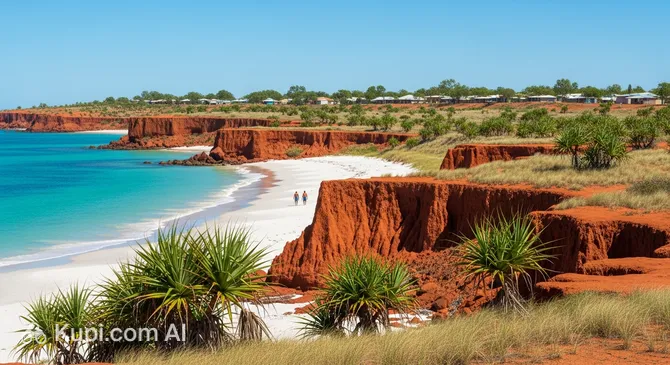
Elcho Island. Source: Kupi.Binoculars

One of the main draws for visitors is the renowned Elcho Island Arts centre. This hub of creativity showcases the incredible talent of local artists, famous for their unique Morning Star poles, intricate bark paintings, and fiber art. Beyond the art, the island boasts rugged coastlines and rich fishing grounds, offering a peaceful escape from the hustle and bustle of city life.

For those looking to explore a truly distinct part of the world, Elcho Island provides a memorable journey. Whether you are an art collector or an adventurer looking to witness the enduring culture of the Top End, this island offers a warm welcome and a profound sense of place.

Weather Overview

Elcho Island experiences a tropical climate characterized by consistent warmth throughout the year and distinct seasonal shifts in rainfall. When planning your trip, it is helpful to check the weather in Elcho Island to choose the best time for your visit, whether you prefer the lush, green wet season or the sunny, dry months.

The wet season typically runs from December through March, bringing the highest temperatures and frequent precipitation. During this period, humidity rises, and rain is common; for instance, January sees precipitation on approximately 27 days with an average temperature of 28.2°C. December is often the warmest month, with average highs reaching 30.5°C.

Conversely, the dry season, spanning roughly from June to September, offers slightly cooler temperatures and clear skies. Rainfall is virtually non-existent during these months, with August recording 0 wet days. July is generally the coolest month, with average temperatures dipping to a comfortable 24.9°C. Expect warm, humid summers with frequent rain and pleasant, dry winters perfect for outdoor activities.

Interesting Facts

Beyond the main attractions, Elcho Island holds many fascinating secrets that highlight its profound influence on the culture of Australia. This remote community has been the birthplace of significant movements and talents that have resonated far beyond its shores.

  • The island was the site of a pivotal historical event known as the "Adjustment Movement" in 1957. In a powerful gesture of unity, local Elders publicly displayed sacred ceremonial objects—traditionally kept secret—in a special memorial to share their heritage and bridge the gap between Aboriginal and non-Aboriginal societies.

  • Elcho Island is the home of the internationally acclaimed dance troupe Djuki Mala. Originally known as the Chooky Dancers, they achieved viral internet fame and global success by uniquely fusing traditional Yolngu culture with contemporary dance and comedy, introducing a new generation to Indigenous storytelling.

  • The community of Galiwin'ku on the island was the birthplace of the legendary musician Geoffrey Gurrumul Yunupingu. Born blind, he became one of the country's most important voices, singing in local dialects and selling over half a million albums worldwide, effectively putting this remote island on the global musical map.

How to Get There

Reaching this remote part of Arnhem Land requires some planning, as its isolated location is part of its charm. Most visitors arrive by air, which provides a scenic introduction to the coastline and the Arafura Sea. To explore all available options and plan your journey, you can read more about how to get to Elcho Island on our detailed page.

The most convenient entry point is Elcho Island Airport (ELC), situated directly on the island. This small facility handles approximately 15,000 passengers annually and connects the community to the mainland. The airport is located about 14.3 km from the main settlement area.

Another significant hub in the region is Nhulunbuy Airport (GOV), located in the city of Gove. Although it is not on the island itself, this airport serves as a major regional gateway, with an annual passenger traffic of around 58,000. It is situated approximately 126.7 km from Elcho Island. Travelers often fly into Gove from larger Australian cities and then catch a connecting flight to reach the island.

For clarity, here is a summary of the main airports in the region:

Airport Name City Passenger Traffic Km from City
Nhulunbuy AirportGove58,098126.7
Alyangula AirportGroote Eylandt35,000236.1
Maningrida AirportManingrida20,000159.4
Elcho Island AirportElcho Island15,00014.3

Due to the island's location in the Arafura Sea, there is no railway infrastructure connecting Elcho Island to the mainland. The city does not have a railway station, and trains are not a viable mode of transport for reaching this destination. Visitors rely almost exclusively on air travel and occasional barge services for supplies.

Main Attractions

For travelers venturing to this remote corner of the Northern Territory, the attractions are less about commercial tourism and more about deep cultural engagement. The island offers a rare opportunity to witness the living traditions of the Yolngu people amidst a backdrop of stunning, untouched wilderness. Visitors should keep in mind that access to some areas may require permits from the Northern Land Council, ensuring that the privacy and traditions of the local community are respected.

Elcho Island Arts stands as the cultural centerpiece of the community and is a must-visit for anyone on the island. This art centre is internationally renowned for producing exquisite Indigenous works, particularly the sacred Banumbirr (Morning Star poles), intricate bark paintings, and soft fibre weavings. A visit here is not just about viewing art; it is an immersive experience where you can often see artists at work, sharing stories that have been passed down through generations. It is the perfect place to appreciate the region's artistic heritage and perhaps acquire a unique piece of Australian history.

A site of profound historical significance is the Adjustment Movement Memorial. Located within the Galiwin'ku community, this monument commemorates a pivotal event in 1957 when local leaders displayed sacred ceremonial totems in a public area, revealing them to women and non-Indigenous people for the first time. This act was a powerful gesture of openness and unity, intended to bridge the gap between cultures. Viewing the memorial offers a somber and educational insight into the social history and resilience of the Yolngu people.

Beyond the cultural sites, the Natural Landscapes of Elcho Island offer breathtaking scenery that remains largely unexplored by the masses. The coastline is defined by rugged red cliffs that contrast vividly with the turquoise waters of the Arafura Sea and pristine white sandy beaches. For nature enthusiasts and anglers, the surrounding waters are known for exceptional fishing opportunities. While the beaches are beautiful for walking and photography, visitors are always advised to be cautious and "croc-wise" in this tropical environment.

Local Cuisine

The culinary experience on Elcho Island is deeply rooted in the traditions of the Yolngu people and the bountiful resources of the surrounding Arafura Sea. Unlike typical tourist destinations filled with restaurants and cafes, the food culture here revolves around the land and the ocean. For visitors, this offers a unique opportunity to understand the significance of "bush tucker" and the subsistence lifestyle that has sustained the local community for thousands of years.

Given the island's remote location, fresh seafood is the undisputed highlight of the local diet. The waters teem with high-quality fish such as Barramundi, Threadfin Salmon, and Spanish Mackerel. Mud crabs and oysters gathered from the mangroves and rocky shores are also prized delicacies. While you won't find these served in fine dining establishments, they are staples of the local way of life. If you are fortunate enough to be invited to a community gathering or join a cultural tour, you might taste seafood cooked traditionally over an open fire, often simply seasoned to let the natural freshness shine through.

In terms of dining out, options in the main community of Galiwin'ku are limited but practical. There are no fancy restaurants; instead, the local general store and takeaway shops serve as the community hubs. Here, you can find standard Australian takeaway fare, such as burgers, fish and chips, and meat pies. These spots offer a chance to mingle with locals and observe the relaxed, community-focused rhythm of daily life on the island.

When it comes to beverages, it is important for travelers to be aware of local regulations. Elcho Island is a dry community, meaning the possession and consumption of alcohol are strictly prohibited. This restriction is part of the community's efforts to maintain health and social well-being. Consequently, there are no bars or pubs. Instead, visitors should focus on staying hydrated with water, which is essential in the tropical heat, or enjoying soft drinks and juices available at the local store.

Travel Tips

Visiting Elcho Island is a privilege that offers a rare glimpse into traditional Yolngu culture, but traveling to such a remote community requires careful preparation and respect for local protocols. To ensure your journey to Galiwin'ku is smooth and culturally sensitive, here are some practical tips to help you plan your stay.

  1. Clothing and Gear: Due to the tropical climate, lightweight and breathable fabrics like cotton or linen are essential. Pack loose-fitting clothes that cover your shoulders and knees to show respect for local cultural norms, especially when moving around the community. A wide-brimmed hat, high-quality sunglasses, and strong sunscreen are mandatory to protect against the intense sun.
  2. Transportation: There is no public transport system, such as buses or taxis, on the island. The community of Galiwin'ku is compact enough to navigate on foot, which is the most common way to get around the settlement. If you plan to explore areas further afield, you will likely need to arrange transport through a tour operator or a local contact, as standard car rental agencies are not available.
  3. Finances: The local currency is the Australian Dollar (AUD). While the main general store usually accepts card payments, systems can sometimes go offline due to remote connectivity issues. It is highly recommended to bring sufficient cash with you. There is typically only one ATM in the community, and relying on it can be risky if it is out of service.
  4. Health and Safety: Medical assistance is available at the local health clinic, but resources are limited compared to major cities. Be sure to pack a basic first-aid kit and any personal prescription medications you need. Safety-wise, be extremely "croc-wise"; saltwater crocodiles inhabit the surrounding waters, so swimming is generally unsafe unless in designated, cleared areas.
  5. Communication: English is widely spoken, though for many residents, it is a second or third language after Yolngu Matha. Mobile coverage is generally limited to the Telstra network; if you are with another provider, your phone likely will not work. Wi-Fi availability is scarce, so plan to be offline or use mobile data if you have a Telstra SIM card.
  6. Local Etiquette: Respect is the cornerstone of interacting with the Yolngu people. Always ask for clear permission before taking photographs of people or their artwork. It is polite to wait to be introduced rather than forcing conversation, and patience is a virtue here—island time is real, and rushing is often seen as impolite.
  7. What to Avoid: Strictly avoid bringing alcohol onto the island. Elcho Island is a dry community, and the possession, consumption, or transport of alcohol is prohibited by law. Violating this rule is a serious offense and is deeply disrespectful to the community's efforts to maintain social well-being.
  8. Permit Requirements: As Elcho Island is Aboriginal land, you must obtain a permit from the Northern Land Council before you arrive. This is not optional; it is a legal requirement for entering the land. Ensure your paperwork is sorted well in advance of your trip to avoid being turned away.

By packing the right gear and approaching your visit with an open heart and a respectful mindset, you will find the community of Galiwin'ku to be a welcoming and enriching place. These small preparations will allow you to focus entirely on the stunning landscapes and the profound cultural experiences that make Elcho Island so special.

Entertainment & Nightlife

Travelers planning a trip to Elcho Island should adjust their expectations regarding nightlife. Unlike the bustling cities of the mainland or popular tourist resorts, Galiwin'ku is a remote Aboriginal community where the concept of "nightlife" is vastly different. There are no nightclubs, bars, pubs, or cocktail lounges on the island. As previously mentioned, this is a dry community where alcohol is strictly prohibited. Consequently, the evening atmosphere is defined by tranquility, community connection, and the natural environment rather than parties or loud music.

Instead of hitting a dance floor, evening entertainment here revolves around community activities and nature. The social heart of the town after hours—before everything winds down for the night—is often the local sporting oval or the Recreation Centre. Australian Rules Football (AFL) is a massive part of the local culture, and you may find residents gathering to watch a match or training session under the lights. Occasionally, community events, movie nights, or traditional dance performances (bunggul) may take place, but these are specific cultural occasions rather than regular commercial entertainment.

For visitors, the best way to spend an evening is to embrace the slow pace and the incredible natural setting. The lack of light pollution makes Elcho Island a spectacular location for stargazing. On a clear night, the Milky Way is vividly visible, offering a breathtaking display that is rare in more developed areas. Fishing is another popular pastime that extends into the evening, though you must be accompanied by locals who know the safe spots away from crocodiles.

Practical advice for the evenings is simple: the town goes to sleep early. The local shops close by late afternoon or early evening, so you should ensure you have all necessary supplies, such as food and water, well before sunset. There are no late-night eateries or 24-hour convenience stores. If you are staying in guest accommodation, evenings are typically spent relaxing, reading, or chatting with fellow travelers and hosts.

Safety and navigation at night require attention. There are no taxis or public transport services. If you need to go somewhere, walking is the only option unless you have arranged a vehicle. However, walking at night is generally discouraged for visitors unfamiliar with the layout. Street lighting can be sparse, and "camp dogs" (local community dogs) can be active and territorial after dark. It is best to stay within the grounds of your accommodation once the sun goes down.

While the nights are quiet, daytime entertainment offers rich cultural engagement. Visitors can spend their days at the Elcho Island Arts centre, exploring the incredible craftsmanship of the Yolngu people, or simply taking in the raw beauty of the coastline. The island's charm lies in its peacefulness and culture, making the lack of commercial nightlife a refreshing change for those seeking a genuine disconnect from the modern world.

Parks & Museums

Elcho Island offers a unique alternative to the manicured gardens and vast museum complexes found in major cities; here, the entire landscape serves as a natural sanctuary, and the culture is lived rather than just exhibited. The community's connection to the land and sea is palpable, with pristine wilderness acting as the local parklands and community centres serving as the custodians of profound artistic heritage.

The Coastal Landscape acts as the island's primary natural attraction, effectively replacing traditional city parks. The shoreline near Galiwin'ku is defined by striking contrasts: rugged red earth cliffs drop dramatically onto stretches of white sand, bordered by the turquoise waters of the Arafura Sea. While there are no landscaped botanical gardens, the surrounding bushland is rich with native flora, including pandanus palms used for weaving and various eucalypts. Visitors can enjoy walks along the beach to appreciate the serenity, though it is vital to remember that these waters are home to saltwater crocodiles, making swimming unsafe in most areas.

Mission Beach is another significant natural area that holds both scenic and historical value. Located near the main settlement, this stretch of coast was the landing point for early missionaries and remains a central part of the community's geography. It is a place for quiet reflection and observing the daily rhythms of island life, from local fishing activities to the shifting tides. The area offers unobstructed views of the ocean and is an excellent spot for photography, particularly during sunrise or sunset when the light hits the red rocks.

In terms of cultural institutions, Elcho Island Arts is the undisputed cultural hub of the community. Far more than just a gallery, this art centre is a working studio where the region's diverse artistic traditions are preserved and evolved. It is famous globally for its Banumbirr (Morning Star poles), which are unique to this region, as well as intricate bark paintings and pandanus weavings. For tourists, this is the best place to engage with local culture, as you can often meet the artists, watch them create, and learn the stories behind the artworks, which often depict creation myths and ancestral laws.

While there are no traditional history museums, the Galiwin'ku Uniting Church and the adjacent Adjustment Movement Memorial serve as significant historical landmarks. The church has been a focal point of community life since the mission days, representing the intersection of Yolngu spirituality and Christianity. The nearby memorial, featuring traditional totems, stands as a testament to the 1957 Adjustment Movement, a pivotal moment in Indigenous history where local leaders shared sacred objects to foster understanding. These sites offer a powerful, open-air lesson in the island's complex social history.

For an authentic experience, take the time to sit and chat with the artists at the art centre rather than just browsing the shop. Many of the creators are elders with a wealth of knowledge, and they are often willing to explain the complex kinship systems and moiety (social grouping) designs present in their work. This personal interaction provides a deeper understanding of Yolngu culture than any plaque or guidebook could offer.

Getting Around

Travelers arriving on Elcho Island will immediately notice that the public transport infrastructure common in larger cities is entirely absent here. There is no metro, tram, trolleybus, or public bus network serving the community of Galiwin'ku or the surrounding areas. The island operates on a small-scale, remote community model where mass transit systems are neither available nor necessary for the local population.

For the vast majority of visitors, the primary mode of getting around the main settlement is walking. The community is relatively compact, and key facilities such as the general store, the arts centre, and the council office are generally within walking distance of each other. However, given the tropical heat, walking can be strenuous during the middle of the day, so it is advisable to plan movements for the cooler morning or late afternoon hours.

Since there are no official taxi companies, ride-sharing apps, or car rental agencies on the island, transport for longer distances—specifically from the airport to the town—must be arranged in advance. The airport is located approximately 14 kilometers from the main community, a distance too great to walk with luggage. Visitors typically rely on their accommodation providers, the art centre, or the host organization they are visiting to organize a pick-up. These transfers are usually conducted in private vehicles or community troop carriers.

Regarding payment, because there is no ticketing system or public transport authority, there are no travel passes, transport cards, or mobile apps to worry about. If you do manage to arrange an informal lift or a private transfer that requires payment, it will almost certainly be a cash-only transaction. Visitors should ensure they carry sufficient Australian currency, as electronic payment facilities can be unreliable or unavailable in vehicles.

The most practical advice for navigating the island is to confirm all your transport needs before you arrive. Do not land at the airport expecting to hail a cab or catch a shuttle bus, as you may find yourself stranded. Confirm your arrival time with your host to ensure a driver is waiting for you. Additionally, when walking around the community, be mindful of local dogs and always stick to the main roads and paths to respect the privacy of the local residents.

Accommodation

Finding accommodation on Elcho Island requires a shift in expectations compared to typical holiday destinations. As a remote Aboriginal community, Galiwin'ku does not have a tourism industry centred around hotels or resorts. Instead, accommodation options are extremely limited and are primarily designed to house visiting contractors, government workers, and health professionals. Travelers should expect functional, no-frills lodging rather than luxury suites or extensive amenities.

The available accommodation is almost exclusively located within the main community of Galiwin'ku. Staying here keeps you close to essential services like the general store, the arts centre, and the airport. There are no "tourist zones" or beachside resort strips; visitors stay in the heart of the community, which offers a unique opportunity to observe daily local life but offers little in the way of privacy or seclusion found in mainstream travel hubs.

Most lodging options fall into the category of "donga" style rooms (transportable buildings) or simple motel units. These facilities are generally clean and comfortable but basic. They typically provide air conditioning—essential in the tropical heat—a bed, and sometimes a small fridge and tea-making facilities. Bathrooms may be private or shared depending on the specific facility. The focus is on providing a safe and cool place to sleep for people working in the region.

Booking Tips:

Securing a room can be one of the most challenging aspects of planning a trip here. Because the limited number of rooms is often booked out by visiting tradespeople and officials, occupancy rates are consistently high. It is absolutely critical to book well in advance. Do not arrive on the island without a confirmed reservation, as you will likely find yourself without a place to stay.

Prices and How to Book:

Despite the basic nature of the accommodation, prices can be surprisingly high, often comparable to mid-range or even premium hotels in major cities. This reflects the high cost of operating and maintaining facilities in such a remote location. You generally cannot book these rooms through major online travel aggregators. Instead, booking requires contacting the providers directly via phone or email. Payment is often required upfront or upon arrival, and it is wise to confirm the accepted payment methods when you make your reservation.

Nearby Cities

For those looking to explore the surroundings, Elcho Island serves as an excellent base for day trips to several interesting nearby locations. While the remoteness of Arnhem Land means that "day trips" often involve short scenic flights rather than drives, the region offers unique destinations that provide further insight into the culture and geography of the Top End.

The most prominent nearby hub is Nhulunbuy, located on the Gove Peninsula. As the central service town for the region, it offers a stark contrast to the quiet community life of Elcho Island. Visitors here can access a wider range of amenities, including supermarkets, cafes, and a swimming pool. The town is also the gateway to stunning coastal landscapes, such as the white sands of Macassan Beach and the rugged red cliffs of the coastline. It serves as an excellent spot to learn about the area's bauxite mining history while enjoying modern comforts.

Another fascinating destination is Maningrida, situated to the west at the mouth of the Liverpool River. This community is internationally renowned for its artistic output and linguistic diversity. The Maningrida Arts & Culture centre is a major draw, offering visitors the chance to see and purchase incredible bark paintings, sculptures, and weavings directly from the source. For those interested in fishing, the estuaries around Maningrida are legendary for their barramundi, making it a favorite spot for anglers seeking a trophy catch.

Further afield lies Groote Eylandt, the largest island in the Gulf of Carpentaria. Known for its rich manganese deposits and pristine marine environment, it is a haven for world-class sport fishing. The island offers a blend of industrial history and untouched wilderness, with crystal-clear waters that are home to an abundance of marine life, including sailfish and marlin.

City Population Distance (km)
McMinns Lagoon 5025 506
Nhulunbuy 4031 121
Gove 3000 128
Maningrida 2300 160
Groote Eylandt 2000 241

These nearby destinations offer a glimpse into the diverse culture and landscapes of the region, ranging from bustling mining towns to quiet artistic communities.

Shopping & Souvenirs

Shopping on Elcho Island is a unique experience that differs significantly from the retail therapy found in major cities or tourist hubs. As a remote Aboriginal community, Galiwin'ku focuses on essential services and community needs rather than commercial tourism. Visitors should not expect fashion boutiques, department stores, or extensive retail strips. Instead, the shopping scene is practical, centered around basic supplies, and deeply enriched by the opportunity to purchase authentic, world-class Indigenous art directly from the source.

There are no designated shopping districts or bustling high streets on the island. The retail activity is concentrated within the central area of the Galiwin'ku community. Here, you will find the main general store, which serves as the lifeline for the island's residents. This area is the hub of daily life where locals gather to purchase groceries, household goods, and clothing. For a tourist, a visit here is less about browsing for luxury items and more about observing the community's rhythm and perhaps picking up snacks or personal necessities.

Travelers looking for large shopping complexes will not find them here. Elcho Island does not have any shopping malls, arcades, or chain department stores. The retail infrastructure is small-scale and functional, designed solely to sustain the local population. The absence of commercial malls preserves the island's quiet, non-commercial atmosphere, allowing visitors to disconnect from consumer culture and focus on the natural and cultural surroundings.

While there are no formal flea markets or souvenir bazaars, the island offers something far more valuable for collectors and culture enthusiasts. The closest equivalent to a market experience is visiting the local art centre. Occasionally, community events may feature stalls selling local food or small handicrafts, but these are irregular. The focus here is on quality and authenticity rather than the mass-produced trinkets often found in typical tourist markets.

The undisputed highlight of shopping on Elcho Island is the opportunity to buy authentic Indigenous art. A visit to the art centre is essential for anyone wanting to take home a piece of the region's soul. The island is famous for its unique Banumbirr (Morning Star poles), intricate bark paintings, and soft fibre weavings made from pandanus and kurrajong. Purchasing art here not only provides you with a beautiful, high-quality souvenir but also supports the local artists and their families, ensuring the continuation of these ancient cultural practices.

Store opening hours in Galiwin'ku are generally limited compared to mainland cities. The main general store and the art centre typically operate from 9:00 AM to 5:00 PM on weekdays. Weekend hours are often reduced, with shops closing by midday on Saturdays and usually remaining closed on Sundays. Payment methods include cash and EFTPOS (debit and credit cards). However, due to the island's remote location, telecommunications can occasionally be unreliable, causing card machines to go offline. It is highly recommended to carry sufficient cash as a backup to ensure you can complete your purchases.

Regarding tax-free shopping, the standard Tourist Refund Scheme (TRS) available in Australia applies to goods purchased on Elcho Island, provided they meet the criteria (such as a minimum spend of AUD 300 in a single business). If you purchase significant artwork, you can request a tax invoice to present at the customs office when departing the country. Additionally, the art centre may offer shipping services for larger pieces, which can sometimes affect how Goods and Services Tax (GST) is handled for international exports.
Reached the end of the page?

That means the route is fully explored