Support

Groote Eylandt

About

Discover the rugged beauty and rich cultural tapestry of Groote Eylandt, the largest island in the Gulf of Carpentaria. This remote destination in the Northern Territory offers a truly unique escape for travelers seeking an authentic experience off the beaten path. Known for its pristine environment and deep spiritual connection to the land, the island is a place where ancient traditions and stunning landscapes converge.

Geographically isolated yet full of life, the island is home to a small, close-knit population of approximately 2,000 residents. It is part of Australia and boasts a tropical climate with distinct wet and dry seasons, shaping the lush vegetation and vibrant ecosystems found here. The isolation has helped preserve its natural splendor, making it a haven for nature lovers and adventure seekers alike.

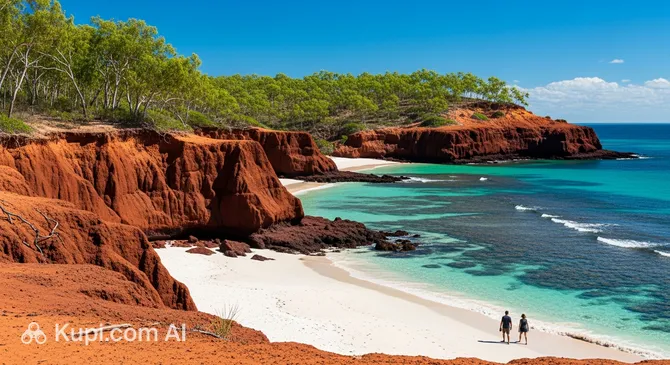
Groote Eylandt. Source: Kupi.Binoculars

The island is the homeland of the Anindilyakwa people, who have inhabited this region for thousands of years. Visitors can delve into the fascinating history of Groote Eylandt by exploring its remarkable rock art sites and learning about the enduring customs of the local community. This deep cultural heritage adds a profound layer of meaning to every visit.

Tourists are often drawn here for the world-class fishing opportunities, as the surrounding waters are teeming with diverse marine life, including marlin and sailfish. Beyond the catch, the island features breathtaking beaches and rugged bushland perfect for eco-tours. Whether you are an angler looking for a trophy catch or a cultural enthusiast eager to learn, Groote Eylandt promises an unforgettable journey into the heart of the Gulf.

Weather Overview

Understanding the local climate is essential for planning outdoor activities and fishing trips in this region. The island generally experiences a tropical climate with consistent warmth, though the year is divided into distinct wet and dry phases. To help you choose the best time for your visit, you can consult the detailed guide to the weather in Groote Eylandt.

The early months of the year, particularly from January to March, are characterized by higher humidity and frequent precipitation. During this time, average temperatures stay around 29°C, and you can encounter rain on up to 21 days in January. As the year progresses, the weather dries out significantly. From June to September, rainfall is extremely rare, often with zero wet days recorded, and temperatures dip to a more comfortable average of 23.7°C in July.

Expect warm, humid conditions with frequent wet days at the start and end of the year, while the mid-year months offer pleasant, dry days with slightly cooler temperatures. By December, the heat builds up again, reaching an average of 29.8°C as the wet season approaches.

Interesting Facts

Beyond its rugged coastlines and pristine waters, Groote Eylandt holds fascinating secrets that bridge ancient history, unique ecology, and global industry. This remote island is far more than just a tropical getaway; it is a place of significant scientific and cultural wonder.

  • A Global Manganese Powerhouse: Despite its isolation, the island plays a critical role in the world economy. It is home to one of the largest and highest-grade manganese mines on the planet, producing a significant percentage of the global supply used to strengthen steel.

  • A Linguistic Marvel: The local Anindilyakwa language is renowned among linguists for its incredible complexity. It is known for having words that can be up to 14 syllables long and a grammar system so intricate that it was once thought to be unrelated to any other Australian Aboriginal language.

  • An Ecological Ark: Unlike much of the Australian mainland, Groote Eylandt has remained free from the invasive cane toad. This unique status has made the island a vital sanctuary for endangered native species, such as the Northern Quoll, which thrive here in safety.

  • Ancient International Trade: Long before European explorers arrived, the island was a bustling hub for Macassan traders from Sulawesi (modern-day Indonesia). For centuries, they visited the island's shores to harvest trepang (sea cucumber), leaving a lasting legacy on the local culture and language.

  • A Dutch Name: The island's name literally translates to "Big Island" in archaic Dutch. It was named by the famous explorer Abel Tasman in 1644, who is also the namesake for the state of Tasmania.

How to Get There

Reaching this remote destination in the Gulf of Carpentaria is an adventure in itself, with air travel being the most practical and common method for visitors. Due to its island location, there are no road bridges connecting it to the mainland, making flights the lifeline for tourism and local transport. For a complete overview of travel options, you can read more about how to get to Groote Eylandt.

The primary gateway is Alyangula Airport (GTE), located directly on Groote Eylandt. It is situated approximately 14.4 km from the island's center. Upon arrival, the journey to the main town by taxi or shuttle bus typically takes around 15 to 20 minutes. This regional airport handles a steady stream of travelers, connecting the island with major cities like Darwin.

Another key transport hub in the wider region is Nhulunbuy Airport (GOV). However, it is important to note that this airport is located in the city of Gove, about 189 km away from Groote Eylandt. Since it is separated by sea, you cannot take a taxi or bus directly from Gove to Groote Eylandt; it generally serves as an alternative transit point for exploring the Arnhem Land area before connecting to the island.

For clarity, here is a summary of the main airports in the vicinity:

Airport Name City Passenger Traffic Km from City
Nhulunbuy Airport Gove Medium 189.5
Alyangula Airport Groote Eylandt Medium 14.4
Elcho Island Airport Elcho Island Small 242.6

As Groote Eylandt is an island separated from the Australian mainland by the waters of the Gulf, there are no railway lines or train stations serving the area. Access is exclusively by air or sea, and visitors planning their trip should focus on flight connections rather than rail transport.

Main Attractions

Anindilyakwa Arts is the cultural soul of the island and a must-visit for anyone interested in Indigenous heritage. Located in Alyangula, this centre supports local artists who create stunning works using traditional techniques passed down through generations. Visitors can admire and purchase unique items such as vibrant bush-dyed textiles, intricate woven baskets, and carvings. It serves as a vital space for preserving the Anindilyakwa culture, allowing tourists to connect with the stories and artistic traditions of the archipelago's original custodians.

For those seeking adventure on the water, Groote Eylandt Sports Fishing offers an experience that is renowned globally. The island's isolated location ensures that its marine ecosystems remain pristine and teeming with life. Anglers flock here for the chance to catch the elusive Barramundi in the estuaries or head out into the deeper azure waters for Sailfish and Black Marlin. The diversity of fishing grounds—from reef to blue water—makes it a premier destination for sport fishing enthusiasts of all levels.

The island's rugged landscape hides a treasure trove of history in its Ancient Rock Art Sites. These sandstone galleries feature well-preserved paintings that date back thousands of years, depicting native animals, spirits, and historical events. Uniquely, some art records the visits of Macassan traders from Indonesia, showcasing detailed images of their sailing vessels (praus). Exploring these sites, often accessible via guided tours, provides a profound insight into the long-standing international connections and rich spiritual life of the Anindilyakwa people.

Alyangula Golf Club provides a surprising and delightful recreational option in this remote corner of the world. This 9-hole course is set against a backdrop of tropical greenery and offers a relaxed, friendly atmosphere. More than just a place to play sport, the club is a social gathering point where visitors can mingle with locals, enjoy a meal at the bistro, and unwind. It is a rare opportunity to tee off in such a unique island environment.

Since swimming in the ocean is restricted due to crocodiles, the island's inland Natural Swimming Holes are a favorite escape for cooling off. Spots like the "Naked Pools" offer crystal-clear freshwater surrounded by striking rock formations and native bushland. These secluded oases are perfect for a refreshing dip and a picnic, offering a peaceful retreat into nature that contrasts with the rugged coastline.

Local Cuisine

Local Cuisine:

The culinary experience on Groote Eylandt is deeply influenced by its remote location in the Gulf of Carpentaria and the rich traditions of the Anindilyakwa people. While you will not find a bustling street food scene or high-end dining precincts, the island offers a unique opportunity to taste the freshest bounty from the sea and learn about native ingredients in a pristine environment.

Seafood is the undisputed highlight of the local diet. The surrounding waters are teeming with prize catches, making Barramundi, Spanish mackerel, and mud crabs popular staples. For many visitors, particularly fishing enthusiasts, the ultimate meal is the one they have caught themselves, often cooked fresh on a barbecue under the stars. The local resorts and lodges also feature these local delicacies prominently on their menus, ensuring a true taste of the region.

For a cultural culinary journey, visitors can explore the concept of "bush tucker"—traditional food gathered from the land and sea. On guided cultural tours, you may learn how the local Indigenous people have harvested seasonal fruits, roots, and shellfish for thousands of years. This connection to the land adds a meaningful layer to the food culture here, showcasing a sustainable way of life that has existed for generations.

Dining out options are concentrated in the main township of Alyangula. Venues like the local golf club serve as social hubs where residents and travelers mingle over hearty meals. Due to the island's isolation, most other ingredients are transported by barge from the mainland of Australia, so fresh produce is cherished. Travelers staying in self-contained accommodation are advised to plan their supplies, although local supermarkets provide essentials for a comfortable stay.

Travel Tips

Visiting Groote Eylandt is a true adventure into the remote wilderness of the Northern Territory, requiring a bit of extra preparation compared to a standard holiday. To help you navigate the unique environment and cultural protocols of this pristine island, here are some essential practical tips for your journey.

  1. Clothing and Gear: Due to the tropical climate, pack lightweight, breathable clothing like cotton or linen to handle the heat and humidity. A broad-brimmed hat, high-quality sunglasses, and strong sunscreen are non-negotiable protections against the intense sun. Be sure to bring effective insect repellent, as sandflies and mosquitoes can be active, especially near mangroves. If you plan to explore the bush, sturdy hiking boots are recommended.

  2. Transportation: There is no public transport system, such as buses or trains, on the island. The only practical way to get around is to hire a vehicle, and a 4WD is highly recommended (and often necessary) to access popular fishing spots and recreation areas via unsealed roads. It is advisable to book your rental car well in advance, as availability can be limited.

  3. Finances: The local currency is the Australian Dollar (AUD). While credit and debit cards are widely accepted in the main township of Alyangula (including the supermarket and club), it is wise to carry some cash for smaller purchases or when visiting art centers. Be aware that prices for goods and fuel are generally higher than on the mainland due to freight costs.

  4. Health and Safety: The most critical safety rule here is to be "Crocwise." Saltwater crocodiles inhabit the surrounding waters, so you should never swim in the ocean or creeks unless it is a clearly designated safe zone. For medical needs, there is a health clinic in Alyangula that provides general assistance, but serious emergencies may require evacuation to Darwin.

  5. Communication: English is widely spoken, though you will hear the local Anindilyakwa language among the Indigenous population. Mobile coverage is primarily provided by Telstra; other carriers may have little to no signal. Wi-Fi is generally available in accommodation providers in Alyangula, but expect limited connectivity in remote areas.

  6. Local Etiquette: Groote Eylandt is Aboriginal land, and respect for the Anindilyakwa people and their culture is paramount. Always ask for permission before taking photographs of local people or their artwork. It is also polite to dress modestly when visiting communities outside of the main mining township.

  7. What to Avoid: Do not ignore the strict alcohol restrictions. The island has a permit system for purchasing takeaway alcohol, and many areas are completely "dry" (alcohol-free). Bringing alcohol onto the island without the proper permits or consuming it in restricted public areas is a serious offence and can lead to significant fines.

  8. Recreation Permits: To explore beyond the township of Alyangula—such as visiting beaches, fishing spots, or rock art sites—you are required to hold a Recreation Permit issued by the Anindilyakwa Land Council. Ensure you arrange this before heading out, as it grants you legal access to these beautiful, culturally significant areas.

By keeping these practical tips in mind, you can ensure a safe and respectful visit to this spectacular corner of Australia. Embracing the local customs and preparing for the remote conditions will allow you to fully appreciate the untouched beauty and rich heritage of Groote Eylandt.

Entertainment & Nightlife

Travelers visiting Groote Eylandt should adjust their expectations regarding nightlife. This remote island is not a destination for pulsing nightclubs, neon-lit strips, or late-night parties. Instead, the evening entertainment here is subdued, community-focused, and centered around socializing in a relaxed environment. Due to strict alcohol management plans and the island's respectful culture, the atmosphere is quiet and family-friendly, offering a chance to unwind after a day of adventure rather than dance until dawn.

The hub of social activity in the evenings is undoubtedly the township of Alyangula. Here, you will find the Alyangula Golf Club, which serves as the primary meeting place for locals and visitors alike. It functions as a classic Australian social club, offering a bistro for meals, a bar for a cold drink, and a welcoming space to chat with residents. Another key venue is the Groote Eylandt Lodge, home to the Seagrass Restaurant. It is the ideal spot for a more refined evening, where you can enjoy a sunset drink on the deck overlooking the ocean followed by a quality meal featuring local seafood.

When planning a night out, keep in mind that "late" on Groote Eylandt is quite early by city standards. Venues typically close around 10:00 PM or earlier, and kitchens may stop serving by 8:30 PM. The dress code is universally casual—shorts and t-shirts are the norm, though smart casual is appropriate for dining at the Lodge. It is also crucial to be aware of the alcohol restrictions; the island operates under a strict permit system, and public drinking outside of licensed venues is generally prohibited.

Safety at night involves unique considerations in this rugged territory. While the township of Alyangula is generally safe for walking, you should avoid wandering into unlit areas or near the water's edge due to the presence of saltwater crocodiles, which are active at night. Taxis can be scarce in the late evening, so it is highly recommended to arrange your transport back to your accommodation in advance or use a rental vehicle if you have a designated driver.

While the nights are quiet, the days are filled with engaging activities. Before the sun goes down, visitors can explore the island's rich cultural heritage at local art centers, embark on world-class fishing charters, or take guided tours to see ancient rock art. The entertainment on Groote Eylandt is ultimately about connecting with nature and the local community, making every encounter a genuine experience.

Parks & Museums

Groote Eylandt is a destination where the concept of "parks" expands to encompass vast stretches of untouched wilderness, and "museums" are often found under the open sky or within vibrant community art centres. The island's green spaces are defined by rugged coastlines and monsoon forests, while its cultural venues offer an intimate look into the enduring traditions of the Anindilyakwa people.

Natural Wonders and Green Spaces

For nature enthusiasts, the Naked Pools stand out as one of the island's most treasured natural areas. Unlike the surrounding ocean, which is inhabited by saltwater crocodiles, this freshwater oasis offers a safe and serene environment for swimming. Located within a short drive from the main township, the pools are framed by striking rock formations and native bushland, creating a picturesque setting for a picnic or a refreshing dip in the cool, crystal-clear water.

Another significant natural highlight is Hemple Bay, a stunning stretch of coastline that showcases the raw beauty of the Gulf of Carpentaria. While swimming in the sea here requires extreme caution and local advice due to wildlife risks, the area is perfect for beachcombing and photography. The contrast between the rust-red earth, white sand, and turquoise water creates a visual palette that is quintessentially Northern Territory, offering a peaceful escape for those looking to connect with nature.

Museums and Cultural Galleries

The cultural heartbeat of the island is Anindilyakwa Arts. Functioning as both a working studio and a gallery, this centre is the primary venue for visitors to engage with local artistic traditions. Here, you can view and purchase exquisite Indigenous art, including bark paintings, woven baskets, and vibrant textiles dyed with natural bush materials. The centre also showcases unique "ghost net" art—sculptures created from reclaimed fishing nets—which highlights both environmental stewardship and creative expression.

While not a traditional building, the island's Rock Art Sites serve as ancient, open-air galleries that rival any museum collection. Scattered across the landscape in sandstone shelters, these paintings date back thousands of years and depict native fauna, spiritual figures, and the history of Macassan trade. Viewing these artworks provides a direct link to the past, offering an educational experience that explains the deep spiritual connection the Anindilyakwa people have with their land.

Historical Landmarks

The island's history is marked by centuries of international contact, most notably at the Macassan Archaeological Sites. Long before European settlement, traders from Sulawesi visited these shores to harvest trepang (sea cucumber). Remnants of their stone fireplaces and processing plants can still be found along the coast. These sites are significant for understanding Australia's early international trade relationships and the cultural exchange that influenced local language and customs.

Insider Tip

To truly appreciate the island's natural beauty, visiting Little Paradise is a must for those with a sense of adventure. This secluded swimming hole lives up to its name, offering a tranquil environment tucked away in the bush. Accessing such spots often requires a Recreation Permit and a 4WD vehicle, so be sure to arrange your paperwork with the Land Council before heading out to explore these hidden gems.

Getting Around

Navigating Groote Eylandt requires a different approach than visiting a major metropolis, as the island does not possess a standard public transport network. There are no public buses, trains, trams, or metro systems available for getting around. The infrastructure is designed primarily for private vehicles and mining operations, meaning tourists cannot rely on municipal transit to explore the area.

The most practical and common "transport system" for visitors is car rental. Hiring a vehicle is essential if you wish to travel beyond the main township of Alyangula to visit fishing spots, rock art sites, or swimming holes. Due to the rugged terrain and unsealed roads found outside the main town, renting a 4WD (four-wheel drive) is highly recommended and often a requirement for reaching popular attractions safely.

For those who do not drive, transport options are quite limited. There is a local taxi service operating on the island, primarily serving the town of Alyangula and providing transfers to and from the airport. However, the fleet is small, and availability can be unpredictable, especially late at night or on weekends. Some accommodation providers, such as the local lodge, may offer complimentary or paid shuttle bus services for their guests to and from the airport, so it is worth confirming this when booking your stay.

Since there is no public ticketing system, there are no travel passes, transport apps, or smart cards to worry about. Payment for taxis and car rentals is straightforward, with major credit and debit cards widely accepted. It is advisable to carry some cash, particularly smaller denominations, just in case electronic payment terminals experience connectivity issues, which can happen in remote locations.

For short distances within the township of Alyangula, walking is a feasible option, as the town is compact with paved footpaths. However, visitors should be mindful of the tropical heat and humidity. Cycling is another alternative for getting around town if you can arrange a bike, but it is not a practical method for exploring the wider island due to the significant distances and harsh environmental conditions.

Practical Advice for Tourists: Because transport resources are scarce, spontaneity can be difficult. You should book your rental car well in advance of your arrival, as supply is limited and can sell out quickly. If you plan to use a taxi, try to pre-arrange your ride, especially for early morning airport transfers. Always check the operating hours of the rental agencies, as they may not be open 24/7, and ensure you have a valid driver's license that is accepted in the region.

Accommodation

Accommodation on Groote Eylandt is quite limited compared to typical tourist destinations, reflecting its status as a remote island primarily focused on mining and cultural preservation. Visitors should not expect a wide array of hostels, guesthouses, or competing hotel chains. Instead, the options are concentrated and generally cater to a mix of business travelers, fishing enthusiasts, and tourists seeking a comfortable, resort-style experience.

The primary area for visitors to stay is the main township of Alyangula. This is the island's service hub, offering convenient access to the airport, local shops, the golf club, and the ocean. Staying here places you within reach of the few amenities available on the island, making it the most practical base for your adventures, whether you are heading out on a fishing charter or exploring the local art scene.

The standout option for travelers is the Groote Eylandt Lodge (formerly known as Dugong Beach Resort). Perched on the water's edge, this facility offers a blend of comfort and nature, with room types ranging from business suites to deluxe waterfront bungalows. It serves as the island's main hospitality venue, featuring a swimming pool, a restaurant with ocean views, and lush tropical gardens. It provides a relaxing sanctuary where guests can unwind after a day in the rugged bush.

Booking Tip: Due to the scarcity of accommodation and the steady flow of workers and contractors visiting the island, rooms can fill up quickly. It is highly recommended to book your stay well in advance, especially during the dry season (May to October) when the weather is most favorable for fishing and tourism.

Price Range and Booking: Prices generally fall into the mid-range to upper bracket, reflecting the higher costs of operating in such a remote location. Budget accommodation is virtually non-existent, so travelers should plan their finances accordingly. Booking is best done directly through the lodge's website or via major online travel platforms to secure your dates.

Nearby Cities

For those looking to explore the surroundings, Groote Eylandt serves as an excellent base for day trips to several interesting nearby locations. While the island itself is a remote haven, the wider East Arnhem region offers unique townships and cultural communities that are accessible via regional flights or charters.

Nhulunbuy, located on the Gove Peninsula, is the most prominent neighbor and a vibrant hub for the region. It is known for its spectacular coastline where red earth meets the turquoise Arafura Sea, offering excellent fishing and access to the unspoiled beauty of East Arnhem Land. Further afield lies Elcho Island, home to the Galiwin'ku community. This destination is renowned for its rich Indigenous heritage and traditional arts, providing a deep insight into the enduring culture of the Yolngu people.

City Population Distance (km)
Nhulunbuy 4031 199
Gove 3000 183
Maningrida 2300 332
Elcho Island 2200 241
Jabiru 1700 432

These nearby destinations offer a glimpse into the diverse culture and landscapes of the region, from bustling mining towns to secluded traditional communities.

Shopping & Souvenirs

Shopping on Groote Eylandt is a unique experience shaped by its remote island location and rich cultural heritage. Unlike major tourist destinations, the island does not offer sprawling retail districts or luxury fashion boutiques. Instead, the shopping scene is practical and community-focused, catering primarily to the needs of residents and mining personnel. However, for visitors, the real treasure lies in the exquisite local arts and crafts that reflect the deep traditions of the Anindilyakwa people, offering a chance to take home a piece of the territory's soul.

The commercial hub of the island is the township of Alyangula. This is where you will find the majority of retail services, concentrated in a small but functional precinct. It is the go-to area for stocking up on supplies, whether you are looking for groceries, camping gear, or basic pharmacy items. The atmosphere is relaxed and casual, with everything located within easy walking distance, allowing you to complete your errands without the hustle and bustle of a city.

There are no large shopping malls on the island. The closest equivalent is the Alyangula Shopping Centre, an open-air arcade that houses the community's essential stores. This complex typically includes a well-stocked supermarket, a post office, and a newsagency. While it may lack the variety of a mainland department store, it provides all the necessities for a comfortable stay, including fresh food, toiletries, and reading materials.

Traditional bustling street markets are not a regular feature of the island's lifestyle. However, the Anindilyakwa Arts centre functions as a vibrant marketplace for cultural goods. While not a "market" in the conventional sense, it is the primary place where local artisans sell their work directly to the public. Occasionally, community events or festivals may feature stalls selling homemade food or local handicrafts, but these are sporadic rather than weekly occurrences.

When it comes to souvenirs, the island offers items of profound cultural significance rather than mass-produced trinkets. The most sought-after goods are Indigenous artworks, particularly the intricate woven baskets and dillybags made from pandanus and dyed with natural bush colours. Bush-dyed textiles, silk scarves, and bark paintings are also highly collecting. Purchasing these items supports the local economy and helps preserve the artistic traditions of the archipelago.

Store opening hours in Alyangula generally follow standard business times, typically from 9:00 AM to 5:00 PM on weekdays. On Saturdays, shops may operate with reduced hours, often closing by midday, and most retail outlets are closed on Sundays. Major credit and debit cards are widely accepted at the supermarket, art centre, and lodge. However, carrying some cash is advisable for smaller purchases or in case of temporary network outages, which can happen in remote areas.

For international visitors, Australia operates a Tourist Refund Scheme (TRS) that allows you to claim a refund on the Goods and Services Tax (GST) for purchases over a certain amount. Since there are no international departure points on Groote Eylandt, you cannot process this refund on the island. You must keep your tax invoices and present them at the TRS facility in your final departure airport, such as Darwin, before leaving the country.
Reached the end of the page?

That means the route is fully explored