Support

McArthur River

About

McArthur River is a captivating destination located in the remote reaches of the Northern Territory. Known primarily for the mighty waterway that bears its name, this area offers a true taste of the outback for those willing to venture off the beaten path. It is situated within the vast and wild landscapes of Australia, drawing anglers and nature enthusiasts seeking solitude and unspoiled beauty.

Geographically, the river flows from the Barkly Tableland down to the Gulf of Carpentaria. The region experiences a tropical climate with distinct wet and dry seasons, shaping the lush wetlands and rugged escarpments that define the scenery. While the population in the immediate vicinity is sparse, the area serves as a significant point of interest in the Gulf Country, closely linked with the nearby town of Borroloola.

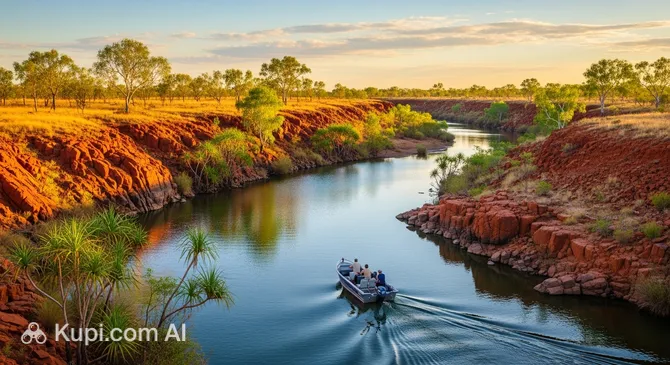
McArthur River. Source: Kupi.Binoculars

Visitors often come here to explore the rich history of McArthur River, which ranges from ancient Aboriginal heritage to the tales of early European explorers and the development of significant mining operations. The river itself is legendary among fishing enthusiasts, particularly for its abundance of Barramundi, making it a premier spot for sport fishing in the Top End.

Beyond the water, the surrounding bushland is a haven for birdwatchers and wildlife photographers, offering a glimpse of the diverse fauna that thrives in this untouched environment. The river system also acts as a gateway to the stunning Sir Edward Pellew Group of Islands, providing further opportunities for maritime adventure. Whether you are casting a line or simply soaking in the vast horizons, McArthur River promises an unforgettable outback experience.

Weather Overview

The region typically experiences a tropical climate characterized by warm to hot temperatures throughout the year. Visitors can expect distinct seasonal shifts, primarily defined by rainfall patterns rather than extreme temperature drops. For a more comprehensive forecast and historical data, you can consult the weather in McArthur River page.

The summer months, particularly from December to February, are the warmest and wettest. During this time, average temperatures hover around 30°C, with daily highs often reaching up to 36.4°C. This period also sees the highest frequency of precipitation, with January recording up to 18 wet days. In contrast, the winter season from June to August offers milder conditions; average temperatures drop to approximately 22.3°C in July, and the weather becomes notably drier with virtually no wet days recorded.

Spring and autumn serve as transitional periods. November begins to heat up significantly with highs around 36.4°C and increasing humidity, while May sees the weather cooling down and drying out. Overall, travelers should expect warm summers with occasional rain and mild, dry winters perfect for outdoor exploration.

Interesting Facts

Beyond the main attractions of fishing and wilderness exploration, the McArthur River region holds several fascinating geographical and historical secrets that are often overlooked by casual visitors.

  • A River Moved by Engineering: The area is home to a significant feat of modern engineering involving the McArthur River itself. To access one of the world's largest zinc and lead deposits located directly beneath the riverbed, a massive project was undertaken to divert the natural waterway. A completely new 5.5-kilometer channel was constructed to reroute the river, allowing open-cut mining operations to proceed while maintaining the water's flow to the ocean.

  • Ancient Windows to the Past: The geology of this region offers a rare glimpse into deep time. The local bedrock, known as the Barney Creek Formation, dates back approximately 1.6 billion years. It is globally renowned among geologists for containing exceptionally well-preserved microfossils, which provide crucial evidence about the early evolution of complex life on Earth during the Proterozoic Eon.

  • The Legend of King Ash Bay: Just downstream lies the King Ash Bay fishing base, which has a unique origin story. Now a fully equipped destination for anglers, it began as an informal squatters' camp where passionate fishermen set up temporary shelters to chase Barramundi. Over the decades, it evolved from a rugged outpost into a legendary community with its own infrastructure, driven entirely by the love of fishing in the McArthur River delta.

How to Get There

Reaching this remote part of the Northern Territory requires careful planning due to its isolated location. For a comprehensive guide on the best routes and transport options, you can read more about how to get to McArthur River on our detailed page. Below is an overview of the nearest major transport hubs available in the region.

The city of McArthur River does not have its own commercial airport listed for general passenger traffic. The closest significant facility is Alyangula Airport (GTE), located in the city of Groote Eylandt, which is approximately 237.1 km from McArthur River. This regional hub handles a modest volume of travelers annually. It is important to note that Alyangula is situated on an island, meaning there is no direct road access to the mainland where McArthur River is located. Consequently, travel from this point requires arranging further logistics, such as additional regional flights or private charters.

For clarity, here is a summary of the main airports:

Airport Name City Passenger Traffic Km from City
Alyangula Airport Groote Eylandt Small 237.1

Main Attractions

While McArthur River is synonymous with remote wilderness and industry, the surrounding region offers remarkable sites for those eager to explore the Northern Territory's Gulf Country. The area is a gateway to unique geological formations, rich history, and some of the best fishing waters in Australia.

Caranbirini Conservation Reserve is a must-visit natural wonder located a short distance from the main settlement. This park is renowned for its spectacular sandstone spires, often described as a "Lost City," which rise dramatically from the bushland. Visitors can wander through walking trails that weave between these ancient formations, offering exceptional opportunities for photography, particularly in the soft light of dawn or dusk. The reserve also features a waterhole that serves as a haven for local bird species, making it a peaceful spot for nature observation.

For fishing enthusiasts, King Ash Bay is the undisputed highlight of the region. Situated downstream on the McArthur River, this destination has evolved from a simple camping spot into a legendary hub for anglers chasing the prized Barramundi. It provides vital access to the river delta and the open waters of the Gulf. Even for those who don't fish, the bay offers a vibrant community atmosphere and a chance to witness the rugged lifestyle of the tropical north.

A boat journey from the river mouth leads to the stunning Sir Edward Pellew Group of Islands. This archipelago in the Gulf of Carpentaria is celebrated for its pristine, white sandy beaches and turquoise waters. It is a biodiversity hotspot, providing nesting grounds for sea turtles and a habitat for dugongs. The islands offer a true escape into the wild, perfect for adventurous travelers looking for secluded camping spots and untouched coastal scenery.

To gain insight into the local heritage, the Borroloola Museum, housed in the historic Old Police Station, is an essential stop. It preserves the stories of the diverse cultures that have shaped the McArthur River region, from the traditional owners to the early European drovers and settlers. The exhibits provide a fascinating glimpse into the hardships and resilience required to survive in this remote frontier town during the 19th and early 20th centuries.

Local Cuisine

The culinary landscape of the McArthur River region is defined by its isolation and its proximity to the bountiful waters of the Gulf of Carpentaria. While you will not find fine dining establishments or bustling street food markets here, the area offers a distinct "bush tucker" experience centered around fresh, wild-caught seafood and hearty outback meals. The food culture is unpretentious, relying heavily on the quality of local ingredients rather than complex preparation methods.

The undisputed king of the local table is the Barramundi. Anglers flock to the river specifically to catch this prized fish, and it features prominently in local diets. Whether grilled simply over an open campfire with a squeeze of lemon or battered and served with chips at a local tavern, the sweet, firm flesh of the "Barra" is a must-try delicacy. Another seafood highlight is the Mud Crab, often pulled fresh from the mangrove-lined estuaries. These are typically boiled or prepared with a chili sauce, offering a messy but rewarding feast that reflects the coastal character of the region.

Given that the McArthur River flows through vast cattle stations, high-quality beef is another staple. In the few eateries available, such as roadhouses or the local hotel in nearby Borroloola, you can expect generous servings of steak, often accompanied by traditional sides like salad and chips. The "counter meal"—a substantial, no-nonsense pub dinner—is the standard dining format, designed to satisfy the hunger of miners, ringers, and travelers after a long day in the heat.

When it comes to drinks, the climate dictates the preference. The searing heat of the Northern Territory makes an ice-cold beer the beverage of choice for many locals and visitors. Light lagers that are refreshing in the tropical humidity are particularly popular. For non-alcoholic options, hydration is key, and you will find plenty of iced water, soft drinks, and juices available to combat the temperatures.

Dining in this part of Australia is largely a communal and outdoor affair. Aside from the limited commercial venues like the fishing club bistro at King Ash Bay, much of the "eating out" scene actually takes place around campfires and portable barbecues. It is common for tourists to cook their own catch of the day under the stars, sharing stories and food with fellow travelers in caravan parks and camping grounds, creating a social atmosphere that is central to the McArthur River experience.

Travel Tips

Visiting McArthur River offers a genuine slice of the Australian outback, but its remote nature means that a little extra preparation goes a long way. To help you navigate this rugged and beautiful region with confidence, here are some essential practical tips for your journey.

  1. Clothing and Gear: Given the tropical climate, lightweight and breathable fabrics like cotton or linen are best to handle the heat and humidity. A wide-brimmed hat, high-quality sunglasses, and strong sunscreen are mandatory to protect against the intense sun. Since you will likely be near water or bushland, bring plenty of tropical-strength insect repellent to ward off mosquitoes and sandflies. Sturdy, closed-toe shoes are recommended for walking, and don't forget a lightweight rain jacket if you are visiting during the wet season (November to April).

  2. Transportation: There is no public transport system like buses or trains in this remote area. The best way to get around is by driving, and a 4WD vehicle is highly recommended, if not essential, for accessing fishing spots and unsealed roads. If you are renting, arrange your vehicle in major hubs like Darwin or Katherine before heading out, as local rental options are virtually non-existent. Always check road conditions, especially during the wet season, as flooding can close routes unexpectedly.

  3. Finances: The local currency is the Australian Dollar (AUD). While the main service centers in nearby Borroloola and King Ash Bay generally accept credit and debit cards, systems can sometimes go offline due to connectivity issues. It is wise to carry a sufficient amount of cash for fuel stops, camping fees, or small purchases at remote roadhouses. ATMs are available in Borroloola, but they should not be relied upon as your sole source of funds.

  4. Health and Safety: The most critical safety rule here is to be "Crocwise." Saltwater crocodiles inhabit the McArthur River and surrounding waterways; never swim unless it is clearly designated as safe, and stay back from the water's edge. For medical needs, there is a Community Health Centre in Borroloola, but for serious emergencies, evacuation to a major hospital may be required. Always carry a comprehensive first-aid kit and ensure you stay hydrated, as heat exhaustion is a real risk.

  5. Communication: English is the primary language spoken. Mobile coverage can be patchy or non-existent outside of the main settlements. The Telstra network typically offers the best reach in rural Australia, so a SIM card from this provider is your best bet. Do not rely on finding public Wi-Fi; downloading offline maps and having a satellite phone or UHF radio is advisable for those venturing deep into the bush or out on the water.

  6. Local Etiquette: The atmosphere in the Gulf Country is laid-back and friendly. A simple "G'day" or a wave to passing drivers is customary and polite. Much of the land surrounding the river is Aboriginal land or private cattle stations. It is crucial to respect signage regarding entry permits and private property. If you wish to fish or camp on Aboriginal land, ensure you have obtained the necessary permits beforehand.

  7. What to Avoid: Avoid driving at dawn, dusk, or night if possible. Wildlife, such as kangaroos, wallabies, and wandering cattle, often graze near the roadside during these times, posing a significant collision hazard. Also, avoid leaving food scraps or bait lying around your campsite, as this can attract unwanted wildlife.

  8. Fuel and Supplies: This is a remote region where distances between services can be vast. A good rule of thumb is to fill up your fuel tank whenever you see a petrol station, even if you think you have enough to keep going. Similarly, stock up on plenty of drinking water and non-perishable food in larger towns before you arrive, as local supplies can be limited and more expensive.

By keeping these practicalities in mind, you will be well-equipped to enjoy the solitude and raw beauty of the McArthur River region safely. Embrace the adventure, respect the wild environment, and you are sure to have an unforgettable experience in the Northern Territory.

Entertainment & Nightlife

Entertainment and nightlife in the McArthur River region are defined by the rugged charm of the Australian outback rather than the neon lights of a bustling metropolis. Visitors should not expect high-end nightclubs, cocktail lounges, or 24-hour party districts here. Instead, the evening scene is centered around authentic community hubs where the atmosphere is warm, the beer is ice-cold, and the entertainment consists of sharing stories with locals, anglers, and travelers under a vast, star-filled sky.

The primary "nightlife district" is effectively the nearby town of Borroloola, which serves as the social center for the entire region. Here, the Borroloola Hotel Motel stands as the classic local watering hole. It is the go-to venue for a counter meal and a refreshing drink after a long day in the heat. The vibe is incredibly casual and welcoming, offering a genuine slice of Territory life where ringers, miners, and tourists mingle freely. It is the perfect place to soak up the local character and perhaps hear a tall tale or two about the one that got away.

Another key spot for evening socialization is the King Ash Bay Fishing Club, located downstream on the river. During the peak dry season, the bar and bistro area here becomes a lively gathering point. The crowd is predominantly made up of fishing enthusiasts and grey nomads. The atmosphere is relaxed and friendly, often featuring impromptu barbecues or community events. The dress code everywhere is strictly "Territory casual"—shorts, t-shirts, and sandals are the standard attire.

Practicalities are important when planning a night out in this remote area. Venues typically close much earlier than in major cities, often winding down by late evening to accommodate the early starts required for fishing or work. Prices for drinks and meals are generally reasonable but can reflect the high cost of transport to this isolated location. It is highly advisable to carry cash, as electronic payment systems can occasionally be unreliable due to connectivity issues.

Transportation at night requires careful planning. There are no taxi services, ride-sharing apps, or public buses available in the McArthur River region. If you are staying at a caravan park or campground that is not within walking distance of a venue, you must arrange a designated driver. Walking at night is generally safe from a crime perspective, but visitors should be vigilant regarding wildlife. Wallabies and cattle often wander onto roads, and in areas near the water, it is crucial to remain "Crocwise" and stay away from the riverbanks in the dark.

While the nights are quiet, daytime entertainment in the region is abundant for nature lovers. The area lacks traditional amusement parks or large theaters, but it offers rich cultural experiences at places like the local museum in Borroloola. The main attractions, however, remain the great outdoors—fishing charters, birdwatching expeditions, and exploring the stunning sandstone formations of the surrounding conservation reserves occupy the daylight hours for most visitors.

Parks & Museums

The McArthur River region is defined more by its raw, untamed wilderness than by manicured urban gardens. For travelers, the appeal lies in the vast conservation reserves and national parks that showcase the dramatic geology and biodiversity of the Gulf Country. While the area is remote, it hosts significant cultural venues that preserve the rich history and artistic traditions of the local people, offering a profound connection to the land and its stories.

Caranbirini Conservation Reserve is the premier natural attraction in the immediate vicinity. Located just a short drive from the McArthur River mine site and Borroloola, this protected area is famous for its "Lost City" formations. These towering sandstone spires create a labyrinthine landscape that is both eerie and beautiful, especially when illuminated by the golden light of sunrise or sunset. The reserve also features a permanent waterhole surrounded by riverine vegetation, making it an excellent spot for birdwatching, where visitors can often spot elusive species native to the tropical savannah.

Venturing towards the coast, Barranyi (North Island) National Park offers a completely different natural experience within the Sir Edward Pellew Group of Islands. Accessible only by boat, this park is a pristine sanctuary of white sandy beaches, sandstone cliffs, and crystal-clear waters. It plays a crucial role in marine conservation, serving as a nesting ground for several species of sea turtles. For adventurous tourists, it provides a rare opportunity to camp in solitude on a tropical island, explore untouched coastlines, and witness the rich marine life of the Gulf of Carpentaria.

For those willing to travel a bit further afield, Limmen National Park is a massive expanse of wilderness that borders the region. It is home to the spectacular "Southern Lost City," another geological marvel of weathered sandstone pillars. The park's diverse landscapes range from tidal rivers to rugged woodlands, offering designated camping areas and 4WD tracks. It captures the essence of the Northern Territory's "Big Rivers" region and is a favorite destination for self-sufficient travelers seeking the ultimate outback escape.

Culturally, the Borroloola Museum is the historical heart of the region. Housed in the heritage-listed Old Police Station, the museum offers a fascinating window into the town's frontier past. The exhibits chronicle the unique convergence of four distinct cultures: the local Aboriginal language groups, the early European settlers and drovers, the Chinese community, and the Macassan traders who visited these shores for centuries. It is an essential stop for understanding the complex social fabric that shaped this remote outpost.

Waralungku Arts serves as a vibrant hub for contemporary Indigenous culture. This art center showcases the work of local artists from the Yanyuwa, Garrwa, Marra, and Gudanji language groups. Visitors can view and purchase authentic paintings, carvings, and crafts that depict ancestral stories and the artists' deep connection to the country. It is not just a gallery but a working studio where you might see artists creating new pieces, providing a living link to the region's ancient heritage.

For a truly authentic experience, take the time to visit the Bing Bong Port area if access allows. While primarily an industrial loading facility, the surrounding coastal waters are often teeming with dugongs and dolphins. It offers a stark but compelling contrast between modern mining operations and the enduring natural rhythms of the Gulf, a duality that defines the modern identity of the McArthur River region.

Getting Around

Travelers planning a visit to the McArthur River region must be aware that there is no public transport system in the conventional sense. Due to the remote and sparsely populated nature of this area, visitors will not find subways, trams, municipal buses, or trolleybuses. The infrastructure is designed for self-sufficient travel rather than urban commuting, meaning you cannot rely on public transit to move between attractions, accommodation, or the nearby town of Borroloola.

Since there are no public transport networks, there are no travel passes, transport cards, or ticketing apps to worry about. The concept of zoning or validating tickets does not apply here. Instead, your travel budget will be primarily consumed by fuel costs and vehicle hire fees. It is essential to budget for higher fuel prices, which are typical in outback locations, and to carry a mix of cash and cards, as electronic payment terminals for fuel can occasionally be offline due to connectivity issues.

The only viable alternative to public transport is driving a private vehicle. A four-wheel drive (4WD) is strongly recommended, and often necessary, to navigate the unsealed roads and rugged terrain that characterize the region. Tourists are advised to arrange vehicle rentals in major transport hubs such as Darwin or Katherine before embarking on the journey, as there are virtually no car rental agencies located directly in the McArthur River area itself.

Ride-sharing services like Uber or local taxi fleets do not operate in this part of the territory. You will not be able to hail a cab or book a ride through a smartphone app. In very specific circumstances, such as transfers from the local airstrip to a fishing camp, transport may be arranged privately by accommodation providers, but this must be booked well in advance. Do not arrive expecting to find transport available on demand.

While land-based public transport is non-existent, the river itself serves as a major thoroughfare for those with access to watercraft. For many visitors, small boats are the primary mode of transport for exploring the delta and reaching specific fishing spots or coastal islands. However, this is strictly a private activity or part of a guided tour, rather than a public ferry service. Walking is only feasible within the immediate vicinity of your campsite or accommodation.

Accommodation

Accommodation in the McArthur River region reflects the remote and rugged nature of the Northern Territory's Gulf Country. Visitors should not expect high-rise luxury hotels, sprawling resorts, or boutique bed-and-breakfasts. Instead, the options are practical, unpretentious, and designed to cater to self-sufficient travelers, anglers, and workers. The primary choices include basic motels, caravan parks, cabins, and designated camping grounds, all offering a comfortable base for exploring the wilderness.

The main hub for accommodation is the township of Borroloola, which serves as the service center for the McArthur River area. staying here provides convenient access to essential facilities such as fuel, groceries, and medical services. Another popular area is King Ash Bay, located downstream on the river banks. This spot is particularly favored by fishing enthusiasts and those with boats, offering a more community-focused atmosphere right on the water's edge.

For those seeking a solid roof over their heads, the local motels provide standard, air-conditioned rooms that are a welcome relief from the tropical heat. These establishments typically offer essential amenities like en-suite bathrooms, refrigerators, and tea-making facilities. They often function as social hubs as well, with attached bistros or pubs where guests can grab a hearty meal. In King Ash Bay, accommodation often takes the form of "donga" style cabins or lodges, which are simple transportable units commonly used in the outback, providing a clean and functional place to sleep.

Camping and caravanning are by far the most common ways to stay in the region. There are spacious caravan parks equipped with powered sites, ablution blocks, and laundry facilities. For the more adventurous, bush camping is available in designated areas, allowing travelers to set up swags or tents under the stars. These spots offer a genuine connection to the landscape but require visitors to be largely self-sufficient with water and power.

Booking Tip: Accommodation in this region can fill up surprisingly quickly during the peak dry season (May to September), as this is the prime time for fishing and touring. It is highly recommended to book your room or powered site well in advance. If you are planning to visit during the wet season, check ahead to ensure that the accommodation providers are open, as some may close or have limited operations due to potential flooding and road access issues.

Price ranges are generally reasonable, falling into the budget to mid-range categories. However, costs can be slightly higher than expected for basic facilities due to the expense of logistics in such a remote location. While some places appear on major online booking platforms, many local providers still rely on direct bookings via phone or email. It is advisable to contact them directly to confirm availability and current rates.

Nearby Cities

McArthur River is situated in a remote expanse of the Northern Territory, where the concept of a "neighbor" is defined by vast distances. The region is characterized by its isolation, meaning that the nearest major towns and communities are located hundreds of kilometers away. For travelers, this emphasizes the need for careful planning, as reaching the next destination often involves a significant journey through the Australian outback.

The following table lists the closest cities and towns to McArthur River, sorted by their distance. These locations serve as important regional hubs and cultural centers in this sparsely populated part of Australia.

City Population Distance (km)
Gove 3,000 422
Nhulunbuy 4,031 438
Tennant Creek 3,000 452
Elcho Island 2,200 463
Maningrida 2,300 503

Most of these settlements offer distinct experiences for visitors. Gove and Nhulunbuy are located to the north-east on the Gove Peninsula, known for their pristine coastal scenery and rich indigenous heritage. To the south lies Tennant Creek, a historic gold mining town that sits on the Stuart Highway, connecting the tropical north with the arid center. Further afield, communities like Elcho Island and Maningrida provide gateways to the remote beauty of Arnhem Land, though access to these areas often requires permits.

Shopping & Souvenirs

Shopping in the McArthur River region is a strictly functional affair, reflecting the remote and rugged nature of the Australian outback. Travelers should not expect to find fashion boutiques, department stores, or sprawling retail complexes here. Instead, the local retail scene is focused on essential supplies, outdoor gear, and provisions required for life in the bush. For visitors, the shopping experience is less about leisure and more about restocking fuel, food, and fishing tackle before heading out on an adventure.

The primary hub for any commercial activity is the township of Borroloola. This small community serves as the lifeline for the surrounding cattle stations and tourist camps. The main street hosts a few general stores which act as "one-stop shops" for almost everything a traveler might need. Here, you can find groceries, fresh produce, hardware, camping equipment, and auto accessories. These stores are vital logistics points, so it is the best place to grab last-minute necessities like batteries, insect repellent, or a spare tyre tube.

There are no shopping malls in McArthur River or the surrounding district. The nearest large-scale shopping centers are hundreds of kilometers away in cities like Darwin or Mount Isa. Visitors are strongly advised to purchase any specialized clothing, electronics, or luxury items in major urban centers before traveling to this part of the Northern Territory. The retail infrastructure here is designed to sustain the local population and the mining industry, rather than to cater to recreational shoppers.

While traditional markets are rare, the region offers a unique opportunity to purchase authentic local goods. The highlight for souvenir hunters is undoubtedly Waralungku Arts in Borroloola. This Indigenous-owned art center is the best place to buy genuine Aboriginal art directly from the artists. Visitors can purchase stunning paintings, hand-carved artifacts, and printed fabrics that tell the stories of the Yanyuwa, Garrwa, Marra, and Gudanji peoples. Buying here ensures that the proceeds go directly back to the community and supports the preservation of local culture.

Aside from art, typical souvenirs from the region are practical and connected to the outdoor lifestyle. Fishing shirts, branded stubby coolers (drink holders), and locally made lures are popular keepsakes. At King Ash Bay, the small service station and shop often stock merchandise that commemorates the famous fishing culture of the area, making for a fun and useful memento of your trip to the Gulf Country.

Opening hours in the region can be quite limited compared to city standards. Most shops in Borroloola open around 8:00 AM or 9:00 AM and close by 5:00 PM on weekdays. Weekend trading hours are often reduced, with some stores closing at midday on Saturdays and remaining closed on Sundays. It is crucial to plan your supply runs accordingly, especially if you are arriving late in the day.

regarding payment, cash is highly recommended. While the main stores and service stations generally accept credit and debit cards (EFTPOS), the telecommunications infrastructure in remote Australia can be temperamental. Internet outages can render card machines useless for hours or even days. Carrying a sufficient supply of Australian Dollars ensures you can always pay for fuel and food, regardless of the digital connectivity status.
Nearby cities

Reached the end of the page?

That means the route is fully explored