Support

Milingimbi

About

Milingimbi is a culturally significant community located on the largest island of the Crocodile Islands group, just off the coast of Arnhem Land. Situated in the Northern Territory of Australia, this destination offers a rare glimpse into the traditional life of the Yolngu people. It is a place where ancient customs seamlessly blend with modern community living, creating a unique atmosphere that is both welcoming and deeply spiritual.

The island is known for its tropical climate and distinct coastal geography, featuring mangroves and sandy beaches. With a population of approximately 1,000 residents, Milingimbi maintains a close-knit environment where local languages are spoken, and cultural practices are preserved with pride. The remote location adds to its charm, providing a serene escape far removed from the hustle of major cities.
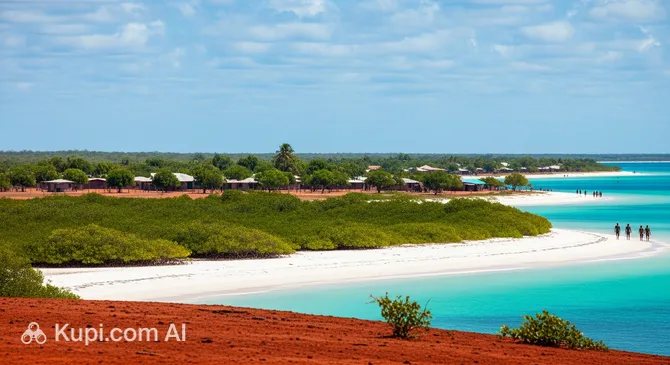
Milingimbi. Source: Kupi.Binoculars

The community has a fascinating past, having served as a traditional meeting place long before becoming a Methodist mission in 1923. Exploring the history of Milingimbi allows visitors to understand the resilience of its people and the historical layers that have influenced the island's development over the last century.

For those interested in arts and culture, the Milingimbi Art and Culture Centre is a highlight. The centre is renowned internationally for its exceptional bark paintings, intricate wood carvings, and traditional weaving using pandanus and kurrajong. Beyond the art, the surrounding Crocodile Islands offer a stunning natural backdrop, perfect for appreciating the raw beauty of the Arafura Sea.

Visiting Milingimbi is an opportunity to engage with a vibrant living culture in a spectacular island setting. Whether you are an art enthusiast or a traveler seeking a deeper understanding of Indigenous heritage, this community offers a truly memorable and enriching experience.

Weather Overview

Milingimbi experiences a tropical climate characterized by warm temperatures year-round and two distinct seasons: a wet monsoonal period and a dry season. The average temperatures remain consistent, generally ranging from 25°C in the cooler months to around 29°C during the heat of the buildup. For those planning a visit, understanding the weather in Milingimbi is essential for choosing the best time to travel.

The wet season, typically spanning from November to April, brings frequent rainfall and higher humidity. January is the peak of this activity, with precipitation recorded on approximately 27 days of the month and maximum temperatures reaching around 30°C. Despite the rain, the weather remains warm, maintaining the tropical feel of the Crocodile Islands.

In contrast, the dry season from May to September offers clear skies and virtually no rainfall. July is the coolest month, with average temperatures dipping to 25°C and nighttime lows around 21°C. With zero wet days recorded during the height of this season, it is often considered the most comfortable time for outdoor exploration.

Interesting Facts

Beyond the main attractions, Milingimbi holds fascinating stories that weave together ancient traditions and natural wonders. Here are some unique insights into this remote island community.

  • Ancient Trade Connections: Long before European explorers arrived, Milingimbi was a bustling trading post for Macassan fishermen from Indonesia. The majestic tamarind trees found on the island today are living legacies of these centuries-old visits, planted by the traders who came in search of trepang.

  • A Name with Meaning: While the world knows it as Milingimbi, the island is traditionally known as Yurruwi to the local Yolngu people. The name Milingimbi originally referred specifically to a freshwater well behind the beach, which became the focal point for the settlement.

  • Global Artistic Influence: The community is a powerhouse of Indigenous art, with local creations celebrated worldwide. Artists from Milingimbi were among the first Indigenous talents from Australia to have their work featured in major international collections, placing this small community on the global cultural map.

  • Turtle Sanctuary: The surrounding Crocodile Islands serve as a vital refuge for marine life. The area is recognized as a significant nesting ground for several species of marine turtles, which are carefully monitored and protected by the dedicated local Crocodile Islands Rangers.

How to Get There

Reaching the remote island community of Milingimbi requires some planning, as it is situated off the coast of Arnhem Land in the Northern Territory. Due to its isolated location, there are no direct road bridges connecting the island to the mainland, and visitors typically arrive via light aircraft charters or scheduled flights connecting through regional hubs. For a complete guide on travel logistics and transport options, you can read more about how to get to Milingimbi.

The community does not have its own major commercial airport for large jets, so travelers often transit through nearby regional centers. One of the most significant hubs in the region is Nhulunbuy Airport (IATA: GOV), located in the city of Gove. It sits approximately 208 km from Milingimbi. Since there is no road access to the island, most visitors connect via short charter flights from here. This facility serves as a key gateway for East Arnhem Land and handles a moderate volume of regional traffic.

Another option closer to the island is Maningrida Airport (IATA: MNG), situated in Maningrida, roughly 75 km away. Given the island geography, air transfers are the standard method of travel from this location as well. With a smaller annual passenger volume, it offers a more localized entry point to the region compared to Gove.

For clarity, here is a summary of the main airports:

Airport Name City Passenger Traffic Distance (km)
Nhulunbuy Airport Gove Moderate 207.8
Alyangula Airport Groote Eylandt Moderate 266.2
Maningrida Airport Maningrida Small 74.7
Elcho Island Airport Elcho Island Small 71.6

Milingimbi does not have a railway station, and there are no train services operating in this remote part of the Northern Territory. The rugged terrain and island location mean that rail transport is not a viable option for reaching the community. Visitors rely almost exclusively on air travel and barges for freight.

Main Attractions

While Milingimbi is a remote community rather than a typical tourist resort, its attractions offer a profound connection to Indigenous culture and history. The experiences here are centered around art, nature, and the deep heritage of the Yolngu people, making it a unique destination for those with an interest in anthropology and natural beauty.

The Milingimbi Art and Culture Centre is undoubtedly the focal point for visitors. This community-owned hub is famous for its exquisite bark paintings, which use traditional ochres to depict complex clan designs known as Miny’tji. The centre is also celebrated for its fibre art, where local women weave intricate baskets and mats from pandanus and kurrajong. It serves not just as a gallery, but as a living workspace where ancient stories are transferred to new generations through art.

Nature enthusiasts will find the surrounding Crocodile Islands to be a sanctuary of biodiversity. The archipelago is recognized as a site of international importance for migratory birds and marine life. The pristine waters and beaches are critical nesting grounds for several species of marine turtles. Exploring the coastline offers a chance to witness this untouched ecosystem, often under the guidance or permission of the local rangers who work tirelessly to protect the land and sea country.

A walk through the community reveals living history in the form of the Macassan Tamarind Trees. These majestic, centuries-old trees were planted by Macassan traders from Indonesia who visited these shores long before European settlement to harvest trepang (sea cucumber). Standing near the beach, they are a testament to the long-standing international relationships of the Yolngu people. Nearby, visitors can often find the historic Macassan Well, another remnant of this fascinating era of trade and cultural exchange.

Local Cuisine

The culinary experience in Milingimbi is deeply rooted in the land and sea, offering a distinct departure from the typical restaurant culture found in major cities. For visitors, the "local cuisine" is synonymous with the freshest seafood imaginable, harvested directly from the pristine waters of the Arafura Sea. The island's location makes it a prime spot for tasting Barramundi, a prized catch often grilled simply over hot coals to highlight its natural flavor. Another delicacy to look out for is the famous Mud Crab, known for its sweet, succulent meat and often caught in the surrounding mangroves.

Beyond seafood, the traditional diet includes various forms of "bush tucker" that have sustained the Yolngu people for thousands of years. Depending on the season, you might encounter native fruits, berries, and root vegetables gathered from the bush. Damper, a traditional Australian soda bread often cooked in the ashes of a campfire, is a staple comfort food that pairs perfectly with freshly caught fish. Sharing food is a significant part of the culture here, and a meal is often a communal event rather than a solitary dining experience.

In terms of dining venues, Milingimbi does not have conventional cafes, restaurants, or street food markets. Instead, the hub of daily life is the local community store, which typically offers a takeaway section serving hot meals, sandwiches, and basic supplies. For tourists, the food scene is less about dining out and more about self-catering or enjoying a meal outdoors. Visitors are advised to be self-sufficient or purchase supplies from the store to enjoy a picnic by the coast, soaking in the serene island atmosphere.

When it comes to beverages, the community places a strong emphasis on tea, often boiled in a billy can over a fire during outdoor gatherings. It is important for travelers to be aware that Milingimbi is a "dry" community, meaning the possession and consumption of alcohol are strictly prohibited or heavily restricted. Consequently, the local drink culture revolves around non-alcoholic refreshments, with plenty of water, juice, and soft drinks available to beat the tropical heat.

Travel Tips

Visiting Milingimbi is a privilege that offers a deep connection to one of the world's oldest living cultures, but it requires preparation different from a standard holiday. To help you navigate this remote island community with respect and ease, here are some practical tips to ensure your journey is smooth and memorable.

  1. Clothing and Gear: Given the tropical climate, lightweight and breathable fabrics like cotton or linen are essential to handle the heat and humidity. Pack a wide-brimmed hat, high-quality sunglasses, and plenty of strong insect repellent, as mosquitoes and sandflies can be active. Since this is a traditional community, modest dress is appreciated; avoid swimwear or revealing outfits when walking around the town. Comfortable, closed-toe walking shoes are best for navigating the sandy and unpaved paths.

  2. Transportation: Milingimbi is a small community where the primary mode of getting around is walking. There is no public transport system, such as buses or taxis, and ride-hailing apps do not operate here. You will not need a rental car on the island itself, as everything is generally within walking distance. Visitors typically arrive by charter flight, and any necessary vehicle transport within the community (e.g., from the airstrip) is usually arranged in advance by your host or tour operator.

  3. Finances: The local currency is the Australian Dollar (AUD). While the community store usually accepts cards (EFTPOS), telecommunications can sometimes be unreliable in remote areas, so carrying sufficient cash is highly recommended. There are no banks and limited ATM facilities, so bring enough money to cover your stay. Be aware that freight costs mean prices for food and supplies are significantly higher than in major cities.

  4. Health and Safety: The most critical safety rule in this region is to be "Crocwise." Saltwater crocodiles inhabit the waters surrounding the island, so swimming is strictly prohibited unless in a designated safe area, and you should stay back from the water's edge. For medical needs, there is a local health clinic (Milingimbi Health Centre) that handles general care and emergencies, but serious cases require air evacuation. Pack a personal medical kit with basics like painkillers, antiseptics, and any prescription medications you need.

  5. Communication: English is widely spoken, but for many residents, it is a second or third language, with Yolngu Matha being the primary tongue. Learning a simple greeting like "Yo" (Yes/Hello/Acknowledgment) is a nice gesture. Mobile coverage is generally limited to the Telstra network; if you use another provider, your phone will likely not work. Wi-Fi is rarely available publicly, so be prepared for a digital detox.

  6. Local Etiquette: Respect is the cornerstone of interaction here. Always ask for clear, verbal permission before taking photographs of people, their artwork, or their homes; capturing images without consent is considered very rude. When speaking with elders, a gentle and patient approach is best. It is also polite to wait to be invited before entering private yards or designated ceremonial areas.

  7. What to Avoid: Strictly avoid bringing alcohol into the community. Milingimbi is a "dry" community, meaning the possession, consumption, and transport of alcohol are prohibited by law. violating this rule is not only disrespectful but can lead to severe legal penalties. Also, avoid wandering off designated tracks or into areas marked as "Men’s Business" or "Women’s Business," as these are culturally restricted sites.

  8. Permit Requirements: As Milingimbi is located on Aboriginal land, you legally require a permit from the Northern Land Council (NLC) to visit unless you are on a guided tour that handles this for you. Ensure you have applied for and received your permit well in advance of your trip, as you may be asked to show it upon arrival.

By traveling with an open heart and adhering to these guidelines, you will find Milingimbi to be a welcoming and enriching destination. Respecting the local laws and customs ensures that you are not just a tourist, but a valued guest in this spectacular part of Arnhem Land.

Entertainment & Nightlife

Travelers expecting a vibrant scene of nightclubs, cocktail bars, and neon-lit streets will find Milingimbi offers a completely different, yet deeply rewarding, evening experience. As a remote Indigenous community, there is no conventional nightlife here. Instead of loud music and crowded dance floors, the evenings are defined by a profound sense of tranquility, the sounds of nature, and the stunning clarity of the night sky. The atmosphere is quiet and communal, reflecting the traditional lifestyle of the Yolngu people.

It is crucial for visitors to understand that Milingimbi is a dry community. This means there are no pubs, bottle shops, or licensed venues, and the possession or consumption of alcohol is strictly prohibited. Consequently, the social scene does not revolve around drinking. Evenings are typically spent unwinding after a day of cultural activities, sharing stories, or simply enjoying the cool tropical breeze. The "bustling" districts found in cities are replaced here by the peaceful surroundings of the community camp and the natural landscape.

For entertainment, nature puts on the best show. The lack of light pollution makes Milingimbi an exceptional location for stargazing. On a clear night, the Milky Way stretches across the sky with breathtaking visibility, offering a spectacular view that is rarely seen in urban areas. Watching the sunset over the Arafura Sea is another popular evening ritual. The changing colors of the sky against the backdrop of the mangroves and the water create a photographer's paradise, though visitors must always remain "Crocwise" and stay a safe distance from the water's edge, especially at dusk.

During the day, entertainment shifts towards cultural and community engagement. The Milingimbi Art and Culture Centre is the heart of artistic expression on the island. Here, visitors can witness the creation of world-renowned bark paintings and weavings. Sport is also a major form of entertainment in the region; Australian Rules Football (AFL) is incredibly popular. If your visit coincides with a local match at the community oval, joining the spectators is a fantastic way to experience the local passion and community spirit.

When moving around at night, safety and respect are paramount. There are no streetlights in many areas, so carrying a torch (flashlight) is practical advice. It is best to avoid walking alone late at night due to the presence of camp dogs and the general remoteness of the area. As there are no taxis or rideshare services, all travel should be planned in advance, usually walking back to your accommodation before it gets too late. The dress code is always casual and modest, suitable for a respectful visit to a traditional community.

Parks & Museums

In Milingimbi, the concept of "parks and museums" transcends the typical urban definition of manicured gardens and glass-walled exhibits. Here, the entire landscape serves as a living museum of Indigenous history, while the surrounding natural environment offers a pristine, untamed wilderness that rivals any national park. Visitors will find that the cultural heritage is etched into the land itself, and the artistic venues are vibrant community hubs rather than static displays.

The Crocodile Islands serve as the region's most significant natural area. Rather than a city park, this archipelago is a sprawling sanctuary of mangroves, mudflats, and sandy beaches that supports an incredible diversity of life. It is recognized as a site of international importance for migratory shorebirds and is a critical nesting ground for marine turtles. For nature lovers, the "park" experience here involves witnessing this raw, protected ecosystem where the Arafura Sea meets the coast, offering a serene backdrop for observing wildlife in its natural habitat.

Another area of immense historical and natural significance is the site of the Macassan Tamarind Trees. Located near the beach, this area functions as an open-air heritage site. The towering tamarind trees, planted centuries ago by Macassan traders from Sulawesi, provide a shady, green refuge that tells the story of Australia's first international trade relationships. Walking beneath these ancient boughs offers a tangible connection to the past, making it a peaceful spot for reflection and a unique blend of botanical beauty and historical narrative.

The cultural heartbeat of the community is the Milingimbi Art and Culture Centre. Acting as both a gallery and a museum, this world-renowned facility is where the stories of the Yolngu people are preserved and shared. It is famous for its collection of bark paintings, known for their intricate rarrk (cross-hatching) designs, as well as traditional weavings and carvings. Unlike a typical museum, this is a dynamic workspace where visitors can often see artists creating new masterpieces, bridging the gap between ancient tradition and contemporary art.

For a truly authentic experience, take a moment to simply observe the changing tides from the foreshore. While not a designated park, the coastline is the center of daily life and offers a quiet space to appreciate the connection between the people and the sea. Always remember that Milingimbi is Aboriginal land; showing respect by keeping to designated areas and asking for permission before exploring less frequented spots is the best way to honor the local culture.

Getting Around

Public Transport Overview

Travelers planning a visit to Milingimbi should be aware that the city does not possess a conventional public transport system. Due to its status as a remote island community with a small population, there are no buses, trams, trains, or metro services available. The infrastructure is designed to support a close-knit community rather than mass transit, meaning visitors will not find the scheduled transport networks typical of larger urban centers.

Getting Around

For the majority of visitors, the primary mode of transport within the community is walking. The settlement is compact, and key locations such as the art center, the community store, and administrative buildings are generally within walking distance of each other. The terrain is flat but often unpaved, so navigating on foot is straightforward for those with average mobility. There are no taxi ranks, and ride-sharing apps like Uber do not operate in this region.

Airport Transfers and Private Transport

The only motorized transport relevant to tourists is the transfer between the local airstrip and the community. Since there are no commercial shuttles or taxi services, these transfers must be arranged in advance. Typically, your host, tour operator, or the organization you are visiting will organize a private vehicle to pick you up upon arrival. It is crucial to confirm these arrangements before you fly, as you cannot simply hail a ride once you land.

Payment and Tickets

Because there is no public transport network, there is no need to purchase travel passes, smart cards, or tickets. You will not need a "Myki," "Opal," or any similar transit card used elsewhere in the country. If a transfer fee is applicable for your airport pickup, it is usually included in your tour package or handled via invoice prior to your trip. Travelers should not expect to pay cash for transport on the island.

Practical Advice for Tourists

To navigate Milingimbi successfully, preparation is key. Ensure you have comfortable, closed-toe walking shoes suitable for sandy or dusty tracks. Since you will likely be walking everywhere, carry a backpack with water and sun protection. Always respect the local culture by staying on main paths and not wandering into private residential areas or restricted ceremonial grounds without permission. If you have heavy luggage, coordinate closely with your accommodation provider to ensure it is transported from the airstrip for you.

Accommodation

Accommodation in Milingimbi is extremely limited and differs significantly from what travelers might expect in a typical tourist destination. As a remote Indigenous community, there are no commercial hotels, luxury resorts, or backpacker hostels. Instead, accommodation is primarily designed to house visiting service providers, government officials, and contractors. Options generally consist of simple, functional guest houses or "Visiting Officers' Quarters" (VOQs), which offer basic amenities suitable for short stays.

There are no specific "tourist districts" or hotel zones on the island. The available accommodation facilities are situated within the main community settlement, keeping visitors close to essential services like the council office, the general store, and the art centre. Given the compact nature of the community, staying in these central facilities means that most key locations are within easy walking distance.

Booking accommodation in Milingimbi requires advance planning and direct communication. You will not find these properties listed on standard online booking platforms like Booking.com or Airbnb. Reservations must typically be made directly through the organization managing the facility, such as the East Arnhem Regional Council or the Arnhem Land Progress Aboriginal Corporation (ALPA). It is crucial to confirm your accommodation before you travel, as availability is tight and priority is often given to essential workers.

In terms of cost, prices can be surprisingly high for the level of simplicity provided, reflecting the logistical challenges of operating in a remote location. Rates are generally fixed and fall into a mid-to-high price range. Visitors should expect to pay for a room with shared or private facilities and should inquire about meal arrangements, as self-catering is often the norm due to the lack of restaurants.

Nearby Cities

Situated on a remote island in the Arafura Sea, Milingimbi is isolated from the mainland road network. Consequently, it does not serve as a base for casual day trips. Instead, visitors typically travel to and from specific regional hubs in the Northern Territory via light aircraft. The table below outlines the closest cities and communities that connect this part of Arnhem Land to the wider region:

City Population Distance (km)
Darwin 136,828 445
McMinns Lagoon 5,025 420
Nhulunbuy 4,031 203
Gove 3,000 208
Maningrida 2,300 75

While direct access is limited, these locations play a crucial role in supporting the region and offer distinct experiences for those exploring the Top End.

Maningrida is the closest significant community, located approximately 75 km away at the mouth of the Liverpool River. It is renowned as one of the most linguistically diverse places in the world and is home to the famous Maningrida Arts & Culture centre. Visitors here can discover a vibrant artistic community that produces stunning bark paintings, weaving, and sculptures, reflecting the rich cultural tapestry of the region.

Further east lies Nhulunbuy on the Gove Peninsula. As the main service centre for East Arnhem Land, it offers more extensive amenities than the smaller island communities. It is known for its dramatic coastline where red bauxite cliffs meet the turquoise Arafura Sea. Travelers often pass through here to explore the rugged beaches, enjoy world-class fishing, or learn about the deep connection the Yolngu people have with this land at the Buku-Larrnggay Mulka Centre.

These destinations, though requiring planned travel to reach, provide a broader context to the diverse culture and landscapes of Arnhem Land.

Shopping & Souvenirs

Shopping in Milingimbi is a modest affair, reflecting the practical needs of a remote island community rather than the commercial diversity of a city. For visitors, the experience is less about retail therapy and more about acquiring essentials or discovering authentic cultural treasures. The options are concentrated and limited, with no sprawling shopping districts or high streets. Instead, retail activity revolves around a central community hub that caters to the daily requirements of the local residents.

The primary, and essentially only, general retail outlet is the local community store, typically managed by the Arnhem Land Progress Aboriginal Corporation (ALPA). This store serves as the supermarket, department store, and supply depot all in one. Here, you can find groceries, fresh produce, basic clothing, camping gear, and household items. It is the social and commercial heart of the town, where you will likely go for any food or supplies needed during your stay.

Travelers should be aware that there are no shopping malls, department stores, or chain boutiques in Milingimbi. The retail landscape is purely functional, designed to sustain the community in its isolated location. Those accustomed to the convenience of large shopping centers will find the simplicity here a stark contrast, emphasizing the self-sufficient nature of life in Arnhem Land.

While there are no traditional flea markets, the Milingimbi Art and Culture Centre offers a shopping experience that rivals high-end galleries. This is the place to visit for genuine local craftsmanship. It functions as the premier marketplace for the island, where you can purchase works directly from the artists. The centre is not just a shop but a cultural repository, offering items that hold deep spiritual and traditional significance.

When looking for souvenirs, the best items to bring back are undoubtedly pieces of Indigenous art. Milingimbi is world-famous for its exquisite bark paintings, which feature intricate cross-hatching designs known as rarrk. Other highly prized items include traditional weavings made from pandanus and kurrajong fibres, such as baskets and mats, as well as wood carvings. Buying here ensures that the proceeds go directly to the artists and their families, supporting the local economy and cultural preservation.

Store opening hours are generally limited to standard business times, typically from Monday to Friday and Saturday mornings. The community store and the art centre may close for a lunch break, and they are usually closed on Sundays. In terms of payment, the Australian Dollar (AUD) is the currency used. While the general store and art centre are equipped with EFTPOS facilities to accept credit and debit cards, telecommunications outages can occur. Therefore, carrying some cash is a wise precaution to ensure you can make necessary purchases.

For international tourists, Australia operates a Tourist Refund Scheme (TRS) that allows you to claim a refund on the Goods and Services Tax (GST) for purchases over $300 AUD from a single business. If you purchase significant artwork from the Art Centre, ask for a valid tax invoice. You can then present this invoice along with the goods at the customs office when departing the country to potentially receive a refund.

Reached the end of the page?

That means the route is fully explored