Support

Kununurra

About

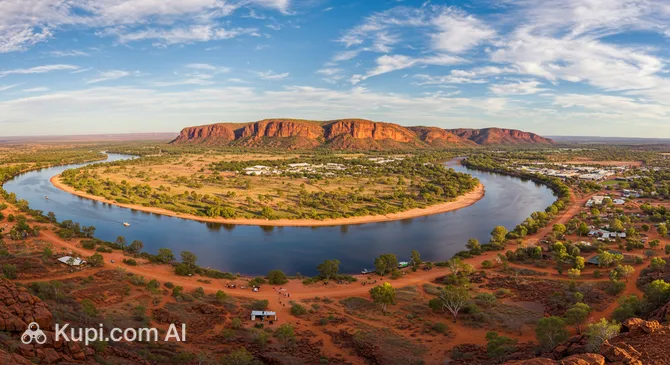
Kununurra is a captivating oasis located in the far north of Western Australia, serving as the vibrant eastern gateway to the spectacular Kimberley region. Known for its abundance of fresh water, lush scenery, and striking red rock formations, this town offers a unique contrast to the surrounding rugged outback. Situated near the border of the Northern Territory, it is a vital hub for travelers exploring the vast and diverse landscapes of Australia. With a population of approximately 6,000 residents, the town maintains a friendly, welcoming atmosphere while providing essential services for adventurers.

Unlike many other outback settlements, this is a relatively modern town. The fascinating history of Kununurra began in the early 1960s, established specifically to service the ambitious Ord River Irrigation Scheme. This major engineering project transformed the ancient landscape, allowing agriculture to flourish in the tropical climate and creating the extensive waterways that define the area today.

Kununurra. Source: Kupi.Binoculars

Travelers are drawn to the area's stunning natural attractions. Mirima National Park, often referred to as the "Mini Bungle Bungles," is located just minutes from the town center and features spectacular sandstone domes that glow unmatched colors at sunset. The massive Lake Argyle and the winding Ord River are also top highlights, offering unforgettable cruises where visitors can spot freshwater crocodiles, wallabies, and a myriad of bird species.

Whether you are planning a 4WD adventure along the Gibb River Road or seeking a relaxing getaway by the water, Kununurra is an essential stop. Its blend of indigenous culture, agricultural innovation, and raw natural beauty makes it a truly memorable destination for any visitor.

Weather Overview

Kununurra experiences a distinct tropical climate, generally divided into a dry season and a wet season. The dry months, typically spanning from May to September, are characterized by clear skies and minimal rainfall. For example, July and August historically record zero wet days, with pleasant average temperatures ranging from roughly 24°C to 26°C. During the coolest month of July, overnight lows can drop to 16.7°C, while daytime highs reach a comfortable 30.8°C, offering excellent conditions for travel.

As the year progresses towards the end, the heat intensifies significantly. October is often the hottest month, with maximum temperatures peaking at 38.9°C. The wet season takes hold around November and December, bringing frequent precipitation; January sees rain on roughly 22 days of the month. To help plan your activities around these patterns, you can view the detailed report on the weather in Kununurra. Expect hot, humid summers with frequent rain and warm, dry winters perfect for outdoor adventures.

Interesting Facts

Beyond the scenic waterways and national parks, Kununurra holds several fascinating secrets and local legends that add depth to its character. Here are some intriguing facts about this unique outback town:

  • A Geological Mystery: The East Kimberley region surrounding the city is the only known place in the world where Zebra Rock is found. This distinctive fine-grained siltstone features perfect rhythmic patterns of reddish-brown and white bands. Despite being estimated at 600 million years old, scientists have never fully agreed on exactly how these unique stripes were formed.

  • The Two-Faced Rock: One of the local landmarks, officially part of the Carlton Ridge, is famous for its shape-shifting appearance. While many locals call it Elephant Rock because it resembles a foraging elephant, viewed from a specific angle on the river, it transforms distinctly into the profile of a "Sleeping Buddha."

  • A Hollywood Backdrop: The dramatic, dusty red landscapes of the area served as a key setting for Baz Luhrmann’s blockbuster movie Australia. The fictional "Faraway Downs" homestead featured in the film was actually constructed at the nearby Carlton Hill Station, showcasing the region's raw beauty to a global audience.

  • A Global Superfood Hub: Despite its remote location, the town is an agricultural powerhouse with a global reach. The Ord River Irrigation Area is one of the world's largest producers of Indian Sandalwood and is responsible for growing a massive percentage of Australia's chia seeds, supplying health-conscious consumers worldwide.

How to Get There

Reaching this remote gem in the East Kimberley requires a bit of planning, as it is situated far from Australia's major capital cities. Most visitors choose to fly, taking advantage of the regional connections that link the town to the rest of the country. For a comprehensive guide on all transport options, you can read more about how to get to Kununurra to help organize your journey.

The most convenient gateway is Kununurra Airport (IATA: KNX), located just 3.5 km from the town center. This regional hub handles a significant volume of travelers, connecting passengers primarily from Perth, Broome, and Darwin. Upon arrival, the transfer to the main accommodation areas is very quick; a taxi or shuttle ride typically takes approximately 5-10 minutes. While the airport is small compared to international terminals, it is modern and serves as the lifeline for tourism in the area.

For those exploring the far northern coast, there is also an airfield at Kalumburu (IATA: UBU). However, it is important to note that this airport is located in the community of Kalumburu, roughly 280.5 km away from Kununurra. Due to the rugged terrain and distance, a journey from there by road would take approximately 7 hours. Consequently, this airstrip is generally used for specific charters or access to the remote north rather than as a standard entry point for Kununurra itself.

For clarity, here is a summary of the main airports:

Airport Name City Passenger Traffic Km from City
Kununurra Airport Kununurra Medium 3.5
Kalumburu Kalumburu Small 280.5

There are no railway services operating to Kununurra, as the town is not connected to Australia's passenger rail network. Visitors who prefer land travel typically arrive by road via the Victoria Highway, which connects the town to Darwin in the east and the rest of Western Australia to the west. Long-distance coaches also service this route, offering a scenic but lengthy alternative to flying.

Main Attractions

Kununurra offers a diverse range of activities that showcase the raw beauty and cultural richness of the East Kimberley. From ancient geological formations to vast waterways and artistic hubs, the city serves as a perfect base for exploring the region's most iconic sights. Here are some of the top places to visit during your stay.

Mirima National Park is often the first stop for visitors, conveniently located just a few minutes from the town center. Frequently described as the "Mini Bungle Bungles," this park features striking 350-million-year-old sandstone domes that resemble the famous Purnululu National Park. It is an excellent alternative for those who may not have the time to travel further south. The park offers several walking tracks, such as the "Looking at Nature" trail, which provides interpretive signage about the local flora and fauna, making it a fantastic spot for a morning hike or a sunset photography session.

A short drive from the town lies the magnificent Lake Argyle, Australia's second-largest artificial man-made reservoir. Holding a volume of water equivalent to roughly 18 times that of Sydney Harbour, it is a haven for wildlife and water sports enthusiasts. Visitors can take a scenic cruise to spot freshwater crocodiles, wallabies, and diverse birdlife, or simply relax at the famous infinity pool overlooking the lake. The area also houses the historic Durack Homestead Museum, offering a glimpse into the pioneering history of the region before the dam was constructed.

For a unique local experience, a visit to Ivanhoe Crossing is highly recommended. This concrete causeway was originally built as part of the main road to Wyndham and crosses the mighty Ord River. During the dry season, when the water level is manageable, it is a popular spot for four-wheel driving enthusiasts to navigate the flowing water. It is also a favorite location for locals to fish for barramundi, though visitors should always be "croc-wise" and observe safety signs, as saltwater crocodiles are known to inhabit the area.

To capture the best views of the town and the surrounding agricultural lands, head to Kelly’s Knob Lookout. As the highest point in the immediate vicinity, it offers a spectacular panoramic vantage point, particularly at sunset when the landscape is bathed in golden light. A sealed road leads part of the way up, followed by a short walk to the summit, where you can admire the contrast between the lush green crops of the Ord River Irrigation Area and the rugged red ranges beyond.

Waringarri Aboriginal Arts stands as a premier cultural destination in town. As one of the oldest Indigenous-owned art centers in Western Australia, it supports over 100 local artists. Visitors can tour the gallery to see incredible ochre paintings, wood carvings, and textiles that tell the stories of the Miriwoong people. The center also offers guided cultural tours, providing a deeper understanding of the local heritage and the significance of the art created here.

Local Cuisine

Kununurra is often described as the "food bowl of the north," a reputation earned thanks to the fertile soil and abundant water from the Ord River Irrigation Area. Unlike the arid landscape typical of the outback, this region is an agricultural powerhouse, producing vast quantities of tropical fruits, vegetables, and grains. For visitors, this means the local cuisine is defined by incredible freshness, with many restaurants and cafes sourcing ingredients from farms located just a few kilometers down the road.

When it comes to main dishes, Barramundi is the undisputed star of the menu. Widely recognized as a premier catch for anglers in the Ord River and local estuaries, this fish is renowned for its sweet, buttery flavor and firm texture. You will find it prepared in various ways across town, from casual beer-battered fish and chips at a local pub to sophisticated grilled fillets served with tropical salsas at fine dining establishments. Another local delicacy to look out for is the freshwater prawn, often referred to locally as "cherabin," which is a favorite among recreational fishers and occasionally appears on seasonal specials.

The region's tropical climate is perfect for growing exotic fruit, and mangoes are a signature part of the Kununurra diet. During the harvest season, usually late in the year, the town is awash with this golden fruit. Tourists can enjoy them fresh, but they also feature heavily in desserts, chutneys, and even savory dishes. Don't miss the chance to try a refreshing mango smoothie or a slice of rich mango cheesecake at a local bakery. The area is also a major producer of rockmelons, watermelons, and chia seeds, which frequently make their way into healthy breakfast bowls and salads around town.

For those interested in local beverages, Kununurra boasts a unique claim to fame in the world of spirits. The town is home to the oldest continuously operating legal still in Western Australia. Utilizing locally grown sugar cane and the pure water of the Ord aquifer, the local distillery produces award-winning rum that captures the spirit of the Kimberley. If you prefer non-alcoholic options, the abundance of fresh produce ensures that freshly squeezed juices—particularly watermelon and melon blends—are widely available and incredibly refreshing in the tropical heat.

The dining culture here is relaxed and centers on enjoying the outdoors. "Alfresco" is the standard, with many venues offering open-air seating to take advantage of the warm evenings. You can find everything from classic outback hotels serving hearty steaks to riverside cafes where you can dine while watching the sunset over the water. For a more community-focused experience, the Saturday morning markets (held during the dry season) are a must-visit. Here, you can sample homemade treats, buy jars of local preserves, and taste street food while mingling with the growers who produced the ingredients.

Travel Tips

Welcome to the rugged beauty of the East Kimberley! To ensure your journey through Kununurra is as smooth as the waters of Lake Argyle, here are some essential practical tips to help you navigate this remote Australian outpost safely and comfortably.

  1. Pack for Two Climates: If you are visiting during the peak Dry Season (May to September), do not let the daytime heat fool you. While days are warm and sunny, necessitating light, breathable fabrics and sun protection, the desert nights can drop to surprisingly cool temperatures. You will definitely need a warm jumper or jacket for early morning tours and evenings. Sturdy walking shoes are essential for exploring the rocky terrain of Mirima National Park.
  2. Secure Your Transport Early: Public transport options like buses or trains do not exist within the town itself, and taxi services can be limited, especially at night. The best way to explore Kununurra and its surrounding attractions is by renting a car. If you plan to venture onto the Gibb River Road or visit waterfalls further afield, a 4WD vehicle is highly recommended. Book your vehicle well in advance, as demand often outstrips supply during the tourist season.
  3. Manage Your Finances: The local currency is the Australian Dollar (AUD). Credit and debit cards are widely accepted at hotels, supermarkets, and restaurants in town. However, it is wise to carry some cash if you plan to visit the weekend markets or purchase art from smaller local creators. ATMs are available in the town center, but be aware that prices for fuel and groceries can be higher here than in major cities due to the remote location.
  4. Be "Crocwise" and Sun-Safe: Health and safety here revolve around the environment. The sun is intense, so high-SPF sunscreen, a wide-brimmed hat, and constant hydration are non-negotiable. Crucially, you must observe all crocodile warning signs. Both freshwater and saltwater crocodiles inhabit the local waterways. Never swim, stand at the water's edge, or clean fish in areas unless they are clearly designated as safe. The local hospital is modern and well-equipped for emergencies.
  5. Stay Connected: English is the sole language spoken. While mobile coverage is generally good within the town limits, it drops off quickly once you leave the main center. The Telstra network typically offers the widest coverage in regional Australia; if you are with another provider, you may lose signal sooner. It is highly advisable to download offline maps and carry a physical map if you are heading out on a road trip.
  6. Respect Local Culture and Land: Kununurra is situated on Miriwoong country. It is polite to acknowledge this respect for the land and its traditional owners. When visiting Indigenous art centers or cultural sites, ask for permission before taking photos of people. Generally, the local vibe is very laid-back and friendly; a simple "G'day" or a wave to passing drivers on country roads is standard etiquette.
  7. Avoid Driving at Dawn and Dusk: Try to limit your driving to daylight hours. The roads in the Kimberley are unfenced, and local wildlife—including wallabies, kangaroos, and wandering cattle—are most active during sunrise and sunset. Hitting an animal can cause severe damage to your vehicle and end your trip abruptly.
  8. Check Seasonal Access: If you are traveling near the "shoulder" seasons (April or October), always check road conditions at the local visitor center. Some attractions, roads, and 4WD tracks may still be closed due to floodwaters from the wet season, or may close early in preparation for the coming rains.

By keeping these practicalities in mind, you can focus entirely on the breathtaking scenery and unique adventures that await you. Kununurra is a friendly and fascinating town, and a little preparation goes a long way in making your outback experience truly unforgettable.

Entertainment & Nightlife

Nightlife in Kununurra is a far cry from the neon-lit club districts of major cities, but that is exactly its charm. In this rugged outback town, evening entertainment revolves around relaxing social gatherings, cold drinks, and enjoying the relief of the cool night air after a hot day. The atmosphere is incredibly laid-back and welcoming, centered mostly on hotel bars, classic pubs, and dining venues where tourists and locals mingle freely. You will not find strict dress codes or exclusive guest lists here; the style is decidedly casual, with shorts and open footwear being the standard attire for almost every venue.

The heart of the town's social scene is generally located around the central streets, particularly Messmate Way and Konkerberry Drive. This is where you will find the most popular local watering holes. Hotel Kununurra, often affectionately called "The Pub," is a cornerstone of the community. It offers a quintessential Australian pub experience with a spacious beer garden, hearty meals, and a friendly vibe. It is the go-to spot for a cold beer and often features live music or local entertainment on weekends, making it a lively hub for anyone looking to soak up the spirit of the East Kimberley.

For a truly unique entertainment experience that you won't find in many other places, a visit to the Kununurra Picture Gardens is a must. This historic open-air cinema has been operating for decades and allows you to watch the latest movie releases under the spectacular starry skies of the Kimberley. Operating during the dry season, it offers a nostalgic charm where you can sit in canvas deck chairs or on a picnic blanket. It is a relaxed, family-friendly alternative to a noisy nightclub and perfectly captures the outdoor lifestyle of the region.

Another popular venue for a drink and a meal is Gulliver’s Tavern. Known for its friendly service and relaxed environment, it is a great place to catch up on sports on the big screen or simply unwind with friends. If you are looking for a sunset drink with a view, many visitors also head to the venues along the river, though the town center remains the primary spot for late-evening socializing.

When planning your night out, keep in mind that "late" in Kununurra is earlier than in metropolitan hubs. Most kitchens close around 8:30 PM or 9:00 PM, and bars typically wind down before midnight, especially on weekdays. Prices for alcohol and food are standard for remote Australia—slightly higher than in the city due to freight costs. In terms of safety, the town is generally friendly, but it is advisable to avoid walking alone in unlit areas or on the outskirts late at night. Taxis are available but can be limited, so it is smart to ask venue staff to call one for you or book your ride home in advance.

While the nights are for relaxing, the daytime offers its own form of entertainment rooted in culture and history. Since there are no amusement parks, the focus is on heritage. You can visit the Kununurra Museum to see a fascinating collection of artifacts documenting the massive Ord River irrigation project and local pioneer history. Additionally, the town is a hub for Indigenous art, with several galleries offering a quiet and inspiring way to spend the afternoon before the sun sets and the evening social scene begins.

Parks & Museums

Kununurra offers a fascinating blend of rugged natural beauty and rich cultural heritage, making it a delightful destination for those who appreciate both the outdoors and local history. The town's unique landscape, shaped by the Ord River and ancient geological formations, provides a stunning backdrop for its green spaces, while its galleries and museums offer a deep dive into the region's pioneering past and vibrant Indigenous culture.

For nature lovers, Mirima National Park is an absolute highlight located right on the edge of town. Often referred to as "Hidden Valley," this intimate park features 350-million-year-old sandstone domes that display striking bands of color, reminiscent of the famous Bungle Bungles. It is a fantastic spot for a morning walk, with well-marked trails like the "Looking at Nature" walk that guide you through the native flora and offer breathtaking views over the town. Another serene green space is Celebrity Tree Park, situated on the banks of Lake Kununurra. This park gets its curious name from the trees planted by famous visitors, including members of the royal family and movie stars. It is a favorite spot for families and picnickers, offering shaded lawns, playgrounds, and a peaceful atmosphere by the water.

To understand the soul of the East Kimberley, a visit to Waringarri Aboriginal Arts is essential. As one of the premier art centers in Western Australia, it is more than just a gallery; it is a living cultural hub where you can watch local Miriwoong artists creating intricate ochre paintings, wood carvings, and textiles. The center plays a crucial role in preserving local stories and offers visitors a chance to purchase authentic, ethically sourced artwork. For a look into the town's colonial and industrial history, the Kununurra Museum is a small but treasure-filled venue run by the local historical society. Its exhibits meticulously document the massive engineering feat of the Ord River Irrigation Scheme, displaying vintage machinery, photographs, and fossils found in the region.

Among the town's significant architectural and historical landmarks, the Ord River Diversion Dam stands out. Completed in the 1960s, this massive structure is the reason Kununurra exists today, controlling the flow of water to the irrigation areas. Driving across the dam wall provides a unique perspective of the mighty Ord River on one side and the calm waters of Lake Kununurra on the other. Nearby, the Ivanhoe Crossing offers a historic connection to the old road to Wyndham, where the concrete causeway battles the flowing river, creating a dramatic scene often visited by anglers and photographers.

For a quieter, less commercialized experience, take a stroll to Lily Creek Lagoon near the town center. While not a formal museum or manicured park, this natural area is teeming with birdlife, including jacanas and black swans. It offers a genuine slice of the Kimberley ecosystem and is particularly magical at dusk when the setting sun reflects off the water and the red ranges in the distance.

Getting Around

Navigating Kununurra requires a shift in expectations for travelers accustomed to the comprehensive transit networks of major metropolitan cities. As a remote town with a small population, there is no public transport system in the traditional sense. You will not find a metro, trams, or a municipal bus network circulating through the streets. Instead, getting around relies primarily on private vehicles, taxi services, and walking within the compact town center.

For visitors without their own vehicle, the local taxi service is the primary means of point-to-point transport. Taxis are generally reliable for short trips between accommodation, restaurants, and the airport. Since there is no central dispatch app like Uber operating consistently in this region, it is best to book your ride by calling the local taxi company directly. Payment is straightforward, with drivers accepting both cash and major credit cards. However, it is always a good practical tip to carry a small amount of cash in case of connection issues with payment terminals.

Because the town is spread out and the major attractions—such as Mirima National Park, Ivanhoe Crossing, and Lake Argyle—are located outside the immediate center, renting a car is the most popular and practical "transport system" for tourists. Several major rental agencies operate from both the town center and the airport. Having your own vehicle gives you the freedom to explore at your own pace, which is essential given the lack of scheduled bus routes. If you plan to visit waterfalls or unsealed roads, ensuring you hire a 4WD is highly recommended.

Walking is a feasible option if your accommodation is located near the central business district (around Messmate Way and Coolibah Drive). The town center is flat and relatively compact, making it easy to stroll between cafes, galleries, and supermarkets. However, tourists must be mindful of the intense heat, particularly in the middle of the day. If you choose to walk, early mornings or late afternoons are the most comfortable times, and carrying water is essential.

For arrival and departure, specific shuttle bus services connect the town with Kununurra Airport. These shuttles often need to be pre-booked or are arranged through your hotel. While there are no trains or public buses, long-distance coaches do stop in Kununurra, connecting it to Darwin and Broome, but these are strictly for intercity travel and cannot be used for local commuting within the town limits.

Accommodation

Accommodation in Kununurra caters to a wide spectrum of travelers, from rugged outback adventurers to those seeking tropical comfort. The town is well-equipped with options ranging from spacious caravan parks and camping grounds—perfect for those driving the Gibb River Road—to comfortable motels, self-contained apartments, and resort-style hotels. Most visitors choose to stay either within the town center for easy access to shops and galleries or along the banks of Lake Kununurra and Lily Creek Lagoon. The lakeside areas are particularly popular for their tranquil atmosphere and stunning views of the red ranges reflected in the water, offering a scenic retreat just minutes from the main amenities.

For those looking for full-service comfort, the town offers several hotels and resorts that feature tropical gardens and swimming pools, which are essential for cooling off after a day of exploring. You will find establishments that blend outback hospitality with modern luxury, often featuring on-site restaurants and bars. Travelers on a budget or those towing caravans are well-served by the numerous holiday parks. These parks are often lush, shaded oases that provide not just powered sites but also cabin accommodation, making them a social hub where travelers share stories of their Kimberley adventures.

It is important to note that accommodation prices in Kununurra can vary significantly depending on the time of year. During the peak dry season (May to September), the town becomes a bustling hub, and demand for rooms and caravan sites is incredibly high. As a result, prices are at their premium, and availability can disappear quickly. A crucial tip for planning your trip is to book your accommodation well in advance—ideally several months prior—if you intend to visit during these cooler months. While the wet season offers lower rates and more availability, some establishments may operate with reduced services or close for maintenance, so it is always wise to check ahead.

Booking is generally straightforward, with most major hotels and holiday parks listed on standard online travel platforms. However, given the remote nature of the region and the personalized service many local businesses offer, contacting the accommodation providers directly can sometimes yield better availability or specific advice on the best rooms for your needs. Whether you are looking for a luxury suite with lake views or a simple site to pitch your tent under the stars, securing your spot early ensures a stress-free start to your East Kimberley experience.

Nearby Cities

For those looking to explore the surroundings, Kununurra serves as an excellent base for day trips to several interesting nearby locations:

Wyndham is the most popular choice for a convenient day trip, located approximately 100 kilometers north of Kununurra. As the oldest and northernmost town in the Kimberley region, it offers rich history and spectacular scenery. A visit here is incomplete without driving up to the Five Rivers Lookout, which provides a breathtaking panoramic view where the Ord, Pentecost, Durack, King, and Forrest rivers converge into the Cambridge Gulf. The town is also known for its "Big Crocodile" statue and its historic port atmosphere.

Traveling south along the Great Northern Highway brings you to the community of Warmun (Turkey Creek). Famous for its distinctive ochre art, the town is home to the Warmun Art Centre, where visitors can view and purchase works by renowned Indigenous artists. It also serves as the primary gateway for those planning to take a scenic flight or drive into the World Heritage-listed Purnululu National Park to see the Bungle Bungles.

For those willing to travel further or planning a short visit to neighboring regions, the town connects to several other significant locations. The table below lists some of the cities and towns in the broader vicinity:

City Population Distance (km)
Darwin 136828 431
McMinns Lagoon 5025 438
Derby 3260 570
Wadeye 2200 189
Jabiru 1700 559

These nearby destinations offer a glimpse into the diverse culture and landscapes of the region.

Shopping & Souvenirs

Shopping in Kununurra offers a unique experience that reflects the distinct character of the East Kimberley. While you will not find sprawling department stores or international fashion chains here, the town excels in offering high-quality regional specialties. It is a place where stocking up on camping essentials goes hand-in-hand with browsing for some of the world's rarest gemstones and incredible indigenous art. The retail scene is compact, friendly, and surprisingly diverse, catering to both the practical needs of travelers and those seeking a tangible memory of the outback.

The primary retail activity is concentrated within the town center, particularly along Konkerberry Drive and Messmate Way. This district is easily navigable on foot, allowing visitors to wander between galleries, jewelry showrooms, and specialty boutiques without the need for transport. The atmosphere is relaxed, with wide, shaded sidewalks providing relief from the sun as you explore local pharmacies, camping supply stores, and gift shops that line these central streets.

For general supplies and everyday necessities, the Kununurra Shopping Centre is the main hub. Located centrally, this complex is anchored by a large supermarket and features a variety of smaller specialty stores, including a newsagency, bakery, and clothing outlets. It serves as the convenient "one-stop-shop" for travelers preparing for a road trip along the Gibb River Road, offering everything from groceries to hardware and outdoor gear in a modern, air-conditioned environment.

If you are visiting during the dry season (typically May to September), the Kununurra Markets are a highlight of the local social calendar. Held on Saturday mornings at Whitegum Park, these markets transform the green space into a bustling bazaar. Here, you can browse stalls selling handmade jewelry, local crafts, fresh produce, and homemade preserves. It is a fantastic place to meet local growers and artists, grab a fresh mango smoothie, and pick up unique items that you won't find in standard stores.

When it comes to souvenirs, Kununurra is world-renowned for its Argyle Pink Diamonds. With the famous mine located nearby, the town is one of the best places in the world to view and purchase these rare pink stones, as well as champagne and cognac-colored diamonds. Several high-end jewelry boutiques in town specialize in these gems. Another distinct local treasure is Zebra Rock, a striped sedimentary stone found only in the East Kimberley, which is crafted into beautiful vases, jewelry, and ornaments. Additionally, authentic Indigenous art from local galleries and sandalwood products—oils, soaps, and incense—are popular keepsakes that capture the essence of the region.

Store opening hours in Kununurra generally follow a standard country pattern. Most shops are open from 9:00 AM to 5:00 PM, Monday to Friday. On Saturdays, trading hours are often reduced, with many businesses closing by 12:00 PM or 1:00 PM, and most specialty stores remain closed on Sundays. Major supermarkets, however, usually offer extended trading hours seven days a week. Credit and debit cards (Visa and Mastercard) are widely accepted everywhere, although carrying some cash is recommended for the weekend markets.

For international travelers, the Tourist Refund Scheme (TRS) allows you to claim a refund on the Goods and Services Tax (GST) for purchases over AUD 300 from a single retailer. Since Kununurra Airport does not have a TRS facility, you will need to keep your tax invoices and present your goods for inspection when you depart Australia from a major international gateway, such as Darwin, Perth, or Sydney.
Reached the end of the page?

That means the route is fully explored