Support

Kalumburu

About

For travelers seeking a truly remote and authentic adventure, Kalumburu offers an experience unlike any other. Situated as the most northerly settlement in Western Australia, this community is surrounded by rugged wilderness and pristine coastlines. It serves as a gateway to the untamed beauty of the North Kimberley region, attracting those who wish to explore the wilder side of Australia.

The geography of the area is defined by its isolation and dramatic landscapes, characterized by the winding King Edward River and the sparkling Timor Sea. The climate is tropical, with a distinct wet and dry season that shapes the rhythm of life for the local population. While the community is small, with a population of around 1,000 residents, it is vibrant and deeply connected to the land.
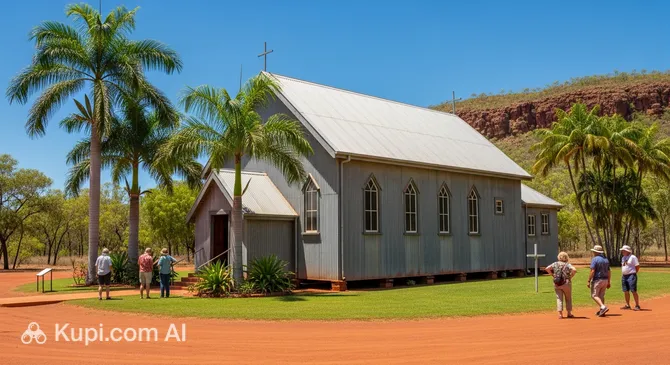
Kalumburu. Source: Kupi.Binoculars

Culturally and historically, the settlement is significant. Visitors interested in the past can explore the fascinating history of Kalumburu, which includes its origins as a Benedictine mission and its strategic role during World War II. The area still bears the marks of this era, offering a unique glimpse into a time when this remote outpost was on the frontline of defense.

Tourists making the journey here are often drawn by the world-class fishing opportunities, particularly for barramundi and reef fish in the nutrient-rich waters nearby. Additionally, the region is home to incredible ancient Aboriginal rock art, which provides a profound connection to the indigenous heritage of the continent. The sheer natural beauty, from secluded waterfalls to sandy beaches, makes every view spectacular.

Reaching Kalumburu requires preparation and a spirit of adventure, often involving a journey through challenging terrain. However, the warm welcome and the chance to witness one of the continent's most secluded gems make the trip unforgettable. We invite you to discover the serene and powerful atmosphere of this unique northern outpost.

Weather Overview

The climate in this northern region is distinctively tropical, offering warm temperatures year-round with clear seasonal variations. To make the most of your trip, it is helpful to review the weather in Kalumburu before packing, as conditions shift between a humid wet season and a pleasant dry season. Generally, you can expect hot summers with frequent wet days and milder, dry winters perfect for outdoor exploration.

Temperatures remain high throughout the year, with the heat peaking in late spring and early summer. Months like October and November often see daytime maximums reaching over 35°C, while average temperatures hover around 30°C. Even during the coolest month, July, the weather is comfortable, with averages around 24°C and nighttime lows dipping to a refreshing 17.5°C.

Precipitation patterns define the local calendar. The start of the year brings the most moisture, with January recording precipitation on up to 23 days. In sharp contrast, the period from May to August is exceptionally dry, typically seeing 0mm of rainfall and zero wet days. This dry window provides the most stable conditions for travelers wishing to explore the remote wilderness without the interruption of rain.

Interesting Facts

Did you know that this remote community was once a strategic frontline during World War II and holds secrets dating back tens of thousands of years? Beyond the main attractions, Kalumburu offers a fascinating glimpse into a unique chapter of Australian history and ancient culture.

  • A Secret WWII Frontline: During the war, the settlement (then known as the Drysdale River Mission) was a vital airbase for Allied forces. On September 27, 1943, it was the target of a Japanese air raid by 21 "Lily" bombers. Tragically, the attack claimed the lives of the mission's superior, Father Thomas Gil, and five local Aboriginal residents. Visitors can still find remnants of this turbulent era, including aircraft wrecks scattered in the surrounding bushland.

  • The "Shady Lady" Saga: One of the most famous local legends involves the US Air Force B-24 Liberator bomber known as the "Shady Lady." In 1943, after running out of fuel during a raid, the massive aircraft made a miraculous emergency landing on a salt pan near the Anjo Peninsula. The local mission community and Aboriginal trackers played a crucial role in the rescue operation, helping to save the crew and eventually repair the plane enough for it to take off again.

  • The Lost Settlement of Pago: Kalumburu was not the original site of the community. The Benedictine monks first established their mission at a place called Pago, near Mission Bay, in 1908. It wasn't until the 1930s that the entire settlement was relocated to its current position on the King Edward River to secure a better water supply. Today, adventurous travelers can still visit the crumbling stone ruins of the old Pago mission.

  • Ancient Art Galleries: The region surrounding the town is home to the Gyorn Gyorn (or Gwion Gwion) rock art, also known as the Bradshaw figures. These intricate and elegant paintings are distinct from other Aboriginal art styles found in Australia and are believed by some researchers to be among the oldest figurative paintings on Earth, potentially dating back over 20,000 years.

How to Get There

Reaching this remote community in the far north of Western Australia is an adventure that requires careful planning. Due to its isolated location, transport options are limited compared to major urban centers. You can find more about how to get to Kalumburu and the specifics of travel logistics on our detailed page. The journey is typically made by light aircraft or, for the adventurous, by rugged 4WD vehicles during the dry season.

The settlement is served directly by Kalumburu airport (IATA: UBU), which is conveniently located just 1.3 km from the town center. This small facility primarily handles charter flights and mail planes. The transfer from the airfield to the community involves just a short drive. For travelers arriving from other parts of the country, the main regional gateway is Kununurra Airport (IATA: KNX) in the city of Kununurra. It is situated about 276.5 km away from Kalumburu. From Kununurra, you can arrange a charter flight or undertake the drive, which is a long journey through the challenging Kimberley terrain.

For clarity, here is a summary of the main airports:

Airport Name City Passenger Traffic Km from City
Kununurra Airport Kununurra Medium 276.5
Kalumburu Kalumburu Small 1.3
Truscott-Mungalalu Kalumburu - 36.2

Kalumburu does not have a railway station, and the region is totally disconnected from the national rail network. There are no trains operating in this remote part of the Kimberley. Visitors must rely on air travel or private vehicles capable of handling unsealed roads.

Main Attractions

For those making the journey to this remote northern outpost, the attractions of Kalumburu offer a unique blend of indigenous culture, pioneer history, and rugged coastal beauty. The settlement and its surroundings are not just about reaching the destination but immersing oneself in a landscape that has remained largely unchanged for centuries. From historical sites to pristine beaches, there are several key places that define the visitor experience here.

A visit to the Kalumburu Mission Museum (also known as the Father Thomas Gil Museum) is essential for understanding the region's heritage. Located within the mission grounds, this museum houses an impressive collection of artifacts that tell the story of the Benedictine monks who established the community and the local Aboriginal people who have lived here for thousands of years. It is particularly interesting for its displays on World War II, including remnants of aircraft and stories of the bombing raids that targeted the area, offering a poignant glimpse into a turbulent past.

For nature lovers and anglers, Honeymoon Bay is a standout destination located just north of the main settlement. This picturesque coastal spot is famous for its rust-colored sands and calm, turquoise waters, making it an idyllic setting for camping and beachcombing. It is a favorite among tourists for its excellent fishing opportunities and serves as a base for exploring nearby rock art sites. The sense of isolation and the stunning sunsets over the Timor Sea make it a perfect retreat for relaxation.

Another popular spot for setting up camp is McGowan Island Camping Ground, situated on the coast with direct access to the water. It is widely renowned as a fisherman's paradise, offering facilities for launching boats and cleaning the day's catch. Visitors are drawn here by the rugged beauty of the coastline and the chance to spot local wildlife, including sea turtles and sea eagles. The relaxed atmosphere allows travelers to disconnect from the modern world and enjoy the simple pleasures of the Kimberley coast.

Adventurous travelers should not miss the journey to the Pago Mission Ruins. This site marks the original location where the Benedictine missionaries first settled in 1908 before moving to the current town site due to water supply issues. Reaching the ruins involves a 4WD track through scenic bushland, leading to the crumbling stone remains of the old buildings. Walking among these ruins offers a powerful connection to the early pioneer history and the resilience required to survive in such a remote environment.

Finally, the region is a gateway to viewing the ancient Gyorn Gyorn (Bradshaw) rock art. These intricate and elegant figures are painted on rock faces throughout the area and are considered some of the oldest figurative art in the world. Viewing these galleries, often tucked away in shelters and caves, provides a profound insight into the deep cultural history of the land, making it a highlight for anyone interested in anthropology and ancient art.

Local Cuisine

In the remote community of Kalumburu, the local dining scene is unique: there are no restaurants, cafes, or pubs. Instead, the culinary experience is defined by self-sufficiency and the incredible bounty of the surrounding wilderness. For most visitors, the "dish of the day" is whatever they have managed to catch a few hours earlier. The region is a world-class destination for Barramundi, which is often grilled whole over an open fire at the campground, seasoned simply to let the fresh flavor shine.

Complementing the fish are the prized Mud Crabs found in the mangroves and coastal creeks. These are considered a delicacy and are typically boiled in seawater or roasted on coals for a sweet, smoky feast. Adventurous travelers might also harvest fresh oysters directly from the rocks at low tide. This "catch and cook" culture is the heart of the tourist experience here, turning every meal into a connection with the land and sea.

For those not cooking their own catch, the Uraro Store (General Store) is the hub of the community's food life. As the only place to buy supplies, it stocks essential groceries, fresh produce, and frozen goods. It also serves as a takeaway counter, offering hot, hearty snacks like burgers, meat pies, and sausage rolls. It is also the perfect stop for a cold milkshake or ice cream, providing a welcome relief during the heat of the tropical afternoon.

While not commercially sold in restaurants, traditional Bush Tucker remains a vital part of the local Aboriginal culture. The land offers seasonal resources such as boab nuts, bush plums, and wild yams, which have sustained the Kwini and Kulari people for thousands of years. "Sugarbag," the native honey produced by stingless bees, is another cherished local treat found in the wild.

When it comes to drinks, visitors must be aware of strict local laws. Kalumburu is a dry community, meaning the possession and consumption of alcohol are prohibited. There are no bars or bottle shops, and heavy fines apply for bringing alcohol into the reserve. Tourists typically drink plenty of water to combat the humidity, along with soft drinks and juices available from the community store.

Travel Tips

Visiting Kalumburu is a true off-the-beaten-path adventure that requires significantly more preparation than a standard holiday. To help you navigate the logistics of this remote Aboriginal community and ensure a respectful and safe journey, here are some essential practical tips.

  1. Clothing and Gear: Due to the tropical climate, pack loose, breathable cotton clothing to handle the heat and humidity. A wide-brimmed hat, high-quality sunglasses, and strong sunscreen are non-negotiable. Since you will likely be fishing or exploring bush tracks, bring sturdy enclosed shoes and reef shoes for the water. Don't forget heavy-duty insect repellent, as sandflies and mosquitoes can be intense, especially near mangroves.

  2. Transportation: There is absolutely no public transport, taxi service, or ride-sharing app in Kalumburu. The only way to get around is by your own vehicle, which must be a high-clearance 4WD. The roads leading here (the Kalumburu Road and the Gibb River Road) are unsealed, corrugated, and often challenging. Ensure your vehicle is equipped with spare tires, recovery gear, and extra fuel.

  3. Finances: The local currency is the Australian Dollar (AUD). While the Uraro Store generally accepts cards, telecommunications in remote areas can be unreliable. It is highly recommended to carry sufficient cash for permit fees, small purchases, or in case the electronic payment systems are down. Be aware that prices for fuel and groceries are higher than in cities due to freight costs.

  4. Health and Safety: The most critical safety rule here involves the water: Saltwater Crocodiles (Salties) inhabit the rivers and coastal areas. Never swim unless you are absolutely certain it is safe, and stand back from the water's edge when fishing. For medical issues, there is a local clinic, but it is for basic care and emergencies; serious cases require aerial evacuation. Always travel with a comprehensive first-aid kit.

  5. Communication: English is the primary language spoken with visitors. In terms of connectivity, mobile coverage is extremely limited. Typically, only the Telstra Next G network works within the town boundaries, and coverage drops off immediately outside the settlement. Do not rely on your phone for navigation; bring paper maps or offline GPS devices.

  6. Local Etiquette: Kalumburu is a living Aboriginal community, not just a tourist attraction. Always ask for permission before taking photographs of local residents. It is polite to dress modestly when walking around the town center. Respect private property and do not wander into residential yards or houses without a specific invitation.

  7. What to Avoid: Strictly avoid bringing alcohol into the community. Kalumburu is a "Dry Community," meaning the possession, consumption, and sale of alcohol are prohibited by law. Police conduct checks, and penalties for breaching this rule are severe. This restriction applies to all visitors.

  8. Permits are Essential: You cannot simply drive into Kalumburu; you are entering Aboriginal Reserve land. You must obtain a Transit Permit (from the Department of Aboriginal Affairs) to drive through the reserve and a separate Visitor Pass from the Kalumburu Mission or Community Resource Centre to stay and camp. Arrange these permits in advance or immediately upon arrival.

By respecting these guidelines and the local culture, you will ensure your visit is enjoyable for both you and the residents. Embracing the remote nature of Kalumburu—disconnecting from the digital world and connecting with the land—is the best way to experience this spectacular corner of the Kimberley.

Entertainment & Nightlife

Travelers accustomed to bustling city lights and thumping bass will find a completely different definition of "nightlife" in Kalumburu. It is crucial to understand immediately that there are no nightclubs, bars, pubs, or discos in this remote settlement. As a strict dry community, the possession, sale, and consumption of alcohol are prohibited by law. Consequently, the evening entertainment here is not about partying; it is about immersing oneself in the profound silence of the outback and the spectacular natural environment.

The "nightlife district" in this region consists of the designated campgrounds where visitors gather after a day of fishing or exploring. The atmosphere is quiet, communal, and deeply relaxing. As the sun sets over the Timor Sea, the entertainment shifts to cooking the day's catch over a fire (where permitted) and exchanging stories with fellow travelers. The dress code is strictly practical: comfortable camp clothes and sturdy shoes to protect against insects and rough terrain.

Instead of neon signs, the main attraction after dark is the sky. Far from any major city, the lack of light pollution makes Kalumburu one of the best places in Western Australia for stargazing. The Milky Way appears with startling clarity, offering a mesmerizing show that lasts all night. For those staying at McGowan Island Camping Ground or Honeymoon Bay, the evening rhythm is dictated by the tides and the setting sun, with most campers retiring early to rise at dawn for the next day's adventure.

While the nights are tranquil, daytime entertainment offers a rich mix of culture and adventure. Visitors can explore the local history at the mission museum or take guided tours to see ancient rock art sites. The primary daytime activity, however, is fishing and exploring the rugged coastline. It is a place for outdoor enthusiasts rather than urban explorers, where the thrill comes from landing a barramundi rather than finding a new cocktail bar.

Safety is paramount when moving around at night. The most serious nocturnal danger comes from saltwater crocodiles, which are more active after dark; never walk near the water's edge at night. Additionally, visitors should respect the local community's privacy by not wandering through the residential areas of the town after hours. If you need to move between the settlement and the campgrounds, a 4WD vehicle is essential, as there are no taxis or public transport services available.

Parks & Museums

While Kalumburu lacks the manicured city parks found in urban centers, it compensates with some of the most pristine and biologically diverse natural areas in Australia. The concept of a "park" here extends to vast marine sanctuaries and wild riverbanks, while the cultural scene is anchored by institutions that preserve thousands of years of indigenous heritage and missionary history.

The most significant natural expanse surrounding the community is the North Kimberley Marine Park. This protected area encompasses the waters off the Kalumburu coast, including the popular Honeymoon Bay and McGowan Island areas. For nature enthusiasts, this is a sanctuary of global importance, teeming with dugongs, sea turtles, and snubfin dolphins. The untouched coral reefs and seagrass meadows offer a glimpse into a marine ecosystem that has remained largely undisturbed by industrial activity, making it a paradise for respectful observation and photography.

Inland, the banks of the King Edward River serve as the community's primary green corridor. Lined with paperbark trees, pandanus, and lush tropical vegetation, the river area functions as a natural parkland. It is a vital habitat for birdlife, including the Great-billed Heron and the Azure Kingfisher, making it an excellent spot for birdwatching. While swimming is generally unsafe due to crocodiles, the river's scenic beauty provides a tranquil backdrop for those looking to connect with the raw wilderness of the Kimberley.

For a deep dive into the local culture, the Kira Kiro Art Centre is the creative heart of the community. This gallery and workspace is home to the Kira Kiro Artists, who are renowned for their contemporary interpretations of the ancient Gyorn Gyorn (Bradshaw) figures found in the local rock art. Visitors can meet the artists, watch them work, and purchase authentic paintings, ochre works, and slate carvings. It is an essential stop for anyone wishing to understand the living culture of the Kwini, Gambera, and Miwa language groups.

The Kalumburu Mission Museum (Father Thomas Gil Museum) remains the premier historical institution in the settlement. Housed within the mission grounds, it goes beyond the WWII history often highlighted. The museum features an extraordinary anthropological collection, including traditional stone axes, spearheads, and ceremonial items collected by the Benedictine monks over the last century. The museum is set amidst the historic mission buildings, which are surrounded by established gardens featuring mango trees and exotic frangipanis, offering a peaceful setting for reflection on the complex shared history of the region.

Insider Tip: When visiting the Kira Kiro Art Centre, ask if there are any engraved slate pieces available. These unique artworks are a specialty of the Kalumburu artists and are much easier to transport than large canvases, making for a perfect, authentic memento of your journey to the far north.

Getting Around

Travelers planning a visit to Kalumburu must be aware that the community operates without any standard public transport infrastructure. Due to its remote location and small population, there are no buses, trams, trains, or metro systems available. The settlement is designed around a self-sufficient lifestyle, and visitors cannot rely on municipal transit to navigate the area or reach nearby attractions.

Consequently, there is no ticketing system, travel pass, or transport app to navigate. The concept of validating a ticket or checking a timetable does not apply here. Movement around the region is entirely dependent on private means, and tourists are expected to arrive with their own fully equipped transportation to get around effectively.

The only viable alternative to public transport is driving a high-clearance 4WD vehicle. This is the essential mode of travel for accessing the community, the campgrounds at Honeymoon Bay and McGowan Island, and the surrounding fishing spots. Within the small town center itself, key facilities like the general store and the mission are within walking distance of each other, though the intense tropical heat often makes driving preferred even for short trips.

It is also important to note that commercial transport services such as taxis, Uber, or car-sharing platforms are non-existent in this isolated part of the region. There are no bike rental stations or scheduled shuttle services. Visitors must be completely self-reliant, ensuring they have sufficient fuel and spare parts for their vehicles before entering the Aboriginal Reserve.

Accommodation

Finding a place to stay in Kalumburu is part of the adventure. As a remote Aboriginal community, the town does not offer standard commercial hotels, motels, or luxury resorts. Instead, accommodation is almost exclusively focused on camping and caravanning, allowing visitors to immerse themselves in the rugged beauty of the North Kimberley coast. Facilities are basic, rustic, and designed for self-sufficient travelers who bring their own gear.

The most popular areas for tourists are located along the coastline, a short drive north of the main settlement. These designated campgrounds offer spectacular beachfront views and direct access to the water for fishing. Staying here means waking up to the sound of the Timor Sea and enjoying some of the most secluded sunsets in Western Australia. For those who prefer to be closer to the community's facilities, such as the general store and museum, there are limited camping options near the town center, typically within the mission grounds.

Two standout locations define the accommodation scene here. Honeymoon Bay is a favorite for its stunning scenery and shaded camping spots along the beach. It provides basic amenities like showers and toilets, making it a comfortable base for families and fishermen. Similarly, McGowan Island Camping Ground offers beachside sites with a focus on boating and fishing facilities. While these are not hotels in the traditional sense, they are the premier places to stay in the region, offering a "million-star" experience under the open sky.

When planning your stay, it is crucial to understand that booking mechanisms are not as formalized as in major cities. You cannot book these campsites on standard hotel aggregation websites. It is essential to contact the Kalumburu Mission or the respective campgrounds directly by phone to check availability and current conditions. Tourism here is strictly seasonal; accommodation is generally only accessible during the dry season (typically May to August) when the roads are open.

Price-wise, accommodation in Kalumburu falls into the budget category. Fees are usually charged per vehicle or per person per night and are often payable in cash upon arrival, as electronic payment facilities can be unreliable due to remote connectivity. In addition to camping fees, remember that you must obtain a Visitor Pass permit to enter and stay on the reserve. Travelers should arrive fully prepared with their own camping equipment, food, and water, treating the area as a remote wilderness experience.

Nearby Cities

For those looking to explore the surroundings, Kalumburu serves as an excellent base for day trips to several interesting nearby locations, keeping in mind that in the vast Kimberley region, "nearby" often implies a scenic flight or a dedicated journey. The settlement is situated relatively close to some of Northern Australia's most iconic towns, each offering a distinct contrast to the remote wilderness of the mission.

Kununurra is the closest major service hub and is often the starting point for travelers heading to the north coast. Known as the eastern gateway to the Kimberley, it is famous for the Ord River Irrigation Scheme and the massive Lake Argyle. A visit here offers a chance to see lush agricultural landscapes and explore the Mirima National Park, often called the "mini-Bungle Bungles," located right on the edge of town.

On the western side of the region lies Broome, a historic pearling town that serves as a premier holiday destination. Famous for the spectacular 22-kilometer stretch of Cable Beach and its camel rides at sunset, Broome offers a more resort-style experience compared to the rugged outback. It is also a hub for learning about the pearling industry and witnessing the natural phenomenon known as the "Staircase to the Moon."

Derby, located at the western end of the Gibb River Road, is another key town in the region. It is known for having the highest tides in the southern hemisphere and is home to the famous Boab Prison Tree. As the administrative center for the West Kimberley, it provides a glimpse into the pioneer history of the area and serves as a vital access point for the horizontal waterfalls of Talbot Bay.

City Population Distance (km)
Darwin 136828 498
Broome 11547 622
Kununurra 6000 279
McMinns Lagoon 5025 518
Derby 3260 464

These nearby destinations offer a glimpse into the diverse culture and landscapes of the region, ranging from tropical capitals to historic outback towns.

Shopping & Souvenirs

Shopping in Kalumburu

General Overview: Visitors to Kalumburu must adjust their expectations regarding shopping. As a remote Aboriginal community with a population of approximately 1,000 people, this is not a destination for retail therapy, fashion boutiques, or browsing extensive aisles. The shopping scene is strictly functional, designed to sustain the local community and the influx of travelers during the dry season. The primary focus is on essential supplies, groceries, and fuel, alongside a unique opportunity to purchase authentic local art directly from the creators.

Main Shopping Areas/Streets: There are no shopping districts or commercial streets in the traditional sense. The commercial activity of the town is concentrated in a single central hub within the community, often referred to as the "top end" of town near the mission grounds. Here, you will find the general store, which serves as the lifeline for the settlement. This area acts as the meeting place for residents and tourists alike, bustling with activity when fresh supplies arrive via barge or truck.

Shopping Malls: There are no shopping malls or department stores in Kalumburu. The nearest shopping centers are hundreds of kilometers away in Kununurra or Broome. Travelers should arrive fully equipped with camping gear, clothing, and specialized equipment, as replacements for such items are generally not available within the community.

Markets: The town does not host regular flea markets or farmers' markets. The distribution of fresh produce and goods is handled exclusively through the community store. Occasionally, local residents may sell small handmade items or fresh seafood informally, but there is no organized market schedule for tourists to rely on.

Souvenirs: While retail options are limited, Kalumburu offers one world-class shopping experience: the Kira Kiro Art Centre. This is the place to buy meaningful, high-quality souvenirs. Visitors can purchase authentic Aboriginal artworks, including paintings depicting the famous Gyorn Gyorn (Bradshaw) figures, intricate slate carvings, and decorated boab nuts. Buying here ensures that the proceeds go directly to the local artists and the community. The general store may also stock small mementos like stubby holders or caps branded with local logos.

Opening Hours and Payment: The Uraro Store (General Store) typically operates with limited hours compared to city supermarkets. It is generally open from Monday to Friday and for restricted hours on Saturday mornings. Be aware that the store often closes for a lunch break, usually between 12:00 PM and 2:00 PM. Regarding payment, while EFTPOS and credit card facilities are available, telecommunications in this remote region can be unreliable. It is highly recommended to carry sufficient cash to cover groceries, fuel, and art purchases in case the electronic systems are down.

Tax-Free: There are no tax-free shopping facilities or Tourist Refund Scheme (TRS) counters in Kalumburu. Such services are only available at major international airports and ports in Australia.

Nearby cities

Reached the end of the page?

That means the route is fully explored