Support

Derby

About

Welcome to Derby, a fascinating town that serves as a vital gateway to the magnificent Kimberley region in Western Australia. Known for its rugged landscapes and authentic outback atmosphere, this unique destination offers travelers a chance to experience the raw beauty of the continent's northwest. With a population of approximately 3,260 residents, Derby maintains a welcoming community feel while providing essential services for those exploring the vast wilderness nearby.

The town is situated on the edge of the King Sound and is famous for having the highest tides in the Southern Hemisphere, which can reach up to 12 meters. This dramatic natural phenomenon shapes the local lifestyle and scenery, creating a constantly changing waterfront that fascinates visitors. The climate here is tropical, with warm weather defining the region, making it an intriguing spot for those looking to immerse themselves in nature.
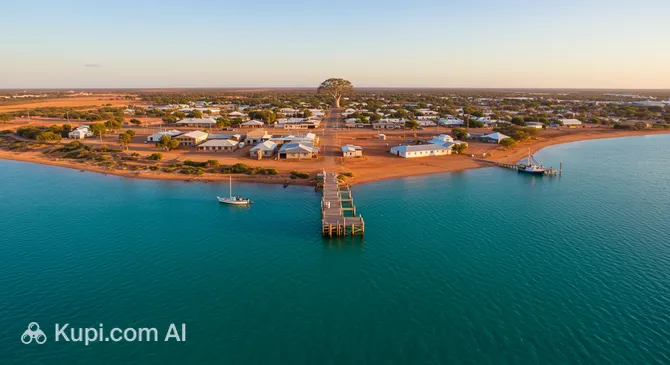
Derby. Source: Kupi.Binoculars

Rich in heritage, the history of Derby is deeply intertwined with the development of the Kimberley, as it holds the title of the first settled town in this vast region. Visitors can explore echoes of the past through local landmarks and stories that define the town's character. One of the most iconic sites is the Boab Prison Tree, a massive, hollow tree with a circumference of nearly 15 meters, which stands as a significant historical and botanical point of interest just outside the town.

Beyond its historical roots, Derby is a fantastic base for adventure. The Derby Wharf is a popular spot to witness the incredible tidal variations and enjoy spectacular sunsets over the water. Additionally, the town acts as a primary launching point for tours to the world-renowned Horizontal Falls, offering thrill-seekers an unforgettable experience. Whether you are interested in natural wonders or cultural heritage, Derby invites you to discover the hidden gems of the West.

Weather Overview

Derby experiences a warm, tropical climate year-round, making it a destination where the sun is a frequent companion. The region typically sees two distinct phases: a warmer, more humid period and a milder, drier season. For a detailed breakdown of what to expect during your visit, you can consult the guide to the weather in Derby.

During the hottest months from November to December and into the new year, average temperatures consistently stay around 30°C to 31°C, with daytime highs often reaching nearly 35°C. This period also brings more frequent cloud cover and rain, particularly in January, which records approximately 13 wet days. Conversely, the cooler months from June to August offer relief with average temperatures dropping to between 23°C and 25°C. July is typically the coolest month, with lows around 18.4°C and virtually no rainfall, providing excellent conditions for outdoor exploration.

Overall, visitors can expect hot, humid summers with frequent showers and warm, dry winters perfect for sightseeing.

Interesting Facts

Beyond the main attractions and rugged landscapes, Derby holds many fascinating secrets that reveal its pioneering spirit and unique environment. Here are some intriguing facts about this historic town:

  • Derby holds a pivotal place in the history of Australia as the destination for the country's first scheduled airmail service. Established in 1921 by West Australian Airways, the route connected Geraldton to Derby, marking a major milestone in civil aviation.

  • While Boab trees are an icon of the Kimberley region, Derby is quite possibly the only town in the world that uses these massive, ancient trees to line its suburban streets, giving the townscape a distinctively prehistoric appearance.

  • The town is home to a unique remnant of World War II known as "Frosty's Pool." This concrete swimming structure was built by American servicemen stationed in the area during the war to help them cope with the intense tropical heat, and it remains a curious historical footprint today.

  • The local wharf was specifically designed in a horseshoe shape to accommodate the massive tidal movements. At low tide, the water recedes so far that vessels sit on the mud, a common sight that underscores the extreme nature of the local tides.

How to Get There

Reaching the historic town of Derby in the Kimberley region requires a bit of planning due to its remote location. While the town itself is a gateway to the outback, it relies heavily on road connections from nearby hubs. For a detailed breakdown of routes and transport options, you can read more about how to get to Derby.

The city of Derby does not have its own airport for scheduled commercial jets, but you can fly into Broome Airport (IATA: BME) in the city of Broome. This regional hub is the primary entry point for the Western Kimberley and welcomes a significant number of travelers annually. While the straight-line distance between the two locations is approximately 166 km, the actual road distance is roughly 220 km. Consequently, the transfer from Broome to Derby typically takes between 2.5 to 3 hours by taxi, bus, or rental car.

For clarity, here is a summary of the main airports:

Airport Name City Passenger Traffic Km from City
Broome Airport Broome Medium 165.8

There are no passenger railway stations serving Derby or the immediate surrounding region. Visitors arriving in Broome typically continue their journey by road, utilizing car hire services or regional coach lines to traverse the highway to the town.

Main Attractions

While Derby is often viewed as the gateway to the gorges and wilderness of the Kimberley, the town itself possesses a collection of unique sites that reflect its rich cultural heritage and colonial past. Visitors spending time here can explore fascinating museums, historic buildings, and vibrant art centers that offer a deeper understanding of the region's identity.

A must-visit for cultural enthusiasts is the Mowanjum Aboriginal Art & Culture Centre. Located just a short drive from the town center, this creative hub is dedicated to the culture of the Worrorra, Ngarinyin, and Wunambal Gaambera people. The center is famous for its focus on the Wandjina, the supreme spirit ancestors associated with the rain. Inside, guests can admire exquisite ochre paintings, printmaking, and carvings, or often witness artists at work, providing a genuine connection to the living history of the Kimberley.

For a glimpse into the town's colonial era, the Wharfinger's House Museum is an excellent stop. This beautifully restored wooden building, originally constructed in the 1920s for the Wharfinger (wharf manager), is a classic example of North West vernacular architecture designed to withstand the tropical climate. Today, it serves as a museum housing a collection of artifacts, photographs, and equipment that tell the story of Derby's maritime and aviation history, offering insight into life in this remote outpost a century ago.

Another significant historical landmark is the Old Derby Gaol. Regarded as the oldest building in the town, this structure dates back to the early 20th century and is listed on the State Register of Heritage Places. It offers a sobering look at the harsh conditions of the early settlement days. Visitors can inspect the small iron cells and learn about the role the gaol played in the region's policing history, standing as a resilient reminder of the town's rugged beginnings.

Nature lovers should also take time to walk the JoonJoo Botanical Trail. This pleasant walking track offers an accessible way to experience the local flora without venturing deep into the outback. The trail winds through native bushland, showcasing a variety of distinct Kimberley plant species. Interpretive signage along the path helps visitors identify local trees and shrubs, explaining their traditional uses by Indigenous people for food and medicine.

Local Cuisine

The culinary scene in Derby reflects its unique position where the rugged red outback meets the tidal waters of the King Sound. While it is not a hub for high-end gastronomy, the town offers honest, hearty meals that highlight the exceptional produce of the Kimberley region. Visitors can expect a relaxed dining atmosphere where the focus is on fresh seafood and generous portions suitable for hungry travelers.

Unsurprisingly, Barramundi is the undisputed king of the local menu. Often wild-caught in the nearby estuaries, this fish is renowned for its sweet, mild flavor and firm texture. You will find it served everywhere, from casual takeaway shops to hotel bistros, usually grilled or battered with a side of chips. Another local delicacy worth seeking out is the Mud Crab. The vast mangrove systems surrounding Derby are teeming with these crustaceans, making them a popular treat for seafood lovers, typically served simply to let the natural flavor shine.

As a town surrounded by vast cattle stations, Derby is also a fantastic place to enjoy premium Australian beef. Local pubs and restaurants pride themselves on serving high-quality steaks and classic "counter meals" like schnitzels and burgers. These venues serve as the social heart of the town, where tourists can mingle with locals over a meal. To beat the tropical heat, the drink of choice is almost invariably an icy cold beer, although refreshing ginger beer is also a popular regional thirst-quencher.

The food culture here is decidedly casual and unpretentious. Most dining takes place in hotel restaurants or roadhouse cafes that welcome dusty boots and travel gear. For a truly local experience, many visitors grab fresh fish and chips and head to the Derby Wharf at sunset. Watching the massive tides shift while enjoying a meal outdoors is a quintessential Derby pastime. Additionally, if you are in town on the weekend, the local markets often feature stalls selling homemade snacks, preserves, and seasonal tropical fruits like mangoes.

Travel Tips

Planning a trip to Derby requires a bit of specific preparation due to its remote location and unique tropical environment. These practical tips will help you navigate the rugged beauty of the Kimberley region safely and ensure your adventure is as smooth as possible.

  1. Clothing and Gear: Given the tropical climate, lightweight and breathable fabrics like cotton or linen are essential to stay cool. A wide-brimmed hat, high-quality sunglasses, and strong sunscreen are non-negotiable for protection against the intense sun. Since you will likely be exploring dusty red tracks, bring sturdy, closed-toe shoes that you don't mind getting dirty. Don't forget a strong insect repellent, as sandflies (midges) and mosquitoes can be prevalent near the mangroves.

  2. Transportation: Public transport options like metros or trams do not exist in this outback town. The best way to get around Derby and explore the surrounding wilderness is by renting a vehicle; a 4WD is highly recommended if you plan to venture onto unsealed roads like the Gibb River Road. Taxis are available but can be limited, so booking in advance is wise if you don't have a car.

  3. Finances: The local currency is the Australian Dollar (AUD). While credit and debit cards are widely accepted at hotels, supermarkets, and service stations, it is smart to carry some cash for smaller purchases or local markets. ATMs are available in the town center, but they may be harder to find if you travel further into the remote Kimberley region.

  4. Health and Safety: The local hospital provides medical services, and there is a pharmacy in town, though it does not operate 24/7. The most critical safety rule in Derby is to be "croc-wise." Never swim in the ocean, creeks, or rivers unless designated as safe, as saltwater crocodiles inhabit these waters. Always carry plenty of water to prevent dehydration in the heat.

  5. Communication: English is the primary language spoken. Mobile phone coverage can be patchy in remote areas; the Telstra network generally offers the best reach in regional Australia. It is advisable to download offline maps before you arrive. Wi-Fi is typically available in accommodation and at the local library.

  6. Local Etiquette: The atmosphere in Derby is laid-back and friendly. A simple "G'day" or a wave is the standard greeting. The region has a significant Indigenous population and rich cultural heritage; always show respect for sacred sites and ask for permission before photographing local people. Dress codes are casual, even for dining out.

  7. What to Avoid: Avoid driving on highways outside the town at dawn, dusk, or night. Wildlife, particularly kangaroos and wandering cattle, are most active during these times and pose a significant collision risk on the unlit country roads.

  8. Tidal Awareness: A specific tip for Derby is to always check the tide charts. The town experiences massive tidal variations of up to 12 meters. Visiting the wharf at low tide offers a completely different view compared to high tide, and knowing the schedule ensures you don't miss the spectacle of the water rushing in.

By keeping these tips in mind, you will be well-equipped to embrace the laid-back lifestyle and incredible natural wonders of Derby. Enjoy the warmth of the locals and the breathtaking scenery of this true outback frontier!

Entertainment & Nightlife

Entertainment in Derby is defined by its relaxed, outback character rather than a high-energy club scene. The nightlife here revolves almost exclusively around the local hotels and pubs, which serve as the social heart of the community. Instead of bustling nightlife districts or neon-lit dance floors, you will find friendly beer gardens and bistro settings where the atmosphere is warm and welcoming. The vibe is distinctly casual, with locals and travelers mingling over cold drinks to recount the day's adventures in the Kimberley wilderness.

For a classic evening out, the Spinifex Hotel on Clarendon Street is a primary destination. Often referred to as "The Spini" by locals, it features a popular beer garden that captures the essence of the tropical lifestyle, frequently hosting live bands or entertainment on weekends. Another key venue is the Boab Inn on Loch Street, which offers a spacious area to enjoy a meal and a drink in a laid-back environment. These venues typically operate until around midnight, so it is best to start your evening early to make the most of the social scene.

When planning a night out, practicality is key. The dress code everywhere is informal—shorts and t-shirts are perfectly acceptable, though sturdy footwear is recommended. Prices for food and alcohol can be slightly higher than in metropolitan areas due to the town's remote location. While Derby is small enough to navigate easily, the streets can be quite dark at night. For safety, it is advisable to use the local taxi service rather than walking long distances after sunset, and always stick to well-lit main roads if you are on foot.

During the day, entertainment shifts from the pubs to outdoor and community activities. While you won't find large amusement parks or grand theaters here, the town offers distinct leisure options. Visitors can cool off at the local swimming pool, which is a hub of activity during the hot afternoons, or play a round at the local golf course, which provides a unique challenge amidst the boab trees. For a quieter experience, the town's cultural centers and the wharf offer engaging ways to pass the time before the sun goes down.

Parks & Museums

While Derby is widely recognized for its rugged outback surroundings, the town itself is home to several inviting green spaces and cultural institutions that offer a quieter look at local life. Beyond the famous tidal mudflats, visitors can discover landscaped areas celebrating the region's heritage and galleries that showcase the immense creativity of the Kimberley. These spots provide a perfect counterbalance to the wilder adventures found on the town's outskirts.

One of the most unique public spaces in town is the Centenary Pavilion. Located near the jetty, this open-air structure is best known for its magnificent mosaic floor, which spans approximately 280 square metres. The intricate artwork depicts the diverse history of the region, illustrating stories of Indigenous culture, early settlement, and the aviation industry. It is an excellent spot for a shaded rest, allowing visitors to literally walk through the timeline of the town while enjoying the cooling sea breeze.

For a connection to the pioneering days, the Dinner Tree offers a natural setting steeped in history. This massive Boab tree, distinct from the well-known Prison Tree, served as a traditional lunch spot for drovers bringing cattle into the port. Today, it stands as a protected natural monument where travelers can enjoy a picnic in the shade of its swollen trunk. It is a peaceful location that evokes the spirit of the old stock routes and provides a great photo opportunity without the crowds found at other major landmarks.

Art lovers looking for something truly distinctive should visit the Norval Gallery. Run by acclaimed artist Mark Norval, this gallery is renowned for its collection of carved boab nuts, a quintessential Kimberley art form. The space displays a vibrant mix of contemporary Indigenous paintings and Norval's own thought-provoking works. It is more than just a viewing space; the friendly atmosphere often allows guests to chat with the artists and gain personal insights into the stories behind the creations.

Another fascinating cultural stop is the Kimberley School of the Air. While not a traditional museum, this institution offers a rare glimpse into the lives of families living on remote cattle stations. Visitors can often tour the facility and listen in on lessons broadcast to children scattered across thousands of square kilometers of the outback. It is an educational experience that highlights the resilience and ingenuity required to maintain a community in such a vast and isolated environment.

For a lesser-known local experience, take a walk to the Derby Marsh just before sunset. While not a manicured park, the vast expanse of wetlands comes alive with birdlife in the cooler evening hours. It is a favorite spot for local photographers capturing the vibrant colors of the sky reflecting off the water and mudflats, offering a raw and authentic encounter with Western Australia's nature.

Getting Around

Due to its remote location and small population, Derby does not possess a public transport system in the traditional sense. Visitors will not find metros, trams, trolleybuses, or a scheduled city bus network operating within the town. The infrastructure is designed around private vehicle use, which is the standard mode of travel in this part of the Kimberley region. Understanding this limitation is crucial for planning your daily movements around the area.

The primary alternative for those without a personal vehicle is the local taxi service. Taxis in Derby are reliable but can be limited in number compared to larger cities. They are the most practical solution for short trips, such as getting from your accommodation to the wharf or local restaurants. Since there is no Uber or similar ride-sharing app presence in the town, you will need to rely on the local dispatch number to book a ride.

Regarding payment, there are no complex travel passes, smart cards, or transport apps to worry about. For taxi services, payment is straightforward: cash is widely accepted, and most vehicles are equipped with EFTPOS terminals for credit and debit card payments. It is always a good idea to carry a small amount of cash just in case electronic systems are down due to the remote nature of the region. Fares are metered, and there is no need to validate tickets or purchase zones.

For tourists, the most highly recommended option is renting a car. This offers the freedom to explore attractions like the Boab Prison Tree or the birdwatching spots at the marsh, which are located on the outskirts of town and are difficult to reach otherwise. Several rental agencies operate in the region, often catering to travelers arriving from Broome. If you choose to drive, parking is generally free and abundant throughout the town.

Walking is an option for getting around the small town center, where shops and some services are concentrated. However, visitors should be extremely mindful of the tropical heat. If you choose to walk, it is best done in the early morning or late afternoon. Cycling is also a pleasant way to see the town during the cooler dry season, though you likely won't find dedicated bike sharing stations; instead, check with your accommodation to see if they offer bicycle loans to guests.

Accommodation

Accommodation in Derby is designed to suit the practical needs of outback travelers, offering a range of comfortable and functional options rather than high-end luxury. Visitors will primarily find classic motels, hotel-style rooms attached to local pubs, and well-equipped caravan parks. These establishments cater heavily to self-drive tourists exploring the Kimberley region, as well as contractors working in the area, ensuring that the amenities are reliable and conducive to a good night's rest after a long day on the road.

Most accommodation options are conveniently located within the town center or along the main entrance roads, providing easy access to essential services like supermarkets, fuel stations, and the local hospital. Staying centrally allows for a short drive or walk to the Derby Wharf to watch the sunset. For those traveling with camper trailers or caravans, the holiday parks located slightly further from the commercial center offer spacious sites and often feature swimming pools, which are a welcome relief in the tropical heat.

A crucial tip for booking accommodation in Derby is to plan well ahead if you are visiting during the dry season (typically May to September). This is the peak tourist period when the weather is most pleasant, and the town becomes a bustling stopover for travelers heading along the Gibb River Road. During these months, rooms and powered sites can fill up quickly, so securing your reservation a few months in advance is highly advisable to avoid disappointment.

In terms of pricing, the cost of staying in Derby generally falls into the mid-range category. While you won't find extreme budget hostels, the rates are usually reasonable for the level of comfort provided. Booking can be done through major online travel platforms for the larger motels and hotels, but for some smaller establishments and caravan parks, contacting the venue directly via phone or their own website is often the most effective way to confirm availability and get the best current rates.

Nearby Cities

For those looking to explore the surroundings, Derby serves as an excellent base for day trips to several interesting nearby locations:

Broome is the most prominent destination within reaching distance, located approximately two and a half hours to the southwest. Known for its rich pearling history and the world-famous Cable Beach, it offers a vibrant coastal atmosphere. Visitors can explore the historic Chinatown, watch a movie at the oldest operating outdoor picture gardens, or witness the spectacular "Staircase to the Moon" phenomenon over Roebuck Bay.

Windjana Gorge National Park offers a stunning natural escape for those willing to venture onto the Gibb River Road. This ancient limestone formation, part of a Devonian reef system, features towering walls that turn a brilliant orange at sunset. It is one of the best places in the region to spot freshwater crocodiles basking on the sandy banks of the Lennard River.

Fitzroy Crossing, situated inland to the east, provides a gateway to the magnificent Geikie Gorge (Danggu). A boat cruise here reveals the fascinating geology of the river walls, which have been bleached white by the annual floodwaters. The town itself is a cultural hub, offering deep insights into the heritage of the local Bunuba people and the history of the pastoral industry.

City Population Distance (km)
Karratha 17013 809
Broome 11547 165
Newman 7306 784
Kununurra 6000 570
Port Hedland 4180 626

These nearby destinations offer a glimpse into the diverse culture and landscapes of the region.

Shopping & Souvenirs

Shopping in Derby is a practical and relaxed affair, reflecting the town's nature as a remote service hub rather than a retail destination. While you will not find sprawling department stores or high-end fashion boutiques here, the town provides all the essentials required for travelers venturing into the Kimberley. Beyond basic supplies, Derby is a hidden gem for art collectors, offering access to some of the finest Indigenous artworks and unique local craftsmanship in Western Australia.

The main commercial activity is concentrated around Loch Street and Clarendon Street in the town center. These streets host a variety of locally owned businesses, including a newsagency, pharmacy, hardware store, and camping supply shops. It is a compact area that is easy to explore on foot, allowing visitors to stock up on necessities, pick up reading materials, or find equipment for their next outback adventure without needing to navigate complex city traffic.

For groceries and general household items, the town is served by the Derby Shopping Centre. This small complex is anchored by a major supermarket, which is the primary spot for locals and tourists to purchase food, drinks, and fresh produce. It serves as a vital resupply point for those preparing to drive the Gibb River Road, ensuring you have ample water and provisions for the long journey ahead.

If you are visiting during the dry season, the Derby Markets are a delightful way to experience the local community spirit. typically held on Saturday mornings, these markets feature stalls selling homemade cakes, preserves, plants, and second-hand books. It is also a great place to find locally made handicrafts and chat with residents, offering a more personal shopping experience than the standard retail stores.

When it comes to souvenirs, Derby offers something truly special: the carved boab nut. These nuts, harvested from the iconic local trees, are intricately carved with designs depicting native animals and outback scenes, making for a distinctively Kimberley memento. Additionally, the region is famous for its Indigenous art. Galleries such as the Mowanjum Aboriginal Art & Culture Centre and Norval Gallery sell exquisite paintings and prints that directly support local artists, allowing you to take a piece of the region's culture home with you.

Store opening hours in Derby generally follow standard regional Australian schedules. Most specialty shops open from 9:00 AM to 5:00 PM on weekdays and may close by 12:00 PM or 1:00 PM on Saturdays. Many smaller businesses remain closed on Sundays. The major supermarket usually operates with extended hours, often open daily. Credit and debit cards (Visa and Mastercard) are widely accepted, but carrying some cash is recommended for small purchases at markets or pop-up stalls.

For international travelers, the Tourist Refund Scheme (TRS) allows you to claim a refund on the Goods and Services Tax (GST) for cumulative purchases over $300 from a single retailer. While you cannot process this refund in Derby itself, you should keep your tax invoices if you purchase significant items like high-value artwork. The claim can be made when you depart Australia from an international airport.

Reached the end of the page?

That means the route is fully explored