Support

Karratha

About

Karratha is a vibrant and dynamic city located in the heart of the Pilbara region in Western Australia. Known as the "powerhouse of the Pilbara," it serves as a modern oasis amidst the rugged, red-earth landscape characteristic of the country's northwest. Originally established in the 1960s to support the booming iron ore industry, Karratha has evolved into a thriving community that balances industrial significance with breathtaking natural beauty, making it a unique destination for travelers seeking an off-the-beaten-path adventure.

Geographically, the city is situated approximately 1,500 kilometers north of Perth and enjoys a semi-arid climate with warm, sunny weather year-round, though summers can be intensely hot. With a population of around 17,000 people, it is the largest city in the region and offers a surprising array of modern amenities. While the city's infrastructure is relatively new, the land it occupies is ancient. Visitors interested in the past can delve into the history of Karratha and its surroundings to learn about the rich Aboriginal heritage and the rapid development that shaped the town into what it is today.
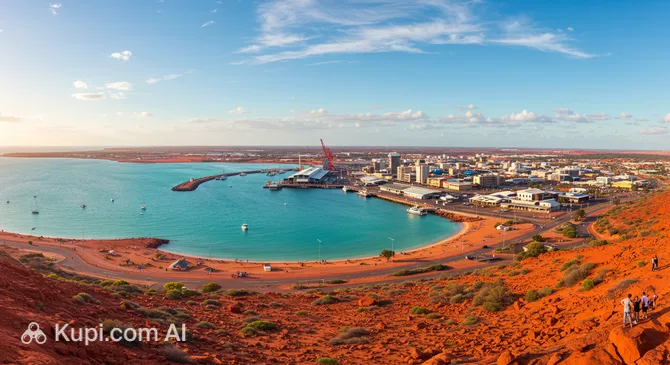
Karratha. Source: Kupi.Binoculars

For tourists, Karratha is the perfect gateway to the spectacular Dampier Archipelago, a chain of 42 islands offering pristine beaches, crystal-clear blue waters, and exceptional opportunities for fishing, snorkeling, and diving. Another must-visit site is the Murujuga National Park on the Burrup Peninsula, which is home to one of the world's largest concentrations of ancient rock art (petroglyphs), providing a profound connection to the cultural landscape. In town, the Red Earth Arts Precinct stands as a contemporary architectural landmark, hosting theatre, cinema, and community events.

Whether you are drawn by the stark beauty of the outback, the allure of the Indian Ocean, or the fascinating mix of industry and ancient culture, Karratha offers a distinct Australian experience. It is a welcoming stopover that invites you to explore the untamed beauty of the West Pilbara Coast.

Weather Overview

Karratha is known for its warm, semi-arid climate, characterized by abundant sunshine and minimal rainfall throughout the year. Before packing for your trip, it is helpful to review the current weather in Karratha to ensure you are prepared for the conditions.

The summer months, spanning from December to March, are typically hot, with average temperatures hovering around 30°C and daily maximums often reaching 33°C. In contrast, the winter season from June to August offers a milder and very pleasant escape, where average temperatures sit comfortably between 21°C and 22°C, and overnight lows rarely drop below 17°C.

Precipitation is exceptionally low in this region, with most months recording between 0mm and 2mm of rain and very few wet days. Visitors can generally expect hot, dry summers and warm, sunny winters with clear skies, making it a reliable destination for outdoor exploration.

Interesting Facts

Beyond its reputation as an industrial powerhouse, Karratha holds a treasure trove of fascinating stories and natural phenomena that often escape the casual observer. From ancient mysteries carved in stone to local legends that captured the world's heart, the city offers plenty of surprises for the curious traveler.

  • The Meaning of the Name: The name "Karratha" is believed to be derived from a local Aboriginal word meaning "good country" or "soft earth." It was originally the name of a pastoral station established in 1866, long before the modern city was developed in the 1960s to support the iron ore industry.

  • Staircase to the Moon: While the town of Broome is famous for this natural optical illusion, Karratha is one of the few other places in Australia where you can witness it. At Hearson’s Cove, during specific dates between March and October, the rising full moon reflects off the exposed mudflats at low tide, creating the magical appearance of a staircase leading up to the sky.

  • A Canine Legend: The region is the home of the famous "Red Dog," a Kelpie-cross who wandered the Pilbara in the 1970s and was immortalized in a hit movie. He was such a beloved figure in the community that he was granted full membership in the Transport Workers' Union and the local sports club, a testament to the unique character of the locals.

  • Evidence of Extinct Species: The ancient rock art at the nearby Murujuga National Park serves as a prehistoric record of the region's wildlife. Among the thousands of engravings, you can find depictions of the Thylacine (Tasmanian Tiger), providing proof that these animals roamed the mainland thousands of years before they became extinct there.

How to Get There

Reaching the Pilbara region requires some planning due to its remote location in Western Australia. For most visitors, air travel is the most practical and time-efficient method. You can read more about how to get to Karratha to explore all the available transport options and prepare for your journey to this unique part of the country.

The primary gateway to the city is Karratha Airport (IATA: KTA), which is conveniently located just 7.8 km from the city center. This busy regional hub welcomes a large number of travelers annually and offers regular connections to Perth. The trip from the airport to the town center is quick and easy, typically taking a short drive of about 15 minutes by taxi or shuttle bus. It is the most direct and hassle-free way to start your visit.

Alternatively, travelers might consider flying into Port Hedland International Airport (IATA: PHE), located in the neighboring city of Port Hedland. This option is sometimes used if flights to Karratha are fully booked, though it involves an overland journey. The airport is situated about 189.9 km away. Visitors choosing this route should be prepared for a transfer, as the drive can take approximately 2.5 hours via the highway.

For clarity, here is a summary of the main airports:

Airport Name City Passenger Traffic Km from City
Karratha Airport Karratha Large 7.8
Port Hedland International Airport Port Hedland Large 189.9
Paraburdoo Airport Paraburdoo Medium 285.7

Main Attractions

Karratha offers a fascinating blend of ancient history, industrial might, and stunning natural landscapes. While it is often viewed as a working town, the surrounding region is packed with incredible sights that showcase the unique beauty of the Pilbara. Here are some of the top places to explore during your visit.

Murujuga National Park is undoubtedly one of the most significant cultural sites in Australia. Located on the Burrup Peninsula, this area contains the highest concentration of rock art in the world, with over one million petroglyphs etched into the ancient red rocks. Tourists can take a walk along the Ngajarli Trail to view these intricate engravings, which depict animals, figures, and extinct species, offering a profound glimpse into the history of the Aboriginal people who have lived here for tens of thousands of years.

For those seeking a coastal adventure, the Dampier Archipelago is a paradise of 42 islands floating in turquoise waters. It is a favorite spot for locals and visitors alike, offering world-class fishing, snorkeling, and diving opportunities. The contrast between the rusty red rocks of the islands and the vibrant blue ocean creates a visual spectacle that is perfect for photography. You can join a boat tour or simply relax on one of the pristine, secluded beaches.

Hearson’s Cove is one of the most accessible and popular swimming spots near Karratha. This sheltered beach features calm, shallow waters that are ideal for a relaxing dip, especially at high tide. It is also a famous viewing point for the "Staircase to the Moon" natural phenomenon. Even when the moon isn't rising, the cove is a fantastic location for a sunset picnic or a beach barbecue with friends and family.

If you enjoy hiking and panoramic views, the Yaburara Heritage Trail is a must-do activity. This 3.5-kilometer walking trail traverses the rugged hills behind the town and highlights significant Aboriginal heritage sites. The walk can be challenging in the heat, but the reward is a breathtaking outlook over the city, the salt flats, and the distant coastline. It is best tackled in the early morning or late afternoon to catch the golden light over the landscape.

Back in town, the Red Earth Arts Precinct stands as a modern architectural gem and the cultural heart of the community. This state-of-the-art facility hosts a variety of events, including movies, live theater, and exhibitions. Even if you don't catch a show, the building itself is worth a visit for its striking design that mimics the surrounding Pilbara landscape, and the landscaped gardens provide a pleasant space to unwind.

Local Cuisine

The culinary scene in Karratha is a delightful reflection of its coastal location and multicultural community. As a hub in the Pilbara, the city offers a surprising variety of dining options, ranging from classic outback pub feeds to modern Australian cuisine. The star of the show here is undoubtedly the fresh seafood, sourced directly from the pristine waters of the Indian Ocean. Visitors should not miss the opportunity to try Barramundi, a quintessential Australian fish known for its buttery texture and mild flavor, often served grilled or battered with chips.

Another local favorite is the famous Mud Crab, often caught in the nearby creeks and mangroves. These are typically served simply to highlight their sweet, delicate meat, often accompanied by chili or garlic butter. For those who prefer turf over surf, the local dining establishments take great pride in their steaks and burgers. A staple of the region's diet is the Chicken Parmigiana (affectionately known as a "Parmi"), a breaded chicken schnitzel topped with tomato sauce and melted cheese, which can be found in almost every tavern and bistro in town.

When it comes to drinks, the hot Pilbara climate makes a cold beverage essential. Craft beer has gained popularity in the region, with local breweries producing refreshing lagers and pale ales designed to quench thirst on a hot day. For non-alcoholic options, ginger beer is a refreshing choice, and the local coffee culture is thriving, with many cafes serving high-quality espresso blends that rival those in major cities.

The food culture in Karratha is distinctly relaxed and unpretentious. Most dining takes place in casual bistros, taverns, and cafes, where the atmosphere is friendly and welcoming. Alfresco dining is particularly popular during the cooler winter months, allowing diners to enjoy their meals under the starry outback sky. On weekends, community markets often feature food stalls offering diverse international flavors, reflecting the diverse workforce that calls this unique city home.

Travel Tips

Welcome to Karratha, where the red earth meets the blue ocean in a spectacular display of natural beauty. To help you make the most of your adventure in this unique corner of the Pilbara, we have compiled a list of essential tips to ensure your journey is safe, comfortable, and unforgettable.

  1. Clothing and Gear: The Pilbara sun is intense, so pack lightweight, breathable clothing made from natural fibers like cotton or linen. A wide-brimmed hat, high-quality sunglasses, and broad-spectrum sunscreen are absolute necessities regardless of the season. If you plan to explore the rock art at Murujuga or hike the Yaburara Heritage Trail, bring sturdy, closed-toe walking shoes to navigate the loose rocks and red dirt. In summer, a fly net for your face can be a lifesaver against the bush flies.

  2. Transportation: While there is a limited bus service and taxi availability, renting a car is by far the best way to explore Karratha and its surroundings. Attractions like the Dampier Archipelago and various gorges are spread out and often inaccessible by public transport. A standard vehicle is sufficient for most paved roads, but a 4WD is recommended if you intend to venture off-road to more remote camping spots or beaches.

  3. Finances: The local currency is the Australian Dollar (AUD). Credit and debit cards are widely accepted at hotels, restaurants, and supermarkets. However, it is wise to carry some cash for smaller purchases at local markets or pop-up food stalls. Be aware that prices in remote mining towns can be slightly higher than in major cities due to transport costs, so budget accordingly for food and accommodation.

  4. Health and Safety: The most critical safety tip is to stay hydrated; always carry more water than you think you need, especially when hiking. The Karratha Health Campus is a modern facility operating 24/7 for medical emergencies. If visiting between November and April, keep an eye on weather forecasts for cyclone warnings. Additionally, be cautious of wildlife on the roads, particularly kangaroos, which are most active at dawn and dusk.

  5. Communication: English is the primary language spoken. Mobile coverage is generally good within the town and main tourist areas, with Telstra offering the most reliable service in remote outback regions. Free Wi-Fi is available in some public spaces, including the Red Earth Arts Precinct and the library, as well as in most hotels and cafes.

  6. Local Etiquette: The vibe in Karratha is casual and friendly; a simple "G'day" or a smile goes a long way. When visiting cultural sites, particularly the rock art on the Burrup Peninsula, show deep respect. These are sacred places for the traditional owners, the Ngarluma-Yindjibarndi, Yaburara-Mardudhunera, and Woon-goo-tt-oo people. Stick to designated paths and never remove artifacts or rocks.

  7. What to Avoid: Do not touch or climb on the petroglyphs (rock art). The oils from human skin can damage these ancient engravings, which have survived for thousands of years. Also, avoid swimming in creeks or murky waters unless designated as safe, as estuarine crocodiles and other marine hazards can be present in the region.

  8. Tides Matter: A specific tip for this coastal city is to always check the tide charts before heading to the beach. At places like Hearson’s Cove, the tide goes out extremely far, turning a swimming spot into a vast mudflat. To enjoy a swim or witness the "Staircase to the Moon," timing your visit with the high tide is essential.

By keeping these practical tips in mind, you will be well-prepared to embrace the rugged charm and warm hospitality of Karratha. Enjoy the stunning contrasts of the landscape and the rich cultural history that makes this part of Australia truly special.

Entertainment & Nightlife

Entertainment in Karratha is a reflection of its energetic, community-focused spirit. While it may not have the sprawling nightclub districts of a major metropolis, the city boasts a lively social scene driven by a young population and a vibrant workforce. The nightlife here is centered around socializing, live music, and enjoying the warm Pilbara evenings, with a distinct shift from rugged outback charm to modern, stylish venues.

The heart of the action is undoubtedly Sharpe Avenue in the city center. This modern precinct has transformed Karratha's evening landscape, offering a range of dining and drinking spots that are within walking distance of each other. The atmosphere is generally relaxed and welcoming; you will find a mix of locals, fly-in fly-out workers, and tourists mingling together. The dress code is typically "Pilbara casual"—neat casual wear is accepted almost everywhere, though closed-in shoes are often required for men in the evenings.

For those seeking a sophisticated night out, Blanche Bar on Sharpe Avenue is a must-visit. It brings a touch of city chic to the outback, renowned for its extensive cocktail menu, tapas-style food, and vibrant atmosphere. On weekends, it often features DJs or live entertainment, making it the closest experience to a club vibe in town. It is the perfect spot to start your evening with a sunset drink or dance the night away with friends.

If you prefer a classic Australian pub experience, The Tambrey is a local institution. Located a short drive from the center, this expansive venue features a large beer garden, sports screens, and a bistro serving hearty meals. It is a bustling hub on Friday and Saturday nights, often hosting touring bands and local acts. Another popular spot is the Grand Central Tavern, which offers a laid-back environment ideal for catching a game of footy or enjoying a cold beer after a day of exploring.

Practical advice for a night out in Karratha involves planning your transport. While the city is relatively compact, distances between the city center and suburban taverns can be too long to walk comfortably in the heat. Karratha Taxis are the primary mode of transport, but demand can be high on weekends, so it is wise to book in advance or be prepared for a wait. In terms of cost, be aware that prices for food and drinks can be slightly higher than in capital cities, reflecting the remote location.

Beyond the bars, the city offers excellent cultural and daytime entertainment. The Red Earth Arts Precinct is the crown jewel of Karratha's entertainment scene. This state-of-the-art venue includes a theater, an outdoor amphitheater, and a cinema showing the latest blockbusters. It is a fantastic option for a more low-key evening or a daytime escape from the sun. Additionally, the precinct often hosts community festivals and touring exhibitions, adding a rich cultural layer to the town's social calendar.

Parks & Museums

While Karratha is often defined by its industrial prowess and rugged red landscapes, the city and its surrounds offer a surprising wealth of green spaces and cultural institutions. From ancient national parks that tell the story of the land's original custodians to modern facilities celebrating local art and industry, there is plenty to explore for those looking to understand the deeper character of this Pilbara hub.

Millstream Chichester National Park is a stunning natural oasis located inland from the coast. It is a place of profound tranquility, featuring deep, spring-fed pools filled with water lilies and lined with paperbark trees, which contrast sharply with the surrounding dry spinifex hills. Visitors flock here to swim in the refreshing waters of Python Pool or to camp under the stars. The park is also culturally significant to the Yindjibarndi people, making it a landscape rich in both natural beauty and spiritual history.

Closer to town, the Murujuga National Park offers a different kind of natural experience. Situated on the Burrup Peninsula, this park protects a rugged, rocky landscape that is home to a diverse range of native flora and fauna. It is globally renowned for its petroglyphs, but nature lovers will also appreciate the unique vegetation and the chance to spot local wildlife, such as the Rothschild's rock-wallaby. The park provides a stark, beautiful environment where the red rocks meet the blue ocean, offering walking trails that guide you through this ancient terrain.

For a dose of culture and history, the North West Shelf Project Visitors Centre offers a fascinating insight into the region's modern identity. Overlooking the massive Karratha Gas Plant, the centre features interactive displays and models that explain the extraction and processing of natural gas. It is a compelling stop for those curious about the massive industrial operations that drive the local economy, providing a panoramic view of the plant and the busy harbour beyond.

A short drive from Karratha lies the historic ghost town of Cossack, which serves as an open-air museum. Once the pearl of the North West, this beautifully restored town features bluestone architecture from the 1880s. The Cossack Court House Museum is a highlight, housing artifacts and displays that recount the hardships and triumphs of the early settlers and the pearling industry. Walking through the empty streets and heritage buildings offers an atmospheric step back in time that contrasts with Karratha's modern vibe.

In terms of historical sites, the nearby town of Roebourne holds significant heritage value. The Old Roebourne Gaol is a somber but important architectural landmark. Built in the late 19th century, it stands as a reminder of the harsh colonial history and the treatment of Aboriginal people in the region. The stone structure is distinctively octagonal and offers guided tours that provide a raw and educational perspective on the area's past.

For an authentic local experience, take the time to visit the Karratha Public Library located within the Red Earth Arts Precinct. Far from just a place for books, it often hosts local history exhibitions and displays of indigenous art. It is a quiet, air-conditioned refuge where you can learn more about the community's stories. Additionally, keep an eye out for the seasonal wildflowers if you are visiting between July and September; the blooming Sturt's Desert Pea adds a vibrant splash of colour to the red earth parks, a sight cherished by locals.

Getting Around

Navigating Karratha requires a bit of planning, as the city does not have the extensive public transport networks found in major metropolitan centers. There is no metro, tram, or train service for local commuting within the city. Instead, the primary mode of public transportation is the bus service, which is reliable but operates with a frequency suited to a regional town rather than a bustling capital. For most visitors, understanding the bus schedule or arranging private transport is essential for a smooth trip.

The local bus network is part of the TransRegional system and provides connections between the Karratha city center and key suburbs, as well as neighboring towns like Dampier, Roebourne, and Wickham. These buses are modern and air-conditioned, which is a necessity given the region's heat. While they are a cost-effective way to travel between major hubs, the routes may not cover every tourist attraction, particularly those located off the beaten track or in nature reserves.

When it comes to paying for your ride, the system is straightforward. You can pay with cash directly to the driver as you board, but it is highly recommended to have small change available, as drivers may not always be able to break large notes. Alternatively, if you are traveling elsewhere in the state or staying for a longer period, you can use a SmartRider card. This reusable smart card offers discounted fares and can be topped up at designated retail outlets or online, making it a convenient option for cashless travel.

For tourists relying on the bus, practical advice is to check the timetables in advance. Services often run less frequently on weekends and public holidays, and some routes may cease operation relatively early in the evening. Timetables are generally available online or at local visitor centers. It is also important to arrive at the bus stop a few minutes early, as services are usually punctual. Unlike in big cities where you might just "turn up and go," in Karratha, knowing the schedule is key to avoiding long waits in the sun.

Given the spread-out nature of the Pilbara region and the limitations of the bus network, many visitors find that renting a car is the most practical solution. Several major car rental agencies operate from both the airport and the city center. Having your own vehicle provides the freedom to explore remote beaches, national parks, and lookouts at your own pace, which is often necessary since many top attractions are not accessible by bus. The roads are generally wide and well-maintained, making driving a stress-free experience for most.

Taxis and ride-sharing services offer another alternative for getting around. Local taxi companies are available and can be booked over the phone or via apps, providing a door-to-door service that buses cannot match. This is particularly useful for evening dining or getting to the airport with heavy luggage. While ride-sharing apps may have a presence, availability can be sporadic compared to larger cities, so it is often safer to have the number of a local taxi service saved in your phone just in case.

For those who prefer active travel, Karratha has an extensive network of footpaths and cycleways that connect many residential areas and the city center. Cycling can be a pleasant way to see the town, especially during the cooler months or in the early morning. However, due to the intense heat during the day, especially in summer, walking or cycling long distances is not always recommended for those unaccustomed to the climate. Always carry water if you choose this option.

Accommodation

Accommodation in Karratha is designed to cater to a diverse mix of visitors, ranging from corporate travelers and fly-in fly-out workers to families and road-trippers exploring the Pilbara. The landscape here is functional and comfortable, reflecting the town's status as a regional hub. Visitors will primarily find a selection of modern motels and hotels, many of which are equipped with swimming pools and on-site restaurants—essential amenities for relaxing after a day in the heat. There are no ultra-luxury resorts in the traditional sense, but the standard of comfort is generally high.

For those planning a longer stay or preferring more independence, serviced apartments are a particularly popular choice in the city. These units typically feature full kitchens and laundry facilities, making them ideal for families or groups who want to self-cater. Additionally, the region is well-served by holiday parks and caravan sites. These are perfect for travelers touring the North West by road, offering everything from powered camping sites to self-contained cabins, often with a friendly, communal atmosphere.

When considering where to base yourself, the city center is the most convenient option for most tourists. Staying near Sharpe Avenue places you within easy walking distance of the main shopping precincts, cafes, and the Red Earth Arts Precinct. This central location minimizes the need for long drives for dinner or supplies. Alternatively, some visitors choose to stay in the nearby town of Dampier, located just a short drive away. This area offers a quieter, coastal vibe with closer access to the archipelago and beaches, though it is further from Karratha's main commercial services.

Booking Tip: It is important to remember that Karratha is a working industrial town as well as a tourist destination. Accommodation can be heavily booked by workforce personnel during the week or during major project shutdowns. Therefore, it is highly recommended to book your accommodation well in advance, particularly if you are traveling during the peak tourist season (the cooler months from May to September).

Regarding costs, visitors should be prepared for prices that are often higher than in other regional areas, typically falling into the mid-to-high range. The strong demand from the resources sector drives these rates, so budget options can be limited outside of camping. Reservations can be made easily via major online booking platforms, but contacting hotels directly can sometimes be beneficial for securing specific room types or weekly rates.

Nearby Cities

For those looking to explore the surroundings, Karratha serves as an excellent base for day trips to several interesting nearby locations. While the sheer scale of the Pilbara region means that "nearby" can sometimes involve a bit of a drive, the unique landscapes and towns within reach are well worth the journey.

Located approximately two hours east, Port Hedland offers a fascinating contrast to Karratha. As another industrial giant, it is famous for its massive port operations, where visitors can watch enormous bulk carriers loading iron ore. Beyond industry, the town is known for the "Staircase to the Moon" phenomenon and the seasonal nesting of flatback turtles at Cemetery Beach. It provides a raw and authentic look at life in the northwest.

For a change of scenery, heading inland to Tom Price takes you into the heart of the Hamersley Range. Situated roughly three hours away, it is the highest town in Western Australia above sea level. The drive itself is scenic, and the town sits in the shadow of Mount Nameless (Jarndunmunha). It is a popular spot for those wanting to experience the rugged beauty of the outback ranges before returning to the coast.

Closer to home, though not listed in the table below, the historic town of Roebourne and the seaside village of Point Samson are just a short drive away (approx. 40 minutes). They offer heritage buildings and excellent seafood, making them perfect for a more relaxed half-day outing.

City Population Distance (km)
Broome 11547 644
Newman 7306 416
Port Hedland 4180 190
Derby 3260 809
Tom Price 3005 239

These nearby destinations offer a glimpse into the diverse culture and landscapes of the region, ranging from coastal industrial hubs to the soaring red peaks of the inland ranges.

Shopping & Souvenirs

Shopping in Karratha offers a practical and relaxed experience, catering primarily to the needs of the local community and the workforce, while also providing visitors with access to essential supplies and unique regional products. As the major commercial hub of the West Pilbara, the city features modern retail facilities that rival those in larger metropolitan areas. While it may not be a high-fashion destination, tourists will find everything they need for their journey, from camping gear and groceries to authentic Australian souvenirs.

The retail heart of the town is undoubtedly the Karratha City Shopping Centre. Located centrally, this is the largest shopping complex in the region and serves as a one-stop destination for most travelers. It houses major Australian department stores and supermarkets, making it the perfect place to stock up on food and supplies before heading out to the national parks or islands. Inside, you will also find a variety of specialty stores, including pharmacies, fashion boutiques, and electronics retailers, offering a cool, air-conditioned escape from the Pilbara heat.

For a more open-air atmosphere, the precinct around Sharpe Avenue and the city center offers a growing selection of smaller shops and services. This area has been revitalized in recent years and features a mix of cafes, lifestyle stores, and local businesses. Walking along the avenue allows visitors to browse for casual clothing, surf wear, and gifts while enjoying the modern streetscape that connects the retail areas with the arts and cultural facilities.

Those looking for local crafts and fresh produce should keep an eye out for community markets. While not always a daily occurrence, the Karratha Community Markets are held periodically, usually during the cooler months. These markets are a fantastic way to meet locals and browse stalls selling handmade jewelry, candles, and homemade treats. Additionally, the annual FeNaCING Festival in August brings a massive array of market stalls to the town, offering everything from arts and crafts to unique Pilbara memorabilia.

When it comes to souvenirs, Karratha is an excellent place to purchase authentic Aboriginal art. The region is home to talented indigenous artists, and you can find stunning paintings, carved artifacts, and textiles that reflect the stories and landscapes of the Pilbara. Local galleries and the visitor center often stock these meaningful items. Other popular keepsakes include photography prints of the red earth landscapes and locally crafted jewelry featuring materials sourced from the region.

Store opening hours in Karratha generally follow standard Western Australian regional times. Most shops in the shopping center are open from 9:00 AM to 5:00 PM on Mondays, Tuesdays, Wednesdays, and Fridays, with late-night trading often available on Thursdays until 9:00 PM. Weekend hours can be shorter, typically 9:00 AM to 5:00 PM on Saturdays, while Sunday trading is often limited to major supermarkets and select stores. Payment is easy, with credit and debit cards widely accepted everywhere, though carrying a small amount of cash is recommended for market stalls.

International tourists visiting Australia may be eligible for the Tourist Refund Scheme (TRS). This allows you to claim a refund of the Goods and Services Tax (GST) paid on goods over AUD 300 bought from a single business. Since Karratha Airport primarily handles domestic flights, you will typically need to present your goods and tax invoices at the TRS facility in the international airport from which you depart Australia, such as Perth International Airport.

Reached the end of the page?

That means the route is fully explored