Support

Port Hedland

About

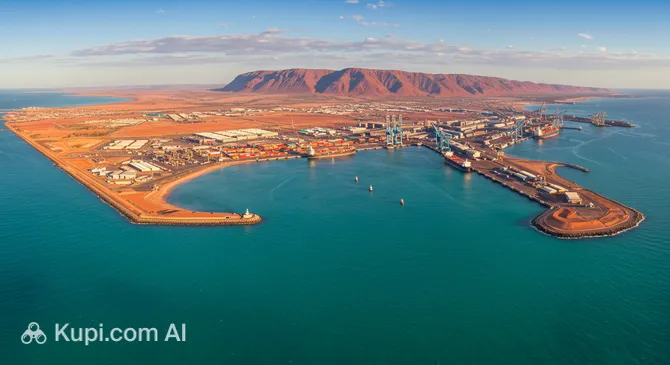
Port Hedland is a captivating destination where the raw, red earth of the Pilbara meets the turquoise waters of the Indian Ocean. Known primarily as a colossal industrial hub, this unique town offers a fascinating contrast between massive infrastructure and untouched natural beauty. Located in the immense state of Western Australia, it serves as a vital gateway to the region and a place where the outback spirit is truly palpable.

While the town is famous for being one of the world's largest bulk export ports, there is much more to discover beneath the surface. The history of Port Hedland is deeply intertwined with both the maritime industry and the rich cultural heritage of the Kariyarra people, the traditional owners of the land. Visitors can explore this legacy while enjoying a climate that offers warm, sunny days for most of the year, perfect for outdoor exploration.

Port Hedland. Source: Kupi.Binoculars

For travelers, the sheer scale of the port operations is a spectacle in itself, with massive cargo ships navigating the harbour daily. Beyond the industry, nature takes center stage at places like Cemetery Beach, a well-known nesting ground for flatback turtles. If you visit between March and October, you might also witness the breathtaking Staircase to the Moon, a natural phenomenon where the full moon rising over exposed mudflats creates a magical optical illusion.

Whether you are passing through on a road trip or visiting to witness the industrial might of the Pilbara, Port Hedland offers a distinct and memorable experience. It is a place where modern industry and ancient landscapes coexist, inviting you to uncover the hidden gems of the Australian northwest.

Weather Overview

Port Hedland experiences a hot, semi-arid climate defined by abundant sunshine and distinct seasonal temperature shifts. The weather in Port Hedland is generally characterized by sweltering summers and mild, pleasant winters, making it a year-round destination for those who appreciate warmth.

During the summer months of December through February, the heat is intense, with average maximum temperatures peaking around 35°C to 36°C. This period corresponds with a slight increase in humidity and cloud cover, recording about 5 wet days per month, although overall precipitation remains low. Travelers visiting at this time should be prepared for high temperatures and ensure they stay well-hydrated.

The winter season, spanning June to August, offers the most comfortable conditions for exploration. Average temperatures cool down to a pleasant 21°C to 23°C, with minimums dipping to around 16°C at night. Rainfall is virtually non-existent during these months, providing clear blue skies and dry days perfect for enjoying the outdoor coastal lifestyle.

Interesting Facts

Beyond the colossal ships and rusty dust, Port Hedland holds fascinating stories that few visitors know about. From record-breaking engineering feats to unsolved maritime disappearances, the town's history is as deep as its harbor.

  • The Longest Trains on Earth: The railway lines leading into the port are famous for hosting some of the longest trains in the world. In 2001, a BHP Iron Ore train arrived here measuring an incredible 7.3 kilometers (4.5 miles) in length, setting a world record that highlights the sheer scale of the Pilbara's mining industry.

  • The Koombana Mystery: The town is central to one of Australia's most enduring maritime mysteries. In 1912, the luxury steamship SS Koombana vanished into a cyclone shortly after departing Port Hedland, never to be seen again. Legends persist that a cursed "Roseate Pearl" was on board, adding a layer of intrigue to the tragedy.

  • A Target in WWII: Despite its remote location, Port Hedland was not immune to the conflicts of World War II. In July 1942, the town was bombed by Japanese forces, a little-known historical event that serves as a reminder of its strategic importance even decades ago.

  • Chasing the Sun: This industrial hub is often cited as the sunniest town in the country. Meteorological records show it receives an average of more than 10 hours of sunshine per day year-round, making it a place where cloudy days are a rare exception.

How to Get There

Reaching this remote industrial hub in the Pilbara region is an adventure in itself, often requiring a flight due to the vast distances involved. For travelers planning their journey, you can find more about how to get to Port Hedland and the specific transport options available. While road trips are popular among those exploring Western Australia, air travel remains the most practical method for direct access.

The primary gateway for visitors is Port Hedland International Airport (PHE). Conveniently located within the town itself, it is just 7.6 km from the city center. A taxi or shuttle bus ride to the main accommodation areas typically takes only about 10 to 15 minutes. As a significant regional hub with substantial annual passenger traffic, it handles regular commercial flights connecting the town to major Australian cities like Perth.

An alternative option for those exploring the wider region is Karratha Airport (KTA), situated in the neighboring city of Karratha. This airport is approximately 196.6 km away from Port Hedland. Travelers landing here will need to rent a car or arrange a transfer, with the drive along the North West Coastal Highway taking roughly 2 to 2.5 hours. It is a larger transport hub and can serve as a secondary entry point if flights to Port Hedland are unavailable.

For clarity, here is a summary of the main airports:

Airport Name City Passenger Traffic Km from City
Karratha Airport Karratha High 196.6
Port Hedland International Airport Port Hedland Medium 7.6
Koodaideri Mine (Gudai-Darri Mine) Airport Yandicoogina Small 247.7

There are currently no passenger rail services connecting to Port Hedland. While the region is famous for its massive trains, these are exclusively industrial railways used for transporting iron ore from the mines to the port. Visitors wishing to travel overland usually arrive by car, campervan, or long-distance bus services traveling along the Great Northern Highway, which offers a scenic route through the rugged Australian outback.

Main Attractions

While often recognized for its massive industrial operations, the town offers a surprising array of sights that blend its rich history, coastal beauty, and engineering marvels. Visitors can explore a mix of scenic parks, heritage sites, and unique viewing platforms that showcase the true character of the Pilbara coast.

One of the most popular recreational spots for locals and tourists alike is Pretty Pool Park. Located in a natural inlet, this area is famous for its picturesque tidal creeks and mangroves. It is an excellent location for a relaxing swim during high tide or a peaceful beach walk. The park is equipped with barbecue facilities and shaded seating, making it a perfect destination for a family picnic while watching the sunset over the Indian Ocean.

For those fascinated by the sheer scale of the region's industry, Marapikurrinya Park offers the best vantage point in town. Situated right at the harbor's edge, this park allows you to watch the colossal iron ore carriers and salt ships being guided into the port by tugboats. The park also features interpretive signage explaining the port's operations and the history of the area, providing context to the impressive industrial ballet unfolding on the water.

To connect with the town's past, a visit to the Dalgety House Museum is essential. Housed in a beautifully restored timber cottage built in 1903, the museum offers a glimpse into the early days of the settlement before the mining boom. Inside, you can explore a collection of artifacts, photographs, and stories that detail the challenges and triumphs of the early pioneers and the diverse community that helped build the town.

Nature enthusiasts should head to Cemetery Beach Park, a serene coastal strip that serves as a vital habitat for local wildlife. It is widely known as a nesting ground for flatback turtles, and if you visit during the nesting season (typically October to January), you might spot these incredible creatures. The park also features a playground and grassy areas, offering a quiet escape with sweeping views of the ocean.

Local Cuisine

Port Hedland’s culinary scene is deeply influenced by its coastal location in the Pilbara, offering a dining experience that revolves around fresh, locally caught seafood and hearty Australian classics. The town’s proximity to the Indian Ocean means that seafood lovers are in for a treat, with Barramundi being a standout dish on almost every menu. Whether grilled, battered, or served with a crispy skin, this iconic fish is known for its sweet, buttery flavor. Another local favorite worth seeking out is the Mud Crab, a delicacy often caught in the nearby tidal creeks and served fresh in many establishments.

Beyond seafood, the town retains a strong connection to the Australian outback spirit, which is reflected in its love for substantial "pub grub." You cannot visit a local hotel or bistro without encountering the ubiquitous Chicken Parmigiana (affectionately known as a "Parmi"). Often served in generous portions with chips and salad, it is the go-to meal for locals after a long day. For those interested in unique flavors, keep an eye out for pop-up dining experiences or special menus that incorporate native ingredients, such as wattle seed or lemon myrtle, which are increasingly being championed by local chefs to showcase the region's Indigenous heritage.

The food culture in Port Hedland is relaxed and unpretentious, perfectly suiting the warm climate. Dining is often an alfresco affair, with many restaurants and historic pubs offering outdoor seating where you can enjoy the sea breeze. A distinct feature of the town is its historic dining venues, including cafes housed in restored railway carriages and hotels that have served the community for decades. These spots are not just places to eat but social hubs where tourists can mingle with the friendly local community.

To combat the Pilbara heat, cold beverages are essential. The local drinking culture favors crisp, refreshing lagers and pale ales that pair well with the hot weather. Western Australia’s thriving craft beer scene is well-represented here, and you may find brews infused with native botanicals like Geraldton wax or bush apple. For a non-alcoholic option, traditional ginger beer is widely available and provides a spicy, refreshing kick that is perfect for a sunny afternoon by the harbor.

Travel Tips

Planning a trip to Port Hedland means preparing for the unique conditions of the Pilbara, where the climate is extreme and the landscapes are vast. To help you navigate this industrial powerhouse and coastal gem with ease, here are some practical tips to ensure your visit is safe, comfortable, and enjoyable.

  1. Clothing and Gear: Due to the intense heat, lightweight, breathable fabrics like cotton or linen are essential for staying cool. A broad-brimmed hat, high-quality sunglasses, and strong sunscreen are non-negotiable to protect against the high UV index. If you plan to explore the rocky coastline or take a port tour, pack comfortable closed-toe shoes.
  2. Transportation: Renting a car is undoubtedly the best way to get around. Public transport options are limited, and the town is spread out between the main "Port" area and South Hedland. While taxis are available, having your own vehicle gives you the freedom to explore at your own pace. If you plan to venture further into the Pilbara outback, a 4WD is highly recommended.
  3. Finances: The local currency is the Australian Dollar (AUD). Credit and debit cards are widely accepted almost everywhere, from supermarkets to cafes. ATMs are readily available, primarily in South Hedland and the main shopping centers. Tipping is not mandatory in Australia, but leaving a small gratuity (around 10%) for exceptional service is appreciated.
  4. Health and Safety: The sun is your biggest risk here; carry a water bottle everywhere and stay hydrated. Be aware of sandflies (midges) at the beaches, especially at dawn and dusk—insect repellent is a must. Medical assistance is available at the Port Hedland Health Campus, but for minor issues, pharmacies can be found in the shopping centers (check opening hours as they are rarely 24/7).
  5. Communication: English is the primary language spoken. While mobile coverage is good within the town, it can drop off quickly once you leave the main roads. If you plan on traveling to remote areas nearby, a SIM card from Telstra typically offers the best regional coverage. Free Wi-Fi is often available in hotels and some public spaces.
  6. Local Etiquette: The vibe in Port Hedland is incredibly casual and laid-back. A friendly "G'day" or a wave to passing drivers on quiet roads is common. Dress codes are relaxed—shorts and t-shirts are standard attire for almost any venue, including pubs and restaurants. Respect the local Indigenous culture and any signage regarding restricted areas on traditional lands.
  7. What to Avoid: Do not swim in creeks or unpatrolled waters without checking local advice. The region's waters can be home to marine stingers, stonefish, and occasionally sharks or saltwater crocodiles (though less common than further north). Always wear reef shoes if wading in tidal flats to protect against stonefish spines.
  8. Additional Tip: Be aware of the local alcohol restrictions. The Pilbara region has specific rules regarding the purchase of takeaway alcohol to promote community safety. Buying limits may apply, and takeaway sales are often restricted to specific hours (usually not before 11:00 AM or 12:00 PM), so it is wise to check the bottle shop hours in advance.

By keeping these practicalities in mind, you will be well-equipped to handle the heat and enjoy the rugged charm of the North West. Whether you are here to marvel at the massive ships or relax by the ocean, a little preparation goes a long way in Port Hedland.

Entertainment & Nightlife

Nightlife in Port Hedland reflects the town's unique character as a bustling industrial hub with a relaxed, coastal spirit. You will not find high-end nightclubs with strict door policies or neon-lit dance floors here. Instead, the evening entertainment revolves around historic pubs, lively beer gardens, and hotel bars where the atmosphere is welcoming and unpretentious. The social scene is driven by the local community and the workforce, creating a vibe that is rowdy yet friendly, often centered around live music, sports broadcasts, and hearty meals.

The action is generally divided between two main areas: the historic West End in Port Hedland proper and the more residential South Hedland. The West End is the place to be for ocean views and a breeze, hosting some of the town's most iconic watering holes. South Hedland offers a more suburban feel with community taverns and sports bars that serve as gathering spots for locals living in the area. Moving between these two districts requires transport, as they are separated by a significant distance.

For a classic night out, the Esplanade Hotel (often called "The Espy") is a cornerstone of the West End. It offers a mix of history and modern hospitality, featuring a popular outdoor garden bar where you can enjoy a cold drink under the stars. Another local favorite is the Pier Hotel, situated close to the water. It is famous for its lively atmosphere, often hosting live bands or DJs on weekends, making it one of the few places in town that feels close to a party venue. In South Hedland, the Walkabout Hotel provides a spacious venue often utilized for touring acts and community events.

Practicalities are important when planning an evening here. The dress code is almost universally casual; shorts and t-shirts are the norm, although closed-toe shoes are recommended. Prices for drinks and food are typical for the Pilbara region, which can be slightly higher than in major cities due to the remote location. For transport, taxis are the primary option, but they can be scarce during peak times like Friday and Saturday nights. It is highly advisable to book your ride in advance or have the number of a local taxi service saved on your phone. While the main areas are generally safe, it is best to avoid walking alone between districts at night due to the isolation and distance.

If you are looking for entertainment during the day or a more cultural evening, the Matt Dann Theatre & Cinema in South Hedland is the region's premier venue for the arts. It hosts everything from the latest blockbuster movies to live theater productions and comedy shows. Additionally, the Courthouse Gallery+Studio in the West End offers a look into the region's creative side, occasionally hosting evening exhibition openings that provide a sophisticated alternative to the pub scene.

Parks & Museums

Port Hedland is a city of contrasts, where industrial might meets the raw beauty of the Pilbara landscape. While the port dominates the horizon, the town is home to several dedicated green spaces and cultural institutions that offer a break from the hustle. Visitors can explore open-air museums that celebrate the region's mining heritage or relax in coastal recreation areas that provide stunning views of the Indian Ocean.

One of the most unique outdoor spaces is The Spoilbank, a man-made coastal formation created from dredged material. It has become a favorite recreational hub for locals, offering vast stretches of sand perfect for fishing, walking, and watching the sunset. Unlike a traditional manicured garden, this area captures the rugged spirit of the coast and is accessible by 4WD, making it a popular spot for a casual beach day or a seaside barbecue. Another notable green space is the Koombana Lookout. Situated near the port, this landscaped viewing area not only offers panoramic vistas of the harbor but also serves as a memorial to the SS Koombana. It features shaded seating and interpretive signage, allowing visitors to soak in the views while learning about the town's maritime history.

For a deeper dive into the region's industrial past, the Don Rhodes Mining Museum is a must-visit. Located in a public park setting, this open-air museum showcases a fascinating collection of retired mining machinery and railway rolling stock. Train enthusiasts will be particularly impressed by the historic locomotives on display, which played a crucial role in the development of the Pilbara's iron ore industry. It provides a tangible connection to the engineering feats that have shaped the town's identity.

Art lovers should head to the Spinifex Hill Studio, the home of the Spinifex Hill Artists. This dynamic art center is the only Aboriginal artist collective in the Pilbara region and focuses on contemporary painting. Visitors can often see artists at work, creating vibrant canvases that tell the stories of their country and culture. The studio gallery exhibits a rotating selection of works, offering a colorful and meaningful insight into the Indigenous heritage of Western Australia.

Those interested in architecture and history can follow the West End Heritage Trail. This self-guided walk weaves through the town's oldest district, passing significant buildings like the Old Port Hedland Post Office and the Medical Officer’s Quarters. It is an excellent way to appreciate the colonial architecture and understand the challenges faced by the early settlement.

For a truly local experience, visit the Cooke Point Viewing Platform during the "Staircase to the Moon" dates. While many watch this phenomenon from the main beaches, this specific vantage point offers a fantastic, slightly elevated perspective of the moon rising over the exposed mudflats, often with fewer crowds than the more central locations.

Getting Around

Navigating Port Hedland requires a bit of planning, as the public transport system is relatively small and designed primarily to connect the town’s two main hubs: the coastal West End (Port Hedland) and the inland residential center of South Hedland. Unlike major metropolitan cities, you will not find subways, trams, or extensive trolleybus networks here. The system relies entirely on a scheduled bus service, which is functional for basic travel between districts but may not offer the frequency tourists are accustomed to in larger capitals.

The local bus network is operated under the TransRegional brand (specifically TransHedland). The primary service, Route 870, acts as a vital link, shuttling passengers between the Port Hedland terminus and the South Hedland shopping centre. These buses are modern and air-conditioned—a crucial feature in the Pilbara heat. However, frequencies can vary, often running every 30 to 60 minutes on weekdays and less frequently on weekends, so checking the timetable in advance is essential.

Paying for your ride is straightforward. If you are visiting from Perth or other parts of Western Australia and already have a SmartRider card, you can use it here to "tag on" and "tag off" just as you would in the capital, receiving a discount on the fare. For tourists without a card, cash is the standard payment method. You can purchase a ticket directly from the driver upon boarding. Fares are generally very affordable, often costing only a few dollars for a standard trip or a day pass. It is highly recommended to carry small notes and coins, as drivers may not always have change for large bills.

Given the bus network's limitations, many visitors find that taxis are a necessary alternative, especially for evening travel or getting to specific locations off the main bus route. Local taxi services are reliable but can be in high demand during peak times or shift changes. Unlike in major cities where you can hail a cab on the street, it is standard practice here to book your ride by phone or via a local app in advance. While rideshare services like Uber may exist, availability can be sporadic compared to the dedicated local taxi fleets.

For those who prefer self-reliance, car rental remains the most popular choice for tourists. The distance between the West End and South Hedland is roughly 15 to 20 kilometers, and waiting for a bus in the intense sun can be draining. Having a vehicle allows you to explore at your own pace and reach attractions that public transport does not serve. Cycling is an option for short trips within a specific district, and there are shared paths along the coast, but the heat and distances make it impractical for commuting between the two main centers.

It is also important to note that despite the town's fame for its massive railway lines, there are no passenger trains in Port Hedland. The incredibly long trains you see are exclusively for transporting iron ore from the mines to the port. Do not expect a metro or rail link; the railway here is purely an industrial marvel, not a mode of transit for travelers.

Accommodation

Accommodation in Port Hedland reflects its identity as a working industrial town rather than a traditional holiday resort. The options are generally practical and functional, catering heavily to the mining workforce and business travelers. Visitors will primarily find mid-range motels, serviced apartments, and well-equipped caravan parks. While you will not find five-star luxury resorts here, the available lodgings offer comfortable amenities like air conditioning—a necessity in the Pilbara heat—and often include on-site restaurants and pools.

When choosing where to stay, the town is divided into two distinct areas: the coastal West End (Port Hedland proper) and the inland South Hedland. The West End is often preferred by tourists as it is close to the ocean, the spoilbank, and historic sites. Staying here puts you within walking distance of the port's viewing areas and the cool sea breeze. In contrast, South Hedland is the commercial and residential hub, located about 15 kilometers away. It is convenient for access to major shopping centers, the hospital, and modern recreational facilities, making it a practical base for those who need easy access to services.

For a stay that captures the town's history, the Esplanade Hotel in the West End is a well-known landmark. It offers a mix of heritage charm and modern comfort, sitting right on the coast with easy access to dining and entertainment. In South Hedland, the Walkabout Hotel is a popular choice, providing motel-style rooms and a large complex that serves as a social hub for the area. Both locations are accustomed to hosting travelers and offer a reliable standard of service.

A crucial tip for visitors is to book well in advance. Due to the massive fly-in fly-out (FIFO) workforce operating in the region, accommodation is in constant high demand and can be fully booked for weeks at a time. Do not rely on finding a room upon arrival, especially during the peak dry season (May to September) when tourists also flock to the north.

Be prepared for the price range, which can be higher than expected for a regional town. Due to the limited supply and high corporate demand, rates for a standard motel room often lean towards the upper mid-range. Budget travelers may find their best options at the local caravan parks, which offer cabins and camping sites, while those seeking more space might look into short-stay apartments that provide kitchen facilities for self-catering.

Nearby Cities

For those looking to explore the surroundings, Port Hedland serves as an excellent base for day trips to several interesting nearby locations. While the distances in the Pilbara are vast, a few hours of driving can lead you to stunning coastal archipelagos, ancient rock art sites, and the rugged interior of the red earth country.

Karratha is the most accessible major town for a day trip, located approximately a two-hour drive along the coast. It serves as the gateway to the Dampier Archipelago and the Burrup Peninsula (Murujuga), which is home to one of the world's largest collections of ancient Aboriginal rock art (petroglyphs). Visitors can explore the deep cultural history of the area or enjoy the pristine beaches and boating opportunities at nearby Dampier.

Heading inland, Tom Price offers a completely different experience. Known as the highest town in Western Australia, it sits nestled in the Hamersley Range. Although it is a longer drive, it is the primary access point for the breathtaking Karijini National Park, famous for its spectacular gorges, waterfalls, and swimming holes. While a day trip is possible for the energetic, many travelers choose to stay overnight to fully appreciate the natural wonders of the interior.

Another notable destination is Newman, a town built on the massive Mount Whaleback iron ore mine. It provides a fascinating insight into the scale of mining operations in the region and offers tours of the mine itself. For those willing to venture further, the drive reveals the changing landscapes of the Pilbara, from coastal flats to rugged ranges.

City Population Distance (km)
Karratha 17013 190
Broome 11547 462
Newman 7306 357
Derby 3260 626
Tom Price 3005 277

These nearby destinations offer a glimpse into the diverse culture and landscapes of the region, ranging from the turquoise coast to the deep red gorges of the outback.

Shopping & Souvenirs

Shopping in Port Hedland is primarily functional and driven by the needs of the local community and the mining workforce, rather than being a high-end retail destination. However, visitors will find everything they need for a comfortable stay, along with some unique opportunities to purchase local art and crafts. The retail scene is split between the two main hubs of the town, offering a mix of large supermarkets, department stores, and smaller specialty boutiques that reflect the rugged character of the Pilbara region.

The town's retail activity is distinctively divided between the coastal area of Port Hedland (often called the "West End") and the inland residential center of South Hedland. South Hedland is the primary commercial district, housing the largest concentration of shops, banks, and services. It is where you will go for groceries, camping gear, and general supplies. In contrast, the West End offers a more relaxed, historic atmosphere with a few independent shops, cafes, and galleries nestled among the heritage buildings, perfect for a leisurely browse after a morning coffee.

For a comprehensive shopping experience, South Hedland Square is the largest and most modern shopping centre in the region. It serves as the main retail hub, featuring major Australian chain stores like Kmart and Coles, along with a pharmacy, newsagency, and various food outlets. It is an air-conditioned oasis where you can stock up on essentials. In the coastal part of town, the Port Hedland Boulevard Shopping Centre provides a convenient alternative. Anchored by a Woolworths supermarket, it includes a bakery, a bottle shop, and a few specialty stores, catering to those staying near the port.

If you are looking for something more authentic than mass-produced goods, the West End Markets are a highlight of the local social calendar. Typically held seasonally (often during the cooler months from April to October) in the gardens of the Courthouse Gallery, these markets showcase the creativity of the community. Stalls feature handmade jewelry, local crafts, baked goods, and second-hand treasures. It is a fantastic place to mingle with locals and find unique items that are not available in standard stores.

When it comes to souvenirs, the best keepsakes from Port Hedland are those that connect to the land and its culture. Indigenous art is a standout purchase here; the region is home to incredibly talented Aboriginal artists. Visiting a local gallery or art center allows you to buy authentic paintings, textiles, or ceramics directly from the source. Additionally, items made from or inspired by the local iron ore and semi-precious stones found in the Pilbara make for distinctive gifts. Photography prints capturing the stark contrast of the red earth and blue ocean are also popular mementos.

Store opening hours in Port Hedland generally follow standard regional Australian schedules. Most shops in the shopping centers are open from 8:00 AM or 9:00 AM to 5:00 PM or 6:00 PM on weekdays and Saturdays, with reduced hours on Sundays (often 10:00 AM to 2:00 PM or closed). Thursday nights may offer late-night shopping until 9:00 PM in the major supermarkets. Payment is easy, with credit and debit cards (Visa and Mastercard) widely accepted everywhere, although carrying some cash is useful for smaller market stalls.

For international travelers, the Tourist Refund Scheme (TRS) allows you to claim a refund on the Goods and Services Tax (GST) for purchases over $300 from a single retailer. While there are no refund facilities in Port Hedland itself, you can claim this refund at the international airport when you depart Australia, provided you have the tax invoices and the goods in your carry-on luggage.
Nearby cities

Reached the end of the page?

That means the route is fully explored