Support

Broome

About

Broome is a captivating destination where the rugged red desert meets the turquoise waters of the Indian Ocean. Known as the gateway to the wild Kimberley region, this town offers a unique blend of natural beauty and a relaxed tropical atmosphere that charms visitors from around the globe.

Located in the northern part of Western Australia, Broome enjoys a warm, semi-arid climate that makes it a popular escape, particularly during the dry season. With a permanent population of approximately 11,500 residents, the town maintains a welcoming, close-knit community feel while providing excellent amenities for the many travelers who pass through its gates.

Broome. Source: Kupi.Binoculars

The town's identity is deeply intertwined with its maritime legacy as a former pearling capital of the world. Those interested in the past can explore the fascinating history of Broome by visiting the historic Chinatown district, which still bears the architectural and cultural marks of the diverse community of pearl divers who settled here in the late 19th century.

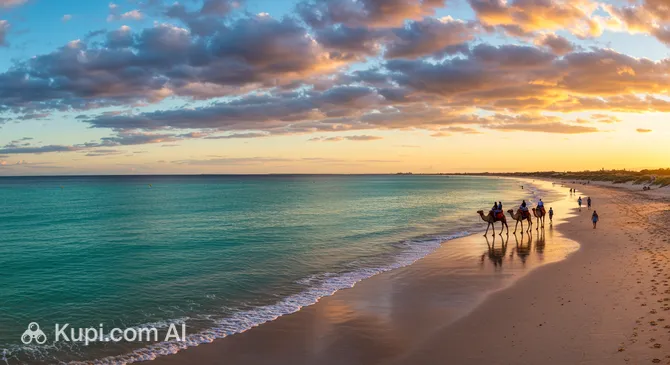
Today, the city is world-famous for Cable Beach, a stunning 22-kilometer stretch of white sand where sunset camel rides have become an iconic experience. Nature enthusiasts also flock here to witness the Staircase to the Moon, a breathtaking optical illusion created by the full moon rising over the tidal flats of Roebuck Bay, or to see the ancient dinosaur footprints preserved in the red rocks at Gantheaume Point.

Whether you are looking to immerse yourself in unique local culture, witness spectacular natural phenomena, or simply relax by the sea, Broome offers an unforgettable travel experience.

Weather Overview

Broome experiences a tropical climate characterized by warm temperatures year-round and distinct seasonal patterns. Travelers planning a trip should be prepared for two main seasons: a hot, more humid wet season and a milder, dry season. For specific forecasts and detailed monthly breakdowns, you can visit our page dedicated to the weather in Broome.

The warmest period typically spans from November to April, where average temperatures hover around 30°C and daily maximums often reach 33°C. This time of year brings the highest chance of precipitation; according to local data, January is the most active month for rainfall with approximately 11 wet days, while December and February also see increased moisture.

In contrast, the months from June to August offer cooler and drier conditions, making them a popular time for visitors. During this period, average temperatures drop to a comfortable 23°C to 24°C, with overnight lows dipping to around 18°C or 19°C. Rainfall is virtually non-existent during these winter months, with July and August frequently recording zero wet days.

Interesting Facts

Beyond the stunning sunsets and famous pearling history, Broome holds several fascinating secrets that surprise many visitors. Digging a little deeper into the local lore reveals a destination rich in unique wildlife, wartime heritage, and record-breaking entertainment venues.
Town Beach. Source: Kupi.Binoculars
  • While the town is known for its peaceful atmosphere today, it was the site of a significant air raid during World War II. At extremely low tides (less than 0.86 meters), visitors at Town Beach can walk out onto the mudflats of Roebuck Bay to see the preserved wreckage of Dutch flying boats that were lost during the attack in 1942.

  • Broome is home to the world's oldest operating open-air picture gardens, Sun Pictures. Opening its doors in 1916, this cinema has survived tidal flooding and cyclones, allowing generations of locals and tourists to enjoy movies under the stars in a charming, heritage-listed setting.

  • The iconic Cable Beach was not named for the length of its sands, but for a technological marvel of the 19th century. In 1889, a submarine telegraph cable was laid between Broome and Java, Indonesia, finally connecting Western Australia to the world's communication network.

  • Roebuck Bay is one of the only places on the planet where you can spot the Australian snubfin dolphin. These rare, rounded-headed mammals are endemic to northern Australia and are often seen socializing in the bay's warm, nutrient-rich waters.

How to Get There

Reaching the pearl of Western Australia often involves a journey across vast landscapes, making air travel the most popular and efficient choice for visitors. Whether you are flying from a state capital or embarking on a legendary road trip, planning your arrival is the first step of the adventure. You can find detailed information on routes and transport options by reading more about how to get to Broome.

The primary gateway for travelers is Broome Airport (IATA: BME). Uniquely situated right within the town, it serves as a vital regional hub connecting the Kimberley region to major cities like Perth, Darwin, and seasonally, other Australian capitals. Since the airport is located in Broome itself, just 1.8 km from the center, the transfer is incredibly quick. A taxi or hotel shuttle ride typically takes only about 10 to 15 minutes, allowing visitors to step off the plane and start relaxing by the beach almost immediately.

For clarity, here is a summary of the main airport:

Airport Name City Passenger Traffic Km from City
Broome Airport Broome Medium 1.8

While flying is the quickest option, adventurous souls often choose to arrive by road. Long-distance coaches and self-drive travelers access the town via the Great Northern Highway. However, distances in this part of Australia are vast, so ensure you are prepared for a long journey if choosing this method. There are no railway services connecting directly to Broome.

Main Attractions

While the famous Cable Beach often steals the spotlight, the town offers a diverse range of other sights and experiences that capture the true spirit of the Kimberley. From bustling local markets to serene bays and vibrant culinary hotspots, exploring the town center reveals the laid-back charm that makes this destination so special.

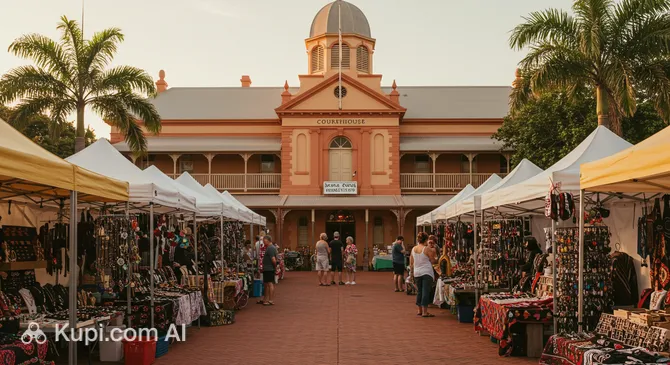
A visit to Broome would not be complete without wandering through the iconic Broome Courthouse Markets. Held in the beautiful heritage gardens of the local courthouse, these markets are a weekend institution during the dry season. Visitors can browse stalls featuring high-quality local handicrafts, including stunning pearl jewelry, indigenous artwork, and tie-dyed fabrics. It is also a fantastic place to sample local cuisine from the numerous food vans while enjoying live music under the shade of established trees.

Broome Courthouse Markets. Source: Kupi.Binoculars

For those seeking a calm alternative to the ocean surf, Town Beach is a favorite among families and locals alike. Located on the edge of Roebuck Bay, this spot is renowned for its turquoise waters which are generally calmer than the Indian Ocean side, making it ideal for a relaxing dip. The area has been revitalized with lush grassed areas, a water park for children, and excellent barbecue facilities, creating a perfect setting for a seaside picnic while watching the changing colors of the bay.

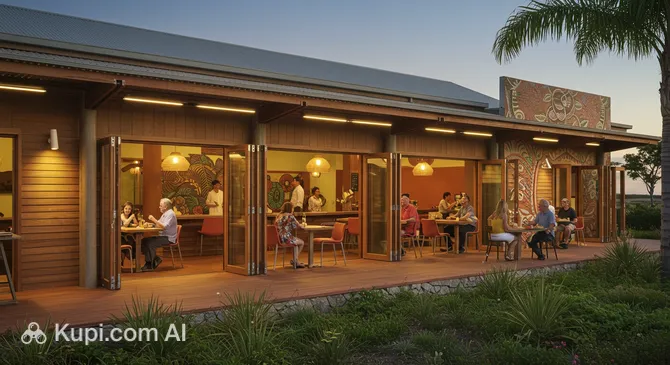
Broome's dining scene has become an attraction in itself, reflecting the town's multicultural heritage and love for outdoor living. One of the most popular local hangouts is the Good Cartel. Known for its distinctively cool, open-air vibe, this venue combines a drive-through coffee culture with a relaxed seating area. It is a go-to spot for premium coffee, smoothies, and huge burgers, often bustling with activity from early morning until late at night.

Good Cartel. Source: Kupi.Binoculars

Another gem in the heart of Chinatown is The Green Mango Cafe. This establishment is celebrated for its tropical atmosphere and diverse menu that caters to all tastes, from fresh salads to hearty mains. It is particularly famous for its house-made gelato and refreshing mango-based drinks, providing a delicious respite from the heat after a day of sightseeing.

The Green Mango Cafe. Source: Kupi.Binoculars

Local Cuisine

Broome’s culinary scene is as vibrant and colorful as its landscape, offering a delightful fusion of fresh seafood, indigenous ingredients, and multicultural flavors rooted in its pearling history. The town is renowned for its "ocean to table" philosophy, ensuring that visitors enjoy the freshest produce the Kimberley region has to offer, often served in relaxed, open-air settings that capture the tropical breeze.

One of the most exclusive and sought-after delicacies you must try is pearl meat. This rare seafood is the adductor muscle of the Pinctada maxima oyster, the same oyster that produces Broome’s famous South Sea pearls. Historically a secret treat for pearl divers, it is now a gourmet ingredient served in top local restaurants. With a texture similar to scallop or abalone and a sweet, delicate flavor, it is typically served as a ceviche, cured, or lightly seared to preserve its tenderness.

Beyond rare delicacies, the Indian Ocean provides a bountiful harvest that defines the local diet. Barramundi, a quintessential Australian fish, features heavily on menus, often grilled to perfection or battered for a classic fish and chips experience. During the appropriate season, you can also feast on massive mud crabs caught in the local mangroves. These are best enjoyed with chili and garlic sauces, a preparation style that reflects the town's strong Asian heritage derived from the Japanese, Chinese, and Malay divers who settled here.

To quench your thirst in the tropical heat, Broome offers distinctive local beverages. The town is famous for its locally brewed ginger beer and mango beer, which are refreshing staples perfect for the warm climate. Mangoes are abundant in the region, and you will find them celebrated in everything from fresh smoothies and chutneys to unique mango wines and ciders.

The food culture here is deeply communal and often revolves around outdoor markets. A visit to the Broome Courthouse Markets on a Saturday morning is a ritual for locals and tourists alike. Here, you can wander through stalls sampling satay sticks, handmade dumplings, and tropical donuts. In the evenings, particularly during the dry season, the foreshore at Town Beach comes alive with night markets, where visitors can grab a plate of international street food and picnic on the grass while watching the moon rise over Roebuck Bay.

Travel Tips

Welcome to Broome, where the outback meets the ocean and life moves at a wonderfully different pace. To help you settle into the local rhythm and make the most of your tropical getaway, we have compiled these essential practical tips.

  1. Clothing and Gear: Given the tropical climate, lightweight and breathable fabrics like cotton or linen are your best friends here. Pack plenty of shorts, t-shirts, and swimwear, as the vibe is incredibly casual; even for dinner, "Broome formal" often means a smart shirt and clean sandals. A wide-brimmed hat, high-quality sunglasses, and strong sunscreen are non-negotiable essentials to protect against the intense sun. If you visit during the wet season (November to April), a light rain poncho is advisable.

  2. Transportation: The easiest way to navigate the main areas is the Broome Explorer Bus, a reliable seasonal service connecting Chinatown, Town Beach, and Cable Beach. For more flexibility or to explore the wider Kimberley region, renting a car (specifically a 4WD) is highly recommended. Taxis and local ride-hailing options are available but can be limited during peak times, so booking in advance for airport transfers is smart.

  3. Finances: The local currency is the Australian Dollar (AUD). Credit and debit cards are widely accepted in hotels, restaurants, and most shops, but it is wise to carry some cash for local markets or smaller food vans. ATMs are readily available in Chinatown and the Cable Beach area. Tipping is not mandatory in Australia, but leaving a small gratuity for exceptional service is always appreciated.

  4. Health and Safety: The sun here is fierce, so stay hydrated and seek shade during the hottest part of the day. Be very aware of local wildlife: saltwater crocodiles inhabit local waterways, so never swim in creeks or unpatrolled beaches. During the wet season (November to May), marine stingers (jellyfish) are present; always swim between the flags at patrolled spots like Cable Beach and listen to lifeguards. Pharmacies are located in the town center and shopping complexes for any medical needs.

  5. Communication: English is the primary language spoken. While mobile coverage is good within the town limits (Telstra generally offers the best reach in regional areas), it can drop out quickly once you head into the remote bush. Free Wi-Fi is often available in hotels, cafes, and the public library. If you plan to travel inland, consider renting a satellite phone or a personal locator beacon (PLB).

  6. Local Etiquette: The lifestyle here is defined by "Broome Time," a relaxed attitude where things happen when they happen. Impatience is rarely well-received; instead, greet locals with a friendly "G'day" or "How's it going?" and embrace the slower pace. It is also important to be respectful of the Yawuru people, the traditional owners of the land, by observing signs regarding culturally sensitive areas.

  7. What to Avoid: Do not ignore warning signs regarding swimming. Whether it is for crocodiles, jellyfish, or strong currents, these signs are there to save your life. Additionally, avoid rushing service staff or locals; the laid-back culture is a point of pride, and aggressive behavior is considered quite rude.

  8. Check the Tides: Broome has some of the biggest tidal variations in the world, often reaching up to 10 meters. This dramatically affects what you can do; for instance, the dinosaur footprints at Gantheaume Point and the flying boat wrecks are only visible at very low tides, while boat launching is dependent on high tides. Always check a local tide chart before planning your daily activities.

By keeping these practicalities in mind, you will be well-prepared to relax and enjoy the stunning landscapes and unique culture of this remote paradise. Embrace the warmth, respect the wild nature, and let yourself drift into the effortless flow of Broome.

Entertainment & Nightlife

Nightlife in Broome is less about thumping nightclubs and velvet ropes, and more about enjoying the balmy tropical air with a cold drink in hand. The town's evening scene reflects its laid-back multicultural heritage, offering a mix of historic pubs, open-air garden bars, and vibrant night markets. The atmosphere is incredibly welcoming and unpretentious, where locals and tourists mingle effortlessly under the starry Kimberley sky.

The action is primarily split between two main precincts: the historic Chinatown district and the resort area around Cable Beach. In Chinatown, you will find venues steeped in history, often featuring live music that ranges from acoustic soloists to touring rock bands. The dress code is almost universally "Broome casual"—smart shorts and sandals are acceptable in most establishments, fitting perfectly with the warm evenings.

For a truly iconic experience, visitors should head to Matso's Broome Brewery. While famous for its daytime food, it transforms into a lively spot in the evenings, particularly on weekends when local musicians take the stage in the courtyard. Another unique evening activity is catching a film at Sun Pictures, the world's oldest operating outdoor cinema, where you can watch the latest blockbusters while reclining in canvas deckchairs beneath the flight path of planes landing nearby.

During the dry season, the nightlife calendar is punctuated by the magical Staircase to the Moon markets. These are held at Town Beach on select nights when the full moon rises over the exposed tidal flats. The reserve comes alive with food stalls, local crafts, and entertainment, creating a festive community vibe that is perfect for families and couples alike.

If you are looking for a hip spot to grab a late bite or enjoy a relaxed evening atmosphere, Good Cartel is a local favorite. With its drive-through concept and open seating, it captures the quirky, modern spirit of the town and serves as a popular gathering point for those wanting to socialize away from the traditional pub scene.

Before the sun sets, daytime entertainment offers plenty of cultural depth. Visitors can explore the Broome Historical Museum to understand the town's pearling past, visit local art galleries showcasing indigenous works, or take a hovercraft tour over the bay. These activities provide a perfect cultural prelude to a relaxing evening out.

Practical advice for a night out includes planning your transport in advance. While the town is generally safe for walking in busy, well-lit areas like Chinatown, distances between precincts can be significant. Taxis are the most reliable option after dark, as public bus services have limited evening hours. Prices for drinks and food are comparable to major Australian cities, so budget accordingly. As always, stay hydrated and be mindful that the tropical heat can linger well into the night.

Parks & Museums

Beyond its famous sandy stretches and turquoise waters, Broome offers a selection of serene green spaces and cultural institutions that provide a deeper understanding of the region's heritage and biodiversity. Exploring these areas allows visitors to connect with the town's multicultural history and experience the unique flora of the Kimberley coast.

One of the most popular spots for both relaxation and recreation is Town Beach. Situated on the shores of Roebuck Bay, this revitalized precinct features expansive grassy lawns, a modern water park for children, and excellent barbecue facilities. It is a perfect location for a family picnic, offering calm waters for swimming and a front-row seat to the stunning colors of the bay at high tide.

For a more immersive natural experience, Minyirr Park is a significant coastal reserve managed by the local Yawuru people. Nestled behind the dunes of Cable Beach, it offers a network of walking trails—Nagula, Minyirr, and Lurujarri—that guide visitors through the pindan bushland. These trails are not only scenic but also educational, providing insights into the traditional uses of local plants and the seasonal changes of the landscape.

The heritage-listed gardens surrounding the Old Broome Courthouse provide another charming green enclave in the heart of town. Shaded by mature trees and lush tropical plants, these grounds serve as a central community hub. They are particularly famous for hosting the vibrant Broome Courthouse Markets, where the natural setting enhances the experience of browsing local crafts and produce.

To truly grasp the town's unique identity, a visit to the Broome Historical Museum is essential. Housed in the former General Customs Warehouse, this highly regarded institution displays an extensive collection of artifacts. Exhibits cover the perilous days of the pearling industry, the impact of World War II air raids, and the diverse multicultural community that has called this remote outpost home for over a century.

Art enthusiasts should explore the Short St Gallery, located in one of Chinatown’s last remaining original buildings. This venue specializes in contemporary Indigenous art, showcasing distinct styles and stories from different Aboriginal communities across the Kimberley region. It serves as both a gallery and a cultural touchstone, highlighting the rich artistic traditions of Australia's First Nations people.

For a quiet moment of reflection surrounded by unique history, consider visiting the Japanese Cemetery. It is the largest of its kind in Australia, featuring hundreds of headstones made from local sandstone. This beautifully maintained site commemorates the Japanese divers who lost their lives in the pursuit of pearls, offering a poignant reminder of the town's maritime heritage.

Getting Around

Navigating Broome is relatively straightforward, as the town is compact yet somewhat spread out across three main precincts: Chinatown, Town Beach, and Cable Beach. Unlike major metropolitan areas, there is no metro, tram, or train system here. Instead, the public transport network relies almost exclusively on a reliable bus service designed specifically to connect visitors with the town's key attractions and accommodation hubs.

The backbone of local mobility is the Broome Explorer Bus. This service runs seven days a week and provides a continuous loop connecting the historic Chinatown district, the Town Beach foreshore, and the resort areas along Cable Beach. The buses are easily recognizable and offer a convenient way to hop between the beach and the town center without the need for a rental car. During the peak dry season, services are frequent, usually running every 30 minutes to an hour, though the schedule is often reduced during the quieter wet season.

Payment on the bus is designed to be hassle-free for tourists. You can purchase tickets directly from the driver upon boarding using cash or card, as electronic payment facilities are generally available. Fares are affordable, but for visitors planning to explore multiple areas in a day, purchasing a Day Pass or a multi-day pass (such as a 24-hour or 72-hour pass) is highly recommended. These passes offer unlimited travel and provide excellent value for money, allowing you to move freely between your hotel, the markets, and the sunset spots.

Operating hours for the bus service typically span from early morning until early evening. It is important to note that the buses generally do not run late into the night. If you are planning a dinner in Chinatown or staying out for evening entertainment, you should check the final departure times on the printed timetables available at hotels and the visitor center, or plan to take a taxi back.

For transport outside of bus hours or for a more direct route, local taxis are the primary alternative. There are established taxi companies operating in the town that can be hailed or, more commonly, booked via telephone. While ride-sharing apps are popular globally, their availability can be sporadic in regional areas like this, so relying on booked taxis is often a safer bet, especially for airport transfers or late-night returns.

Active travelers often find that renting a vehicle or a bicycle is a popular choice. The terrain is predominantly flat, making cycling a pleasant option during the cooler mornings and evenings. Several local shops offer bike rentals. Additionally, purple electric scooters have become a feature of the town's transport mix. These app-based scooters can be found parked in designated zones and are a fun, breezy way to travel short distances along the footpaths, particularly around the coastal precincts.

While walking is a great way to explore within a specific area like Chinatown, the distances between the main precincts—such as the 6 kilometers between town and Cable Beach—combined with the tropical heat, make walking between them impractical. Therefore, combining the Explorer Bus for longer legs of the journey with walking or scooting for local exploration is the most efficient strategy for tourists.

Accommodation

Finding the perfect place to stay in Broome is an essential part of planning your Kimberley adventure. The town offers a diverse range of accommodation options that cater to all travel styles and budgets. Whether you are seeking the indulgence of a five-star luxury resort, the convenience of a self-contained apartment for the family, or the social atmosphere of a backpacker hostel, you will find a suitable base to explore the region.

The accommodation scene is generally divided into two main precincts: Cable Beach and the Town Center (Chinatown). The Cable Beach area is renowned for its upscale resorts and spa retreats. Staying here places you just moments away from the famous white sands and iconic sunsets. It is the ideal location for travelers looking for a relaxing, resort-style holiday with swimming pools, lush tropical gardens, and on-site dining options.

In contrast, staying near the Town Center or Roebuck Bay offers a different experience. This area is often more convenient for those who want easy access to shops, galleries, and local dining spots. Accommodation here ranges from boutique hotels and motels to well-equipped holiday apartments. It serves as a practical hub for visitors who plan to spend their days exploring the historic sites or taking day trips into the wider region.

For those traveling by road or seeking a closer connection to nature, Broome is also famous for its excellent caravan parks and camping grounds. These facilities are often bustling communities in themselves, particularly during the peak season, offering everything from unpowered sites to glamping tents and cabins.

Booking Tip: Broome is an incredibly popular destination, especially during the dry season (May to October). During these months, the town swells with visitors, and accommodation can reach capacity very quickly. It is highly recommended to book your stay several months in advance to secure your preferred dates and location.

Prices vary significantly depending on the season and the level of luxury. While the dry season attracts premium rates, particularly at high-end resorts, the wet season (green season) often offers more affordable deals. Most accommodation can be booked easily through major online travel platforms or by contacting the properties directly.

Nearby Cities

Nearby Cities:

Broome is situated in the vast and remote Kimberley region of Western Australia. Due to the sheer size of the state, neighboring towns are few and far between. "Nearby" is a relative term here, and traveling from one settlement to another often turns into a significant road trip adventure through spectacular outback landscapes.

The following table lists the closest cities and towns, providing a sense of the distances involved for travelers planning a journey along the coast or inland:

City Population Distance (km)
Derby 3,260 165
Port Hedland 4,180 462
Karratha 17,013 644
Newman 7,306 652
Kununurra 6,000 734

The nearest neighbor is Derby, located to the northeast on the tidal mudflats of King Sound. It is accessible via the Great Northern Highway and is known for its giant boab trees and history as an early pastoral port. Heading south leads to the Pilbara region, where the industrial hub of Port Hedland and the larger regional center of Karratha serve as key stops for those exploring the rugged northwest coast. Further inland lies Newman, a town built on mining heritage, while to the far east, Kununurra acts as the gateway to the Northern Territory border.

Shopping & Souvenirs

Shopping in Broome offers a distinct departure from the typical high-street experience found in major cities. Instead of massive shopping malls, the town provides a curated selection of boutique stores, art galleries, and open-air markets that reflect its tropical lifestyle and rich cultural heritage. The historic Chinatown precinct serves as the primary retail hub, where visitors can wander between heritage buildings to find unique fashion, homewares, and gifts.

The town is globally renowned as the home of the South Sea Pearl, and purchasing these lustrous gems is a highlight for many visitors. Showrooms ranging from family-run businesses to internationally acclaimed brands line the streets of Chinatown. Here, you can browse exquisite jewelry pieces, learn about the grading process, or simply admire the craftsmanship that has defined the town's economy for over a century.

For a more eclectic shopping experience, the Broome Courthouse Markets are an essential stop. Operating on weekends, this vibrant marketplace is the best place to find locally made products. Stalls are filled with hand-dyed fabrics, leather goods, and distinctive boab nut carvings that make for perfect souvenirs. It is also a hub for local artists selling photography and paintings that capture the vivid colors of the Kimberley landscape.

Art lovers will also appreciate the numerous galleries scattered throughout the town. Broome is a significant center for Indigenous art, offering a chance to purchase authentic works directly from the region's First Nations artists. Additionally, specialty shops offer locally grown mango products, from jams to body lotions, allowing travelers to take a piece of the tropical flavor home with them.

Nearby cities

Reached the end of the page?

That means the route is fully explored