Support

Fitzroy Crossing

About

Fitzroy Crossing is a small yet significant town located in the heart of the Kimberley region in Western Australia. Often considered a vital gateway to some of the area's most spectacular natural wonders, this settlement offers a true taste of the outback. It sits on the banks of the mighty Fitzroy River, serving as a central hub for travelers exploring the vast landscapes of Australia. With a population of approximately 1,300 residents, it maintains a close-knit community atmosphere while welcoming visitors from around the globe.

Fitzroy Crossing. Source: Kupi.Binoculars

The town is renowned for its rich cultural tapestry, heavily influenced by the local Bunuba, Gooniyandi, Nyikina, Walmajarri, and Wangkatjungka peoples. Those interested in the history of Fitzroy Crossing will discover a compelling narrative that intertwines ancient Indigenous heritage with the later arrival of pastoralists. This deep connection to the land is evident in the local art centers, where vibrant works of art tell the stories of the region's ancestors and the dreaming tracks that crisscross the landscape.

One of the primary draws for tourists is the nearby Danggu Geikie Gorge National Park, where the river has carved a stunning path through an ancient limestone barrier reef. Visitors can take boat cruises to spot freshwater crocodiles and admire the multi-colored cliff walls. Whether you are passing through on a road trip along the Great Northern Highway or planning a dedicated exploration of the Kimberley, Fitzroy Crossing provides an authentic and memorable outback experience.

Weather Overview

Understanding the local climate is essential for anyone planning a trip to this remote part of the Kimberley region. The weather in Fitzroy Crossing is characterized by distinct seasonal shifts, offering travelers different experiences depending on when they visit. Generally, you can expect intensely hot summers with frequent wet days and mild, dry winters that are perfect for outdoor activities.

From November to January, the heat intensifies significantly, with average temperatures hovering around 31°C to 33°C and maximum highs often reaching nearly 40°C. This period also marks the wetter season; January, for instance, records approximately 14 wet days. in contrast, the cooler months from June to August provide a welcome respite. During this time, average temperatures drop to a comfortable 22°C to 25°C, and rainfall is virtually non-existent, with nights cooling down to around 15°C.

Interesting Facts

Beyond the main attractions, Fitzroy Crossing holds many fascinating secrets that reveal the region's deep history and raw natural power. These unique details offer a glimpse into the geological and cultural depth of this outback settlement.

  • The stunning limestone cliffs of the nearby Geikie Gorge are actually part of a fossilized barrier reef from the Devonian period. Dating back 350 million years, this ancient structure once rivaled the modern Great Barrier Reef in size, but it is now situated high and dry on land.

  • Fitzroy Crossing is home to the Crossing Inn, which was established in 1897. It holds the distinction of being the oldest operational hotel in the entire Kimberley region, originally built to serve prospectors and drovers traveling along the stock routes.

  • The Fitzroy River is one of the largest uncontrolled river systems in the world. During the wet season, the river can swell dramatically, with recorded flow rates sometimes exceeding 30,000 cubic meters per second—a volume that rivals some of the planet's major waterways.

  • The area is the historical heartland of the Bunuba warrior Jandamarra. A legendary figure in Australian history, he used the complex cave systems of the nearby Napier Range as a hideout while leading a resistance against European settlement in the 1890s.

How to Get There

Traveling to Fitzroy Crossing takes you deep into the Kimberley region, and while it requires some planning, the journey offers a chance to see the Australian outback up close. Since there are no major commercial flights directly to the town, most visitors arrive via road from neighboring regional hubs. You can find all ways to reach the city on the detailed page, but the most common route involves flying into a larger town and driving.

The closest major gateway is Broome International Airport (BME), situated approximately 400 kilometers to the west. Many travelers fly into Broome from Perth or other Australian capitals and then rent a vehicle for the scenic four-hour drive along the Great Northern Highway. Alternatively, you can approach from the east by flying into Kununurra, although this requires a longer drive of about 650 kilometers. Fitzroy Crossing does have a small local airstrip, but it is mainly used for charter flights and essential services rather than scheduled tourism traffic.

There are no railway stations in Fitzroy Crossing or the wider Kimberley region, as the rail network in Western Australia does not extend to this remote area. Consequently, train travel is not an option for reaching the town. Instead, the Great Northern Highway is the primary transport corridor. For those not driving themselves, long-distance coach services, such as those operated by Greyhound Australia, provide a reliable alternative, connecting the town with Broome, Darwin, and other destinations along the route.

Main Attractions

Fitzroy Crossing serves as a gateway to some of the Kimberley's most remarkable natural and cultural sites. The town and its surroundings offer visitors a unique opportunity to explore ancient geology, indigenous art, and pioneer history.

The crown jewel of the area is undoubtedly Danggu Geikie Gorge National Park. Located just a short drive from town, this spectacular gorge has been carved by the Fitzroy River through a limestone barrier reef that is over 350 million years old. It is widely considered one of the best places in the region to spot freshwater crocodiles basking on the banks. Tourists can take a guided boat cruise to fully appreciate the towering, multi-colored cliffs and learn about the deep spiritual connection the local Bunuba people have with this land.

For a deep dive into the region's living culture, a visit to the Mangkaja Arts Resource Agency is essential. This Indigenous-owned art center represents artists from the five language groups of the Fitzroy Valley. It is a vibrant hub where visitors can view and purchase contemporary works that range from colorful acrylic paintings to intricate artifacts. The center provides a fascinating insight into the stories, history, and landscapes of the Great Sandy Desert and the river country through the eyes of local creators.

A significant historical site is The Old Crossing, the original concrete causeway that served as the lifeline for travelers before the modern bridge was built. During the dry season, the crossing becomes visible and accessible, making it a popular recreational spot. It is an excellent location for a riverside picnic, birdwatching, or trying your luck at fishing for the elusive barramundi. Standing here gives visitors a sense of the isolation and rugged conditions early travelers faced in the outback.

While it requires a day trip, Tunnel Creek National Park is a thrilling adventure accessible from Fitzroy Crossing. This natural attraction features a 750-meter-long tunnel that cuts right through the Napier Range. Visitors can walk through the cave system, often wading through water, to see stalactites and various bat species. The cave is also steeped in history as the famous hideout of the Aboriginal leader Jandamarra, adding a compelling historical narrative to the geological wonder.

Local Cuisine

The culinary scene in Fitzroy Crossing offers an authentic taste of the Australian outback, characterized by hearty portions and unpretentious, honest flavors. Given its location in the heart of cattle country, the local food culture is heavily influenced by the pastoral industry. Visitors should not expect fine dining or extensive international menus; instead, the town specializes in satisfying "pub grub" and country-style meals designed to refuel travelers after a long day of exploring the Kimberley region.

One dish that every visitor must try is the Barramundi. As an iconic fish of the Kimberley waterways, including the Fitzroy River, it is a staple on local menus. Whether served grilled with a slice of lemon or battered with chips, the fish is prized for its sweet, buttery flavor and firm texture. For meat lovers, a locally sourced steak is a highlight. Since the town is surrounded by vast cattle stations, the beef served here is often of high quality, typically cooked on a grill and accompanied by fresh salads or vegetables.

Dining in Fitzroy Crossing is a social affair, often centered around the town's key accommodation hubs and historic watering holes. The atmosphere is relaxed and casual, with many meals enjoyed in open-air beer gardens to take advantage of the warm evenings. It is common for tourists and locals to mingle over "counter meals"—traditional pub dishes ordered at the bar—ranging from chicken parmigiana to substantial burgers. Roadhouses in the area also provide essential stops for savory pastries, such as meat pies and sausage rolls, which are a classic part of any Australian road trip.

When it comes to drinks, the hot climate makes an ice-cold beer the beverage of choice for many. Enjoying a "sundowner"—a drink at sunset—is a cherished ritual in this part of the world. For those preferring non-alcoholic options, Lemon, Lime, and Bitters is a widely available and refreshing Australian pub classic. Additionally, plenty of water and iced soft drinks are always on hand to help combat the outback heat.

Travel Tips

Welcome to Fitzroy Crossing, a gateway to the spectacular Kimberley region where preparation is key to enjoying the rugged beauty of the outback. To ensure your adventure is safe, comfortable, and respectful of the local community, here are some essential practical tips for your visit.

  1. Clothing and Gear: Given the intense heat, pack lightweight, breathable fabrics like cotton or linen. A wide-brimmed hat, high-quality sunglasses, and strong sunscreen are non-negotiable essentials. If you plan to explore Danggu Geikie Gorge or Tunnel Creek, bring sturdy walking shoes with good grip. During the wet season, a waterproof jacket is necessary, while the dry season nights can be surprisingly cool, so a warm layer is recommended.
  2. Transportation: Public transport options like metros or trams do not exist in this remote town. The only practical way to get around and explore the surrounding national parks is by private vehicle. A 4WD vehicle is highly recommended, especially if you intend to venture off the main highway, as many access roads are unsealed and can be rough.
  3. Finances: The local currency is the Australian Dollar (AUD). Major credit cards are generally accepted at the main accommodation providers, the supermarket, and the roadhouse. However, it is wise to carry some cash, as smaller businesses or local art centers may prefer it. ATMs are limited, so withdraw sufficient funds in larger hubs like Broome or Kununurra before you arrive.
  4. Health and Safety: The local Fitzroy Crossing Hospital provides medical assistance if needed, but for minor ailments, bring a well-stocked personal first-aid kit. Dehydration is a serious risk in the outback; always carry more water than you think you need. Be "Crocwise" at all times—never swim in the river unless signs explicitly state it is safe, as saltwater crocodiles can inhabit these waters.
  5. Communication: English is the main language spoken, though you will hear local Indigenous languages as well. Mobile phone coverage is generally limited to the Telstra network; travelers with other providers may find themselves without signal. Wi-Fi is available at some accommodations but can be slow, so download offline maps and essential information beforehand.
  6. Local Etiquette: Fitzroy Crossing has a strong Indigenous culture. Always show respect to local elders and the community. It is polite to say hello, but strictly observe the rule of asking for permission before taking photographs of local people or cultural sites. Accessing certain Aboriginal lands may require a transit permit, so check regulations if you plan to go off the beaten track.
  7. What to Avoid: Avoid driving at dawn, dusk, or night whenever possible. Wildlife, particularly kangaroos and wandering cattle, often graze near the roadside during these times and pose a significant collision hazard. Additionally, do not ignore "Road Closed" signs, especially during the wet season, as flash flooding can make roads impassable and dangerous instantly.
  8. Alcohol Regulations: Be aware that Fitzroy Crossing often has strict alcohol restrictions in place to support community health. There may be limits on the amount of alcohol you can purchase for takeaway, or takeaway sales may be banned entirely on certain days or altogether. It is best to check the current rules locally upon arrival and respect these community measures.

By keeping these tips in mind, you will be well-equipped to navigate the unique challenges and rewards of this remote Australian town. Enjoy the warmth of the community, the ancient landscapes, and the unforgettable experience of the Kimberley outback!

Entertainment & Nightlife

Entertainment in Fitzroy Crossing is defined by the relaxed and rustic pace of the Australian outback. Travelers should not expect a bustling district of nightclubs, neon-lit discos, or late-night shopping strips. Instead, the nightlife here is centered almost entirely around the town's main accommodation providers, functioning as social hubs where tourists, locals, and pastoral workers gather. The experience is less about partying until dawn and more about enjoying a cold drink, a hearty meal, and swapping stories under the vast, starry Kimberley sky.

The primary venue for an evening out is the Fitzroy River Lodge. This sprawling complex offers a comfortable lounge bar and a restaurant that serves as a meeting point for many visitors. The atmosphere is casual and family-friendly, often buzzing with the chatter of road-trippers sharing tips about the road ahead. On certain nights during the peak tourist season (May to August), you might find live entertainment, typically featuring local musicians or touring country artists, adding a lively soundtrack to the warm evening.

For a more historic and authentic outback pub experience, the Crossing Inn is the place to be. As the oldest established hotel in the Kimberley region, it exudes character and charm. The bar here is a classic "watering hole" where the dress code is strictly casual—dusty boots and work shirts are the norm. It provides a genuine glimpse into life in a remote cattle town. The crowd is a mix of locals and adventurous travelers, creating a friendly, unpretentious vibe. Opening hours can vary, but the bar generally winds down earlier than city venues, so it is best to arrive in the late afternoon or early evening.

Practical advice for enjoying a night out in Fitzroy Crossing revolves around planning and awareness of local regulations. Prices for food and drinks are generally higher than in major cities due to transport costs. It is crucial to be aware of strict alcohol restrictions in the Kimberley region; while you can usually buy drinks to consume on the premises without issue, the purchase of takeaway alcohol is often heavily restricted or banned entirely. Transport options like taxis or ride-sharing apps are virtually non-existent. Most visitors stay at the venue where they are drinking or have a designated driver, as walking between locations at night is not recommended due to the distance, lack of street lighting, and wildlife.

While the town is quiet at night, daytime entertainment offers a rich cultural and natural experience. There are no traditional amusement parks or cinemas, but the Mangkaja Arts Resource Agency serves as a cultural "museum" of sorts, showcasing incredible Indigenous art. For nature lovers, the day is best spent exploring the nearby national parks or taking a boat cruise through the gorge, which acts as the region's premier natural attraction.

Parks & Museums

Fitzroy Crossing is not a destination defined by manicured botanical gardens or traditional indoor museums. Instead, its "parks" are vast, ancient landscapes carved by powerful rivers, and its cultural venues are living, breathing spaces where art and storytelling intertwine. The town serves as a bridge between the rugged natural beauty of the Kimberley and the rich, enduring heritage of its Traditional Owners.

Danggu Geikie Gorge National Park is the region's premier natural attraction, serving as a spectacular outdoor sanctuary just a short drive from the town center. While famous for its boat cruises, the park also offers excellent on-ground experiences for those who prefer to explore on foot. Several walking trails, such as the Reef Walk and the River Walk, guide visitors along the banks of the Fitzroy River and beneath the towering limestone walls. The area is equipped with shaded picnic facilities, making it an ideal spot to relax and watch the local wildlife, including wallabies and rare bird species, in their natural habitat.

For those willing to venture a bit further, Tunnel Creek National Park offers a natural experience unlike any other. Located roughly an hour and a half away, it functions as a geological park where visitors can walk through Australia's oldest cave system. The 750-meter tunnel features subterranean pools and intricate rock formations. It is a place of profound natural beauty and cultural significance, offering a cool, shadowed retreat from the intense outback heat.

The cultural heart of the town beats strongest at the Mangkaja Arts Resource Agency. Far more than just a gallery, this is a working fine arts center owned and directed by the local Aboriginal community. Visitors can view and purchase incredible contemporary works that reflect the stories of the Walmajarri, Wangkatjungka, Mangala, and Juwaliny people. The center is renowned for its vibrant acrylic paintings, carved artifacts, and hand-printed textiles. It offers a unique opportunity to see artists at work and understand the landscape through their eyes.

History enthusiasts will find the Old Town Site and Pioneer Cemetery to be a poignant reminder of the town's colonial past. Located near the original river crossing, this area preserves the graves of early European settlers, drovers, and publicans who lived and died in this harsh frontier environment. The weathered headstones provide a silent narrative of the challenges faced during the late 19th and early 20th centuries, contrasting sharply with the ancient, continuous history of the local Indigenous people.

Another significant landmark is The Old Crossing itself. This concrete causeway was once the only way to cross the mighty Fitzroy River during the dry season before the modern high-level bridge was constructed. Today, it stands as a monument to the engineering and logistical struggles of the past. It is a popular spot for locals to fish and for tourists to stand on the riverbed, appreciating the sheer scale of the waterway that isolates the town during the wet season.

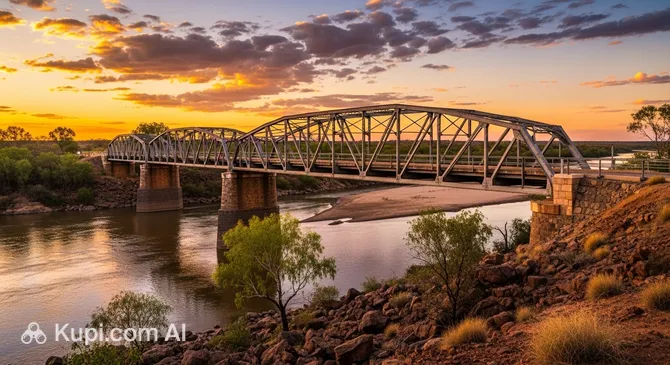
For a truly authentic experience, try to visit the new Fitzroy River Bridge at sunset. While it is a modern infrastructure project, the pedestrian walkway offers one of the best vantage points in the Kimberley. Watching the sun dip below the horizon, painting the river and the surrounding floodplains in hues of orange and violet, is a simple yet unforgettable way to connect with the vastness of this remote region.
Getting Around

Travelers planning a visit to Fitzroy Crossing must be aware that the town does not possess a public transport system. Due to its small population and remote location in the Australian outback, there are no local buses, metros, trams, or trolleybuses operating within the settlement. The infrastructure is designed primarily for private vehicle traffic, and the distances between the town center, accommodation providers, and local attractions are often too great to be covered comfortably on foot, especially given the extreme heat.

Since there is no municipal transport network, there is no need to worry about purchasing travel passes, validating tickets, or navigating complex fare zones. You will not find ticket machines or transport apps for local travel here. The concept of a "rush hour" is virtually non-existent, and the only traffic you are likely to encounter consists of road trains, local residents, and fellow travelers exploring the region.

For those looking for alternatives, it is important to note that ride-sharing apps like Uber or taxi services are not available in Fitzroy Crossing. While there may be occasional local charter options for specific purposes, you cannot rely on hailing a cab on the street or booking a ride for a short trip across town. Walking is only feasible within the very immediate vicinity of the shopping center or your accommodation, but extreme caution is advised due to the high temperatures and dehydration risks.

The most practical advice for navigating the area is to arrive with your own transportation. The vast majority of visitors rent a vehicle, typically a 4WD, from larger regional hubs such as Broome or Kununurra before driving to the town. Having a private vehicle is essential not only for getting around the town itself but also for accessing key attractions like Geikie Gorge, which is located several kilometers away from the main settlement on a road that has no shuttle service.

The only form of public transit that serves the town is the long-distance coach service operated by Greyhound Australia, which connects Fitzroy Crossing to other major destinations along the Great Northern Highway. However, this is strictly for intercity travel rather than local commuting. If you are arriving by coach, you must arrange pickup with your accommodation provider in advance, as the drop-off point may be far from where you are staying, and there are no local connecting services.

Accommodation

Accommodation options in Fitzroy Crossing are designed primarily to cater to road-trippers, caravans, and adventurers exploring the vast Kimberley region. The choices are limited but functional, ranging from powered campsites and glamping-style safari tents to comfortable motel units. Visitors should not expect high-rise luxury hotels or boutique apartments; instead, the focus is on providing a restful, practical stopover with essential amenities amidst the rugged outback landscape.

Most places to stay are situated conveniently along or near the Great Northern Highway, ensuring easy access for travelers passing through on long journeys. The most popular locations are often found close to the banks of the Fitzroy River. Staying in these areas offers scenic views of the surrounding bushland and places you in a central position for day trips to nearby natural wonders, such as the famous Geikie Gorge.

For those seeking a mix of comfort and outdoor experience, the Fitzroy River Lodge is the most prominent establishment in town. It sits on sprawling grounds and offers a wide variety of lodging types, including air-conditioned motel rooms, permanent safari tents, and grassy sites for caravans. Another significant option is the historic Crossing Inn, which provides a more rustic and authentic outback experience with simple cabins and camping facilities, reflecting its heritage as a traditional drovers' rest stop.

Travelers should be prepared for prices that are often higher than in more populated coastal areas, reflecting the town's remote location and the logistical costs of operating in the outback. Generally, accommodation falls into the mid-range price bracket. During the peak dry season (May to August), availability becomes very tight as tourists flock to the region. It is highly recommended to book your stay well in advance, either via online platforms or by contacting the venues directly, to ensure you have a secure place to rest.

Nearby Cities

For those looking to explore the surroundings, Fitzroy Crossing serves as an excellent base for day trips to several interesting nearby locations:

City Population Distance (km)
Broome 11547 353
Kununurra 6000 431
Port Hedland 4180 768
Derby 3260 227
Wadeye 2200 609

While the distances in the Kimberley region are vast, a few towns are within reach for a determined day trip or a planned overnight excursion. Derby is the closest major settlement to the west and offers a fascinating glimpse into the region's history and natural phenomena. Known for having the highest tides in the southern hemisphere, visitors can head to the Derby Wharf to witness the massive tidal shifts of King Sound. The town is also famous for the Boab Prison Tree, a hollowed-out ancient tree with a dark history, and the Mowanjum Art and Culture Centre, which showcases the artistic traditions of the local tribes.

Further west lies the coastal tourism hub of Broome. Although it is a longer drive, it is a frequent next stop for travelers. Broome is renowned worldwide for the white sands of Cable Beach, where sunset camel rides are an iconic experience. The town’s rich pearling history can be explored in Chinatown, and at Gantheaume Point, visitors can search for prehistoric dinosaur footprints preserved in the rock at low tide. It provides a stark contrast to the inland river country, offering a tropical, seaside atmosphere.

To the east, Kununurra serves as the gateway to the East Kimberley. While it is a significant journey, it rewards visitors with lush landscapes fed by the Ord River irrigation scheme. Key attractions include the celebrity-status Ivanhoe Crossing and proximity to the vast Lake Argyle. It is a vibrant agricultural hub that showcases a different, greener side of the outback compared to the arid plains surrounding Fitzroy Crossing.

These nearby destinations offer a glimpse into the diverse culture and landscapes of the region.

Shopping & Souvenirs

Shopping in Fitzroy Crossing offers a unique experience that reflects the town's remote location and rich cultural heritage. Unlike major cities with sprawling retail districts, the shopping scene here is focused on two distinct categories: essential supplies for travelers navigating the Kimberley and authentic Indigenous art. Visitors will find everything needed to restock for an outback adventure, alongside rare opportunities to purchase world-class artworks directly from the creators.

There are no designated shopping streets or fashion boulevards in the traditional sense. The retail activity is concentrated around the town center and the main service points along the Great Northern Highway. The primary hub for locals and tourists alike is the complex housing the local supermarket. Here, you can find a range of stores providing groceries, camping gear, hardware, and basic clothing, serving as the logistical heart of the community.

Travelers looking for large shopping malls or department stores will not find them in Fitzroy Crossing. The town's infrastructure is designed to support the practical needs of the population and the pastoral industry rather than recreational retail therapy. The "shopping center" is essentially a functional cluster of essential services, including the post office and newsagency, ensuring that visitors can access necessities without the bells and whistles of urban commercial centers.

While the town does not host regular flea markets or large-scale souvenir bazaars, the concept of a "market" here is best represented by the direct sales of local crafts. Occasionally, community events may feature stalls, but these are not a permanent fixture. For those seeking fresh produce or local goods, the supermarket and roadhouse are the reliable go-to spots throughout the week.

The true highlight of shopping in Fitzroy Crossing is the opportunity to buy exceptional souvenirs. The town is famous for its Indigenous art, particularly vibrant acrylic paintings and hand-printed textiles. A visit to the Mangkaja Arts Resource Agency allows tourists to purchase these items directly from the artists. Another unique keepsake to look out for is the carved boab nut. These nuts, engraved with intricate designs depicting local wildlife or landscapes, are a distinctive art form of the Kimberley region and make for a perfect, portable memento.

Opening hours in Fitzroy Crossing are generally more limited than in larger cities. Most shops operate from Monday to Friday, typically between 9:00 AM and 5:00 PM, with reduced hours on Saturdays. On Sundays, many businesses, including the art center, may be closed, though the supermarket and roadhouses usually maintain longer operating hours to accommodate travelers. Payment methods are modern, with major credit and debit cards (Visa and Mastercard) widely accepted. However, carrying some cash is advisable for smaller purchases or if systems go offline due to the remote location.

For international visitors, the Tourist Refund Scheme (TRS) may apply to goods purchased in Fitzroy Crossing, provided the total spent in a single business exceeds AUD 300. While you cannot claim the refund in the town itself, you can present your tax invoice at the customs office when departing Australia from an international airport. Be sure to ask for a valid tax invoice if you plan to purchase significant pieces of art or expensive equipment.

Nearby cities

Reached the end of the page?

That means the route is fully explored